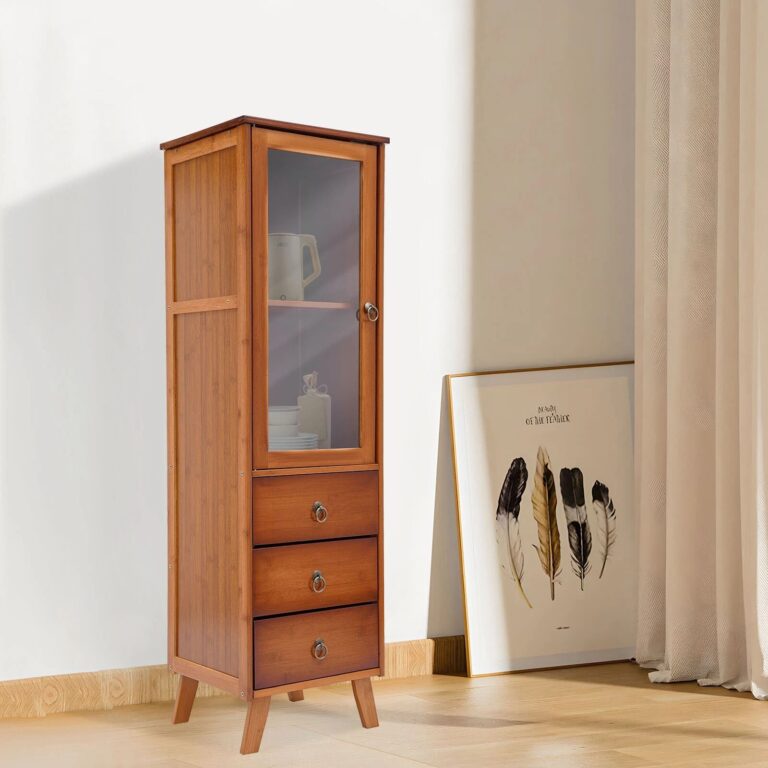
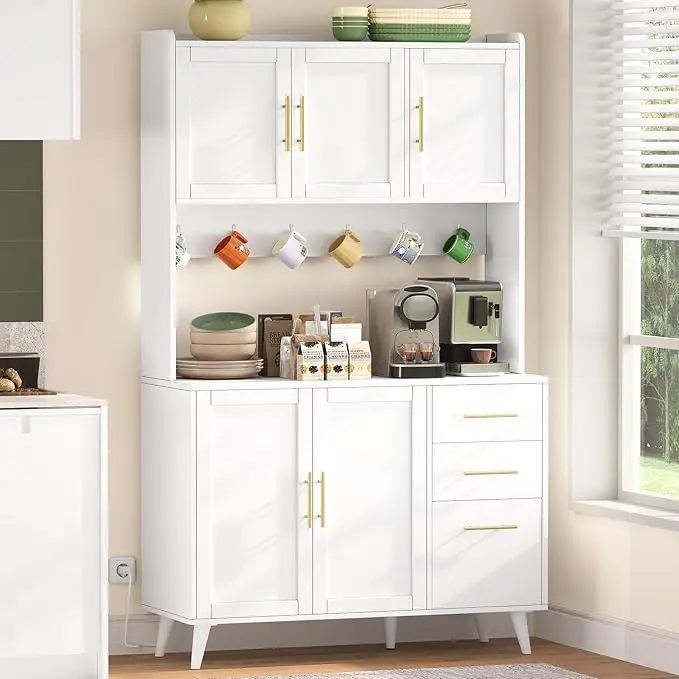
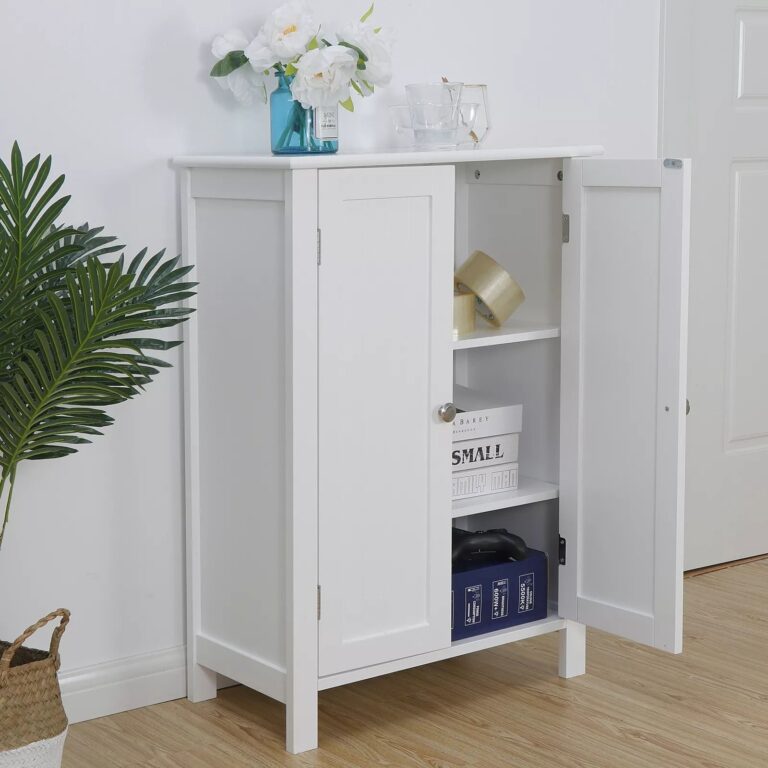
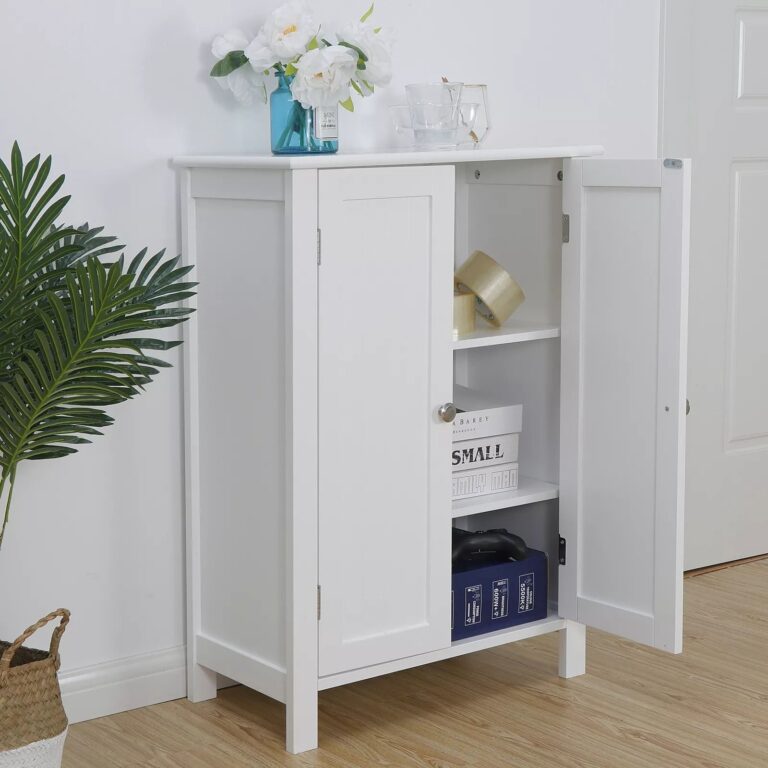
Stand in front of one and think about what it's actually going to swallow before you think about how it looks. Open the doors in the shop if they'll let you, pull out any shelves, and picture the box of Christmas decorations or the vacuum cleaner or the board games it's meant to hide, because a cupboard that looks good closed and fits nothing useful is just a very calm piece of furniture taking up a wall.
In an ordinary room, a storage cupboard works best when it isn't trying to be the main event. Put it against a plain wall in a hallway or a dining room and let the rest of the furniture stay a bit quieter around it, a simple bench or a console that doesn't compete for attention. Painted wood or a clean veneer sits easily next to most things you already own, older furniture included, because it reads as a piece of joinery rather than a style statement. The ones that look wrong are usually the ones trying to match everything else in the room exactly, instead of just getting along with it.
How it wears comes down mostly to what's on the outside. Solid wood will pick up small dents and scratches over the years and that's fine, even good, it starts to look lived in rather than tired. Painted finishes show scuffs faster, especially near handles and at skirting height where shoes and vacuum cleaners find them, so wipe with a damp cloth rather than anything harsh and touch up chips with matching paint before they spread. Veneers need a bit more respect, keep them out of direct sun if you can, because years of afternoon light will fade one side paler than the other and there's no fixing that once it's happened. Hinges are the other thing that tells on age, cheap ones sag and the doors stop meeting flush within a year or two, decent ones barely move in a decade.
Check the small things the day it arrives, before the delivery driver is back in the van. Open and close every door and drawer a few times, feel for any drag or wobble. Look inside at the back panel, it should be properly fixed in, not just pinned, because a loose back is how a cupboard racks sideways over time. Run a hand along the inside edges for rough spots, and check the shelves sit level and don't flex when you press down in the middle. A well made cupboard has joints you can see and feel are solid, proper corners rather than everything held with glue and staples, weight to the doors, and drawers that run smoothly on their own without being shoved. A disappointing one often looks fine in a photo and only gives itself away once you've lived with it a few months, doors that swing open on their own, backs that bow, a smell of chipboard that never really goes away.
Even a good one won't fix a room that has nowhere sensible for it to go, so measure the space properly, including door swing, before you fall for how it looks in the shop.
 Aisha's pickAdjustable Storage Cupboards Picked From the Stores We Trust
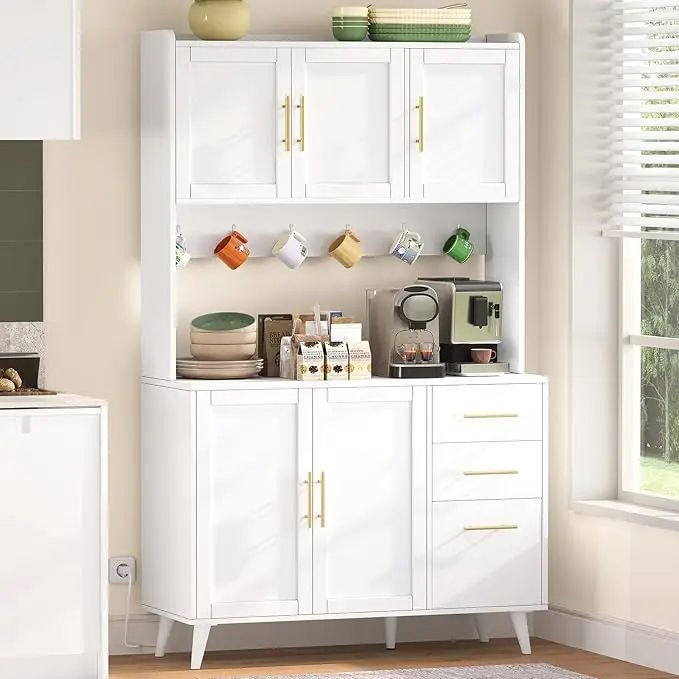
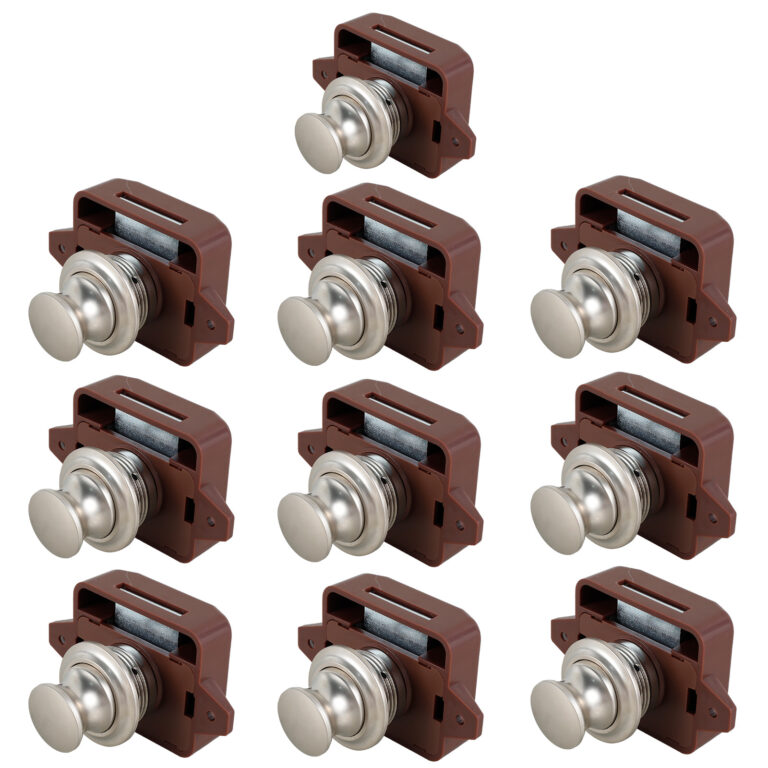 Aisha's pickStorage Cupboards with Lock That Look Good Even When Full
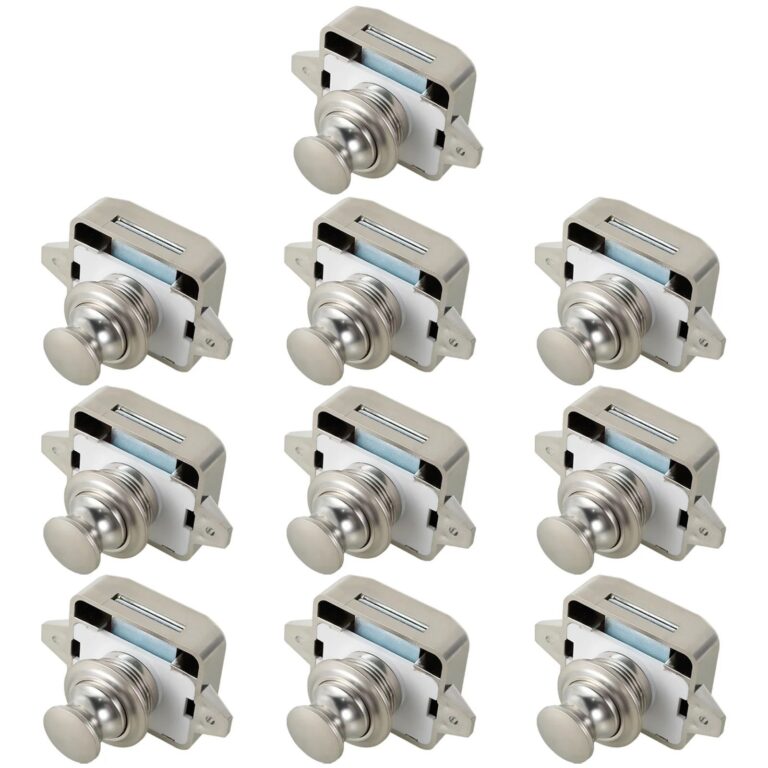
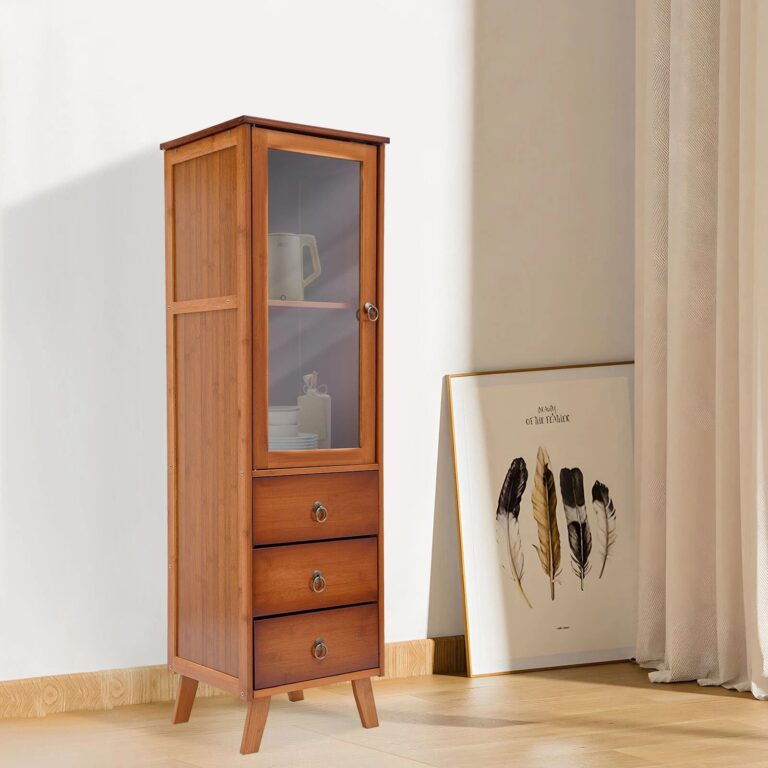 Aisha's pickCompact Storage Cupboards That Make Tidying Up Quicker

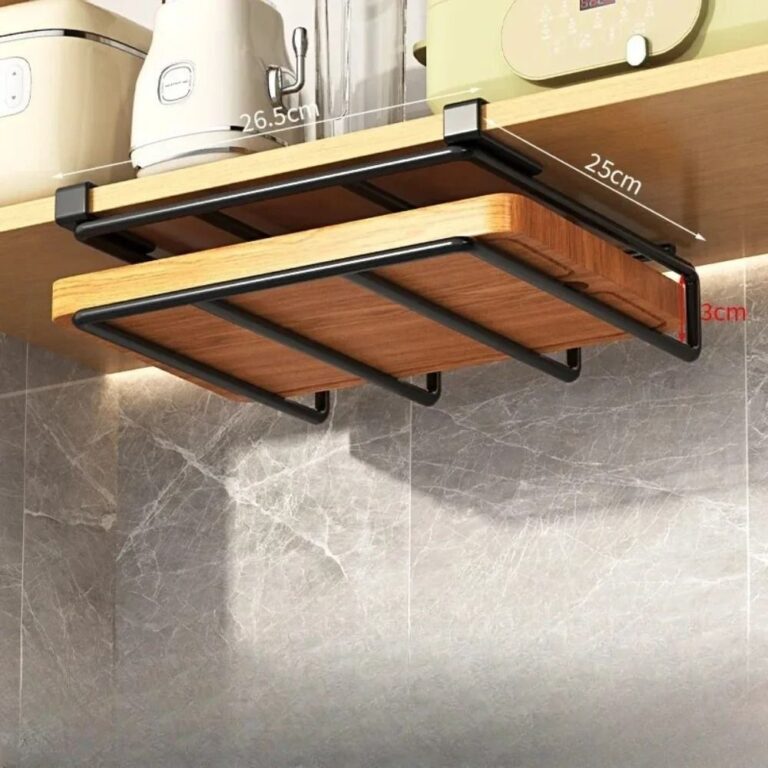 Aisha's pickStorage Cupboards with Shelves Without the Silly Price Tag
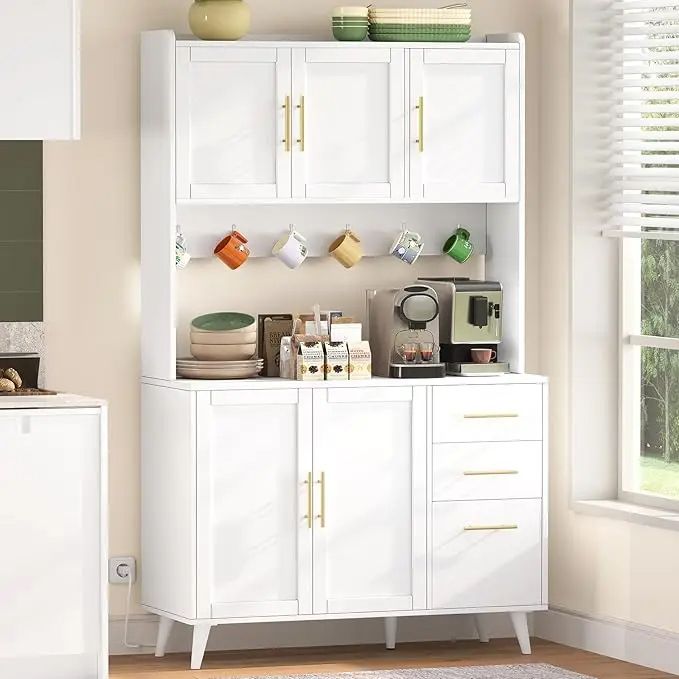
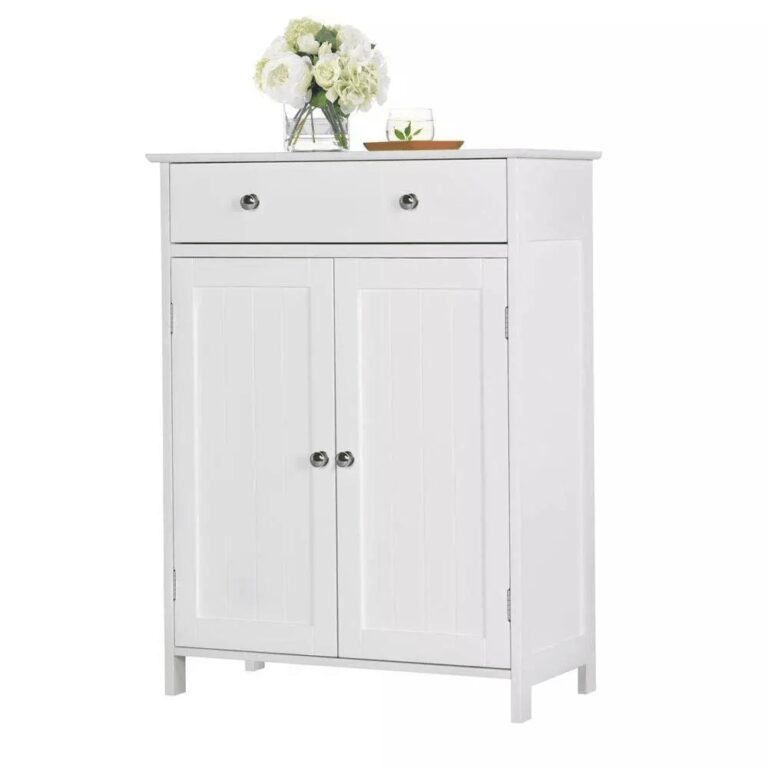 Aisha's pickContemporary Storage Cupboards That Squeeze Into Awkward Corners
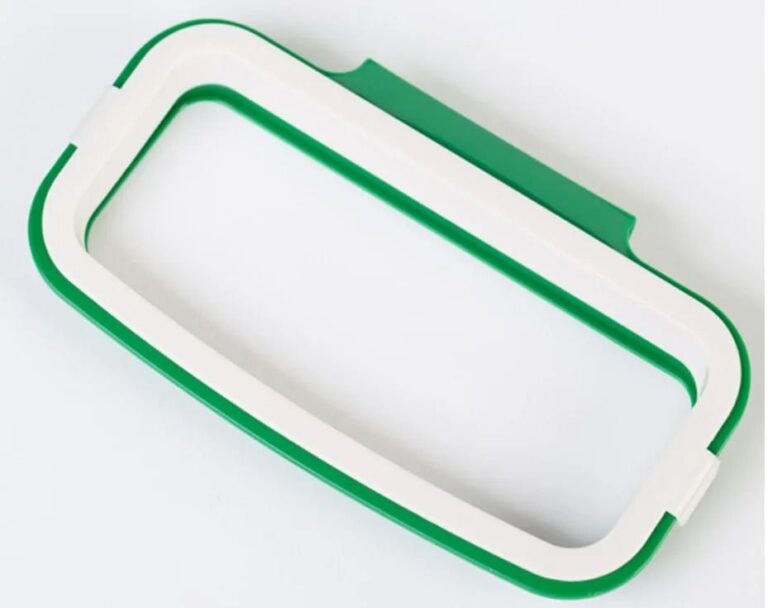 Aisha's pickWide Storage Cupboards for the Bits That Never Have a Home
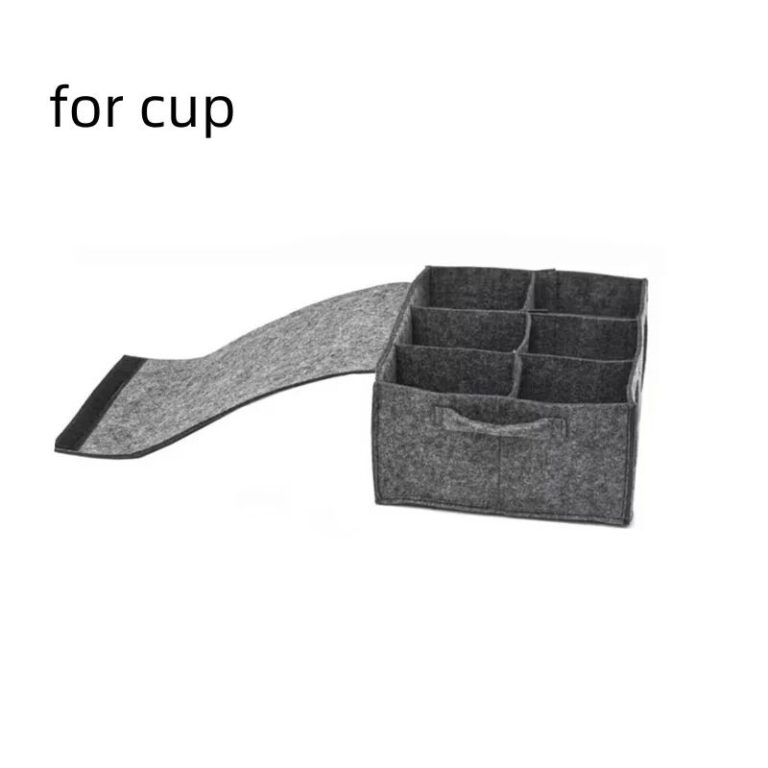 Aisha's pickFoldable Storage Cupboards That Sort Out the Chaos

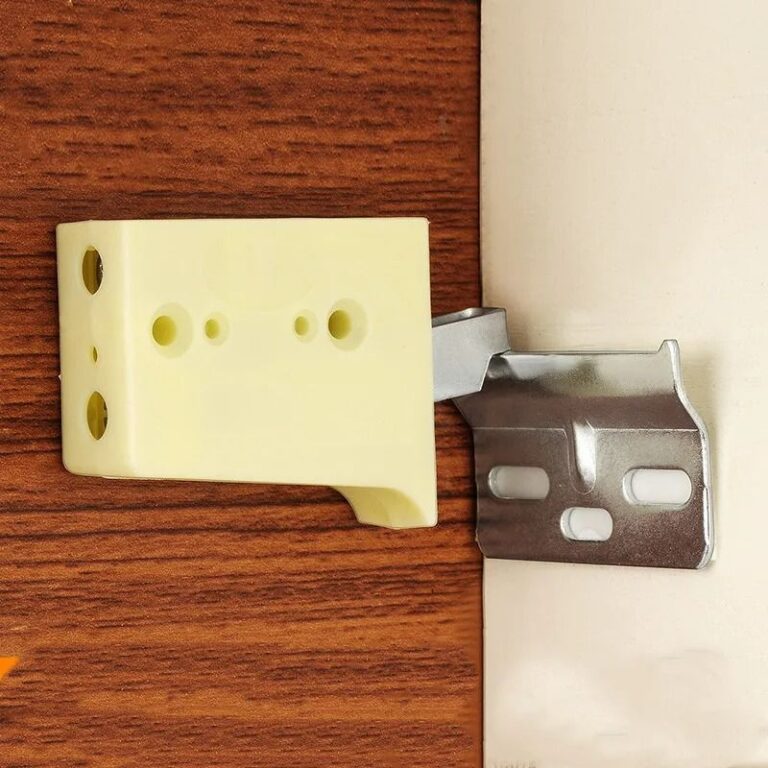 Aisha's pickWhere to Start With Heavy Duty Storage Cupboards
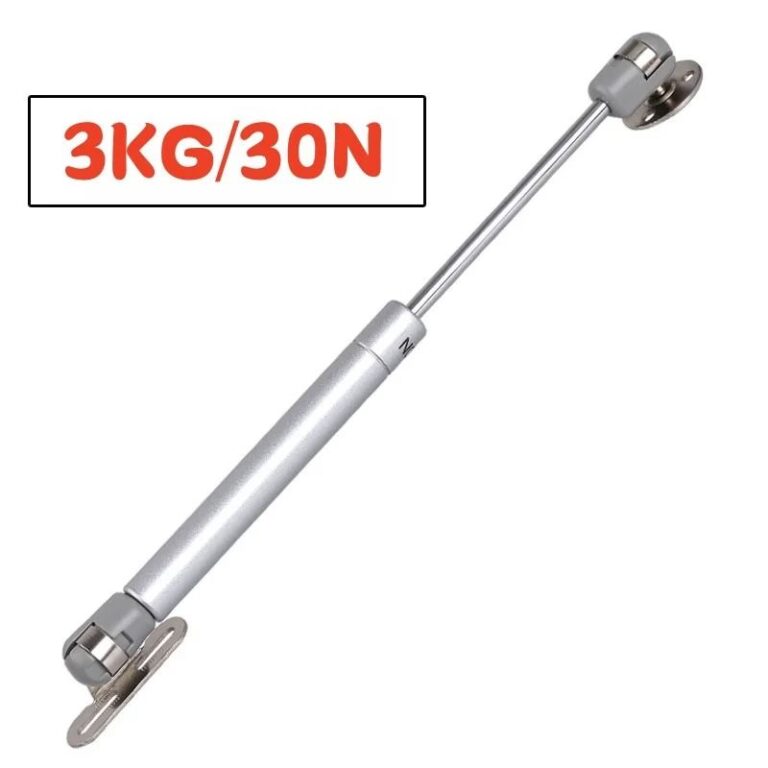
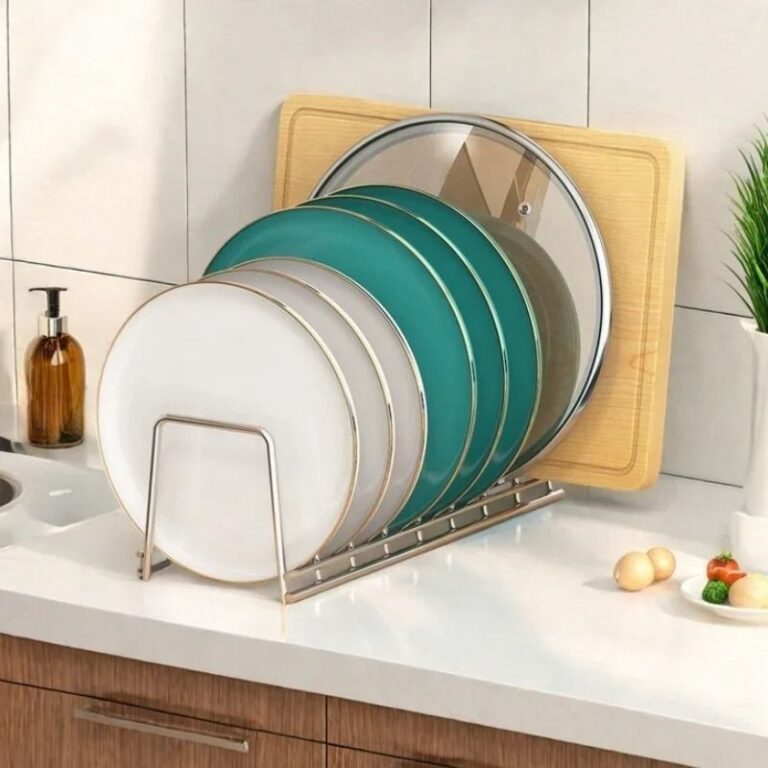 Aisha's pickLow Storage Cupboards That Do the Job RightAlso worth a lookCupboardsA cupboard is only as good as the mess it hides, and most of us have more mess than we admit.See the collections →
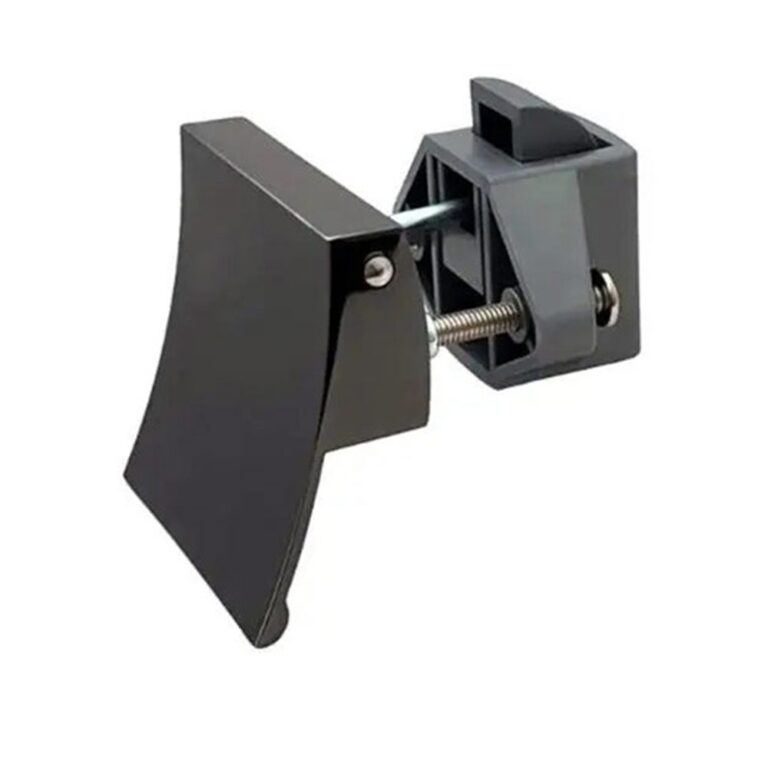 Aisha's pickDecent Metal Storage Cupboards Without the Hassle
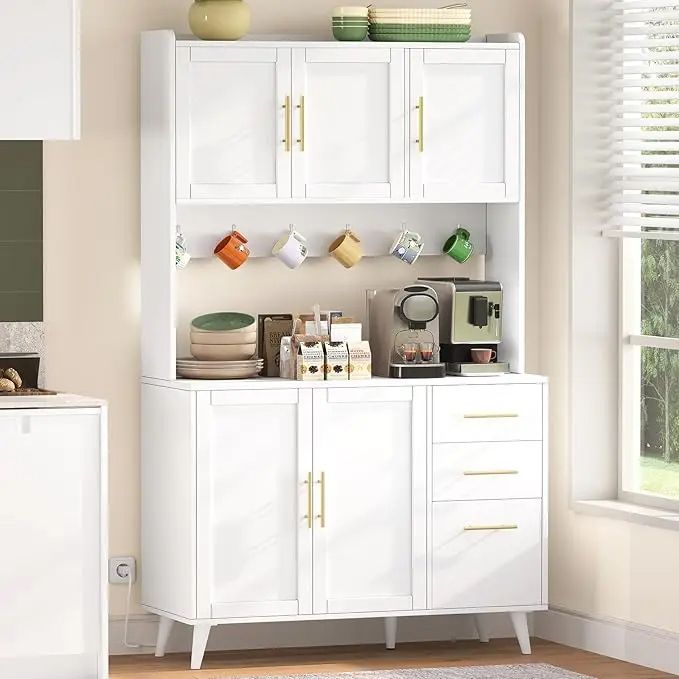
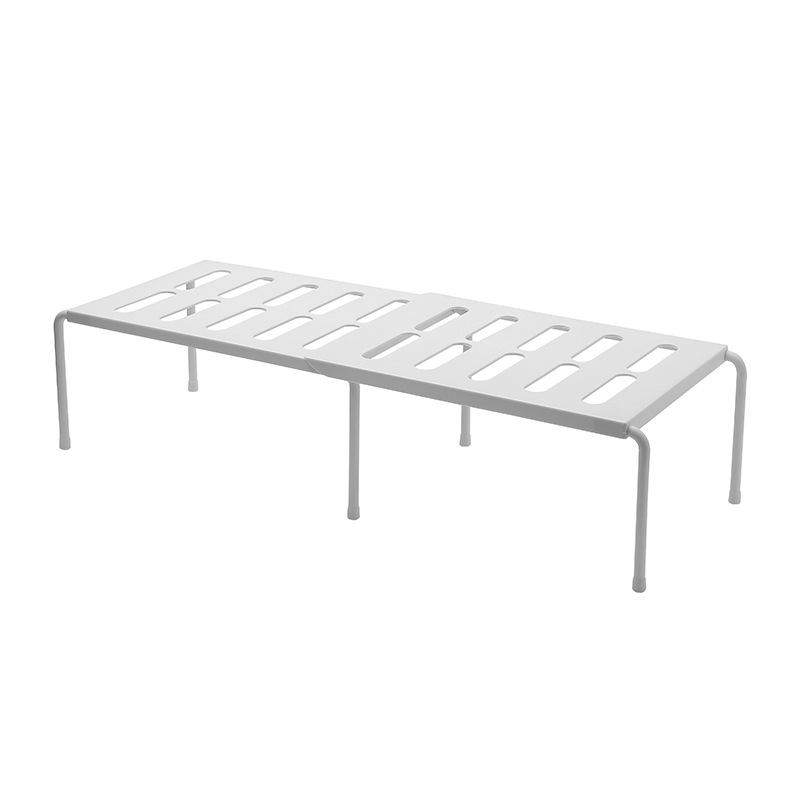 Aisha's pickModern Storage Cupboards That Look Good Up Close
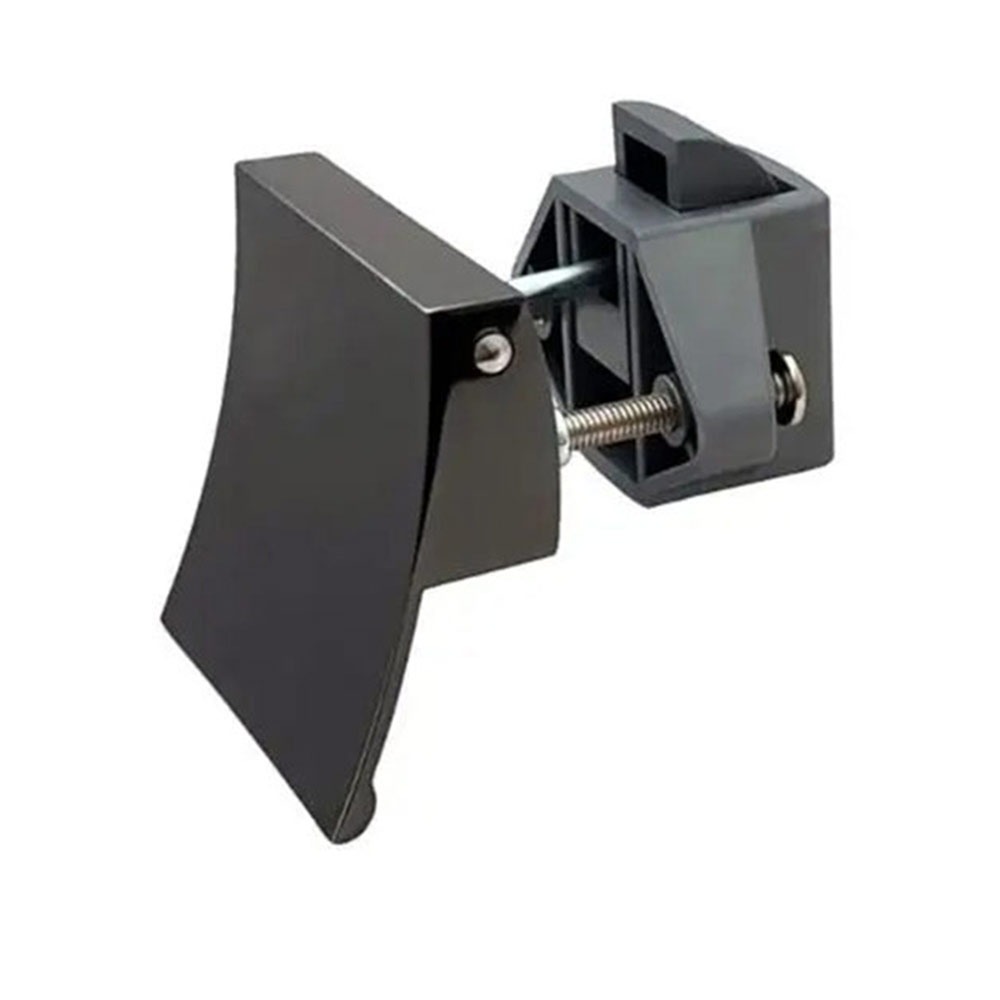
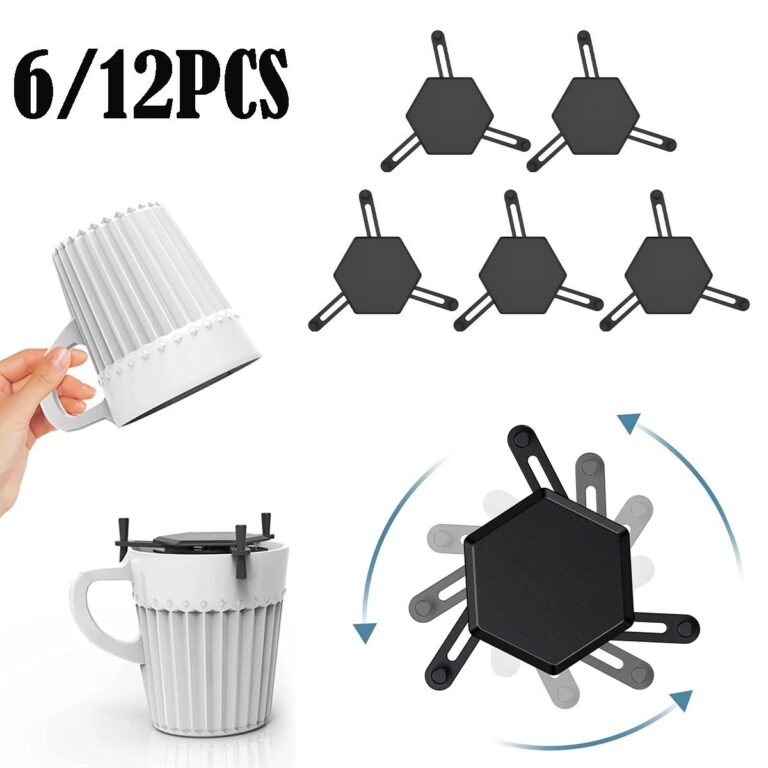 Aisha's pickPlastic Storage Cupboards With Room for More Than You’d Think
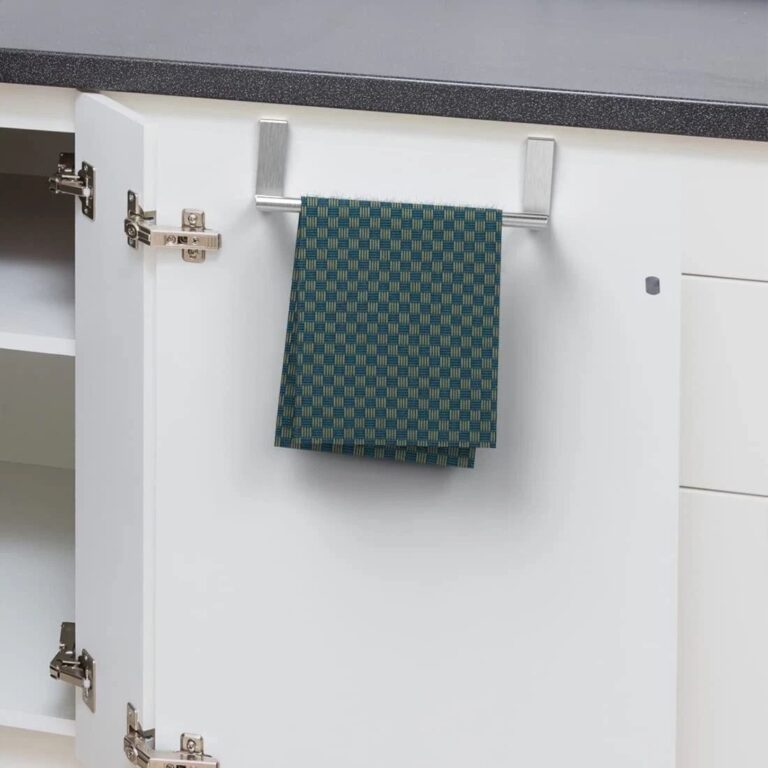
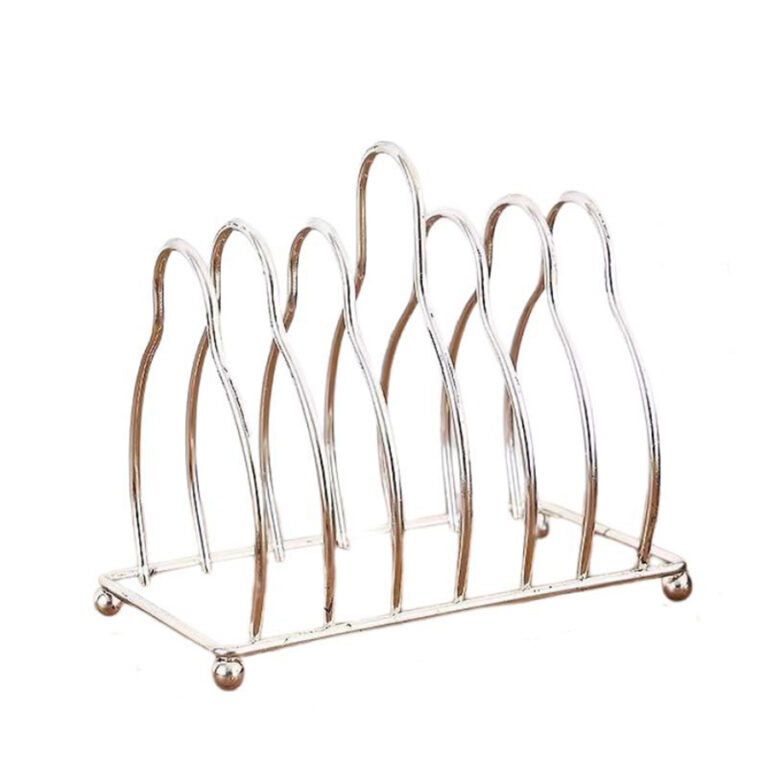 Aisha's pickSilver Storage Cupboards That Squeeze Into Awkward Corners
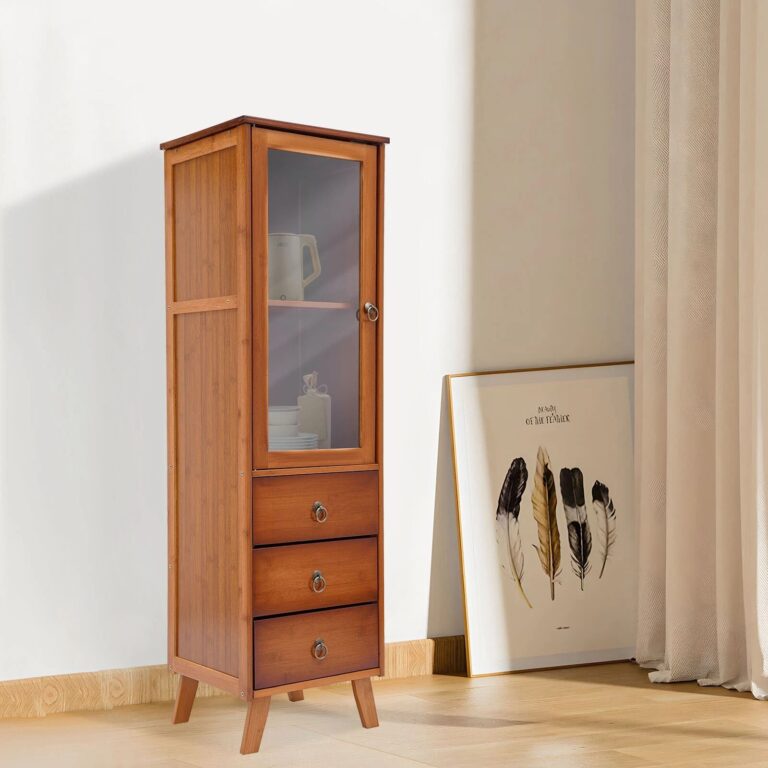 Aisha's pickSmall Storage Cupboards for Homes With Too Much Stuff
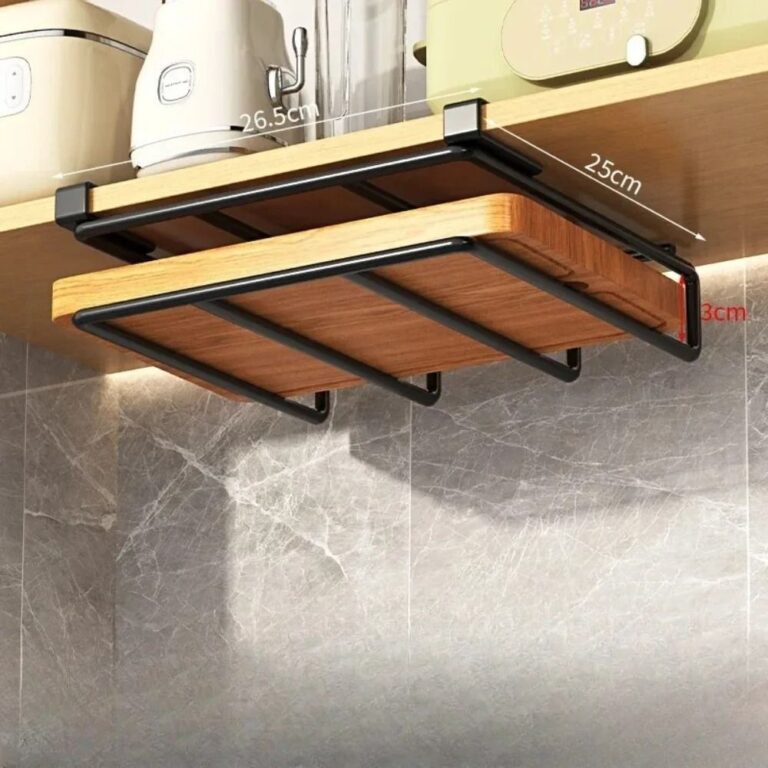
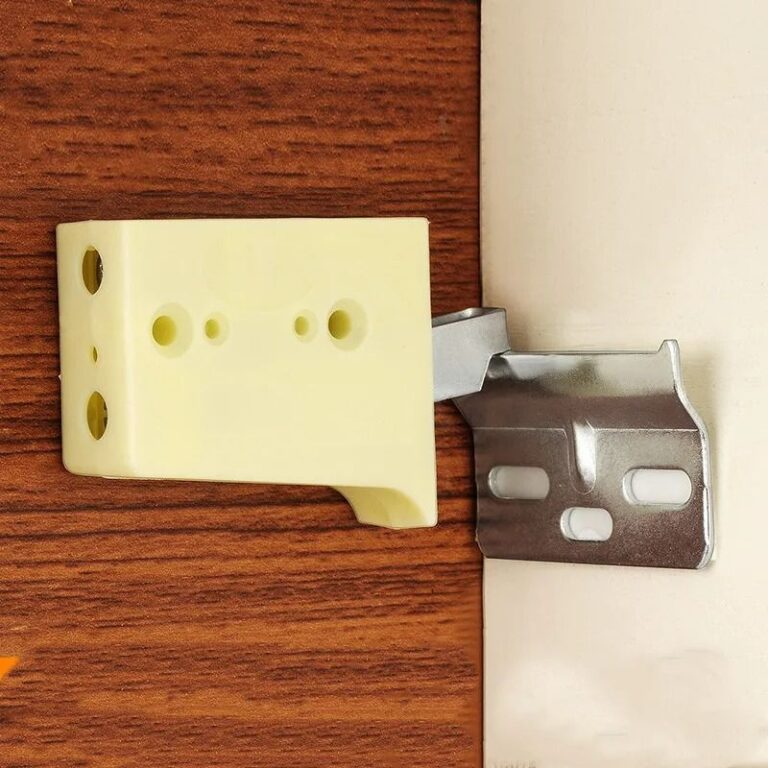 Aisha's pickSteel Storage Cupboards We Wish We’d Bought Sooner
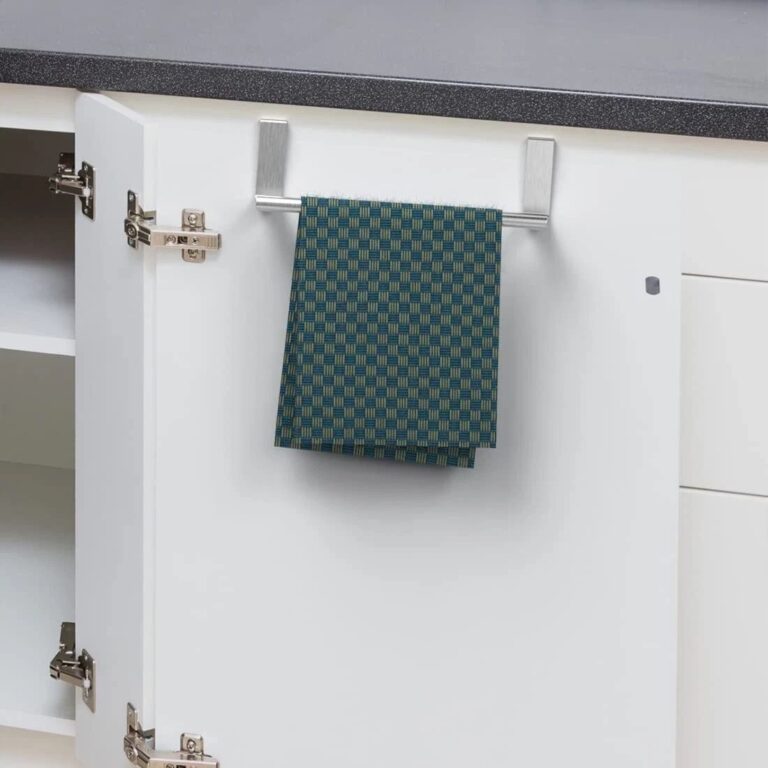
 Aisha's pickStorage Cupboards We Wish We’d Bought Sooner
 Aisha's pick3 Shelf Storage Cupboards We Wish We’d Bought Sooner
 Aisha's pickStorage Cupboards for Garage That Won’t Let You Down
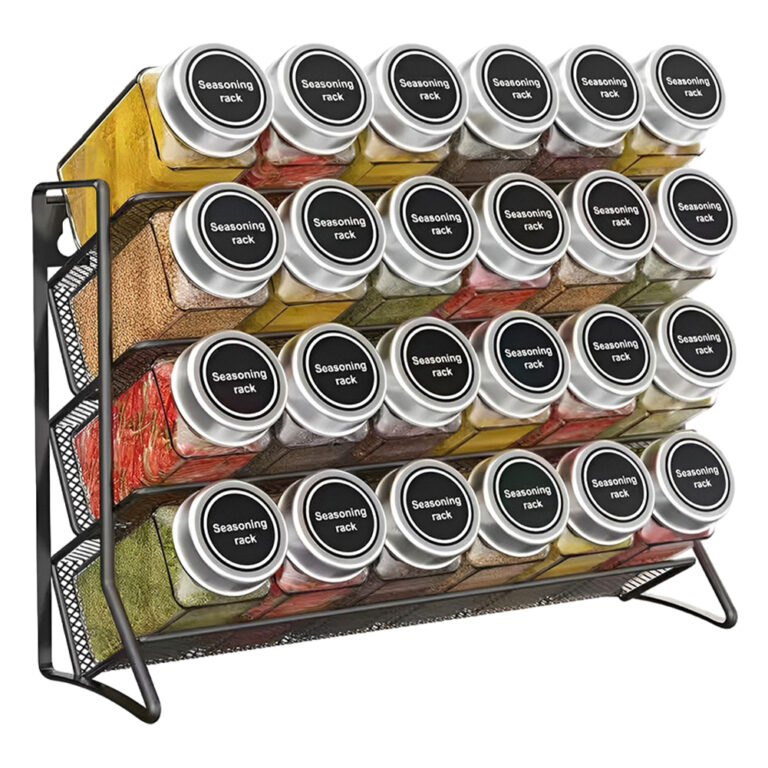 Aisha's pick4 Shelf Storage Cupboards for Homes With Too Much Stuff
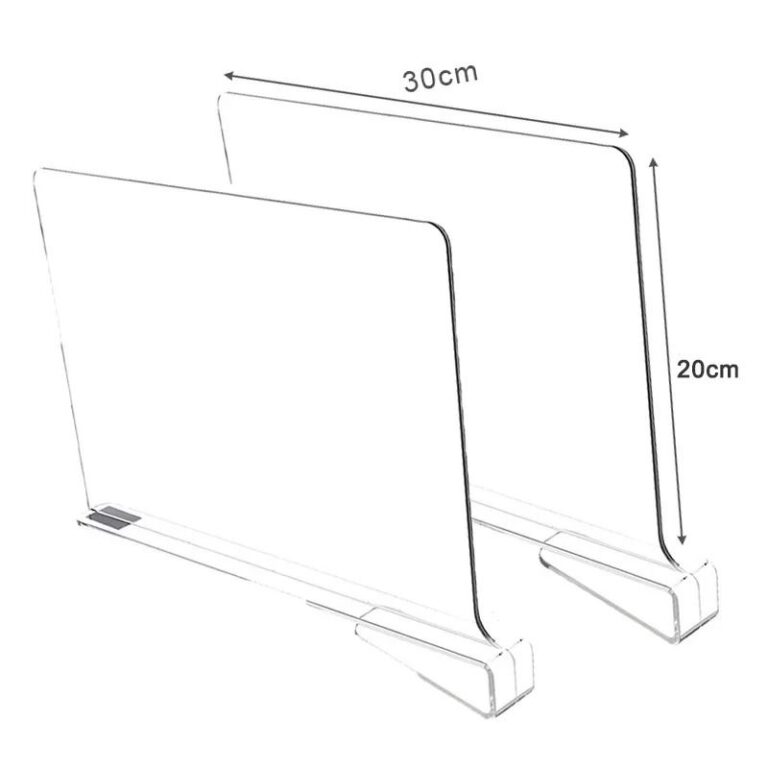
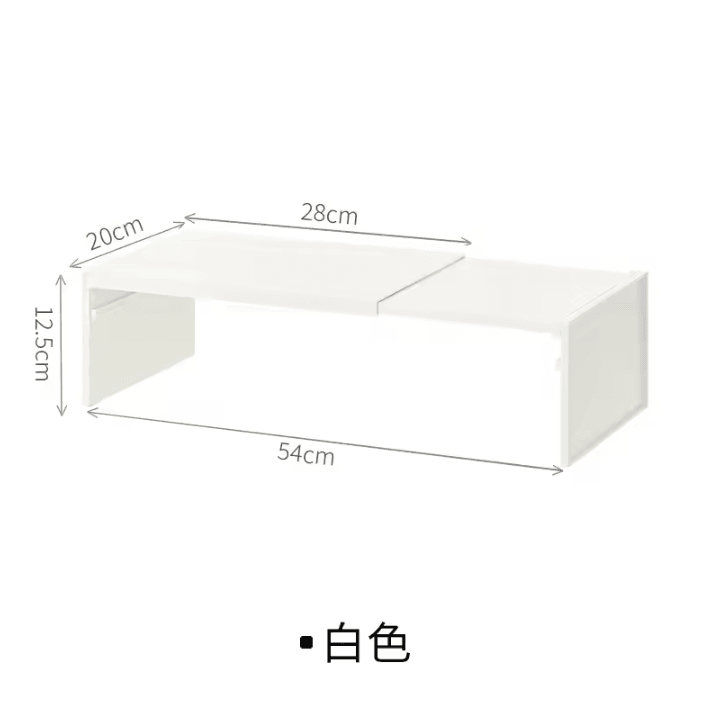 Aisha's pickStorage Cupboards for Small Spaces That Fit Where Nothing Else Will