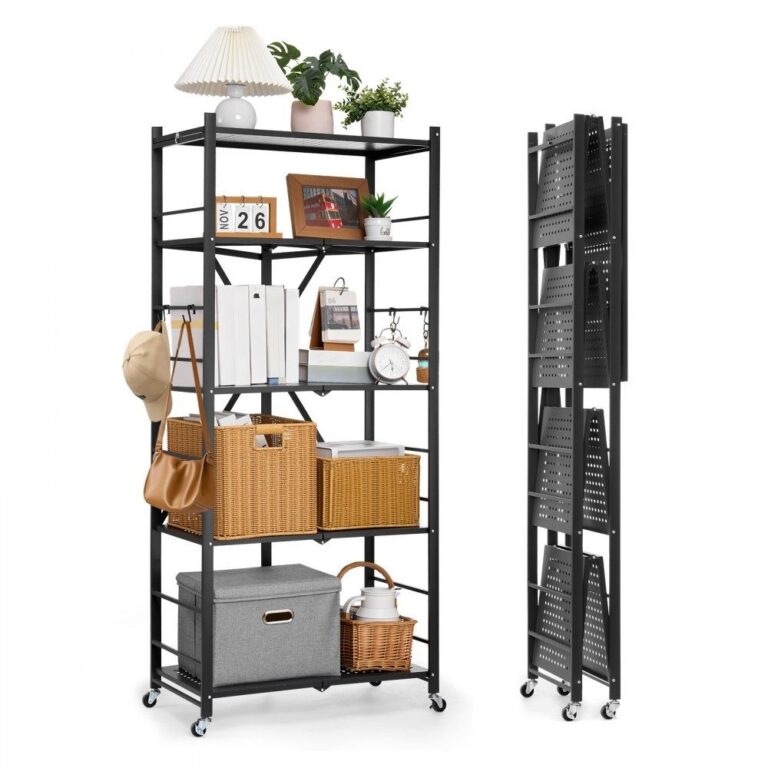
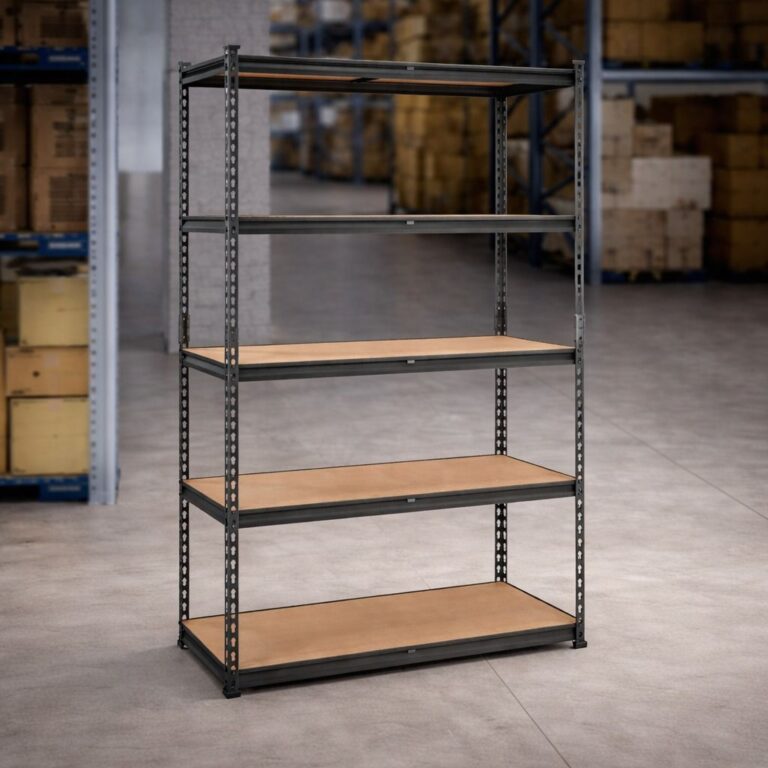
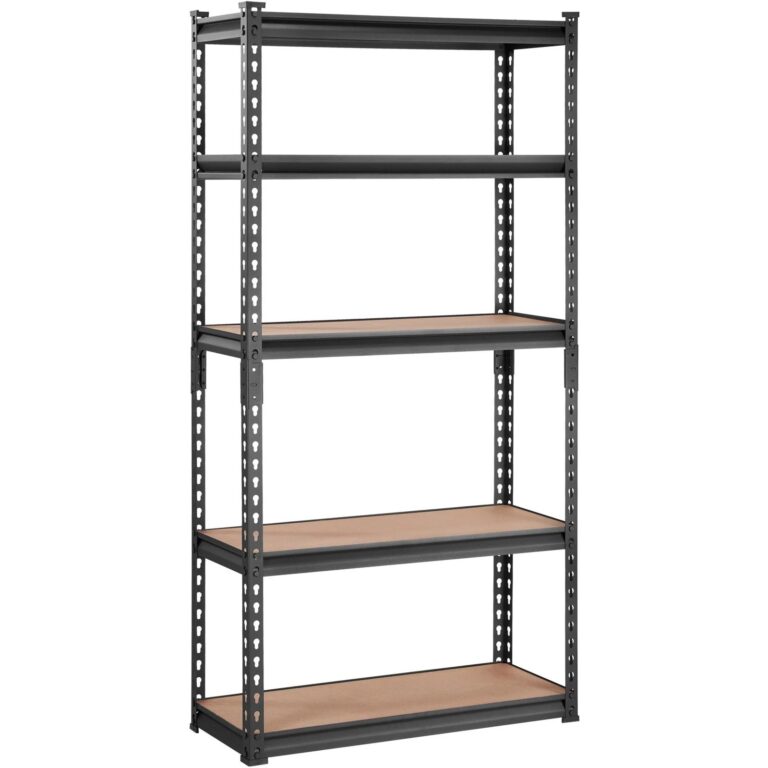
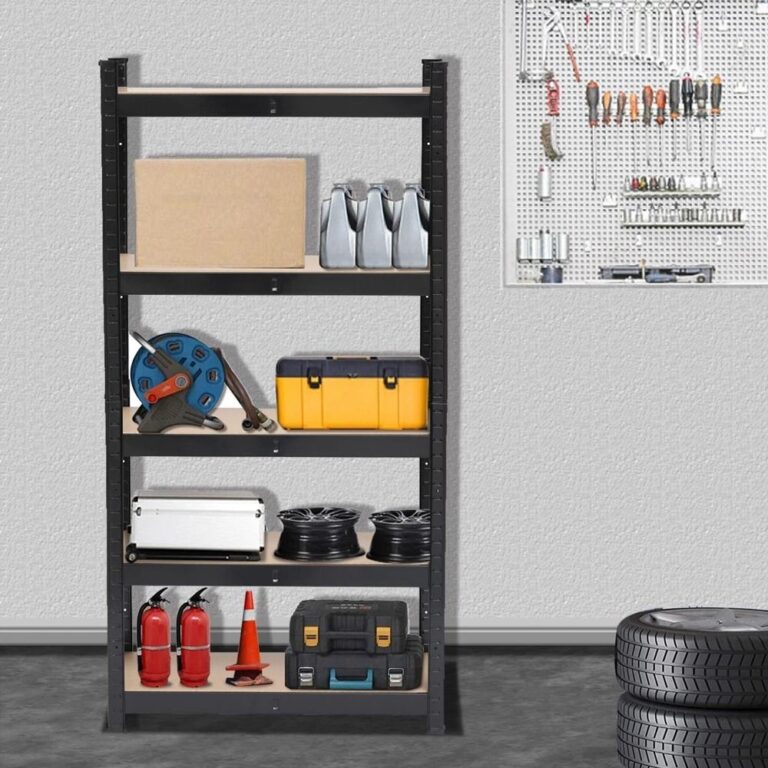
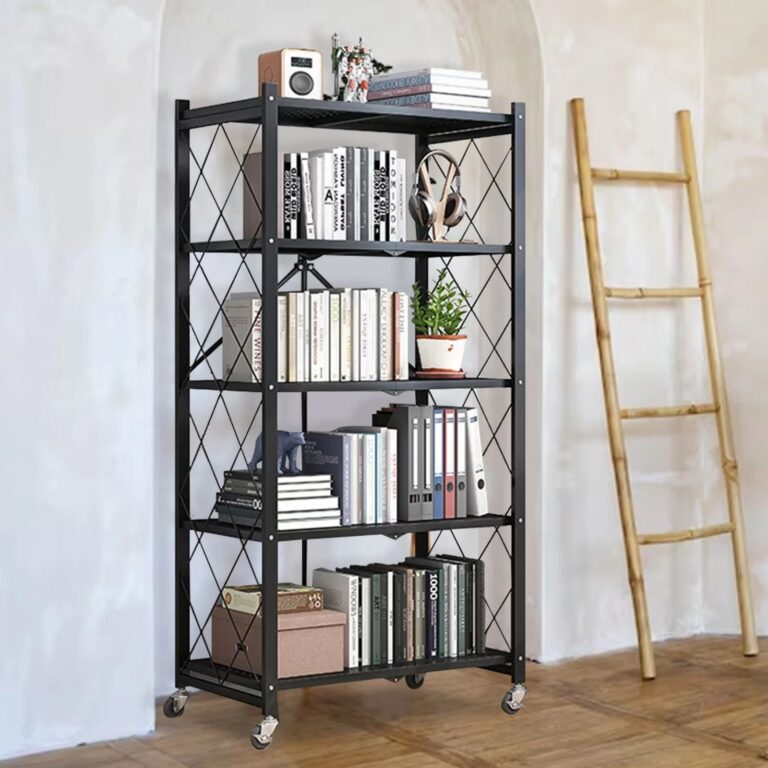
Units with a shelf built into the design used to mean one thing: a cabinet with a gap above the doors where someone could prop a plant or a photo and call it done. That's changed. Now you get open shelving worked into the carcass properly, at different heights, sometimes running the full width, and it makes the whole piece more useful without making it look like two different pieces of furniture got married against their will.
Where it goes wrong is when the shelf is just decoration and you try to actually use it. I've seen plenty where the shelf depth is barely enough for a stack of coasters, which is fine if you wanted a display ledge, less fine if you were hoping to store anything with weight or width, like books or a stack of folded towels. If you need real storage capacity, a plain cabinet with doors will beat this every time, the open shelf is eating space that could have been a drawer. Measure before you fall for one: take the shelf depth and height separately, because a shelf that's twelve inches deep but only eight inches tall will reject most of what you own. Measure the room too, not just the wall, because an open shelf at eye level draws attention to clutter in a way a closed cabinet doesn't, and in a small room that gets loud fast. Leave at least a few inches of clearance above whatever you plan to put on there, people forget that and end up with a shelf that only fits things lying flat.
How it wears depends entirely on what the shelf itself is made from, and this is where I always flip the thing over or at least get my hand underneath before buying. A shelf that's a thin skin over particleboard will sag within a year if you load it with anything heavier than picture frames, you'll see the bow starting at the center first. Solid wood or a properly faced plywood shelf will take real weight and still look flat a decade later, and it ages the way wood should, picking up small marks that a little oil or wax will blend right back in. Wipe it down regularly, keep anything wet off it directly, and if it's real wood, resist the urge to coat it in anything thick and glossy, it just needs to breathe.
At delivery, check the shelf edge for chips, run your thumb along it, it should feel finished, not rough where it was cut. Push down gently in the center too, if you feel any give, that shelf isn't going to last.
I'd put this in a living room first, where the open shelf gets to show off a little without having to carry too much weight.
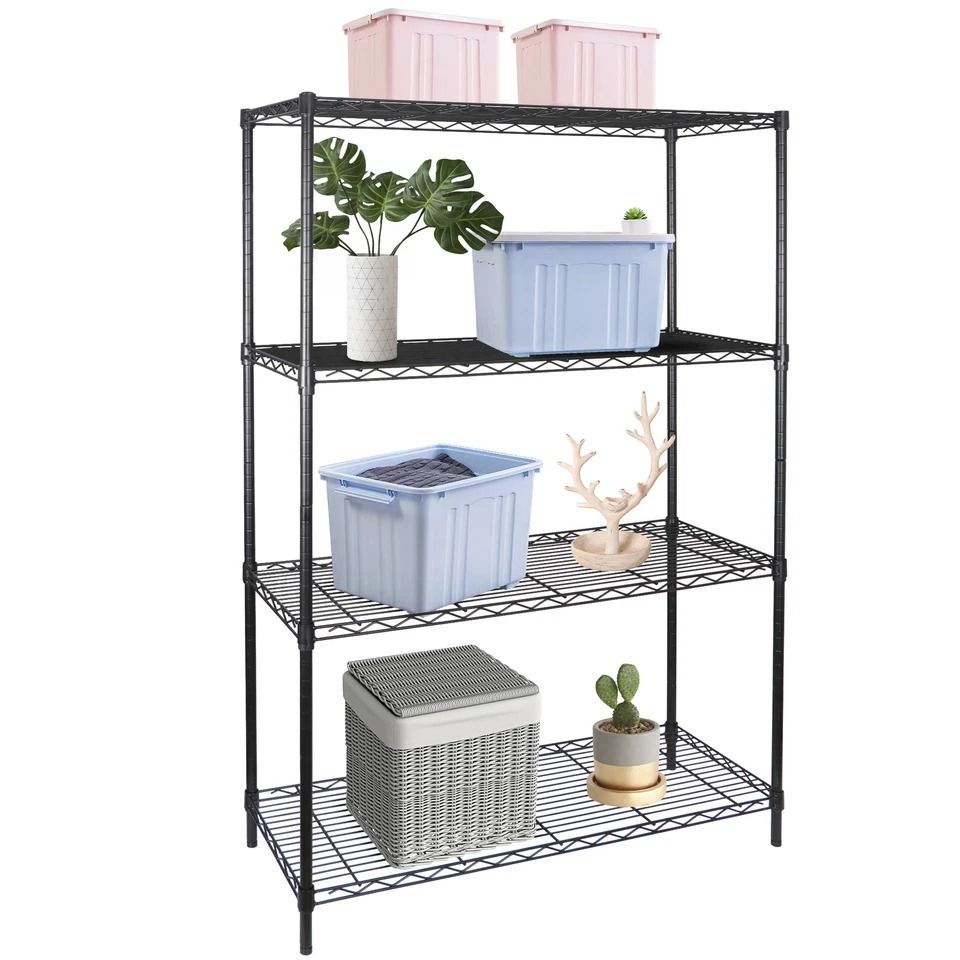 Aisha's pickBlack Shelving Units with Shelves That Look Better in Real Life
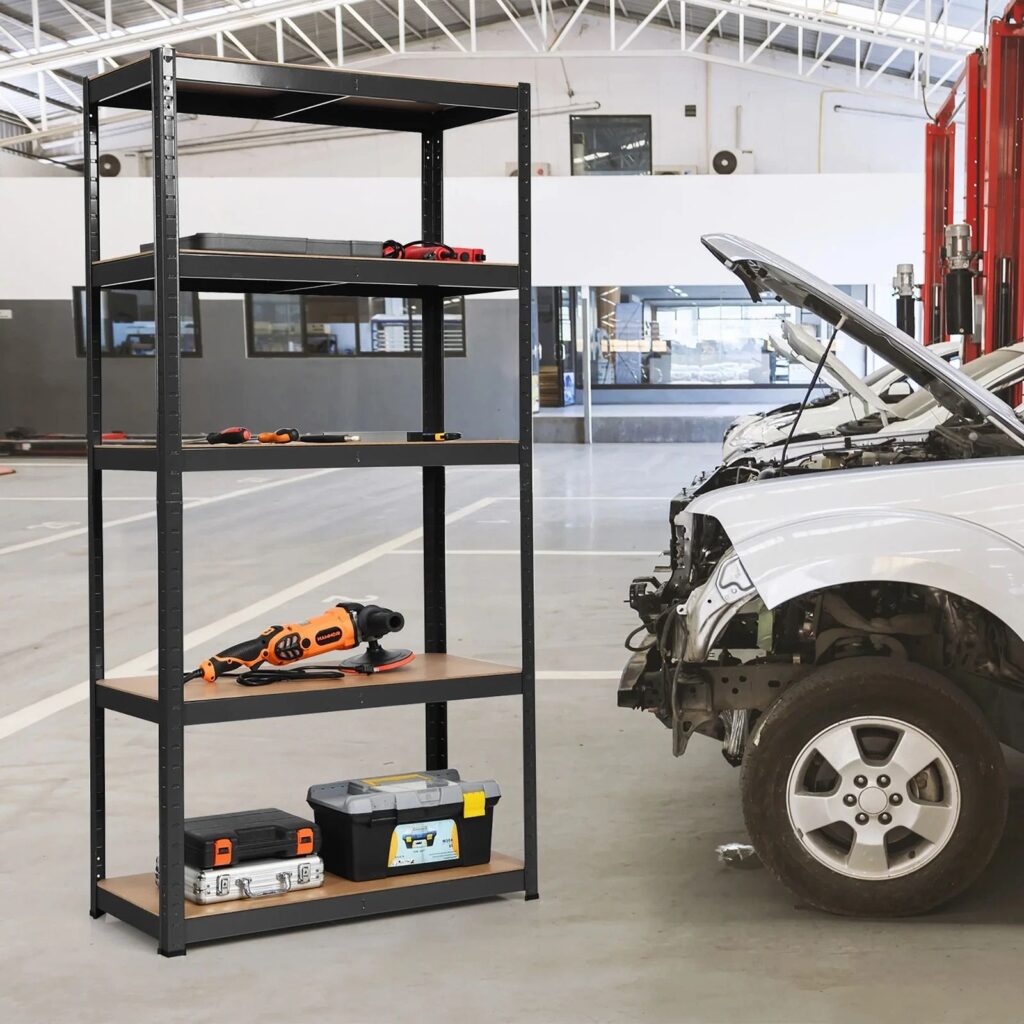
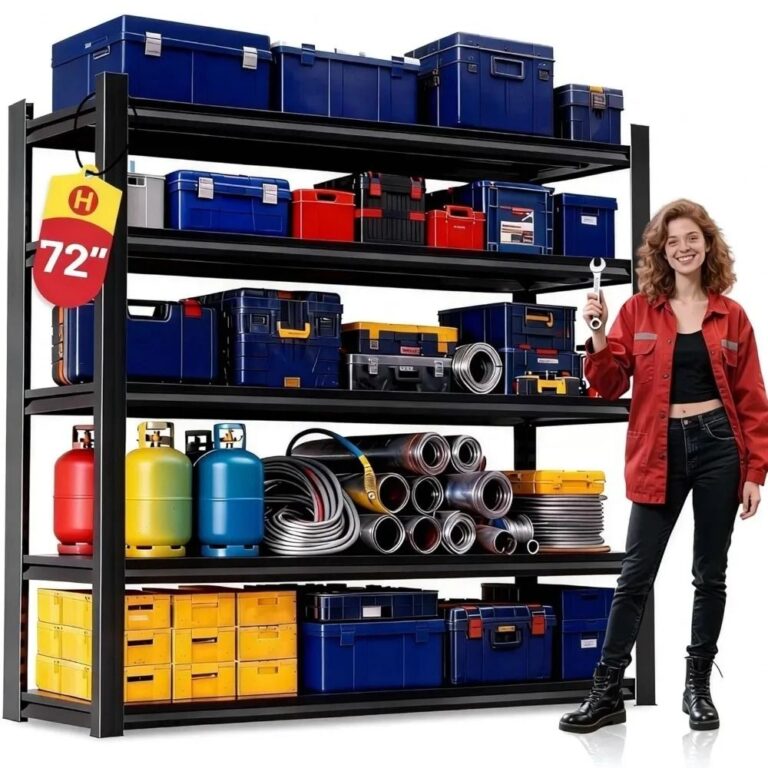 Aisha's pickThe Black Storage Units with Shelves Worth Your Cash
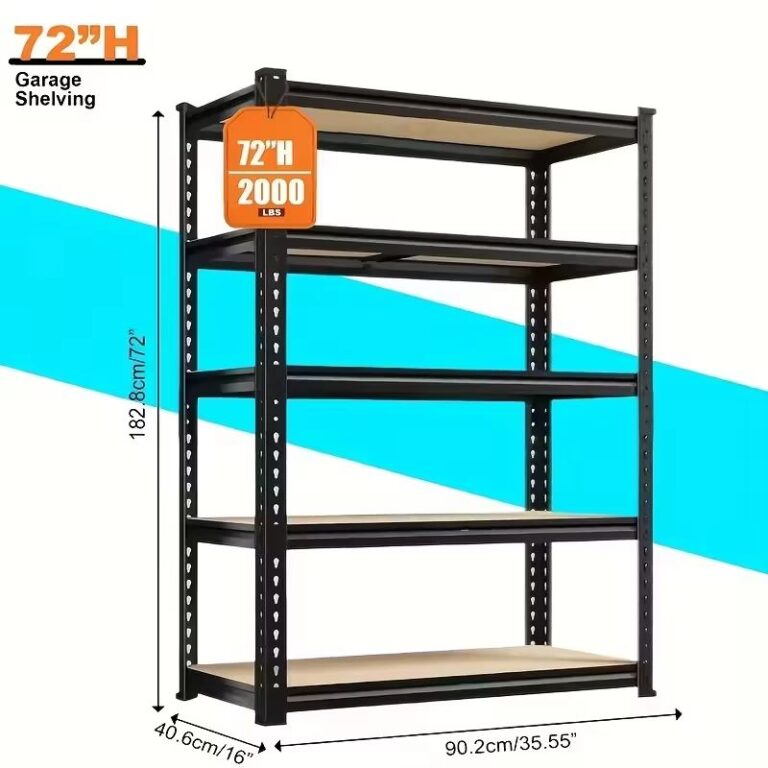
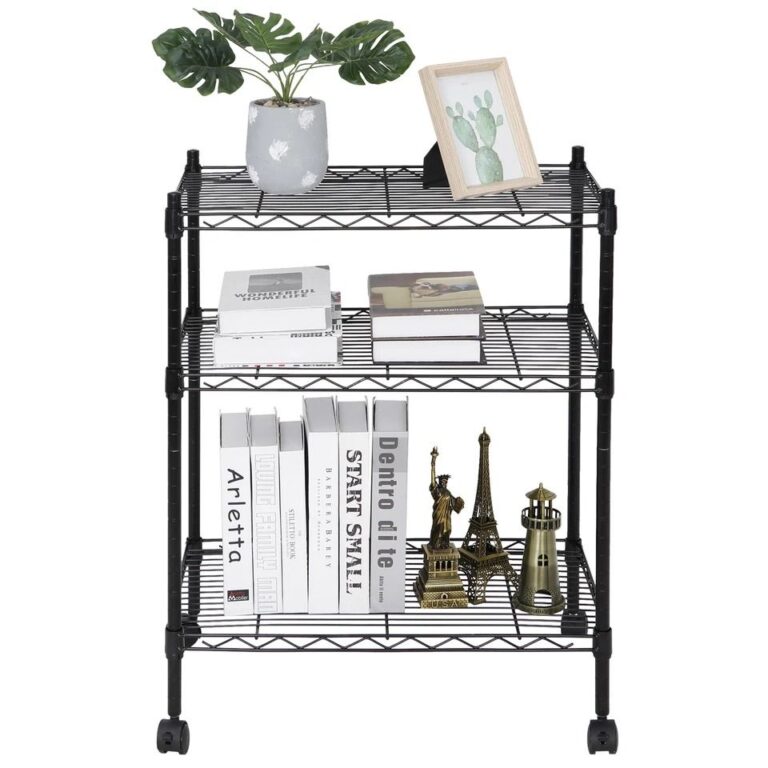 Aisha's pickMetal Shelving Units with Shelves That Keep Surfaces Clear
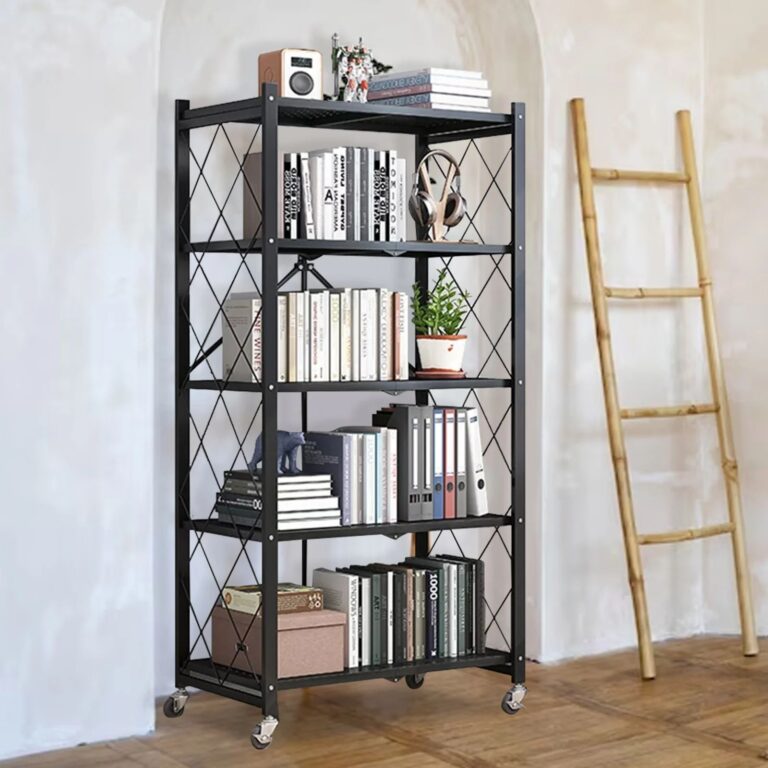
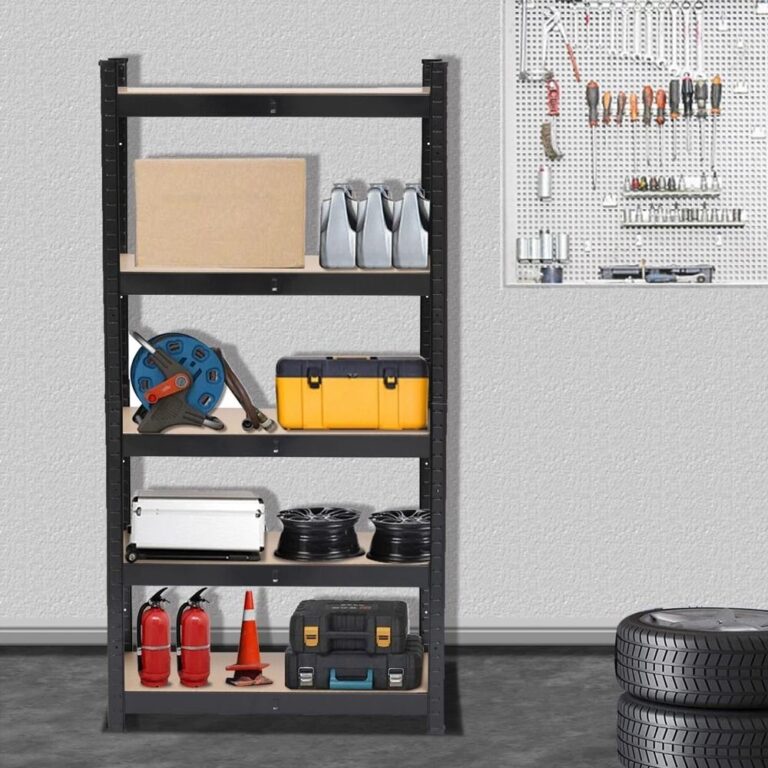 Aisha's pickMetal Storage Units with Shelves We Keep Coming Back To
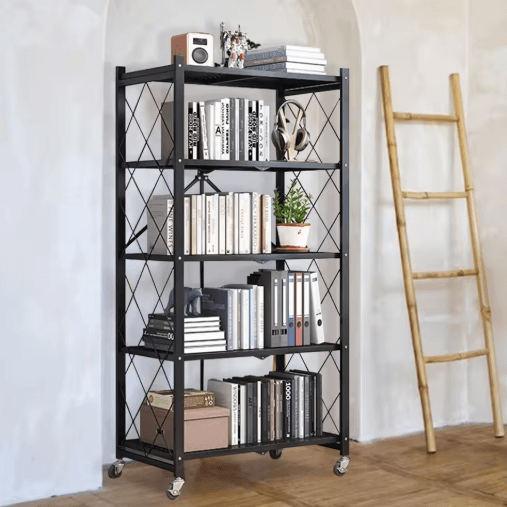
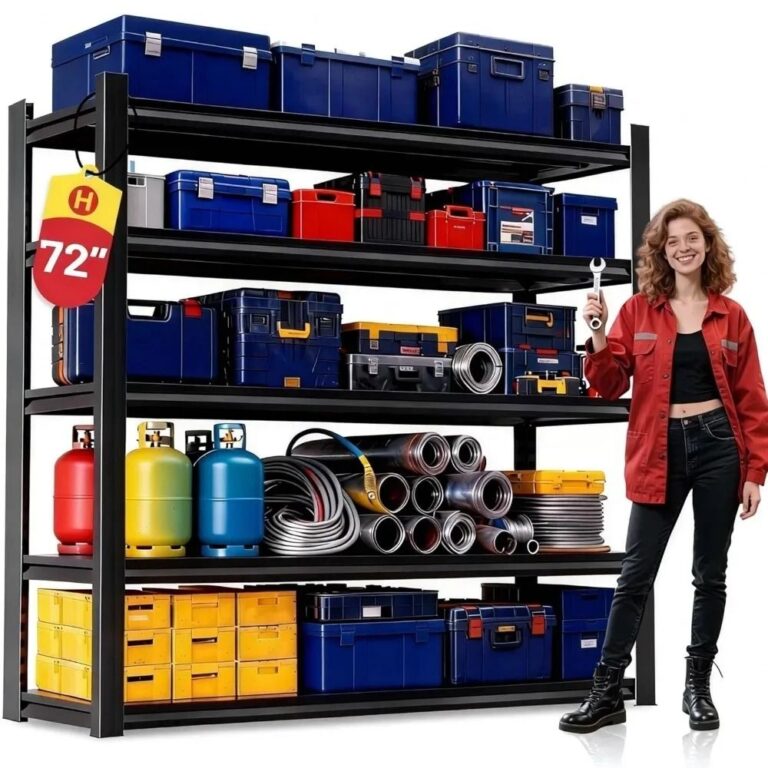 Aisha's pickPlastic Shelving Units with Shelves That Look Good Even When Full
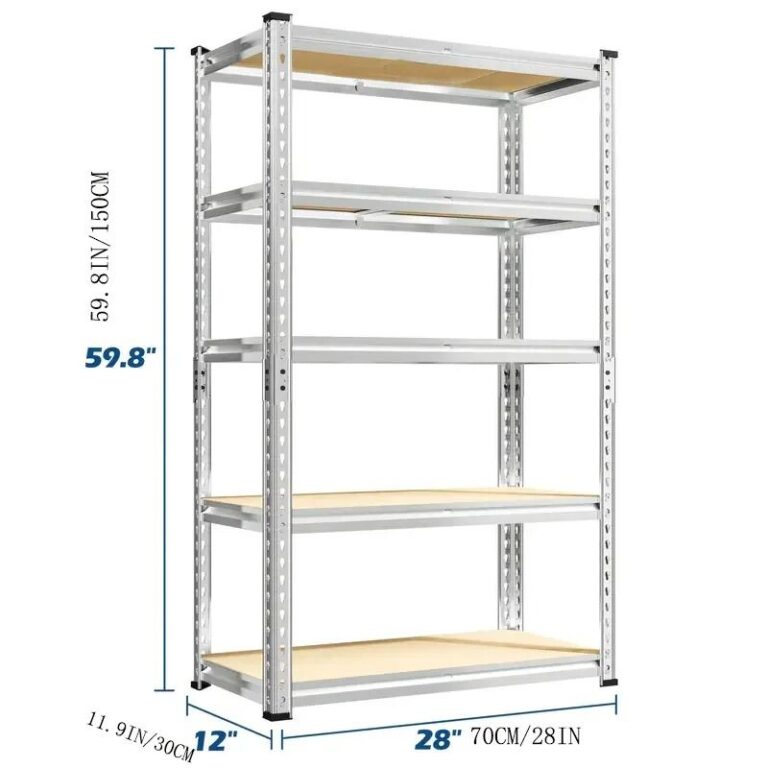
 Aisha's pickPlastic Storage Units with Shelves That Keep Surfaces Clear
 Aisha's pickThe Shelving Units with Shelves Worth Your Cash
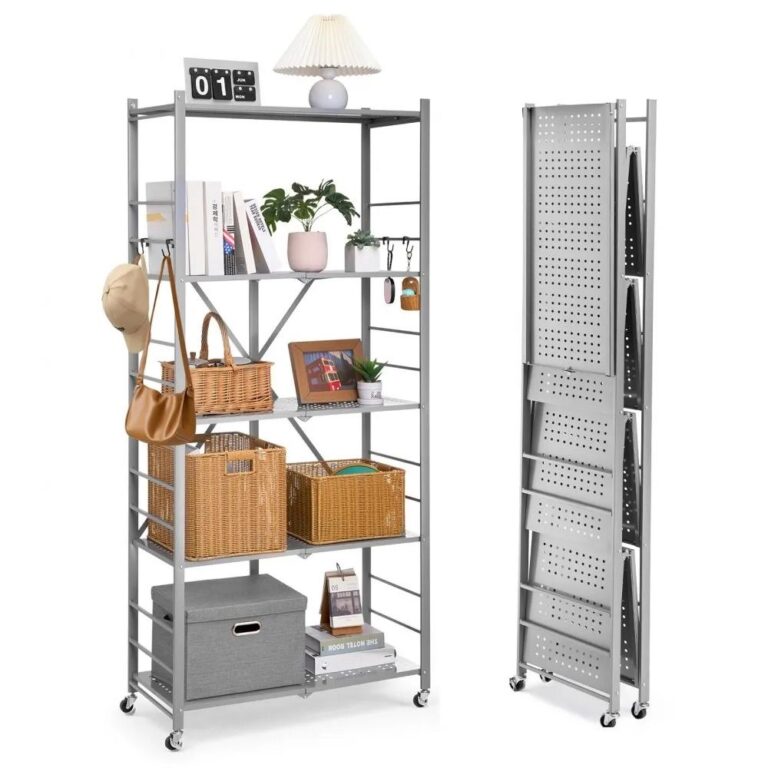 Aisha's pickSteel Shelving Units with Shelves That Squeeze Into Awkward CornersAlso worth a lookCabinets with ShelfA cabinet with a shelf has a reputation for being the furniture equivalent of a junk drawer that got lucky and grew legs.See the collections →