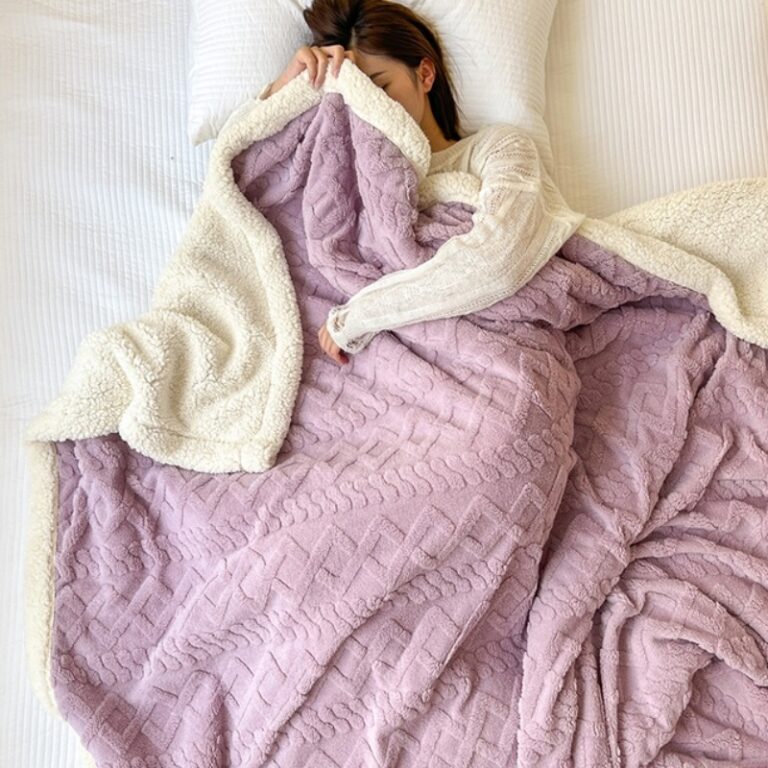
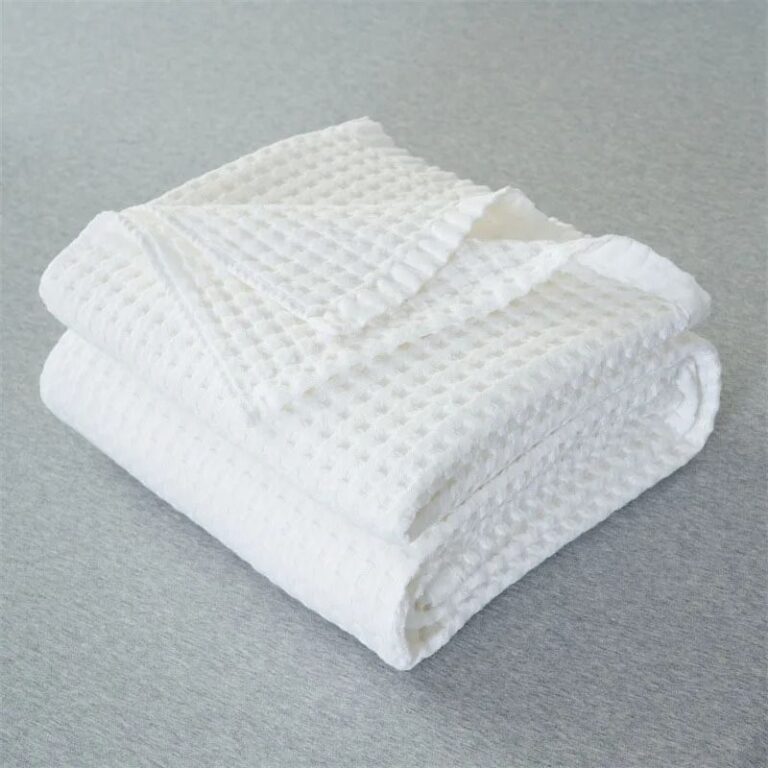
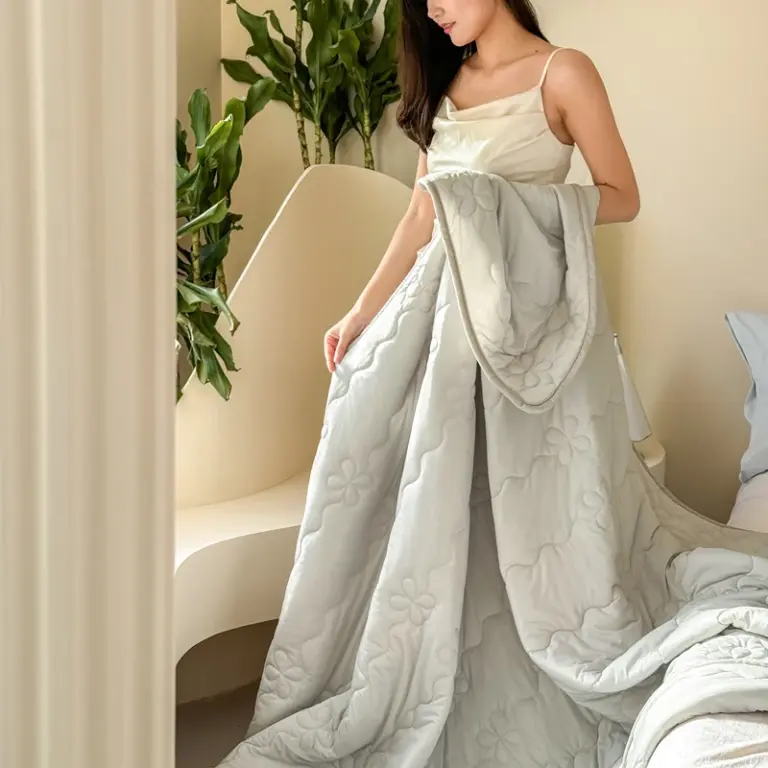
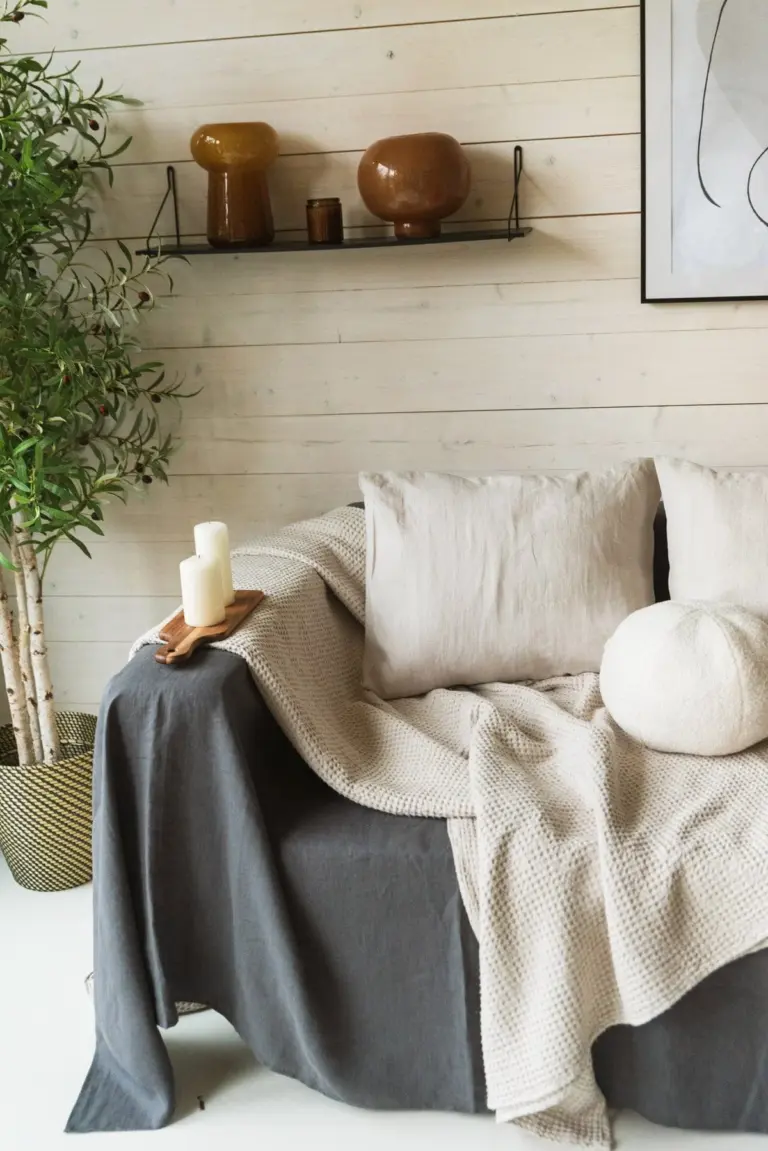
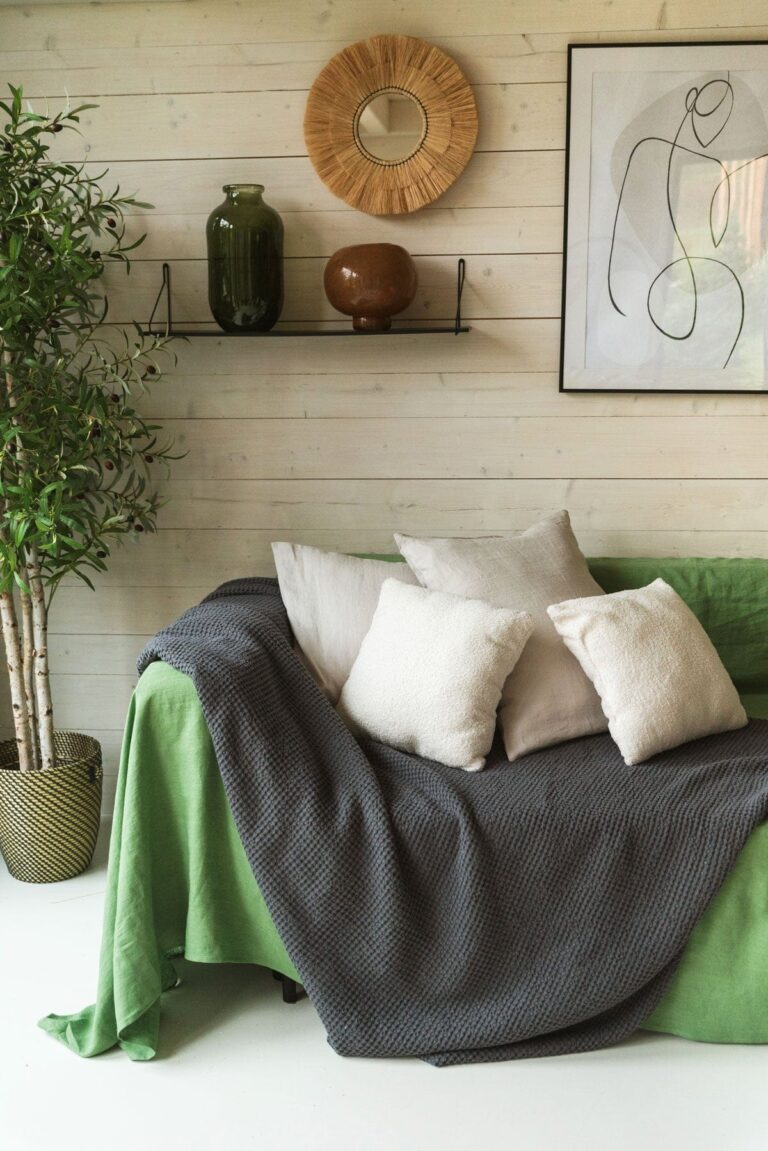
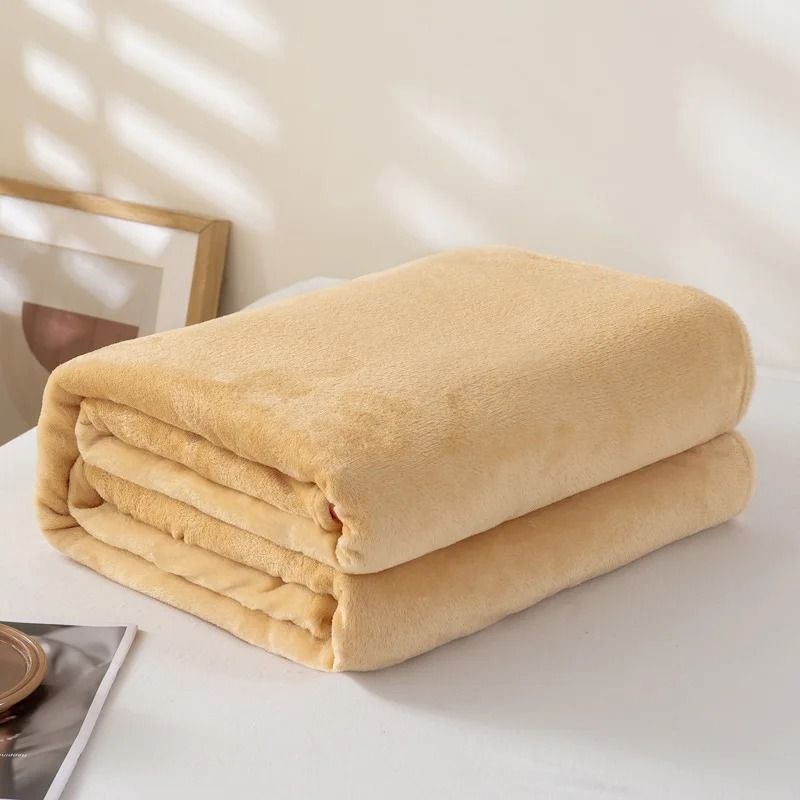
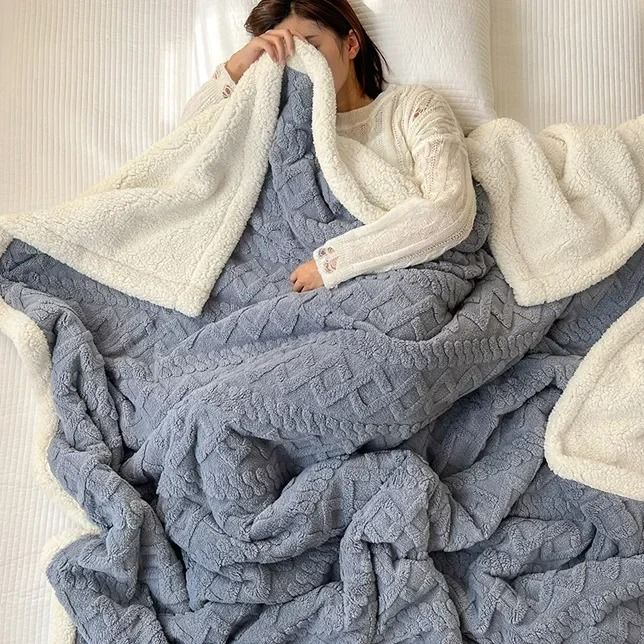
A good bed throw has weight to it before you even pull it over the comforter, enough heft that it stays put instead of sliding off into a puddle on the floor every time somebody turns over at two in the morning. It should feel cool and a little slippery under your hand for the first second, then warm up fast once it settles. And it should land on the bed with a soft thump, not a crinkle, which tells you more about what it's made of than any tag will.
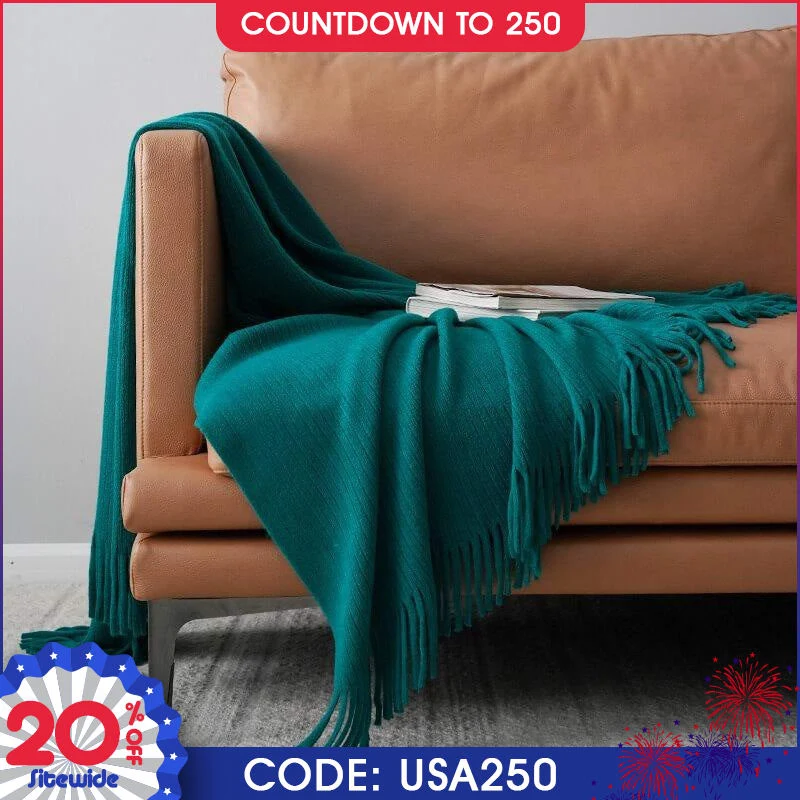
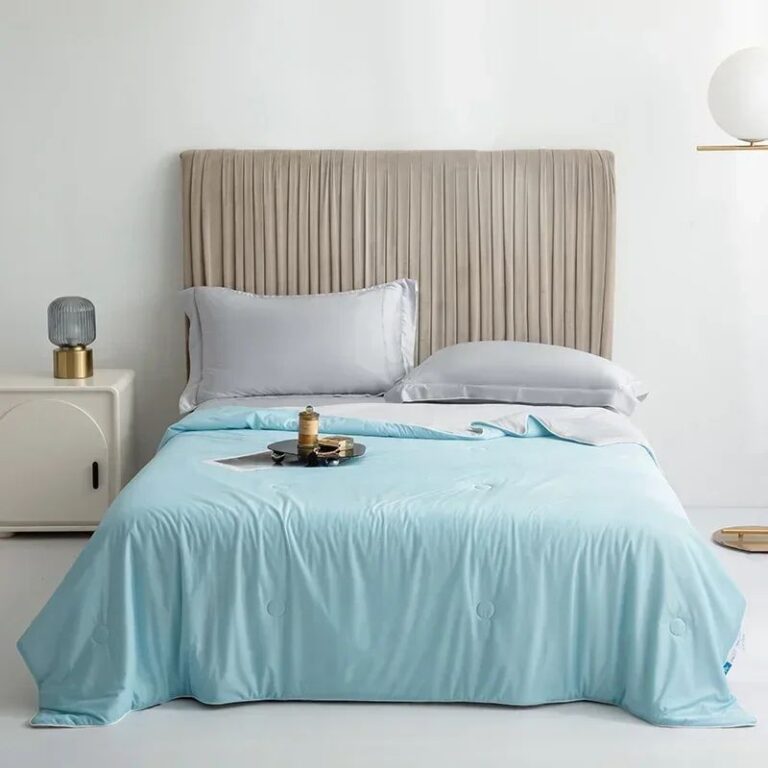
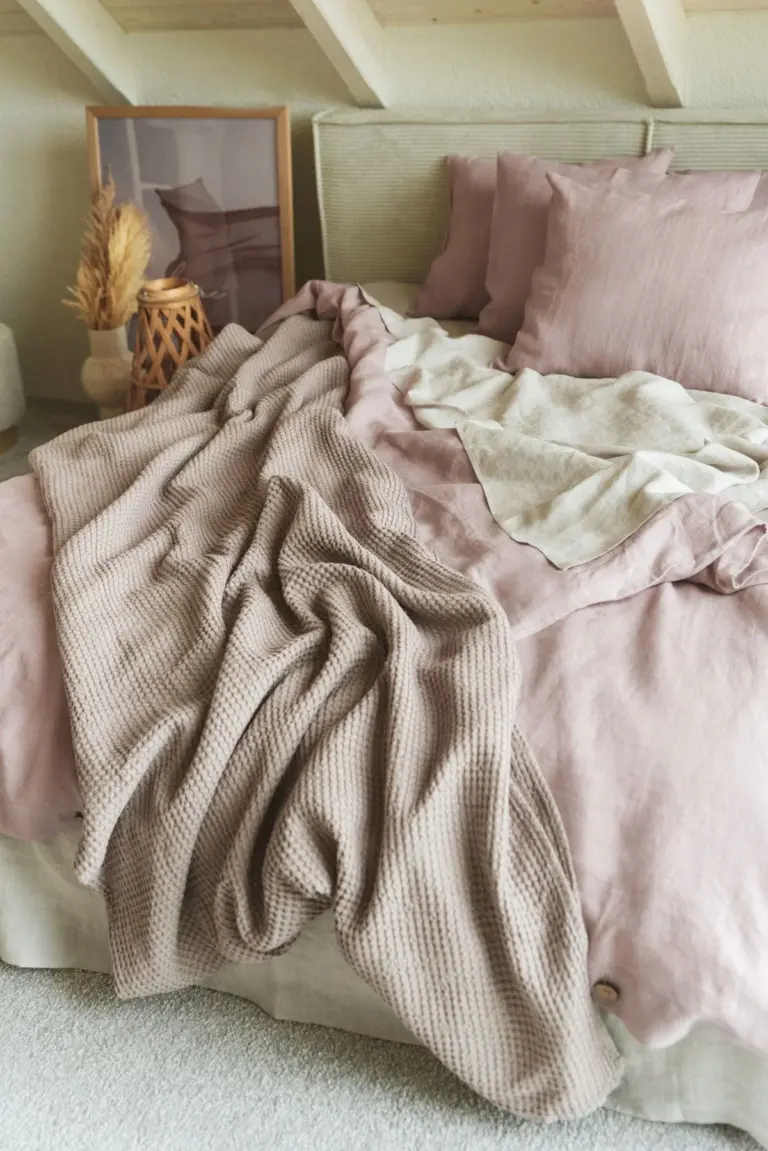
If you've got none of these and you're starting from zero, go with something mid weight in a knit, cotton or a wool blend, rather than anything too precious. A chunky knit throw in a plain color does the most work for the least fuss, it covers the end of the bed, it photographs fine if someone wanders in with a phone, and it doesn't fight with your pillows or your headboard the way a patterned one can. Save the fur look or the heavier wool for round two, once you know what you actually reach for on a cold night versus what just sits there looking nice. Size is where people get it wrong most, and I did too, I bought a throw sized for a queen and put it on a king for about a year before I noticed it only covered two thirds of the bed and looked like an afterthought. You want it to drape past the sides by a good eight to twelve inches and still have enough length to fold back at the foot, so measure the actual bed, not the mattress, because a thick topper or a tall frame eats into that drop more than you'd expect. Too small and it looks stingy, too big and it drags on the floor collecting dust and whatever the cat's been doing all day.
What separates a throw you keep for ten years from one you're folding into a donation bag by spring comes down to how it's finished at the edges. A well made one has a hem that lies flat, stitching you can't easily pick at with a thumbnail, and a weight that's even across the whole thing rather than heavy in the middle and thin at the corners where it was clearly cut to save fabric. Cheap ones pill within a month, especially anywhere they rub against a duvet cover, and they go thin and see through at the fold lines first, which is usually where you notice it's time to stop pretending it still looks good.
Next time you're holding one, skip the color and feel the hem first.
 Aisha's pickGray Bed Throws That Make a Room Feel Finished
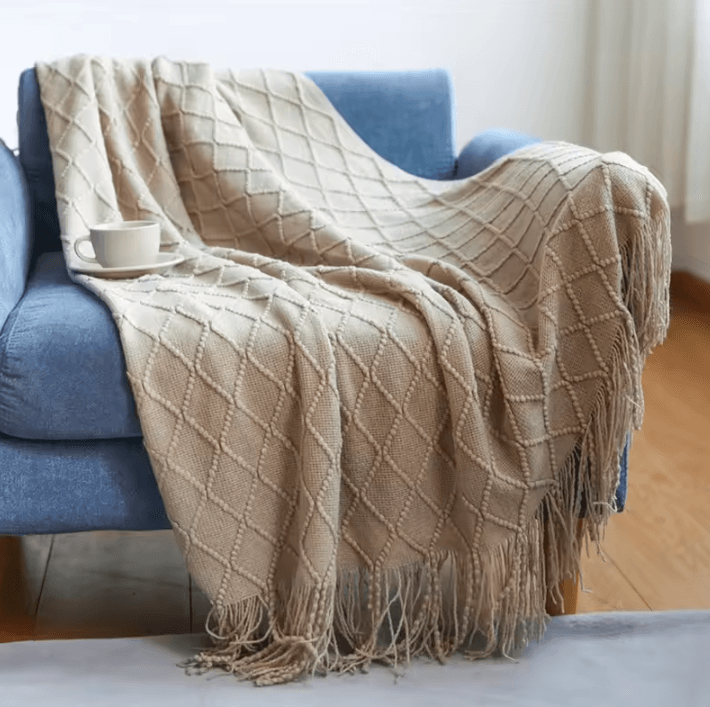 Aisha's pickWhite Bed Blankets for Adding Color Without Painting
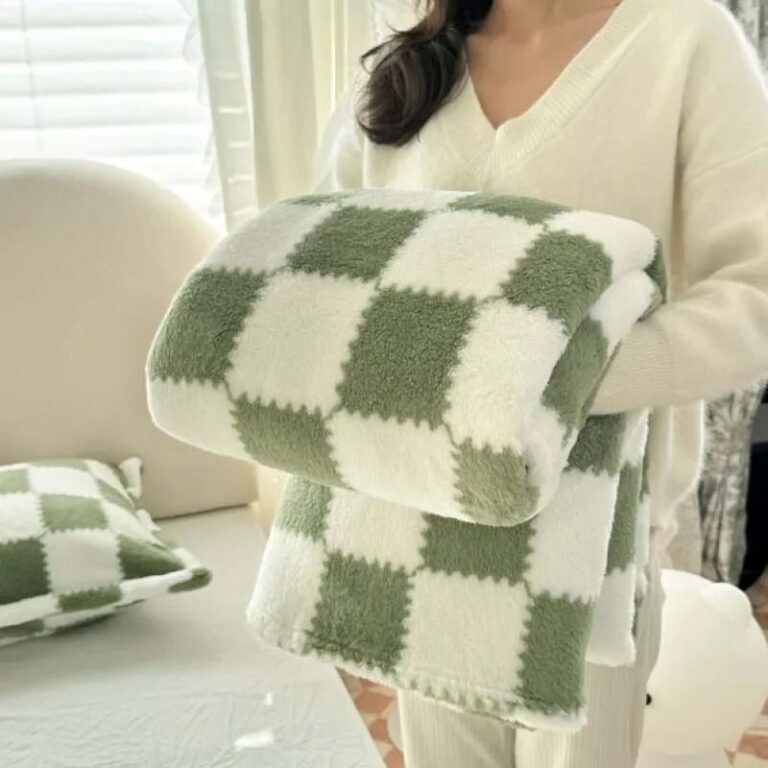
 Aisha's pickKing Bed Blankets That Feel as Good as They Look

 Aisha's pickWhere to Start With White Bed Throws
 Aisha's pickGood King Bed Throws That Don’t Cost a Fortune
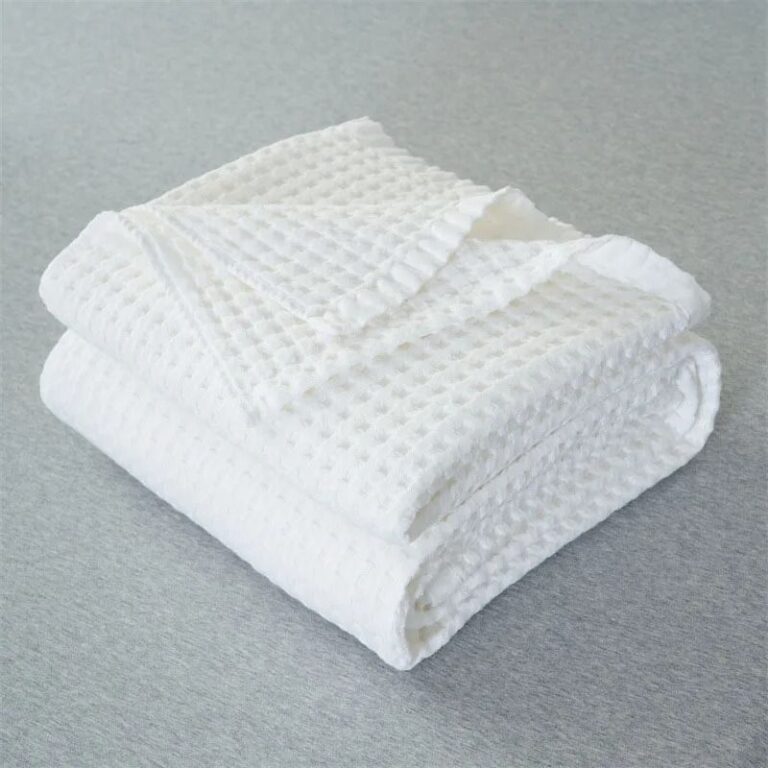
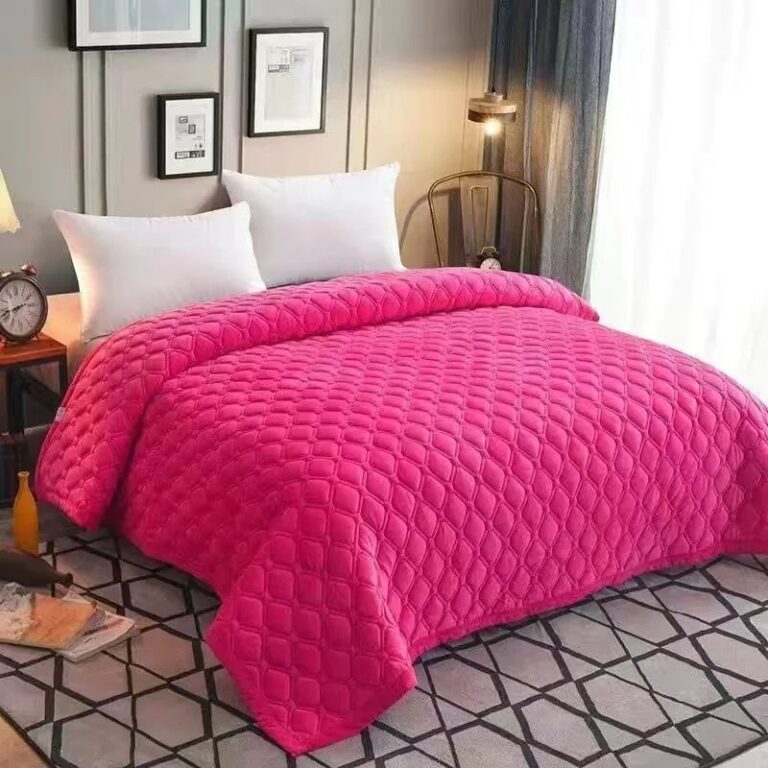 Aisha's pickKing Size Bed Blankets We Keep Coming Back To
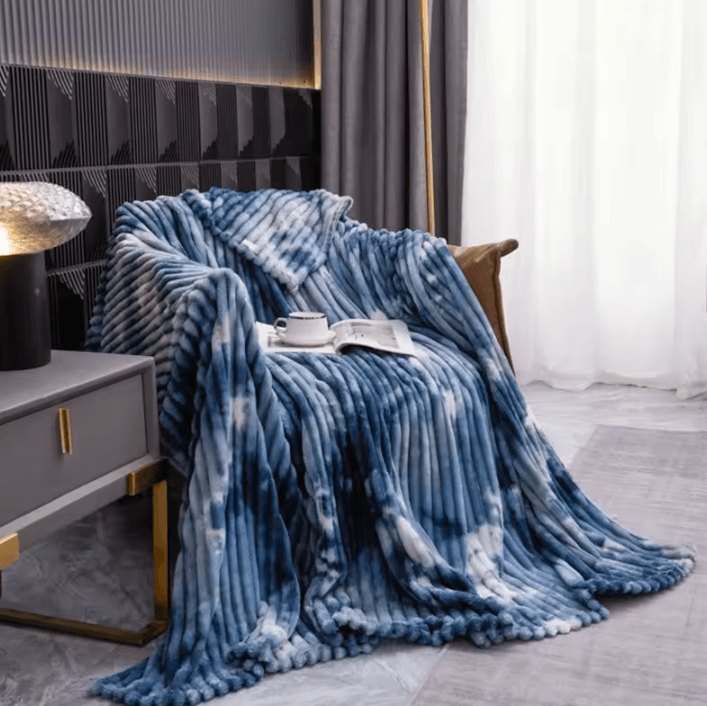
 Aisha's pickKing Size Bed Throws for Making a House Feel Like Yours
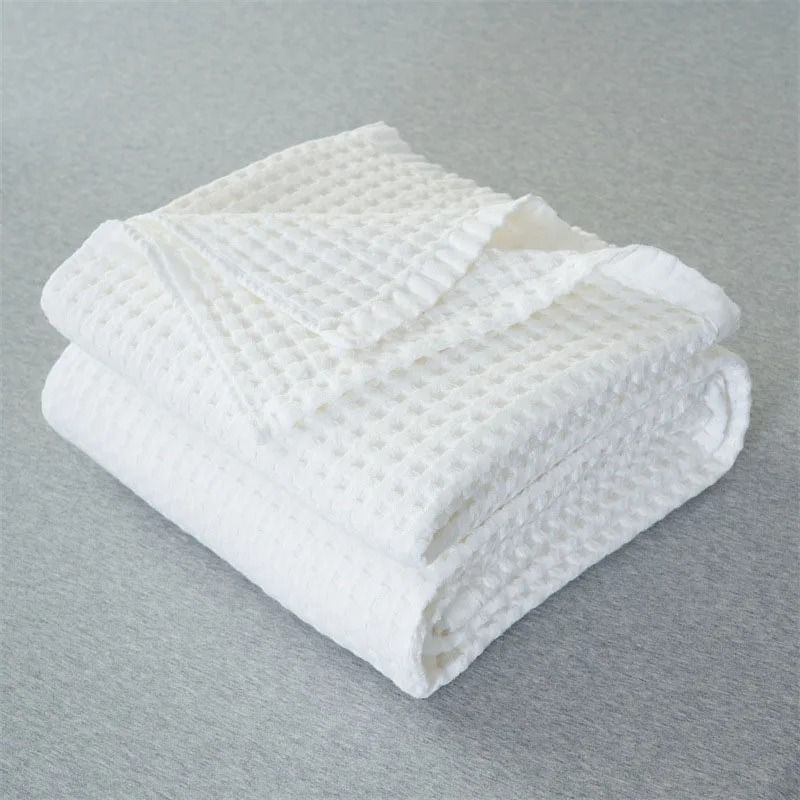
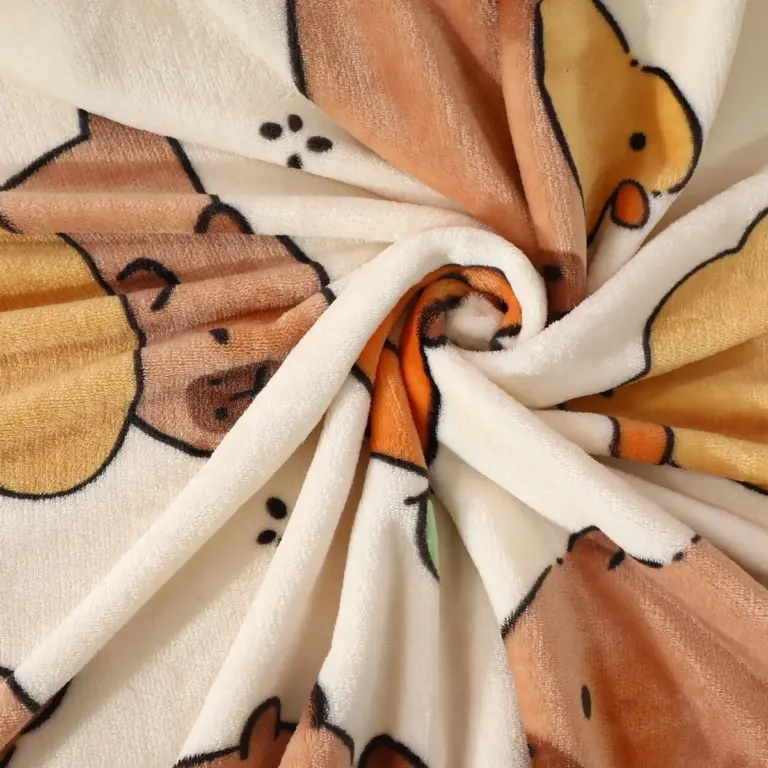 Aisha's pickBed Blankets We Swap Around With the Seasons
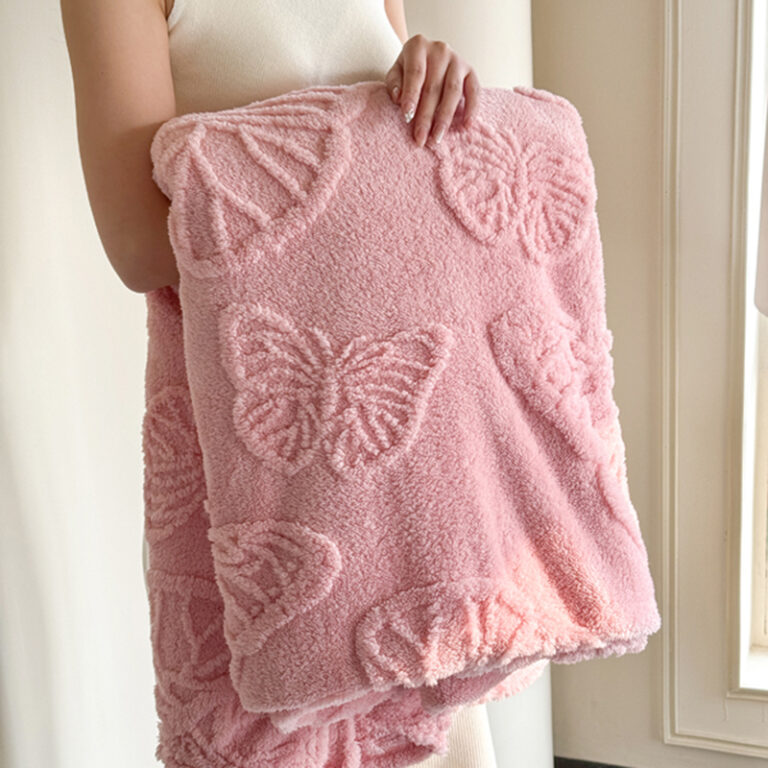
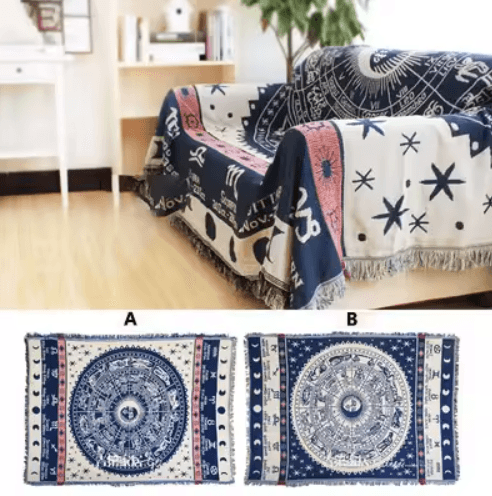 Aisha's pickLinen Bed Blankets Worth Knowing AboutAlso worth a lookBlanketsThere's that specific moment on a cold evening when you've just sat down, the show is loading, and…See the collections →
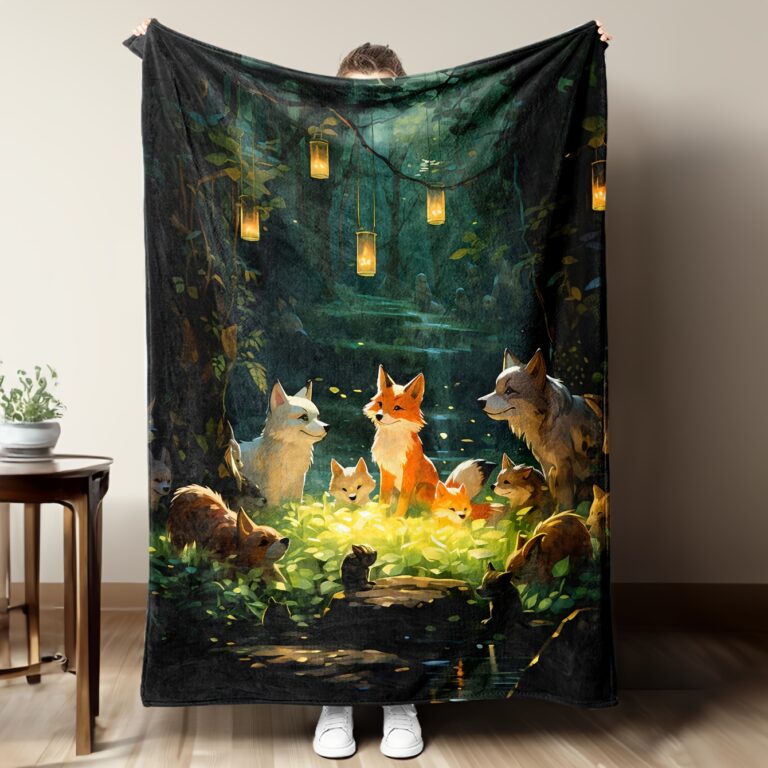 Aisha's pickBed Throws for Adding Color Without Painting
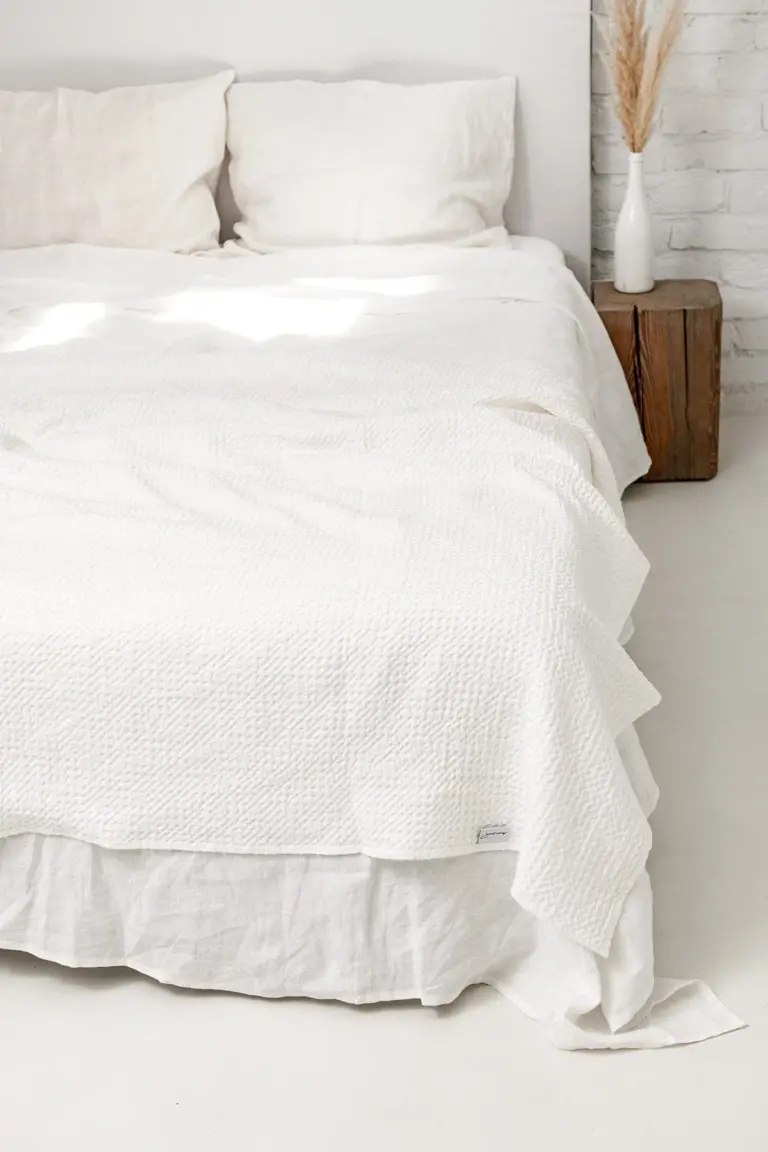
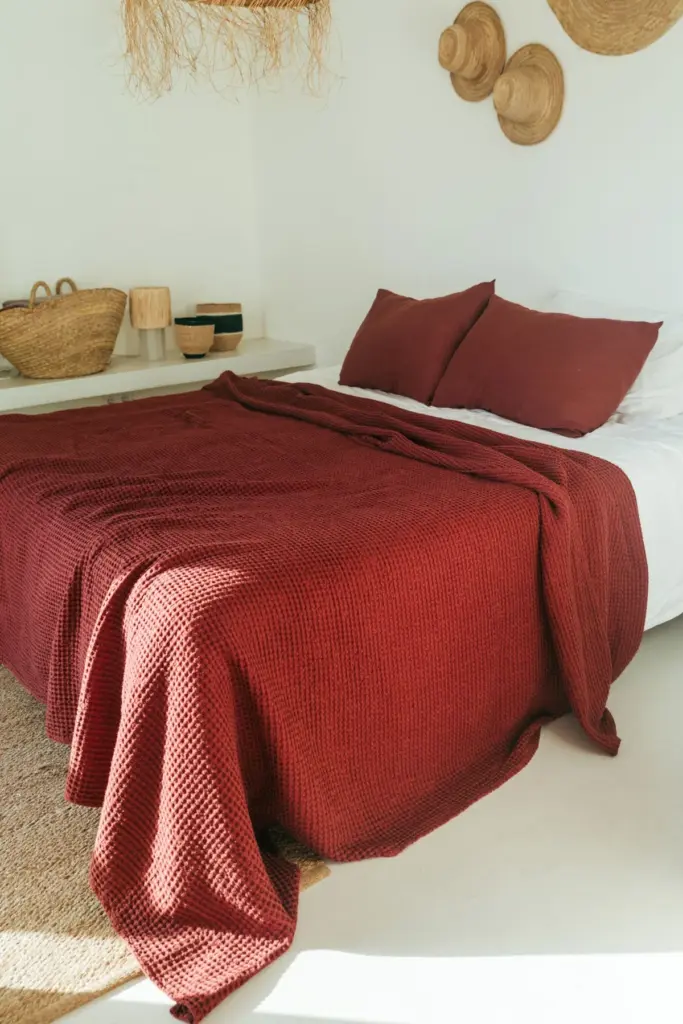 Aisha's pickLinen Bed Throws for Adding Color Without Painting
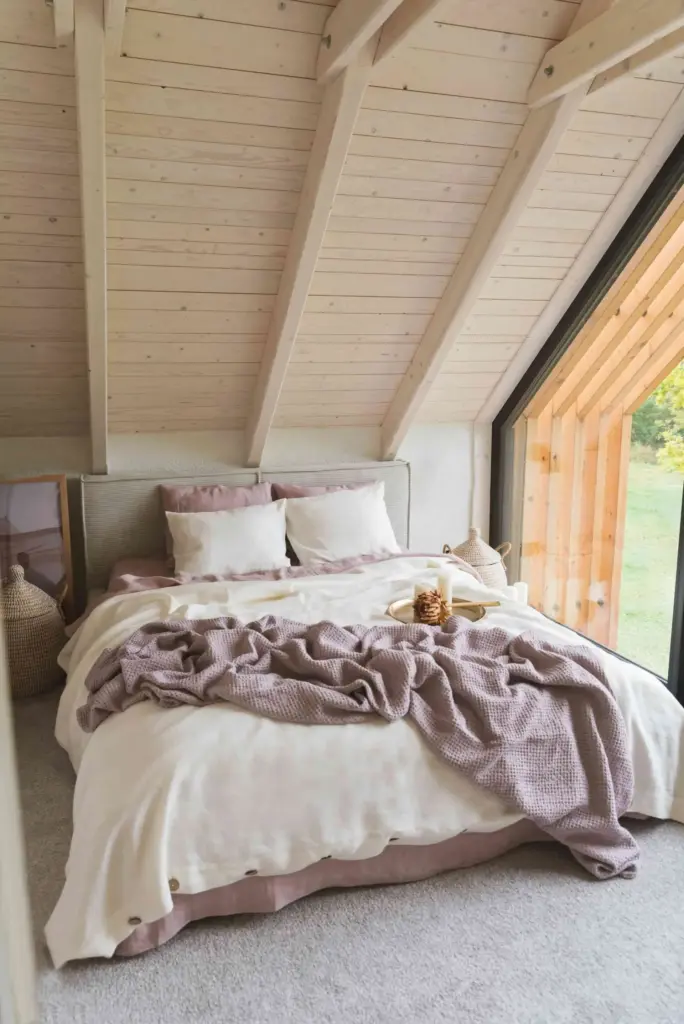
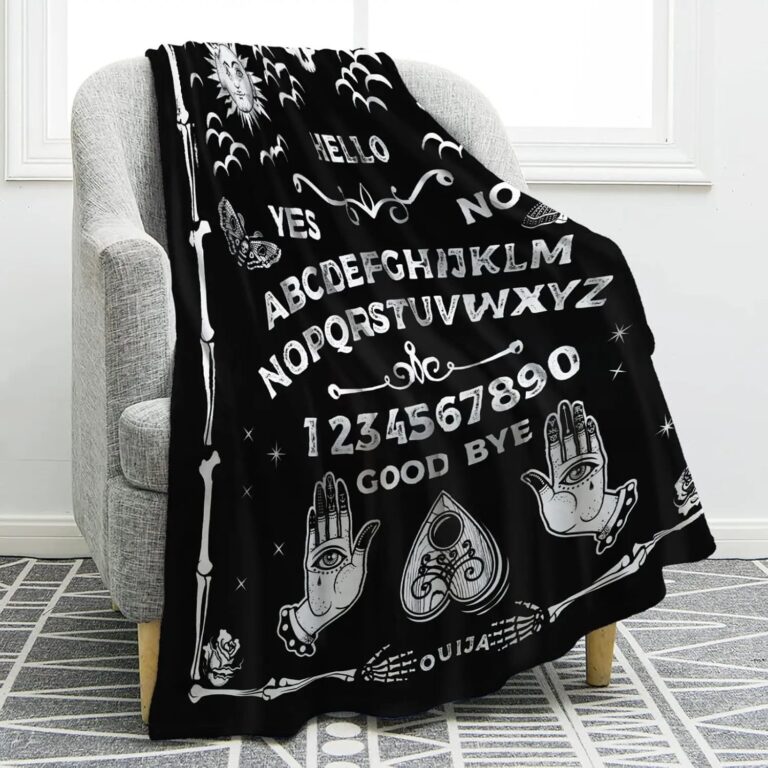 Aisha's pickOur Shortlist of Black Bed Blankets
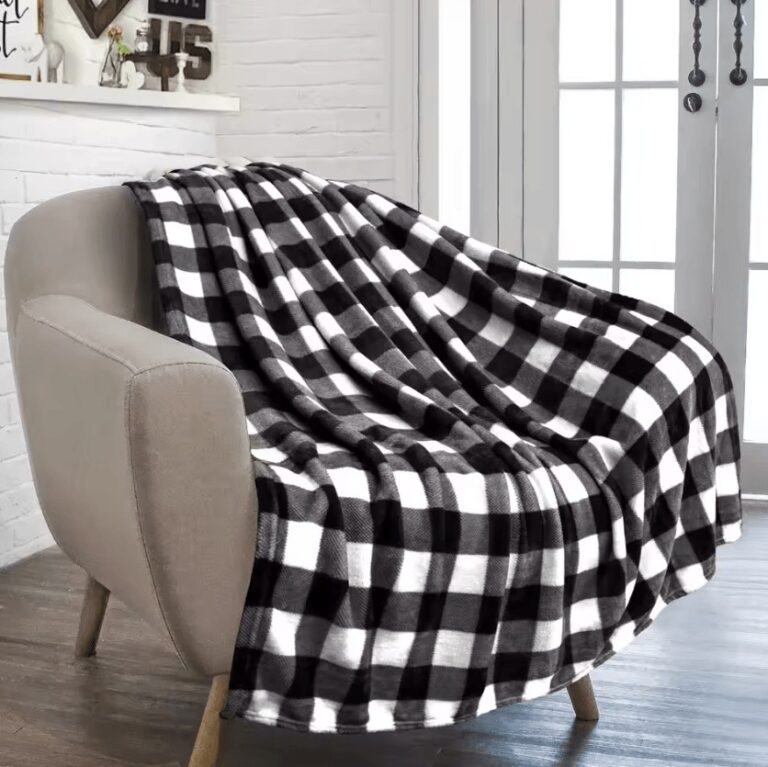
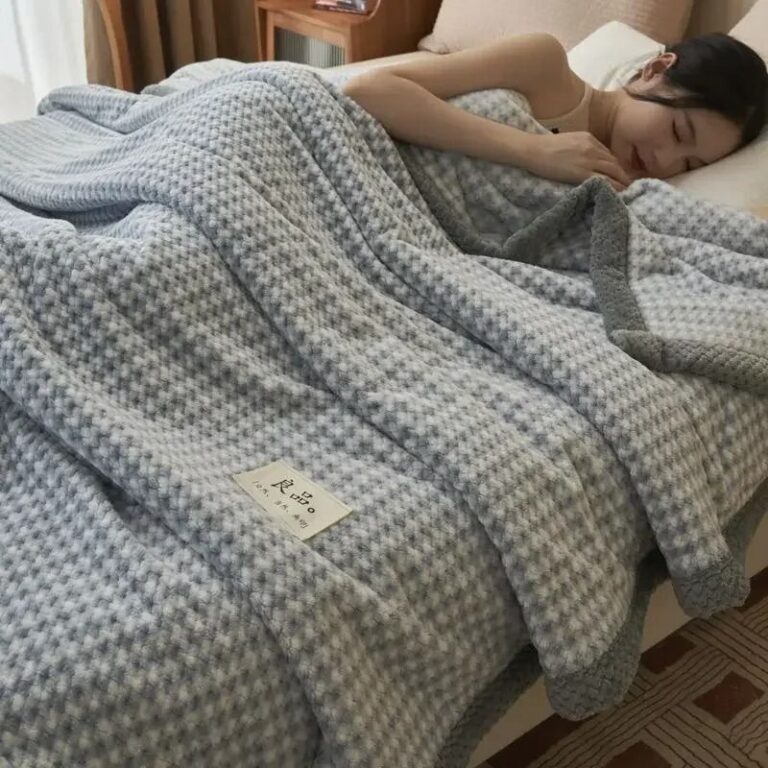 Aisha's pickLuxury Bed Blankets That Visitors Always Ask About
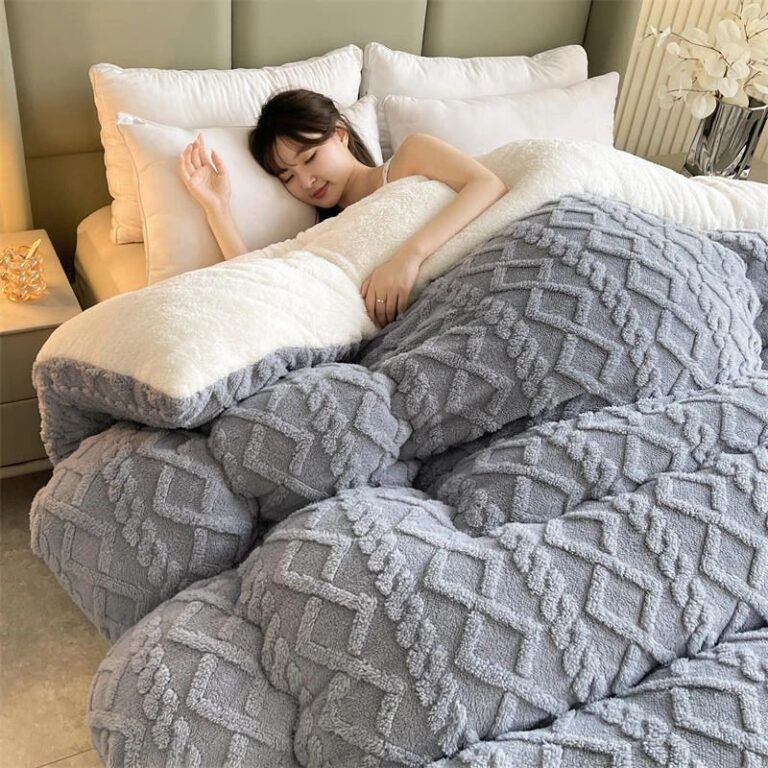
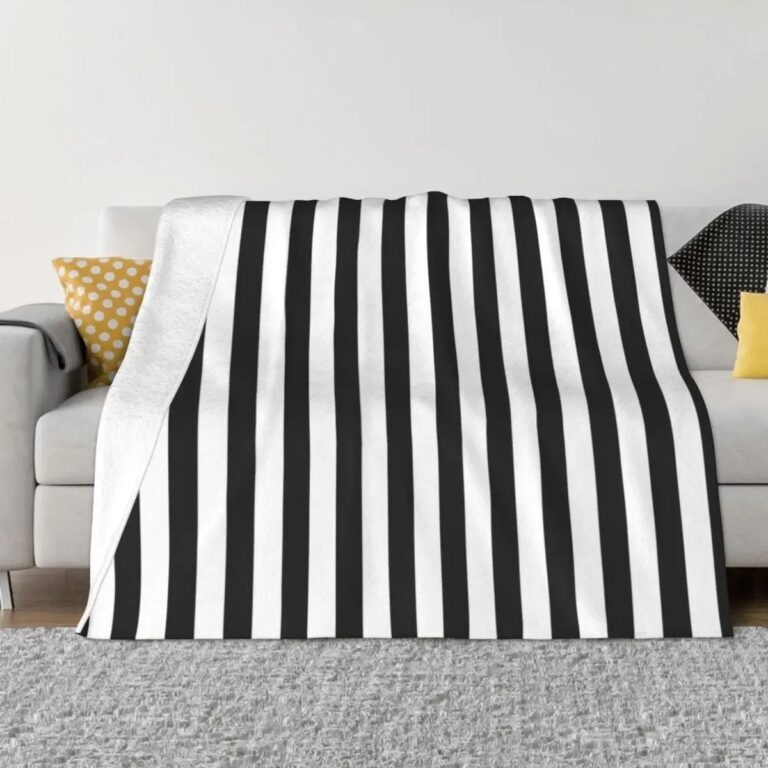 Aisha's pickBlack Bed Throws for Cozy Nights In

 Aisha's pickLuxury Bed Throws for People Who Know What They Like
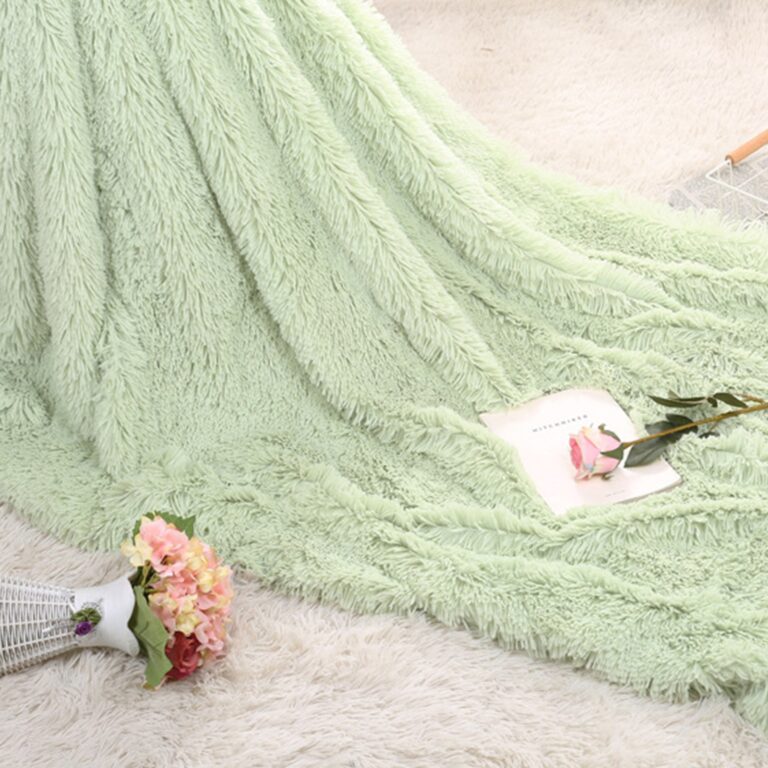
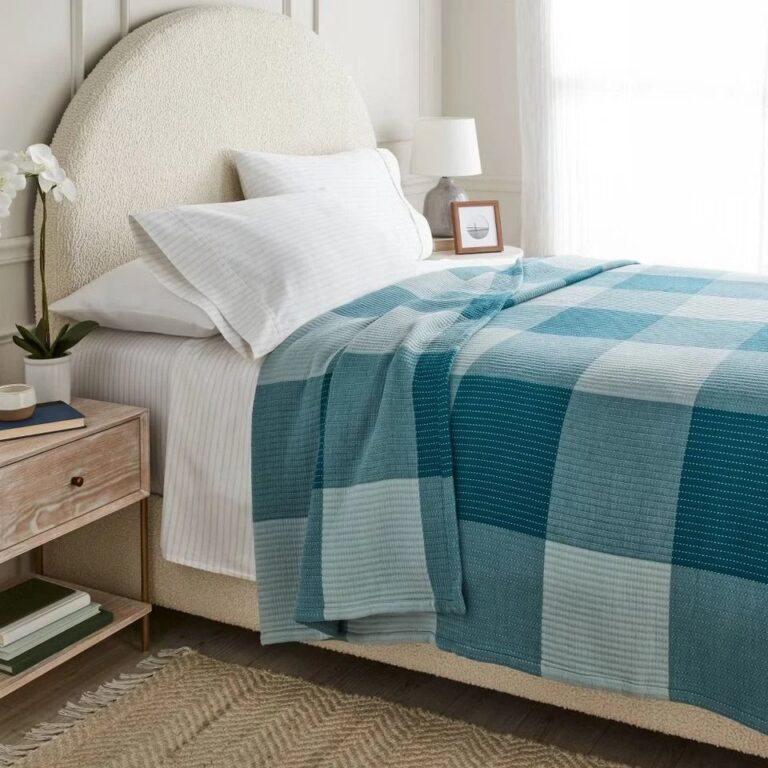 Aisha's pickBlue Bed Blankets for Cozy Nights In
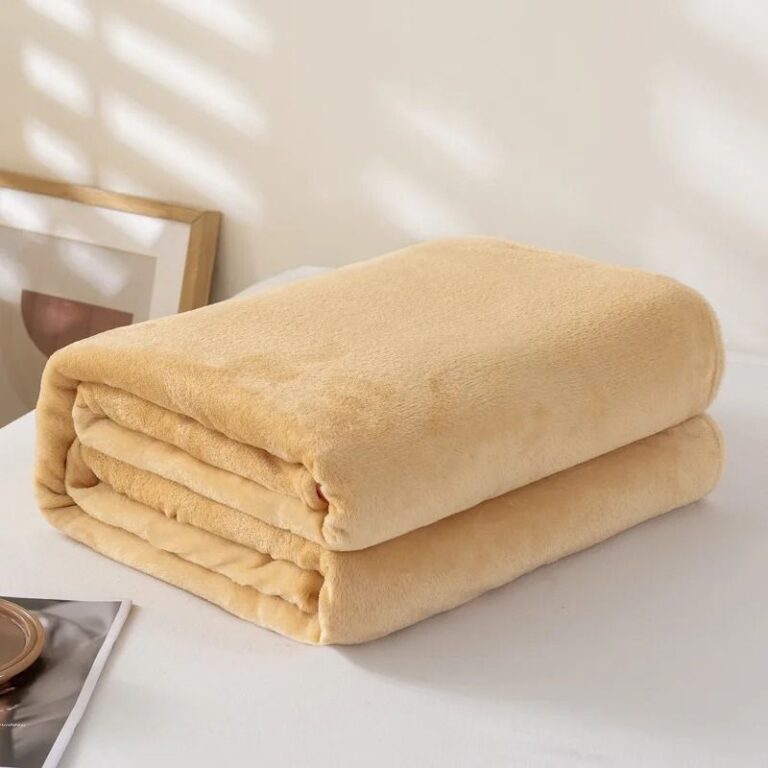
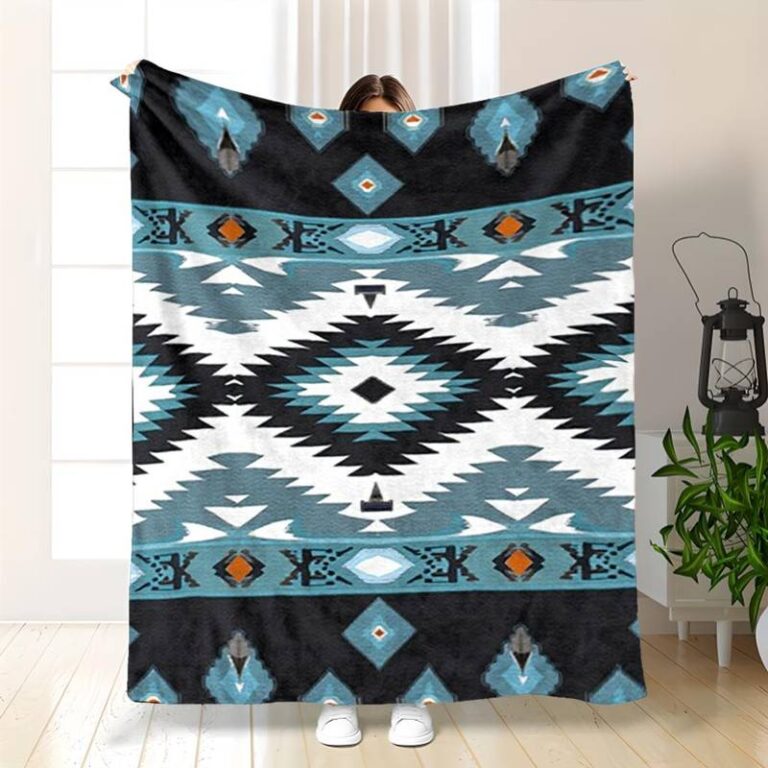 Aisha's pickModern Bed Throws That Look Like They Cost More
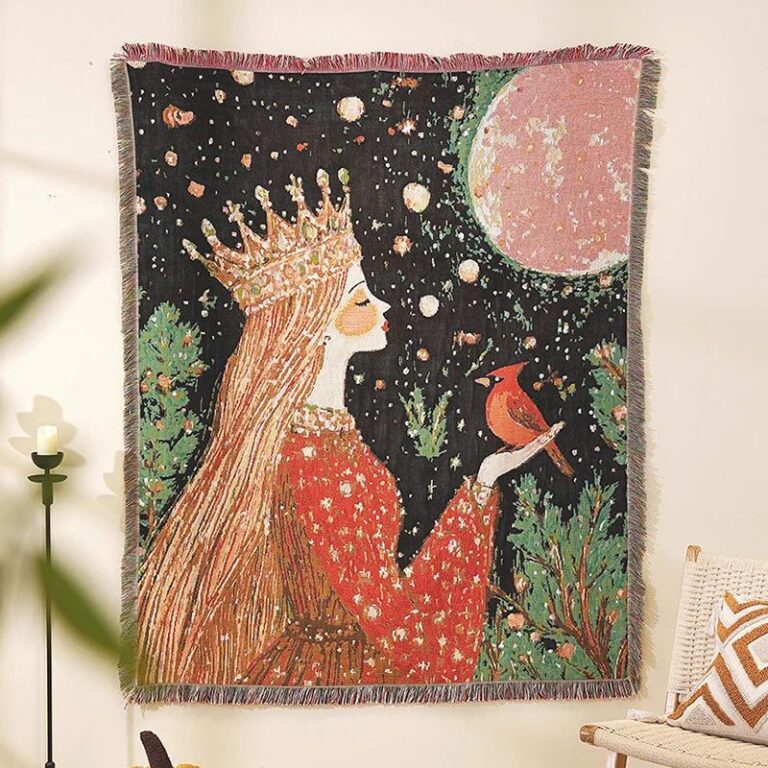
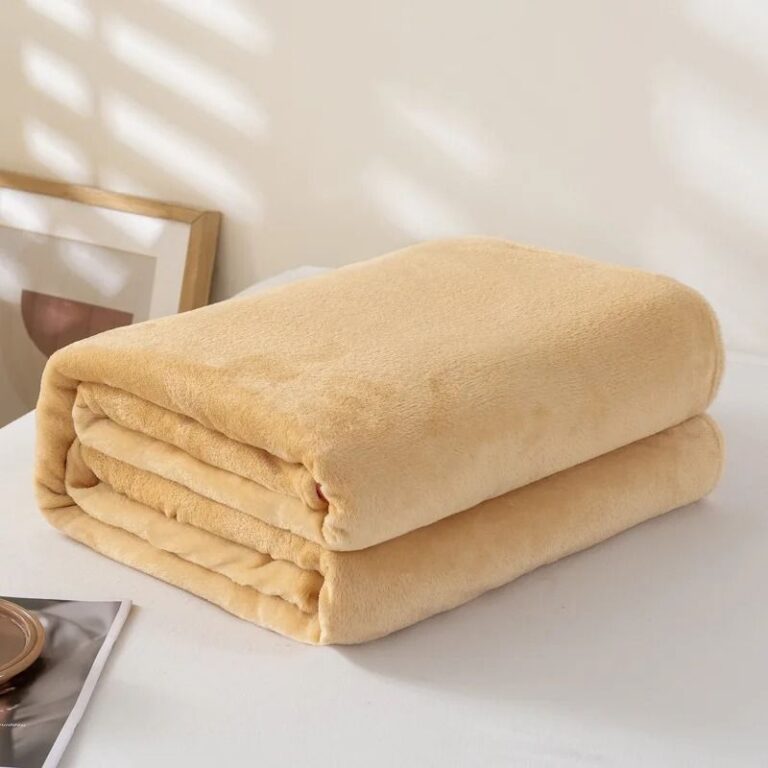 Aisha's pickBlue Bed Throws That Feel as Good as They LookAlso worth a lookSofa ThrowsThe moment a sofa throw actually clicked for me was over a navy sectional that came with the…See the collections →
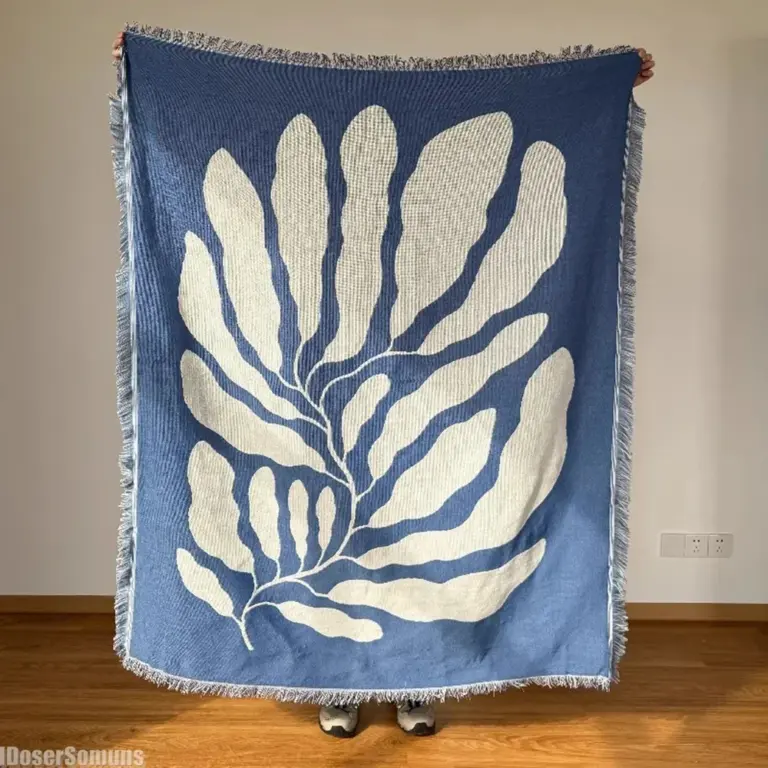
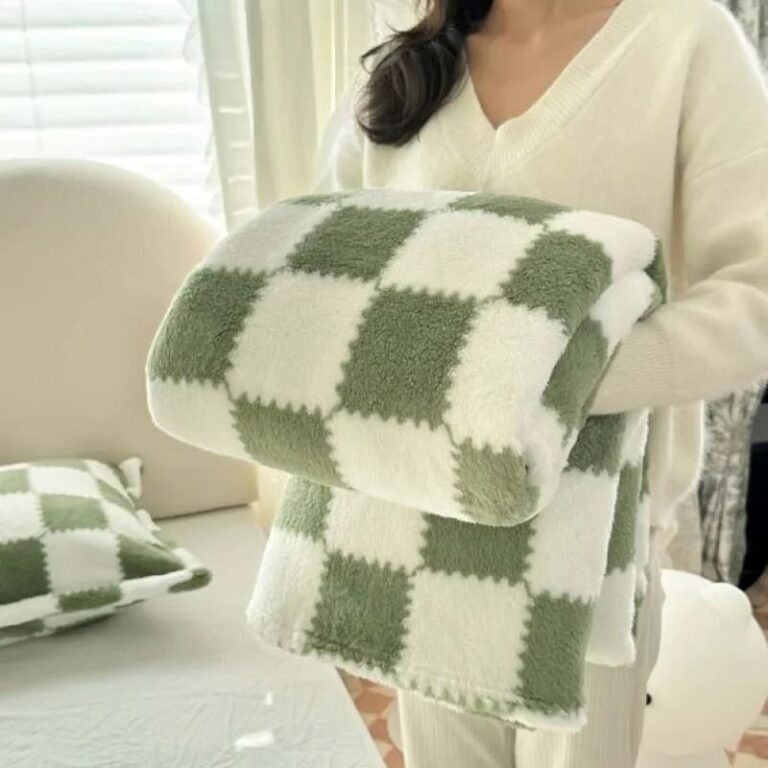 Aisha's pickPink Bed Blankets With a Soft, Lived In Feel
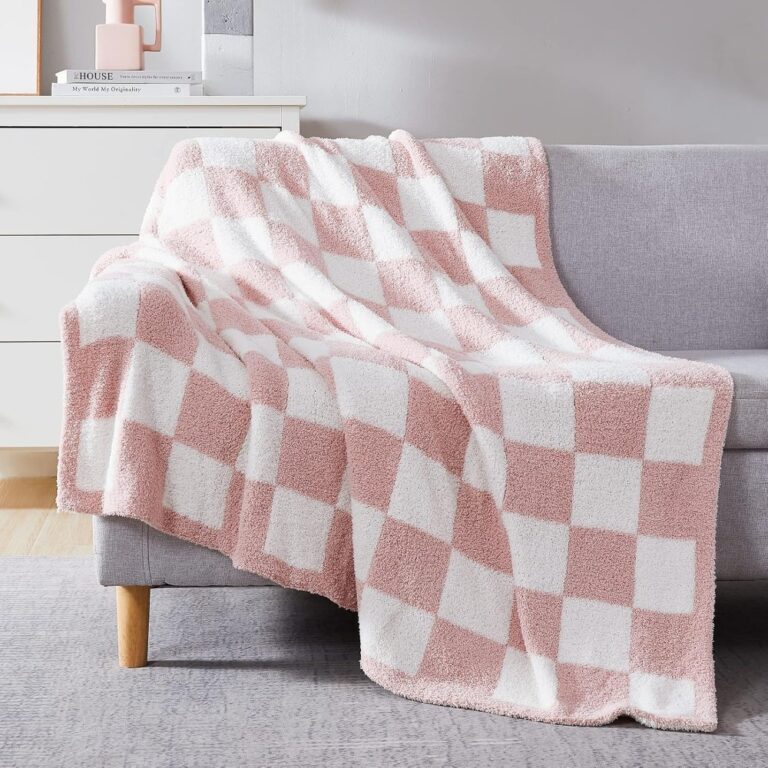
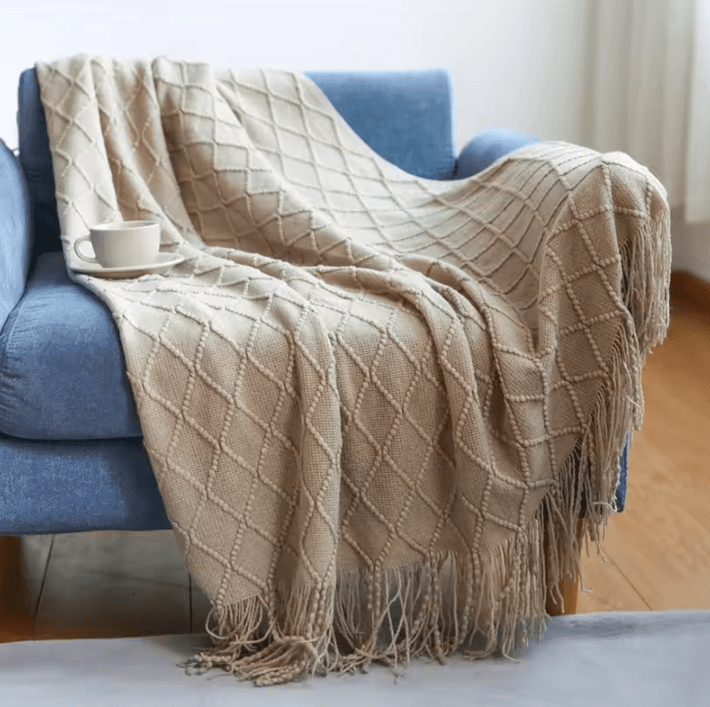 Aisha's pickCream Bed Blankets for Adding Color Without Painting
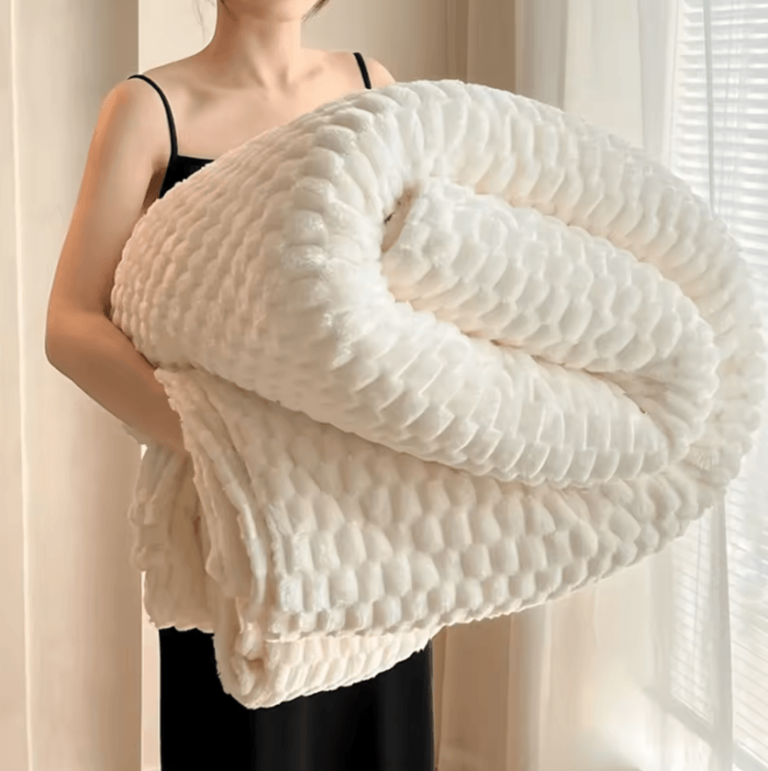
 Aisha's pickPink Bed Throws From Stores Big and Small
 Aisha's pickDouble Bed Blankets That Do the Job Right
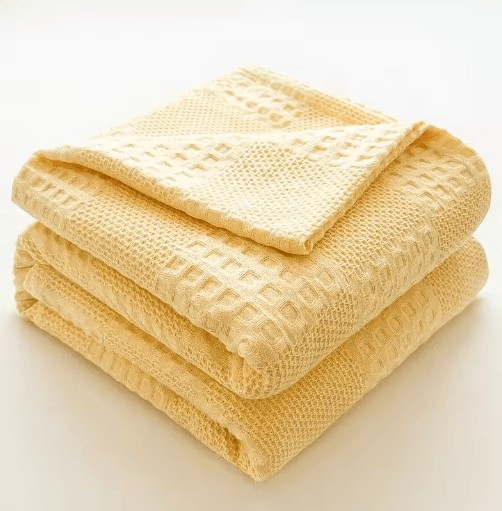 Aisha's pickPlaid Bed Blankets We Swap Around With the Seasons
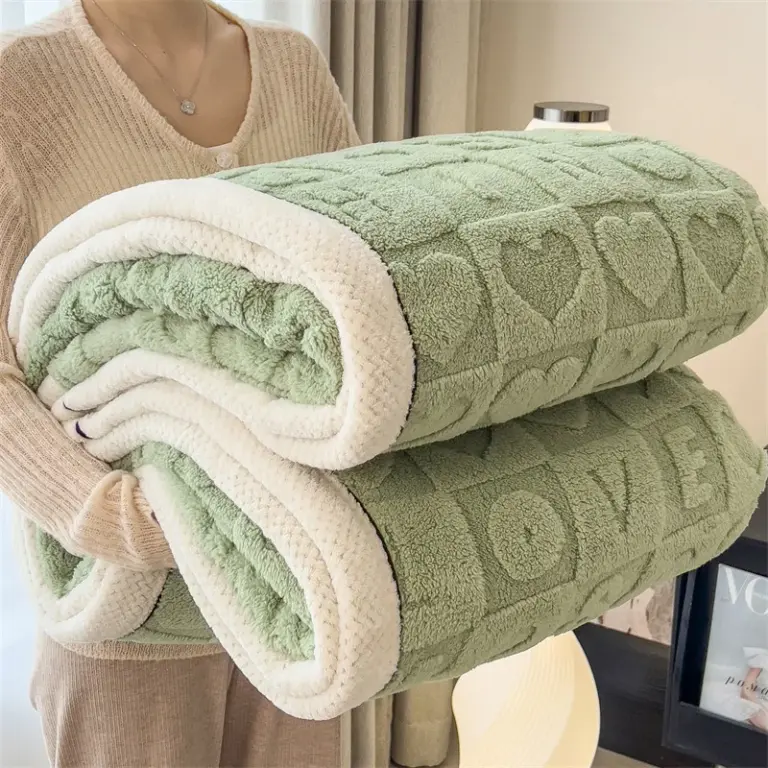
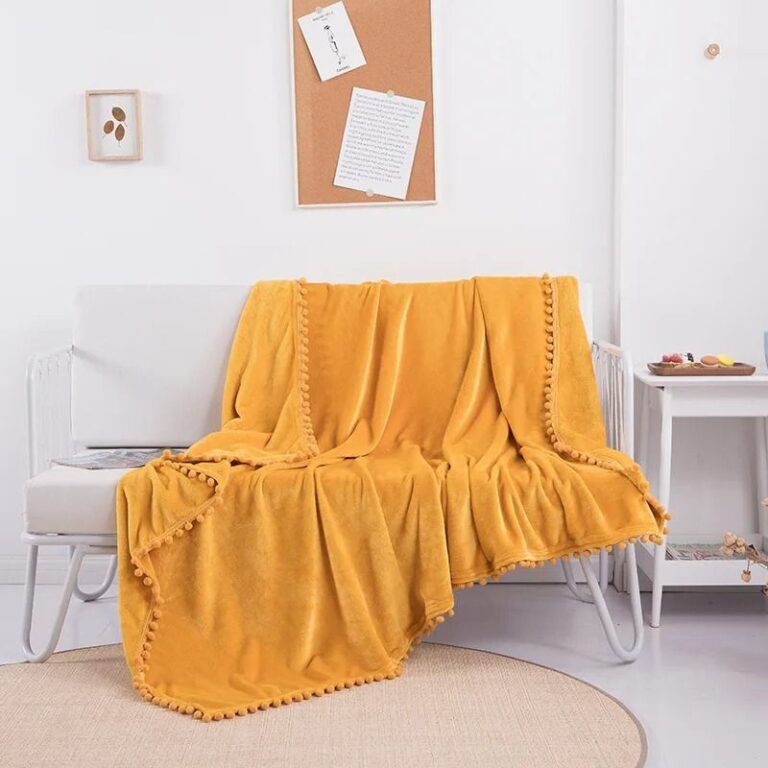 Aisha's pickGreen Bed Blankets That Survive Kids and Pets
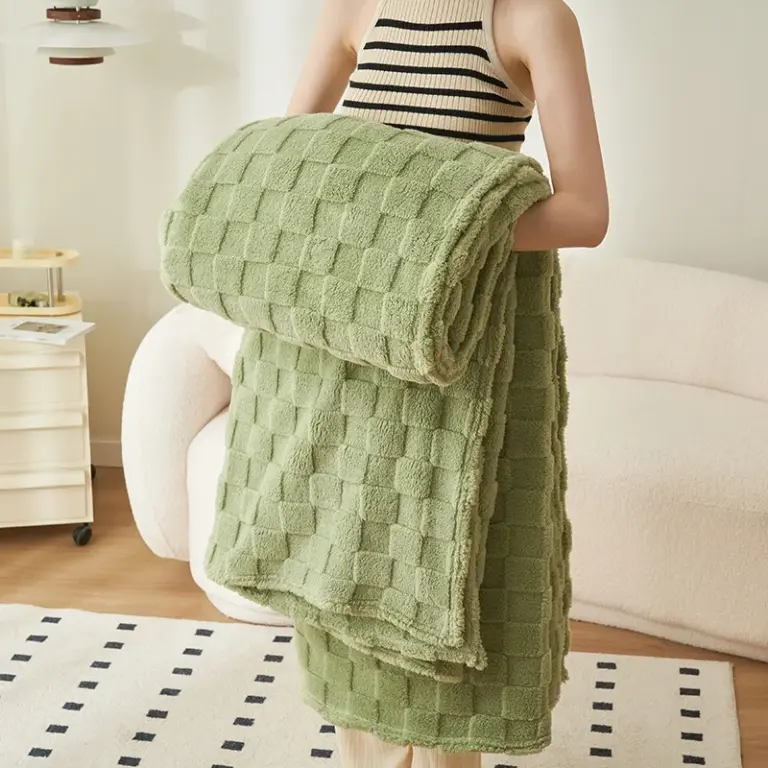
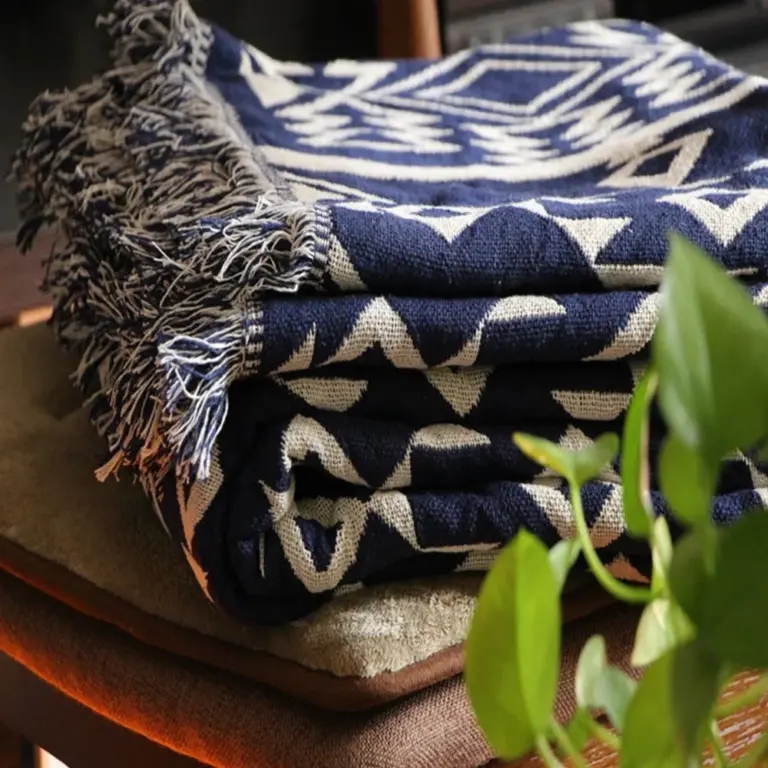 Aisha's pickPlaid Bed Throws for Cozy Nights In
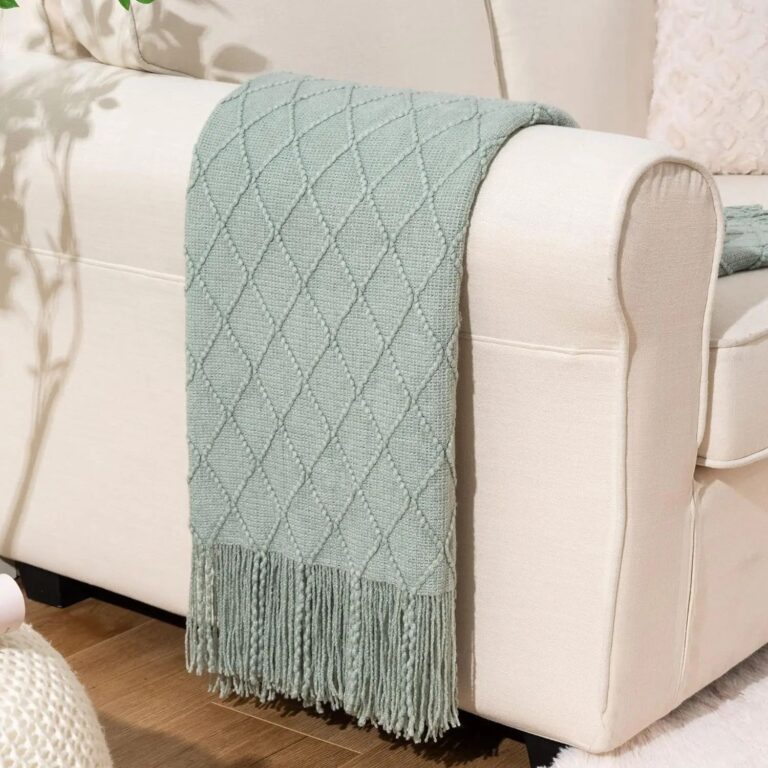
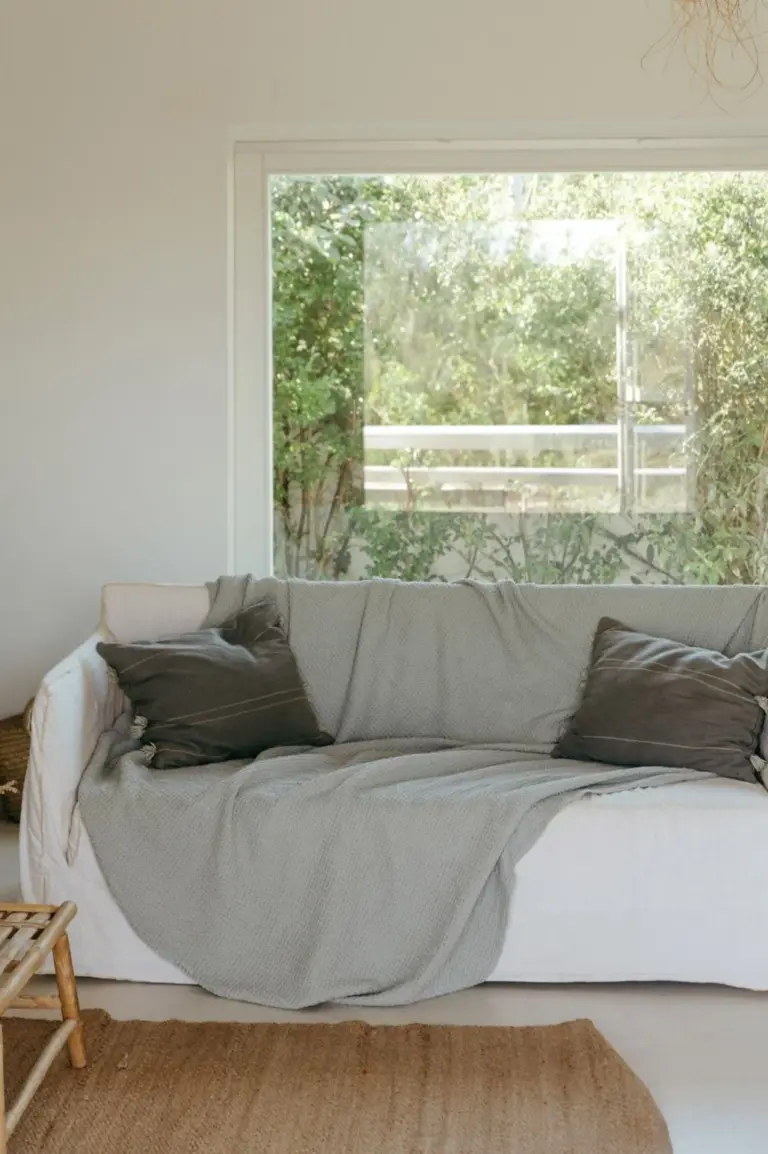 Aisha's pickGreen Bed Throws You Won’t Want to Hide Away
 Aisha's pickReversible Bed Throws From Stores Big and SmallAlso worth a lookThrows & BlanketsFor years I bought throws the same way I bought socks, whatever was folded nearest the till, no thought given to size.See the collections →