I used to think sheer curtains were just the thing you hung before you could afford real curtains, a placeholder that said "we have not finished this room yet." Then I lived in a place with one window facing a brick wall and another getting full afternoon sun, and I understood what they were actually for. Light control, not privacy, not drama. That changed how I bought them completely.
They are the wrong choice anywhere you need actual privacy or actual dark. A street facing bedroom window with no blind behind it means anyone walking past at night can see exactly what you are doing with the lamp on, sheers do nothing once the sun goes down. Same with a nursery or a bedroom where you need real blackout for sleep, sheers alone will not get you there, you need something behind them that blocks light, a blind or a lined curtain. They also struggle in a kitchen near a stove, grease and cooking smoke cling to that thin fabric fast and it shows. Think of them as the soft layer, not the only layer, and most of the disappointment people have with sheers comes from asking them to do a heavier curtain's job.
The difference between a sheer that looks good for years and one that looks tired in a season comes down to a few things you can actually check before buying. Weight and drape matter most, a cheap polyester voile goes stiff and a bit shiny, catches static, and hangs in that flat, lifeless way that makes a room look under furnished rather than finished. A better one uses a linen blend or a tighter weave cotton voile that has some body to it and moves when a window is open, it pools properly at the floor instead of standing out from the wall like it is afraid of it. Check the hem, a doubled and properly sewn hem with enough weight keeps the panel hanging straight, a rolled or glued hem will pucker within a wash or two. Look at the header too, a good rod pocket or pinch pleat holds its shape, a flimsy tab top sags and twists.
Morning light through a good sheer is the best argument for owning one, it softens hard sun into something you want to sit in rather than squint through, and a room that gets afternoon glare on one side benefits enormously from that diffusion. Evenings are the weak spot, once the light outside drops below the light inside, sheers go from pretty to see through, worth knowing before you commit a whole wall to them.
Good ones age softly, a slight looseness in the weave, a bit more drape than new, nothing dramatic. The cheap ones go the other way, yellowing at the folds and turning brittle at the hem within a year or two, which tells you everything about what you actually paid for.

 Aisha's pickWhite Sheer Curtains From Stores Big and Small

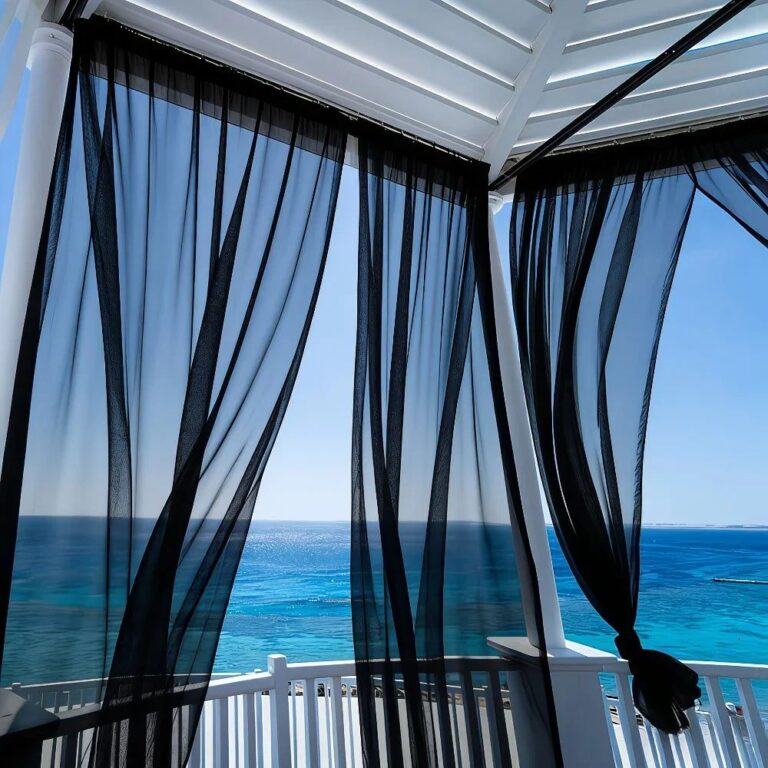
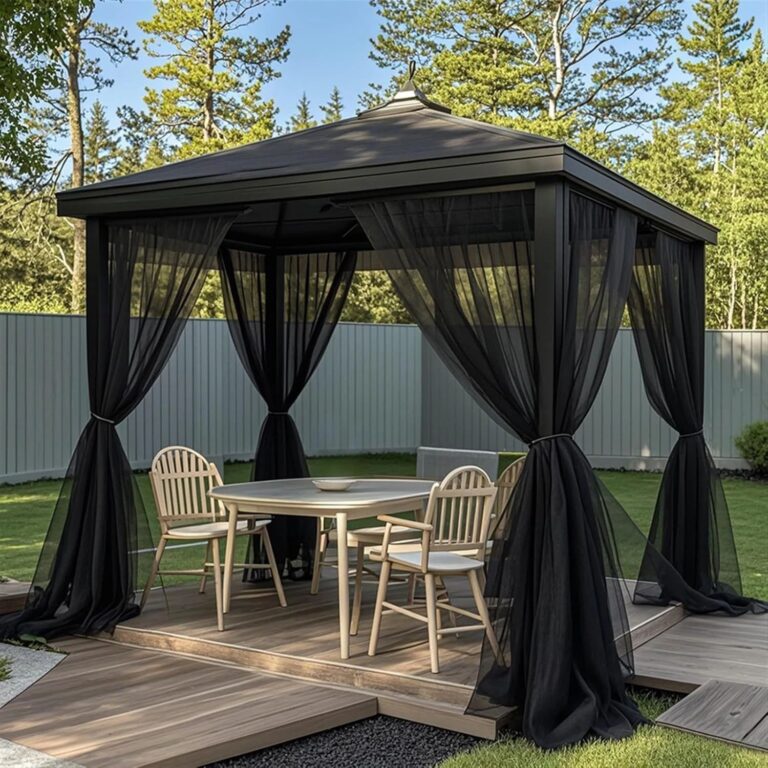
 Aisha's pickNo Fuss Black Sheer Curtains
 Aisha's pickFloral Sheer Curtains That Won’t Let You Down
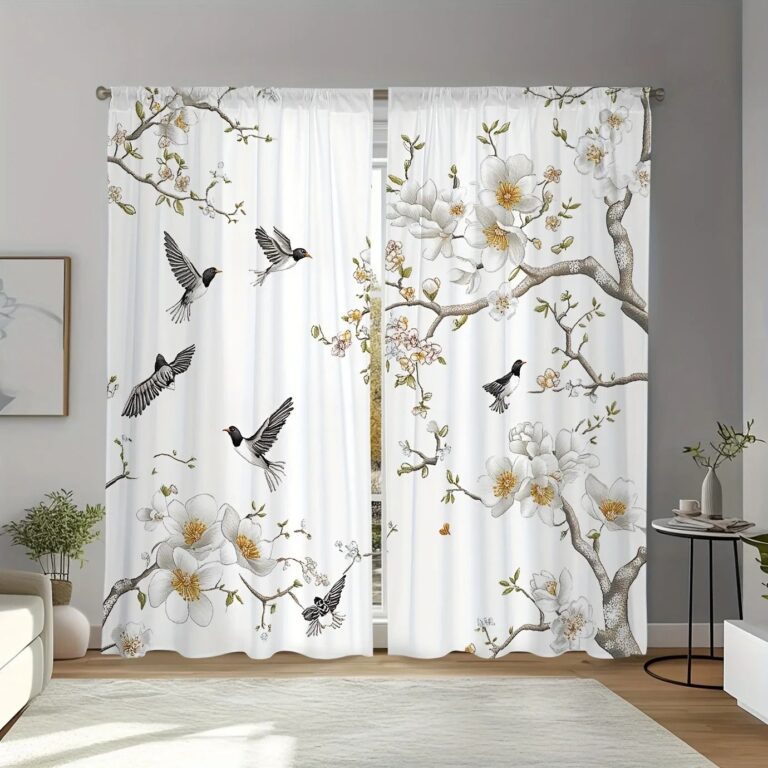
 Aisha's pickGreen Sheer Curtains That Don’t Pill

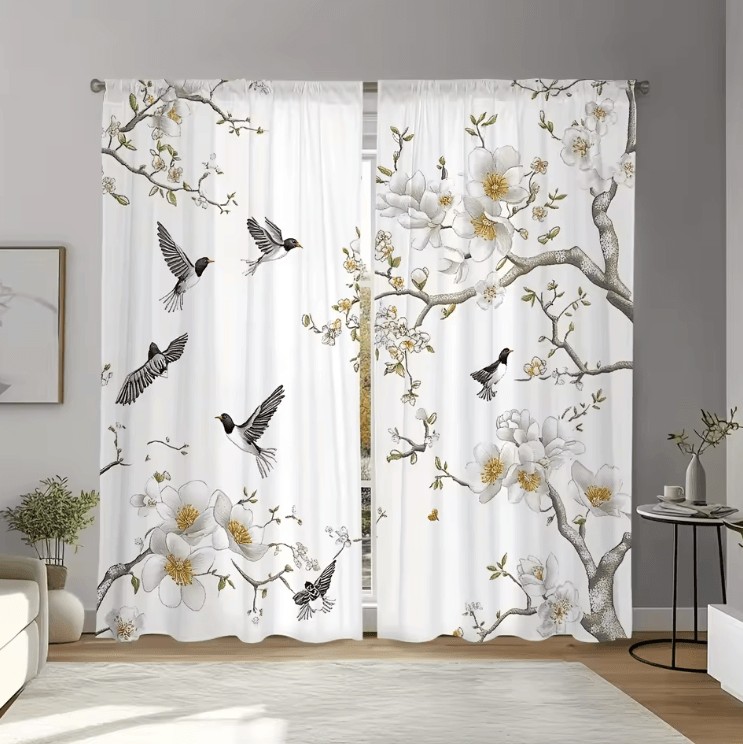 Aisha's pickMachine Washable Sheer Curtains You’ll Want to Curl Up With
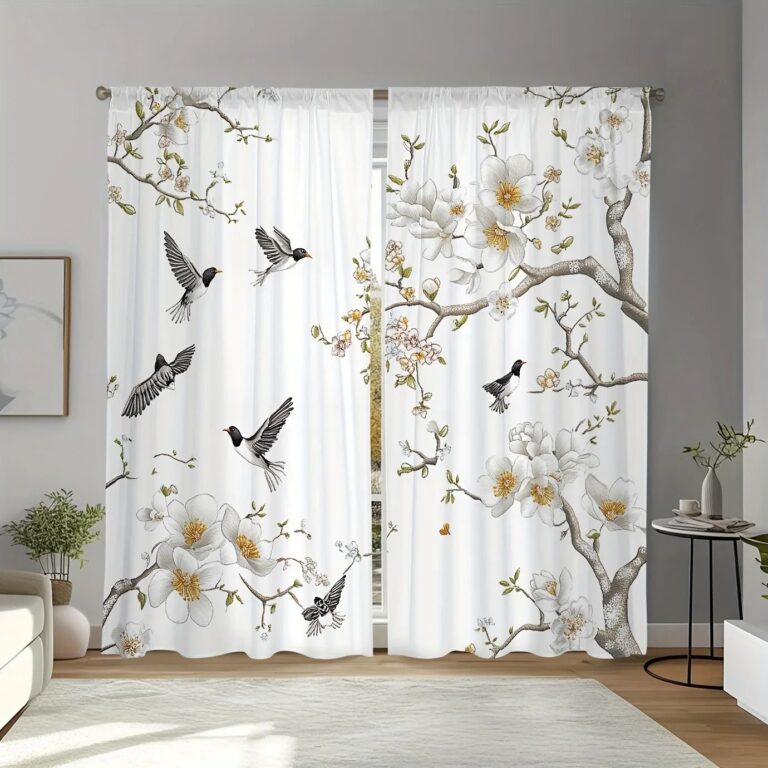
 Aisha's pickModern Sheer Curtains That Soften a Room
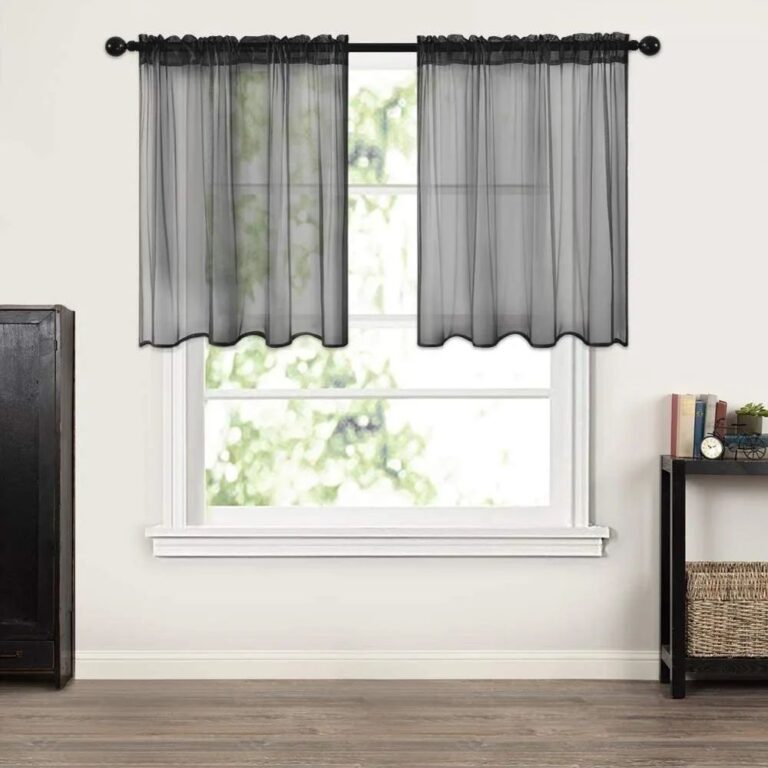
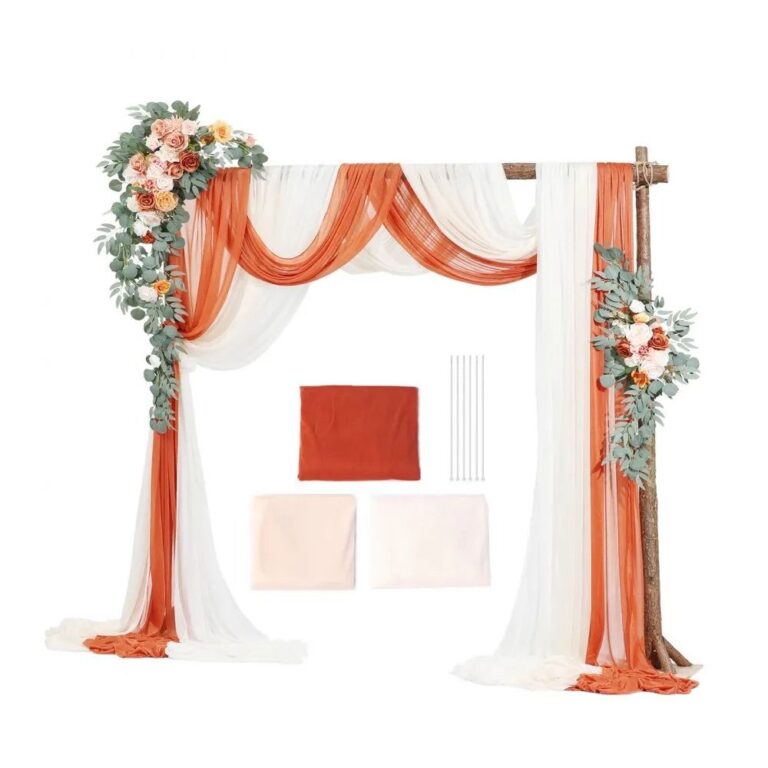 Aisha's pickPink Sheer Curtains That Don’t Pill

 Aisha's pickPolyester Sheer Curtains With a Soft, Lived In Feel
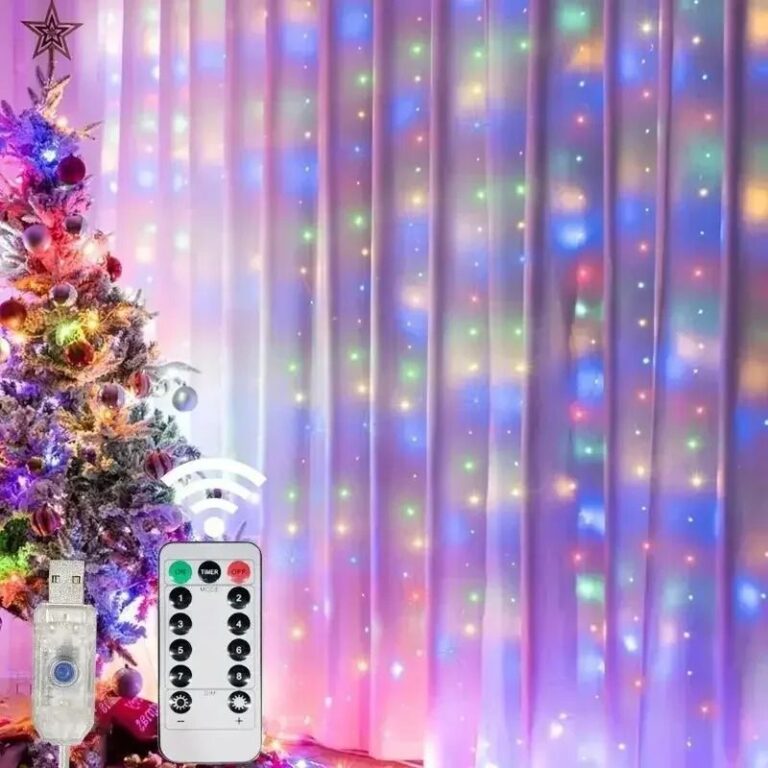 Aisha's pickSheer Bedroom Curtains You’ll Want to Curl Up WithAlso worth a lookWindow CurtainsCurtains make or break a room faster than almost anything else you hang on a wall, because they…See the collections →

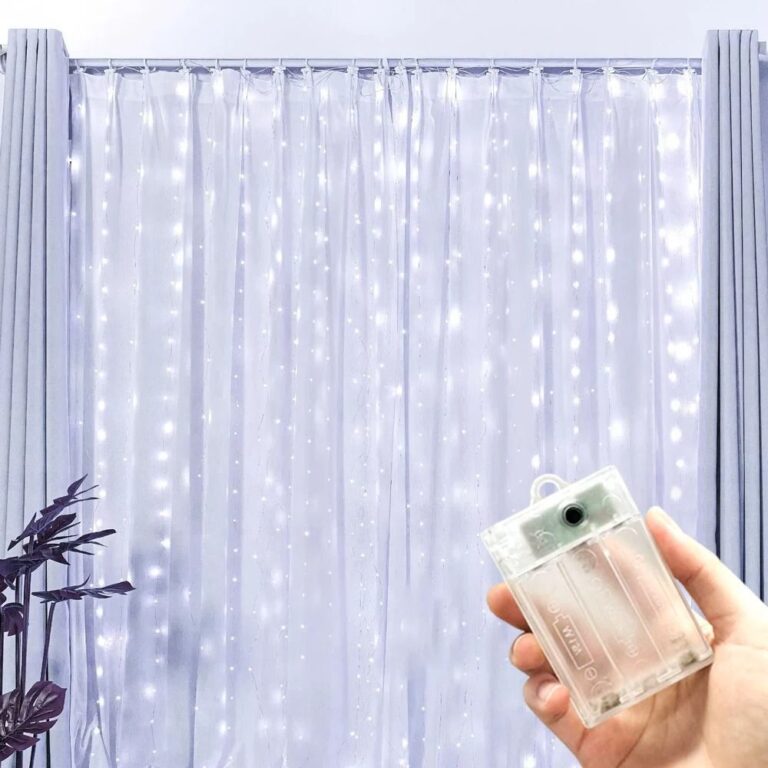 Aisha's pickSheer Curtains That Make Small Changes Feel Big

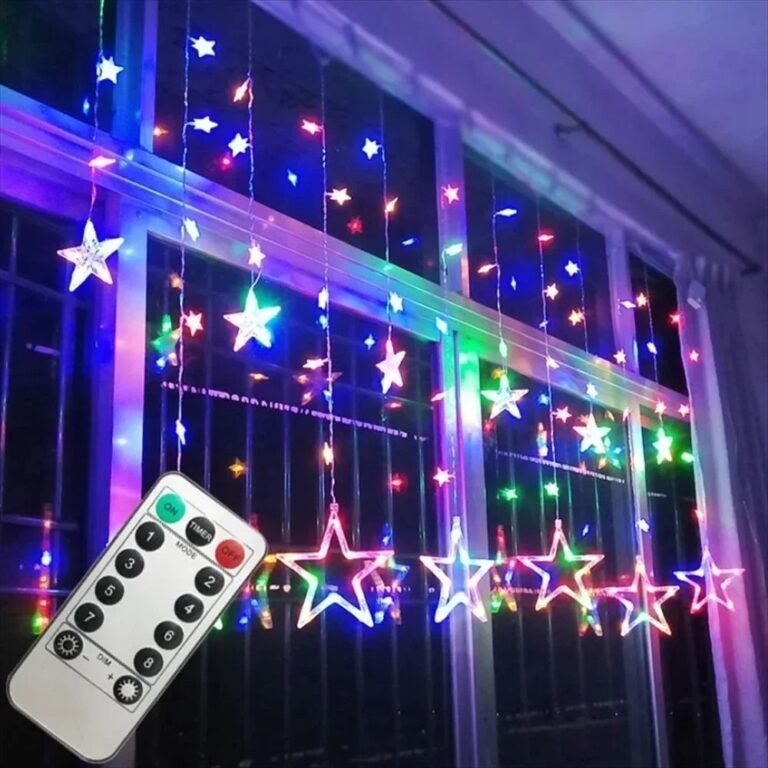 Aisha's pickSheer Curtains for Bedroom That Soften a Room
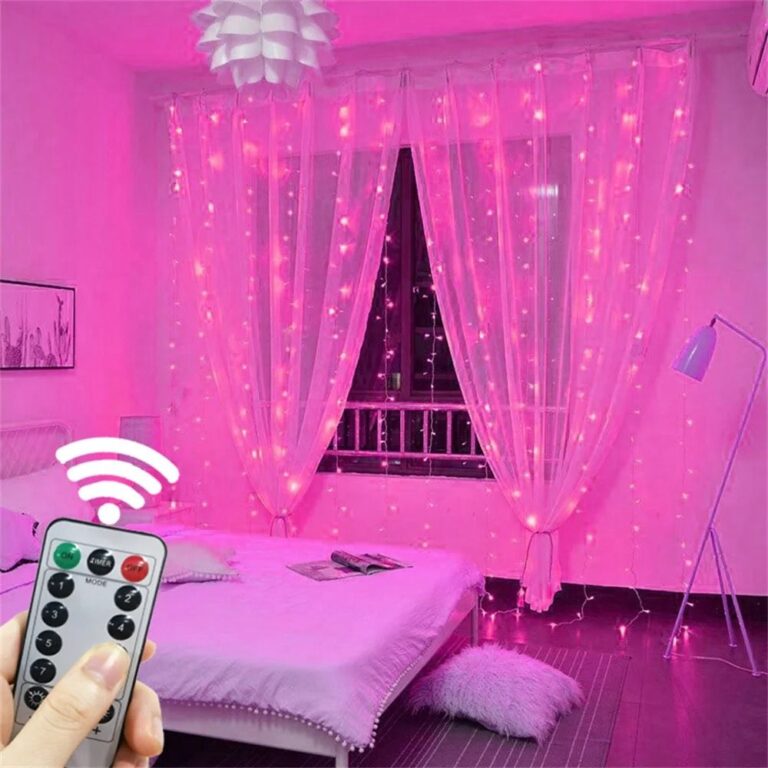
 Aisha's pickSheer Curtains for Living Room That Keep Their Color Wash After Wash
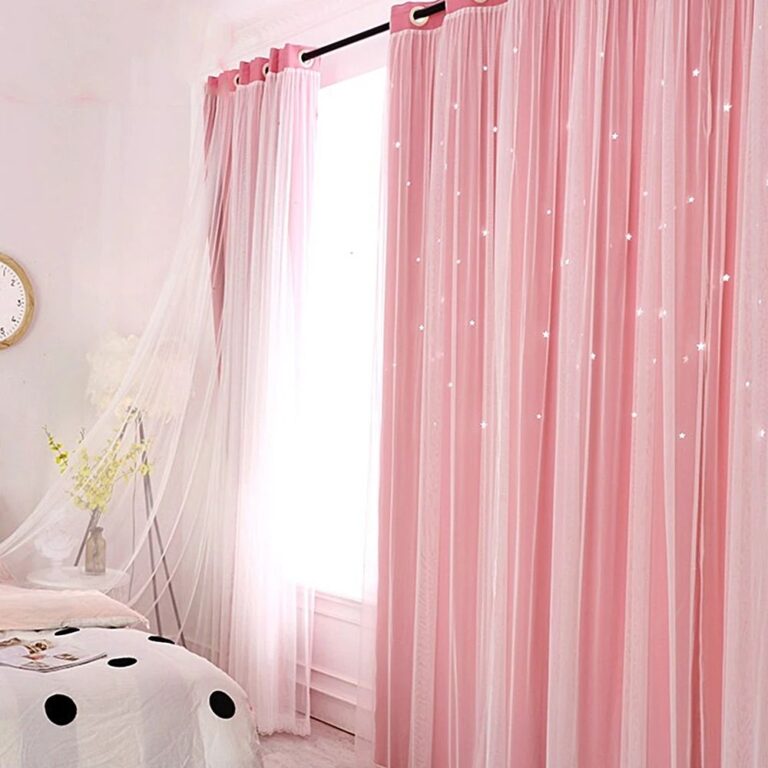 Aisha's pickSheer Kitchen Curtains That Cope With Steam and Splashes
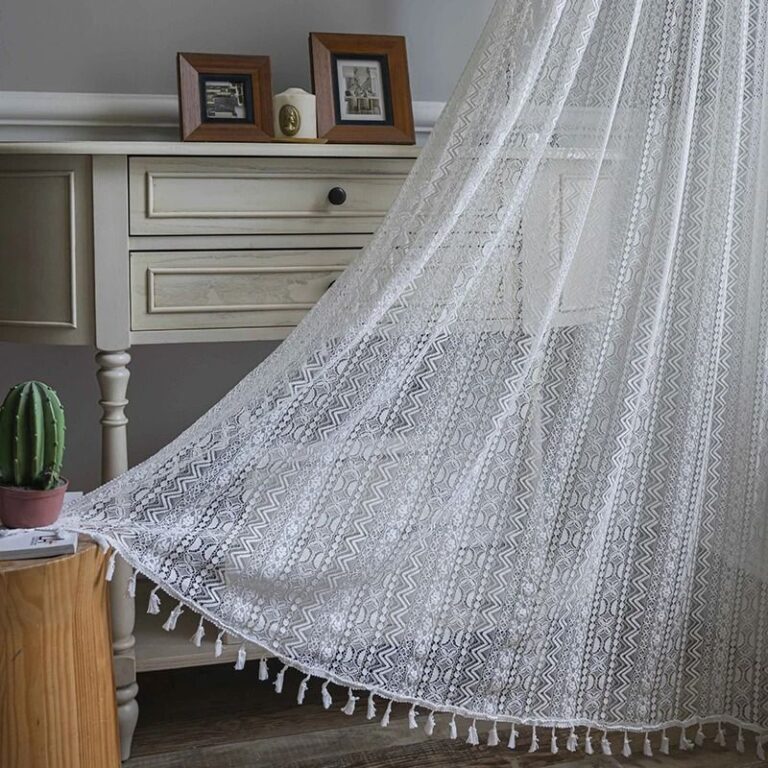
 Aisha's pickSheer Living Room Curtains That Look Good Up Close