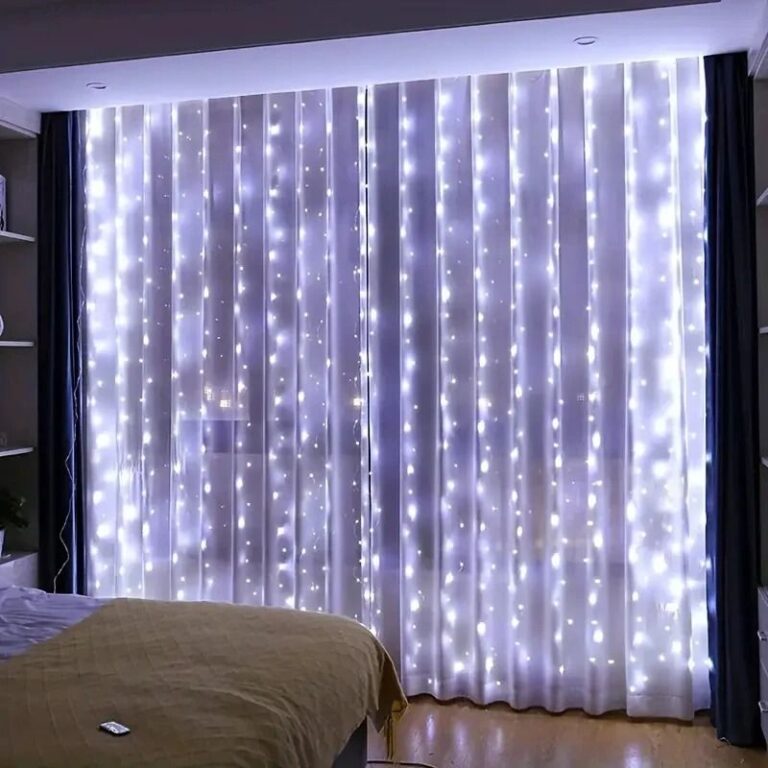
The first thing I do with a living room curtain is pinch the fabric and hold it up to the window. If light comes through it like a bedsheet, that tells me everything about how it will hang and how it will age.
There are rooms where curtains are flatly the wrong answer, and I think people forget that. A living room with a gorgeous original window, nice proportions, decent moldings, can get smothered by heavy drapery that was really designed to hide a bad view or block a streetlight. If your windows are the best thing in the room, sometimes the right move is almost nothing, a simple blind or no covering at all, and let the frame do the talking. Curtains also struggle in small rooms with low ceilings, where a floor to ceiling panel just eats the space and makes everything feel like it is being held up by two columns of fabric. And if you have radiators or a reading chair tucked under the window, pooling fabric on the floor there is asking for scorch marks or a permanently crushed hem, neither of which looks intentional.
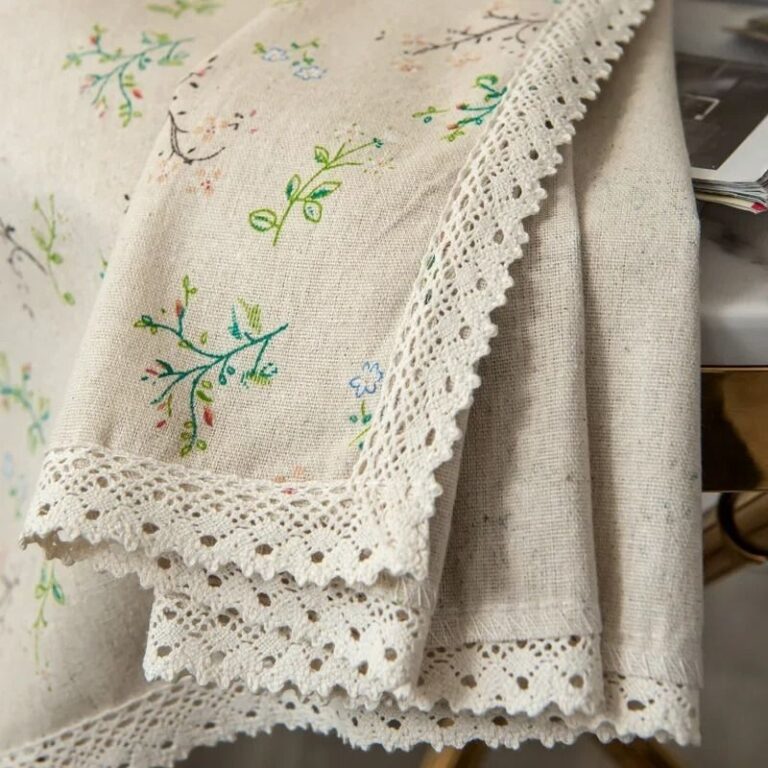
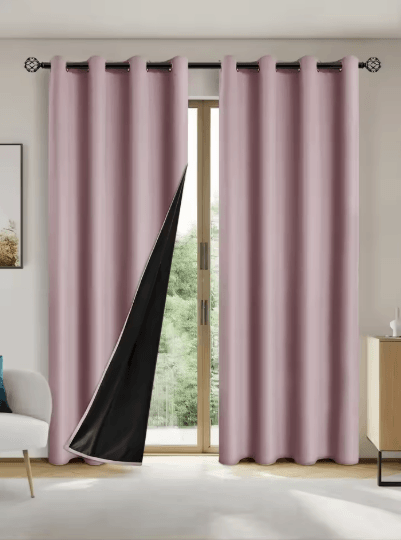
A well made curtain tells on itself the second you touch it. Good ones have real weight, a cotton or linen with some body to it, or a proper lined fabric that falls in soft, heavy folds rather than clinging to itself like a shower curtain. Cheap ones feel thin and slightly stiff at the same time, which sounds impossible until you have handled enough of them. Look at the hem, it should be generous and evenly sewn, not a thin rolled edge that will fray the first time it goes through a wash. The heading matters too, whether it is pleated or tab top, the fold should hold its shape on its own when the curtain is open, not flop sideways like it is tired. And the lining, if there is one, should be sewn in rather than glued, which you can tell because a glued lining eventually bubbles and separates in patches that look like a bad sunburn.
Where curtains fight themselves is pattern on pattern, a bold curtain against a busy rug or an already patterned sofa, where the eye just gives up trying to find a place to land. Keep one of those elements plain.
This is the right call for a living room that wants to feel settled and a little soft at the edges, the kind of room where you actually sit for hours, not just pass through.

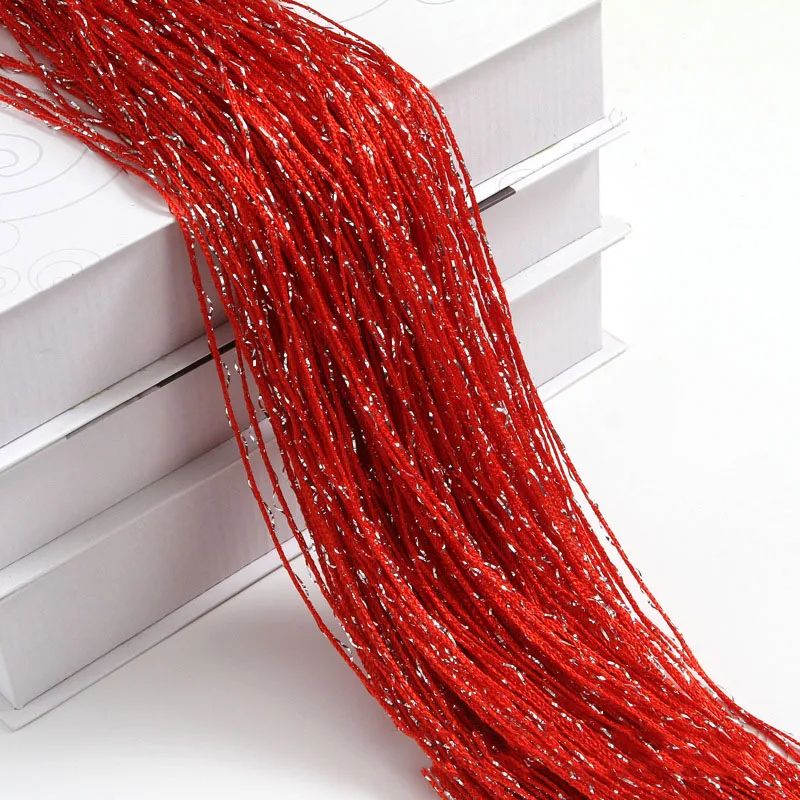 Aisha's pickPolyester Living Room Curtains for Adding Color Without Painting
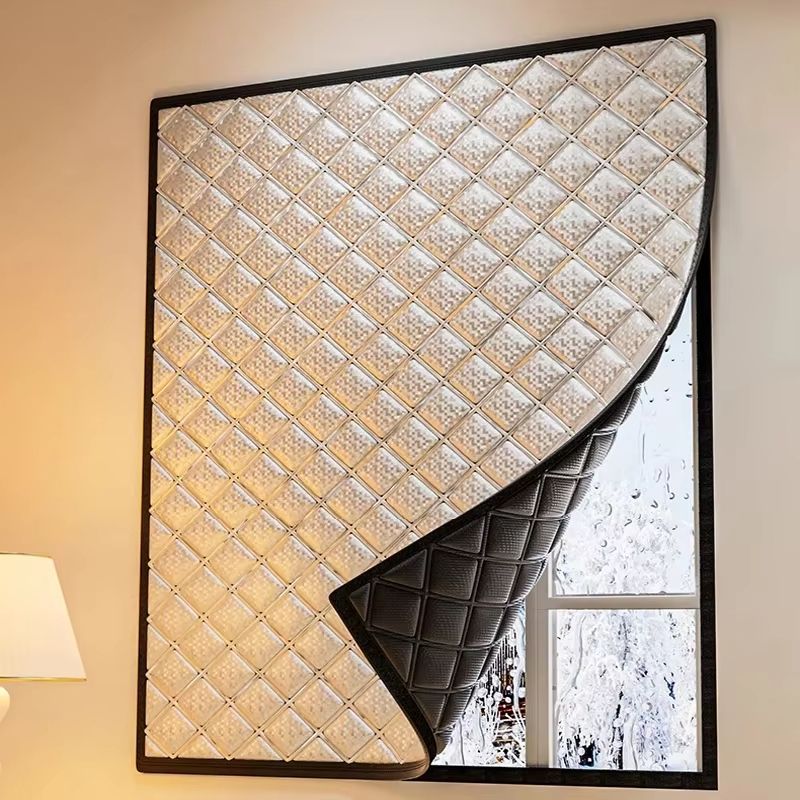
 Aisha's pickSheer Curtains for Living Room That Keep Their Color Wash After Wash
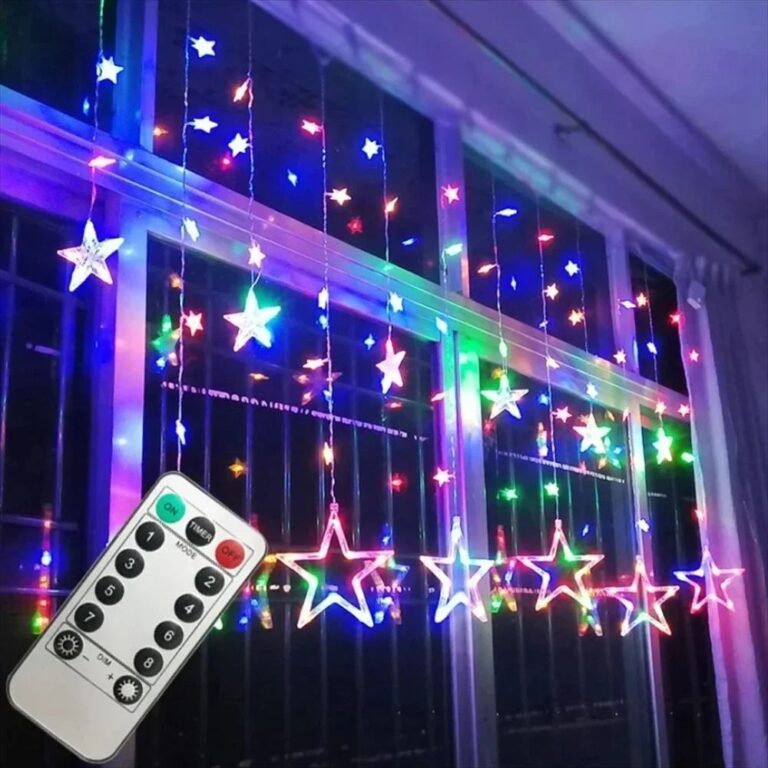
 Aisha's pickSheer Living Room Curtains That Look Good Up Close

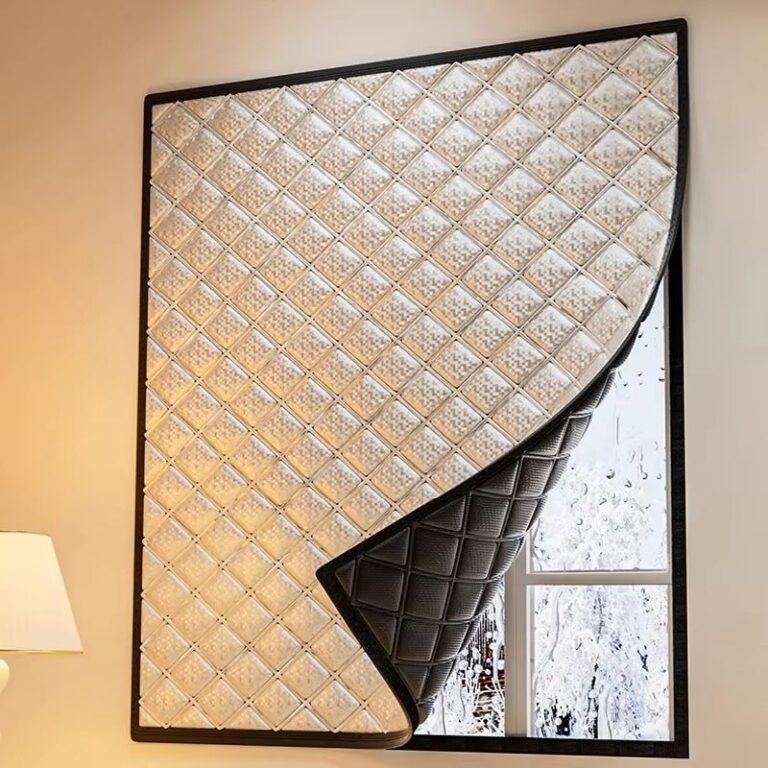 Aisha's pickThermal Curtains for Living Room Pulled From Dozens of Stores
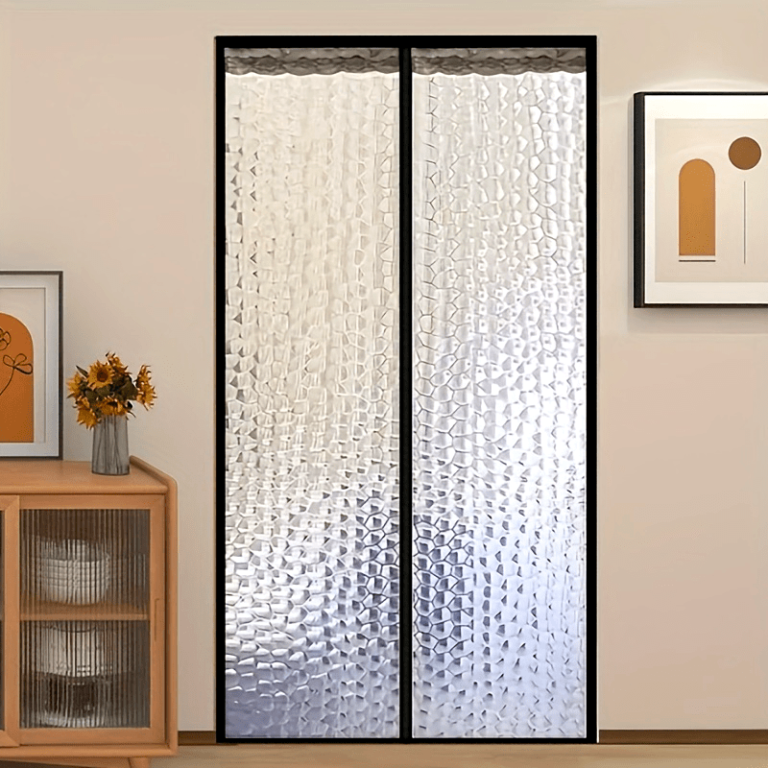
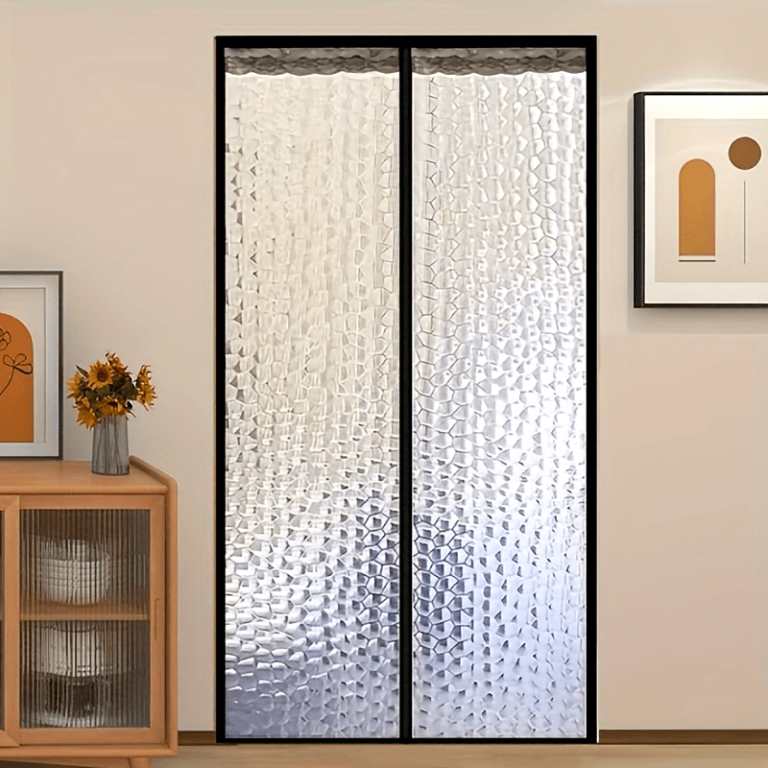 Aisha's pickThermal Living Room Curtains for Movie Nights and Slow Sundays

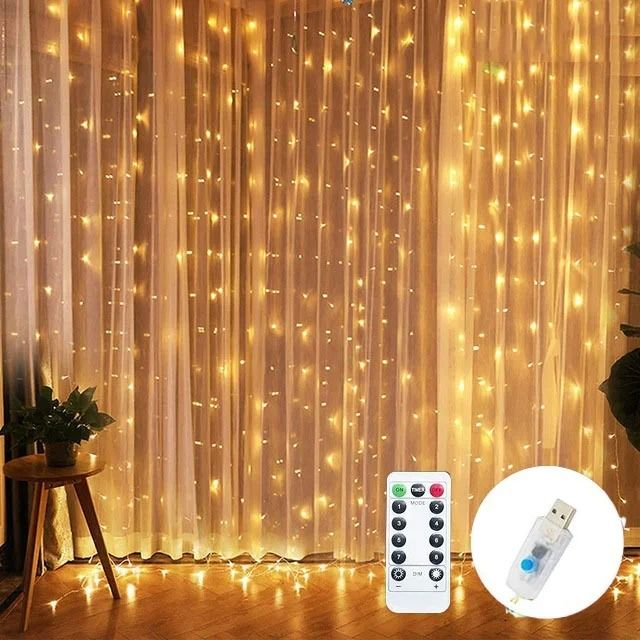 Aisha's pickBedroom Curtains for Living Room That Don’t Need Babying
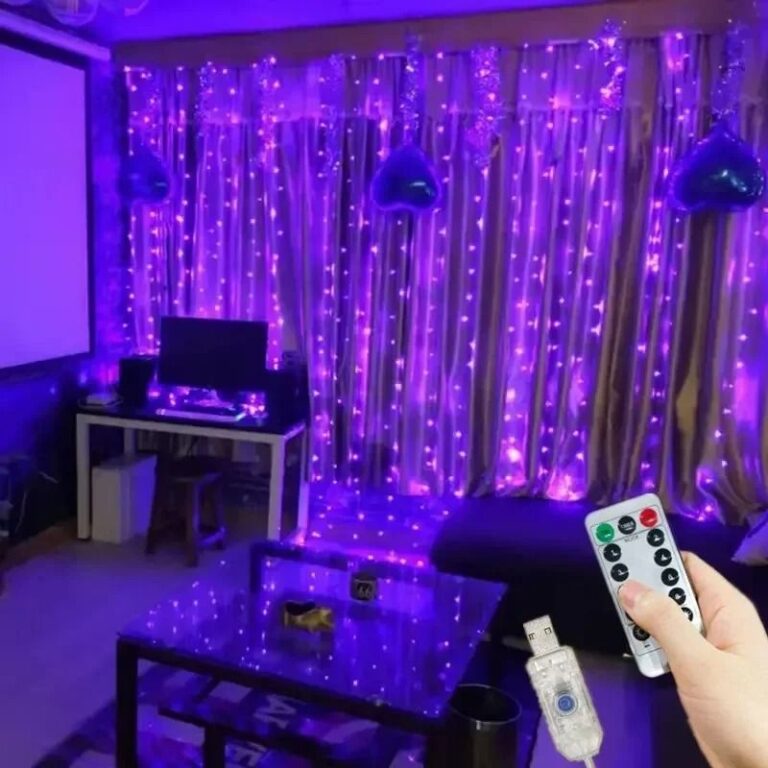
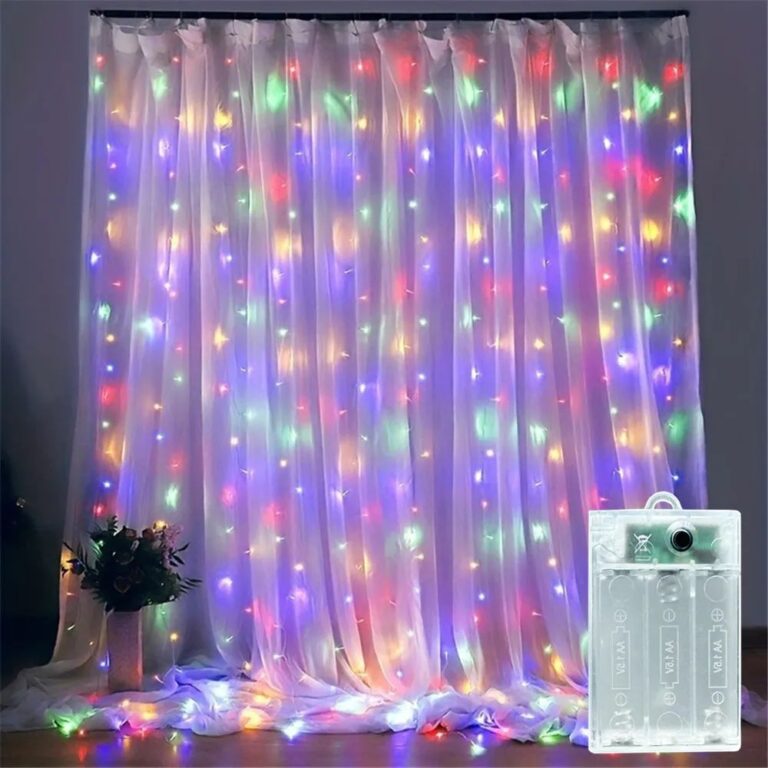 Aisha's pickWhite Living Room Curtains We Swap Around With the Seasons
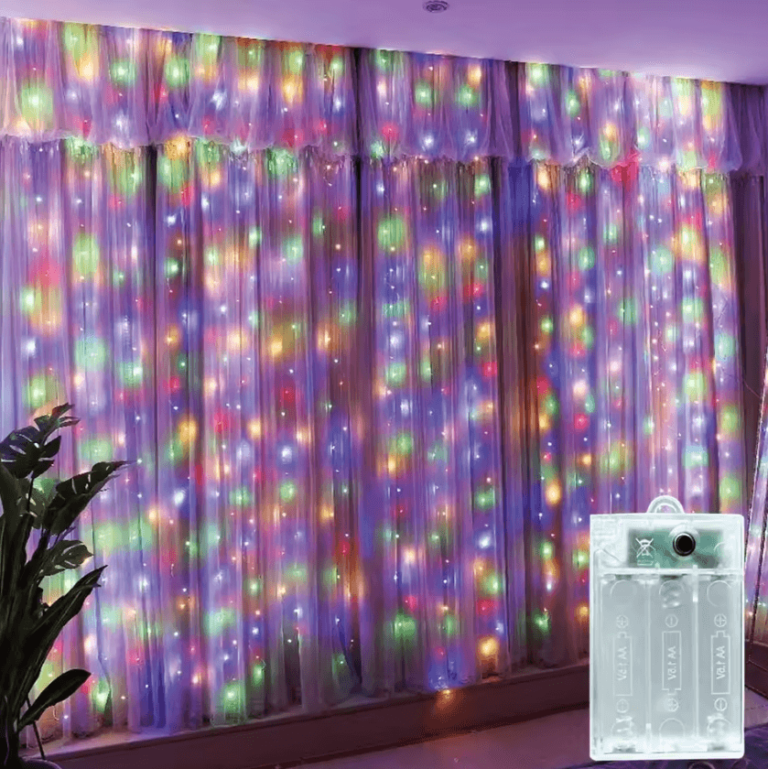
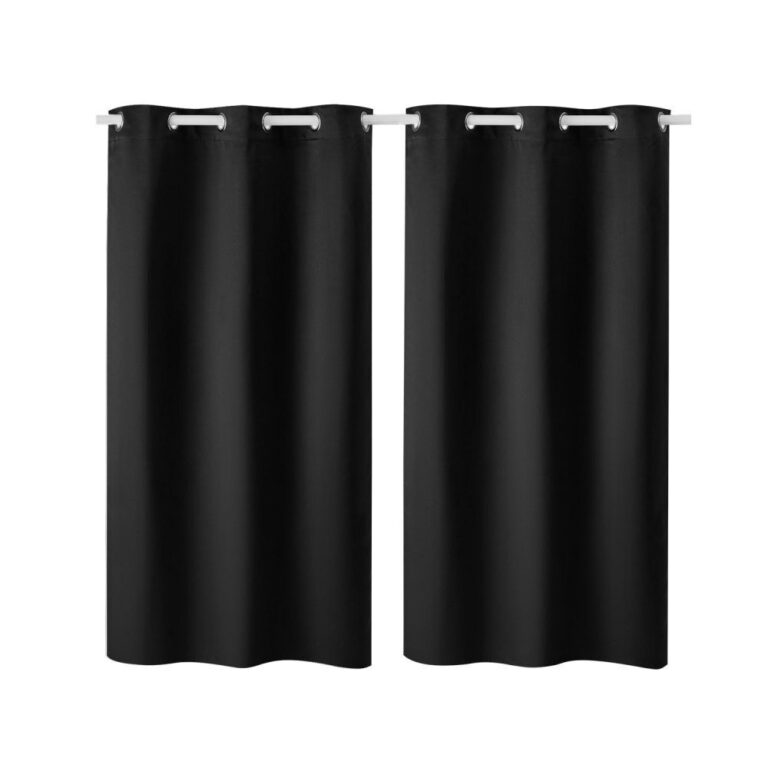 Aisha's pickDecent Blackout Curtains for Living Room Without the Hassle

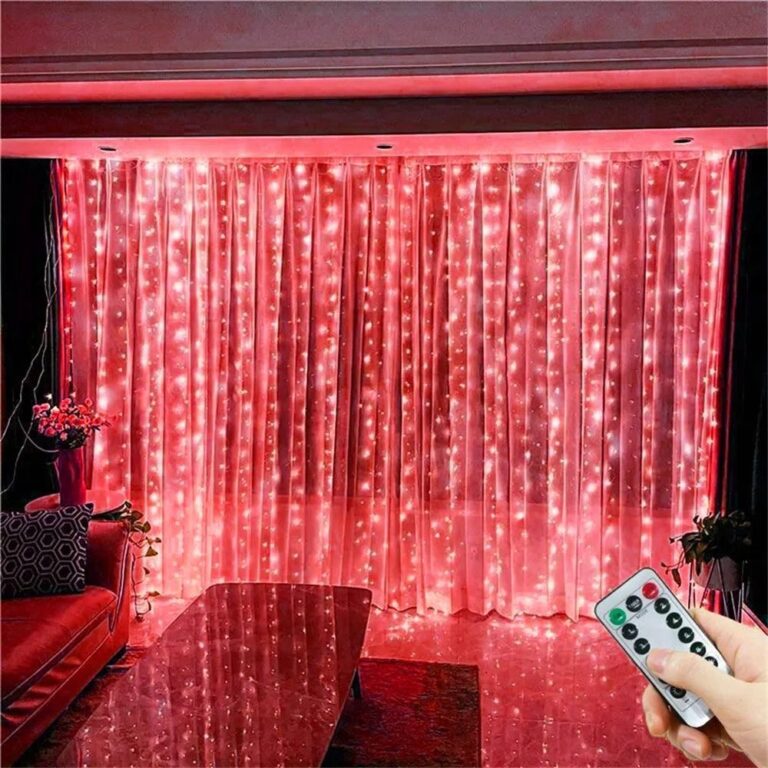 Aisha's pickWindow Curtains for Living Room That Don’t PillAlso worth a lookWindow CurtainsCurtains make or break a room faster than almost anything else you hang on a wall, because they…See the collections →
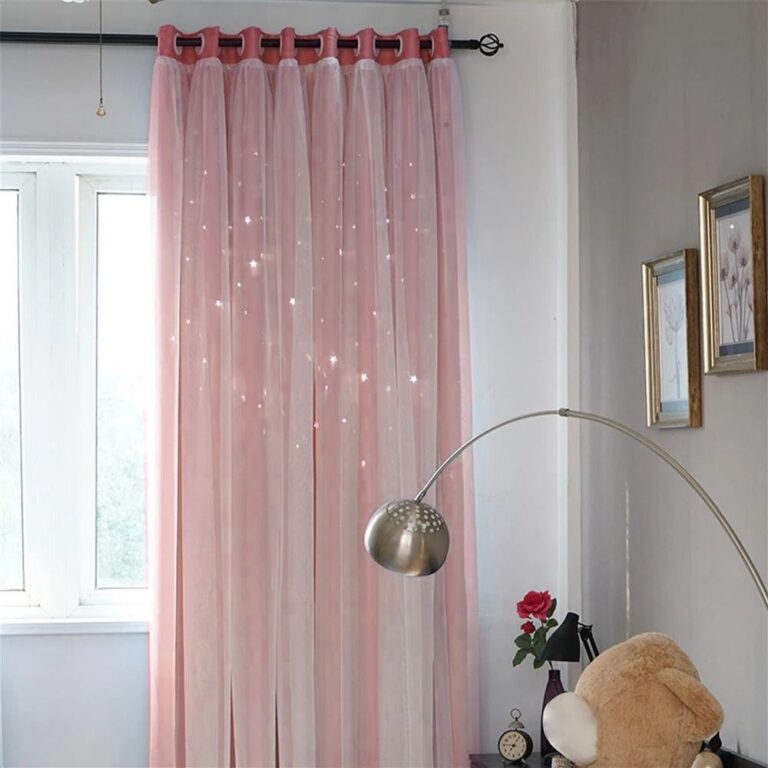
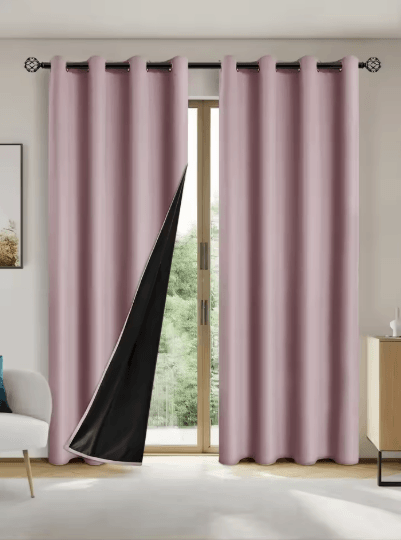 Aisha's pickBlackout Living Room Curtains for Movie Nights and Slow Sundays

 Aisha's pickCurtains for Living Room That Survive the Washing Machine

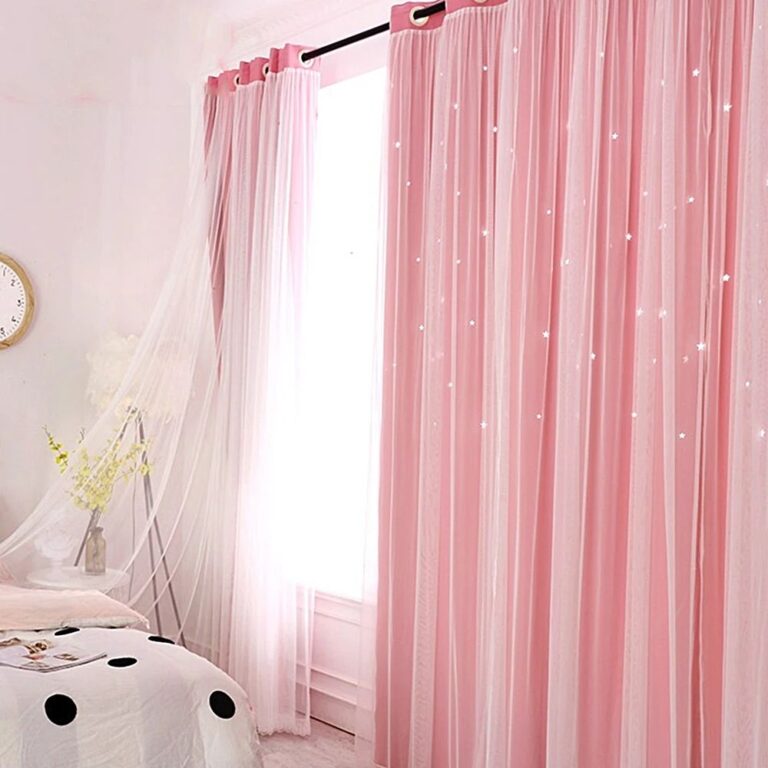 Aisha's pickKitchen Curtains for Living Room That Earn Their Keep
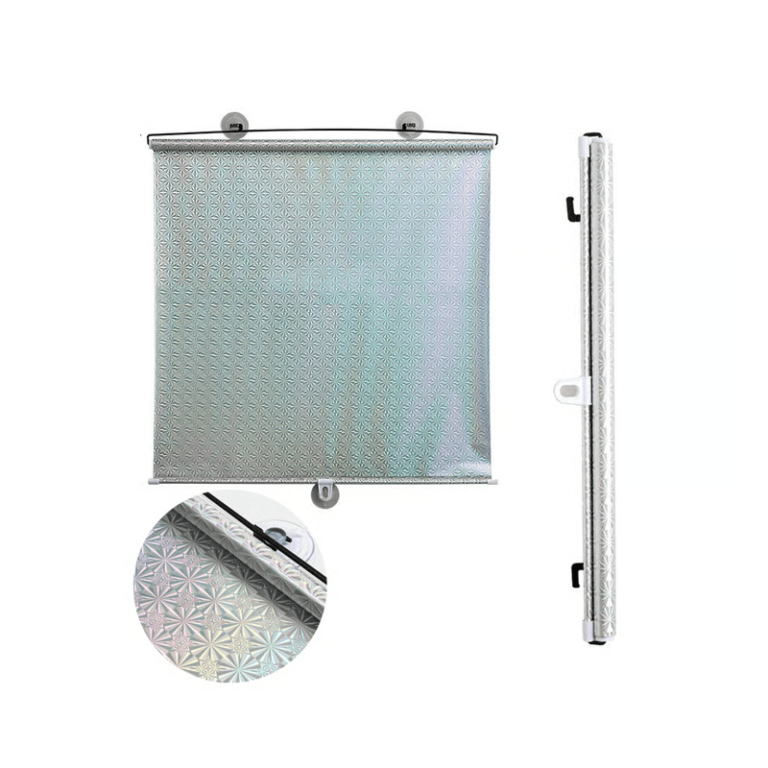 Aisha's pickLiving Room Blinds for Movie Nights and Slow Sundays

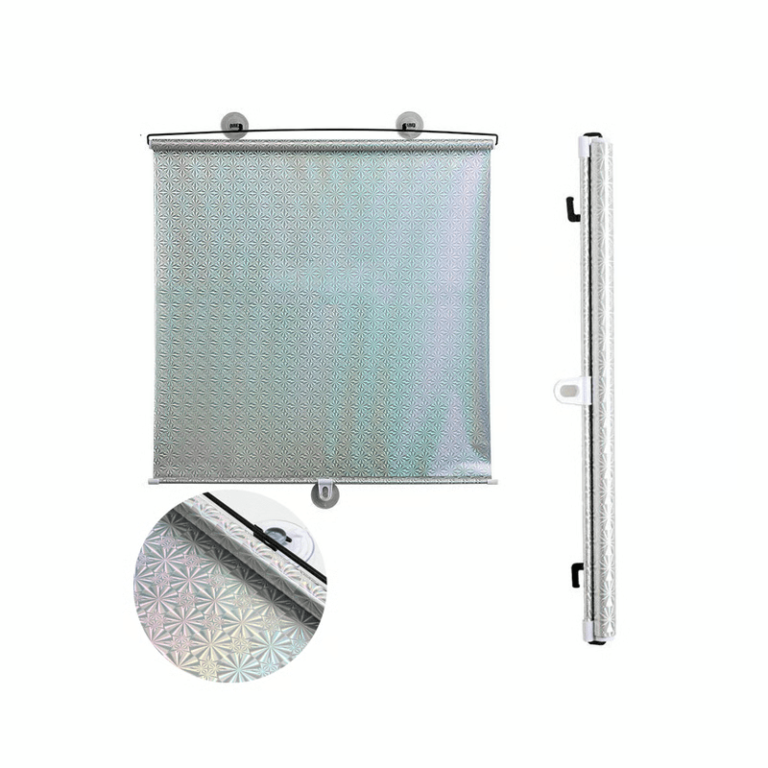 Aisha's pickLiving Room Blinds for Bedroom That Don’t Pill
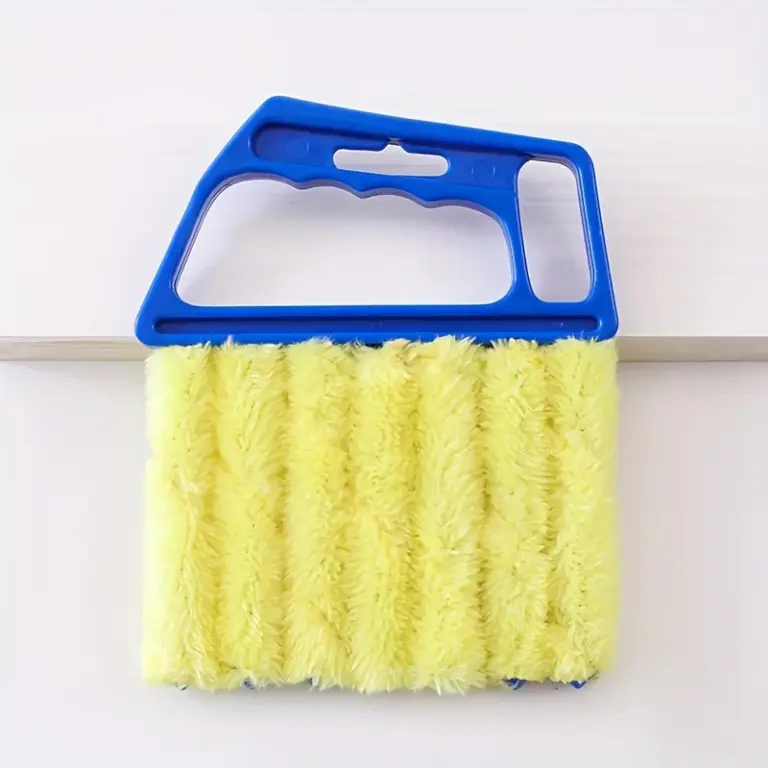
 Aisha's pickLiving Room Curtains That Survive Kids and Pets

 Aisha's pickMachine Washable Living Room Curtains Pulled From Dozens of Stores