Stand in front of a wall of fabric bolts and the safe choice is always gray or white, but gray or white in a room that gets good light all day can end up looking like you ran out of decisions. A good colorful curtain is the one decision that makes the rest of the room easier, not harder.
What separates a curtain that hangs well for ten years from one that looks tired after one washing comes down to the fabric and the weight. Cotton and linen blends hold color and structure better than pure polyester, which tends to look a little plasticky under direct light and doesn't fold into soft pleats the same way. Check the hem, too: a curtain with a deep, weighted hem and real stitching along the bottom will hang straight and move properly when the window's open, while a thin, cheap panel just sort of flutters and clings to itself. Lined curtains cost more but they drape with actual weight and block more light, which matters if the color you picked is bright enough to look washed out without some body behind it. Grommets are fine for a casual room, but a proper rod pocket or pinch pleat heading gives you a cleaner line and lets the fabric fall in soft folds instead of bunching.
A colorful curtain works best when the rest of the room is calm enough to let it be the loudest thing without a fight. A neutral sofa, plain walls, simple wood furniture, that's the setting that lets a mustard yellow or a deep terracotta curtain do something, rather than compete with a patterned rug and three other accent colors all shouting at once. Pick one or two colors already in the room, a cushion, a piece of art, and pull the curtain color from there, and the whole thing reads intentional instead of random.
These work hardest in rooms that need warming up: north facing living rooms, bedrooms in older houses with small windows, anywhere that feels a little flat in winter. A rich color changes how a gray afternoon feels in a way white sheers never will. In a sunnier room, lighter shades like a soft coral or sage keep things from feeling heavy in summer. Rented apartments benefit especially, since curtains are one of the few big changes you're allowed to make without asking anyone's permission.
Colors that are easiest to live with long term tend to sit one or two shades deeper than you'd first reach for, rust instead of orange, forest instead of kelly green, since deeper tones hide dust and fading better and don't date as fast as a trend color.
I'd hang a pair of these in the living room first, where you actually sit long enough to notice them.

 Aisha's pickNo Fuss Purple Curtains
 Aisha's pickRed Curtains That Don’t Shout About It
 Aisha's pickGood Red Door Curtains That Don’t Cost a Fortune

 Aisha's pickRed Door Curtains With a Bit More About Them

 Aisha's pickRed Window Curtains That Don’t Pill
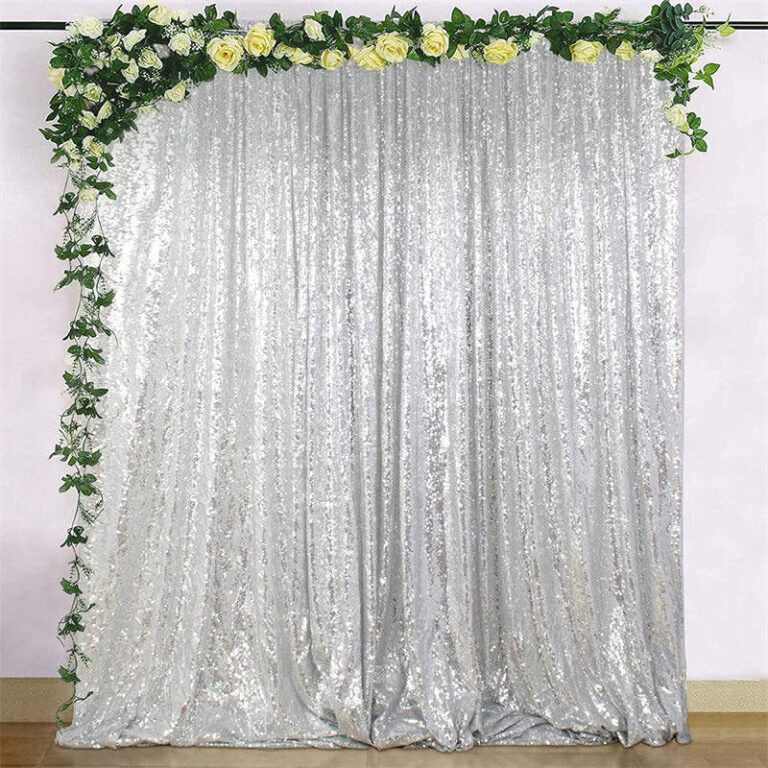 Aisha's pickGold Curtains for Cozy Nights In

 Aisha's pickGreen Bedroom Curtains That Don’t Pill

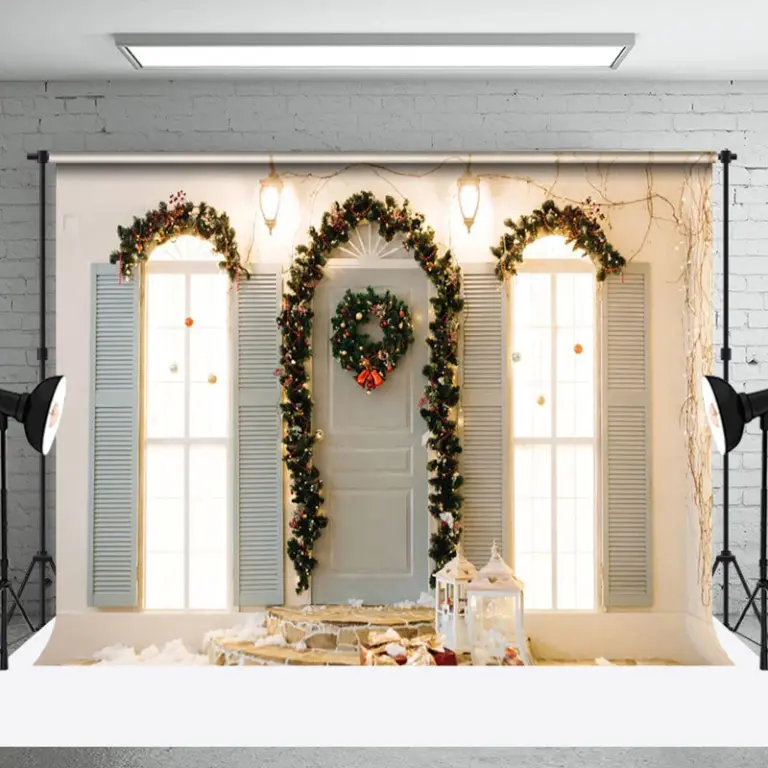 Aisha's pickGreen Blinds for Adding Color Without Painting
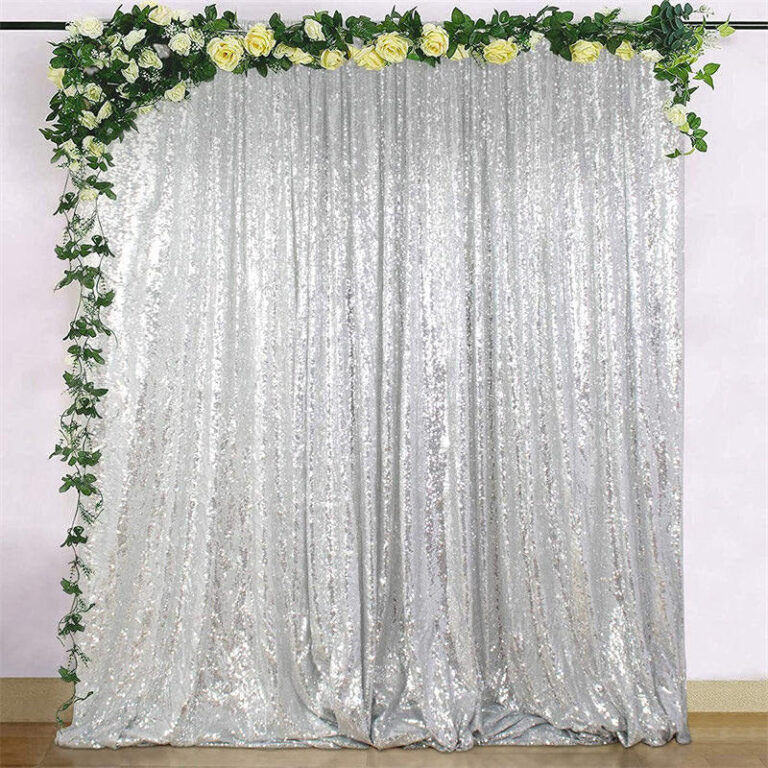 Aisha's pickGreen Curtains That Look Better in Real LifeAlso worth a lookWindow CurtainsCurtains make or break a room faster than almost anything else you hang on a wall, because they…See the collections →
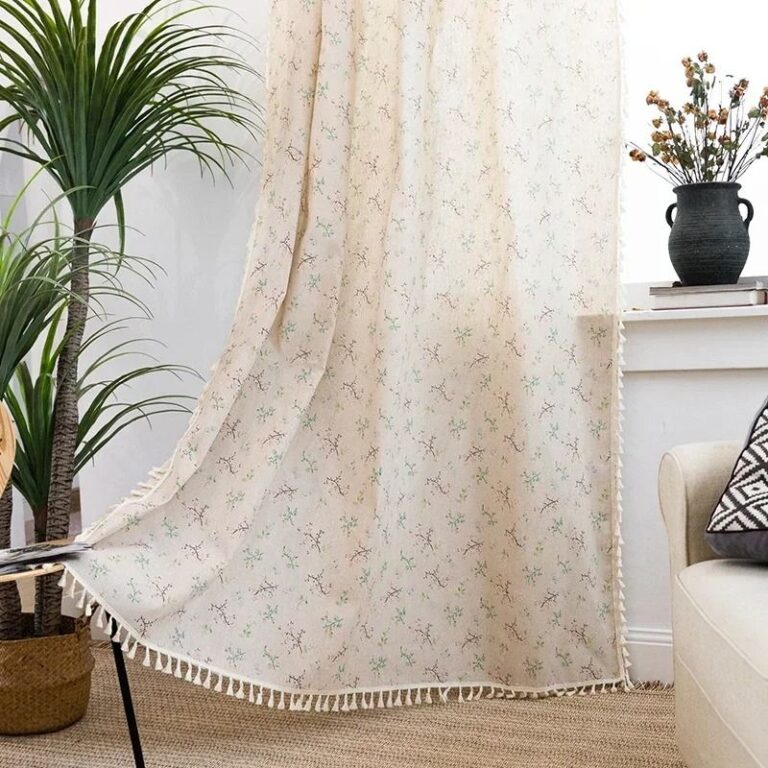
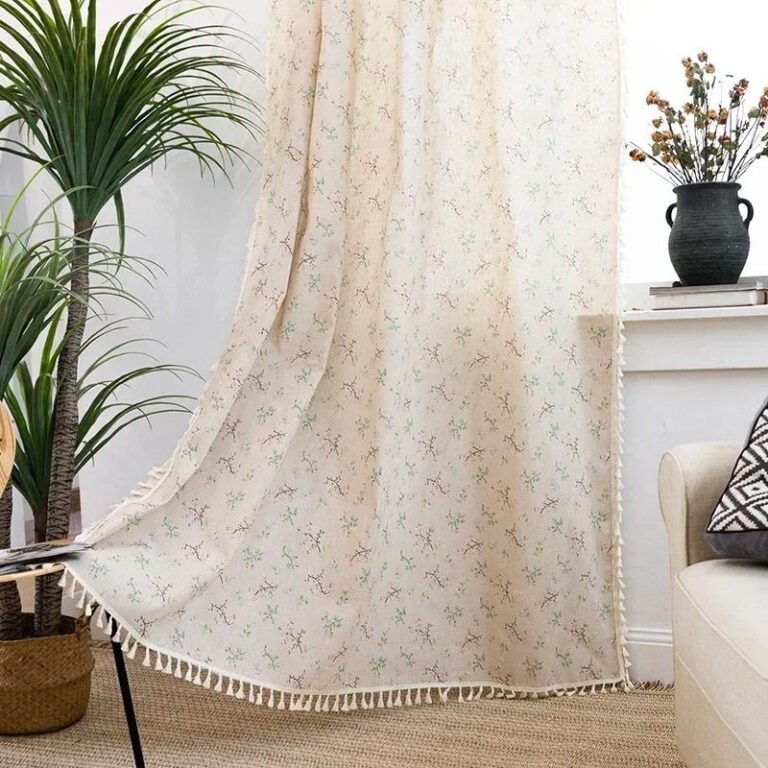 Aisha's pickGreen Floral Curtains That Feel as Good as They Look
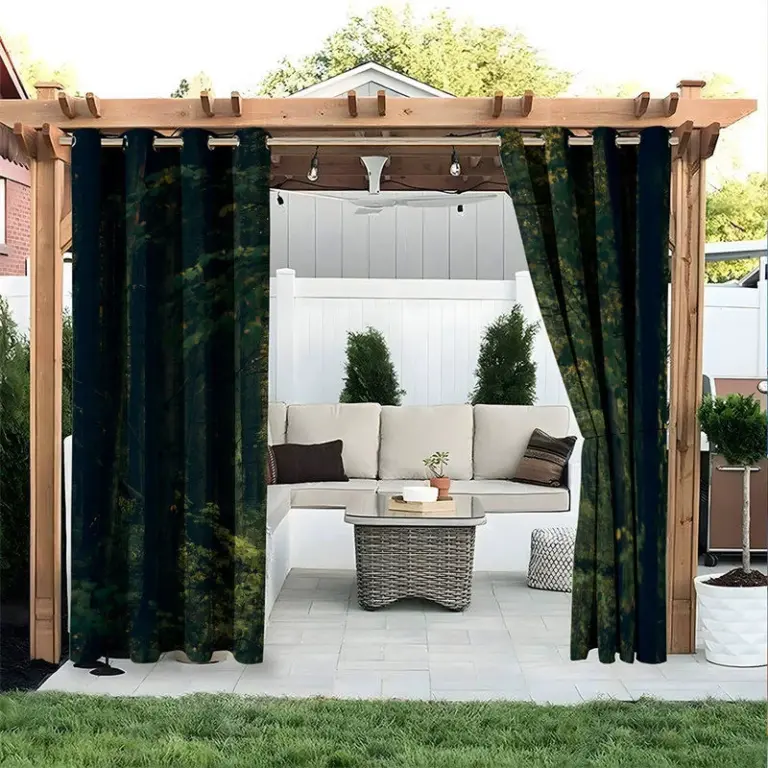
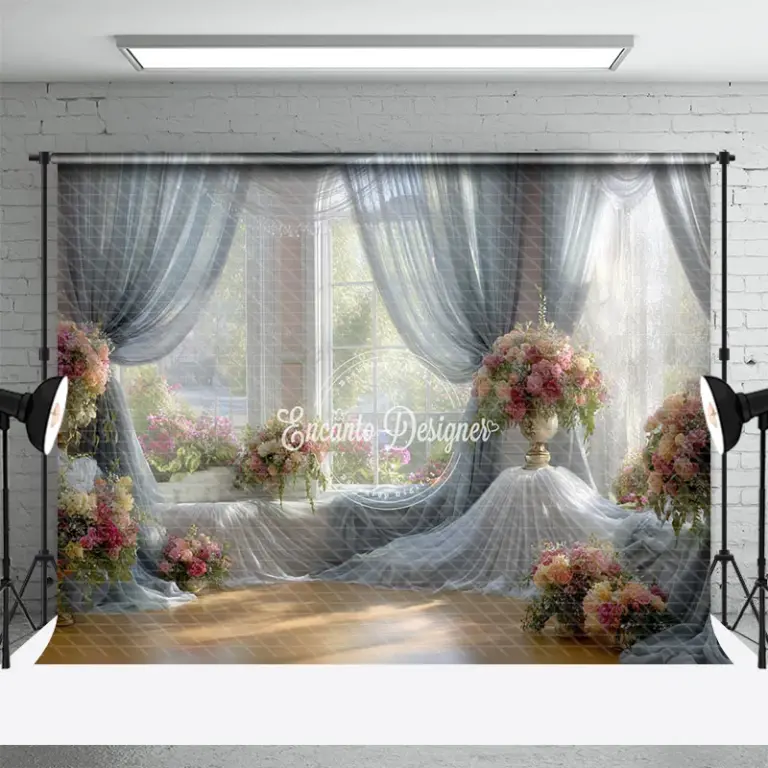 Aisha's pickGreen Sheer Curtains That Don’t Pill

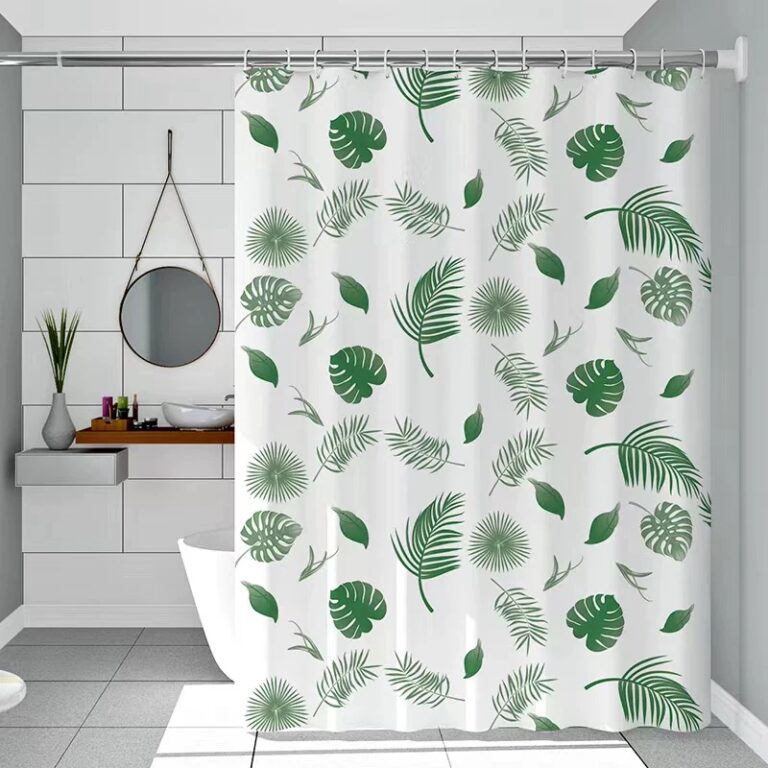
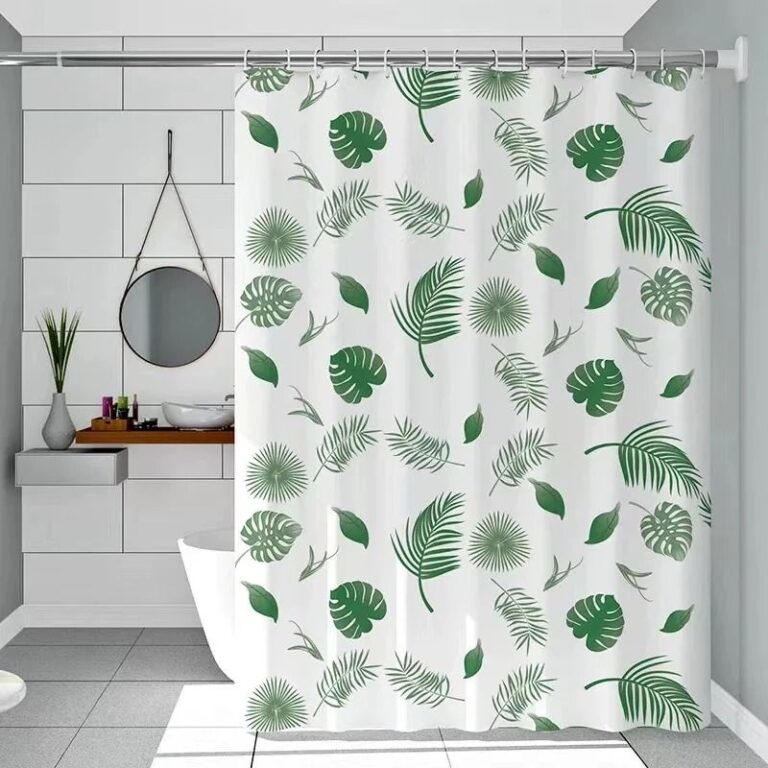 Aisha's pickGreen Shower Curtains Worth Knowing About
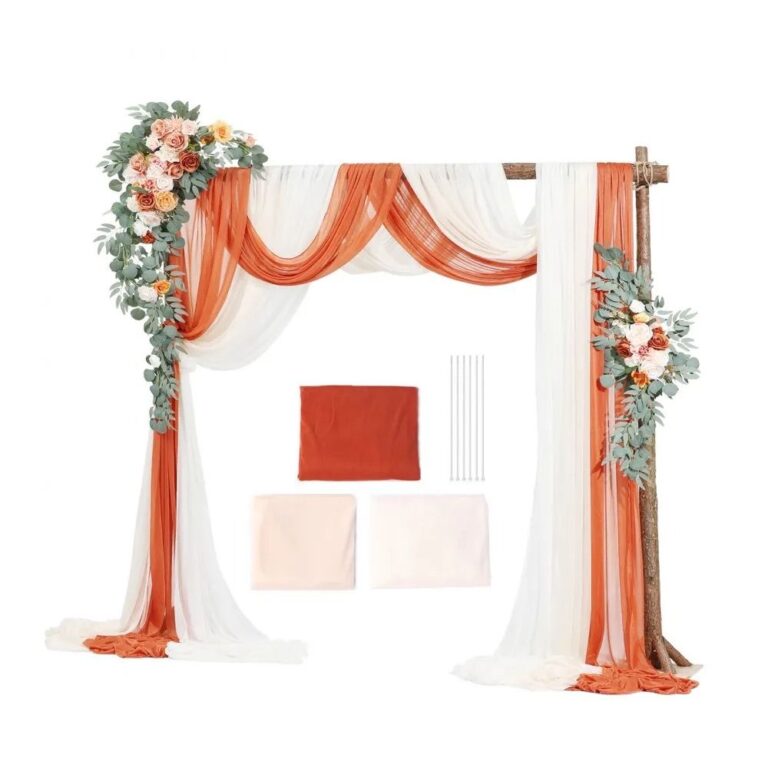
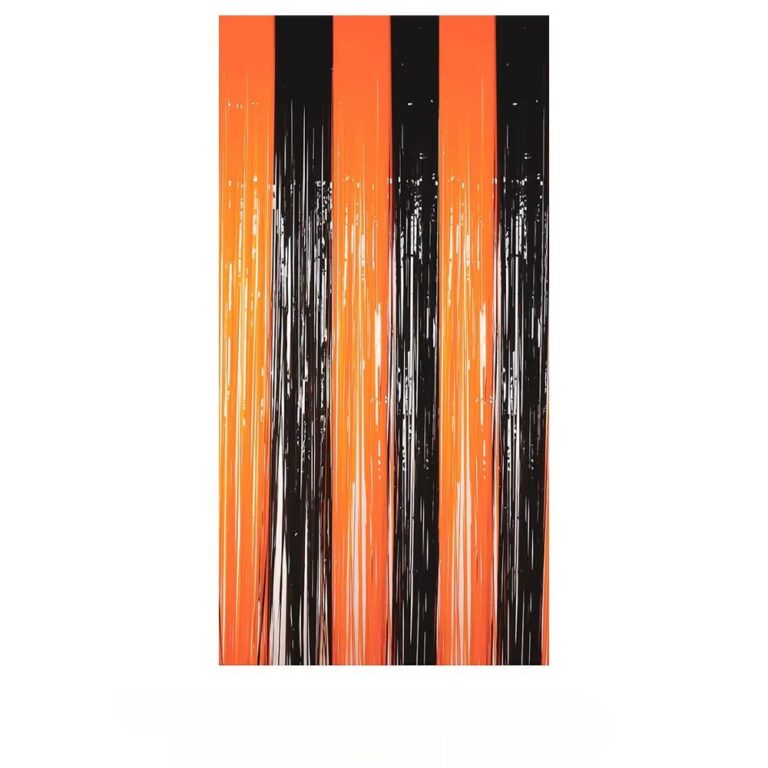 Aisha's pickOrange Curtains That Hold Up to Everyday Life
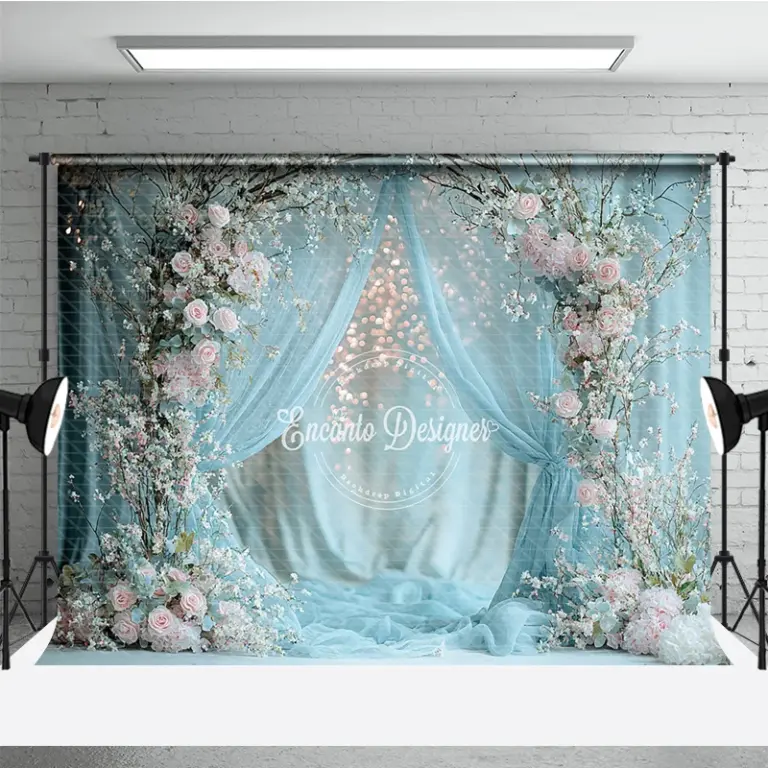 Aisha's pickSimple Pink Curtains Done Well