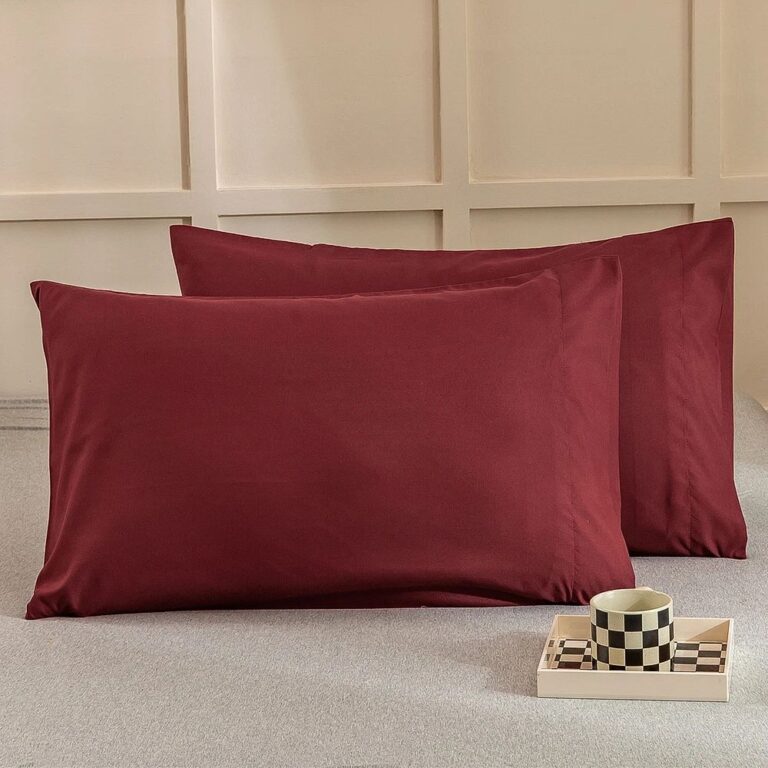
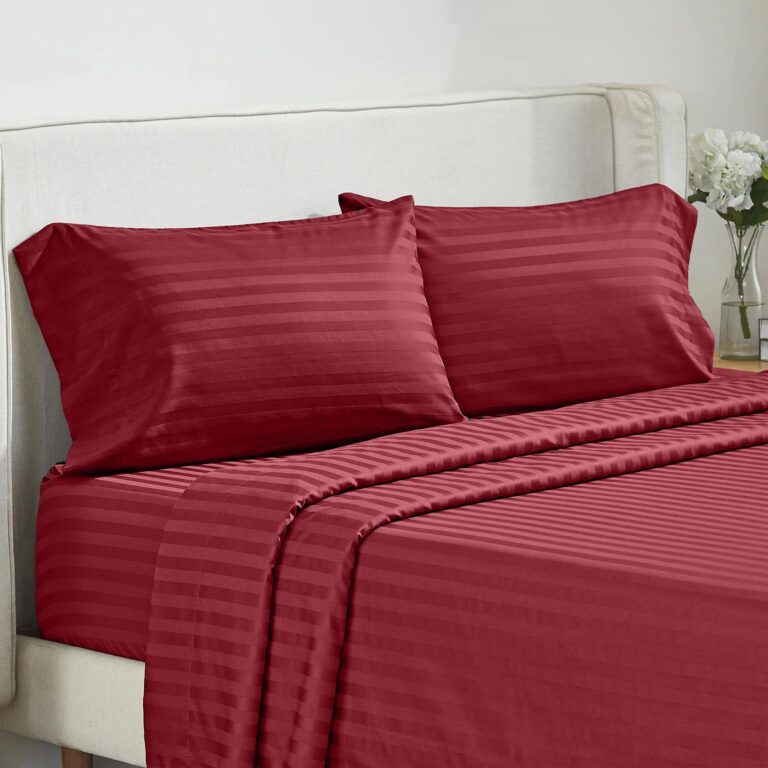
The first thing I do with a pillowcase, before I even look at the color, is rub it between two fingers and check the seams. A lot of sets feel fine in the package and then go thin and see through after a few washes, and the seams are usually the tell. If they're flat and tight, it's got a better chance of holding up. If they're already a little puckered new, that's what you're living with forever, just worse.
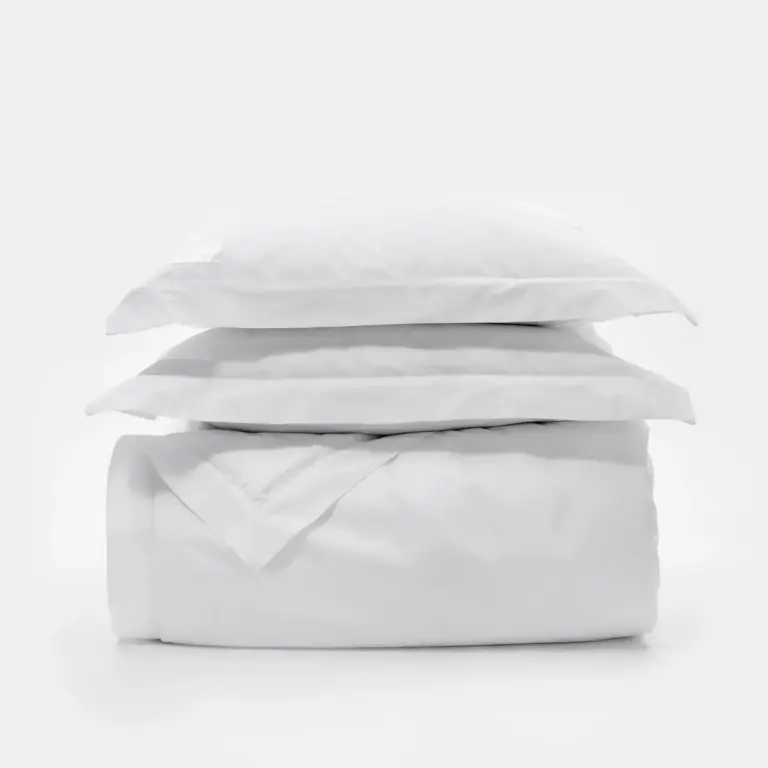
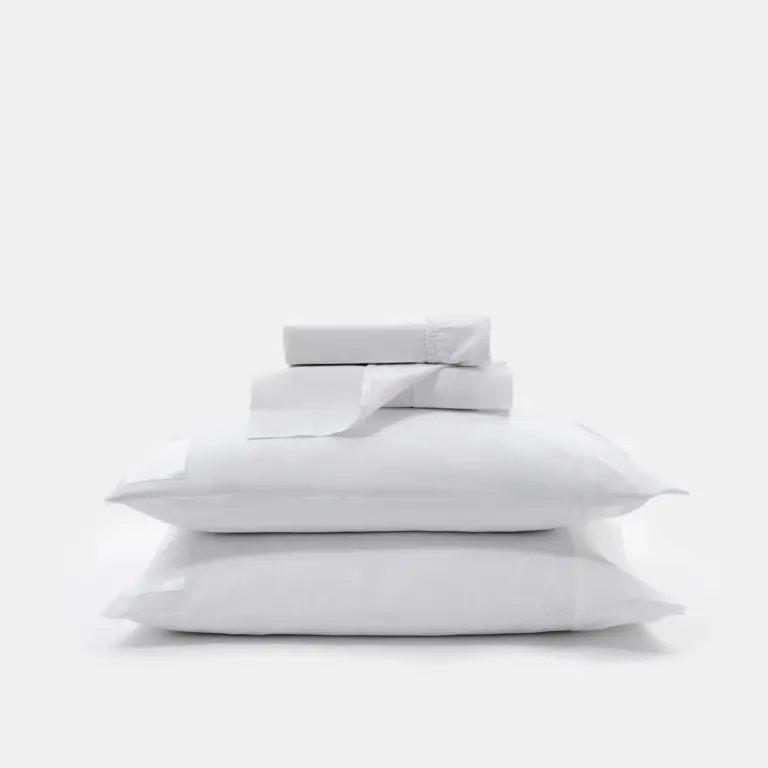
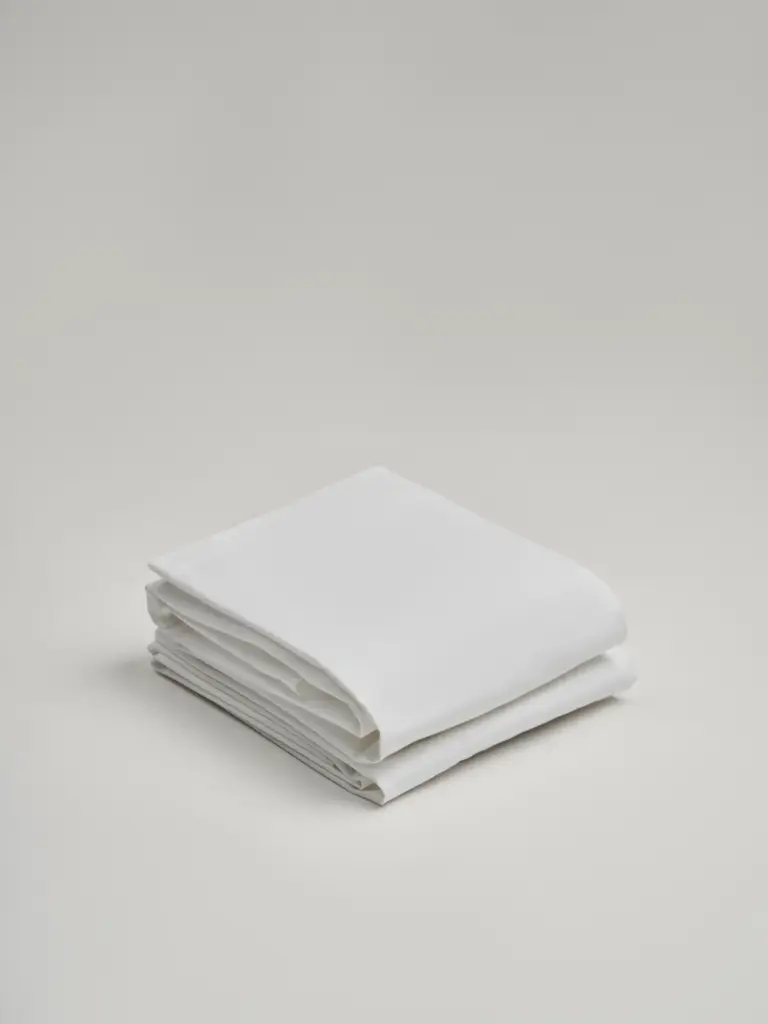
If you don't own a single pillowcase that isn't attached to a cheap bedding bundle from years ago, start with plain cotton, nothing fancy, nothing with a thread count that sounds made up. A simple percale or a soft broken in feeling cotton in white or a light neutral will outlast almost anything trendier you could buy, and it won't fight with whatever quilt or comforter you already have. You can build on that later with something cooler for summer or warmer for winter, but the plain cotton pair is the one that works on every bed in the house, including the guest bed nobody thinks about until someone's staying over.
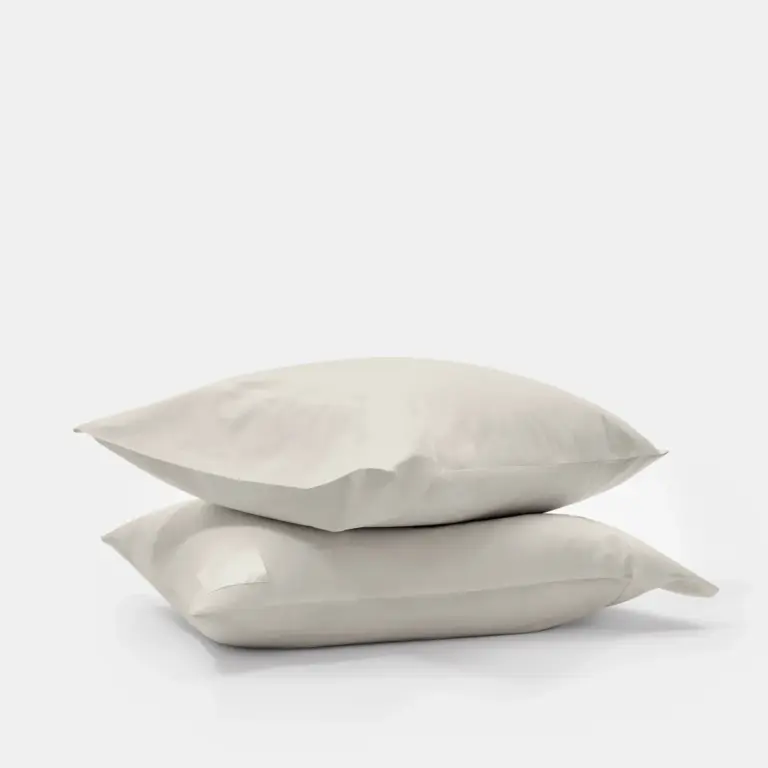
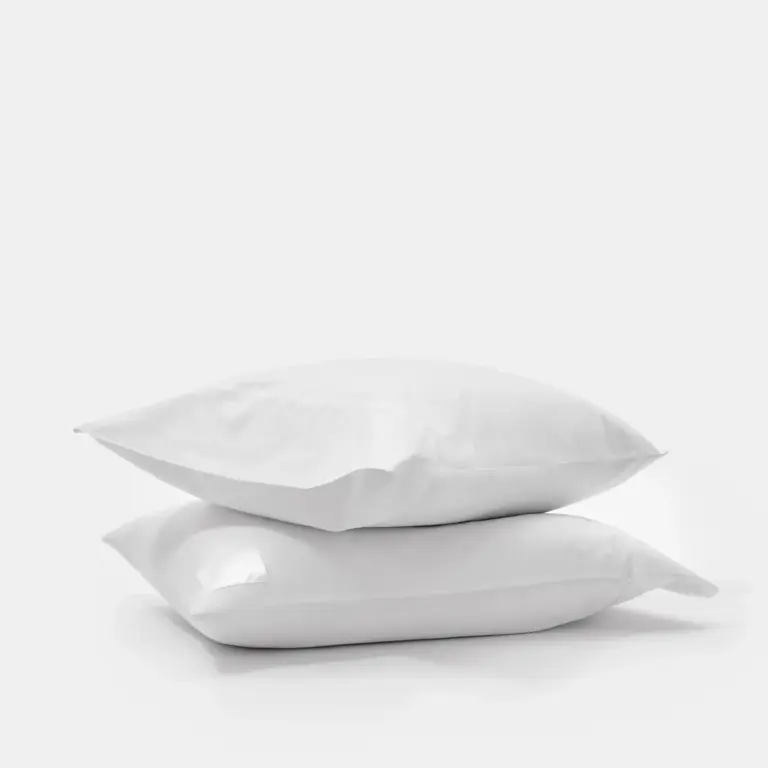
For color, I've learned to stay away from anything too white white, the bright bleached kind that shows every bit of yellowing after a year, even with careful washing. A warmer off white or a pale gray hides that slow fade much better and still looks clean. Deeper colors, like a soft clay or a muted blue, are forgiving in a different way, they don't show the wear as obviously and they don't need to match your sheets exactly, which takes the pressure off when you're mixing sets you bought at different times, which, let's be honest, most of us are.
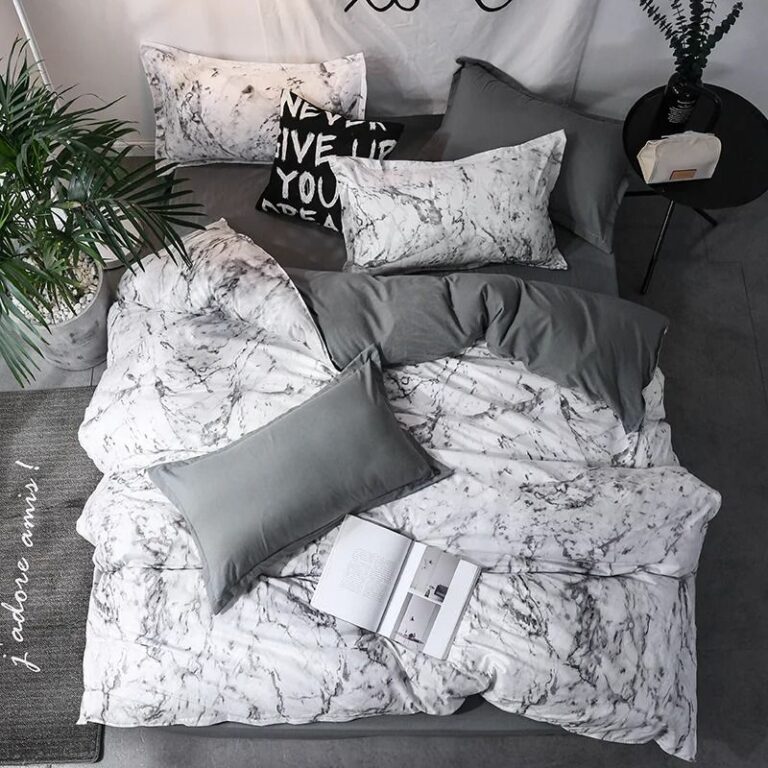
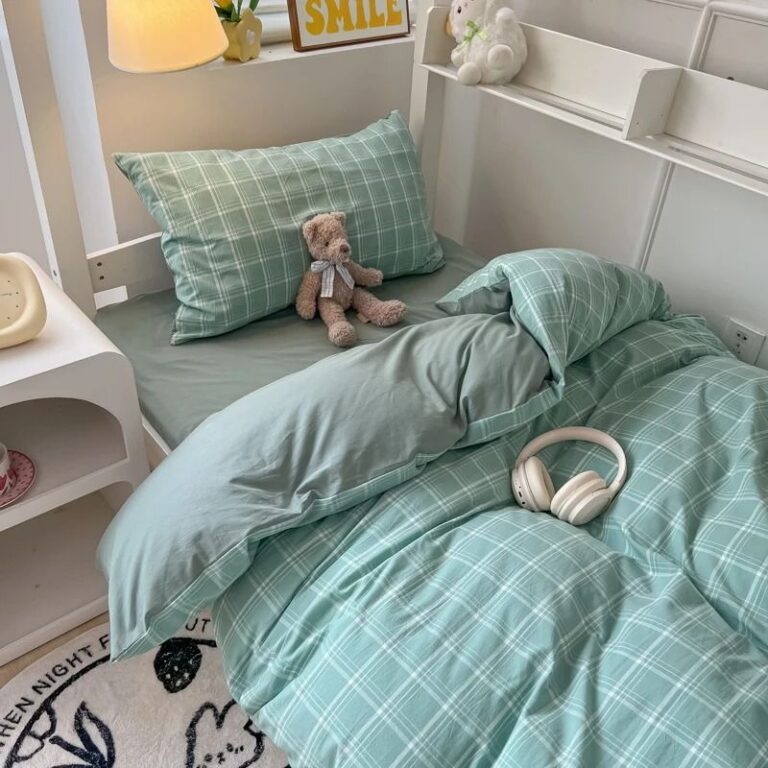
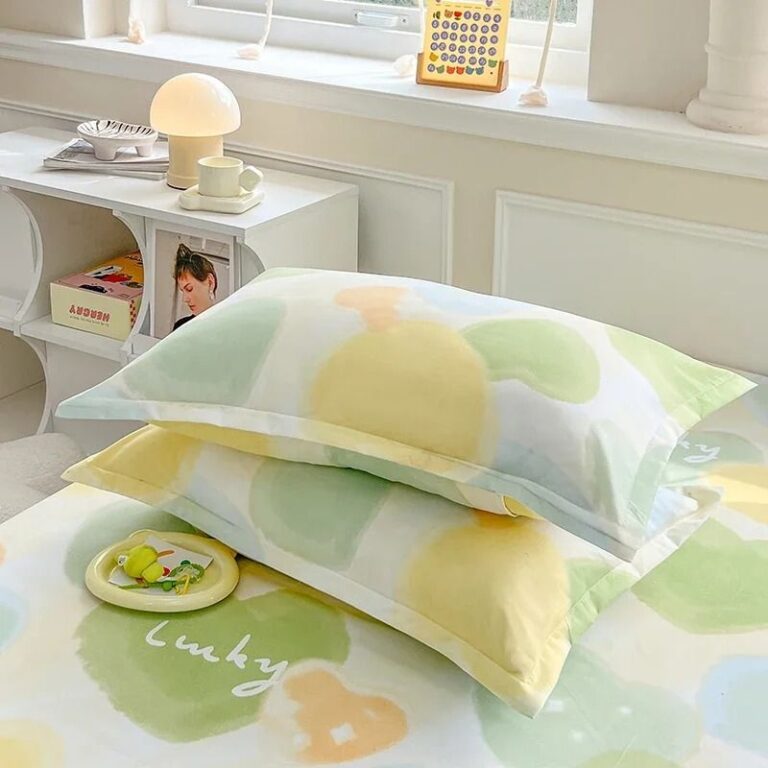
In an ordinary bedroom, pillowcases do more visual work than people expect from something that small. A crisp, plain pair makes a cluttered nightstand or a busy rug look calmer by contrast, while a patterned case on top of patterned sheets just adds noise to a room that might already have plenty going on, curtains, a rug, whatever's on the walls. If the room is small, stick to one or two colors total between the sheets and the case, because anything busier starts to crowd a bed that's already taking up most of the floor space.
This is the kind of thing that suits a home where the bed is the calmest part of the room, not the loudest.

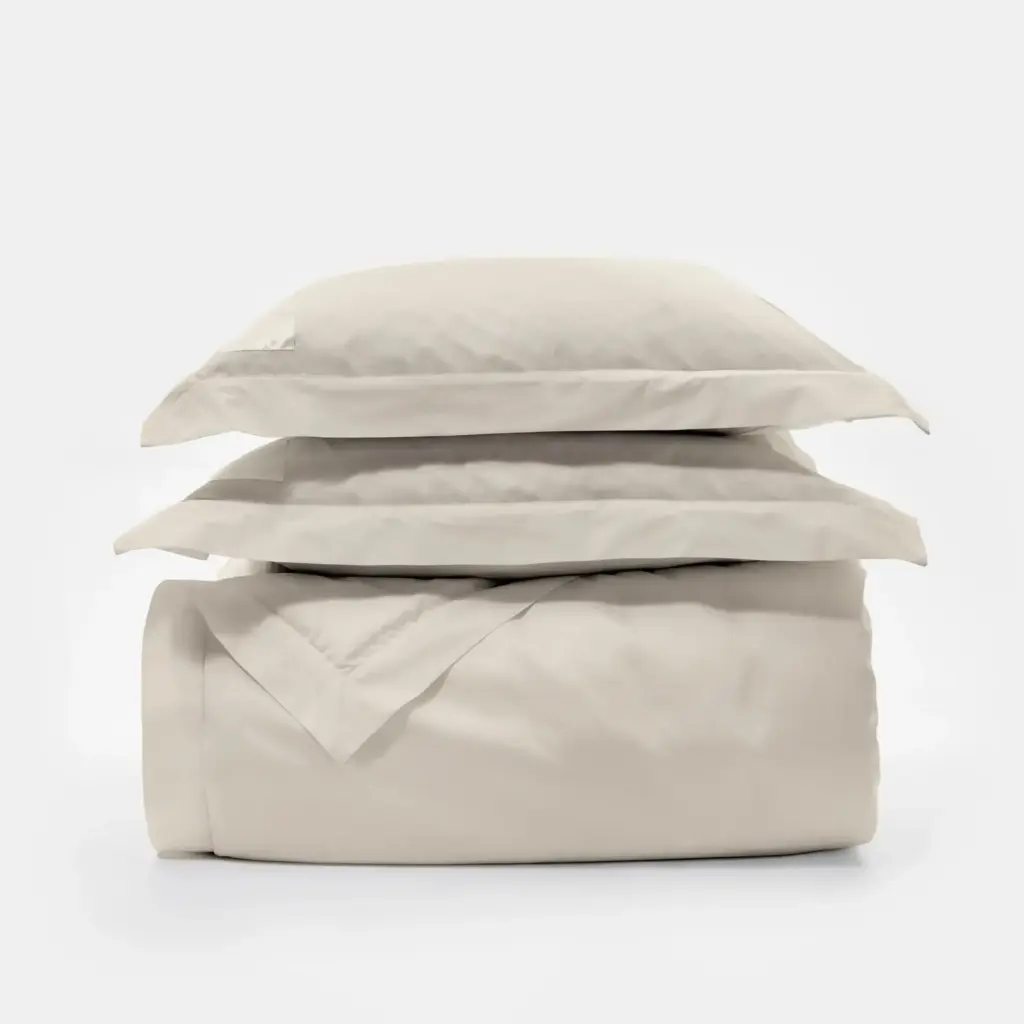 Aisha's pickQueen Size Pillowcases That Survive the Washing Machine
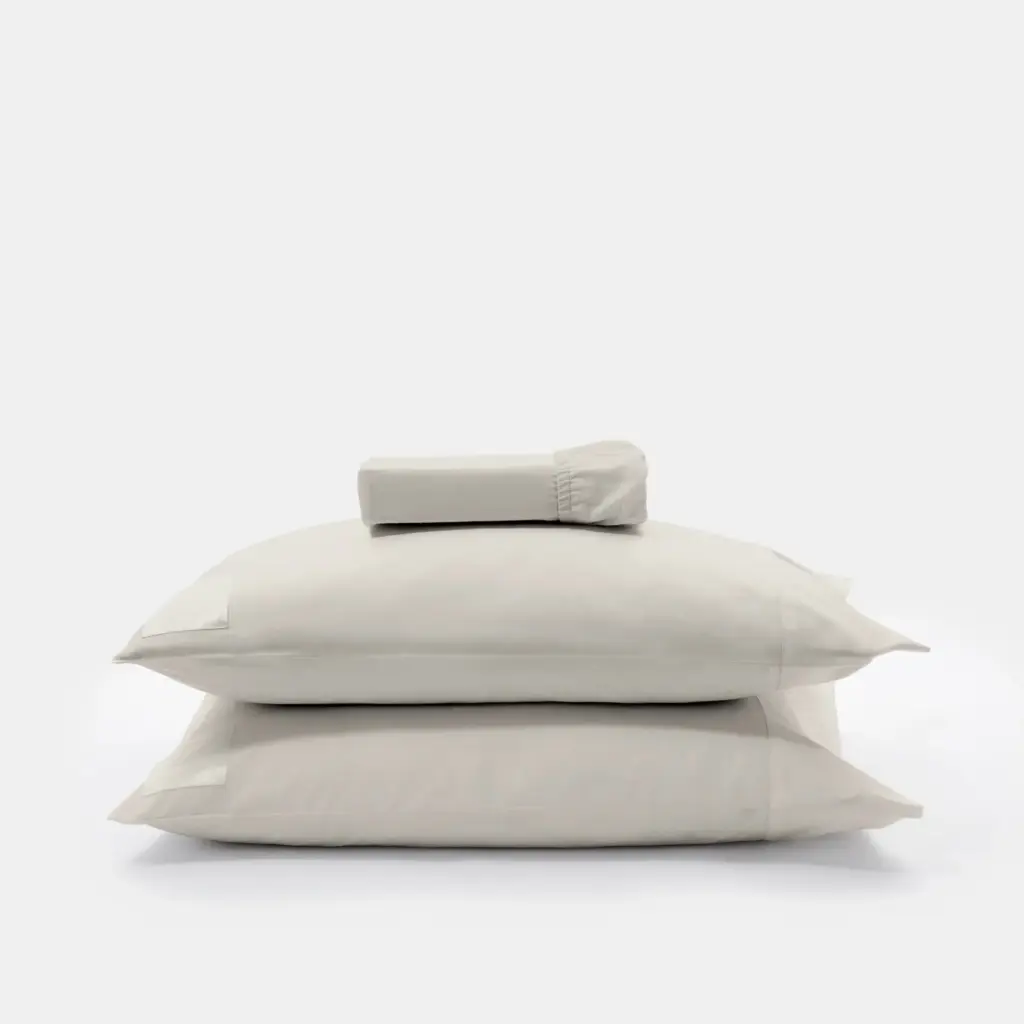
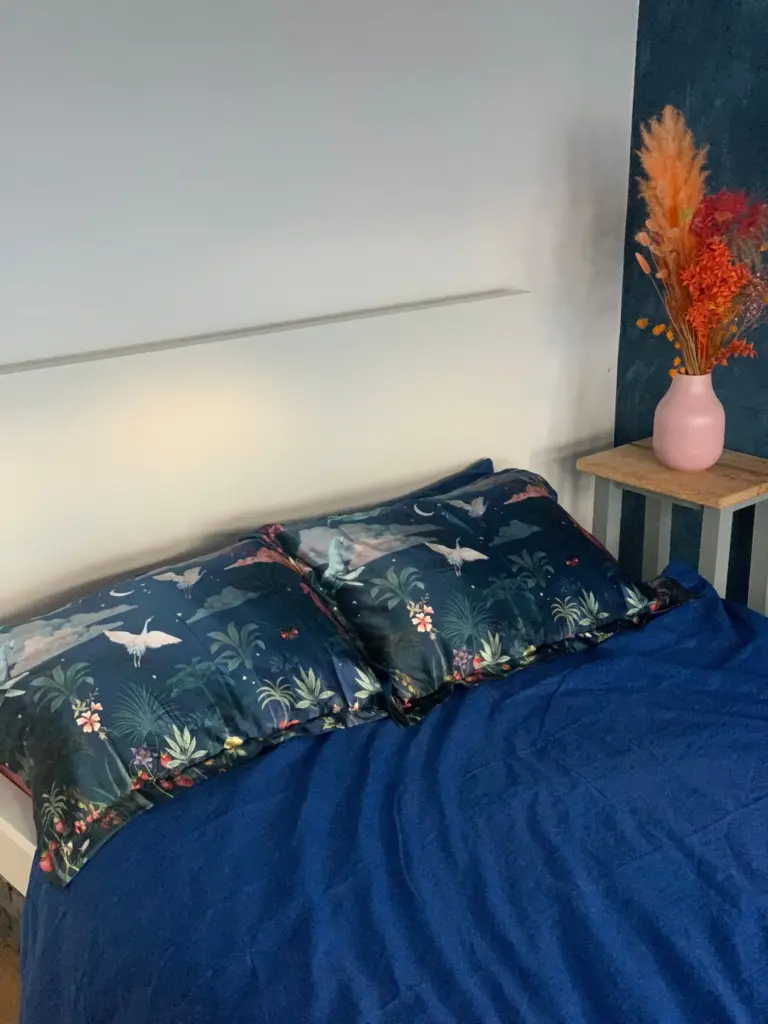 Aisha's pickBlue Pillowcases That Earn Their Keep
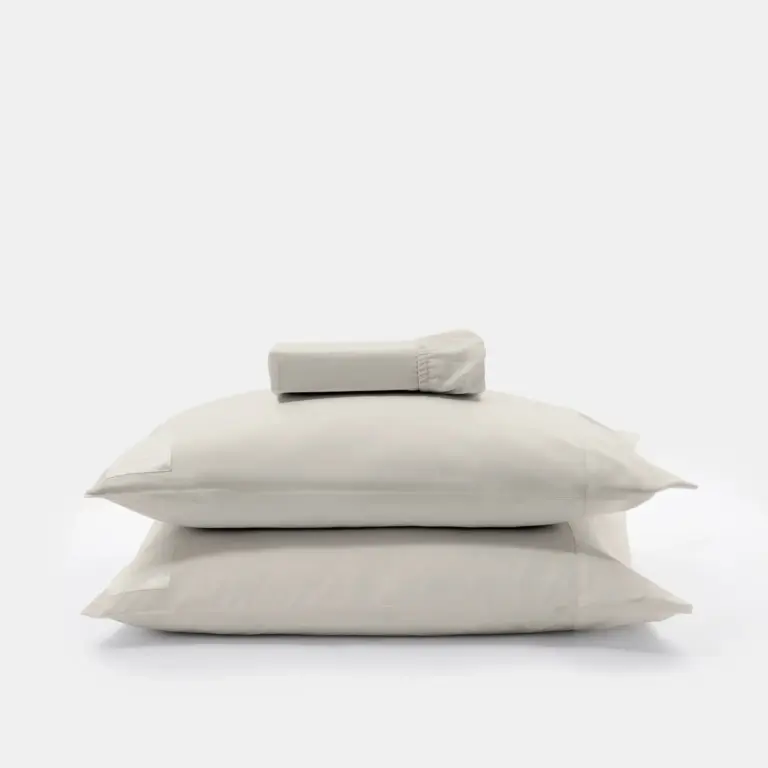 Aisha's pickTwin Pillowcases for Adding Color Without Painting
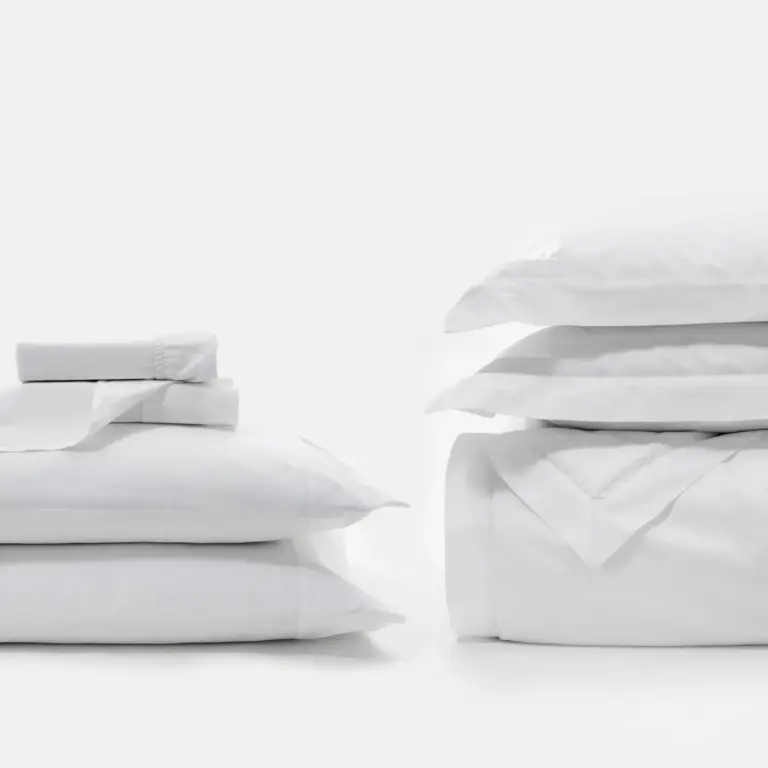
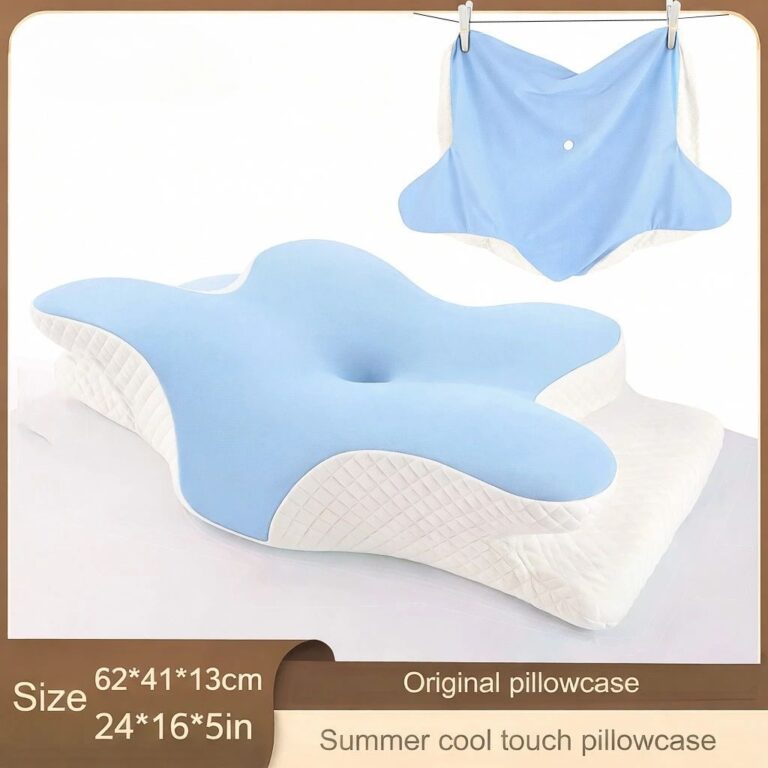 Aisha's pickCooling Pillowcases From Brands You Know and a Few You Won’t

 Aisha's pickWhite Pillowcases for Adding Color Without Painting
 Aisha's pickGood Double Pillowcases That Don’t Cost a Fortune
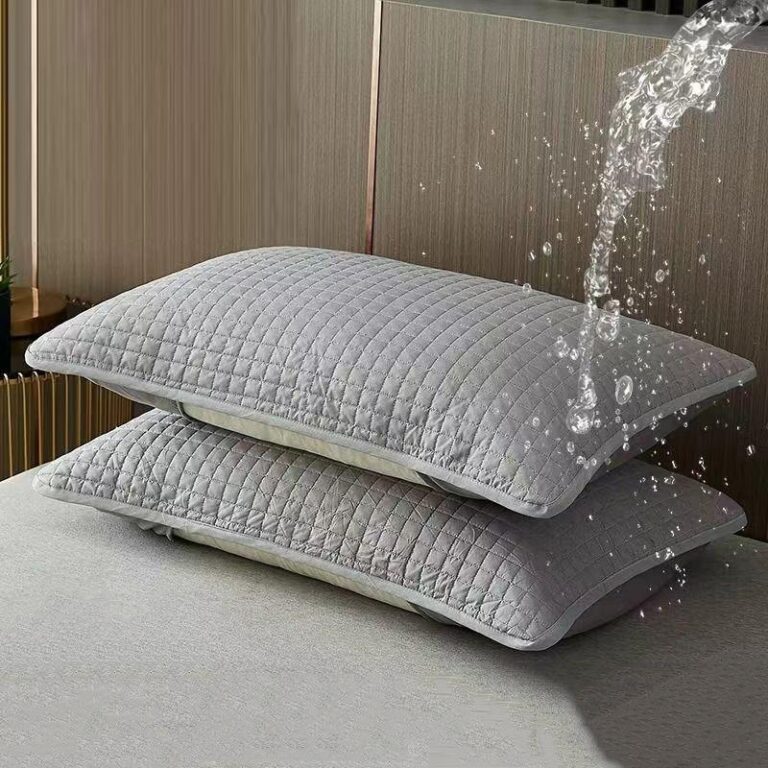 Aisha's pickEasy Care Pillowcases That Won’t Date in a Year
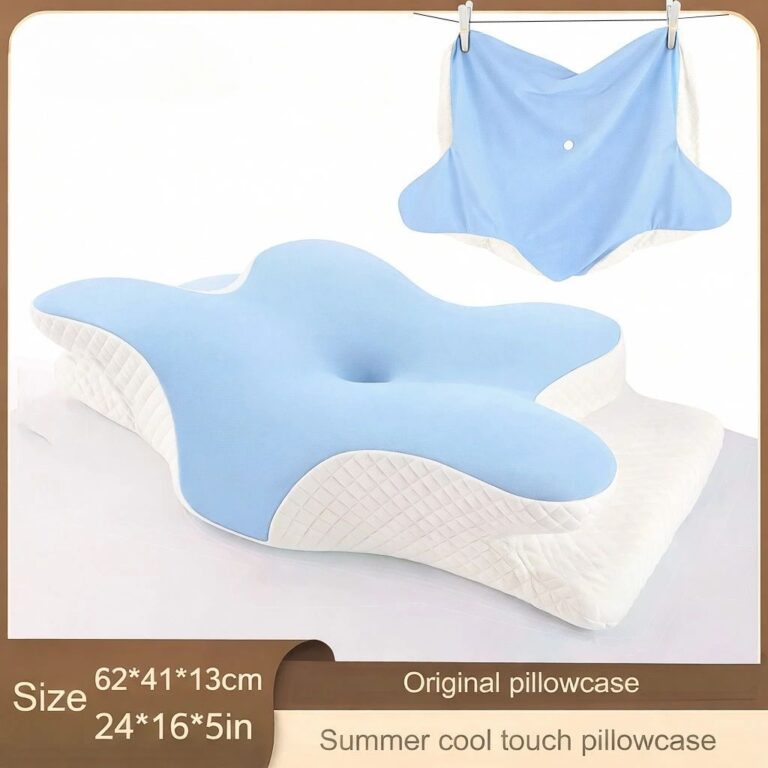
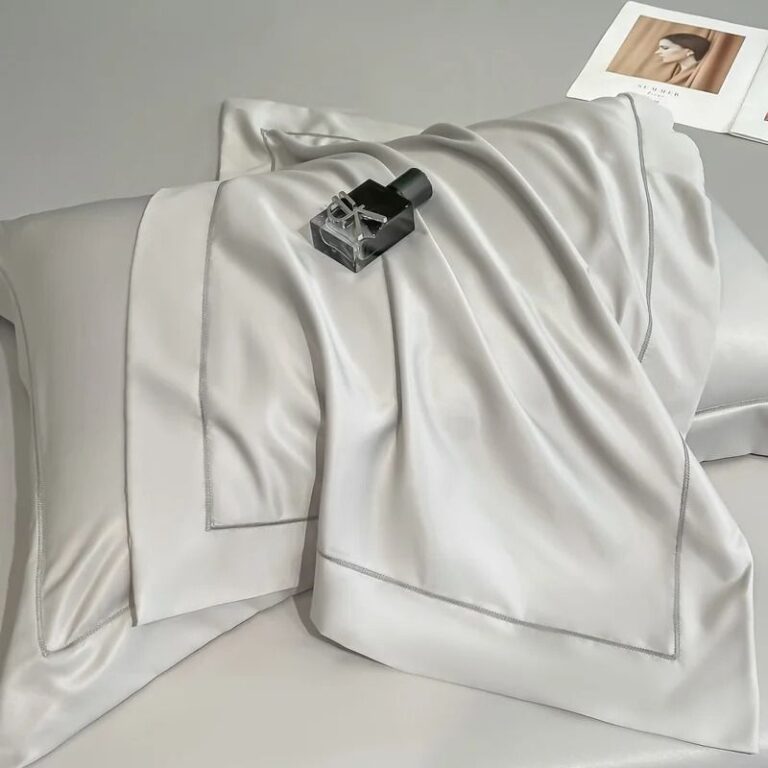 Aisha's pickFull Pillowcases That Get Better With Age
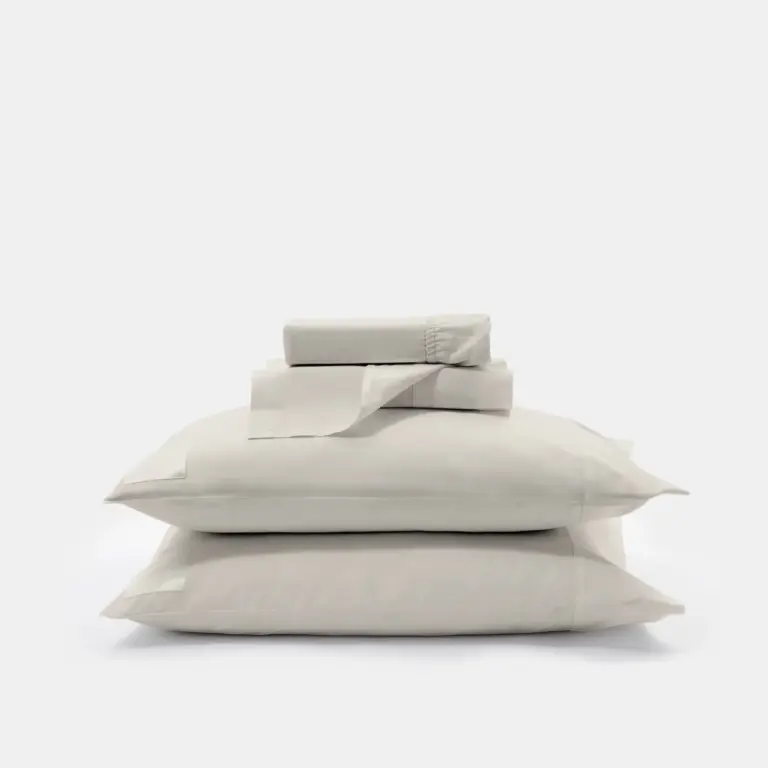
 Aisha's pickFull Size Pillowcases That Survive the Washing MachineAlso worth a lookSheet SetsThere's a particular kind of relief in climbing into bed after a long day and having the sheet…See the collections →
 Aisha's pickNo Fuss Gray Pillowcases
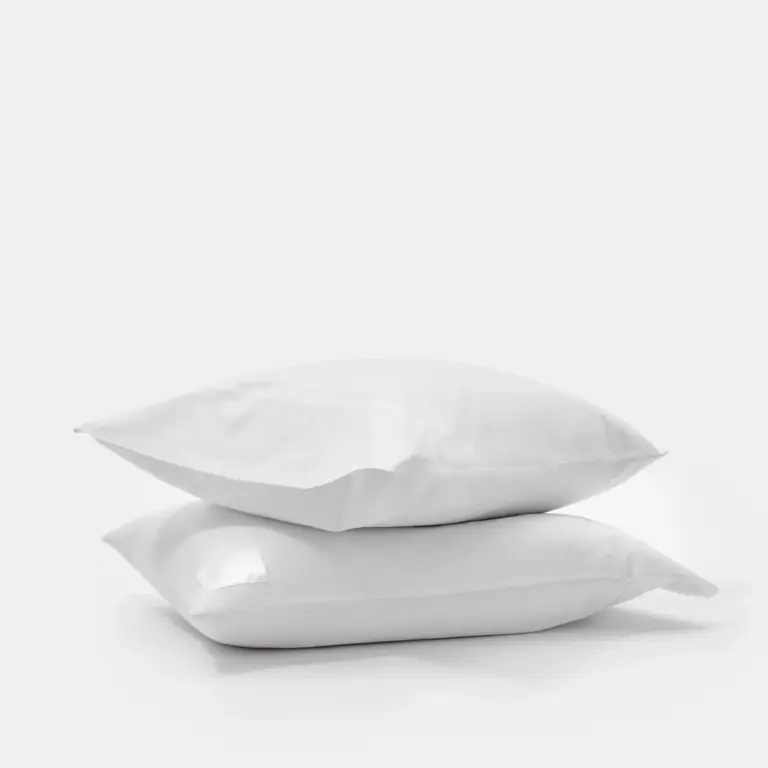 Aisha's pickKing Pillowcases From Brands You Know and a Few You Won’t
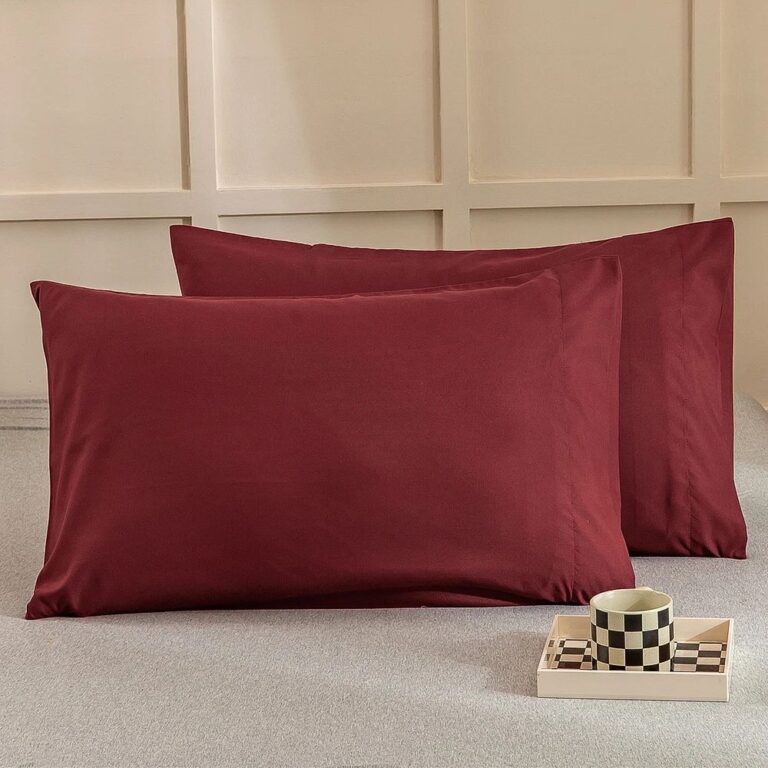
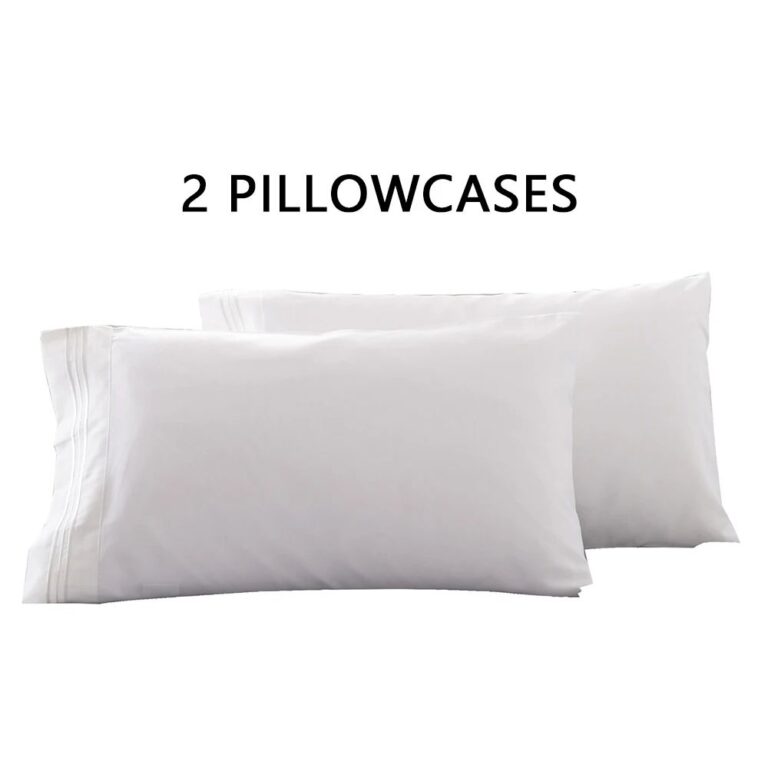 Aisha's pickKing Size Pillowcases That Do the Job Right
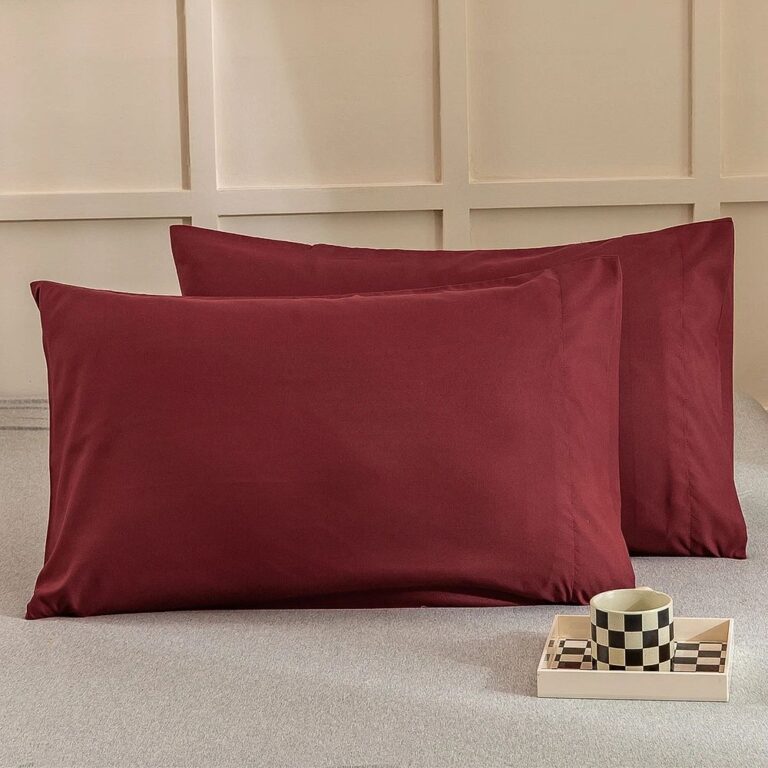
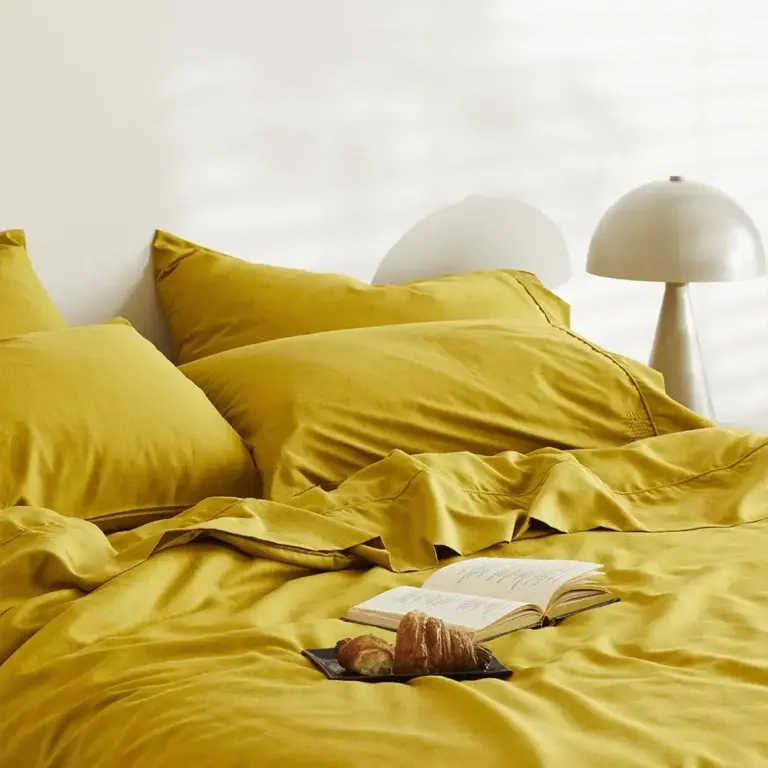 Aisha's pickLinen Pillowcases You’ll Want to Curl Up With

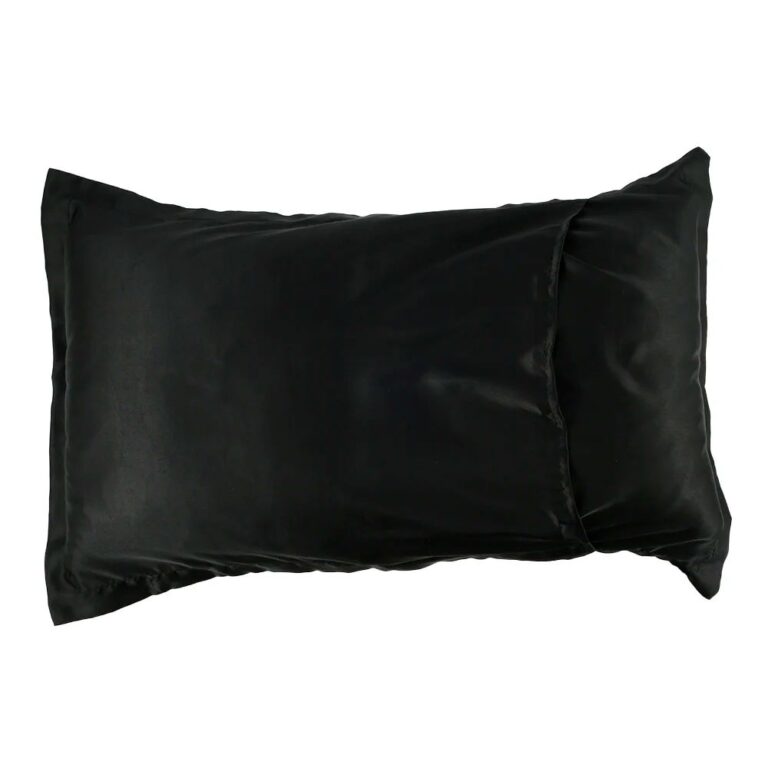 Aisha's pickLuxury Pillowcases for People Who Know What They Like
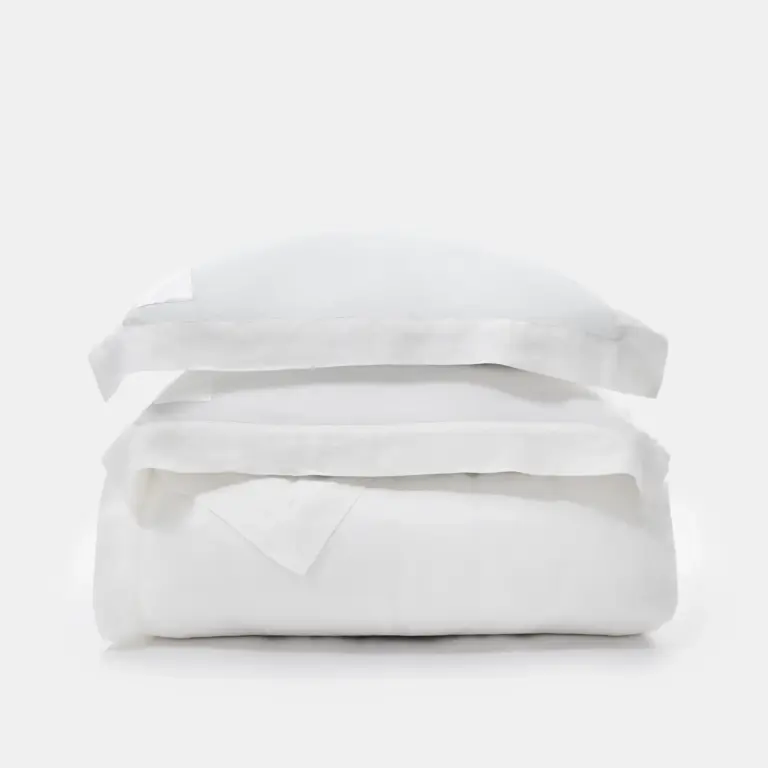
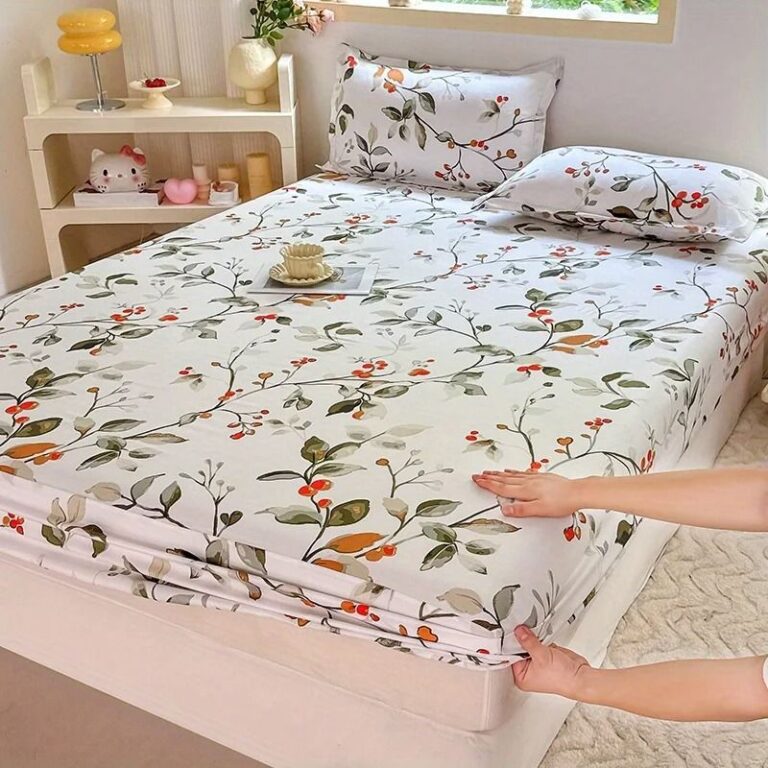 Aisha's pickModern Pillowcases You’ll Want to Curl Up With
 Aisha's pickPillowcases That Soften a Room