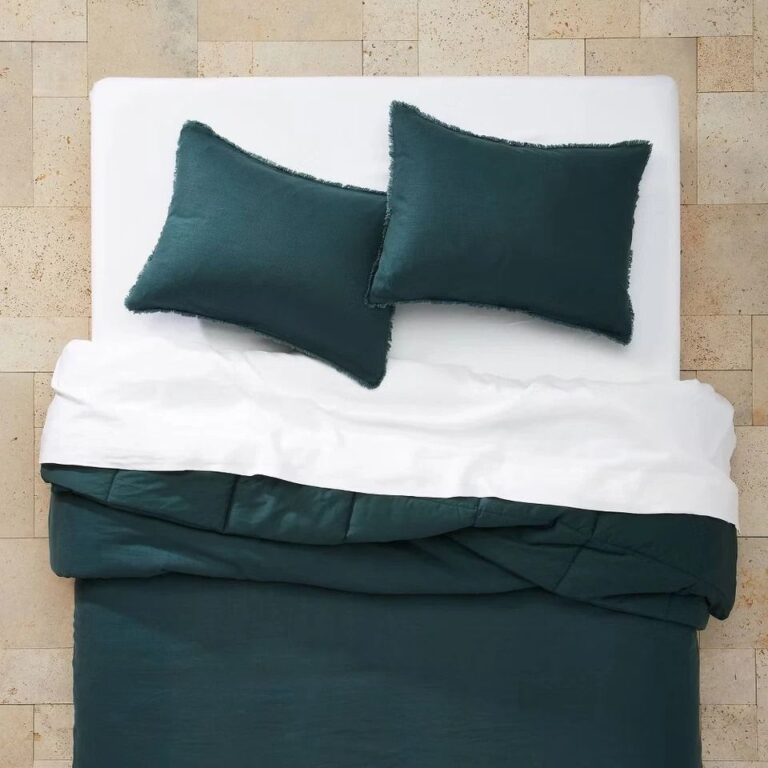
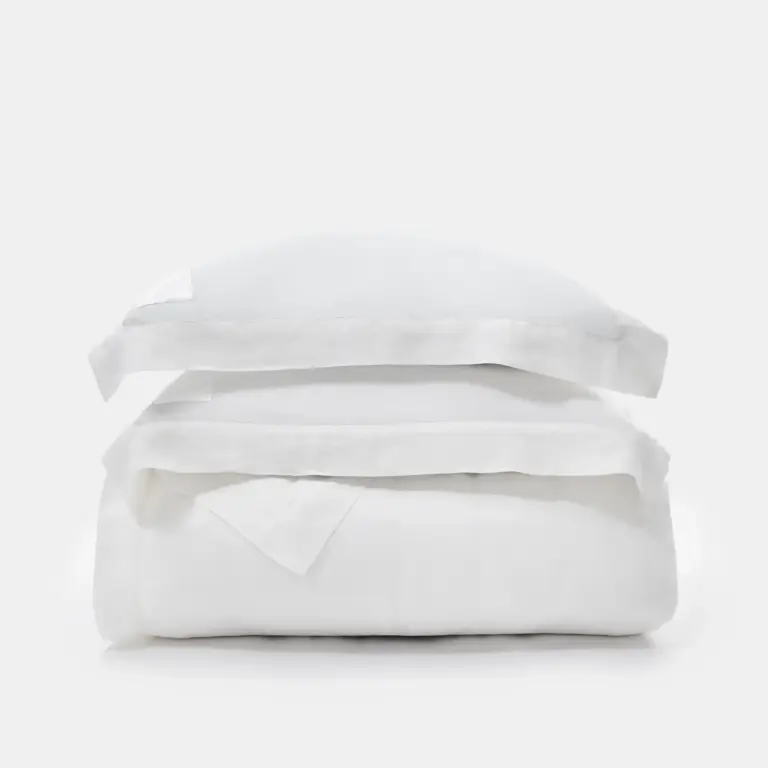
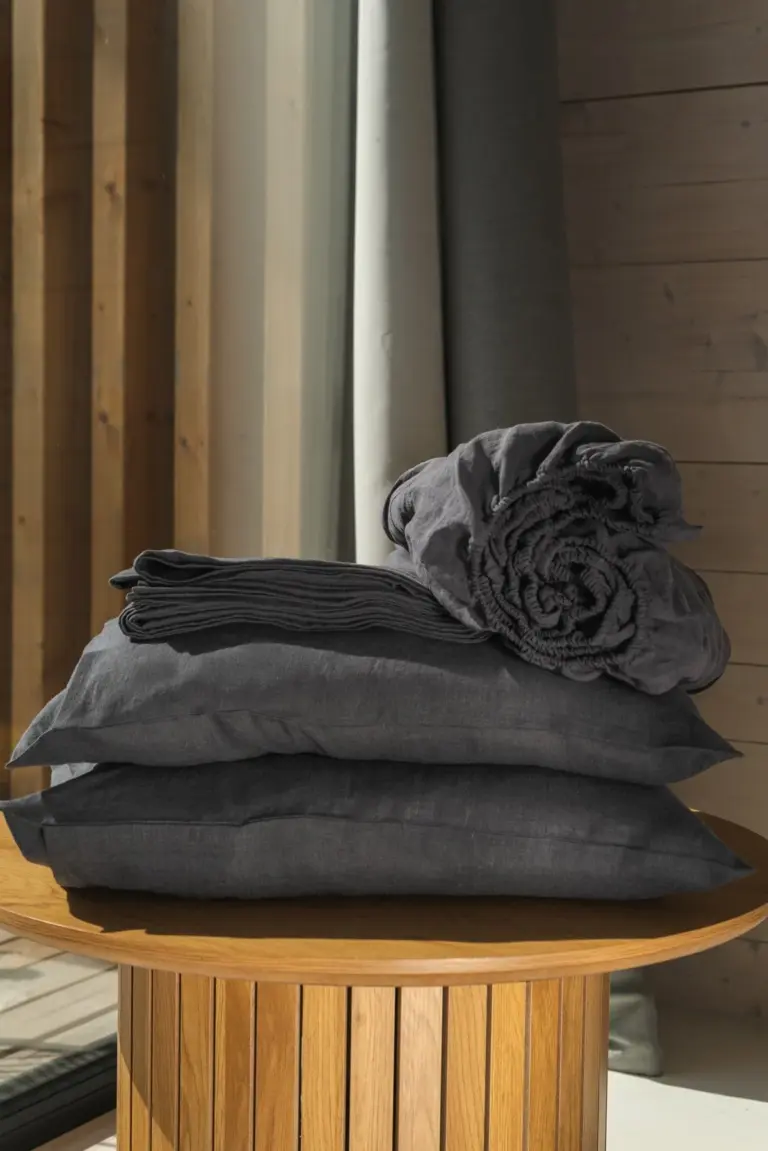
Stand in front of the stack and do the hand test before anything else. Good linen feels slightly rough right out of the package, almost papery, and that is correct, not a flaw. It softens with washing, not with some chemical finish that makes it feel soft on day one and pills by month three.
The difference between linen that lasts and linen that disappoints comes down to the weave and the weight, and you can mostly tell by holding it up to a window. A lower weight, loosely woven set will feel nice in the store and then go limp and see through after a few washes, while a denser weave holds its body and actually gets better with age, developing that slight crumple that makes a bed look lived in rather than ironed into submission. Check the seams too. Flat, even stitching along the duvet cover opening and corner ties that actually line up with the corners of your insert matter more than thread count ever will, since linen doesn't play that game the way cotton does. Stonewashed or enzyme washed are the finishes worth looking for on the label, since that's what gets you the soft, slightly rumpled hand feel without stripping the fiber's strength. A set that smells faintly of nothing and feels stiff but not scratchy is a good sign. One that already feels fuzzy or thin is not going to hold up to a toddler, a dog, or just regular Tuesday night sleeping.
Where it falls short is temperature extremes and anyone who wants a bed that looks made the moment they pull the cover up. Linen breathes beautifully in a warm room and feels cool against skin on a July night, but in a drafty old house in January it won't hold heat the way a flannel or a heavier cotton sateen will, so you're layering a blanket underneath regardless. And if you like a crisp, hotel corner look, this isn't your fabric. It wrinkles on purpose, and no amount of effort unwrinkles it for long, so anyone chasing a smooth, styled bed is going to fight it every morning.
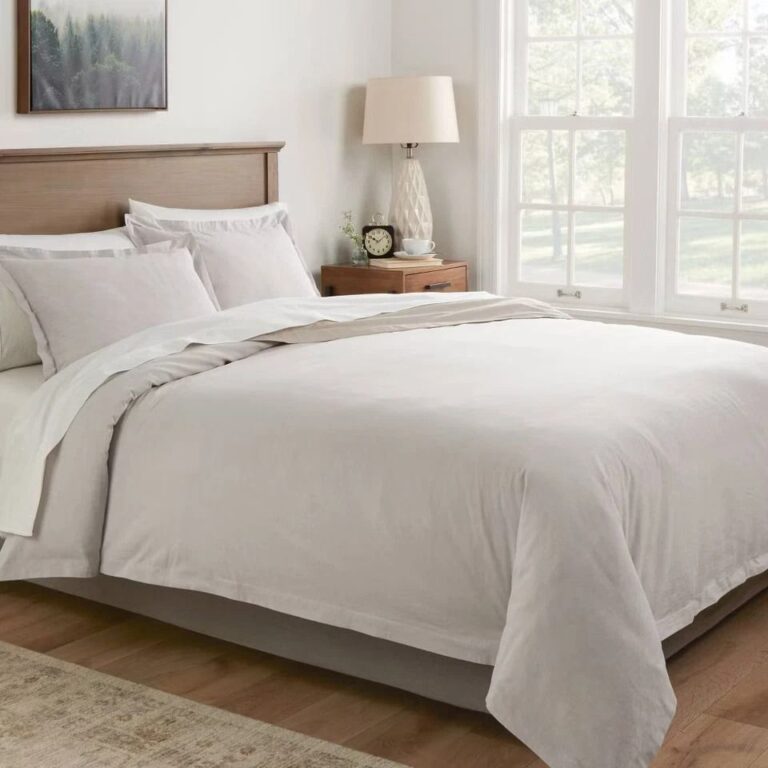
In an ordinary bedroom it sits best against warm wood tones, worn rugs, and morning light rather than bright overhead bulbs, since that's when the texture actually shows instead of just looking creased. For sizing, measure your mattress depth with any topper already on it, not just the mattress alone, because a shallow fitted sheet on a tall bed is a nightly fight you will lose at 2am. Get a cover sized exactly to your duvet insert, not approximate, since linen has almost no stretch to forgive a mismatch.
Start with a soft, faded white or a warm oatmeal. Easiest to live with, and it hides the wrinkles best of all.

 Aisha's pickLinen Bed Sheets That Go With Most Rooms
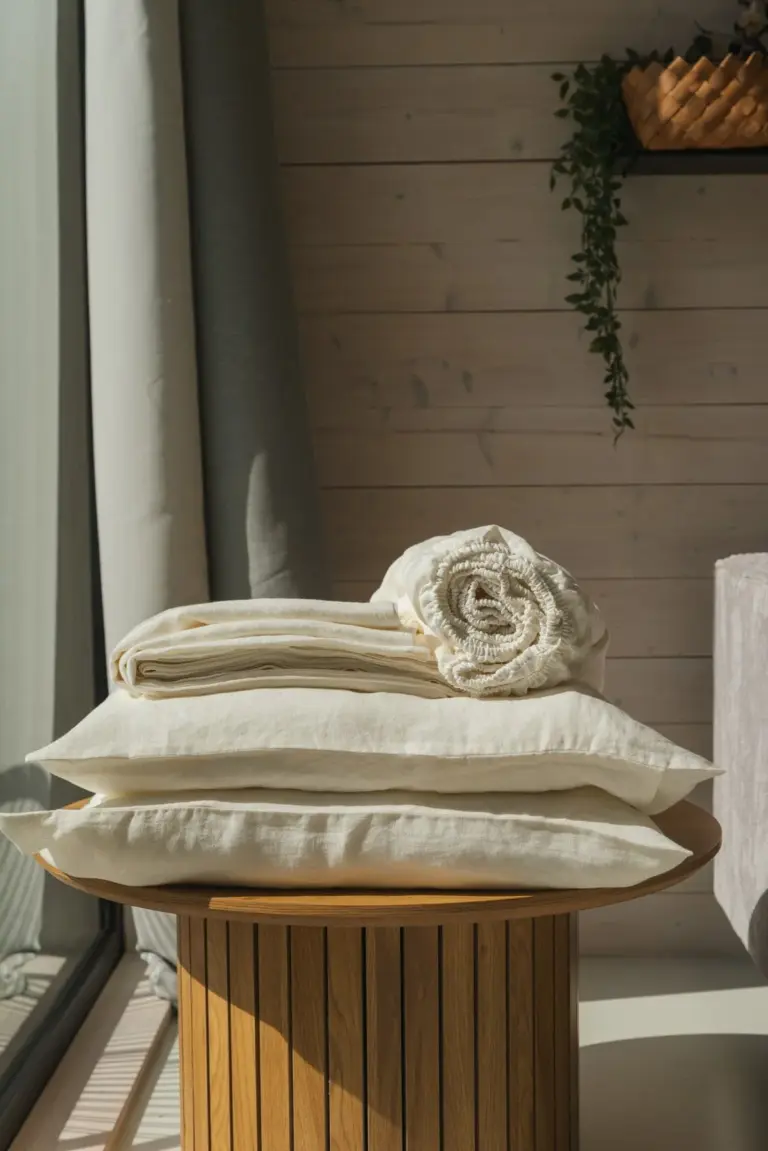 Aisha's pickWhite Linen Sheet Sets That Keep Their Color Wash After Wash
 Aisha's pickLinen Bedding You’ll Live With Happily for Years
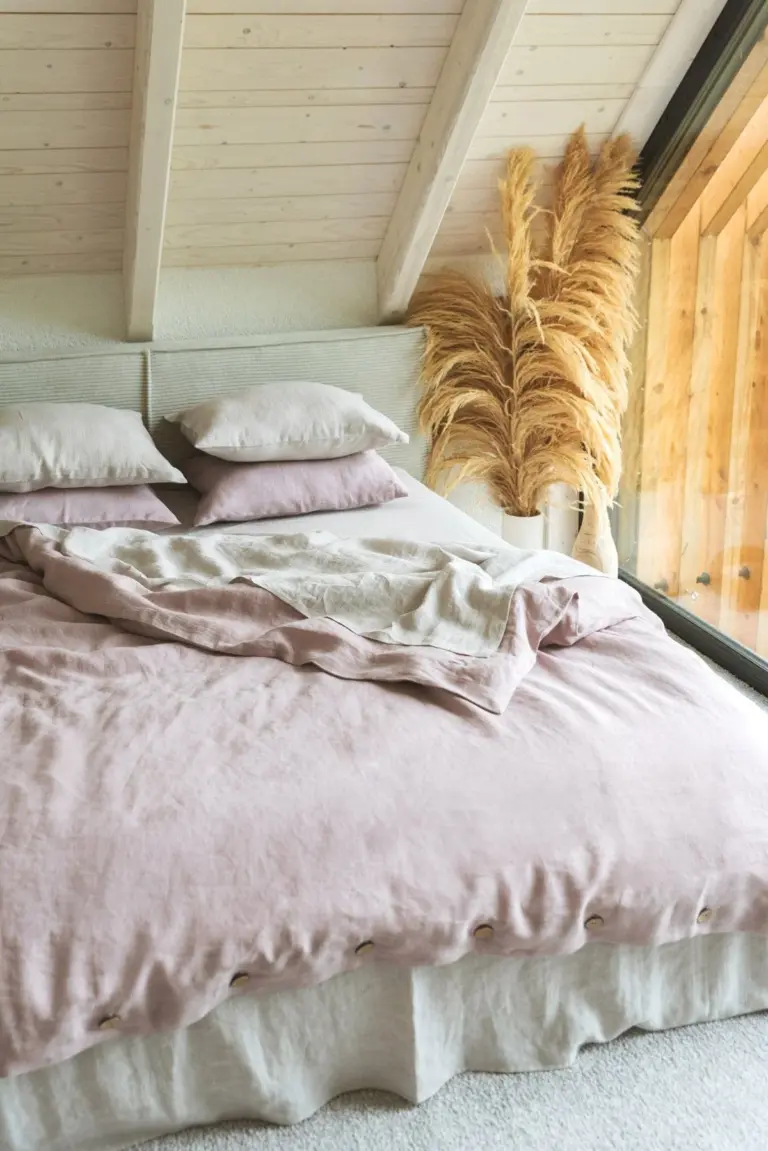
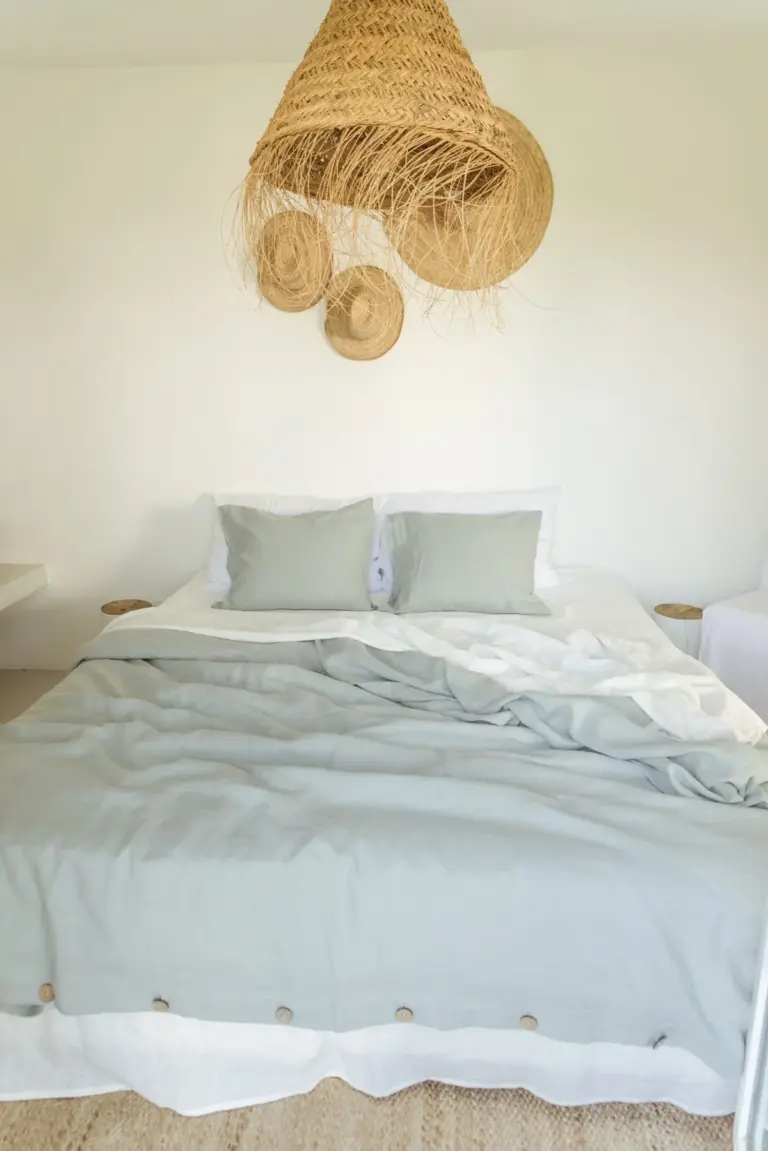 Aisha's pickLinen Bedding Sets That Survive the Washing Machine
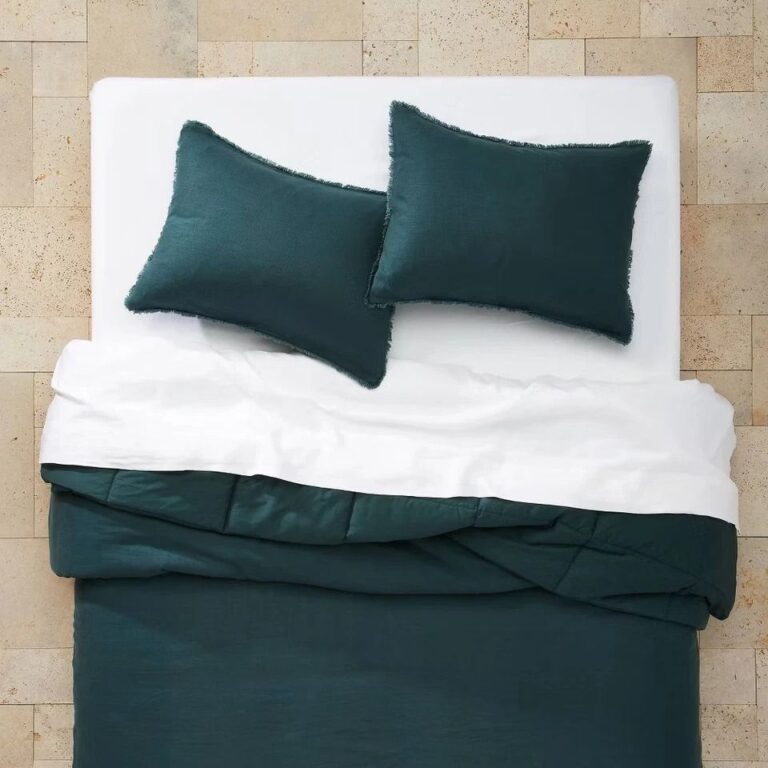
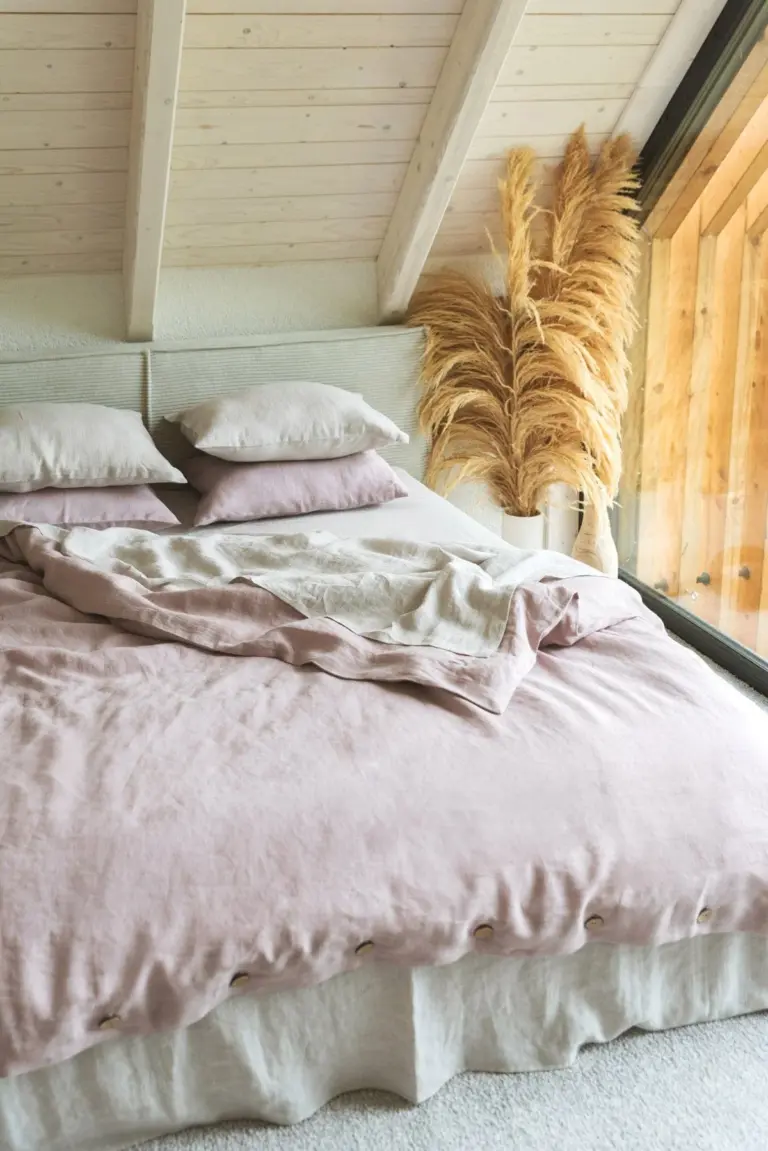 Aisha's pickLinen Bedding Sets with Pillowcases That Feel as Good as They Look
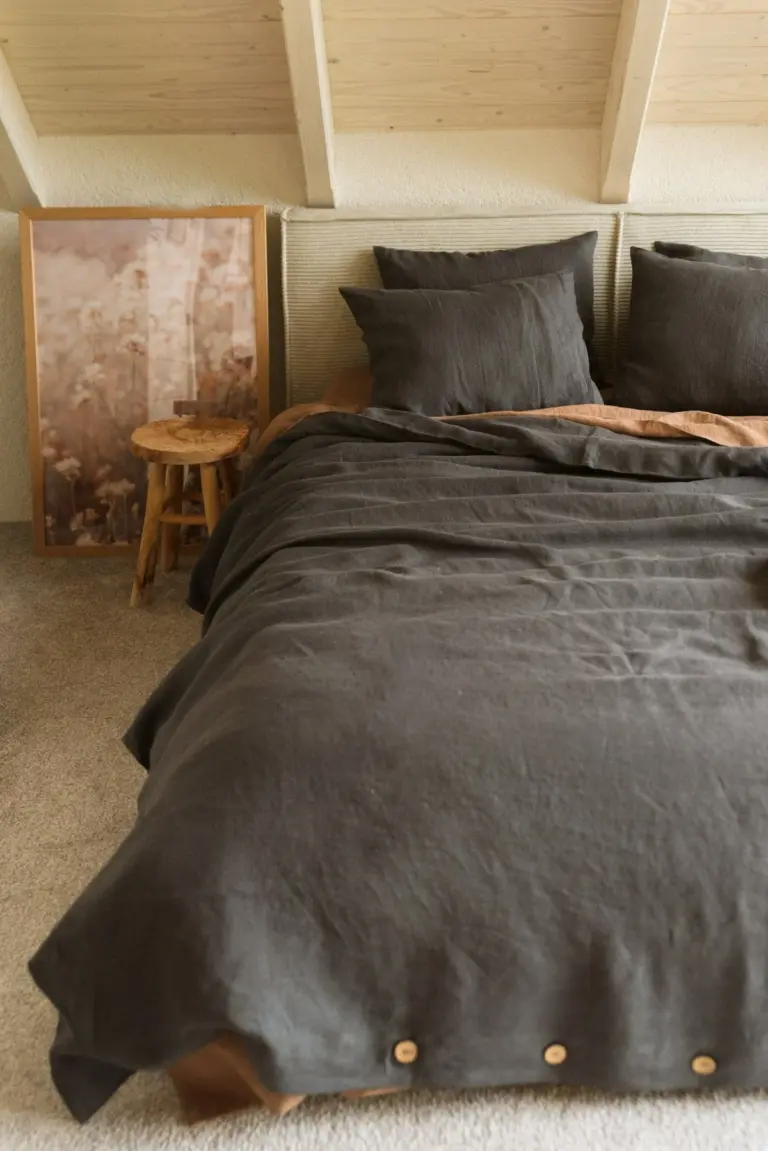
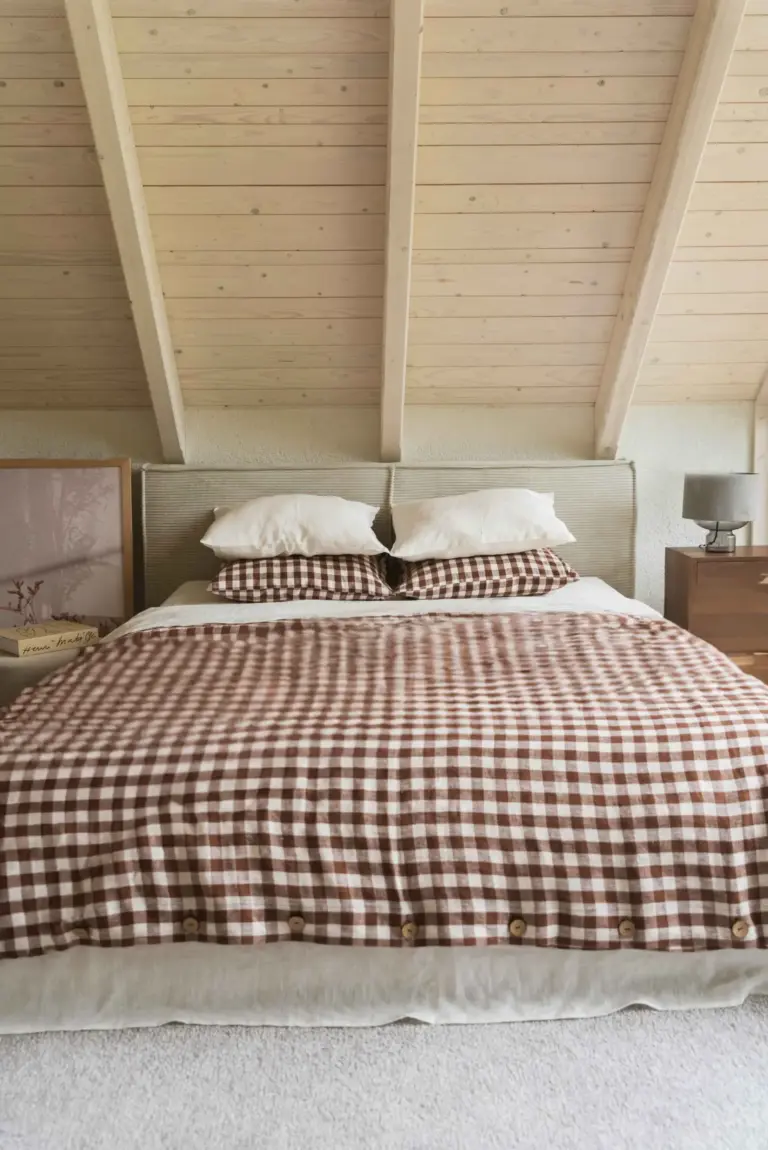 Aisha's pickLinen Bedroom Sets That Get Better With Age

 Aisha's pickLinen Duvet Cover Sets You Won’t Regret Buying

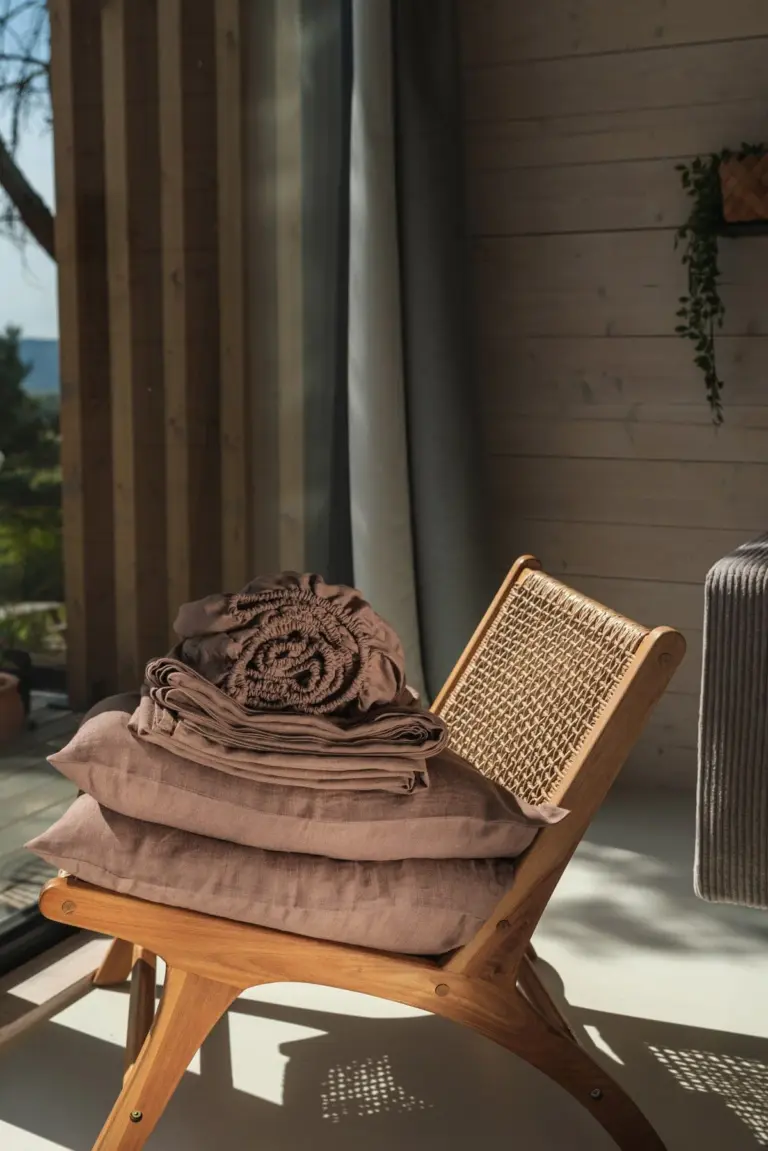 Aisha's pickLinen Fitted Sheets We Keep Coming Back To
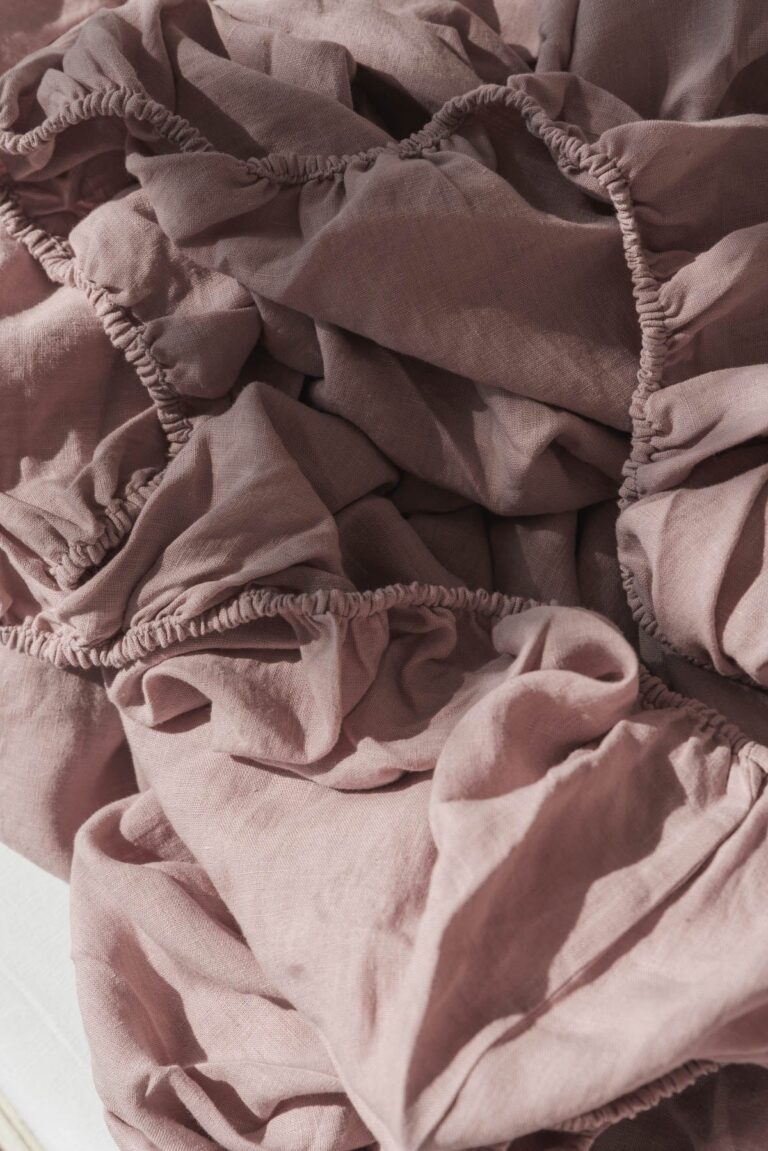
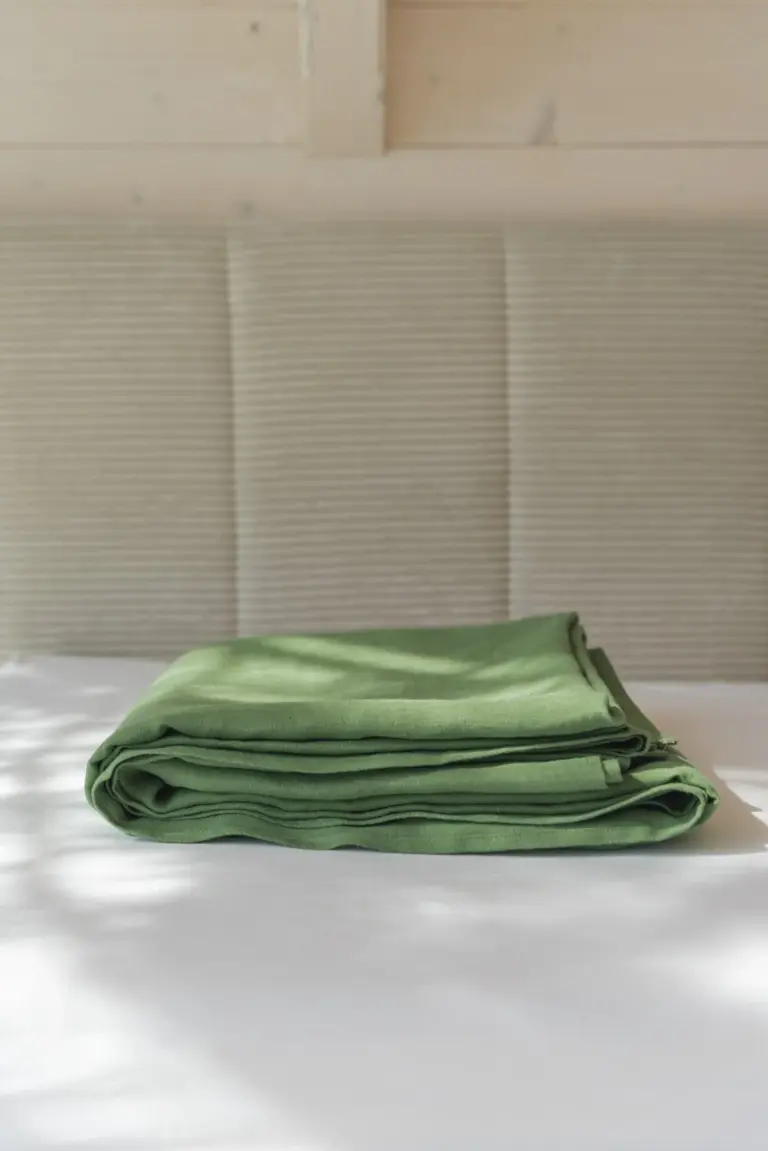 Aisha's pickLinen Flat Sheets Hunted Down So You Don’t Have ToAlso worth a lookSheet SetsThere's a particular kind of relief in climbing into bed after a long day and having the sheet…See the collections →

 Aisha's pickLinen Pillowcases You’ll Want to Curl Up With

 Aisha's pickLinen Sheet Sets You Won’t Want to Hide Away

 Aisha's pickLinen Sheet Sets with Pillowcases at Every Price Point
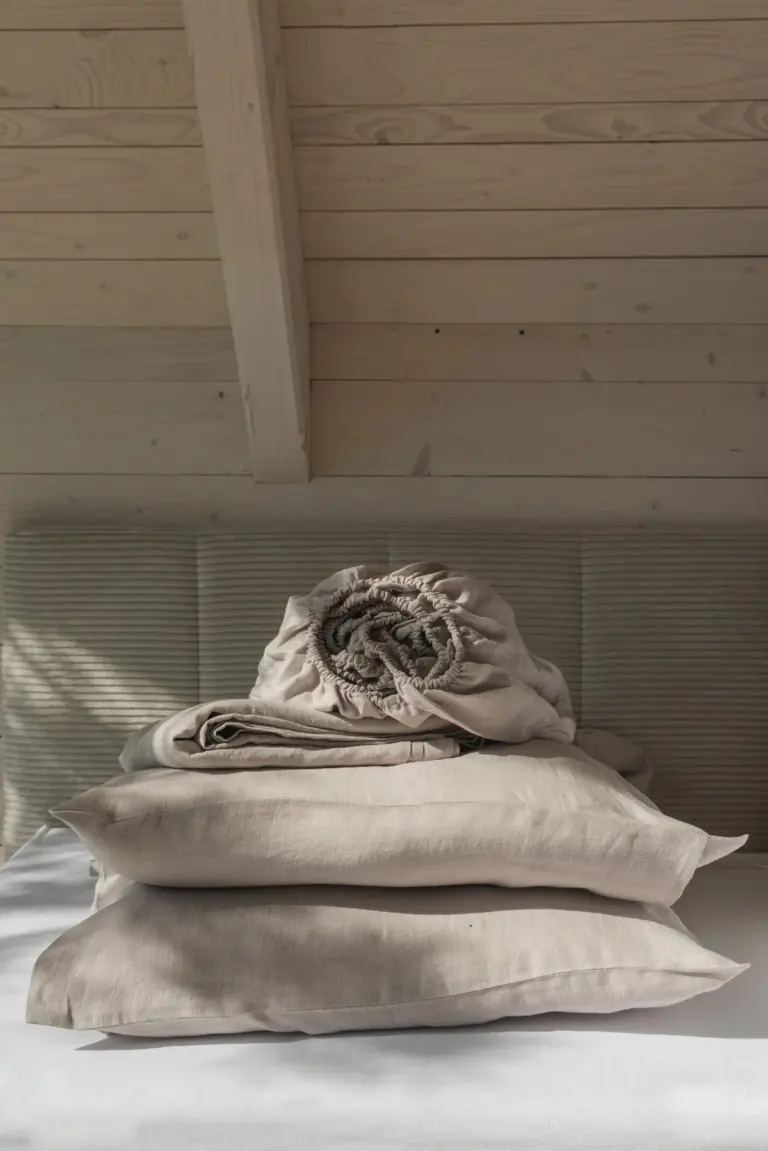
 Aisha's pickLuxury Linen Bedding Sets We Swap Around With the Seasons
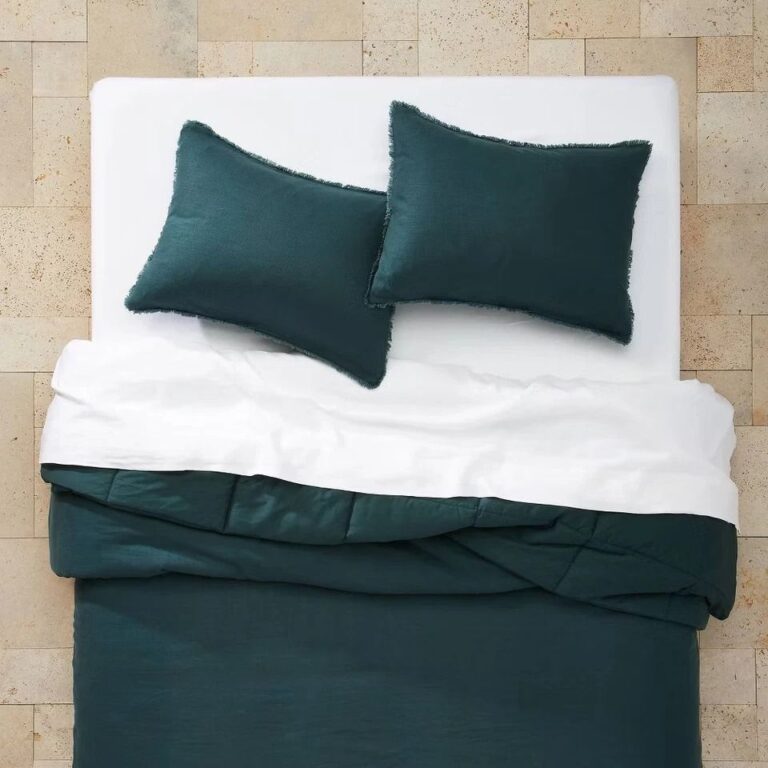
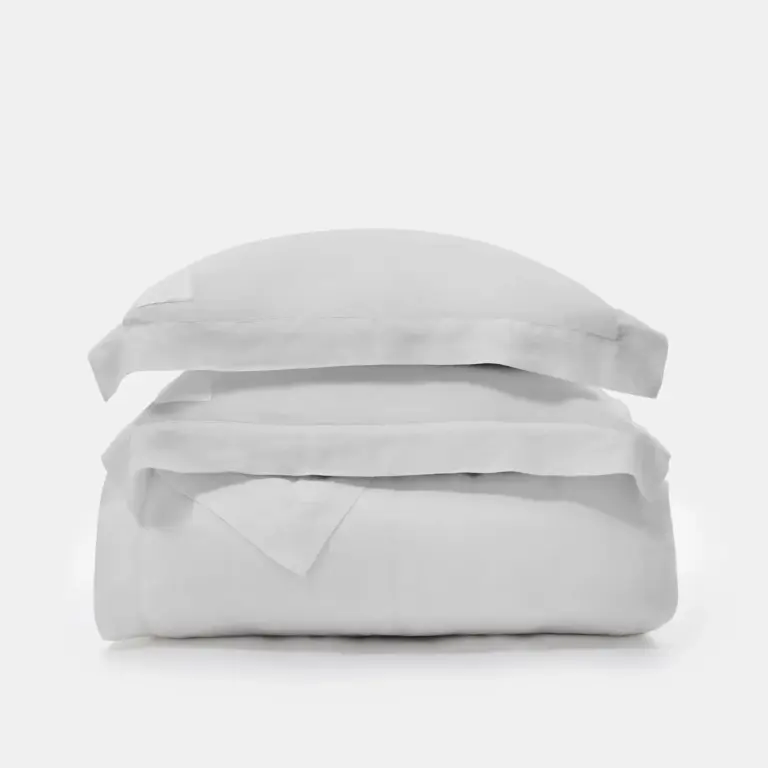 Aisha's pickLuxury Linen Duvet Cover Sets That Look Good Up Close

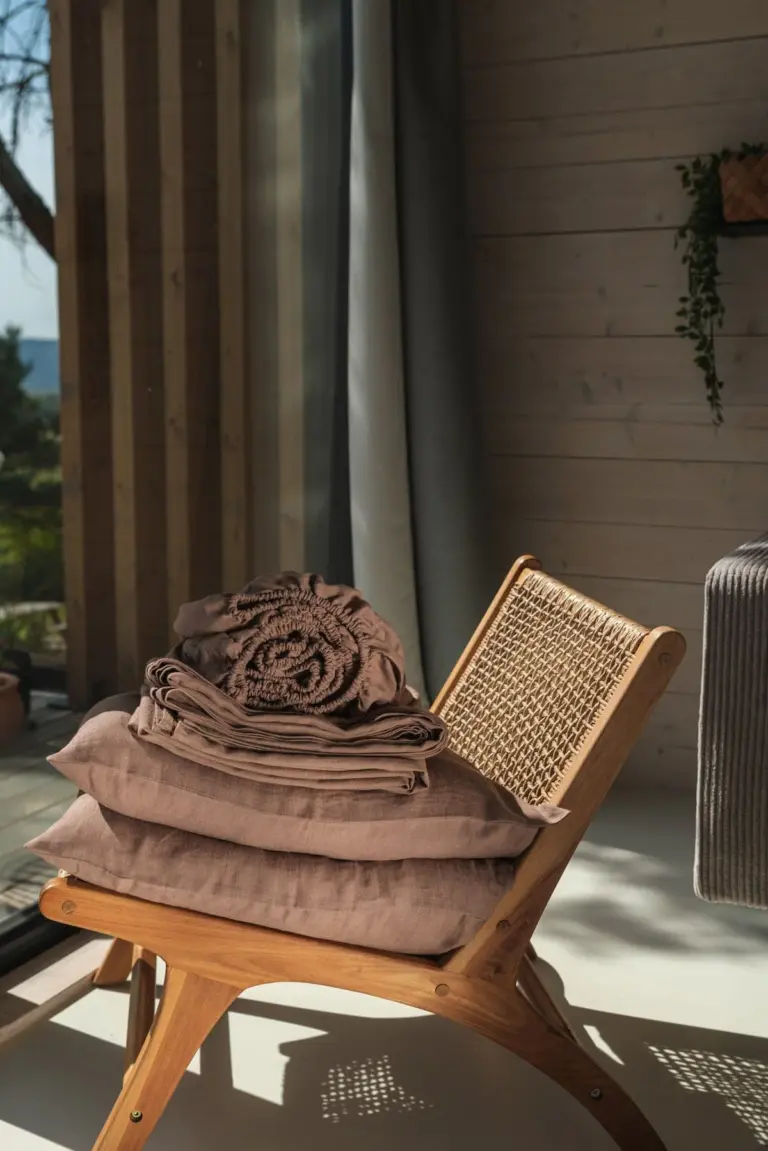 Aisha's pickFull Linen Bedding Sets That Soften a Room
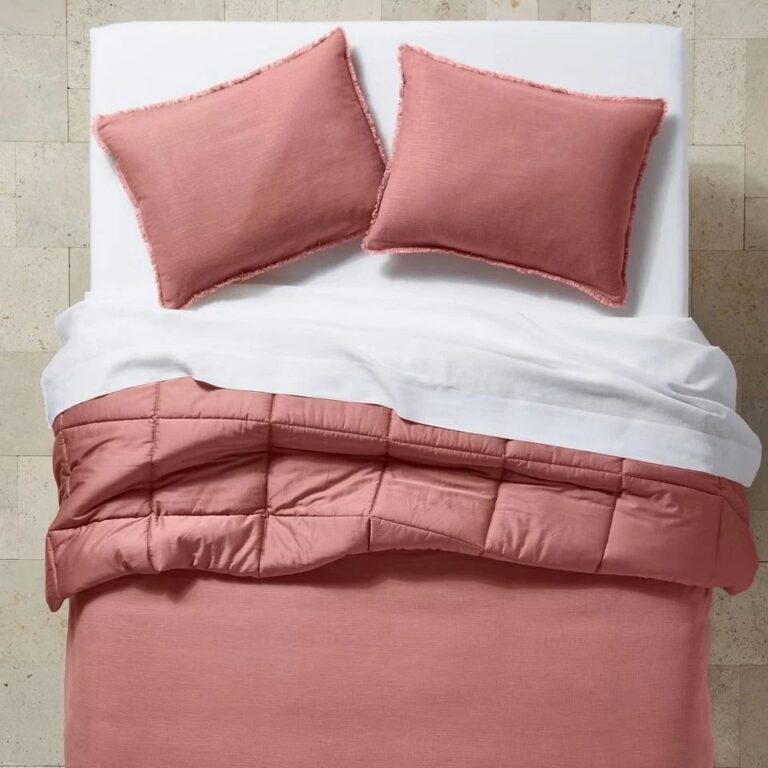
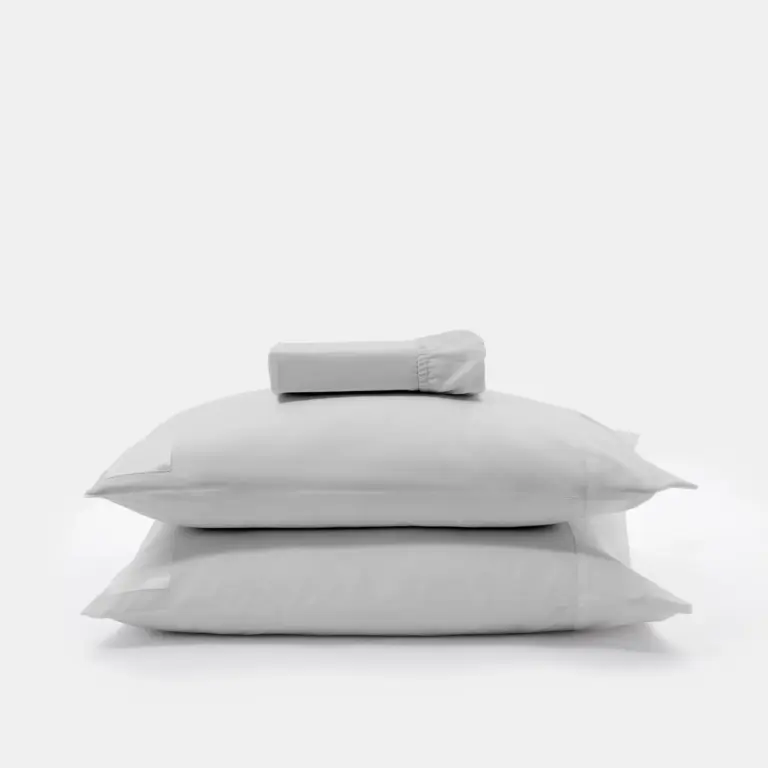 Aisha's pickLuxury Linen Sheet Sets You’ll Want to Curl Up With
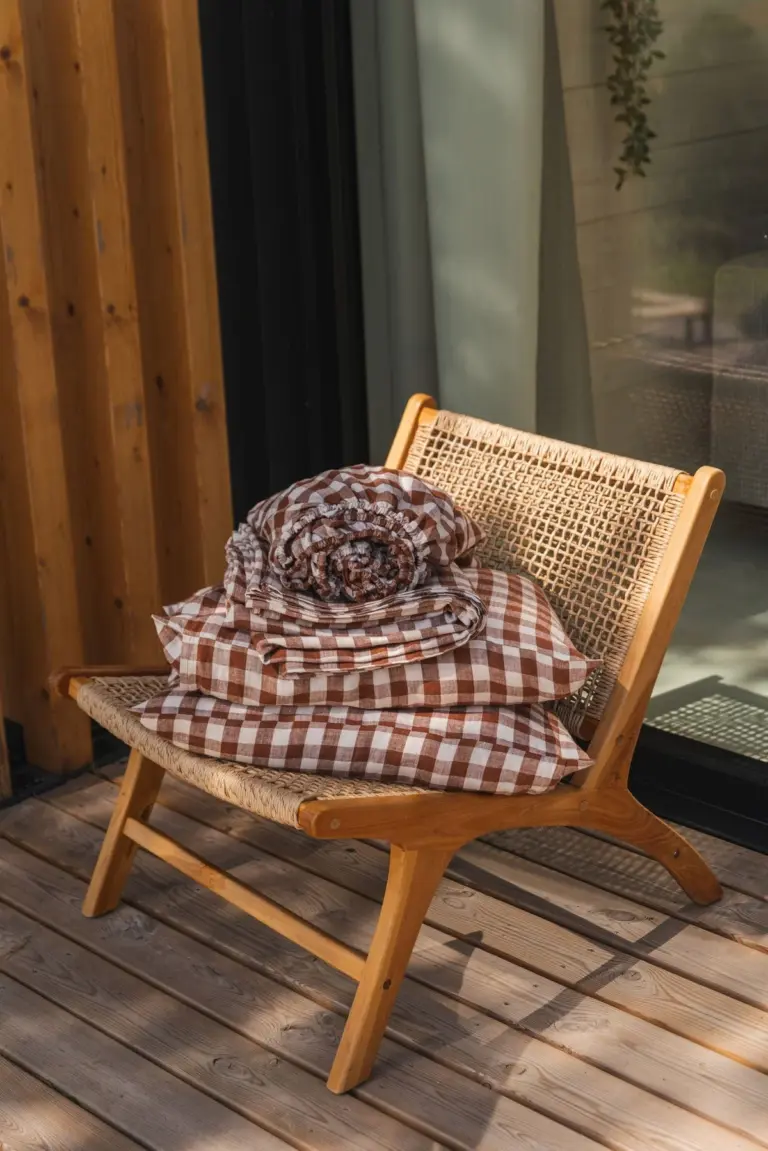
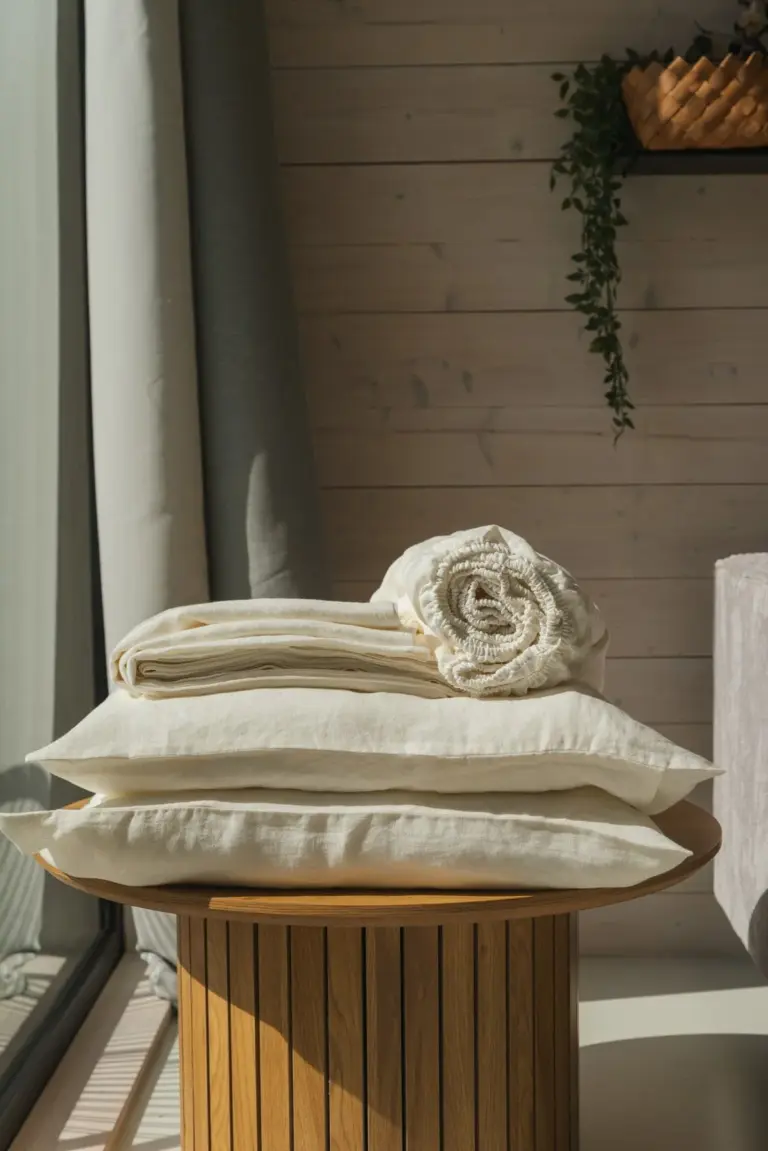 Aisha's pickFull Linen Sheet Sets You’ll Want to Curl Up With
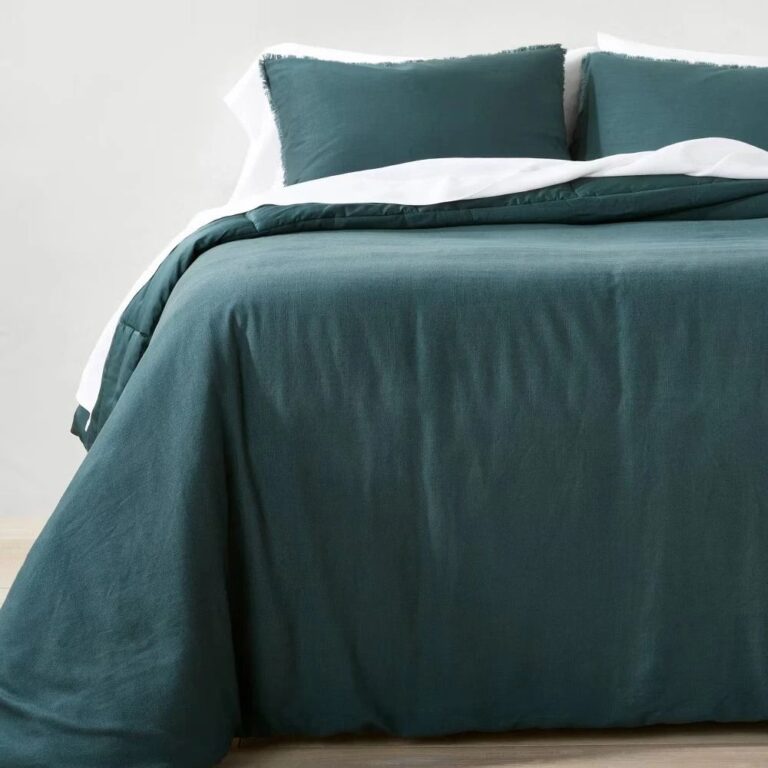 Aisha's pickQueen Linen Bedding Sets That Don’t Need BabyingAlso worth a lookFitted SheetsThe one thing worth knowing before you buy a single fitted sheet is your actual mattress depth, not the one you assume.See the collections →
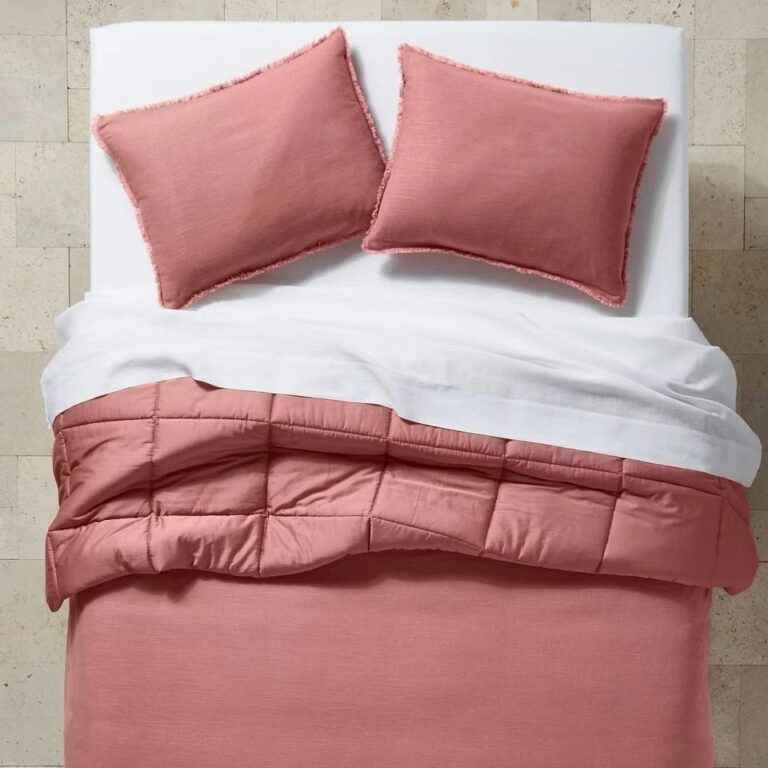 Aisha's pickDecent King Linen Bedding Sets Without the Hassle