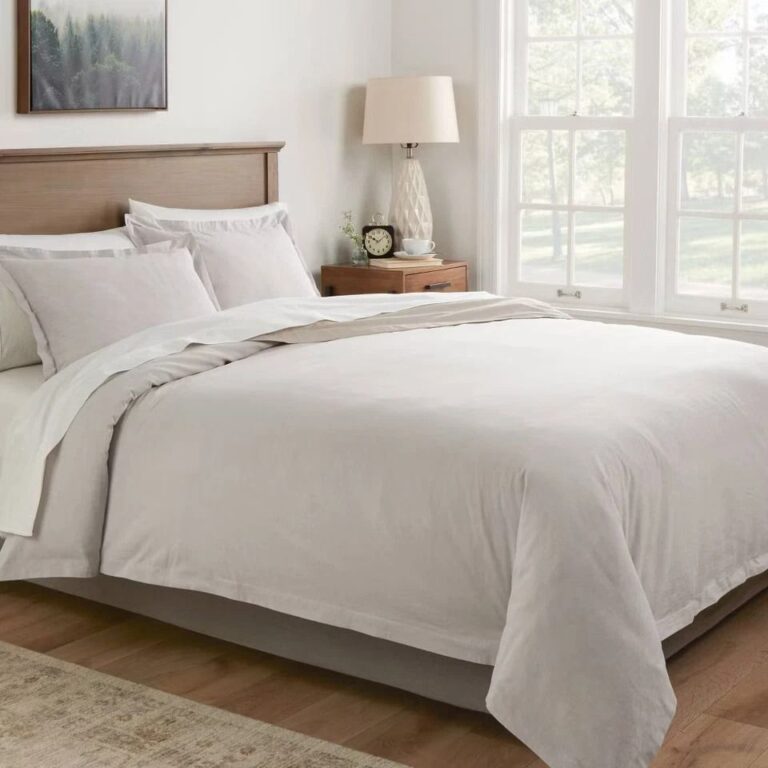
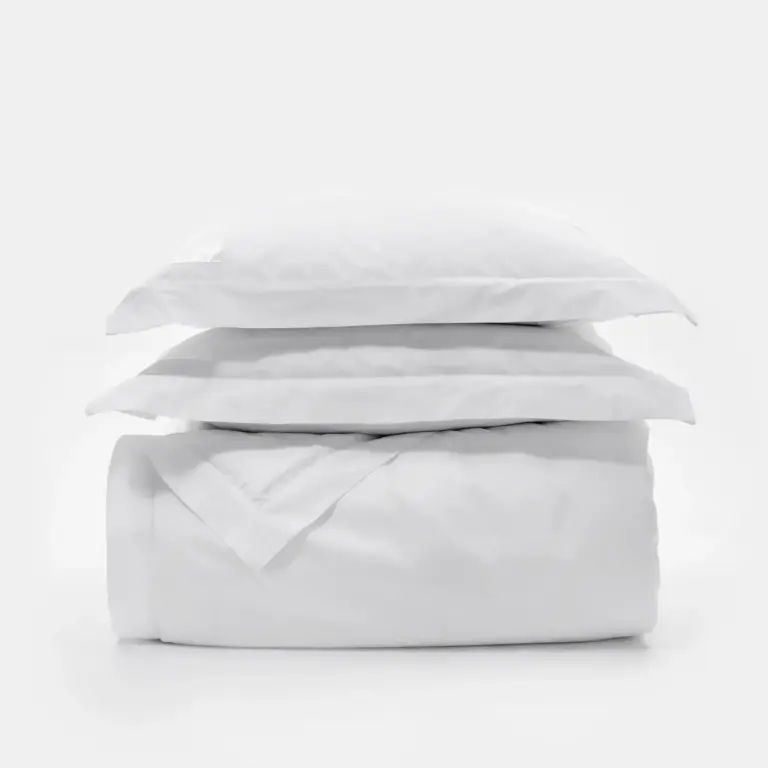
A duvet cover gets talked about like it's just a glorified pillowcase for your blanket, and there's some truth to that, but I think it's one of the more satisfying buys you can make for a bedroom. It does the job of a bedspread, a comforter, and a design decision all at once, and it washes easier than any of those three things on their own. I've landed on liking them more than I expected to, mostly because they let you change the whole feel of a room without touching the furniture.
If you're starting from nothing, go with white or a plain, pale neutral first. It sounds boring written down, but it's the one that works with every pillow, every throw, and whatever curtains you already own, and it's the one you can bleach without worrying about pattern or dye. Once you have that, it sits well against almost anything in an ordinary bedroom, a wooden headboard, a secondhand dresser, mismatched lamps on either nightstand, none of that matters when the bed itself is calm. People overthink the color matching for the rest of the room when really the duvet cover is doing enough work just by being clean and well fitted.
What separates a good one from a disappointing one comes down to a few plain things. Thread count gets quoted a lot and matters less than people think past a certain point, what matters more is the weave, a percale feels crisp and cool, a sateen feels softer and a little warmer, and you should know which one you're buying before you buy it. Check the corner ties, a cover with internal ties or loops that actually hold your comforter in place is worth more than one without, because without them the insert bunches into one corner within a week and you'll be yanking it straight every morning. Button closures hold up better over years than zippers, which can snag the fabric, and a hem that's doubled and properly sewn, not just overlocked, is the difference between a cover that survives five years of washing and one that frays at the seams by winter.
Cotton percale suits a warm bedroom or a summer house, it breathes and stays cool against skin. A heavier sateen or a brushed cotton suits colder climates and winter months, when you want the bed to feel a bit warmer the moment you get in. Either way, it's a textile, not a piece of furniture, and no cover fixes a mattress or a bed frame that's already past its best.

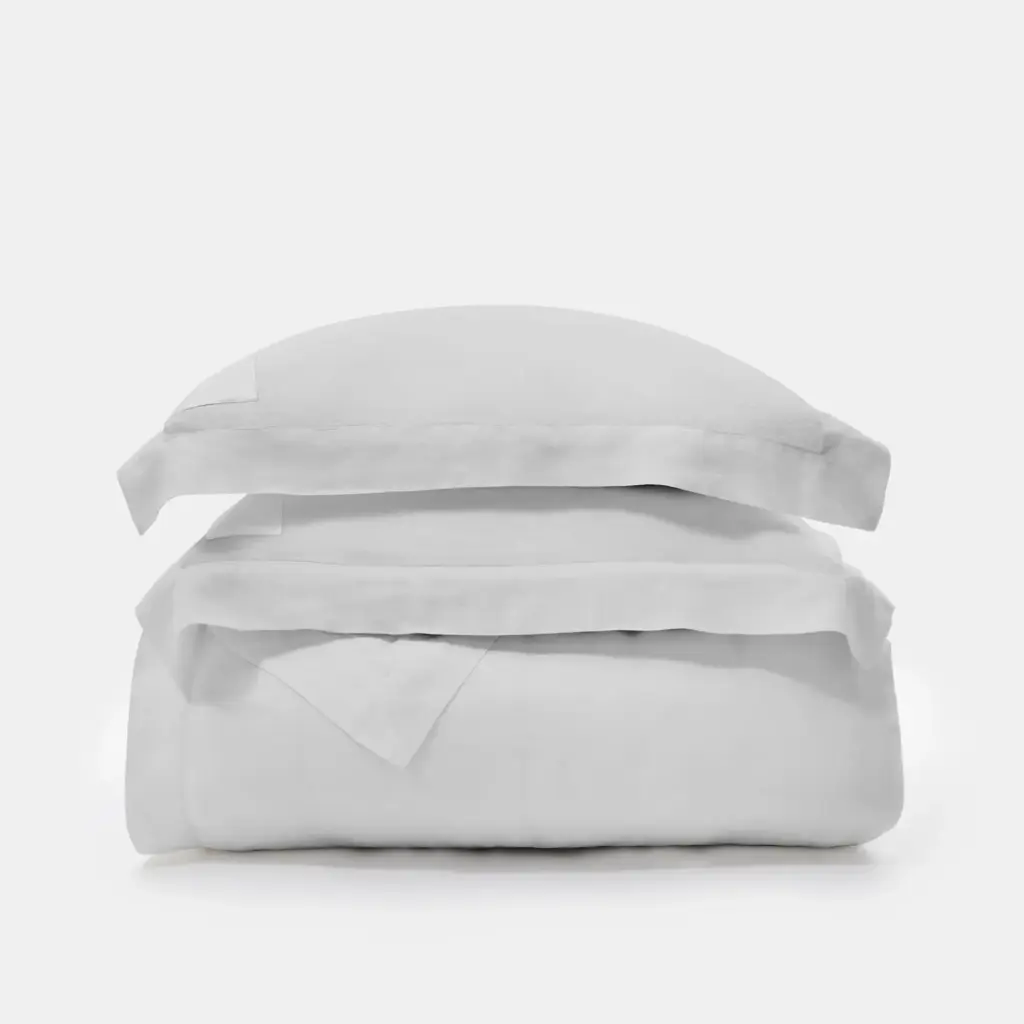 Aisha's pickLuxury Linen Duvet Cover Sets That Look Good Up Close

 Aisha's pickModern Duvet Cover Sets That Feel as Good as They Look
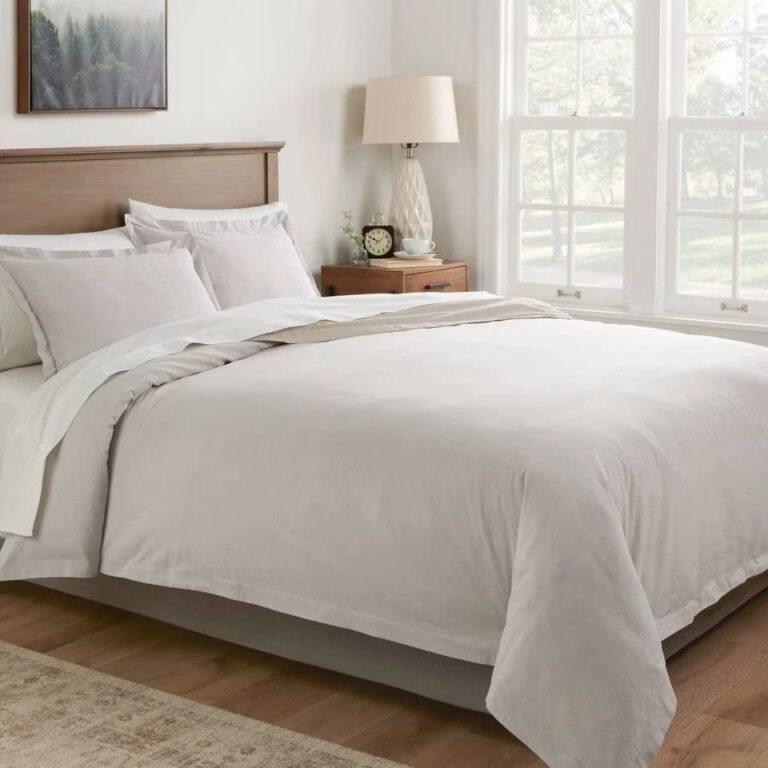
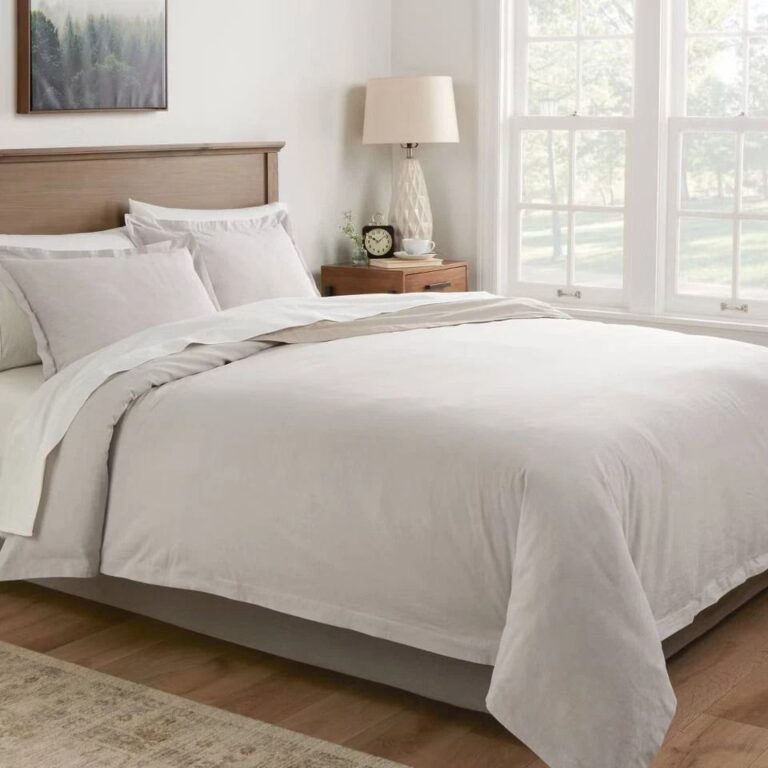 Aisha's pickQueen Duvet Cover Sets That Do the Job Right
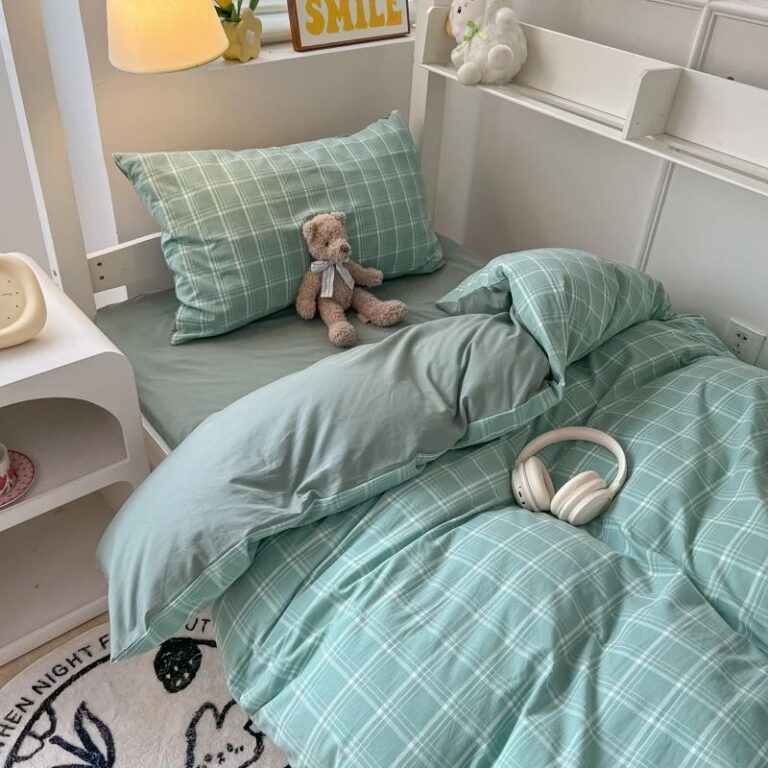
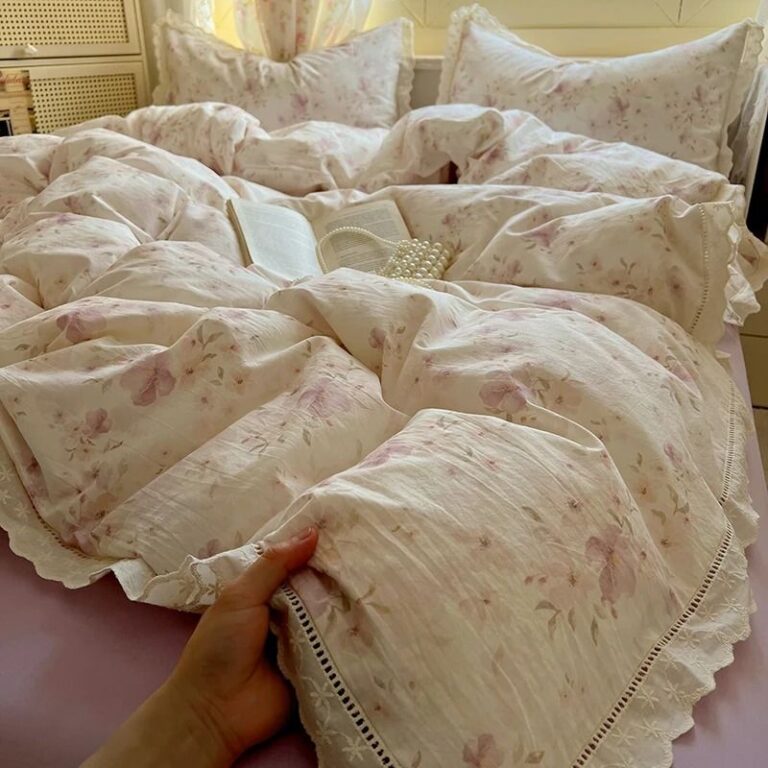 Aisha's pickQueen Size Duvet Cover Sets You’ll Want to Curl Up With
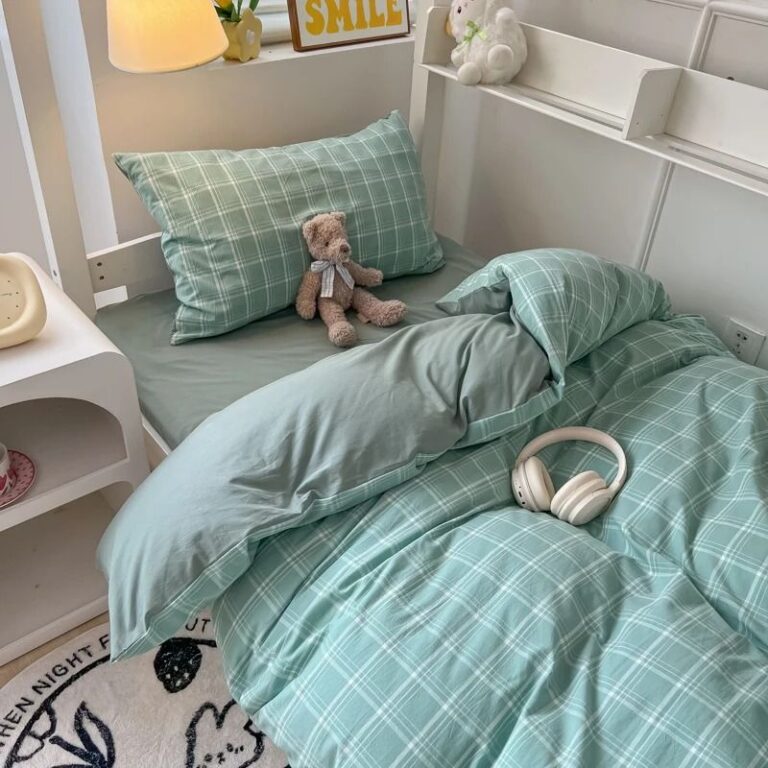
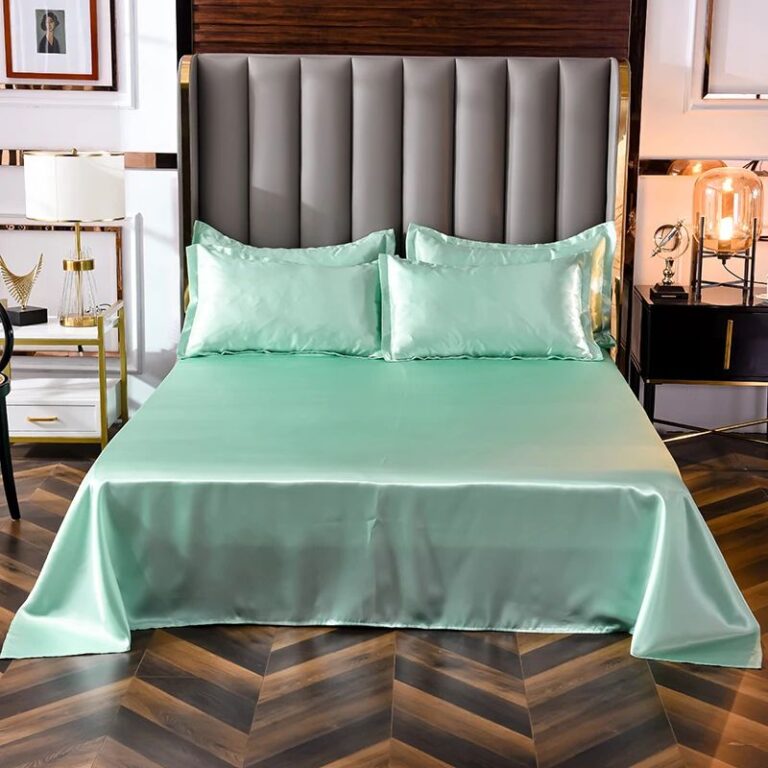 Aisha's pickTwin Duvet Cover Sets Worth Knowing About
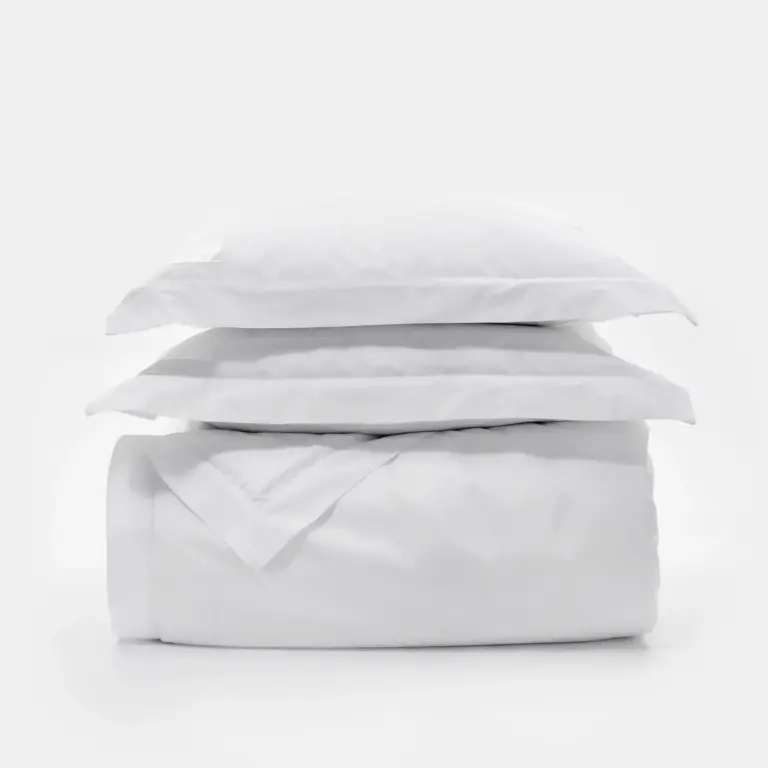
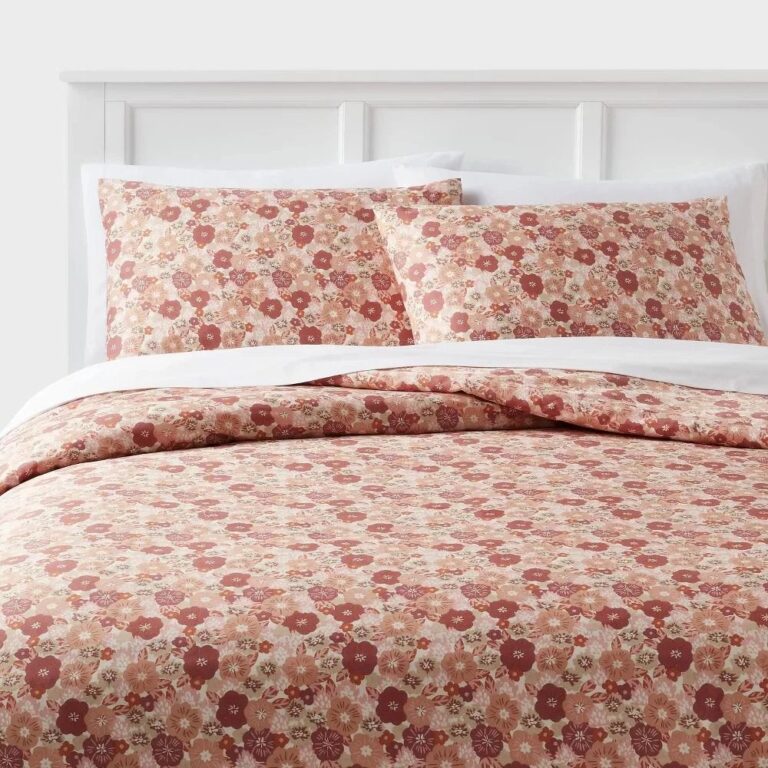 Aisha's pickCotton Duvet Cover Sets That Don’t Pill

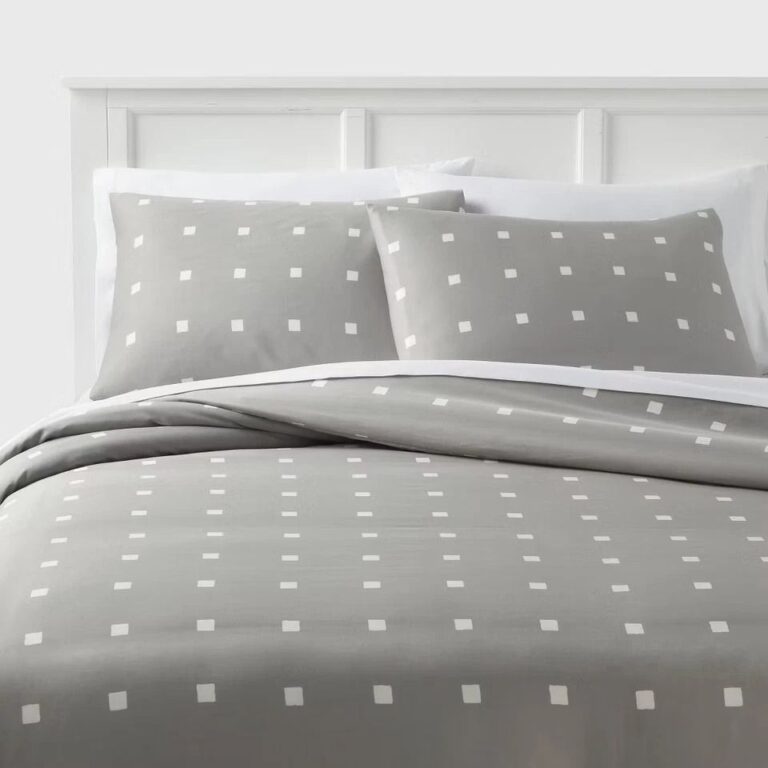 Aisha's pickOur Shortlist of White Duvet Cover Sets

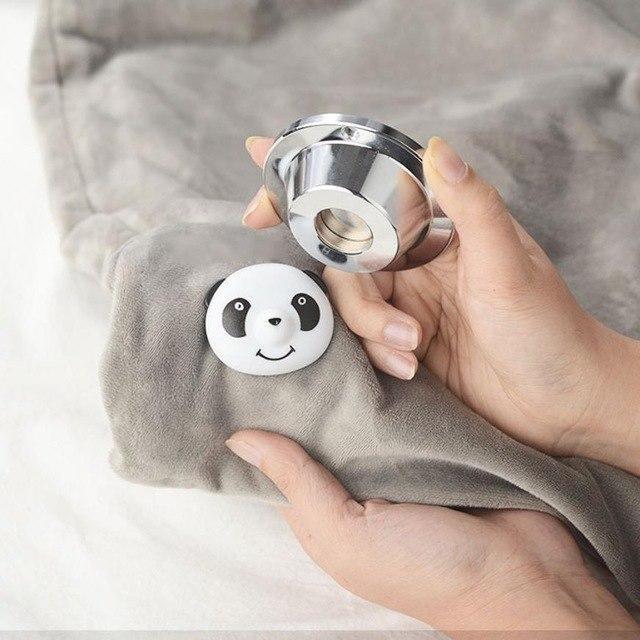 Aisha's pickDuvet Cover Sets That Don’t Look Mass Produced
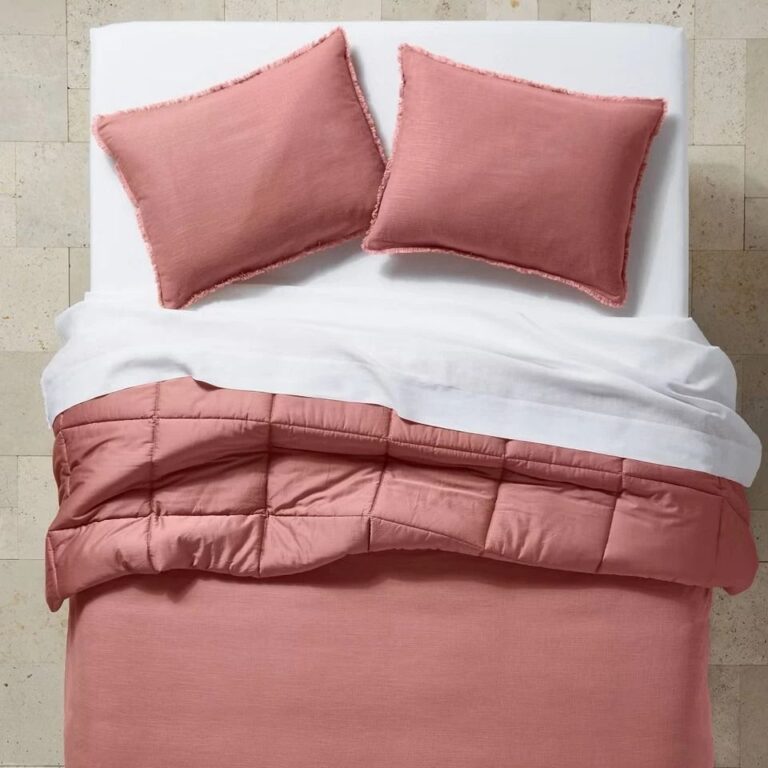
 Aisha's pickWhite Linen Duvet Cover Sets That Fit Into Real LifeAlso worth a lookSheet SetsThere's a particular kind of relief in climbing into bed after a long day and having the sheet…See the collections →
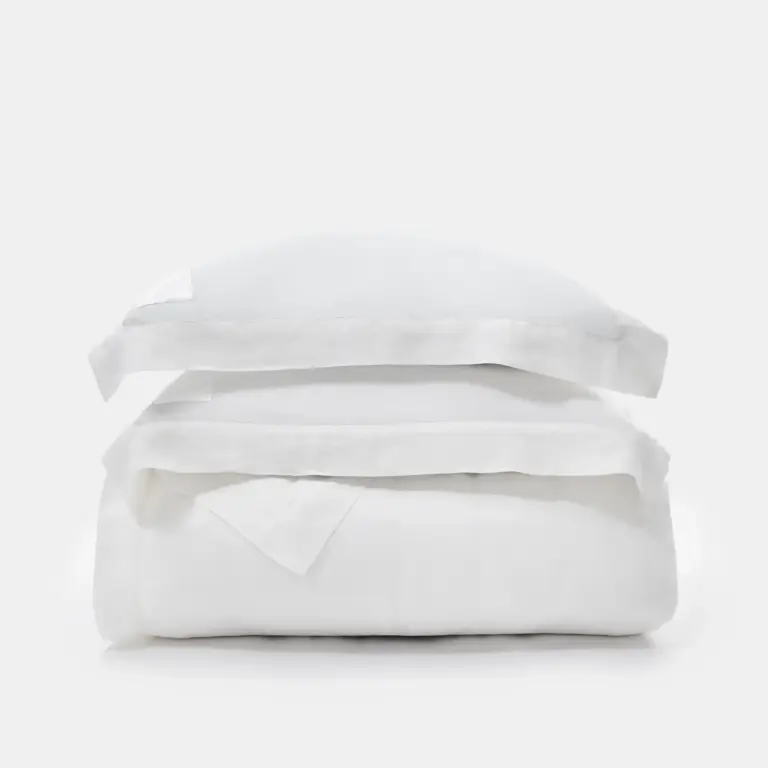
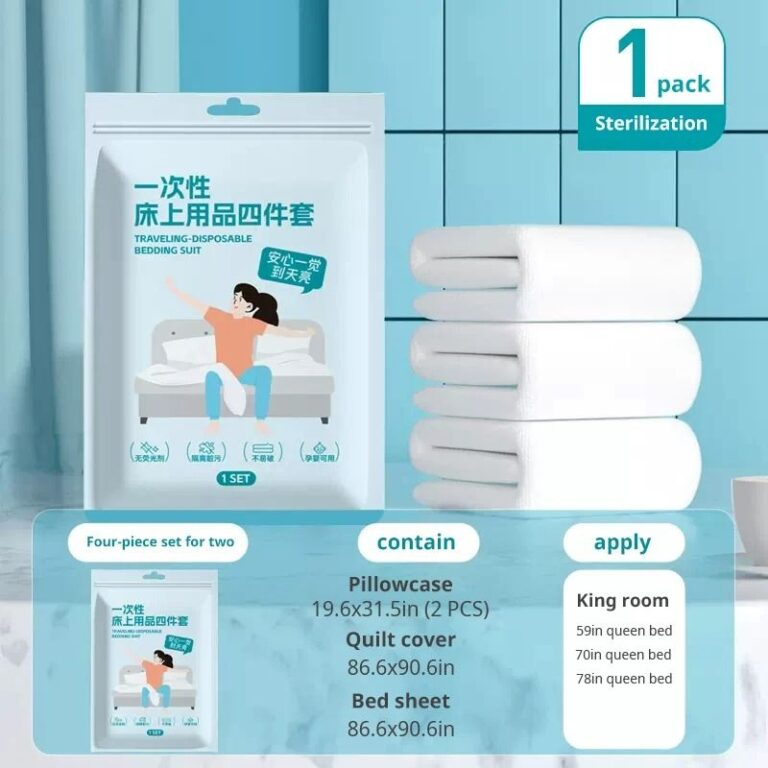 Aisha's pickDuvet Cover Sets with Pillowcases That Keep Their Color Wash After Wash

 Aisha's pickFull Duvet Cover Sets for Adding Color Without Painting
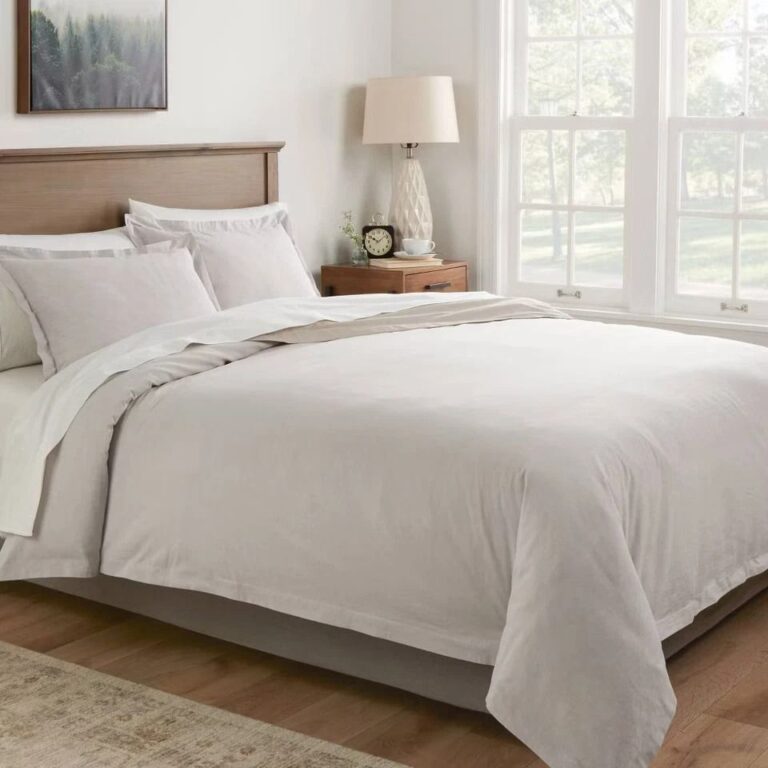
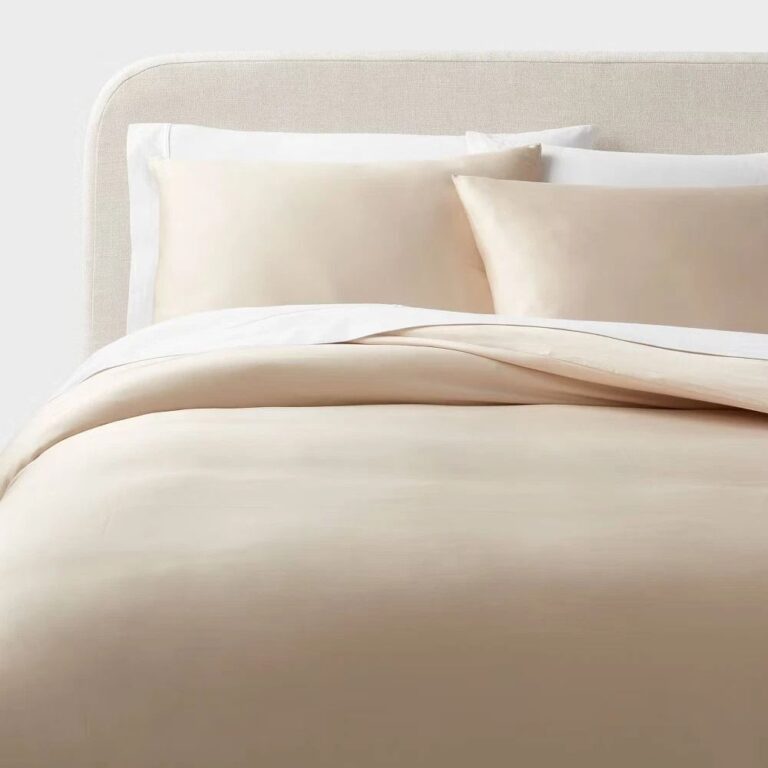 Aisha's pickFull Size Duvet Cover Sets That Work in Old Houses and New Ones
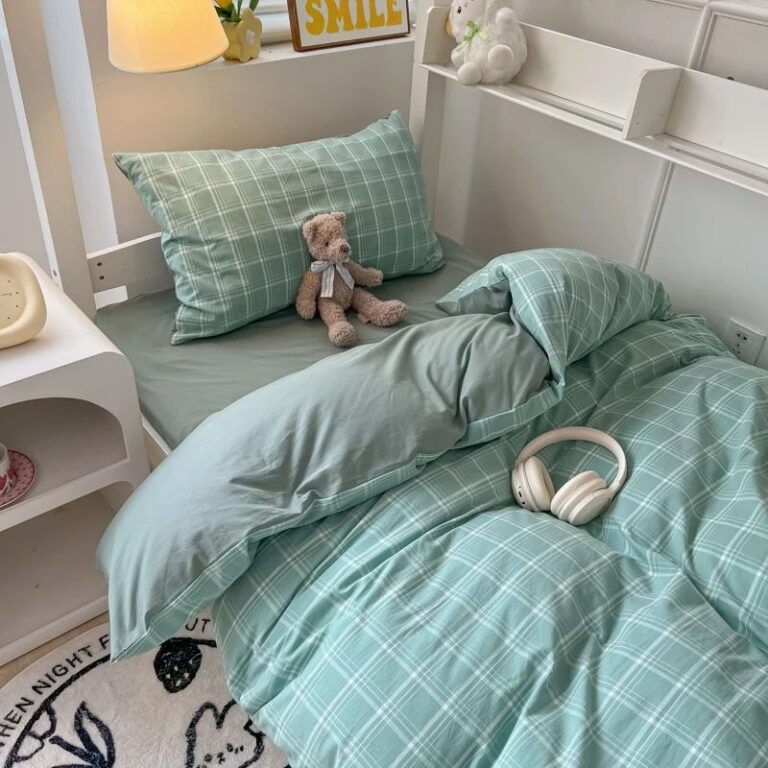
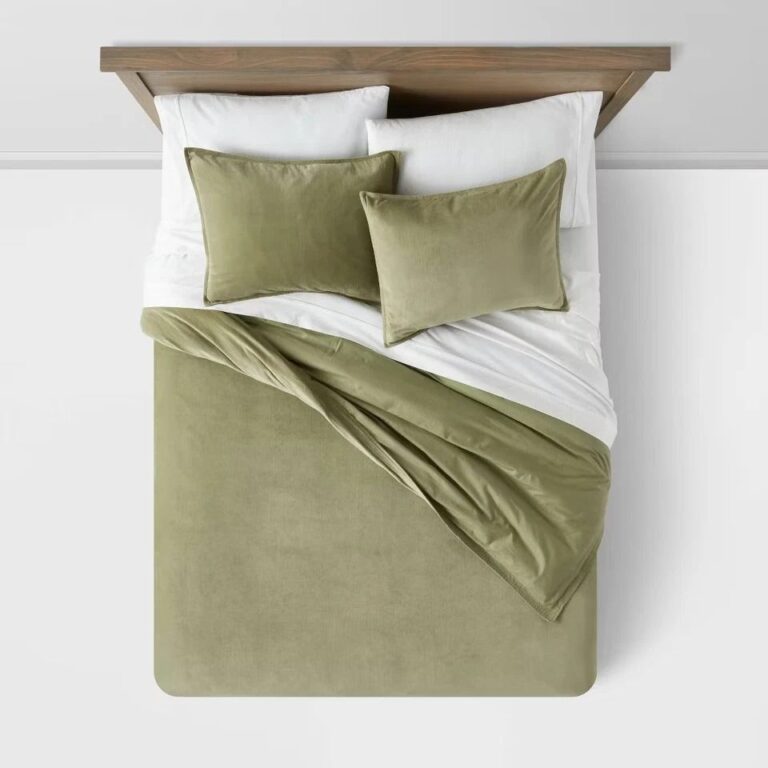 Aisha's pickGreen Duvet Cover Sets That Keep Their Color Wash After Wash

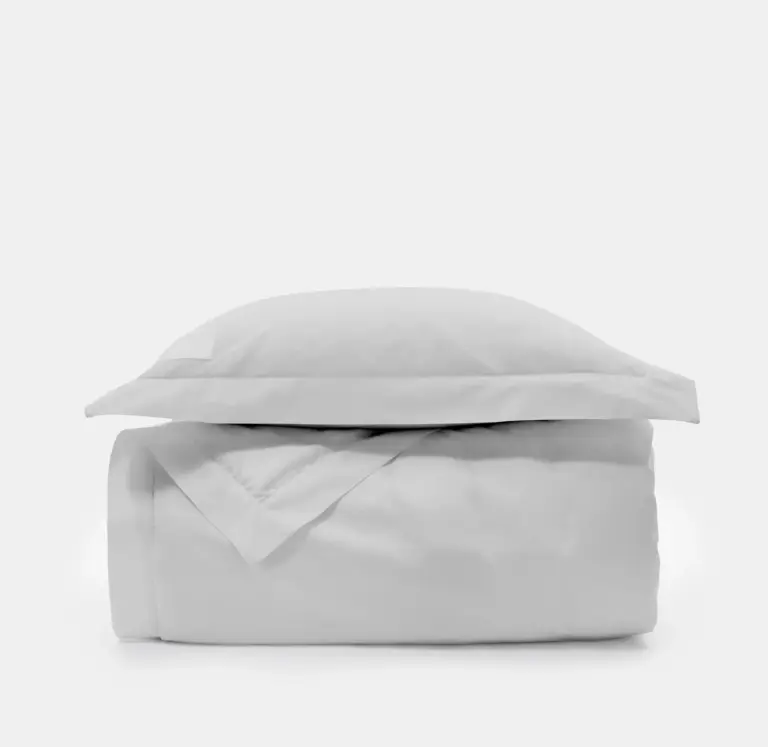 Aisha's pickHotel Duvet Cover Sets That Hold Up to Everyday Life

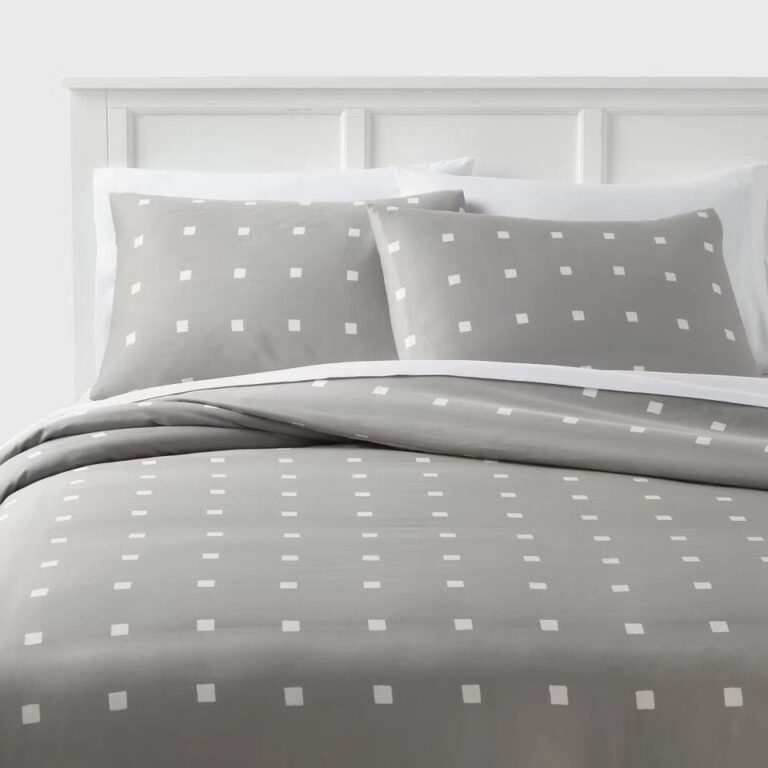 Aisha's pickKing Duvet Cover Sets You’ll Want to Curl Up With

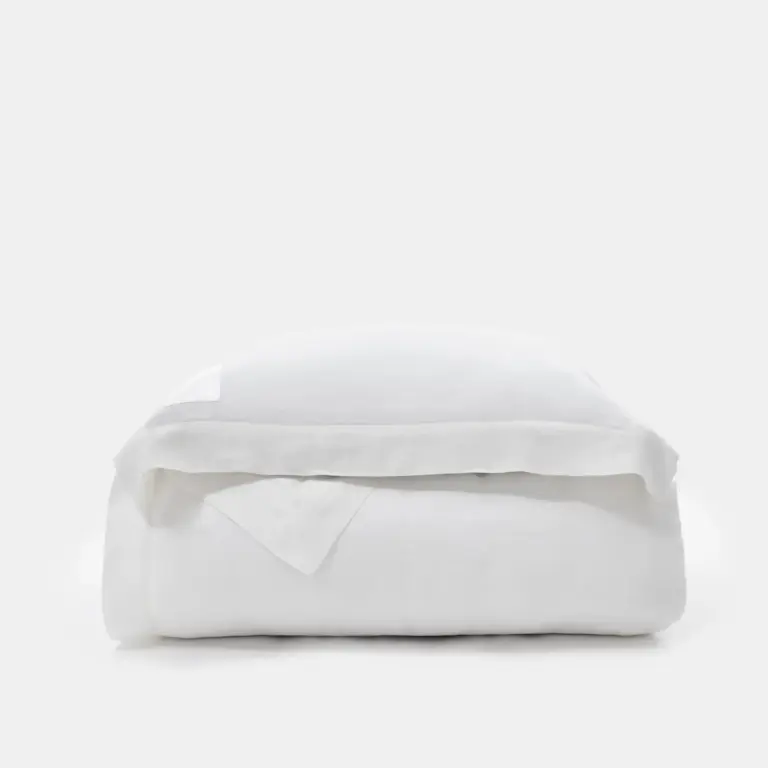 Aisha's pickKing Size Duvet Cover Sets at Every Price Point