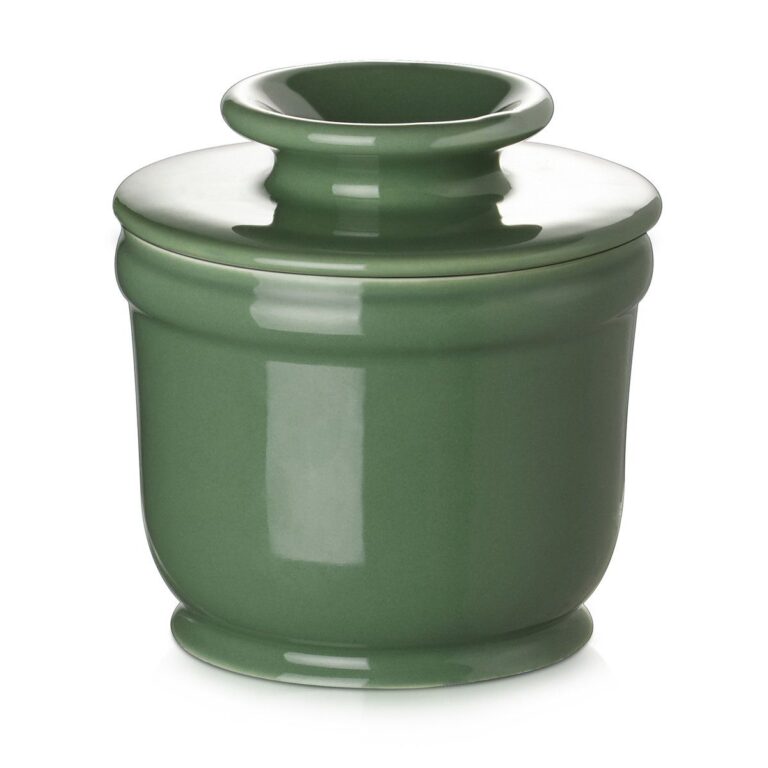
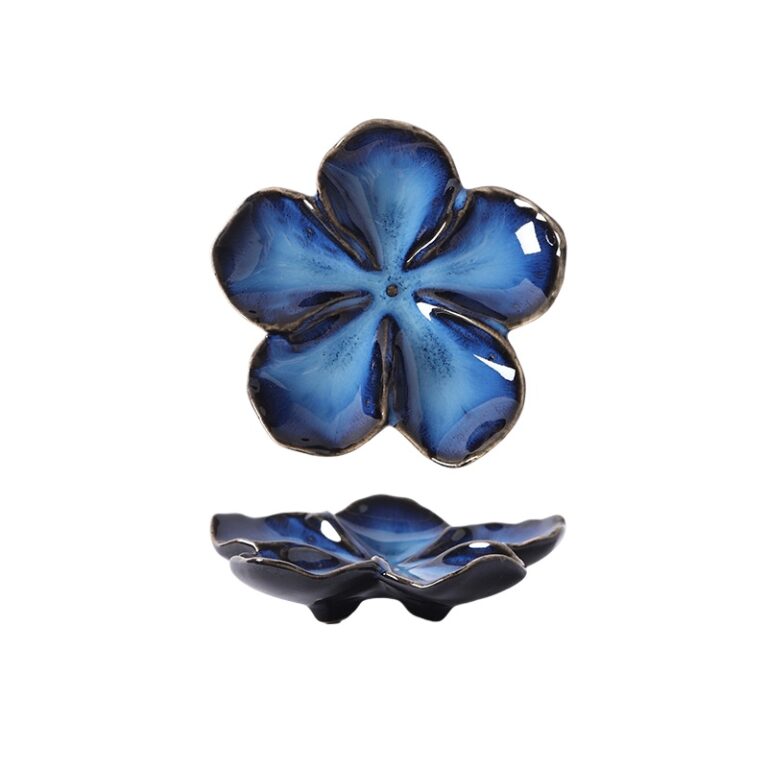
For years I bought dishes based on whether they looked nice stacked in the cabinet with the door open, which is a ridiculous way to choose something you actually have to use. Half of them chipped within a year, one set warped slightly in the dishwasher so the bowls rocked on the table, and I only worked out what mattered once I started picking things up in the shop instead of just looking at them.
Run your thumb along the rim before you buy anything. A good dish has a clean, even edge with no rough spots where the glaze pooled or skipped, and when you tap it gently with a knuckle it gives a solid, almost ringing sound rather than a dull thud. That sound tells you the clay was fired properly all the way through. Flip it over and look at the base. A disappointing dish has a glaze that stops short in a messy line or pools thick in the corners, while a well made one has an even coat and a foot ring that's been finished smooth enough not to scratch your table. Weight matters too, though not in the way people assume. Heavier isn't automatically better, it just needs to feel balanced in your hand, not top heavy or strangely light for its size. If you're starting from nothing, skip the matching twelve piece set and buy a handful of plain, sturdy plates and bowls in one color first, then add serving pieces as you actually need them, because the mismatched tray you grab three times a week is worth more than the fancy one that sits in the cupboard waiting for a dinner party that isn't coming.
Measuring up is where people get it wrong, and I did too, buying a serving dish so big it didn't fit any shelf and so wide it needed both hands and a clear run to the table. Measure your cabinet depth and the width of your oven before anything else, since a dish that doesn't fit in the oven for reheating is only half useful. For the table, think about how many people actually sit around it most nights, not how many could squeeze in at Thanksgiving, and leave a few inches of breathing room around each serving piece so people aren't passing things over each other's elbows.
The ones that earn a permanent spot are the ones that pick up a little character over time, a faint network of lines across the glaze, a softened edge where it's been set down a thousand times, and somehow that only makes them look more like they belong to you.
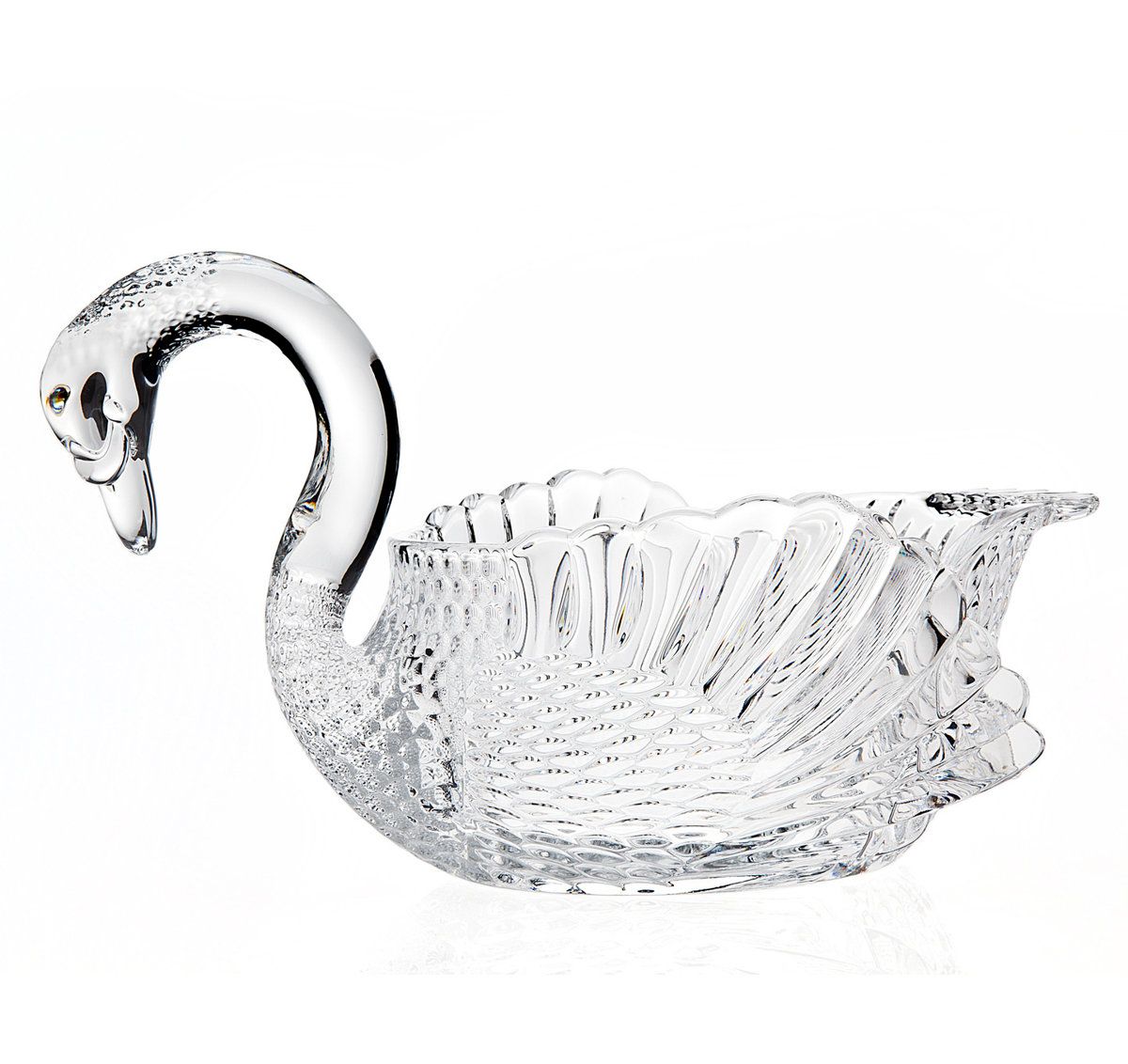 Aisha's pickGlass Serving Dishes That Make a Weeknight Meal Feel Special
 Aisha's pickGood White Serving Dishes That Don’t Cost a Fortune
 Aisha's pickLarge Serving Dishes That Won’t Let You Down
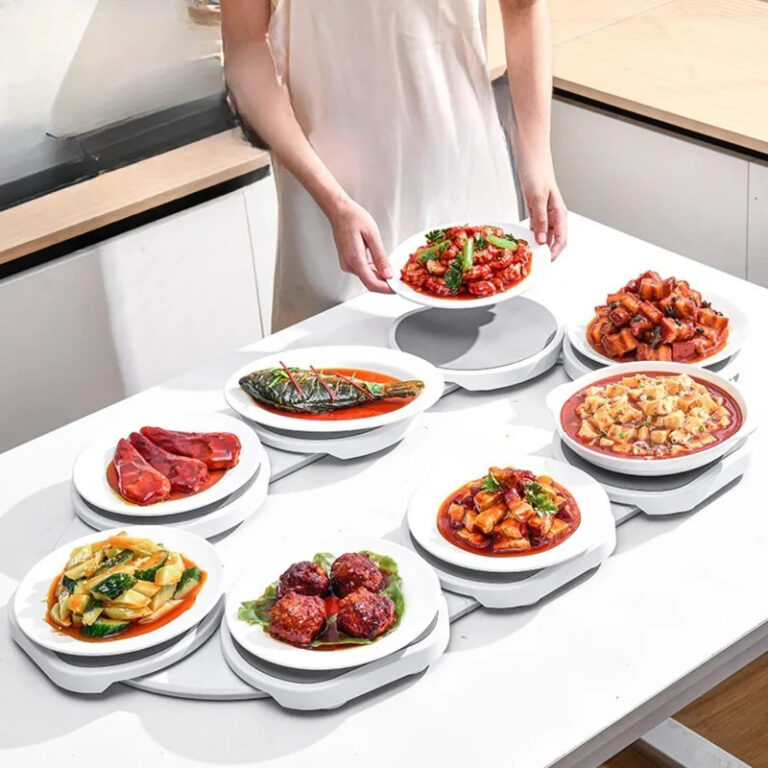 Aisha's pickModern Serving Dishes With a Bit More About Them
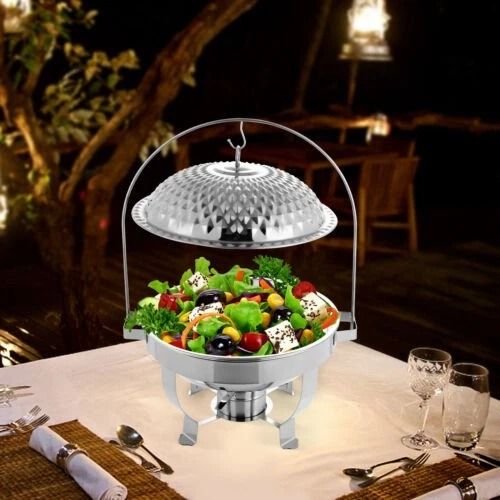 Aisha's pickShopping for Round Serving Dishes? Start Here
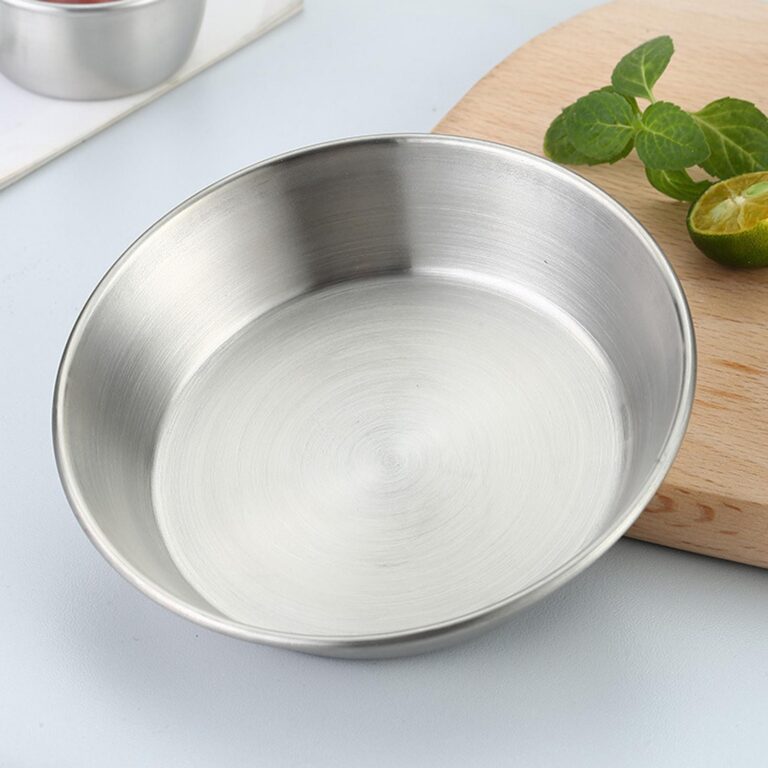
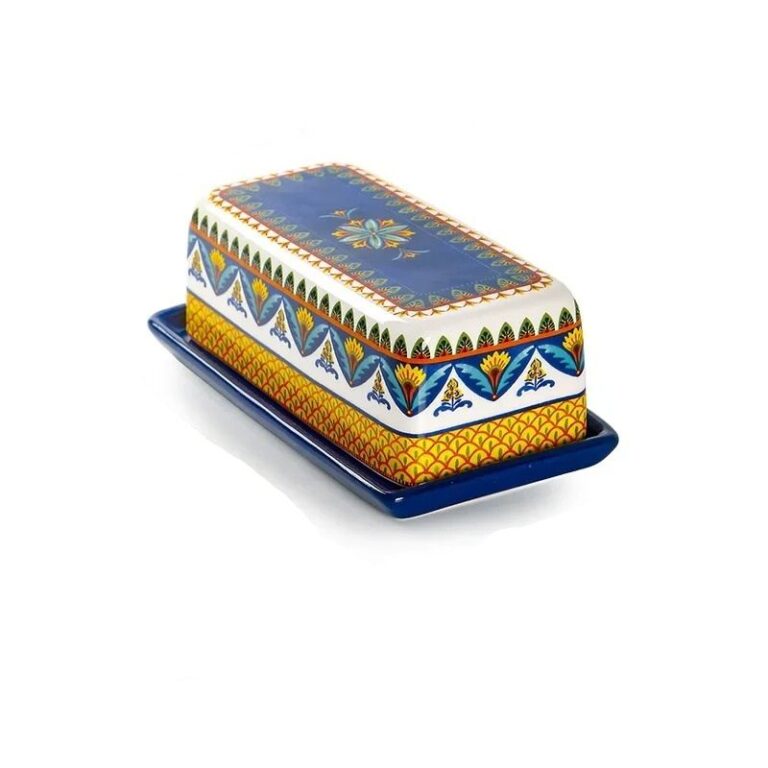 Aisha's pickNo Fuss Rustic Serving Dishes
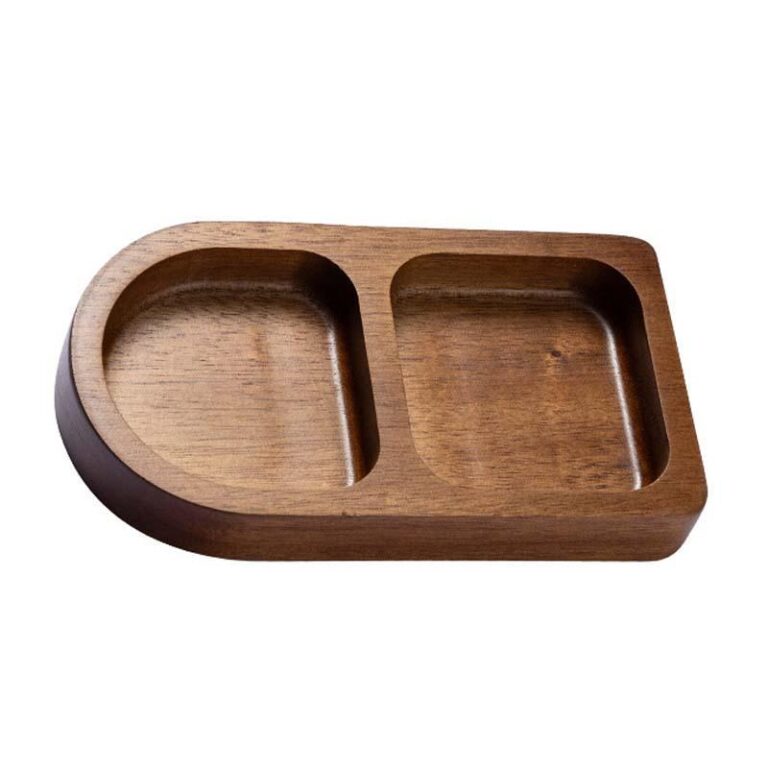
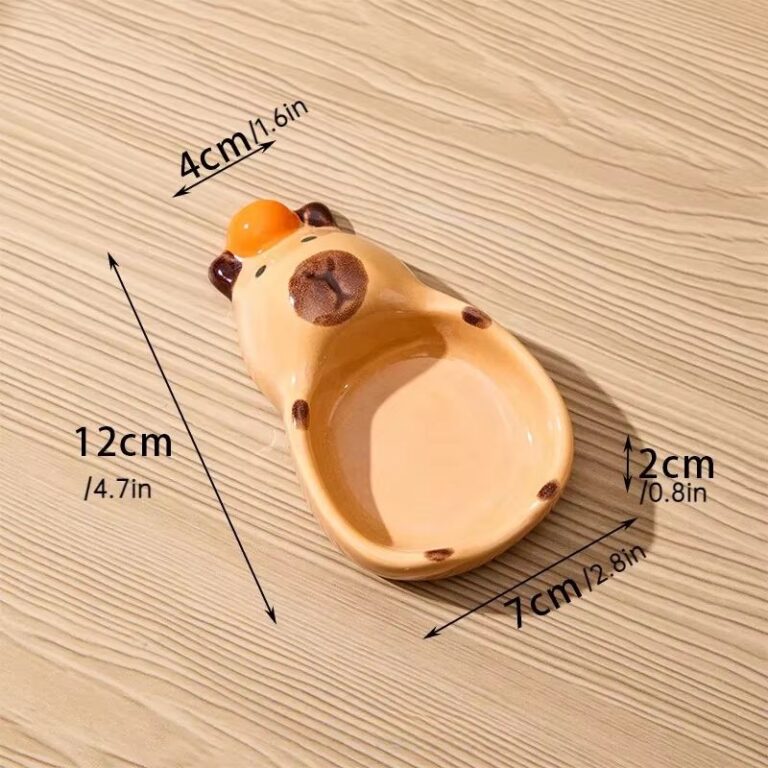 Aisha's pickServing Dishes Tough Enough for Everyday Use
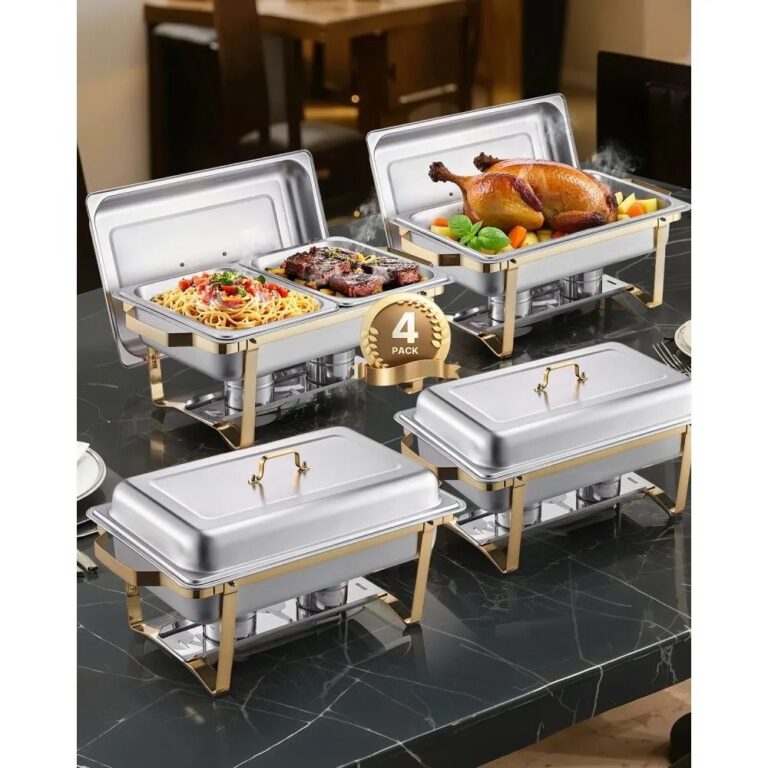
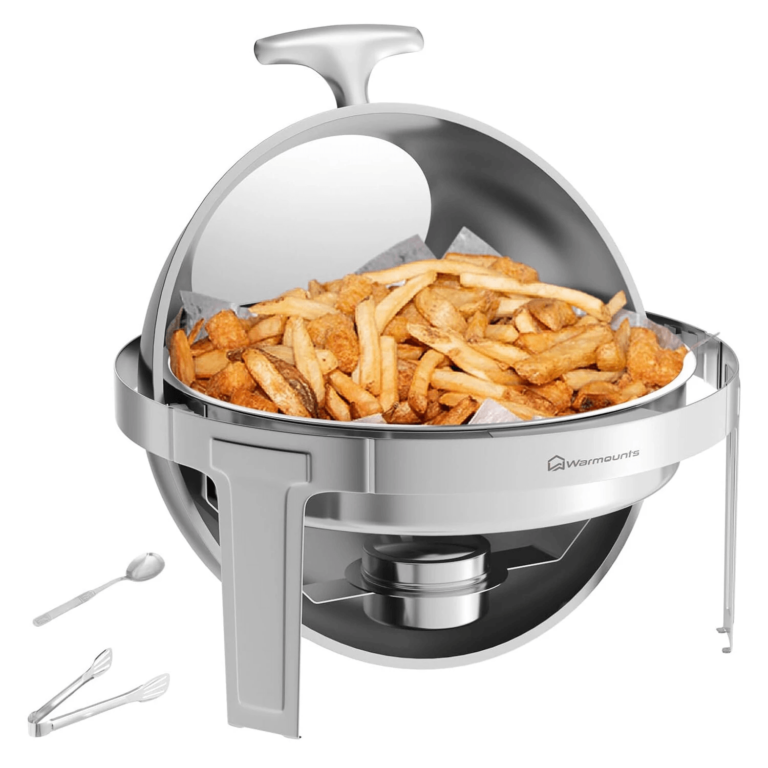 Aisha's pickServing Dishes for 2 That Won’t Let You Down
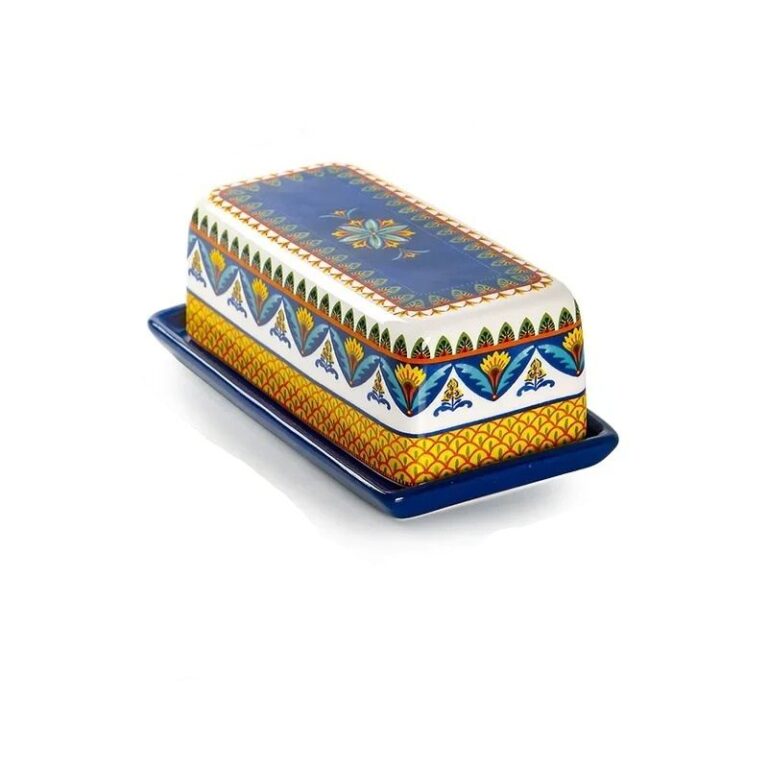
 Aisha's pickServing Dishes for 4 That Make a Room Feel FinishedAlso worth a lookServing DishesThe first thing I check is the bottom, where the glaze meets the foot of the dish.See the collections →
 Aisha's pickSimple Serving Dishes for 6 Done Well
 Aisha's pickServing Dishes for 8 That Visitors Always Ask About
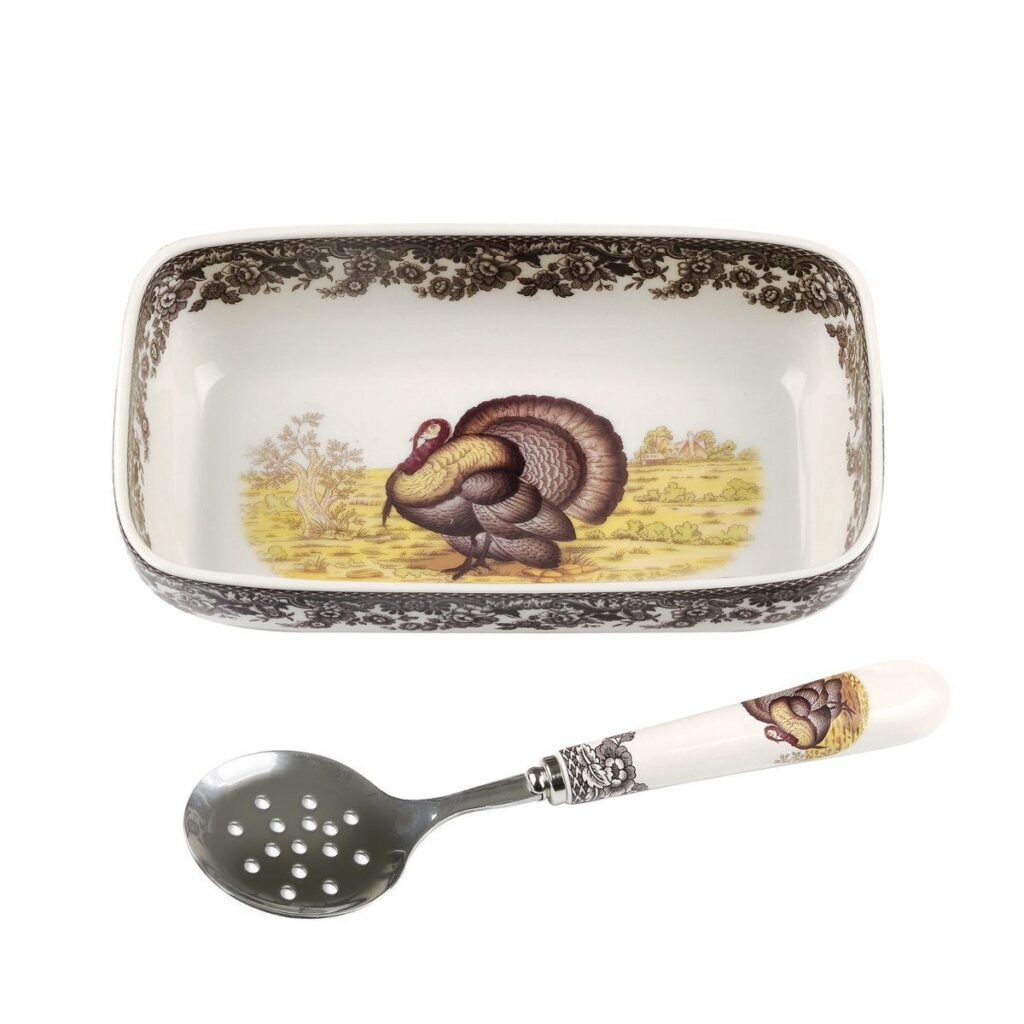
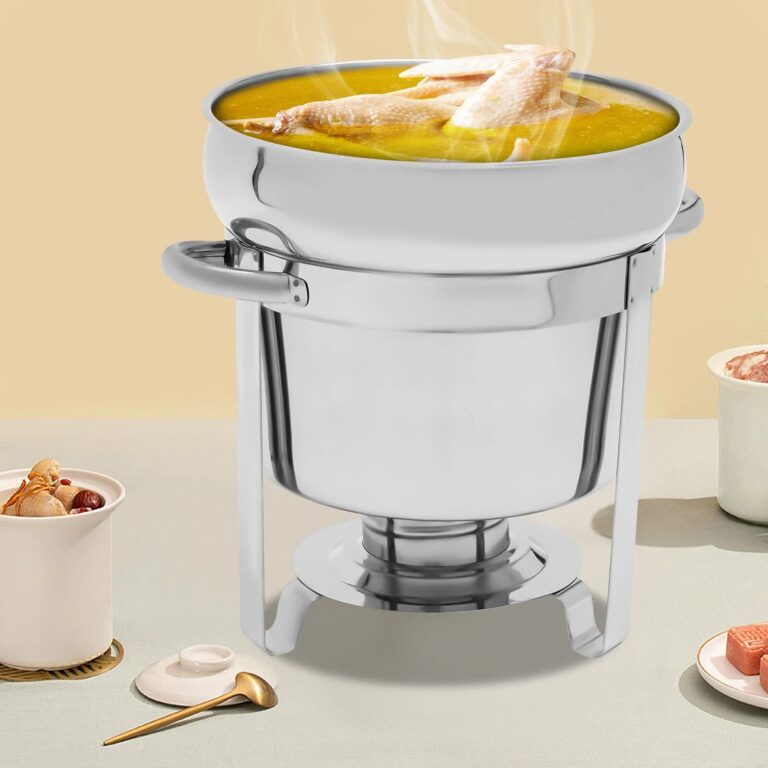 Aisha's pickServing Dishes with Lid We Use More Than the Best China
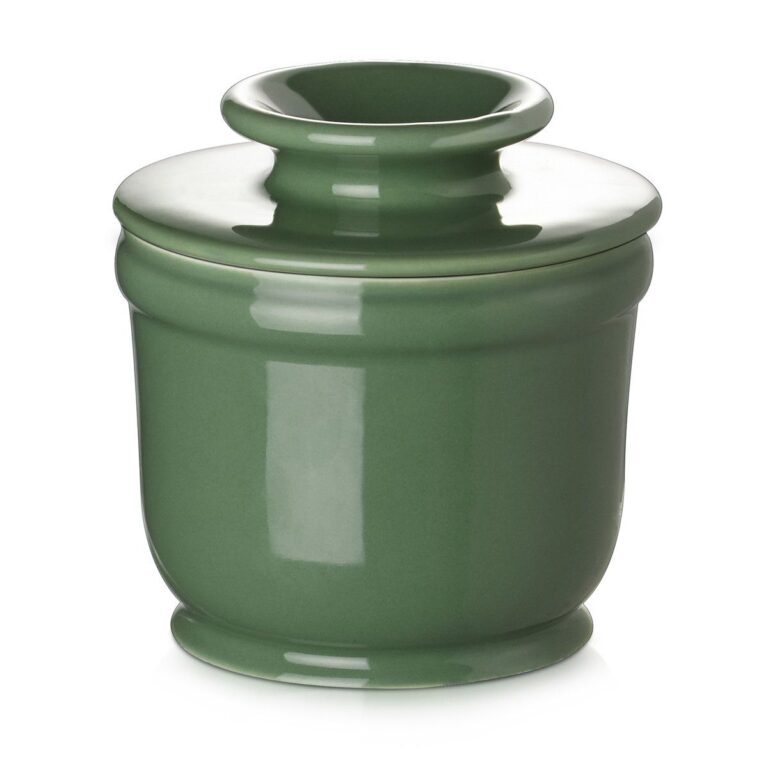
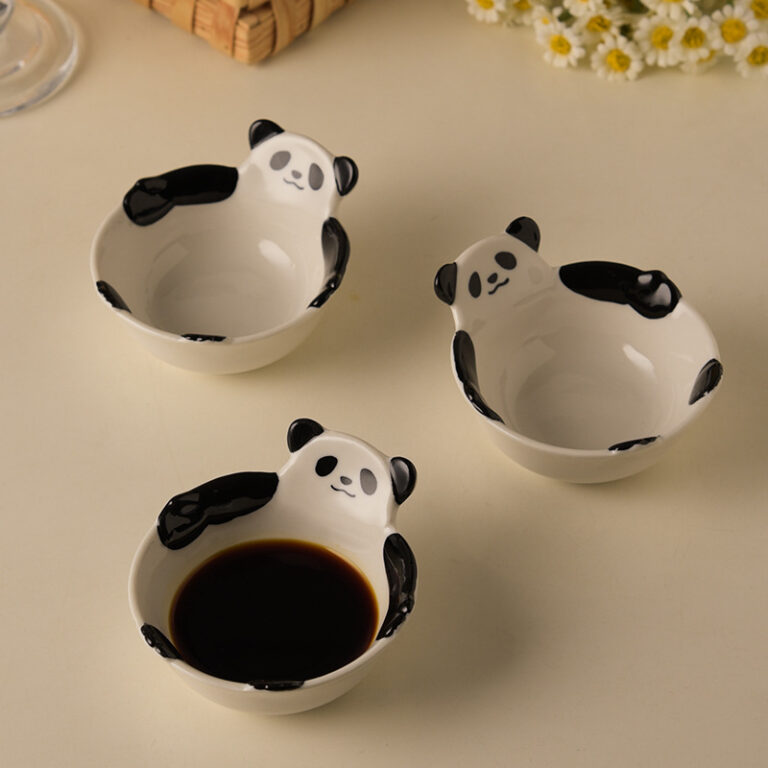 Aisha's pickSmall Serving Dishes You Won’t Want to Hide Away
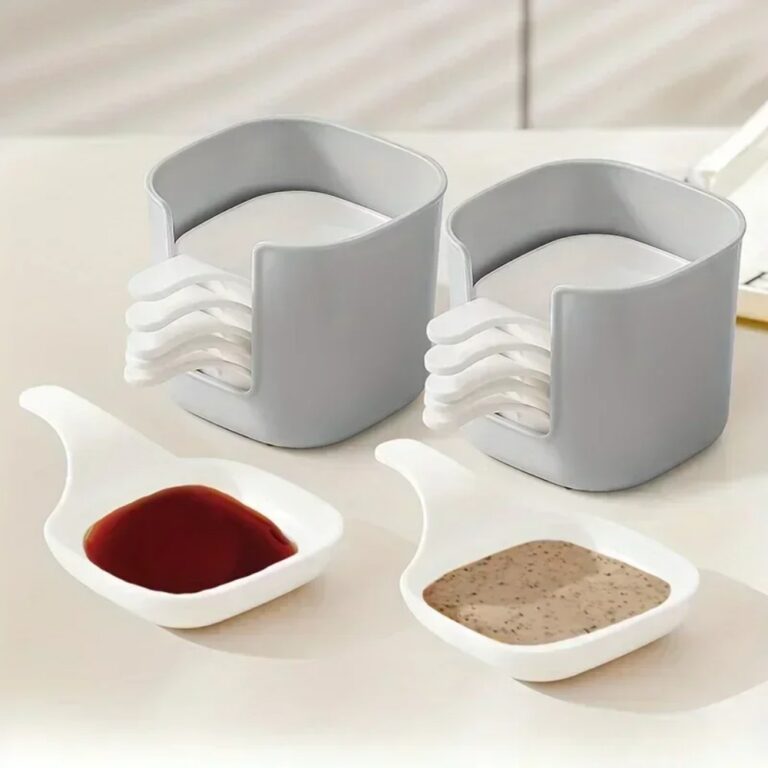
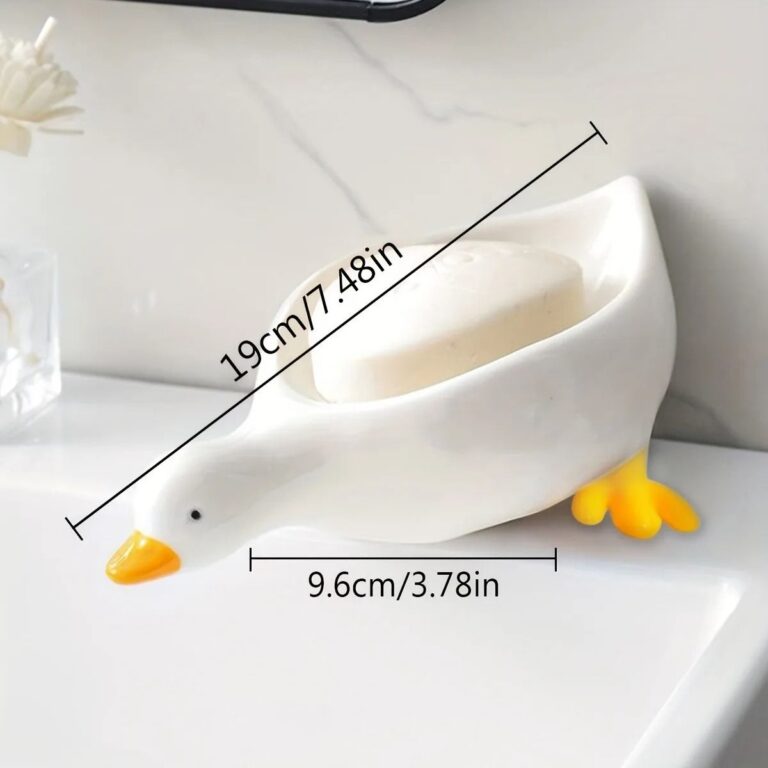 Aisha's pickSmall Soap Dishes That Fit Into Real Life

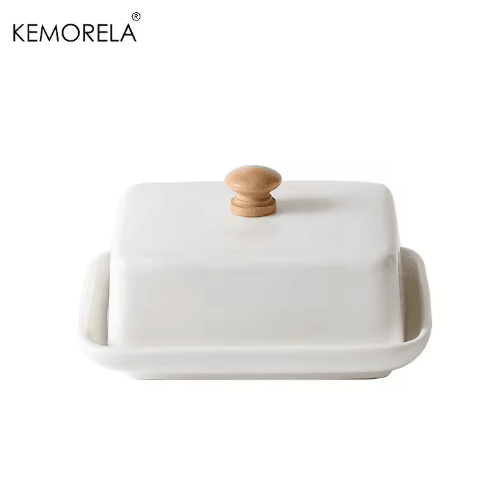
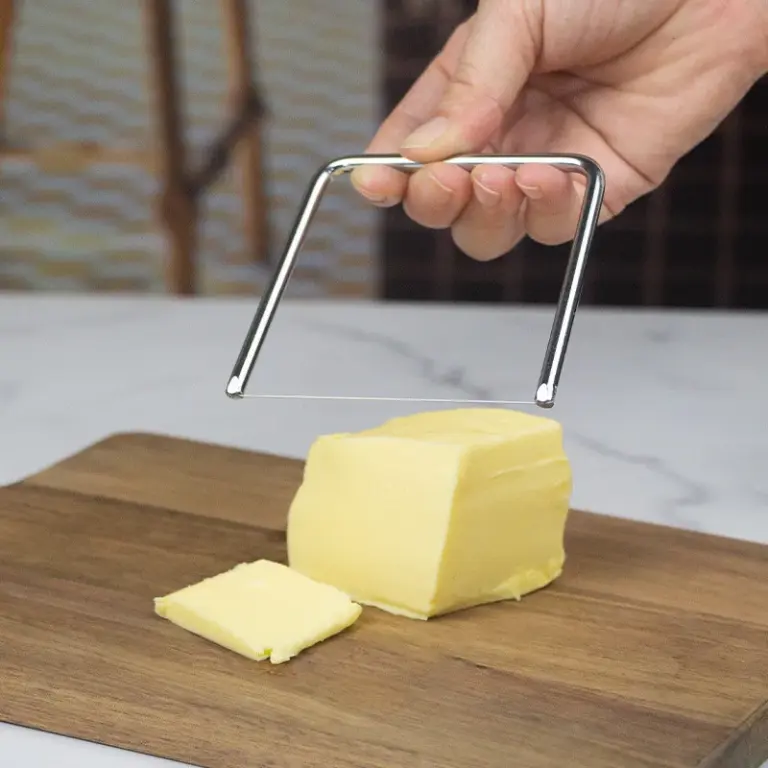 Aisha's pickButter Dishes That Don’t Chip at the First Knock
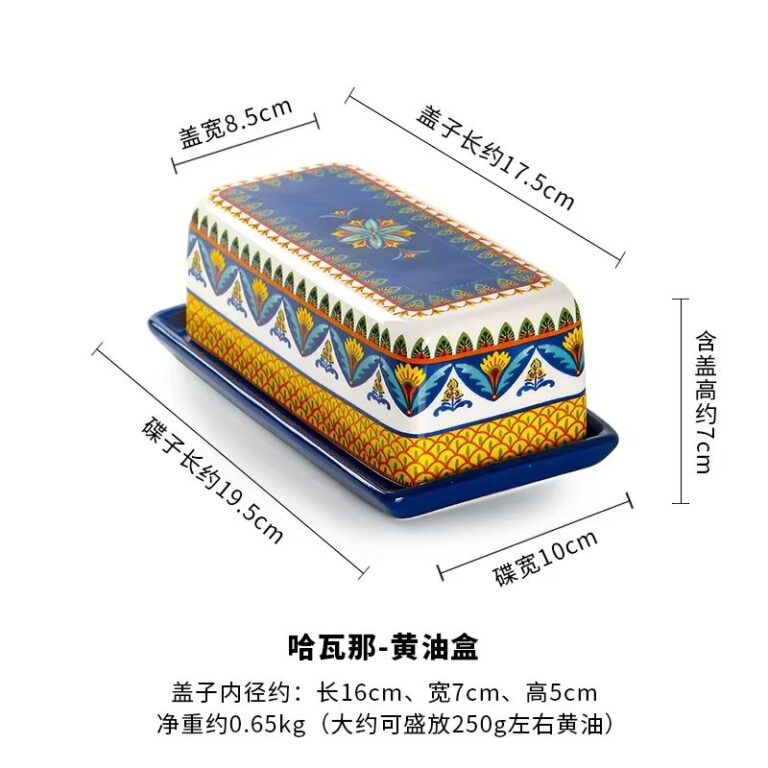
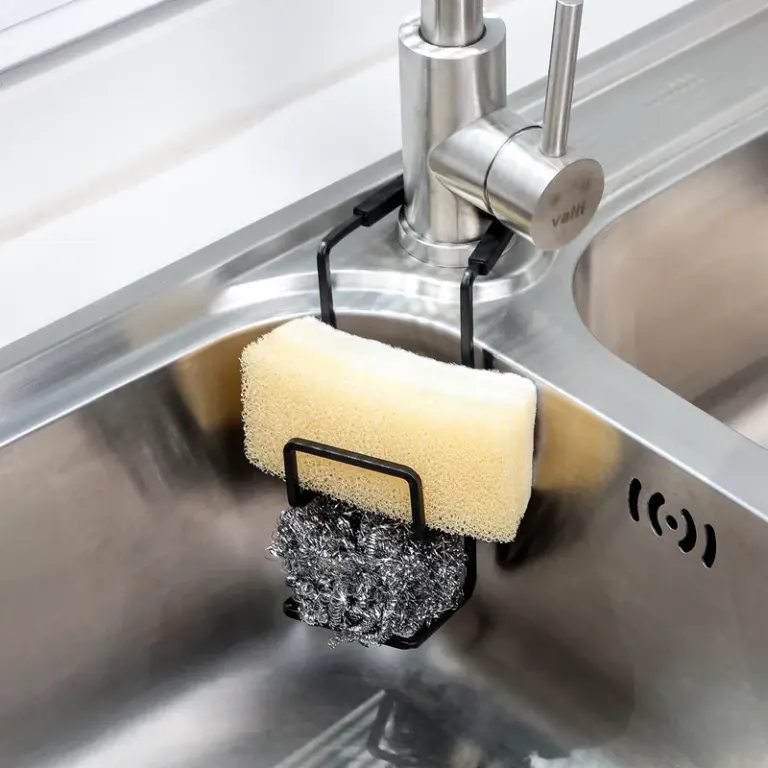 Aisha's pickSoap Dishes From Stores Big and Small
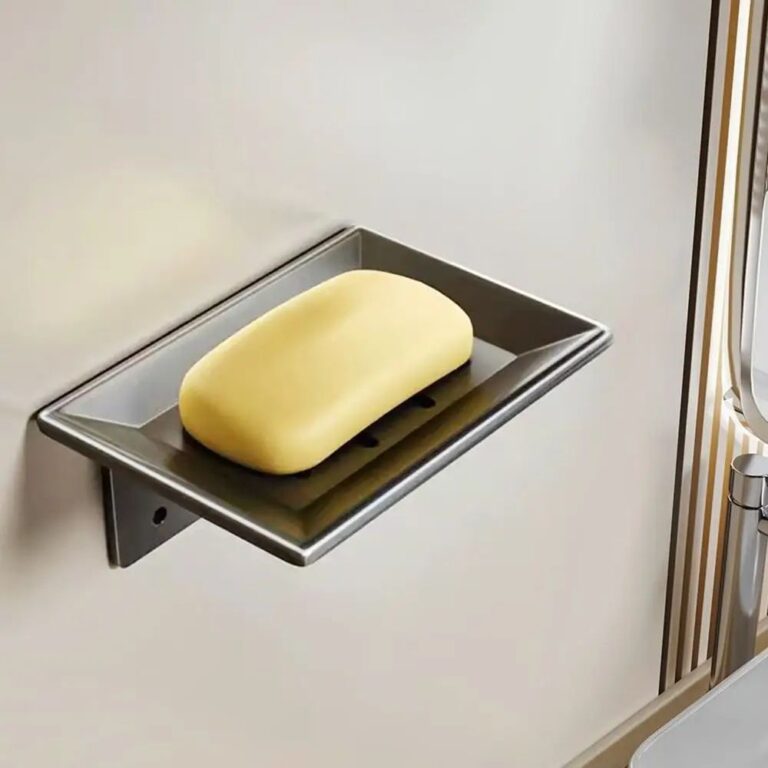
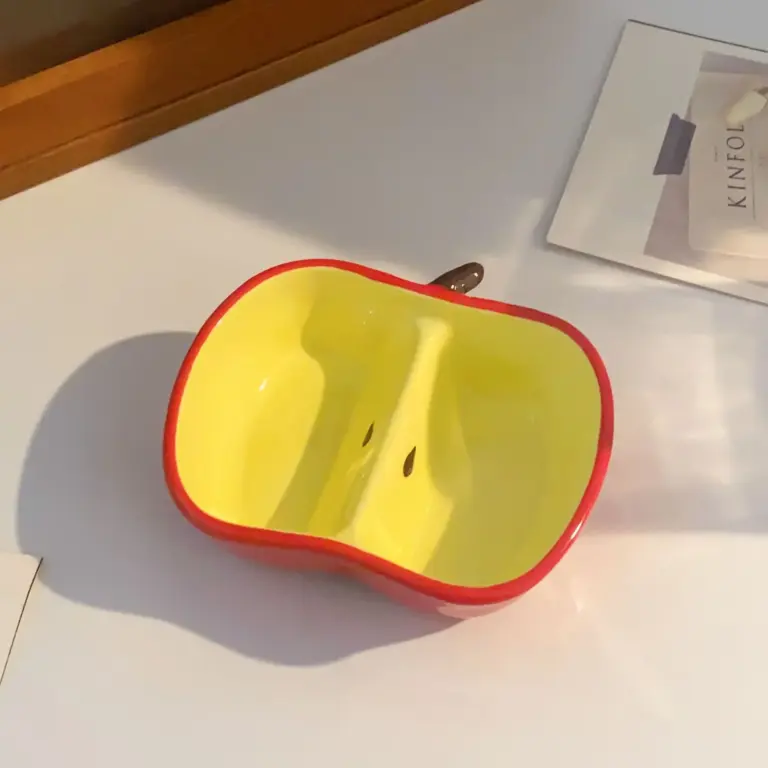 Aisha's pickCeramic Serving Dishes That Make a Weeknight Meal Feel Special
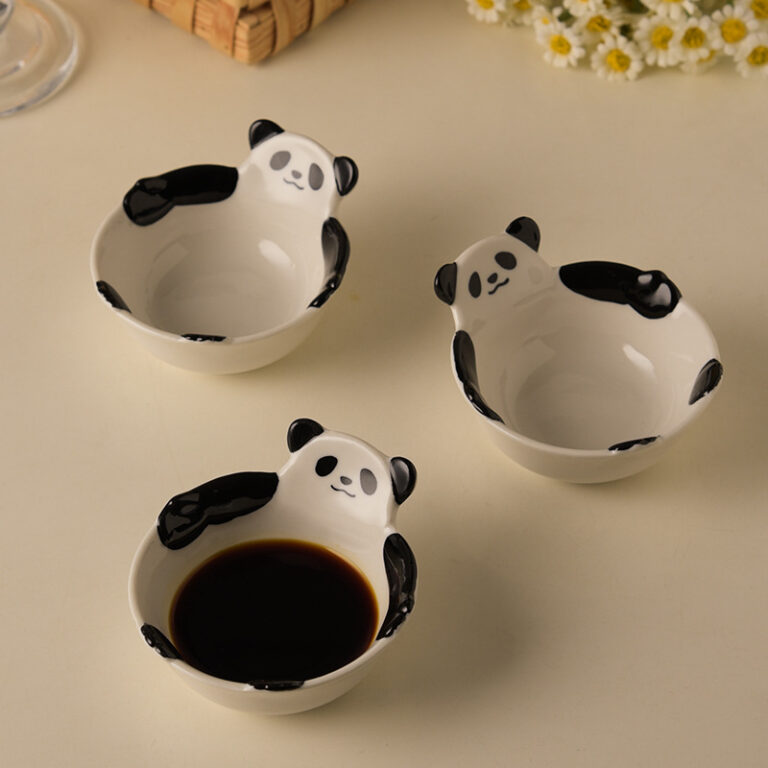
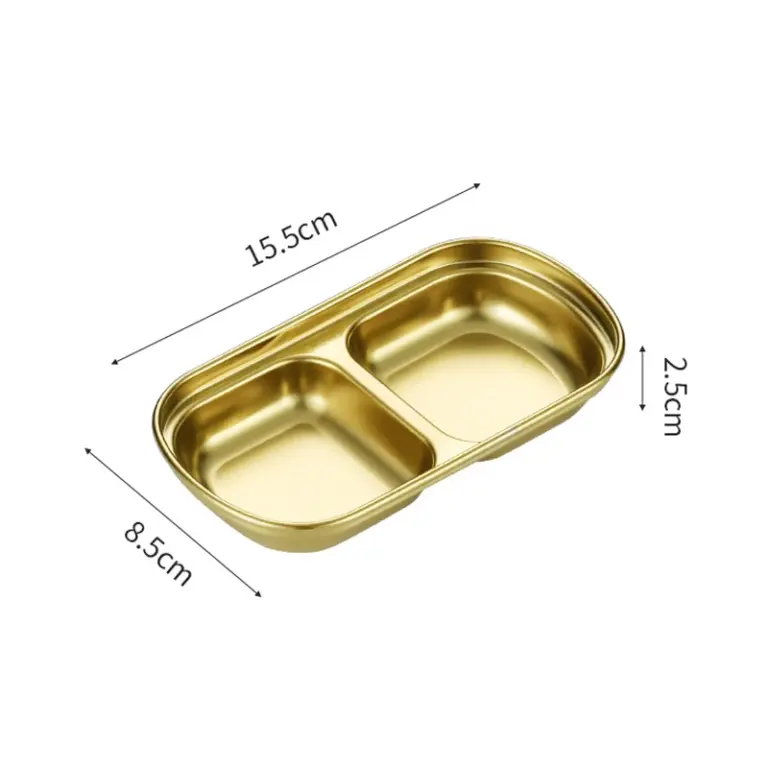 Aisha's pickSquare Serving Dishes Tough Enough for Everyday UseAlso worth a lookBowlsA good bowl should feel slightly too heavy for its size, and if it doesn't, you'll resent it within a month.See the collections →
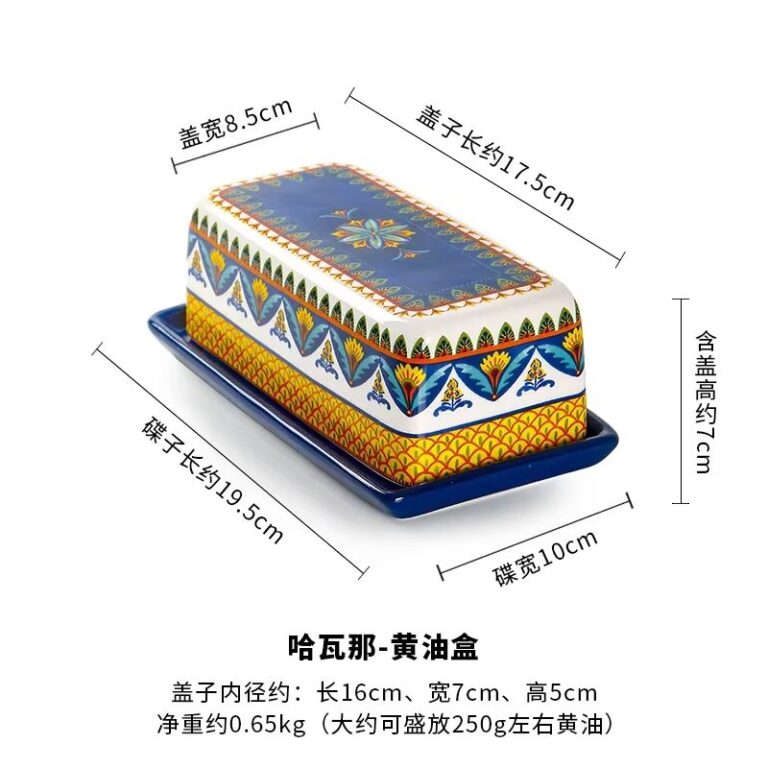
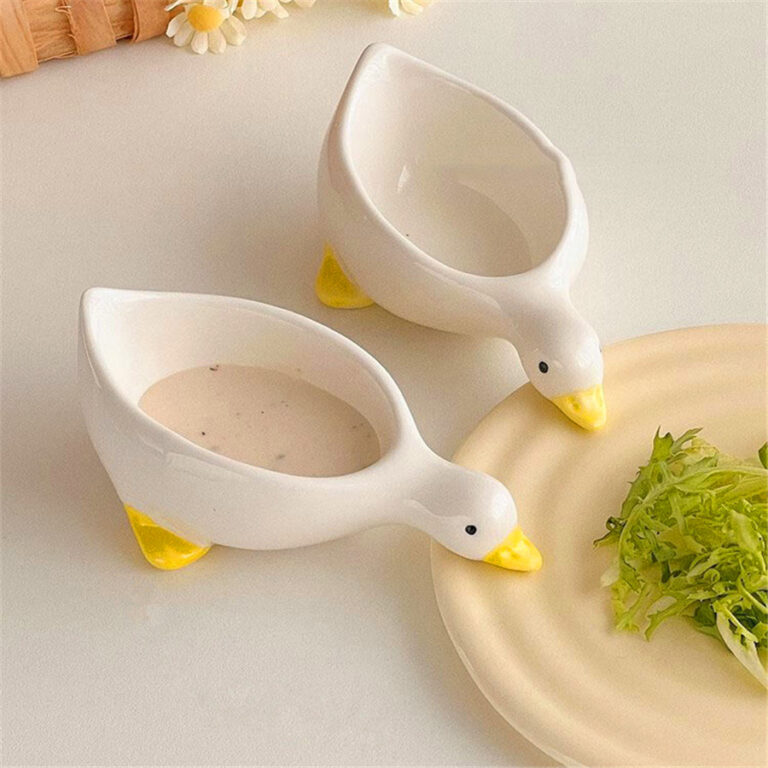 Aisha's pickCream Serving Dishes That Go With Most Rooms