You can tell from the doorway which desks have a monitor arm and which ones have a monitor just sitting on a stack of old textbooks. One looks like someone thought about where their neck would be in five years. The other looks like a temporary fix that's been temporary for two years running, screen tilted back, cables dragging across the keyboard, the whole setup inching closer to the edge of the desk every week.
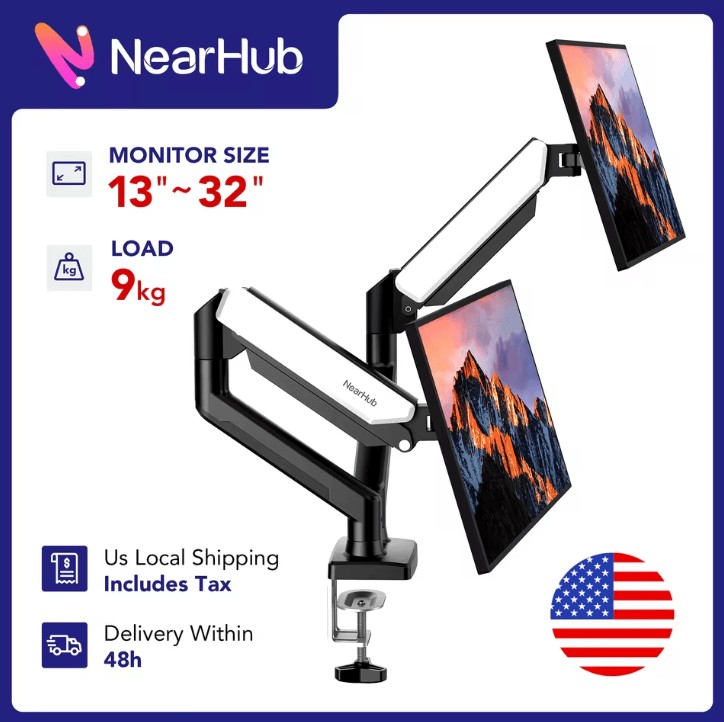
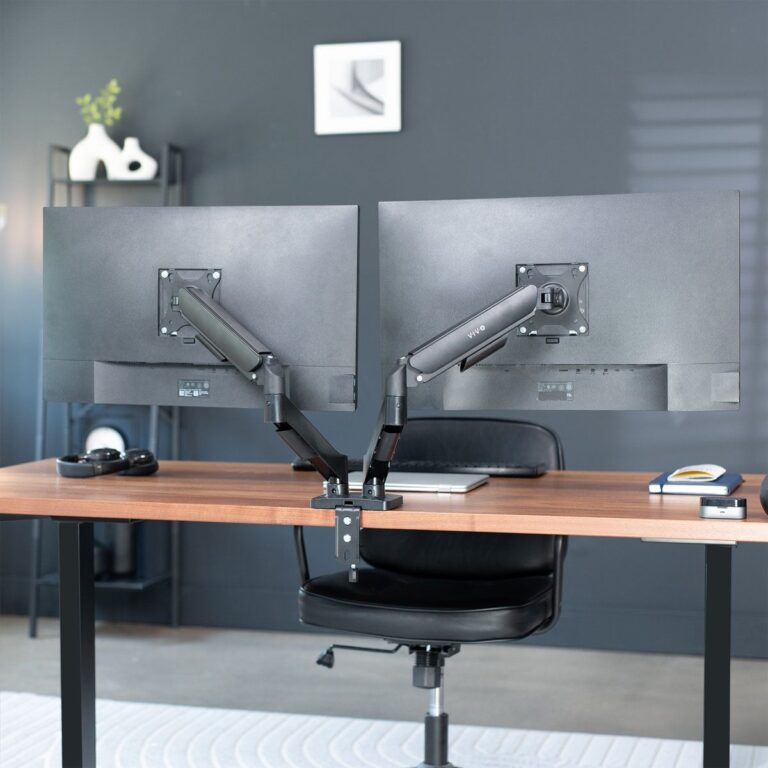
If you're starting from nothing, go with a single clamp mounted arm for one monitor before you even think about a dual arm or a screen with a built in stand. A basic single arm will hold most monitors up to around 27 inches, clears your desk space by lifting the screen entirely off the surface, and gives you the up, down, forward, back and tilt adjustment that a fixed stand never will. You want the screen's top edge roughly at eye level, which for most people sitting in a normal desk chair means the arm sits around 12 to 16 inches above the desk once it's adjusted. Get that right and you stop angling your whole neck down to read email.
Where this goes wrong is desks that are too thin or too flimsy for a clamp, anything under about three quarters of an inch thick, or glass desks without a reinforced edge. The clamp needs something to bite into, and a wobbly desk will transmit every bump of the arm straight into the screen. It also doesn't belong on a desk you share with a laptop stand and a second small screen crammed into six inches of space, because the arm's reach needs room to swing without colliding with whatever else is parked there.
The honest limit is that an arm does nothing for you if your real problem is desk depth, not height. If your desk is 20 inches deep, a monitor arm just moves the screen around in the same cramped footprint, it won't give you back room you don't have. And if you're using a laptop as your main screen rather than a second monitor, most arms aren't built to hold it well unless you buy a specific laptop tray attachment, which is its own extra cost and another thing to adjust.
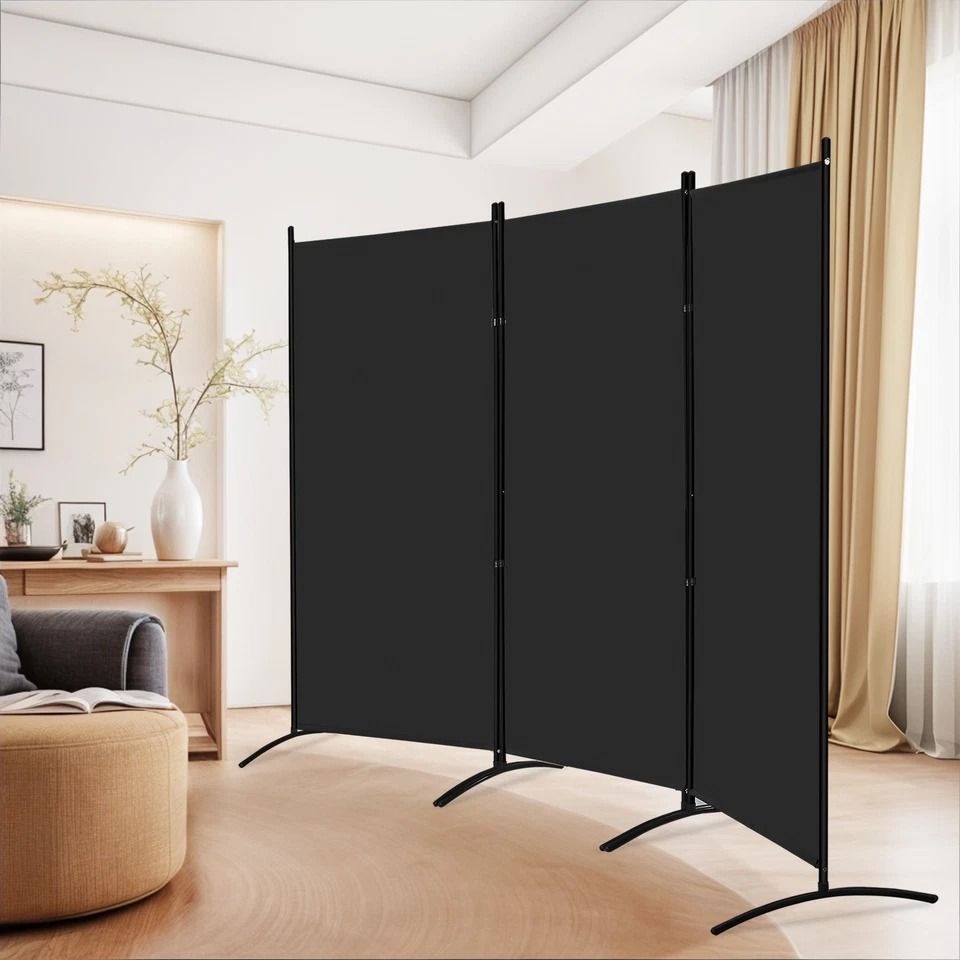
For finish, matte black or white arms disappear against most desks faster than silver does, and they hide fingerprints and dust better too. A white screen panel reads calmer in a small room than a dark one, since it reflects less and doesn't loom the way a big black rectangle can in a tight space.

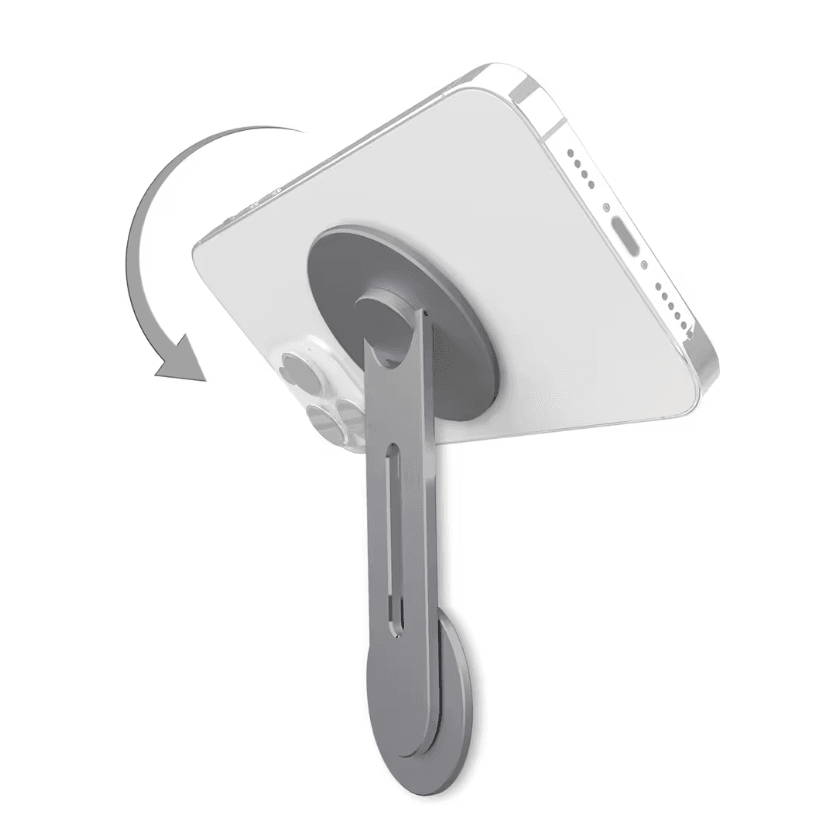 Aisha's pickAdjustable Monitor Arms That Look Good Up Close
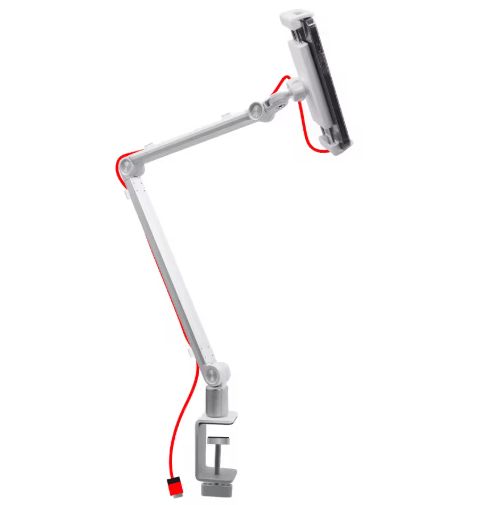
 Aisha's pickFire Screens You’ll Still Like in Five Years
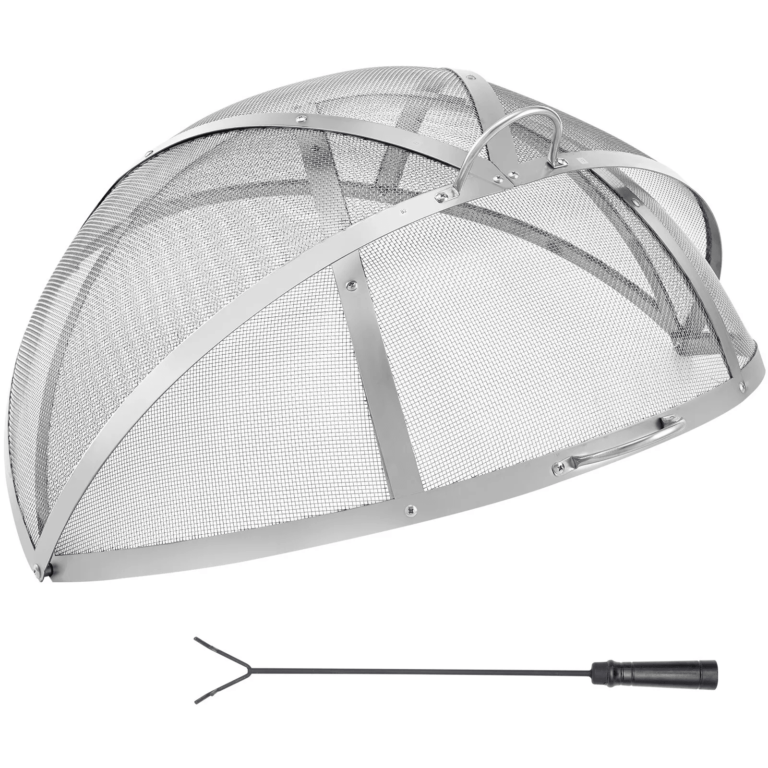
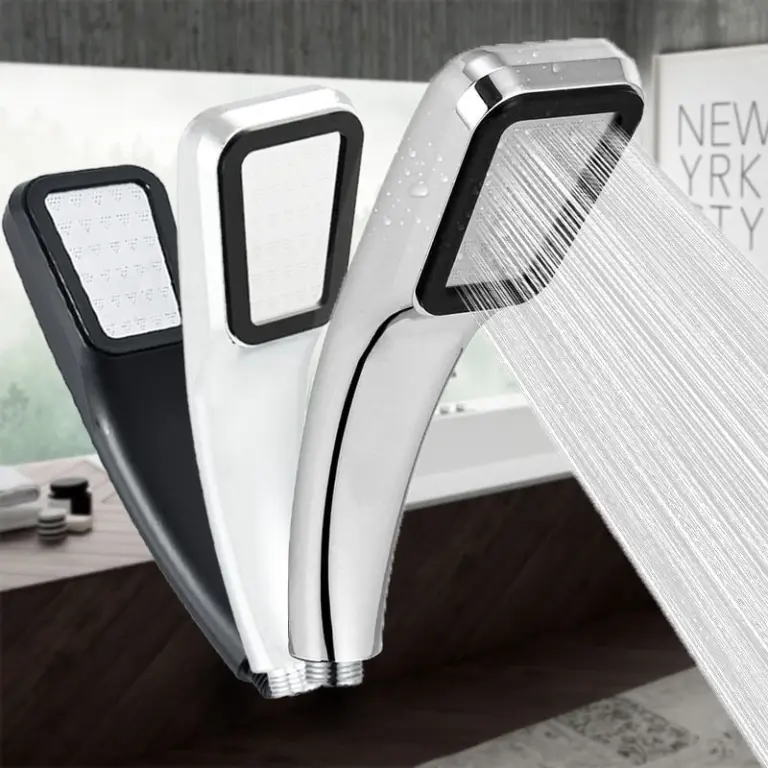 Aisha's pickShower Arms We Keep Coming Back To
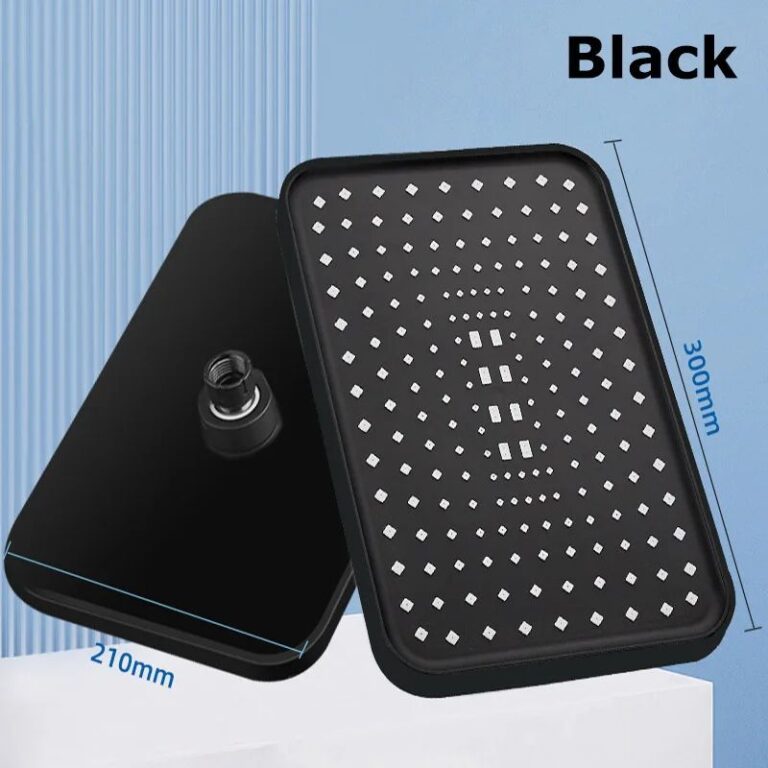
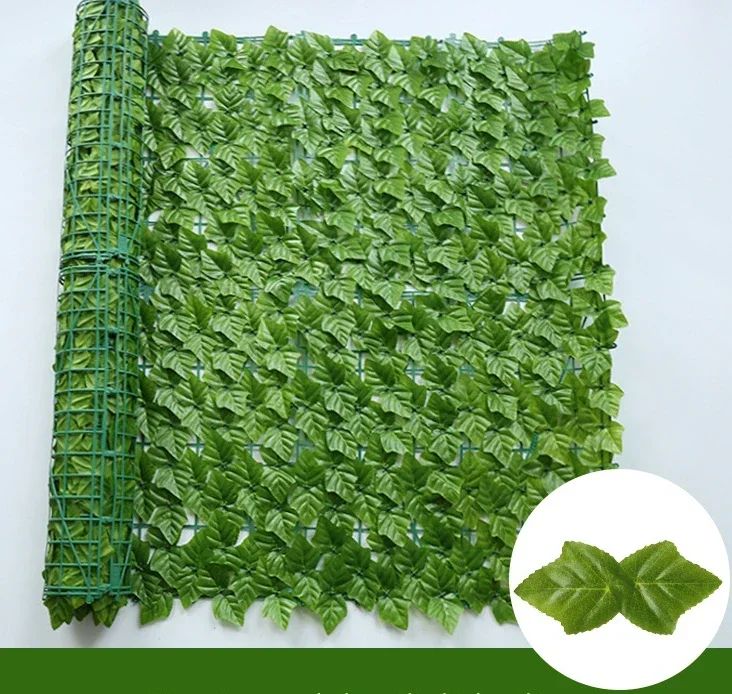
 Aisha's pickBalcony Privacy Screens That Shrug Off the Rain
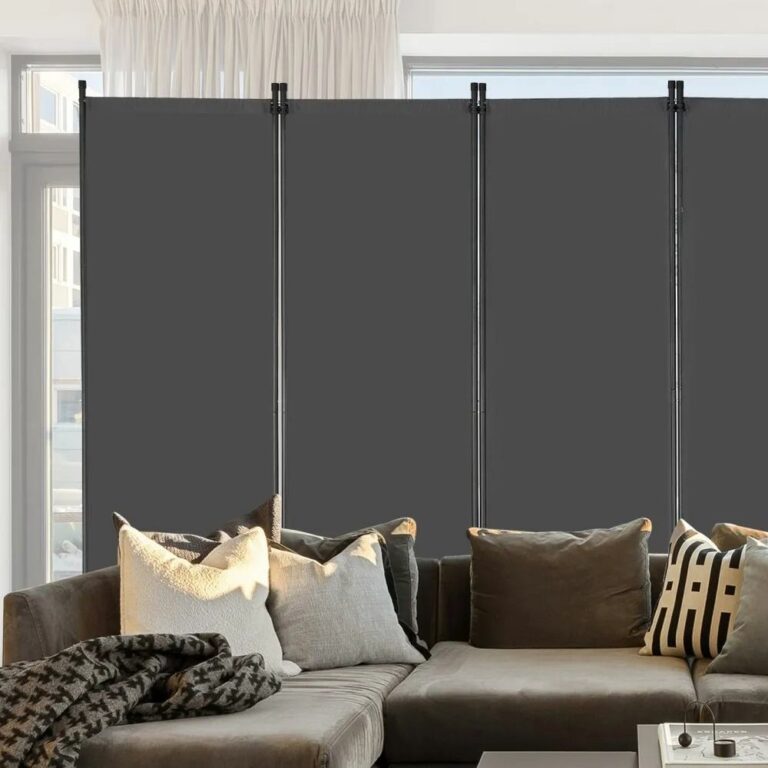 Aisha's pickFreestanding Privacy Screens With Some Character

 Aisha's pickShower Screens That Are Easy to Keep Clean

 Aisha's pickBalcony Privacy Screens for Patio That Make a Small Yard Work Harder

 Aisha's pickOutdoor Screens That Visitors Always Ask About

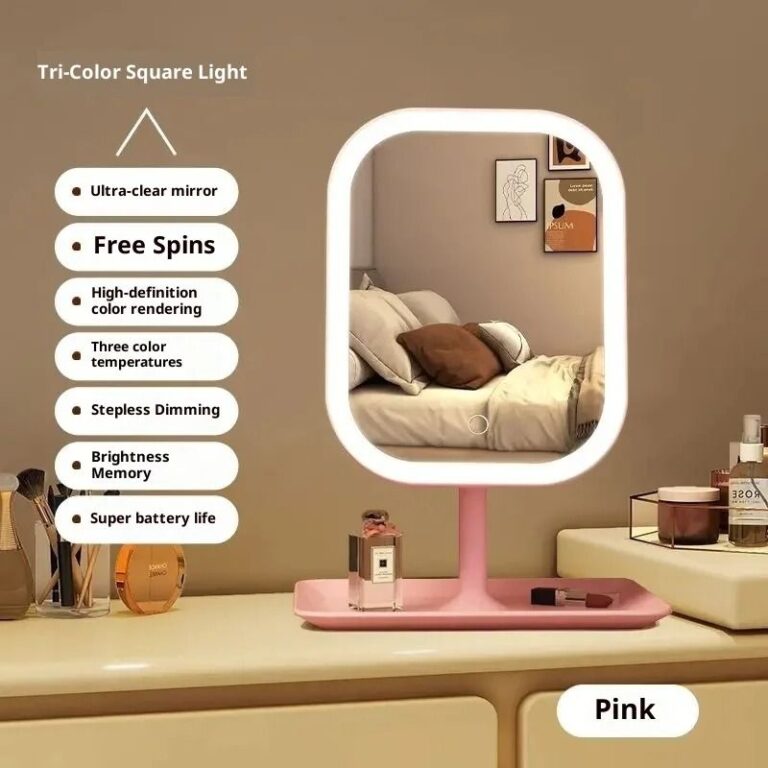 Aisha's pickSilver Desk Screens That Don’t Look Mass ProducedAlso worth a lookHome OfficeA home office only works if it fits the body using it, not the corner it got shoved into, and that's the opinion I'll die on.See the collections →
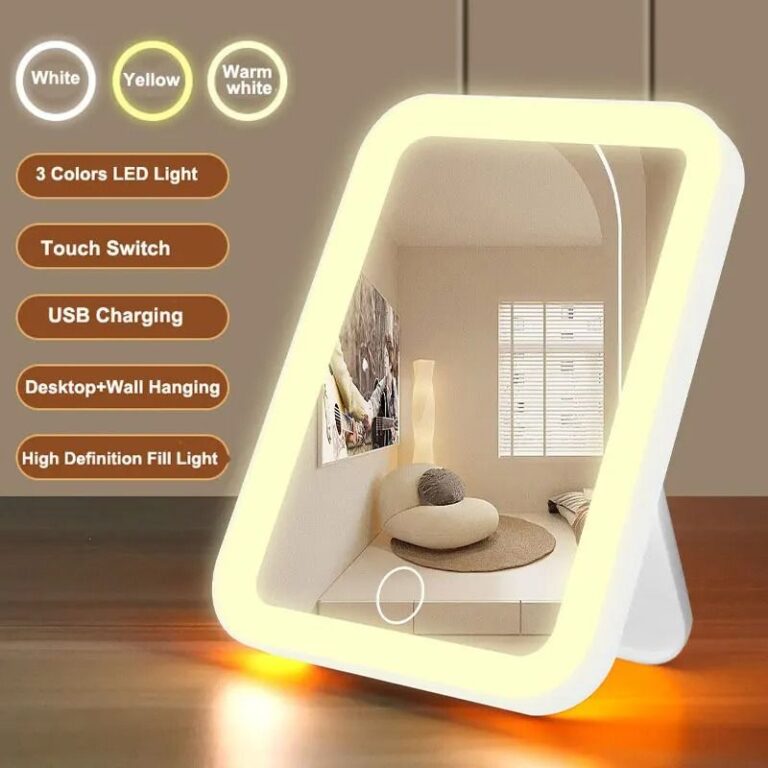
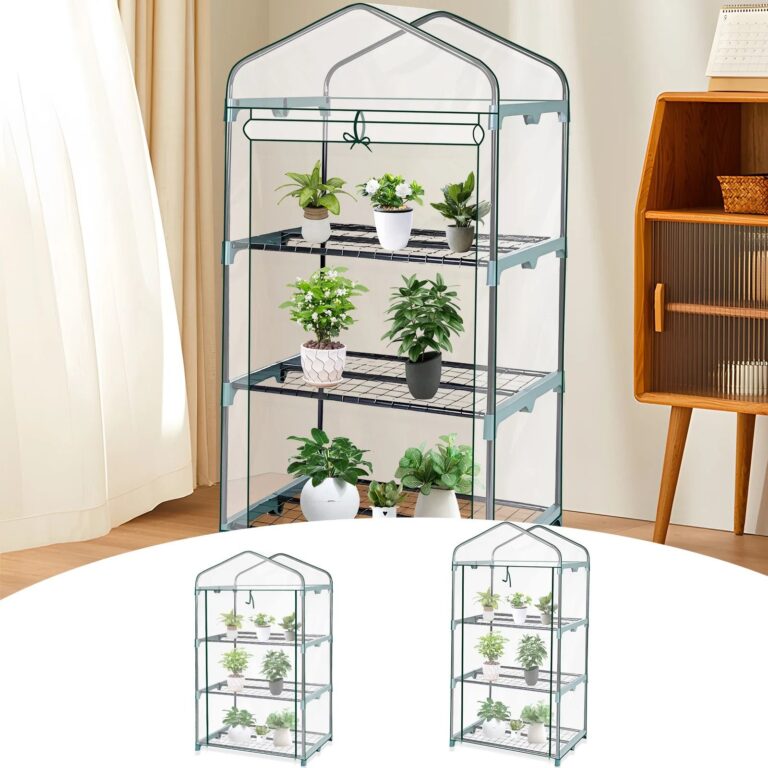 Aisha's pickGood Balcony Screens That Don’t Cost a Fortune

 Aisha's pickOutdoor Screens for Patio That Stand Up to the Weather
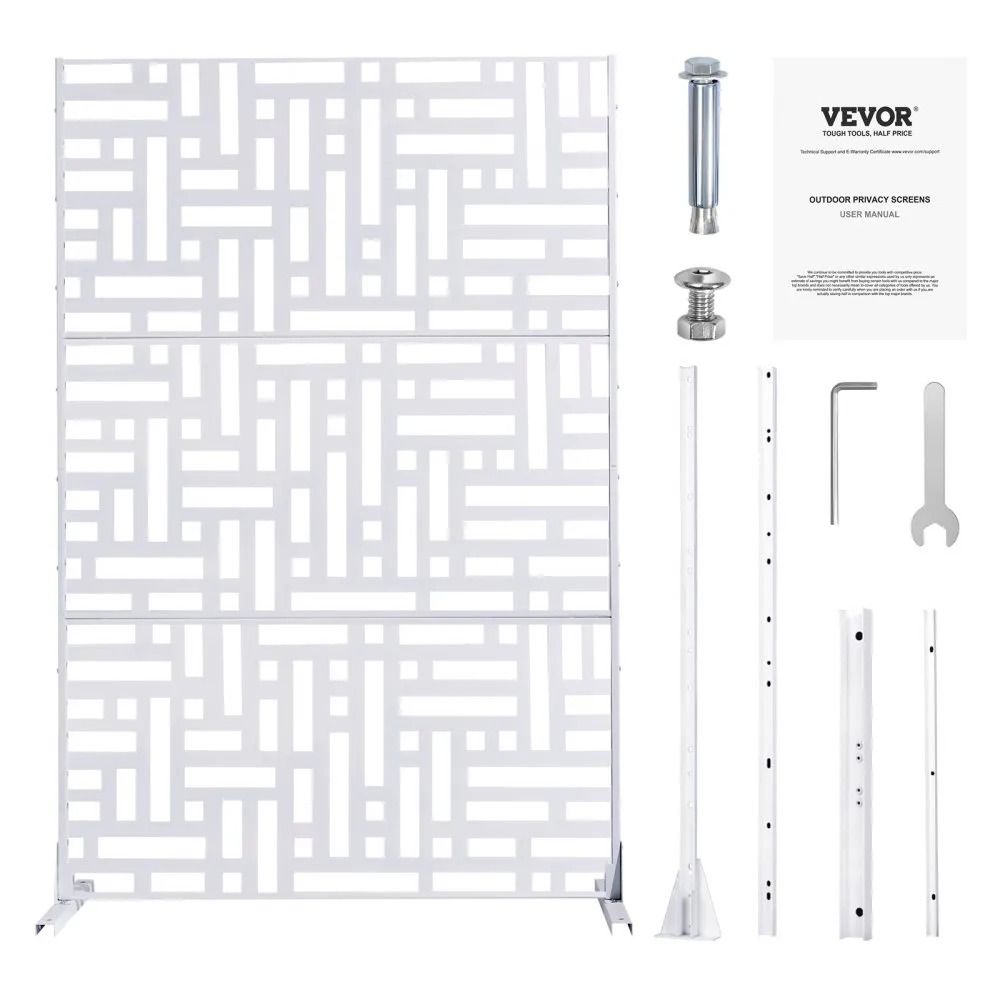
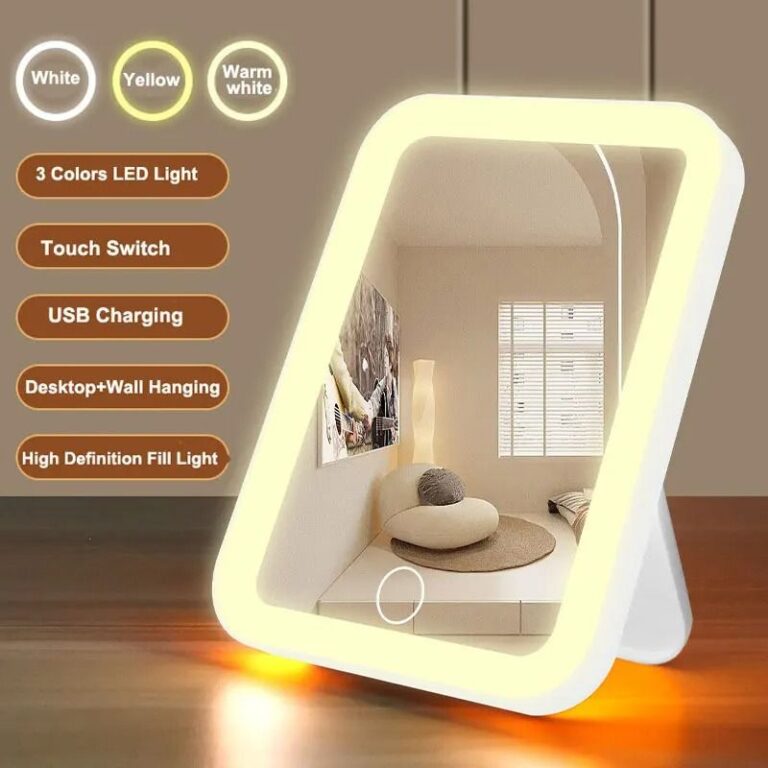 Aisha's pickWhite Desk Screens From Stores Big and Small
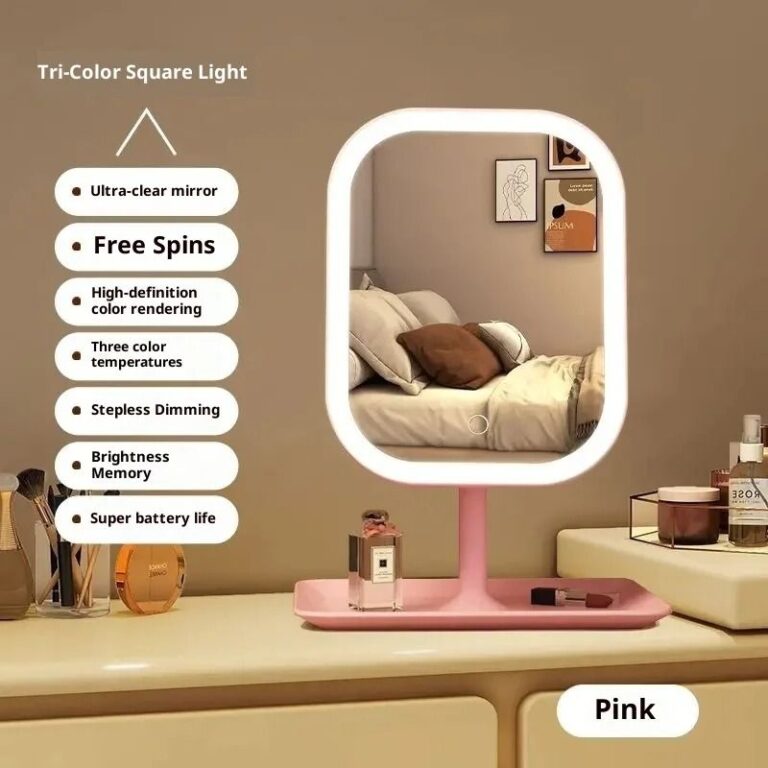
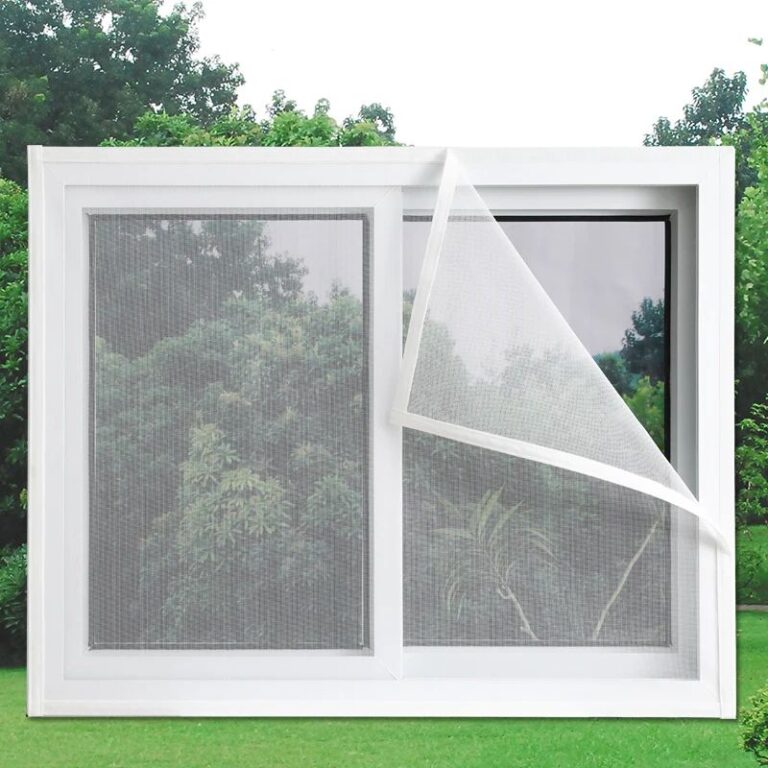 Aisha's pickBalcony Screens for Patio That Don’t Need Babying

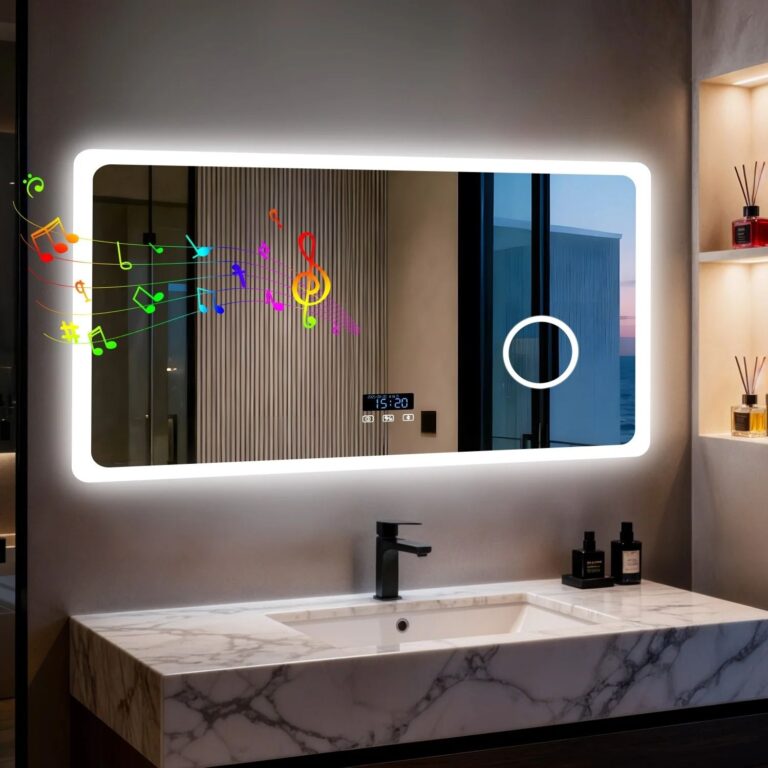 Aisha's pickGlass Shower Screens That Earn Their Keep
 Aisha's pickGood White Privacy Screens That Don’t Cost a Fortune

 Aisha's pickBlack Desk Screens Worth Knowing About
 Aisha's pickGreen Outdoor Screens Without the Silly Price Tag
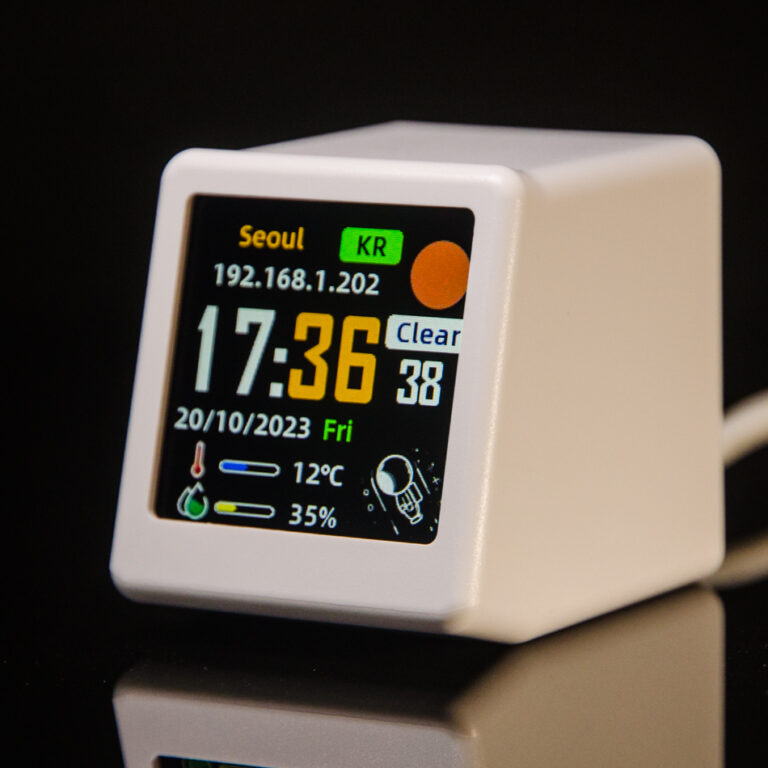 Aisha's pickWide Desk Screens That Don’t Shout About It
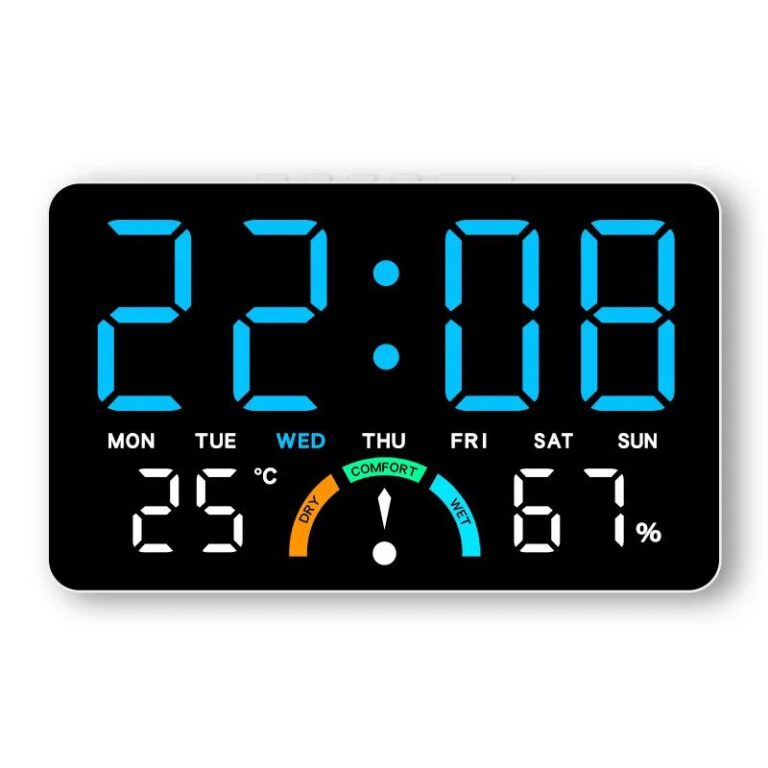
 Aisha's pickBlack Fire Screens Without the Silly Price Tag
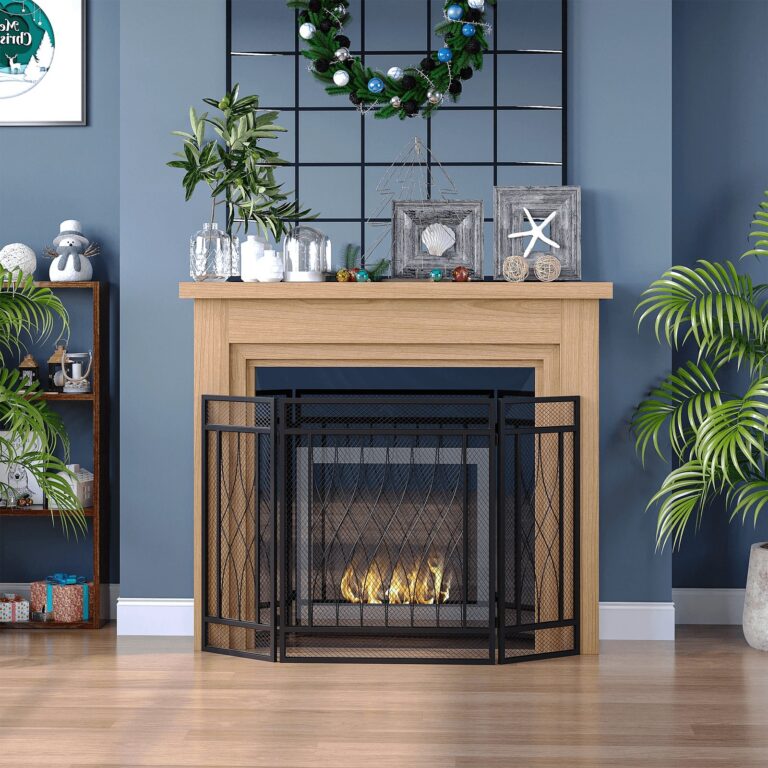
 Aisha's pickGreen Privacy Screens That Work in Old Houses and New Ones

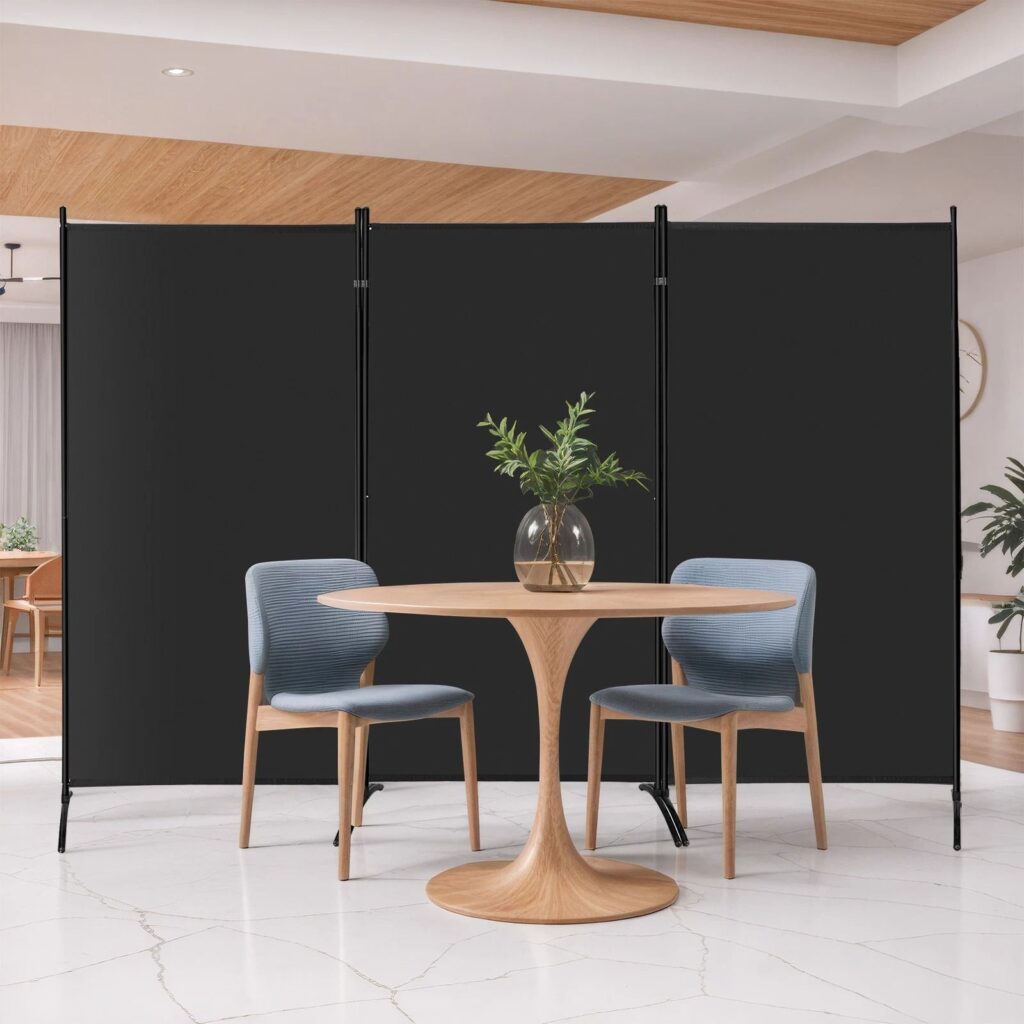 Aisha's pickBlack Privacy Screens for Making a House Feel Like Yours
 Aisha's pickGood Height Adjustable Desk Screens That Don’t Cost a Fortune
 Aisha's pickBlue Desk Screens Picked From the Stores We Trust
 Aisha's pickLarge Outdoor Screens for Long Summer Evenings Outside
 Aisha's pickDesk Screens for Working From Home Without the Backache

 Aisha's pickSimple Modern Privacy Screens Done Well

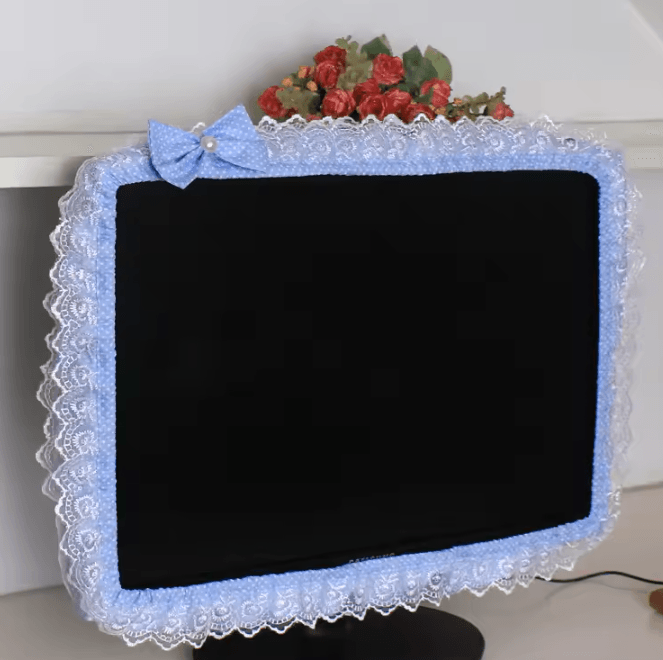 Aisha's pickDesk Screens with Storage Pulled From Dozens of Stores
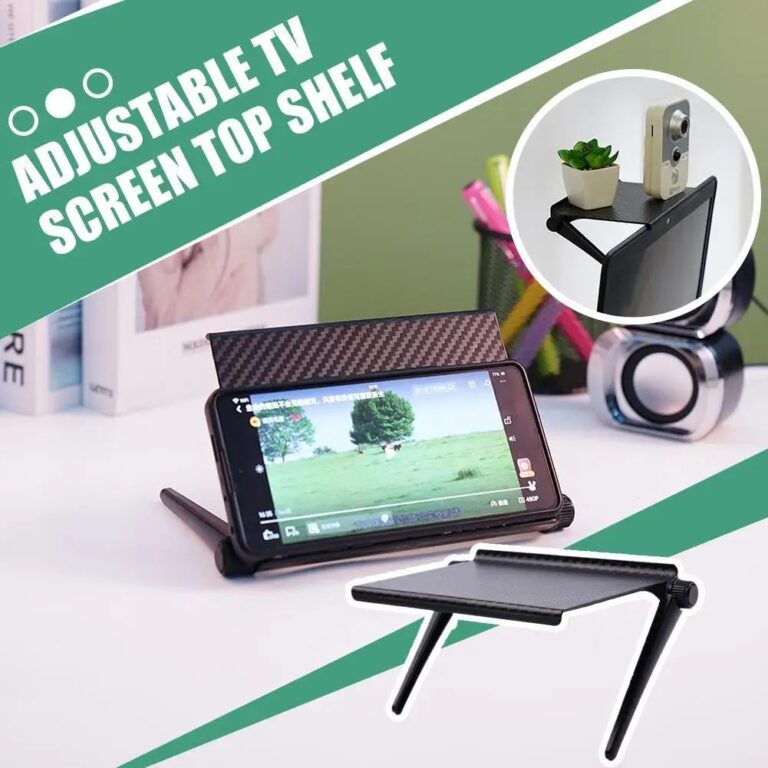
 Aisha's pickMonitor Arms Picked by People Who Care Too Much

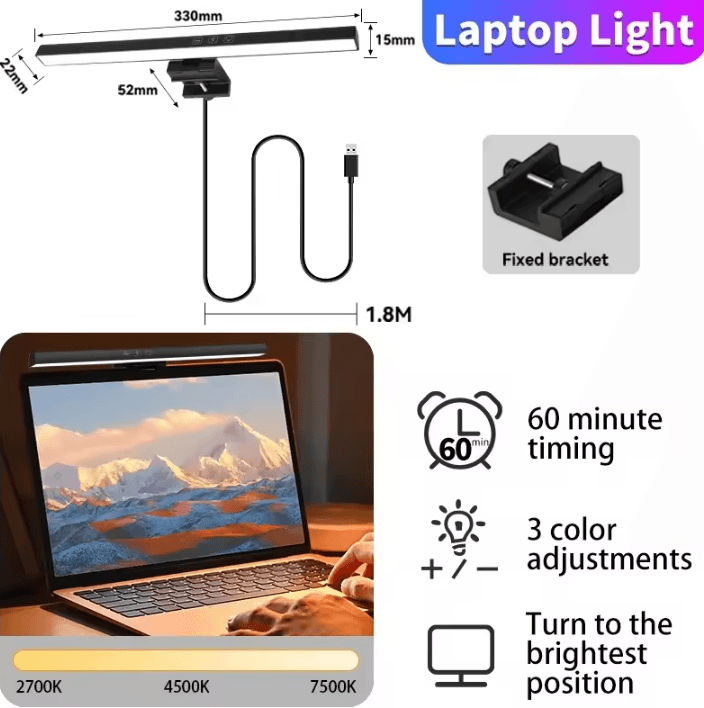 Aisha's pickNo Fuss Desktop Desk Screens
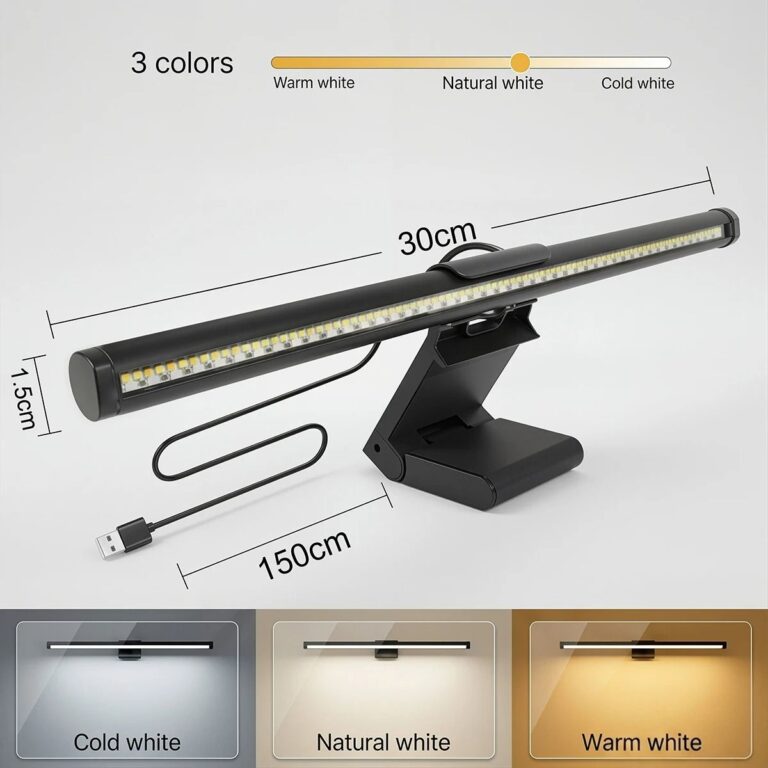
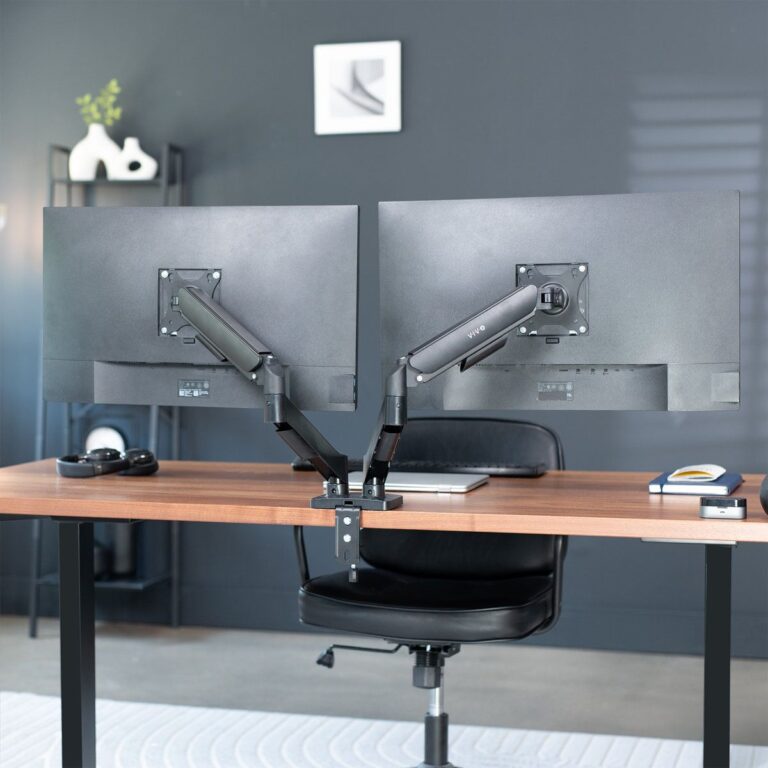 Aisha's pickMonitor Arms for Desk That Look Good Up Close
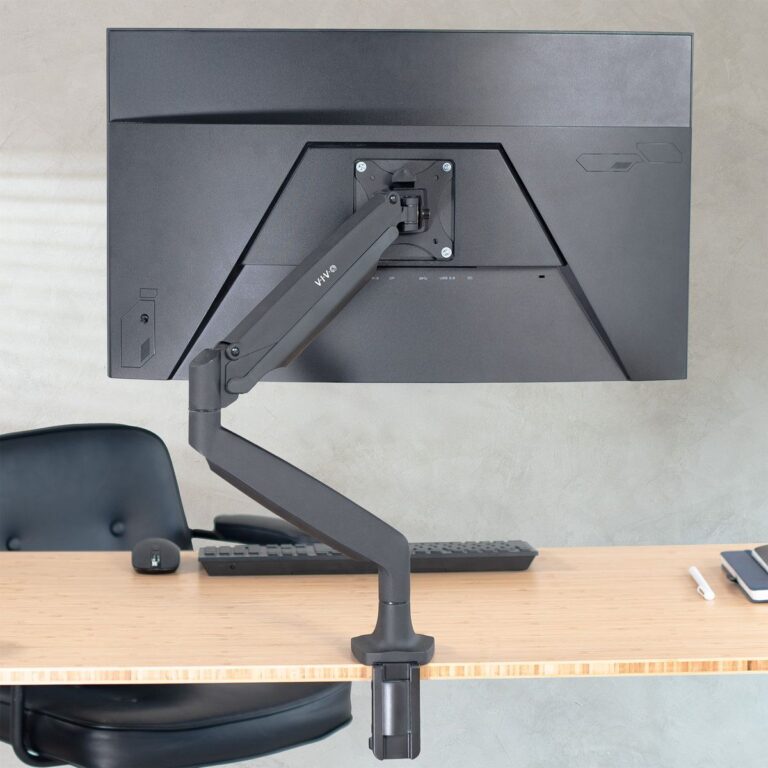
 Aisha's pickShopping for Dual Monitor Arms? Start Here
 Aisha's pickNatural Privacy Screens for Working From Home Without the Backache

 Aisha's pick3m Privacy Screens We Work Beside Every Day
 Aisha's pickDual Monitor Arms for Desk That Look Better in Real Life