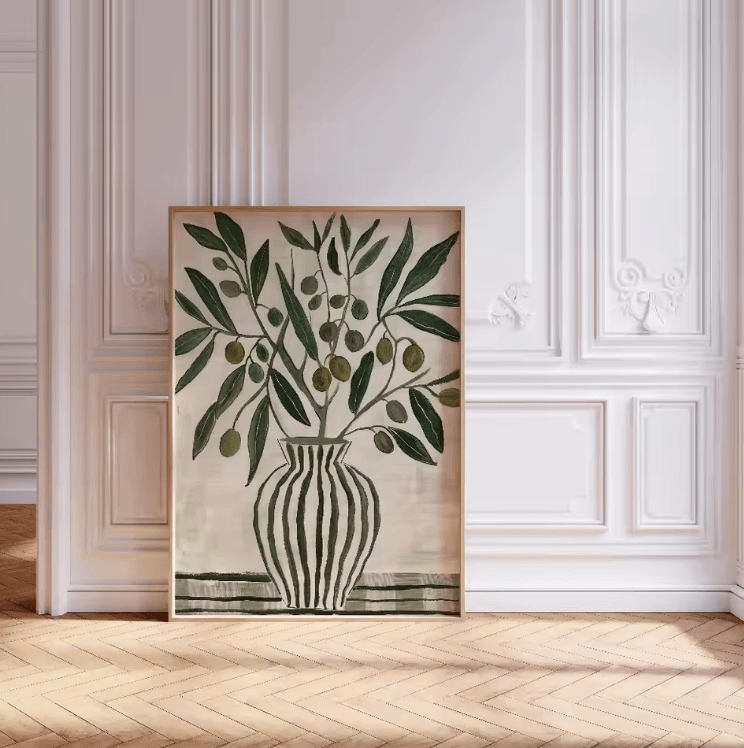
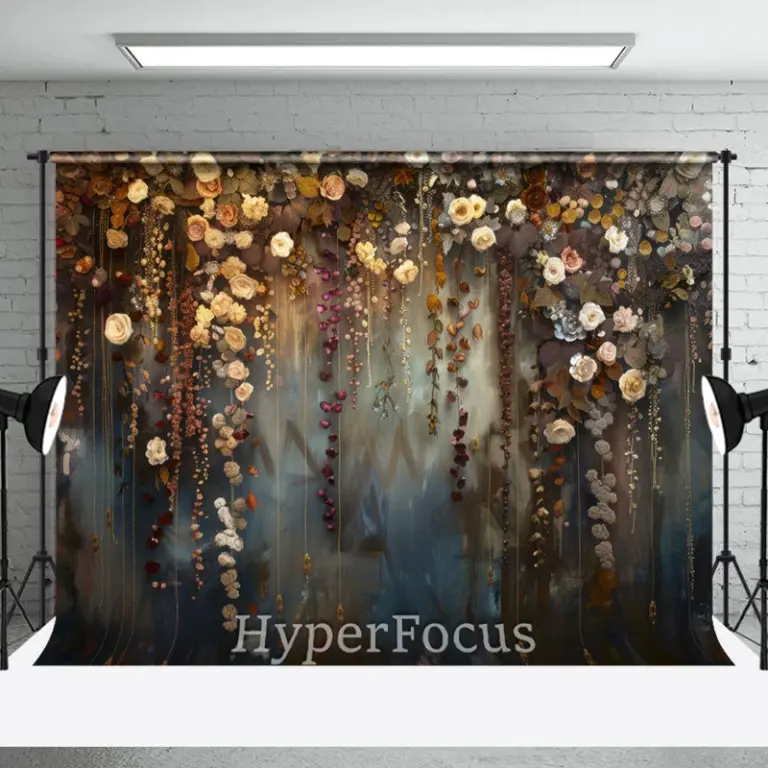
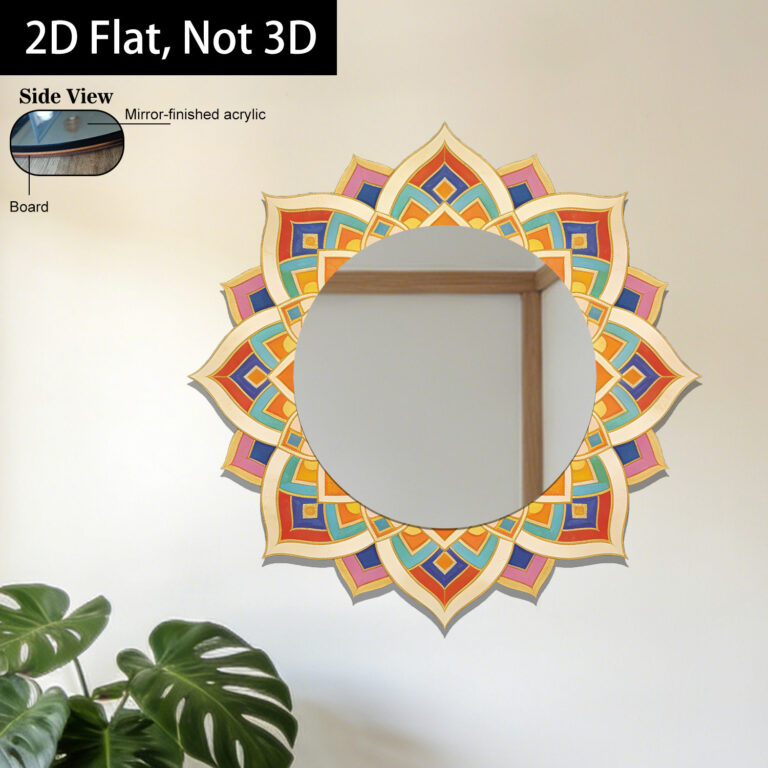
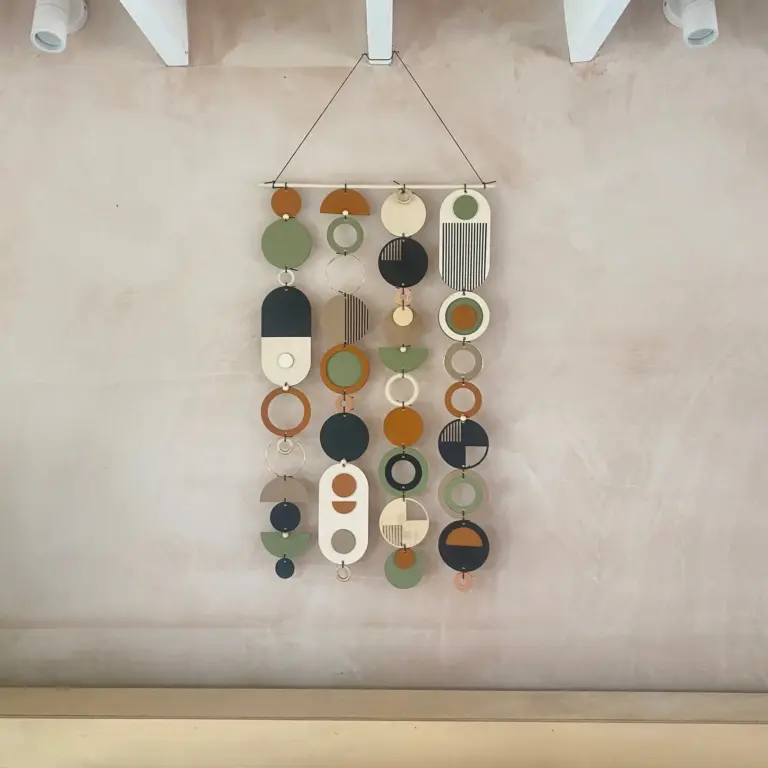
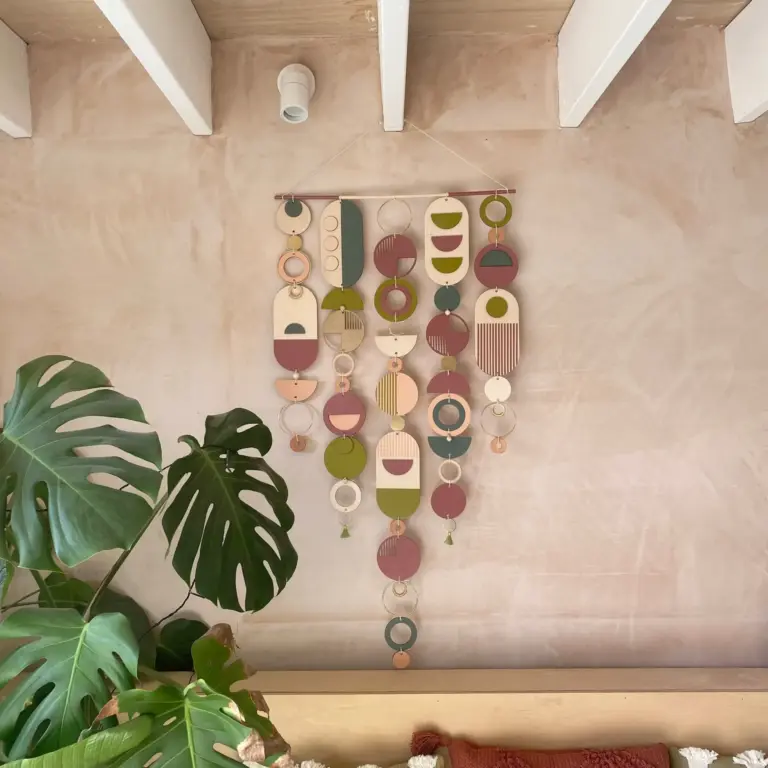
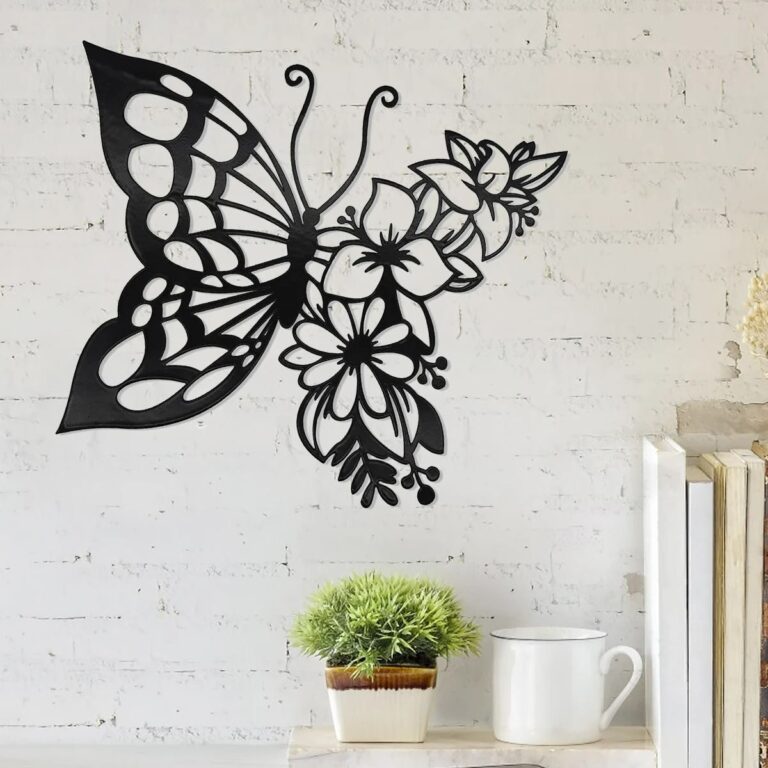
Printed wall art works best in a room that still feels unfinished, a rental you're not ready to commit to with real frames and real holes, or a first place where the walls are bare and a little too white. It's also the right call if you move every couple of years, since you're not precious about rehanging something that cost you fifty dollars instead of a piece you drove three hours to buy from an artist at a fair. Think twice if you already own one or two things you genuinely love, a photo, a real painting, something with a story. Printed pieces tend to look thin next to those, like the difference between a photocopy and the original sitting right beside it.
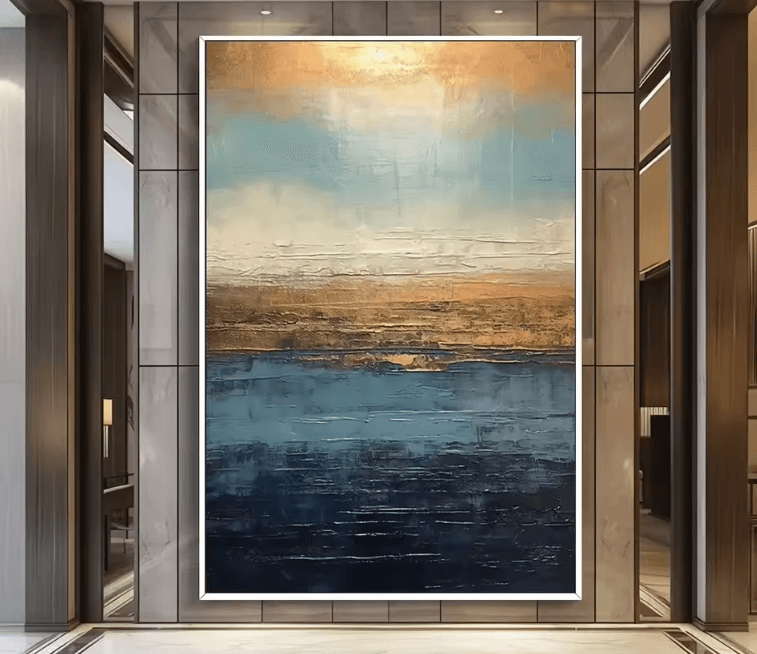
If you've got nothing on the walls at all, start with one large print rather than three small ones. A single piece at a size that feels almost too big for the wall reads as a decision. Three small ones scattered around reads as indecision, and I've done both, so I know which one gets compliments and which one gets rearranged four times before anyone gives up. Go simple with the image too, a landscape, an abstract shape, a single color field, something that doesn't ask the room to agree with it on much. Busy prints with a lot going on in the frame are harder to live with long term, you notice the clash a year in, not on day one.
Where it struggles is against anything else with a strong pattern nearby, a bold rug, patterned curtains, wallpaper with its own personality. Two loud things in one room start fighting for attention and neither wins. It also looks cheap next to anything that's clearly handmade or one of a kind, the comparison does it no favors. Where it sits well is in a plain room doing ordinary things, a hallway with painted walls, a bedroom with a neutral comforter, a living room where the furniture is doing the talking and the art is just there to fill a wall that would otherwise feel bare. Over a plain console table, above a headboard, in a stairwell, it earns its spot without demanding one.
As for wear, the print itself rarely fades badly if it's out of direct sun, but the frame and the mounting are where cheap ones fall apart first, corners that warp, a backing that bows after a humid summer. A good one stays flat and the color stays even after a year of just hanging there, which is honestly all you're asking of it.
The detail that makes a good one worth having is a frame edge thick enough that you don't see the white border underneath when you look at it from across the room.
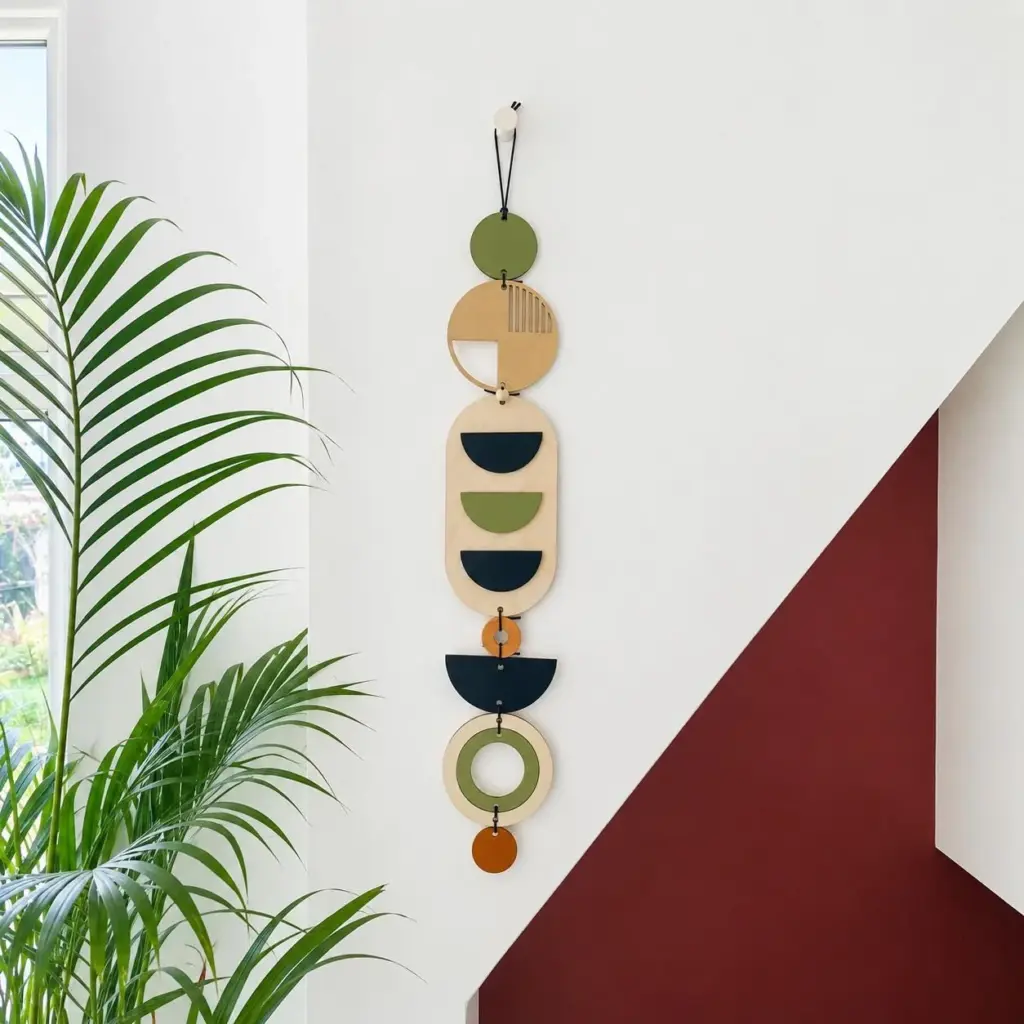
 Aisha's pickGeometric Wood Wall Art From Stores Big and Small
 Aisha's pickSimple Abstract Canvas Wall Art Done Well

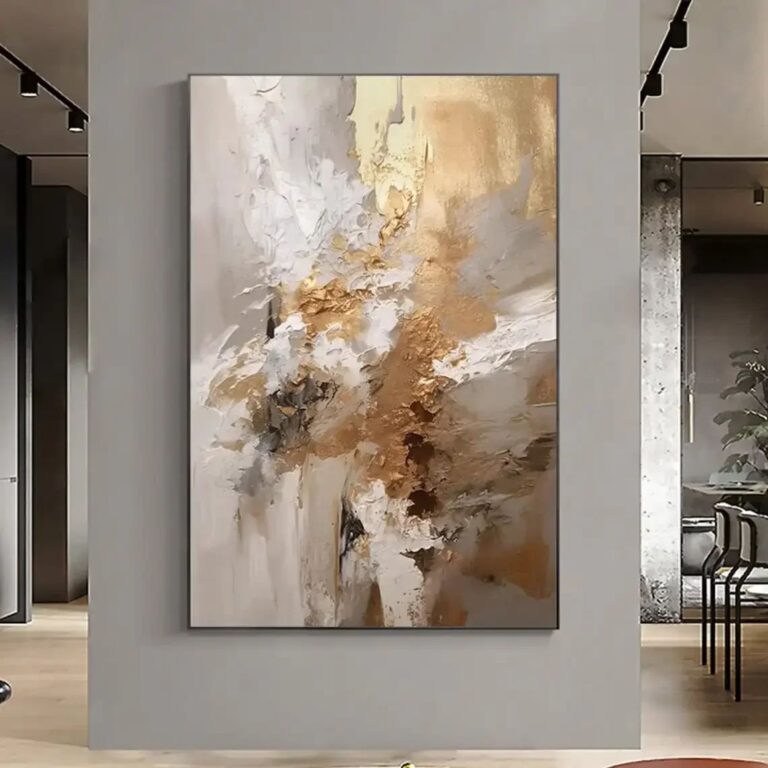 Aisha's pickOur Shortlist of Gold Abstract Wall Art
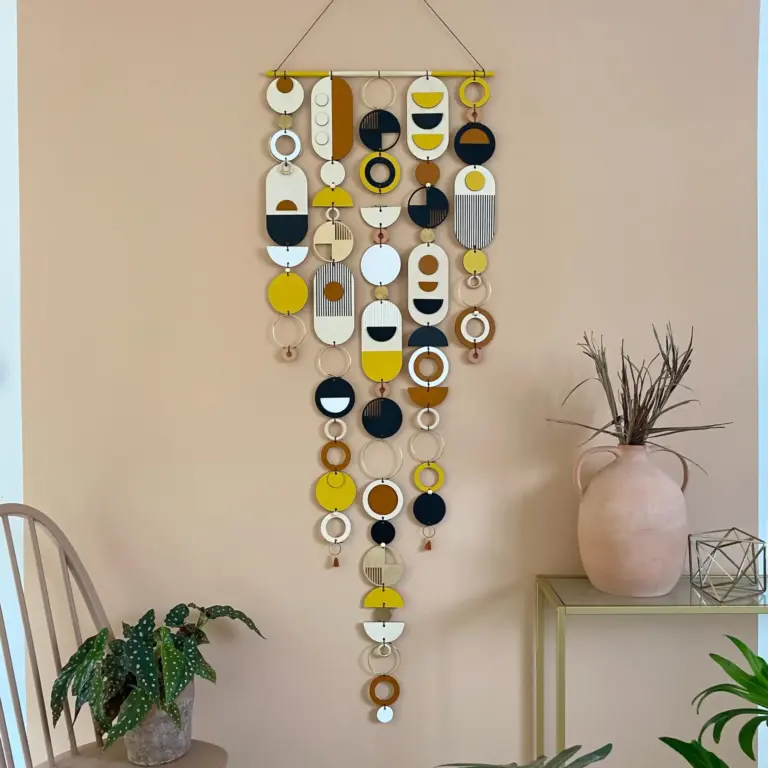
 Aisha's pickNo Fuss Abstract Textured Wall Art
 Aisha's pickGold Floral Wall Art Worth Your Money
 Aisha's pickAbstract Wall Art Picked From the Stores We Trust
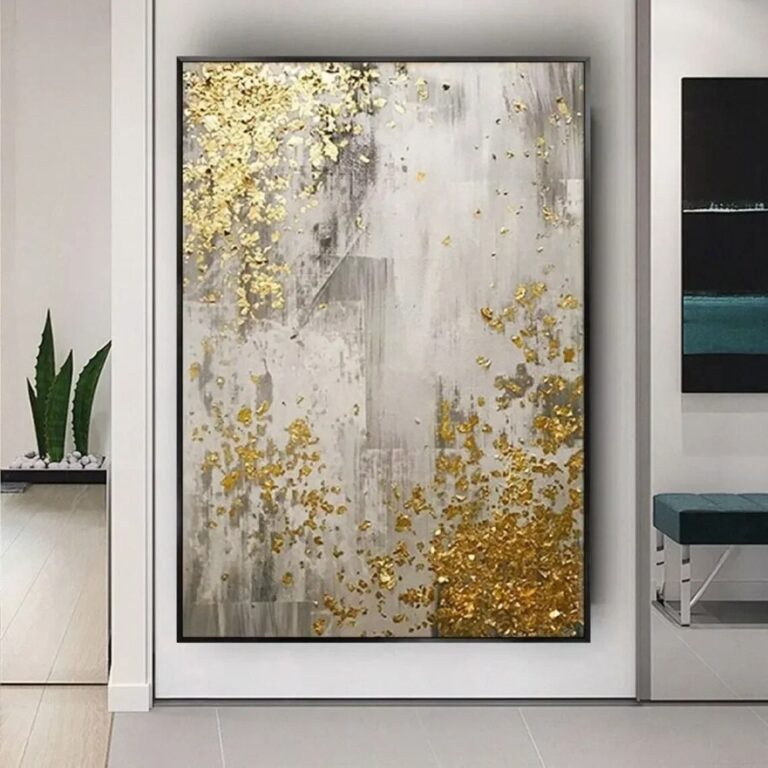
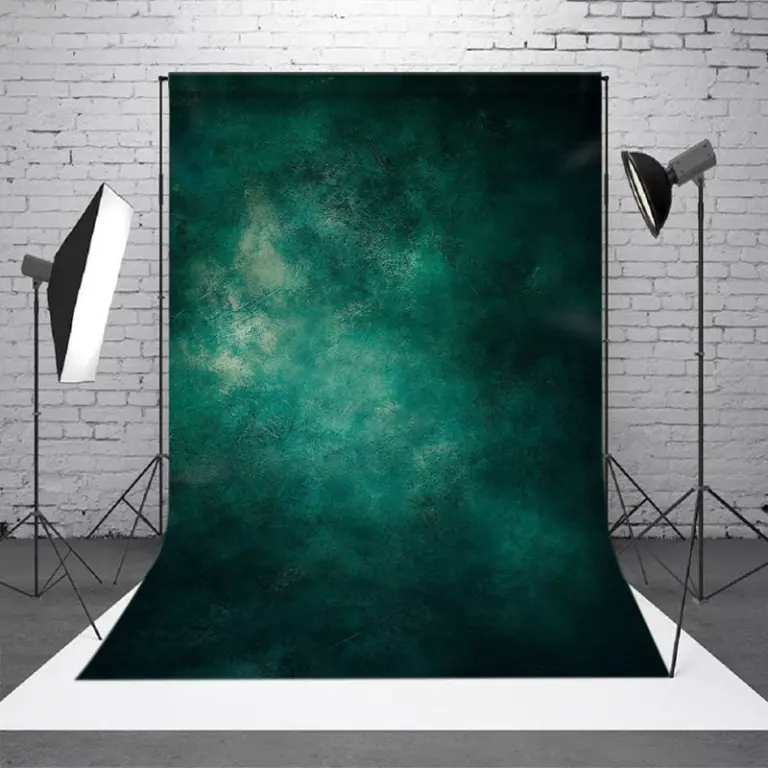 Aisha's pickGreen Abstract Wall Art That Looks the Part

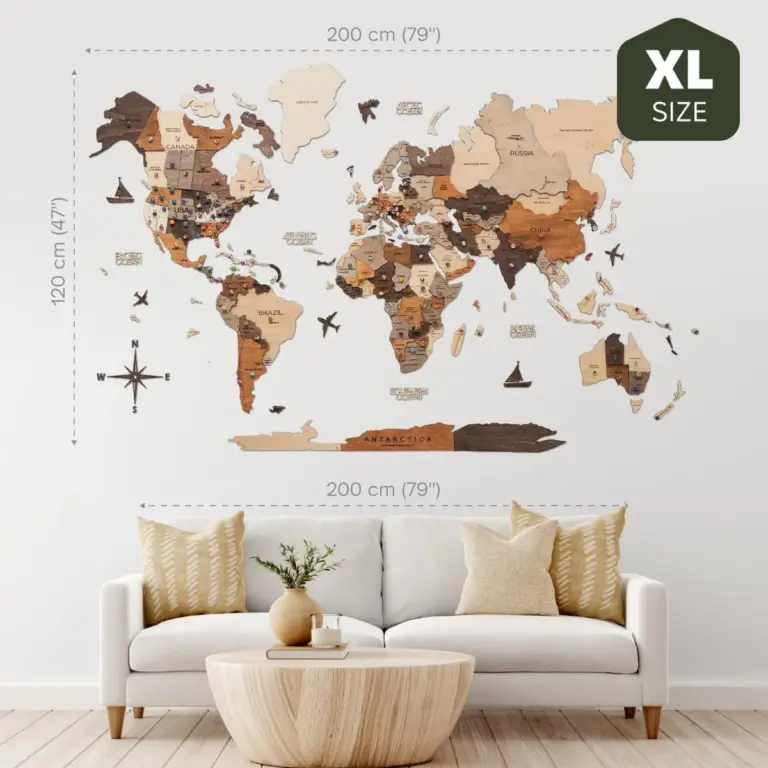 Aisha's pickAbstract Wood Wall Art That Does What It Should
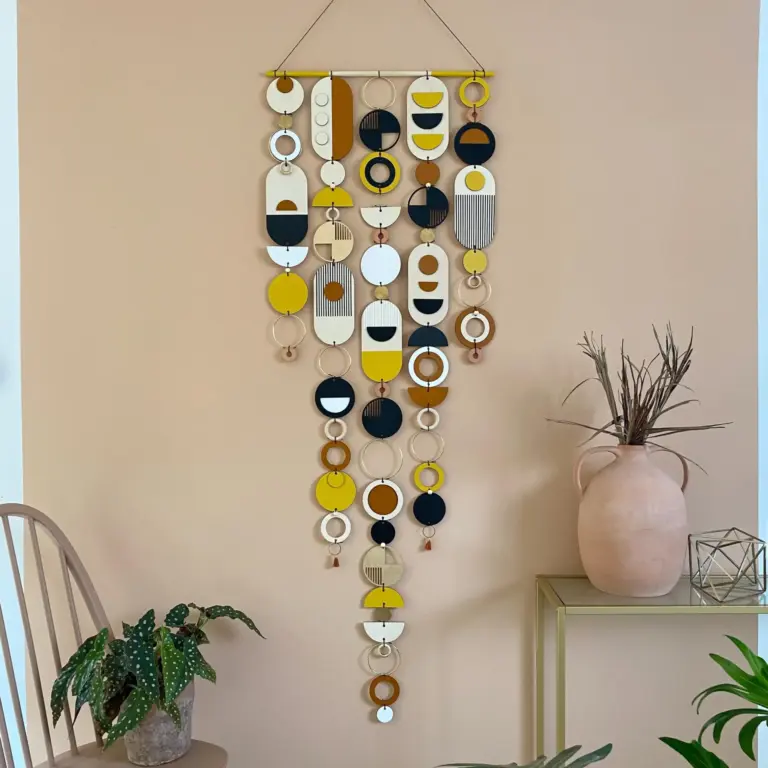
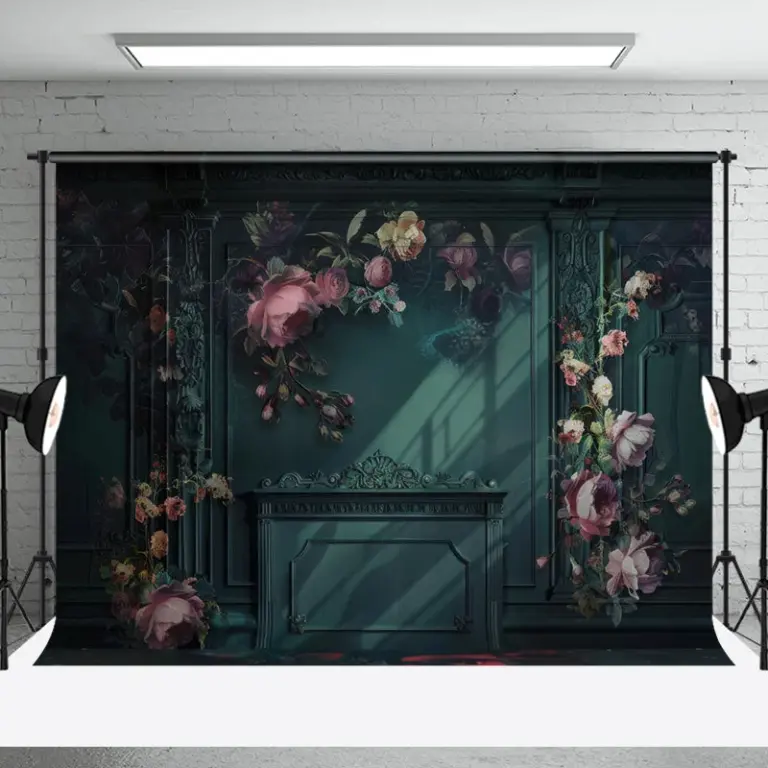 Aisha's pickGreen Floral Wall Art That Doesn’t Cost a FortuneAlso worth a lookPrinted ArtA print is the cheapest way to make a room feel like it belongs to you, and most…See the collections →
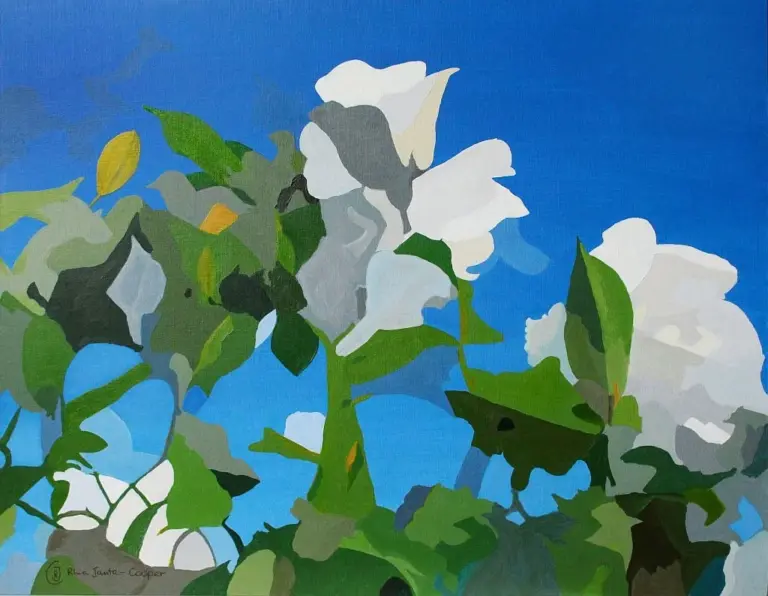
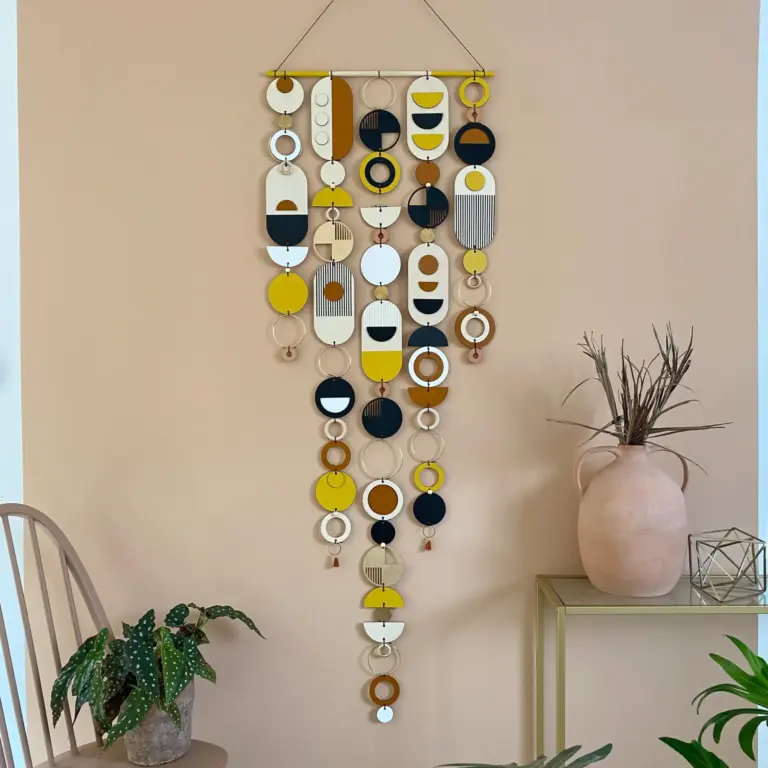 Aisha's pickThe Black Abstract Wall Art Worth Your Cash
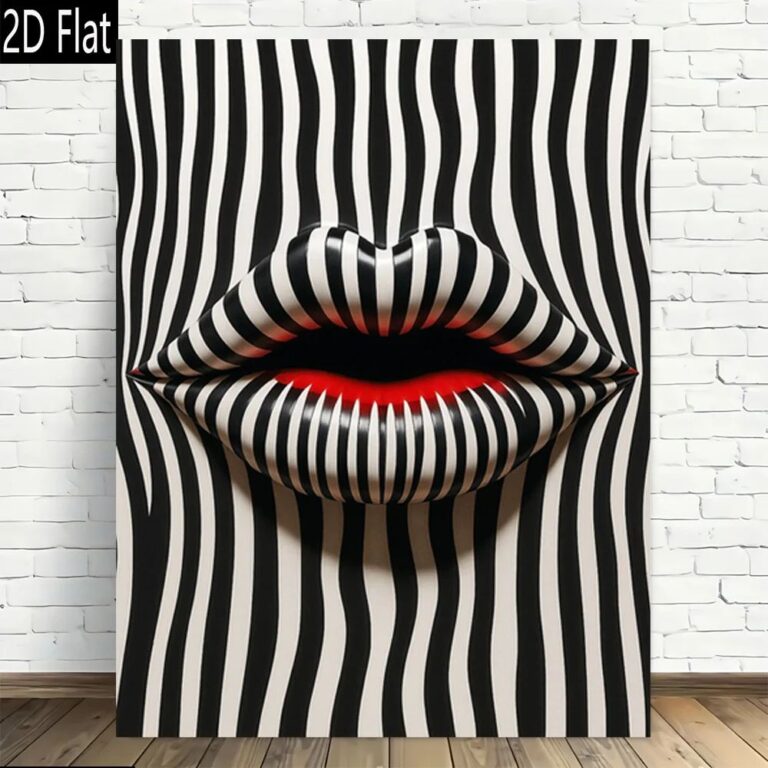
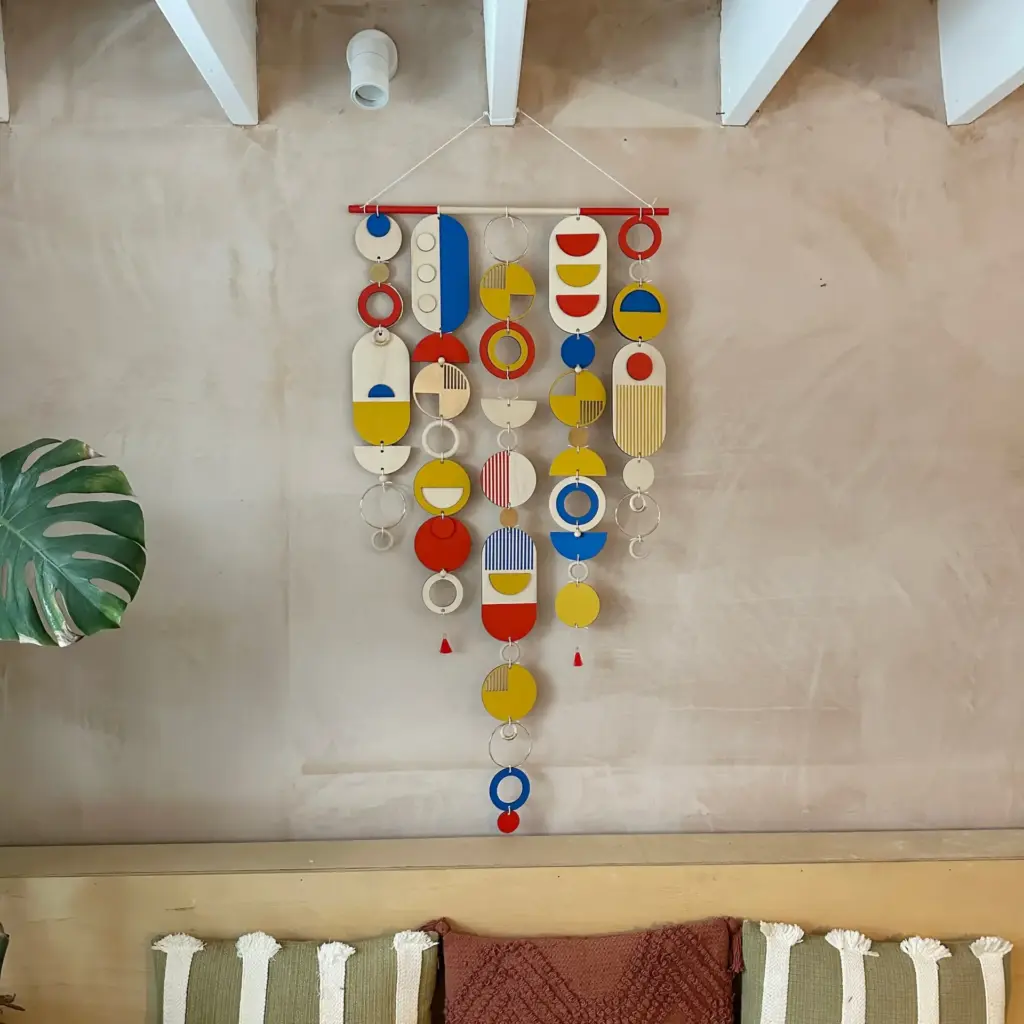 Aisha's pickLarge Geometric Wall Art We Keep Buying
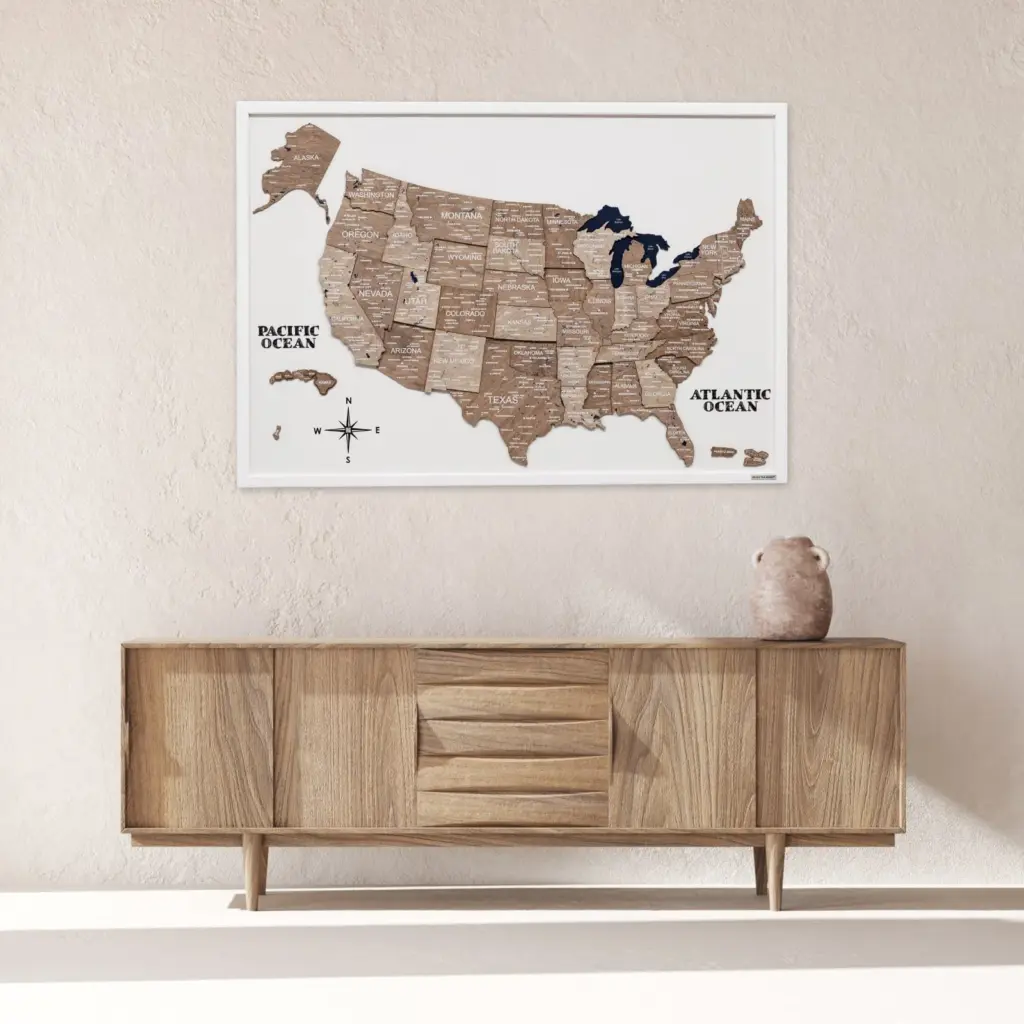
 Aisha's pickBlack Floral Wall Art That Does What It Should
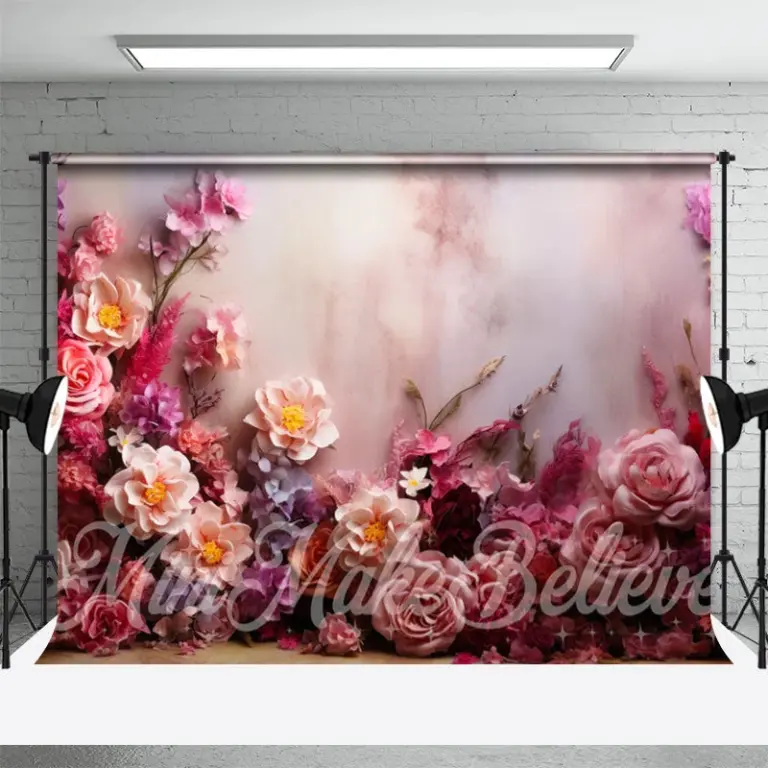
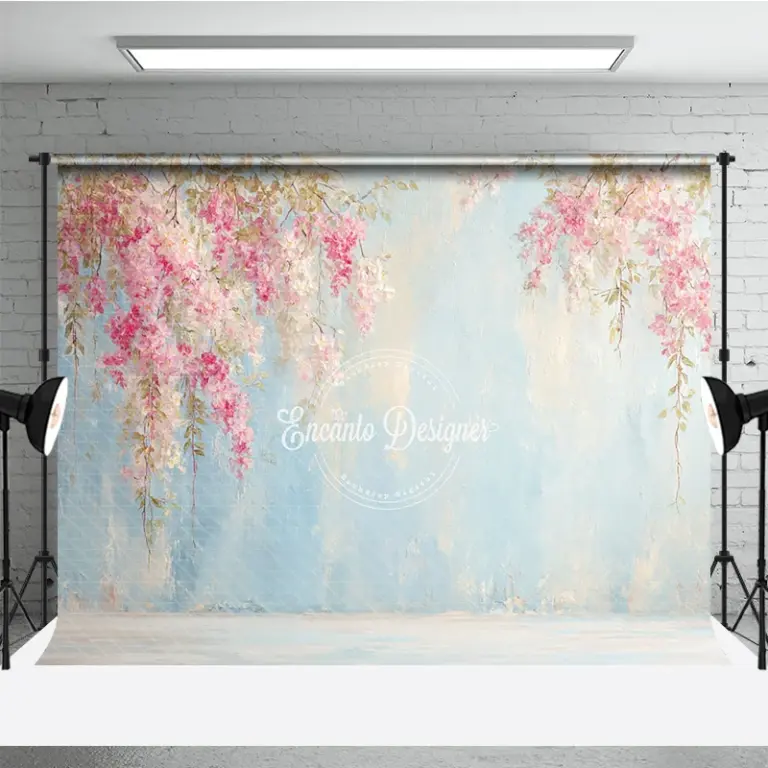
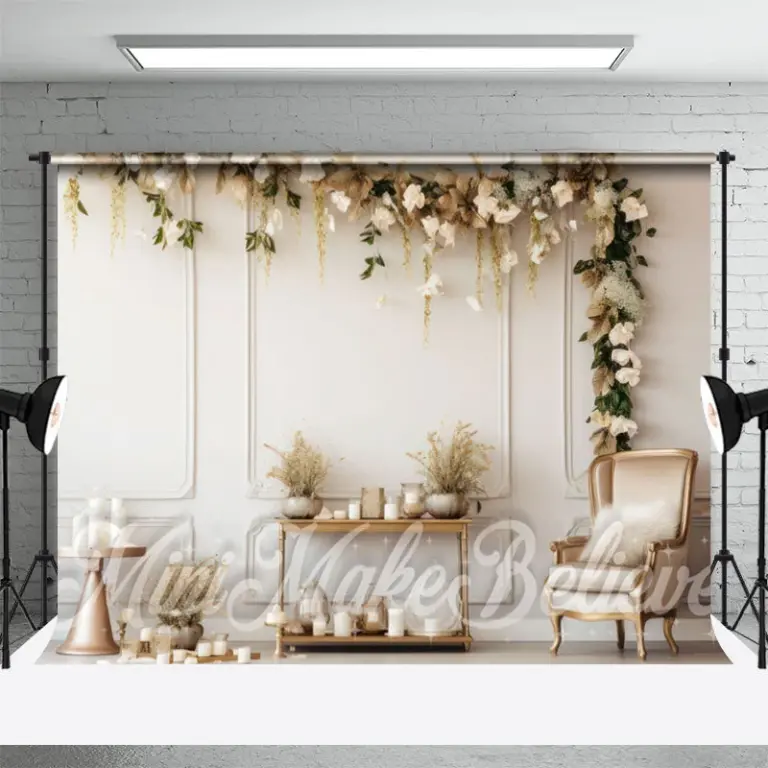 Aisha's pickGood Pink Floral Wall Art Without the Big Price Tag
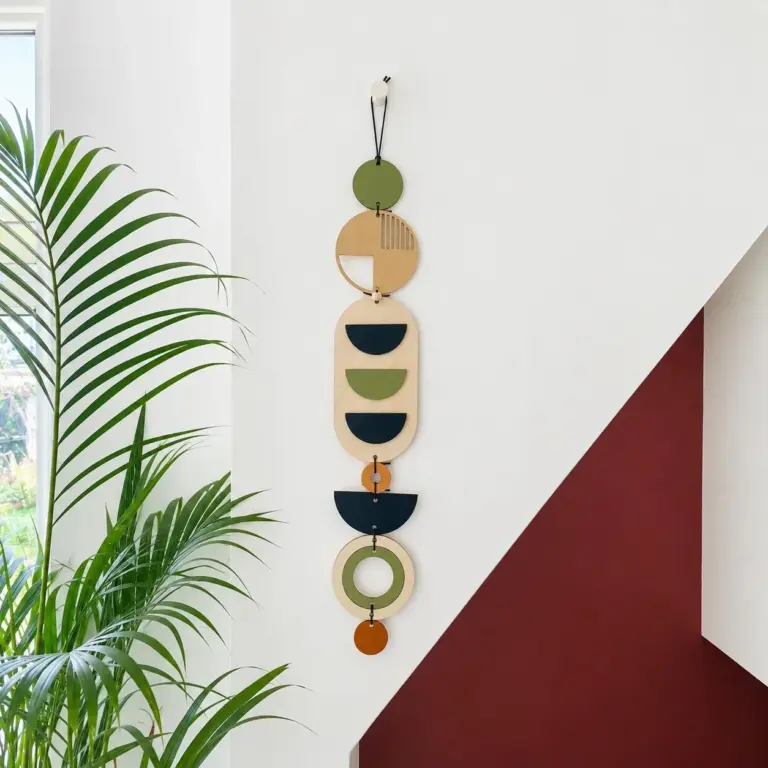 Aisha's pickBlack Geometric Wall Art That Looks the Part
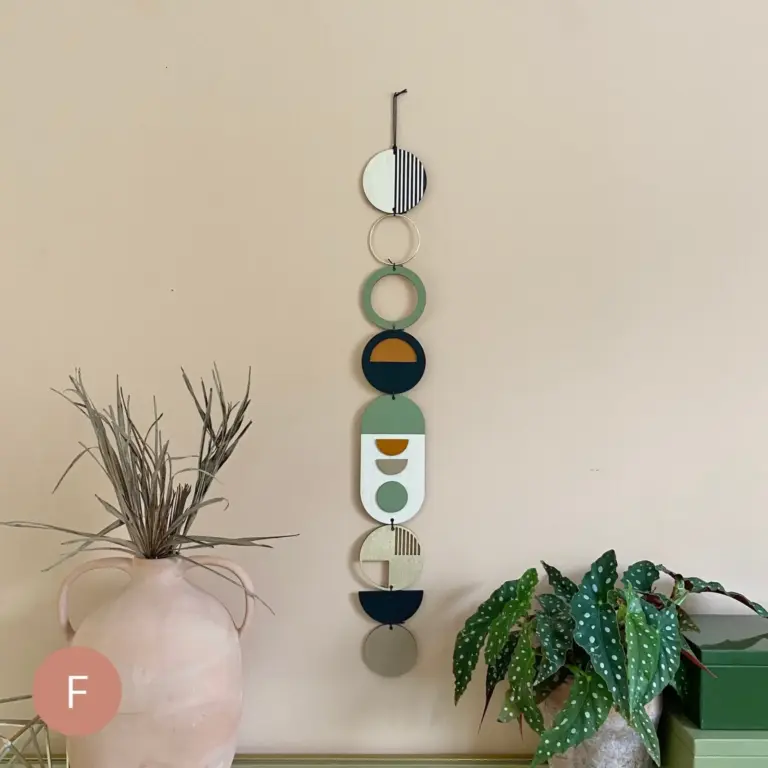
 Aisha's pickWhite Abstract Wall Art With a Bit More About It
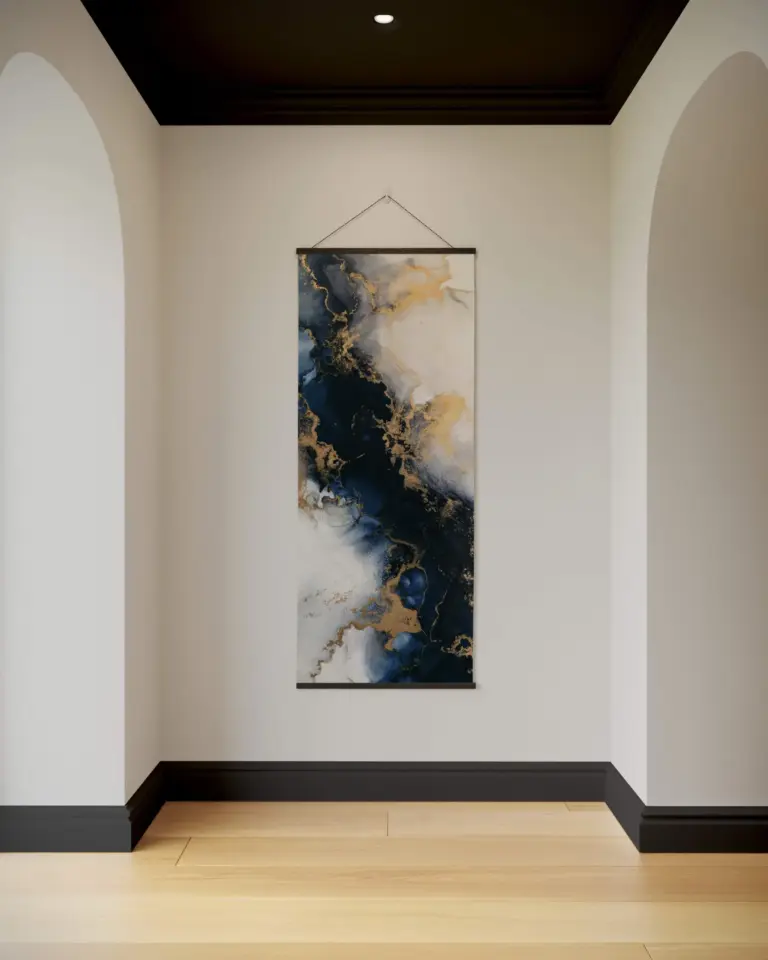
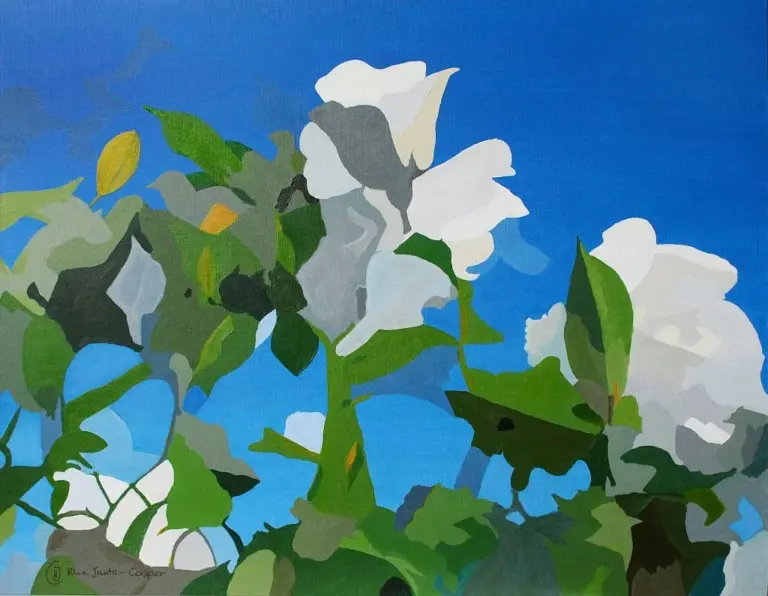 Aisha's pickBlue Abstract Wall Art That Earns Its Place
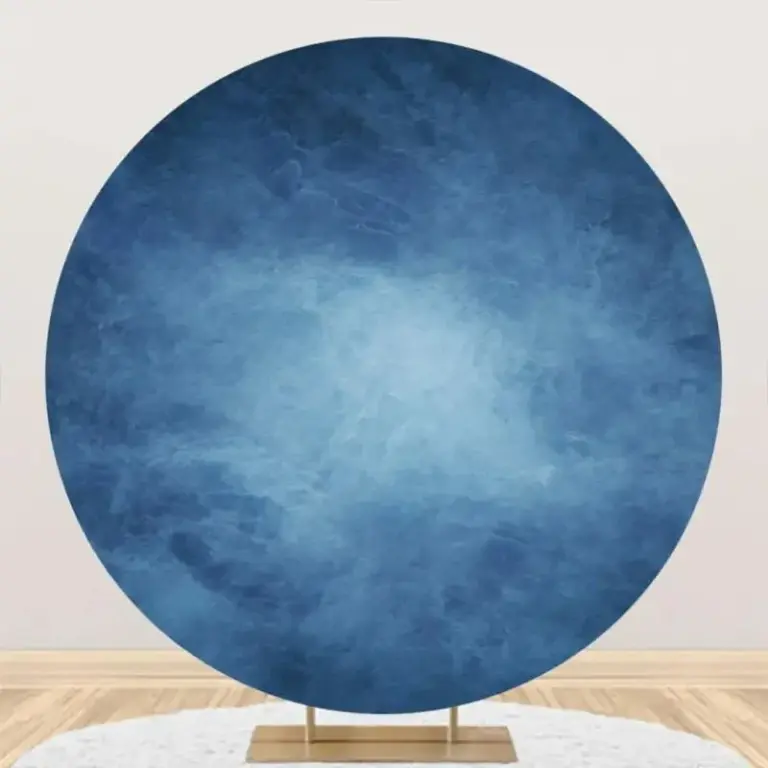
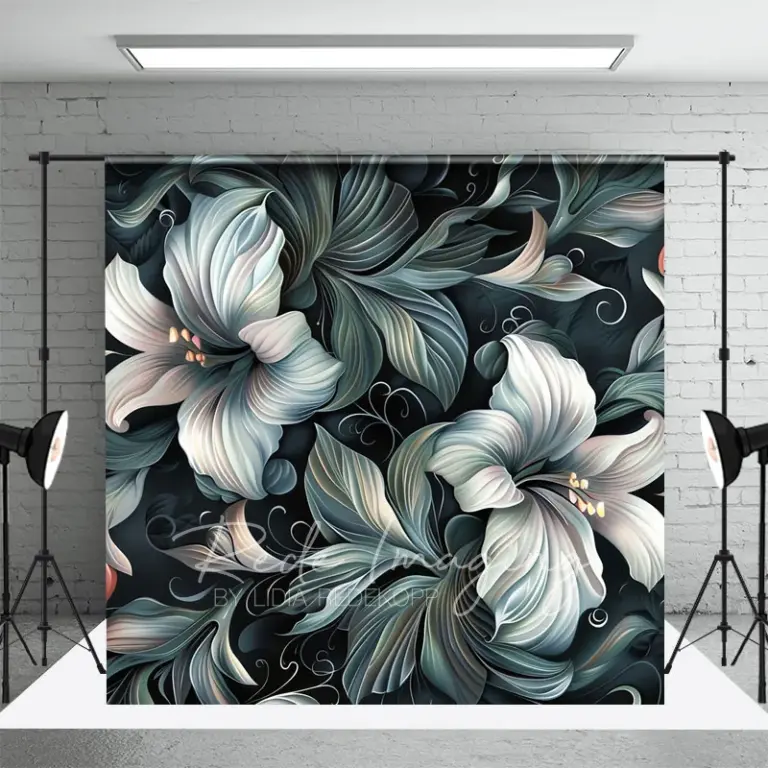 Aisha's pickWhite Floral Wall Art With a Bit More About It
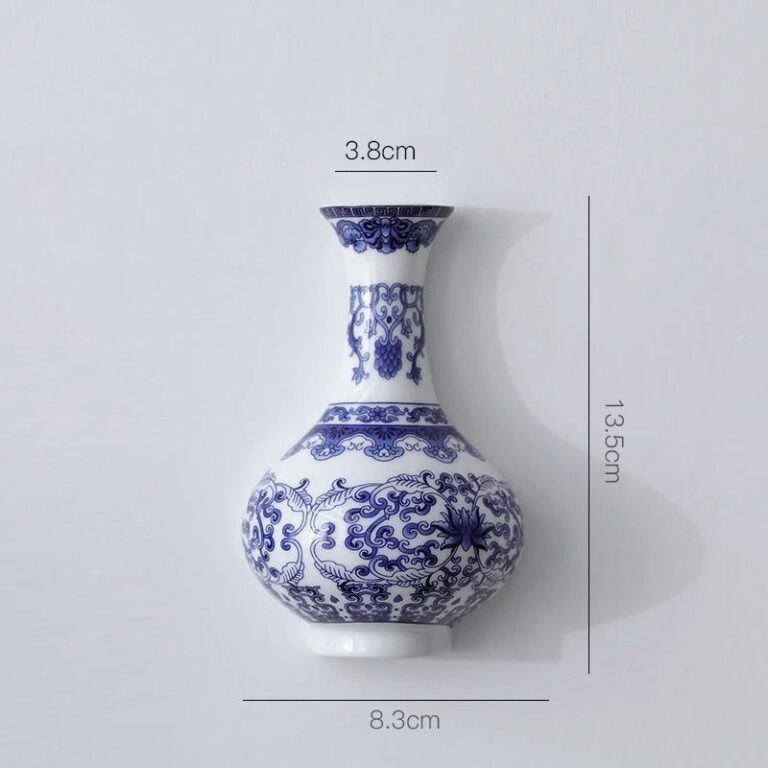 Aisha's pickGood Blue Floral Wall Art Without the Big Price Tag
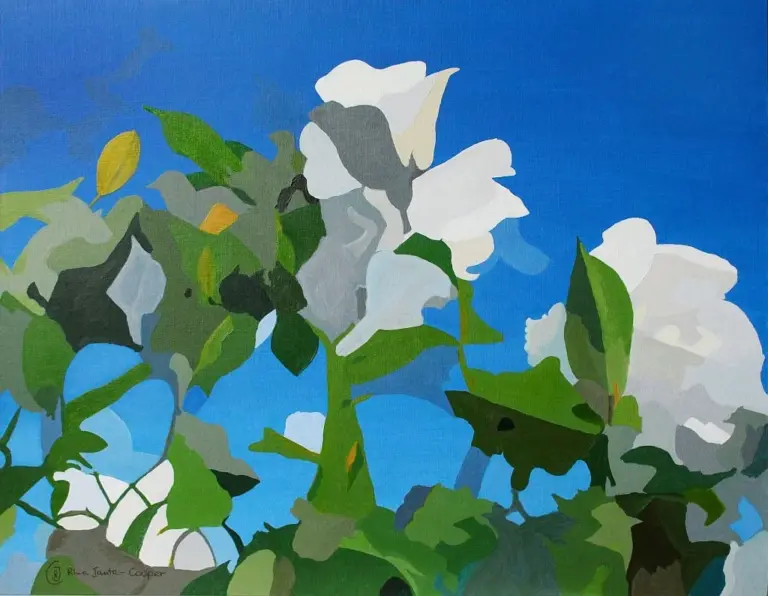
 Aisha's pickFloral Wall Art That Doesn’t Cost a Fortune
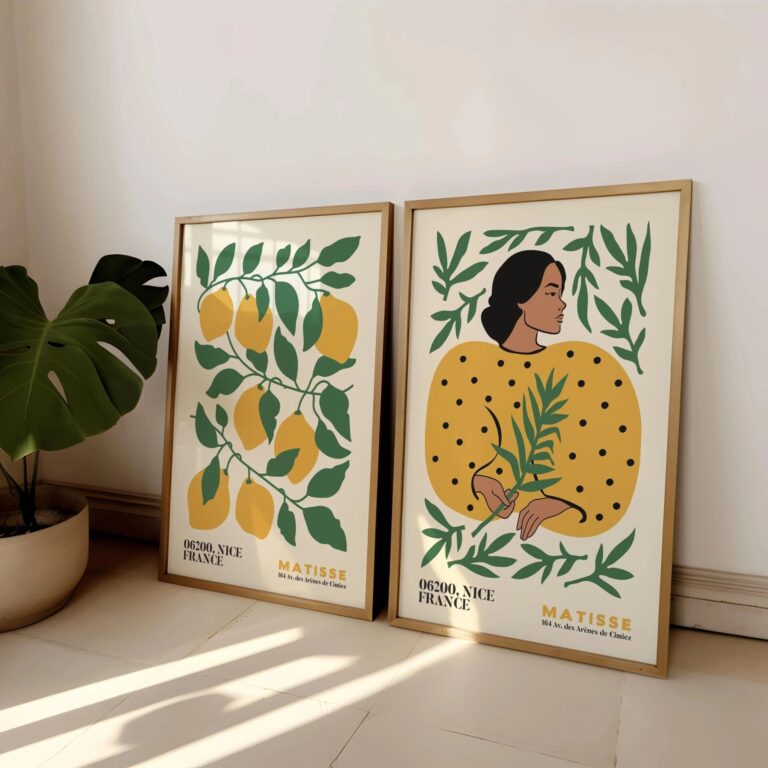
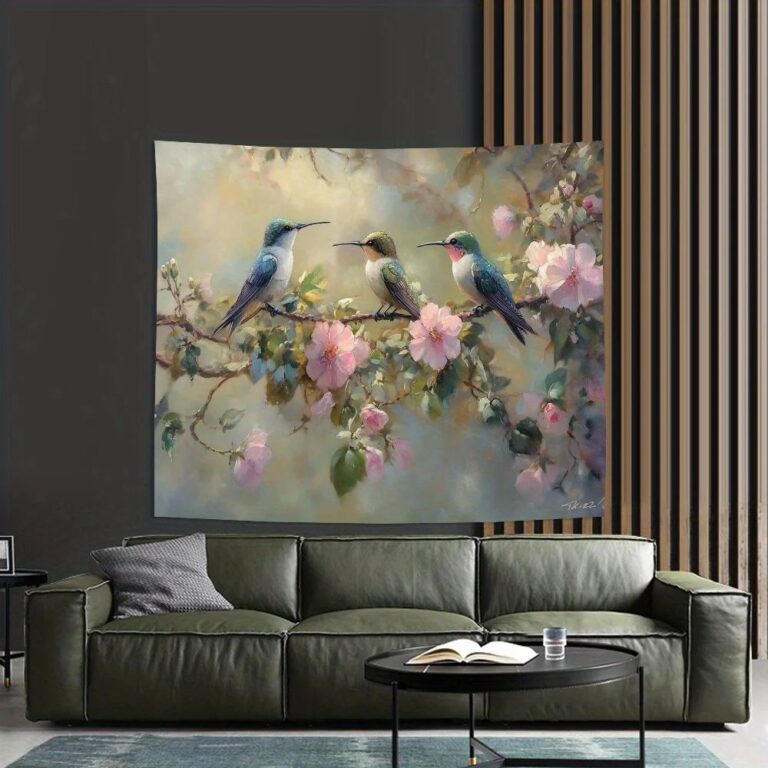 Aisha's pickFloral Wall Art for Bedroom That Earns Its Place
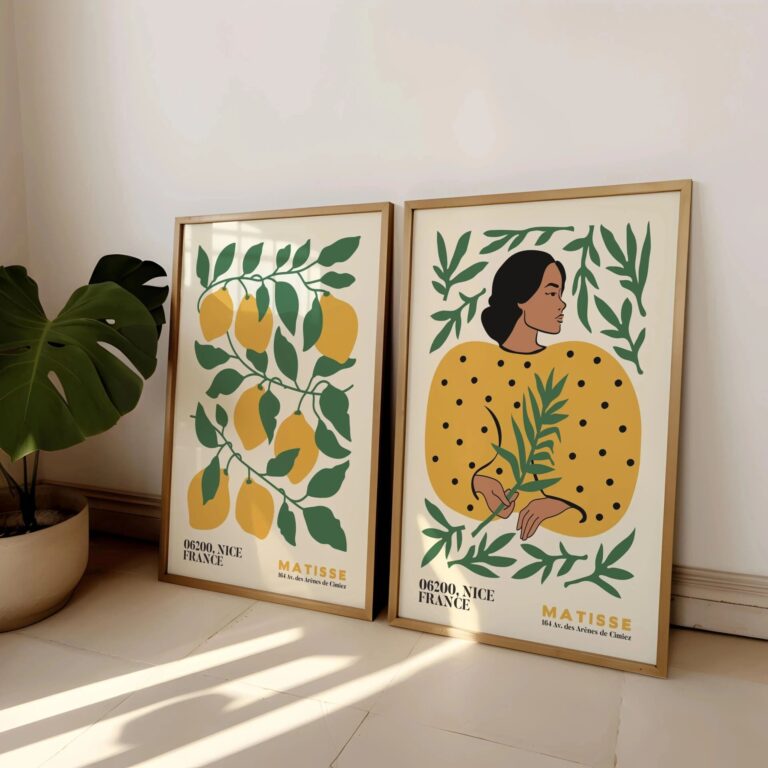
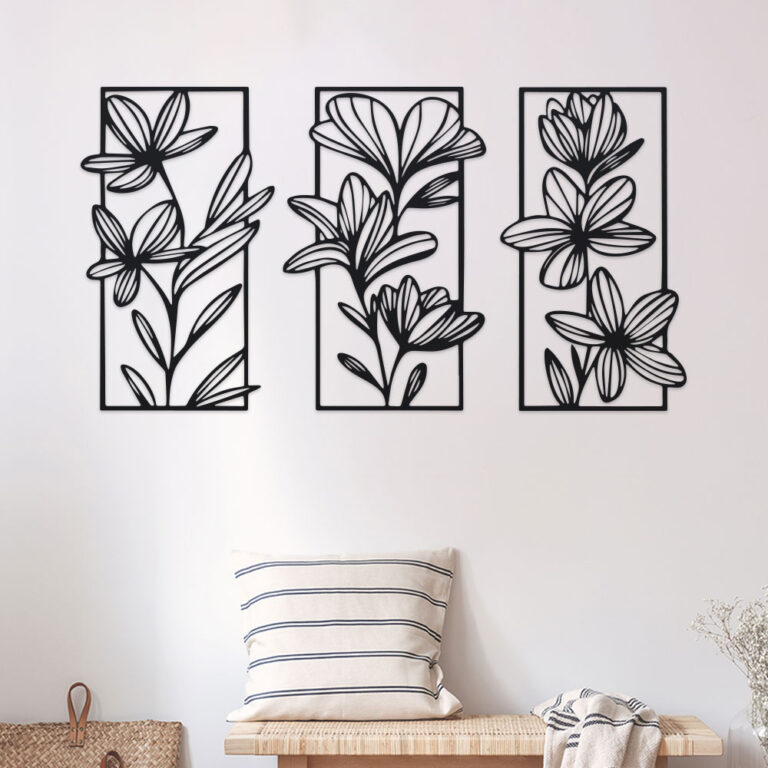 Aisha's pickFloral Wall Art for Living Room We Keep Buying