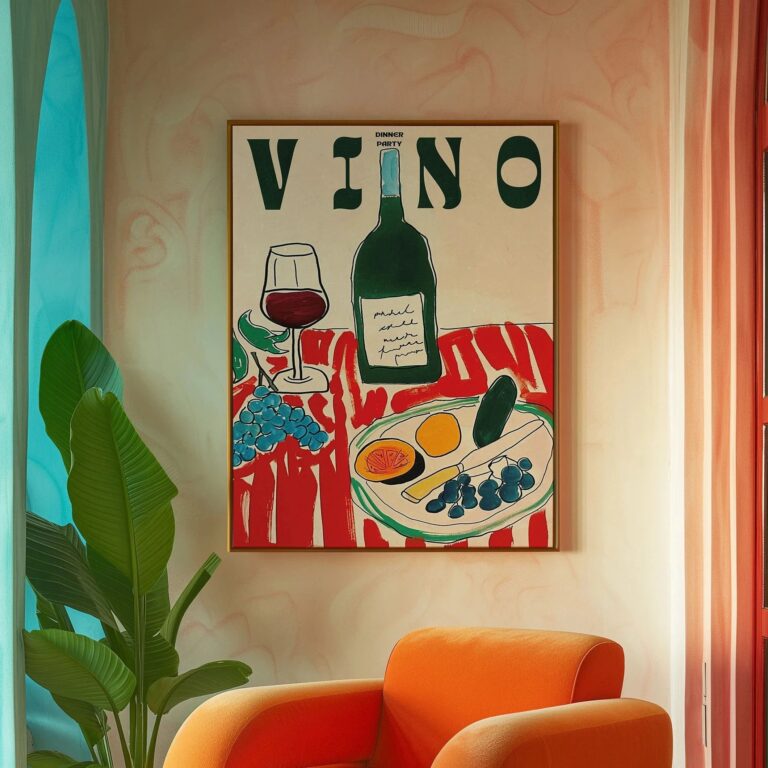
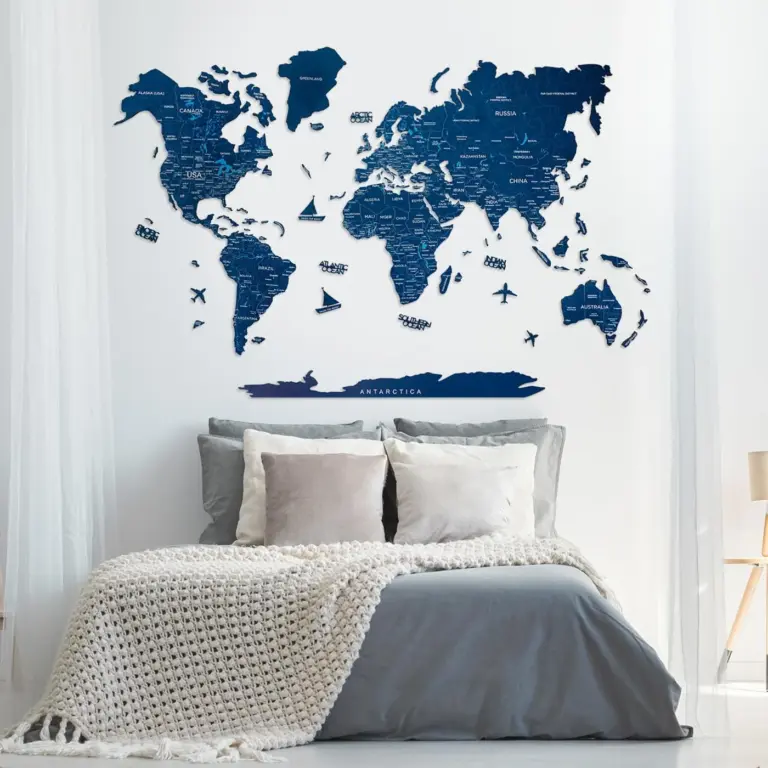
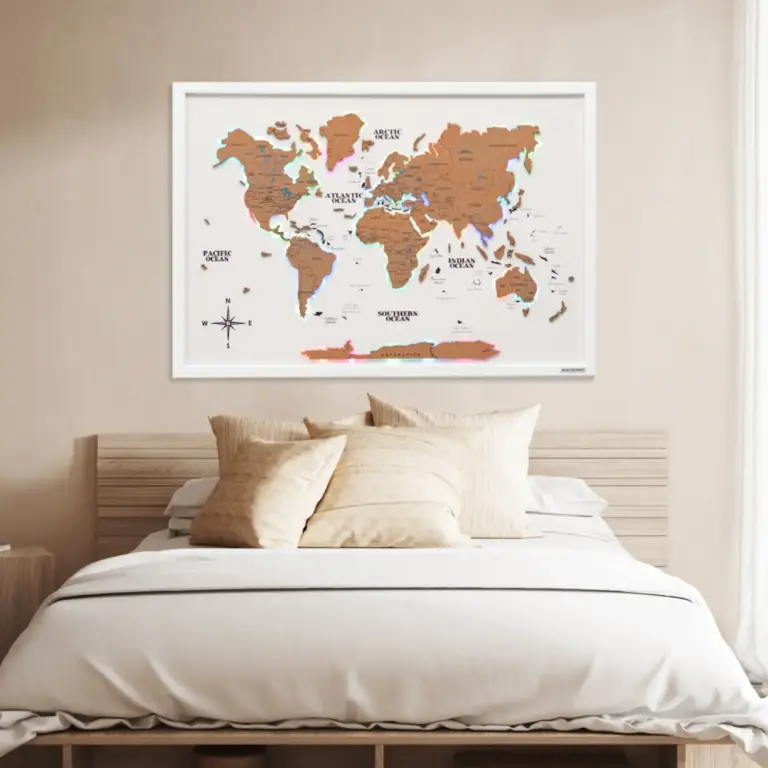
The first thing I check on a poster is the white border, or whether there even is one, because that tiny margin changes how it sits once it's framed. A poster with a clean quarter inch edge lets you float it inside a mat without the image getting cropped weird, and one that bleeds right to the edge of the paper needs a frame with no mat at all or you lose part of the picture. I learned this the slow way, bought a print with no border, stuck it in a mat frame I already owned, and ended up with the top of someone's head missing. Small thing, but it tells you a lot about how much care went into the printing.
Posters earn their place in rooms that need a bit of personality without a lot of commitment, a rented bedroom, a hallway that's otherwise just a strip of white wall, a home office where you look up from a screen fifty times a day and want something other than a calendar to land on. They work best in groups or as one large piece that fills real space, because a single small poster on a big wall just looks lost, like it wandered in from somewhere else. A living room with high ceilings can take a large single print above the couch, while a smaller apartment wall often looks better with two or three mid sized ones spaced close, giving the eye somewhere to travel. Seasonally they're forgiving, nothing fades a poster faster than direct sun through an uncovered window, so a north facing room or one with curtains that actually get closed is the safer home for anything you care about keeping sharp.
Check the paper weight before you buy, run a finger along the surface for texture, and if it arrives rolled in a tube, flatten it under books for a day or two before framing or it'll fight you the whole time. Look at the corners too, cheap printing shows up first in a soft or blurry corner where a sharp one should be. Where posters fall short is permanence, they don't carry the weight of a real painting or a family photo wall, and in a room meant to feel settled and grown up, too many of them side by side can read more like a dorm than a home. They also don't love humidity, so skip the bathroom unless it's framed behind glass.
This is the right call for a home that's still becoming itself, where the walls are allowed to change their mind every year or two.
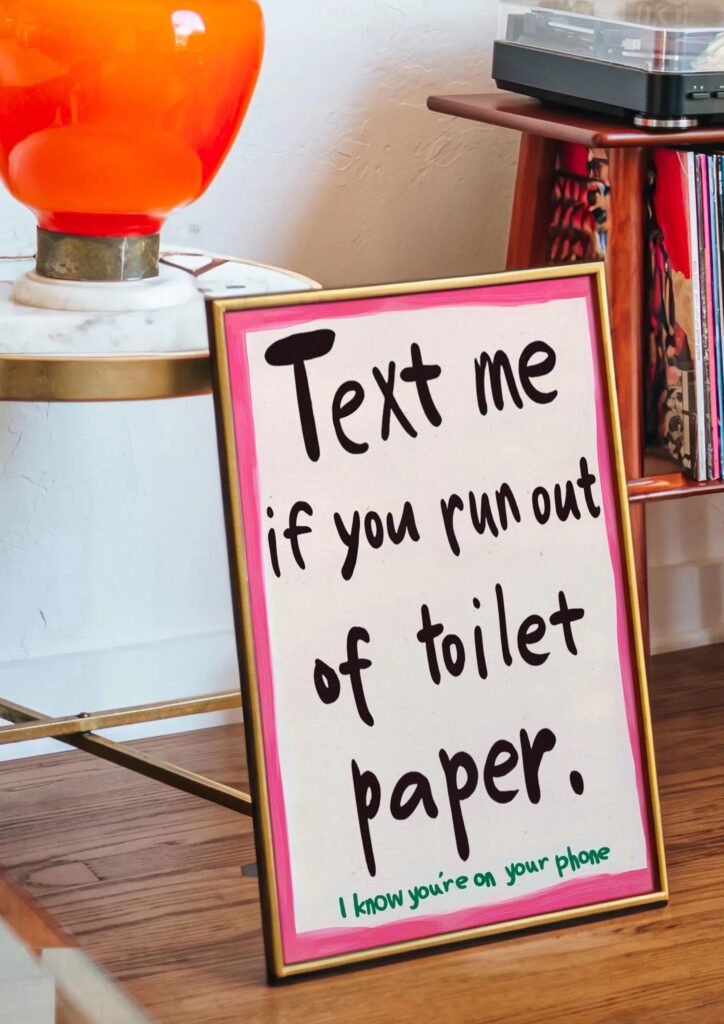 Aisha's pickFood Wall Posters We’d Make Room For
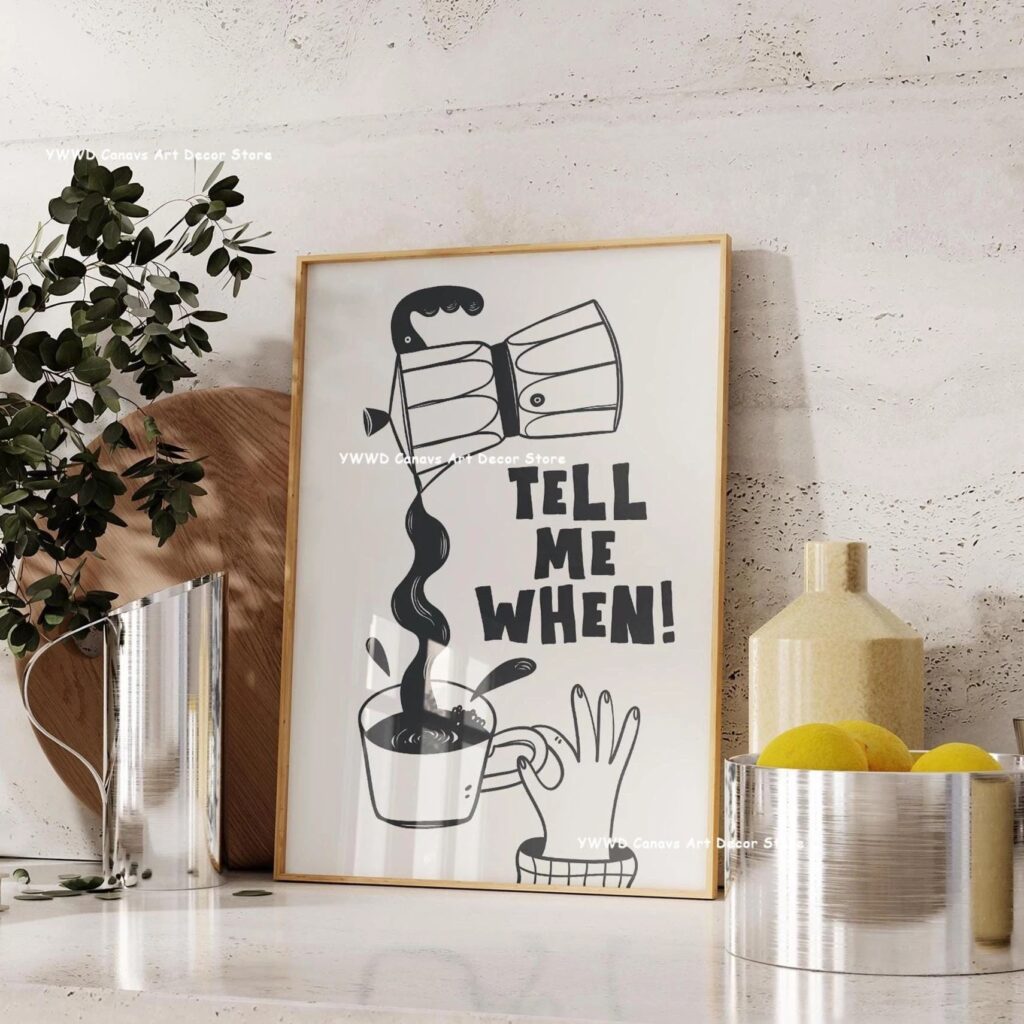
 Aisha's pickWall Posters for Bathroom That Stand Up to Steam

 Aisha's pickShopping for Forest Wall Posters? Start Here
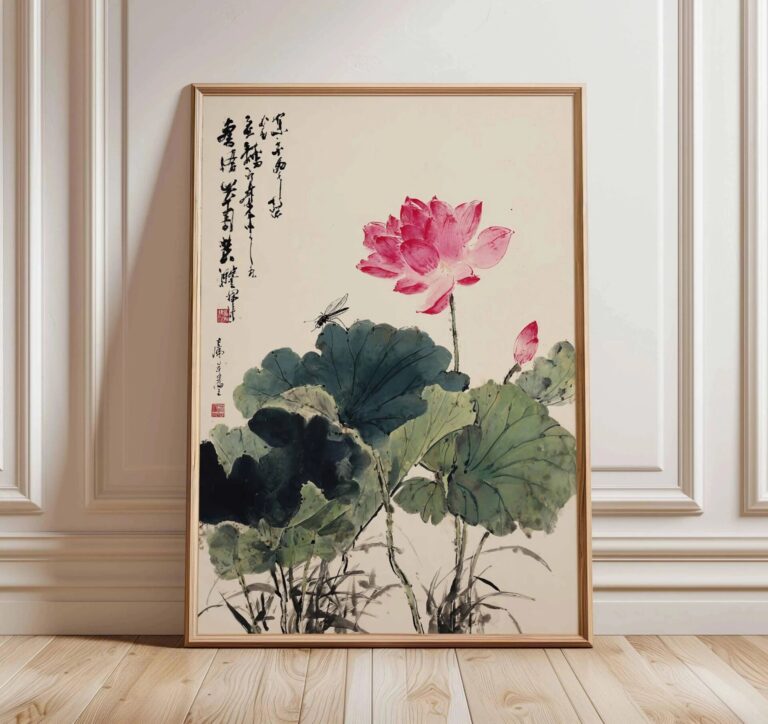
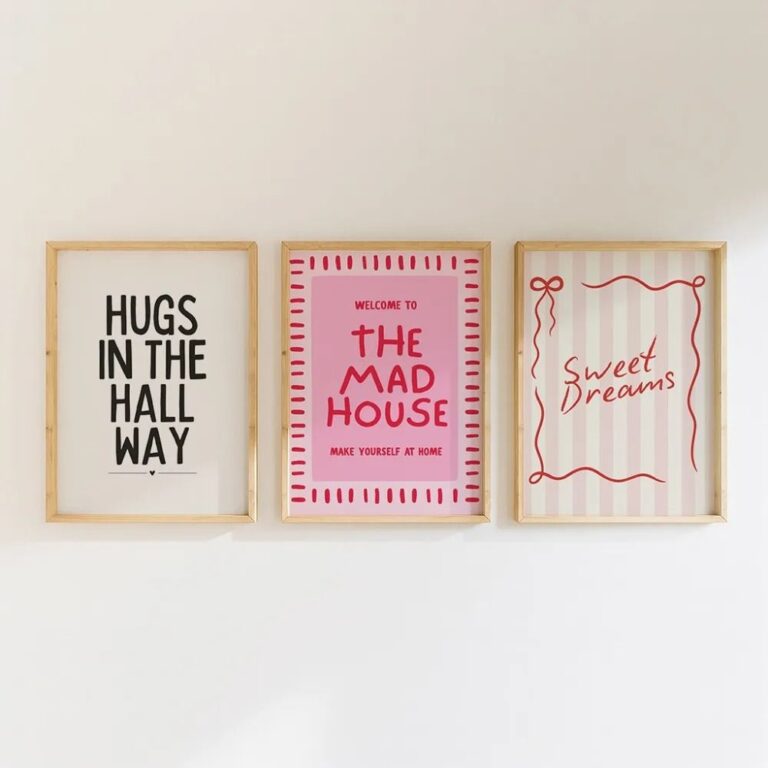 Aisha's pickWall Posters for Nursery Pulled From Dozens of Stores
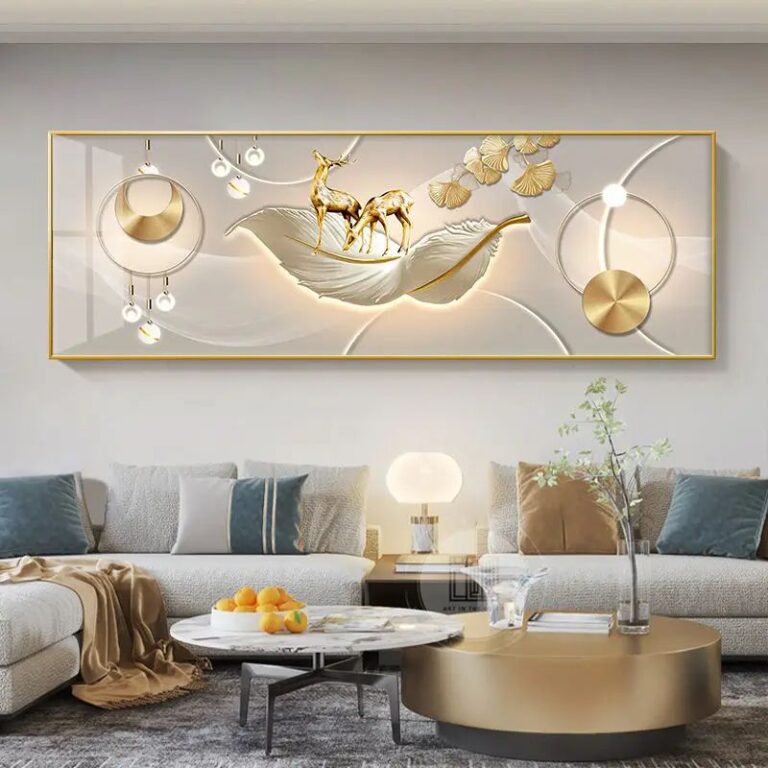
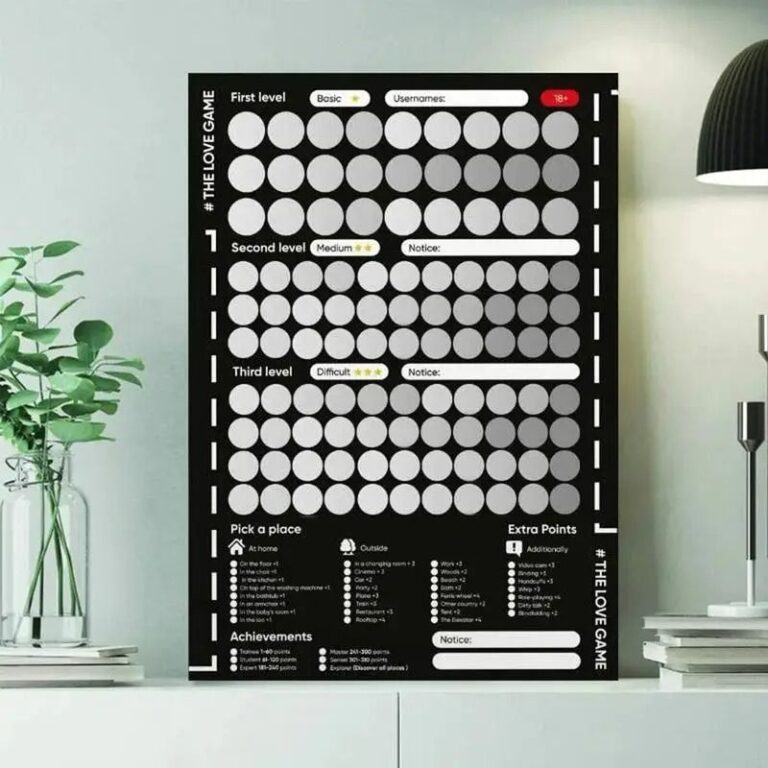 Aisha's pickGold Wall Posters That Make a Shelf Look Styled
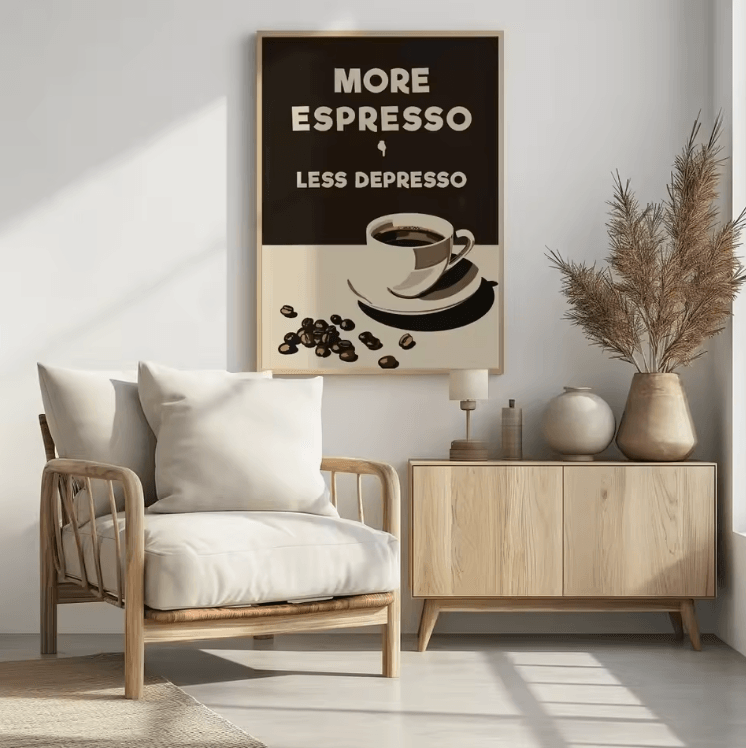 Aisha's pickWall Posters with Frame That Hold Up to Everyday Life
 Aisha's pickJapanese Wall Posters for Rooms That Feel a Bit Bare

 Aisha's pickGood Yellow Wall Posters That Don’t Cost a Fortune

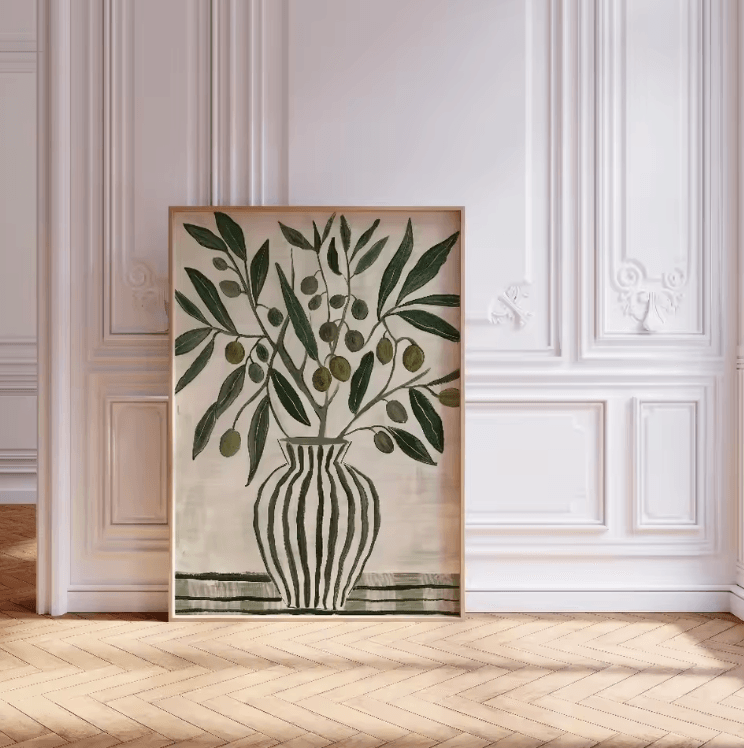
 Aisha's pickLine Art Wall Posters That Start ConversationsAlso worth a lookPostersThe hallway in a rental I had years ago had one bare stretch of wall between the bathroom…See the collections →
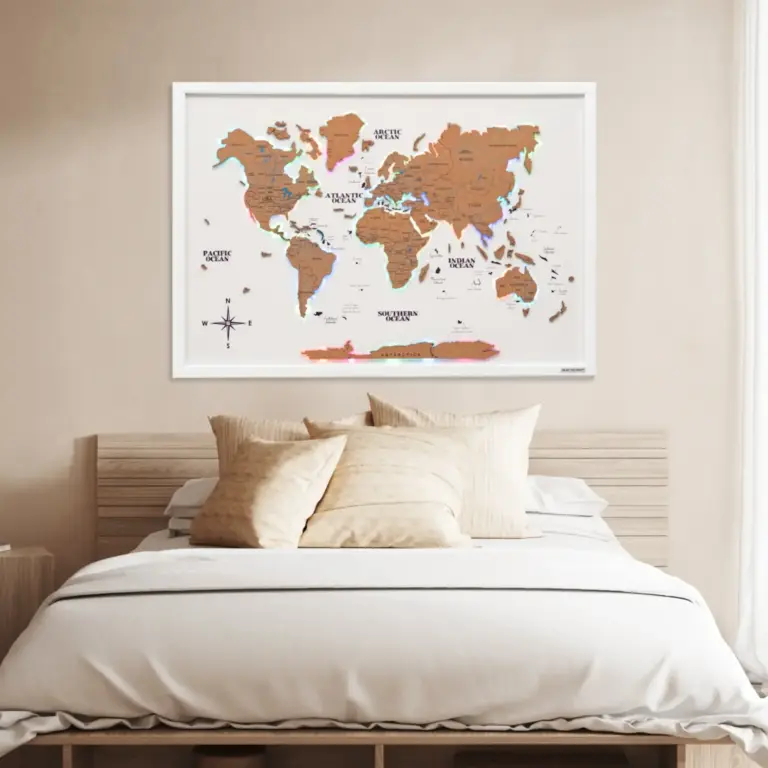
 Aisha's pickMap Wall Posters That Give a Room Some Personality
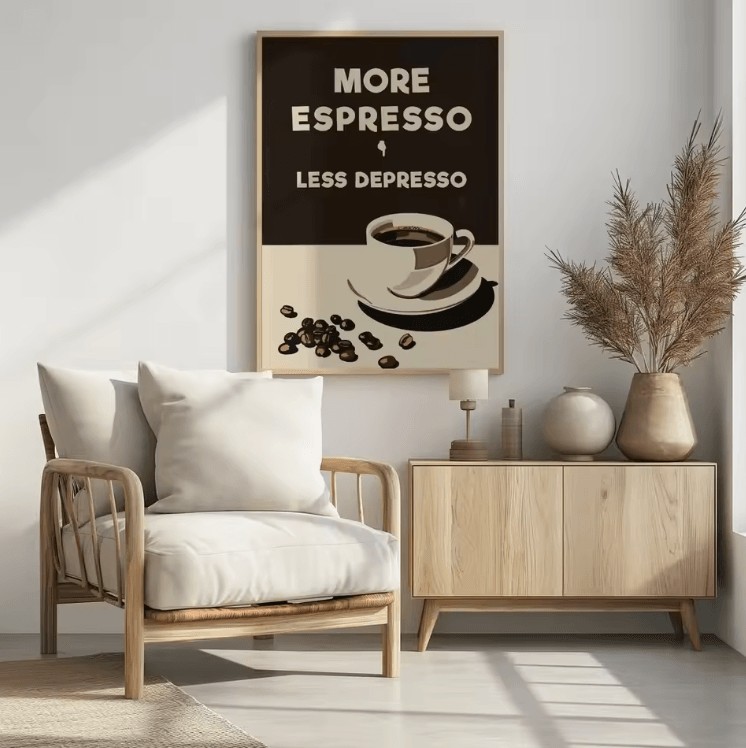
 Aisha's pickMusic Wall Posters That Start Conversations

 Aisha's pickNeutral Wall Posters for Filling an Awkward Gap

 Aisha's pickOrange Wall Posters We’d Make Room For
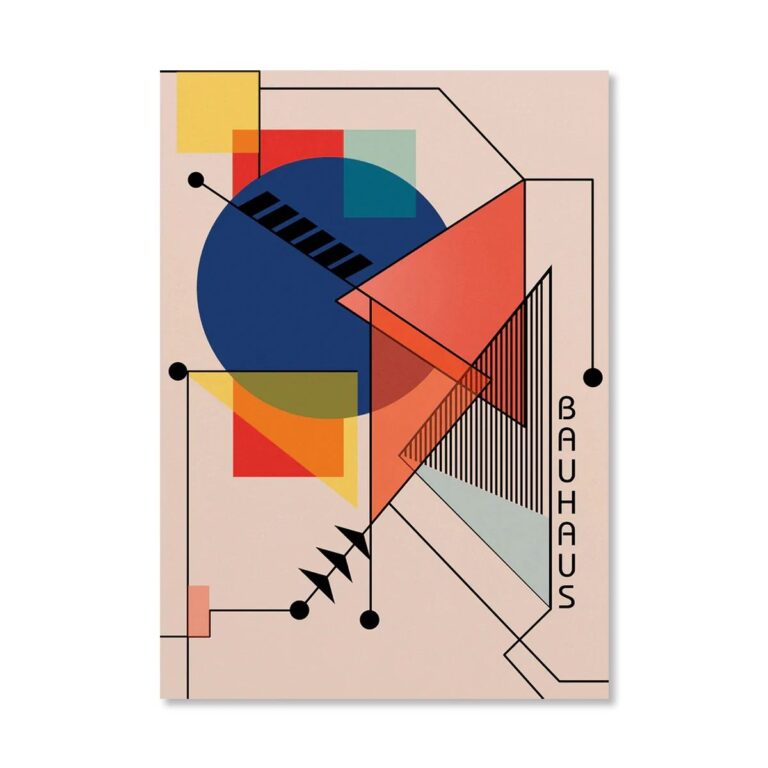
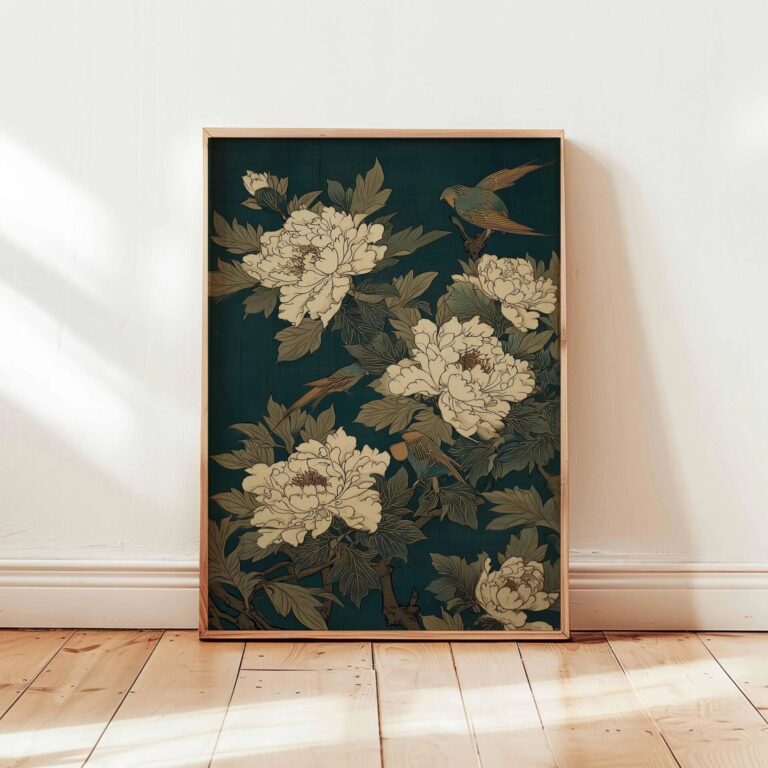 Aisha's pickAnimal Wall Posters That Catch the Eye Without Taking Over

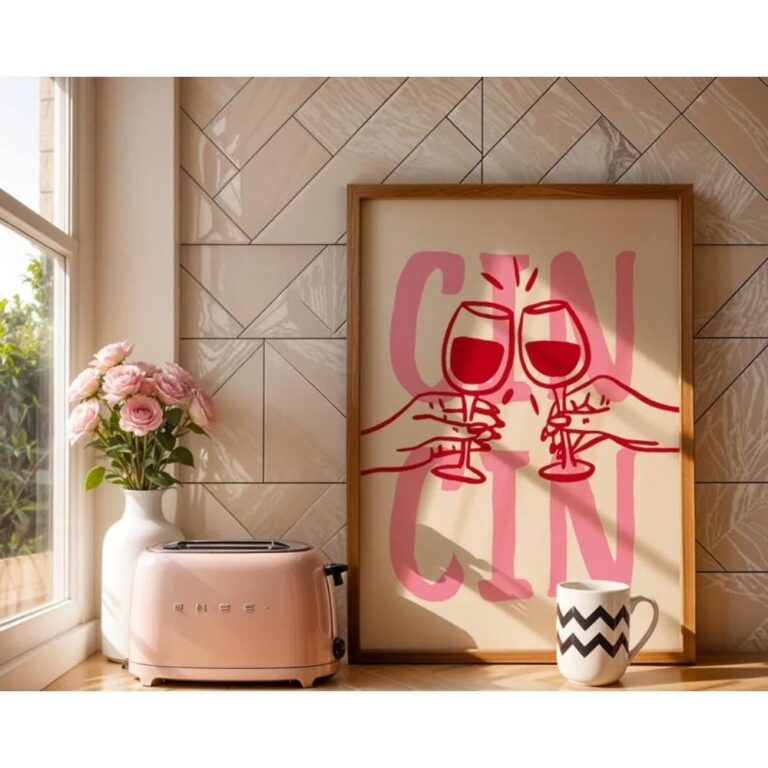 Aisha's pickPink Wall Posters for People Who Know What They Like
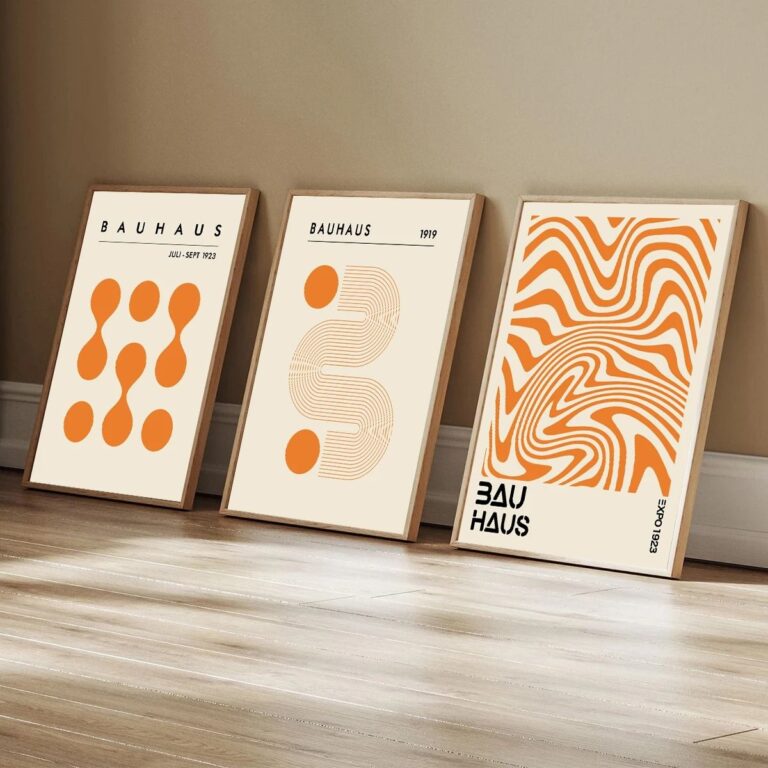
 Aisha's pickBathroom Wall Posters That Make Rented Places Feel Like Home

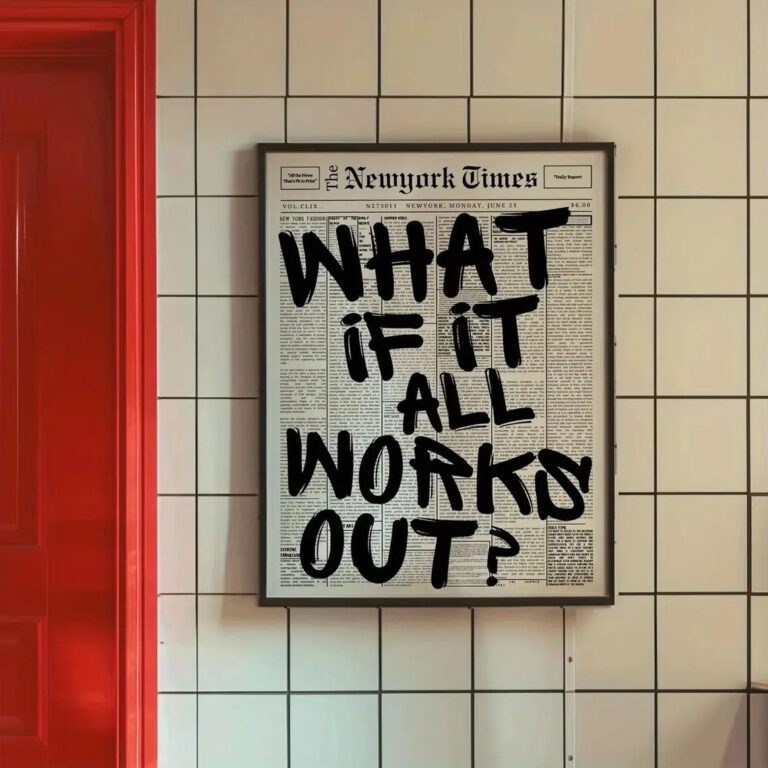 Aisha's pickPop Art Wall Posters That Visitors Always Ask About

 Aisha's pickBoho Wall Posters That Make Great Housewarming Gifts

 Aisha's pickPortrait Wall Posters That Catch the Eye Without Taking Over
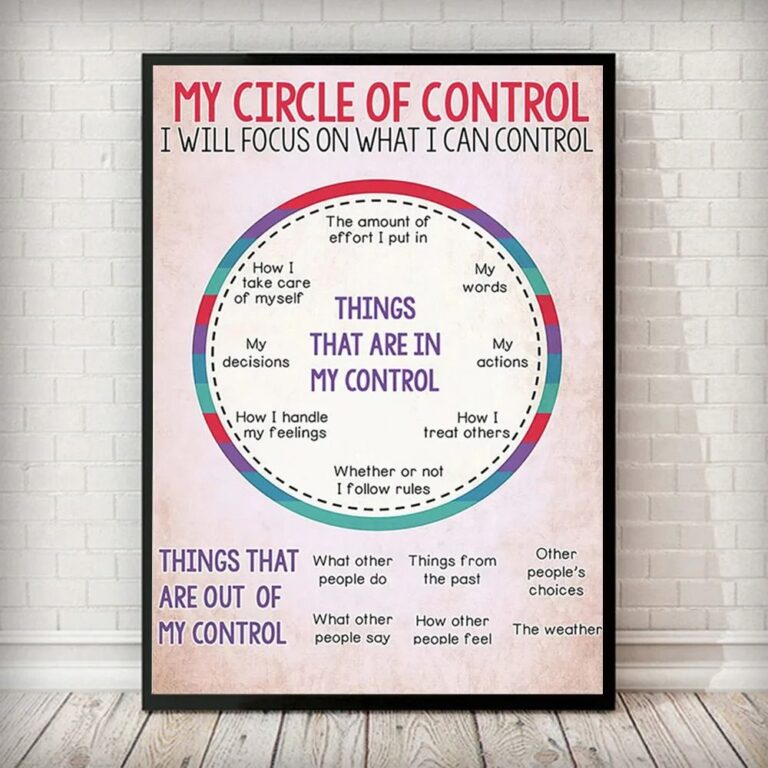
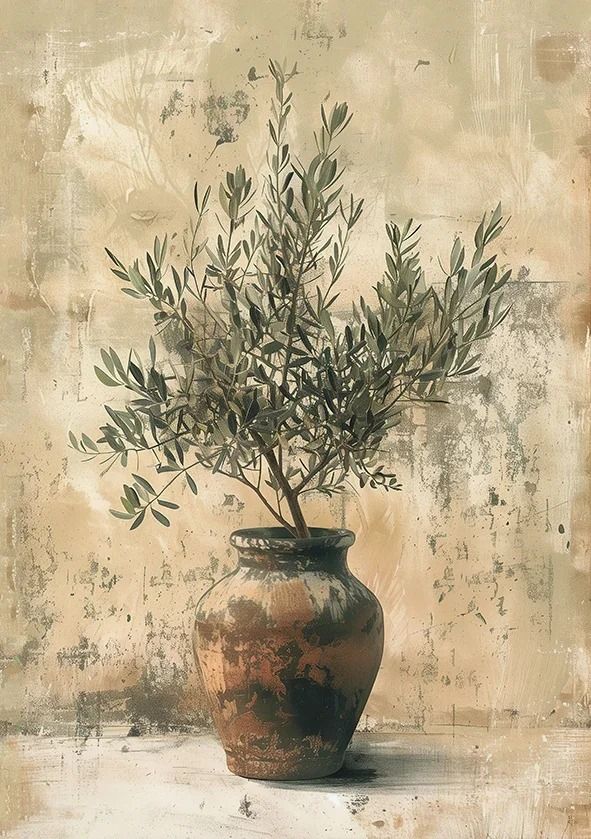 Aisha's pickBotanical Wall Posters You’ll Keep for Years

 Aisha's pickSmall Wall Posters That Give a Room Some Personality

 Aisha's pickCars Wall Posters That Go With Most Rooms

 Aisha's pickSpace Wall Posters That Feel Personal, Not Store Bought
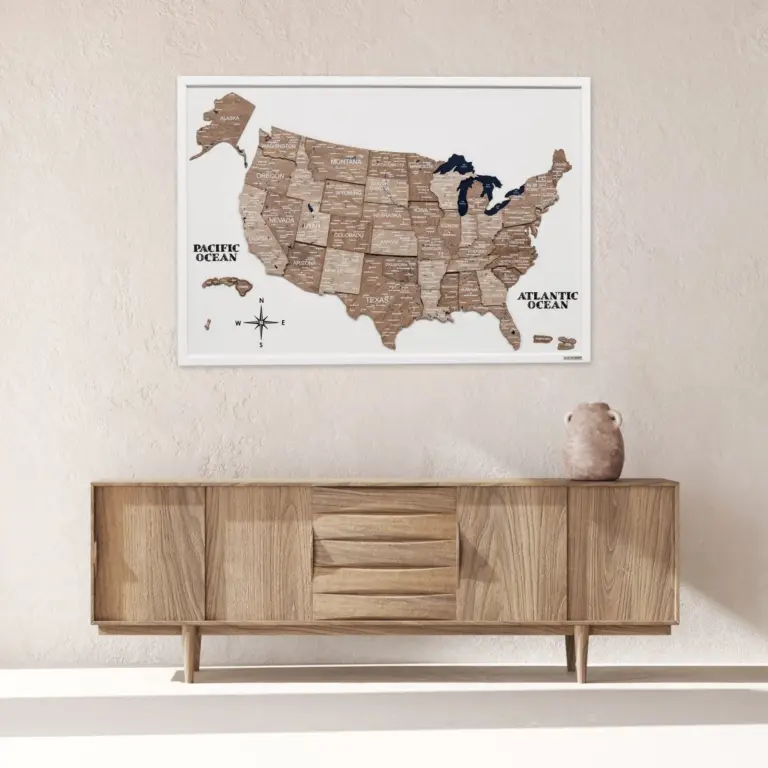
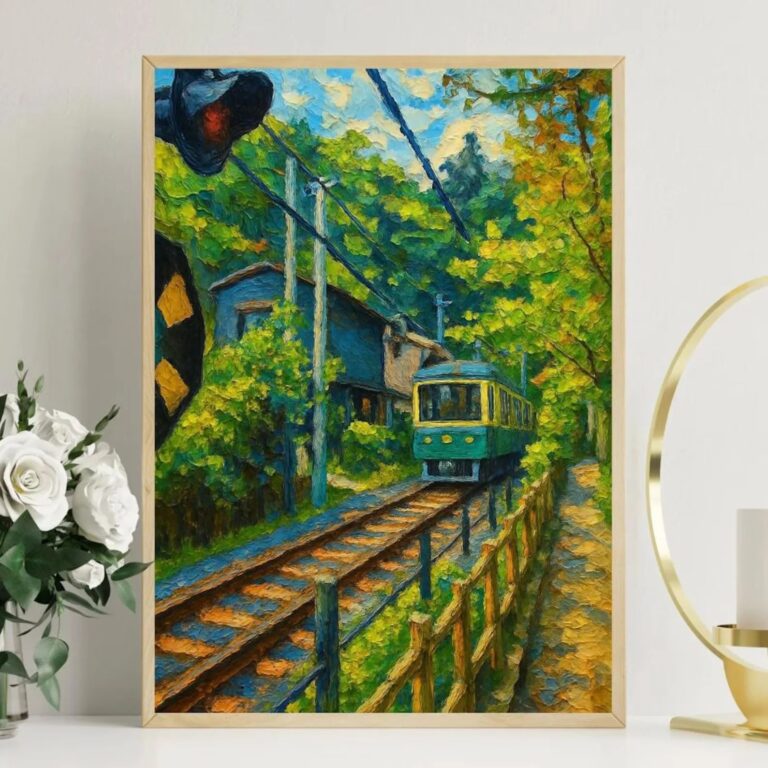 Aisha's pickCity Wall Posters We’d Make Room For

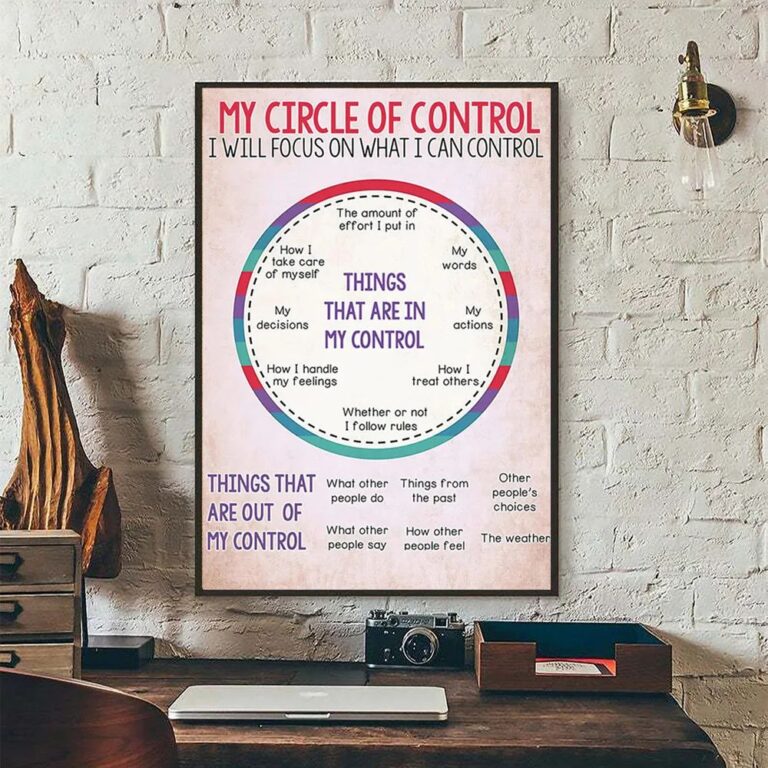 Aisha's pickTypography Wall Posters That Give a Room Some Personality