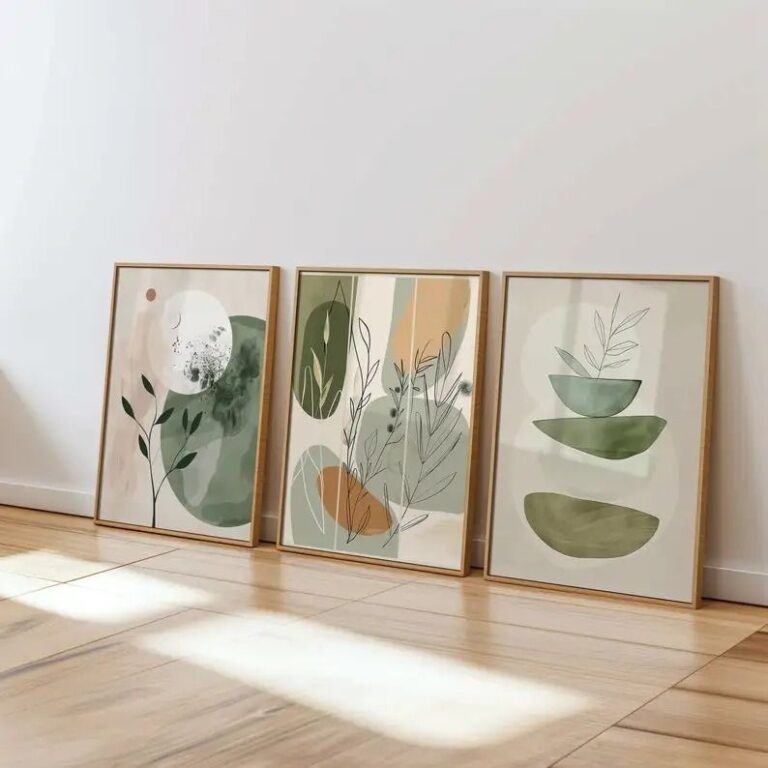
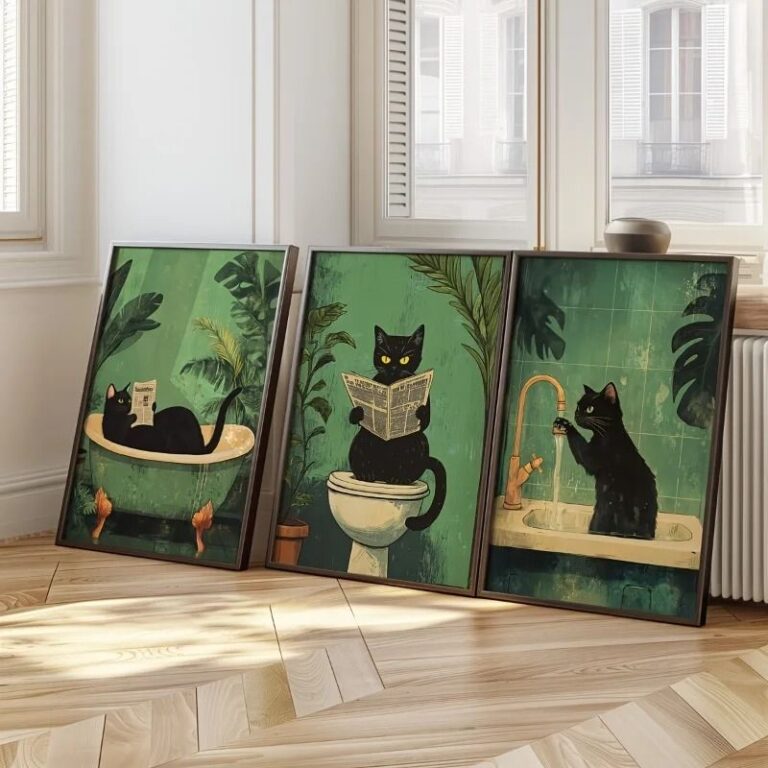
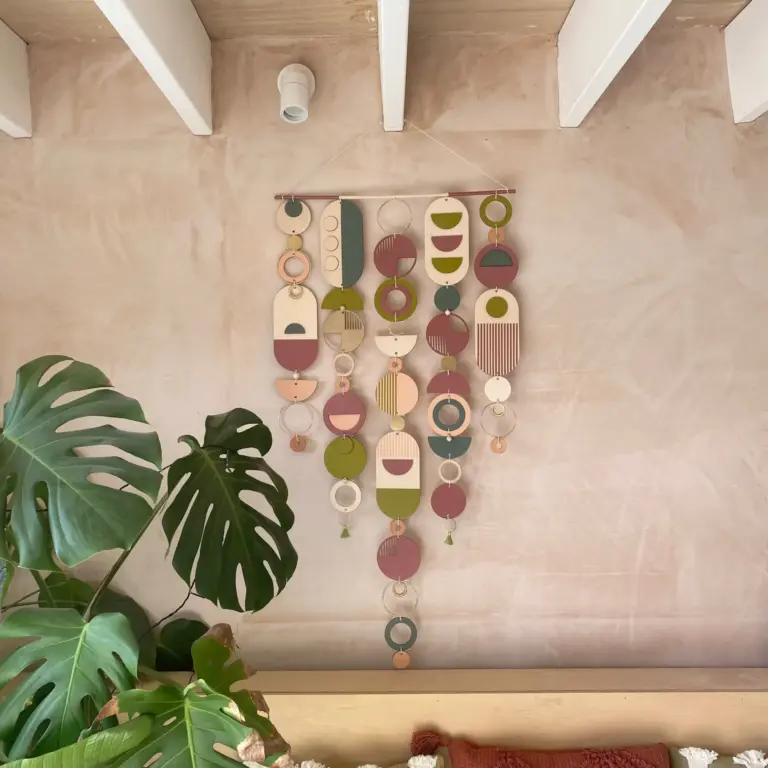
Most living rooms have too much furniture and not enough on the walls, which is backwards, because furniture fills a room and art is what makes it look like someone lives there on purpose. A big sofa and a rug can be bought by anyone in an afternoon. The art is the part that takes actual thought, which is exactly why people put it off for years and leave a bare wall over the sofa staring back at them.
It changes more than you expect once it is up. Colors shift with the light through the day, morning light does something different to a print than lamp light at night, and you will notice this mostly when you catch it out of the corner of your eye rather than when you are looking for it. Paper prints yellow a little at the edges over the years if they get direct sun, so keep anything you care about out of a window's direct path, and canvas holds up better in a room that gets afternoon light than anything behind glass, which will glare at you from certain angles forever and there is no fixing that, only moving the lamp. Dust it the way you dust anything else, a dry cloth, nothing wet near the frame corners. If you are starting from nothing, do not buy a full wall of small pieces first. Buy one piece, bigger than you think you need, and hang it where you sit most, across from the sofa or over it, because one confident piece reads as decorated and six timid ones read as a work in progress. Scale is the whole game here. A piece the size of a laptop over a seven foot sofa just looks lost, like a stamp on an envelope. You want something that takes up real width, roughly two thirds of the furniture below it, so the wall and the room feel like they belong to each other instead of competing.
Where it goes wrong is usually matching too hard. Art that was clearly bought to go with the throw pillows ages badly, because the pillows get replaced in two years and the art is still trying to match a cushion that no longer exists. It also clashes with a room that already has a lot going on, a patterned rug, patterned curtains, a gallery wall of family photos all fighting for the same wall. Pick one wall to be the loud one. When you buy it, check the frame depth before anything else, some are deep enough to need a stud rather than a picture hook, and look at the corners in person if you can, cheap frames show their seams there first. Check the hanging hardware included, half of it is flimsy wire that stretches within a year.
A room without any art on the walls never looks finished no matter what else is in it.

 Aisha's pickFramed Art for Living Room That Holds Up

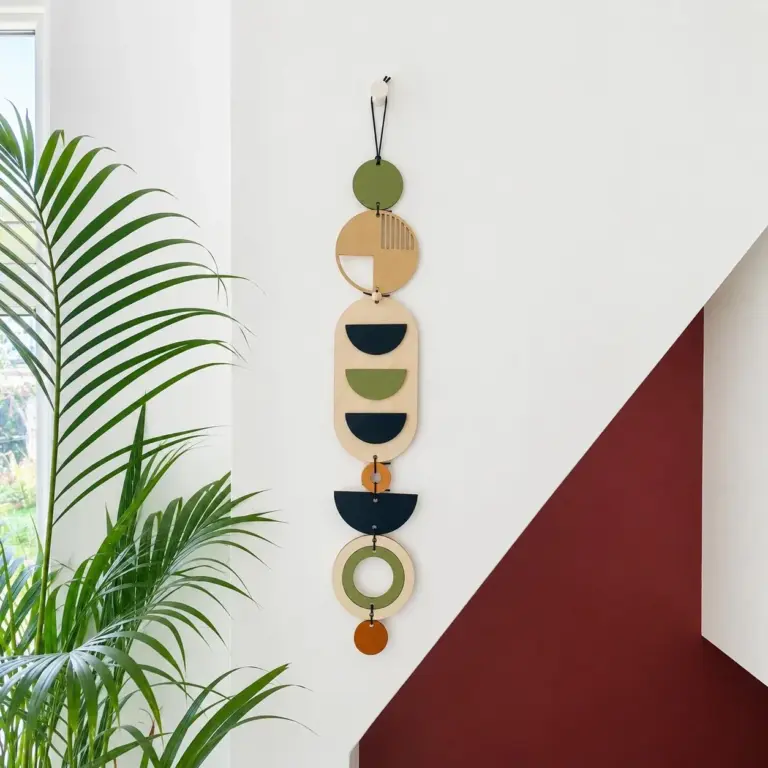
 Aisha's pickWooden Wall Art for Living Room That Looks the Part

 Aisha's pickFramed Wall Art for Living Room That Doesn’t Cost a Fortune
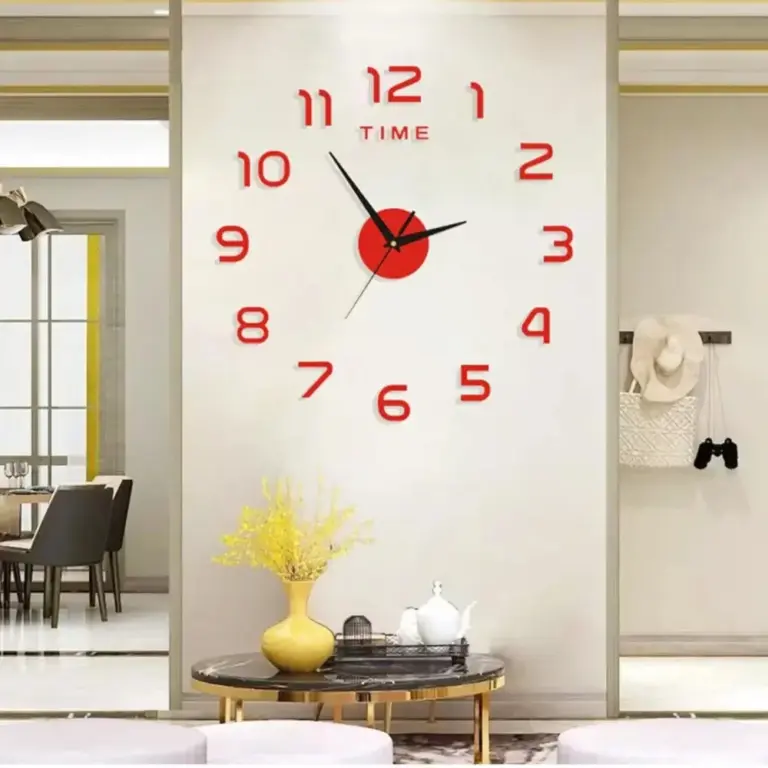
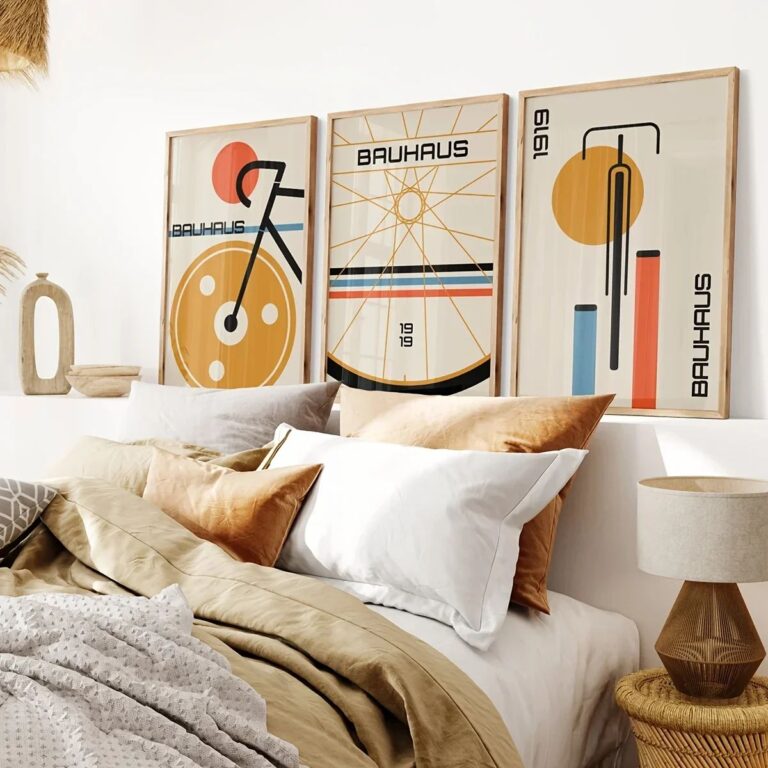 Aisha's pickGallery Wall Art for Living Room That Holds Up

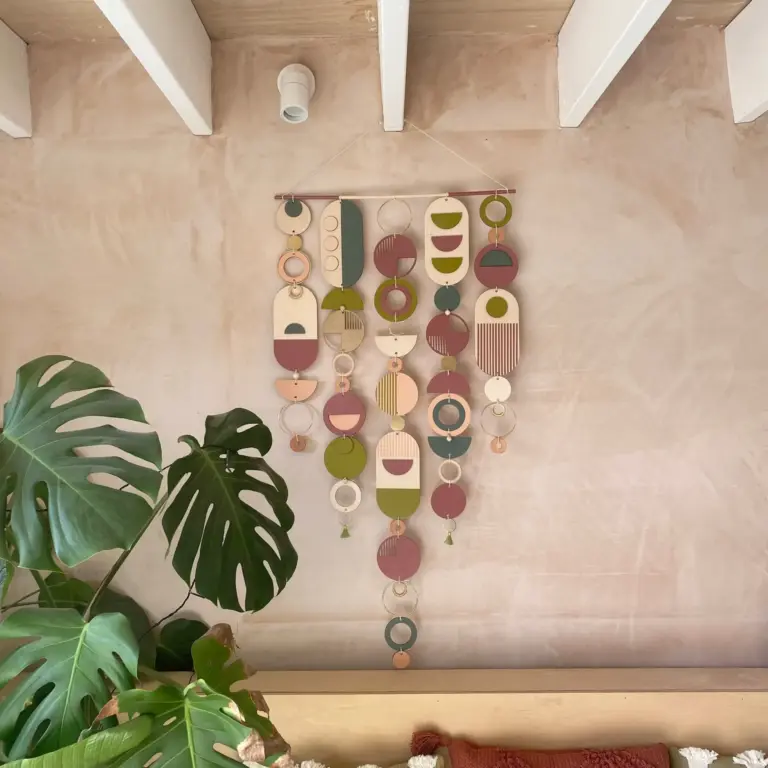 Aisha's pickGeometric Wall Art for Living Room We Keep Buying
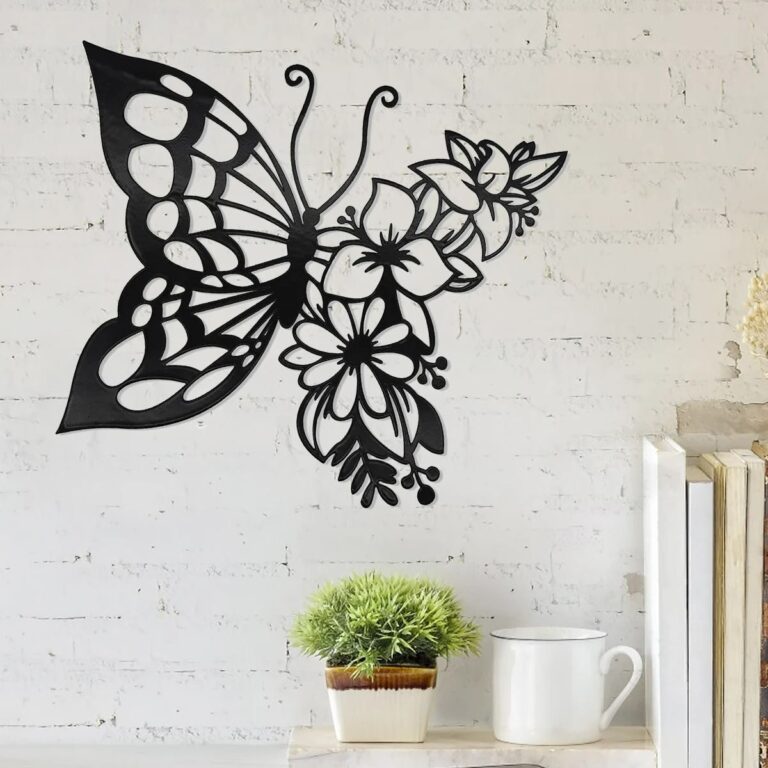
 Aisha's pickHand Painted Wall Art for Living Room That Does What It Should
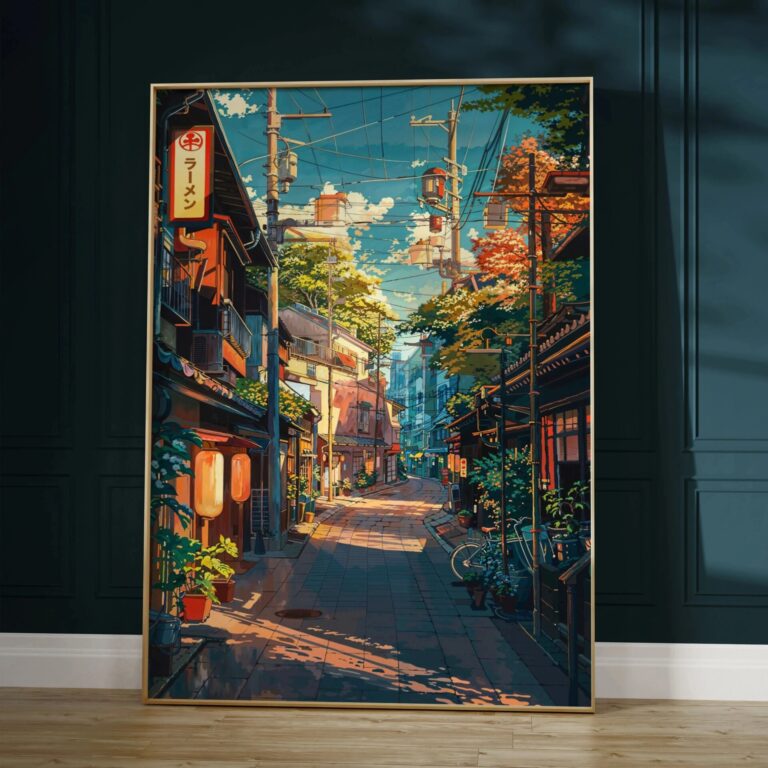 Aisha's pickJapanese Wall Art for Living Room That Looks the Part

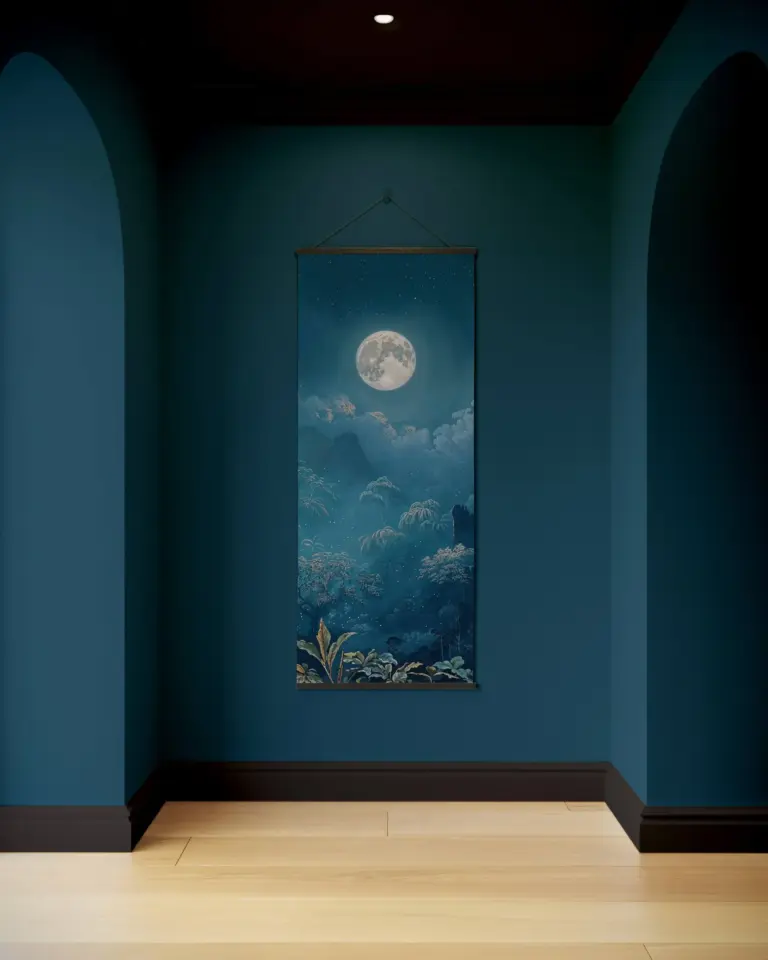 Aisha's pickLandscape Wall Art for Living Room From Brands You Know and a Few You Won’t

 Aisha's pickThe Metal Wall Art for Living Room Worth Your CashAlso worth a lookLiving Room Wall ArtThe first piece of wall art I ever owned was a canvas print of a beach I'd never…See the collections →
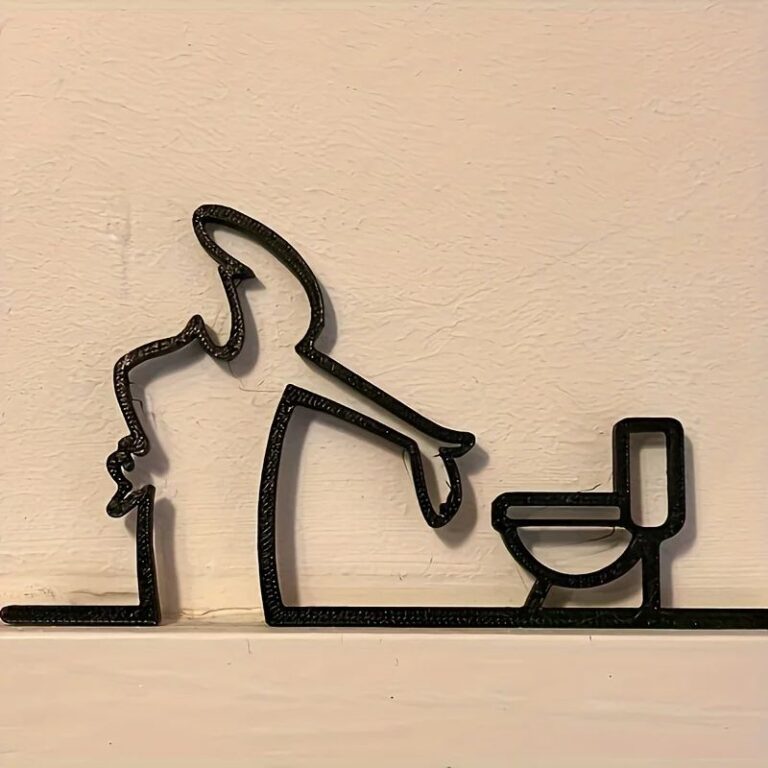
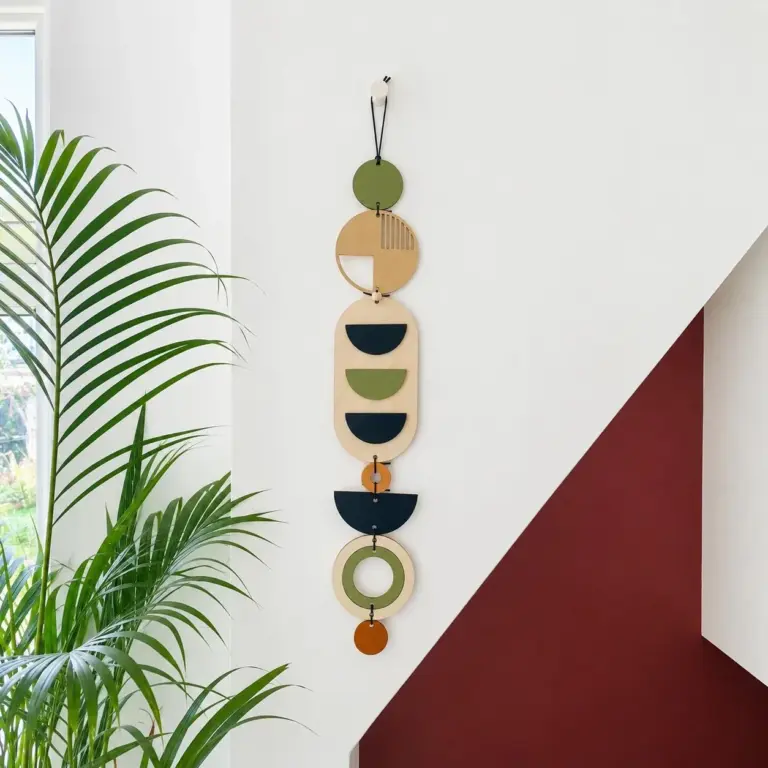 Aisha's pickOur Shortlist of Mid Century Wall Art for Living Room
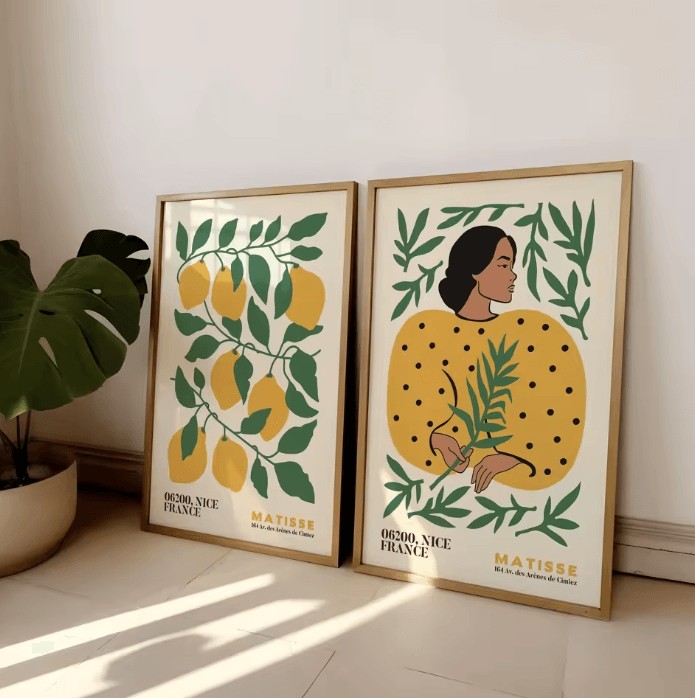
 Aisha's pick3D Wall Art for Living Room Hunted Down So You Don’t Have To
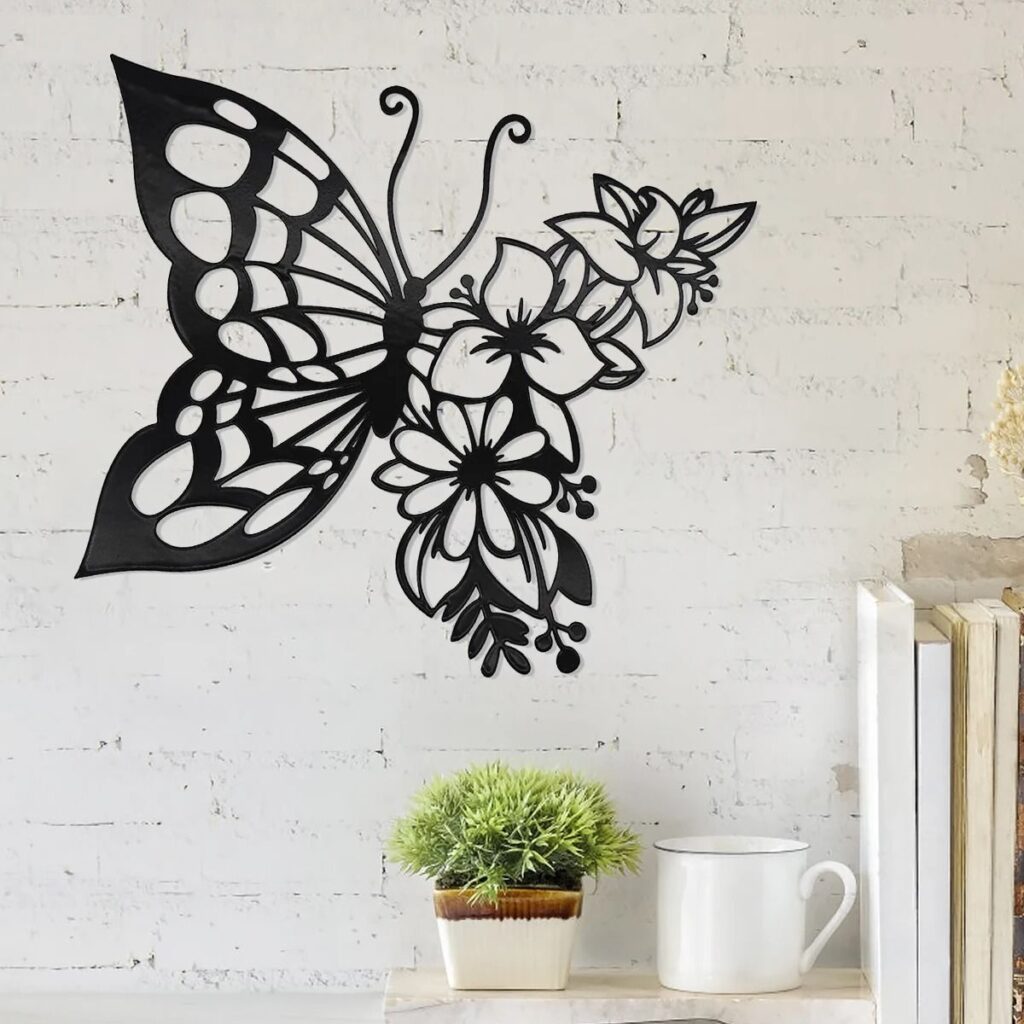
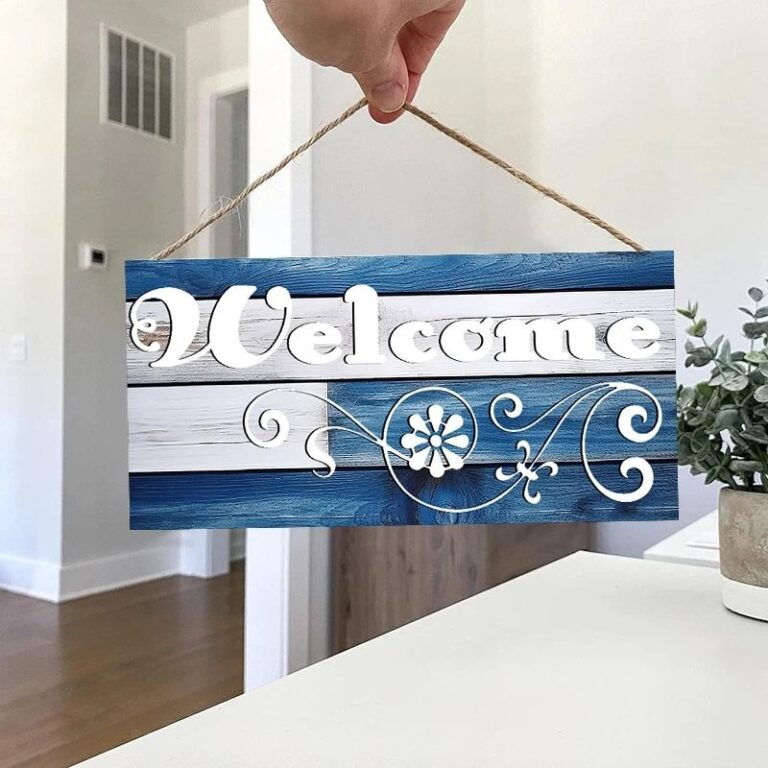 Aisha's pickMinimalist Wall Art for Living Room Worth Your Money
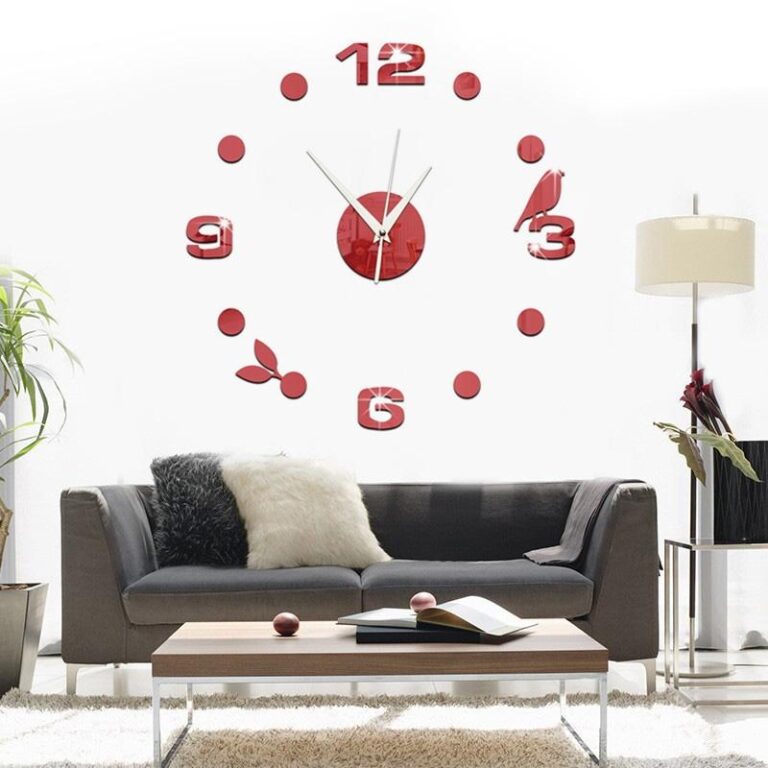
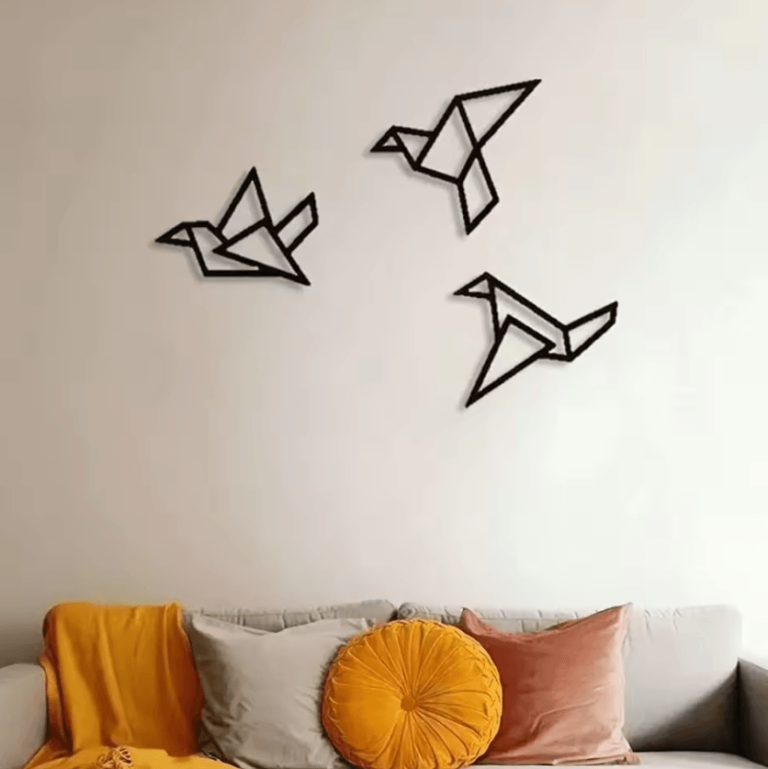 Aisha's pickBoho Wall Art for Living Room That Holds Up

 Aisha's pickMountain Wall Art for Living Room That Holds Up

 Aisha's pickGood Canvas Art for Living Room Without the Big Price Tag
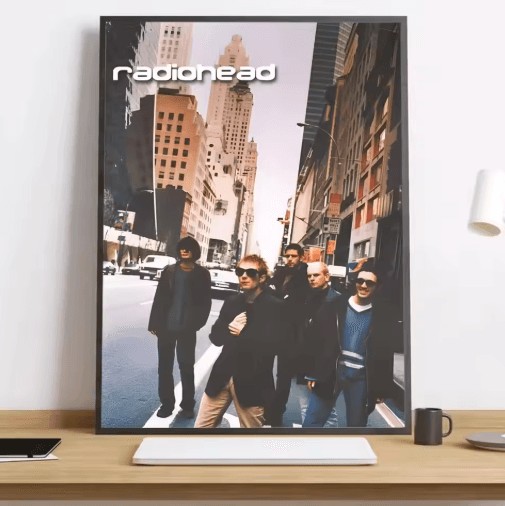
 Aisha's pickThe Retro Wall Art for Living Room Worth Your Cash

 Aisha's pickCanvas Wall Art for Living Room That Does What It Should
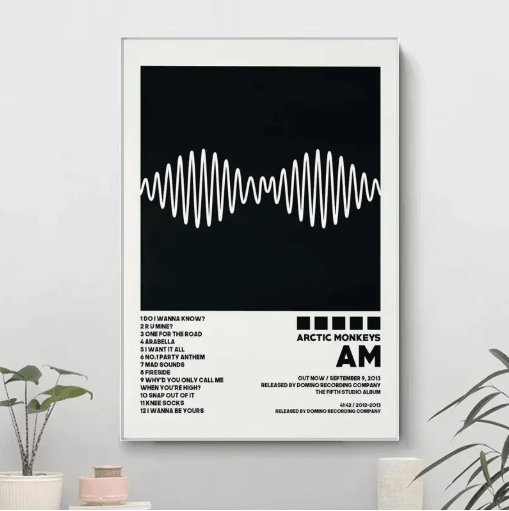
 Aisha's pickNo Fuss Tree Wall Art for Living Room

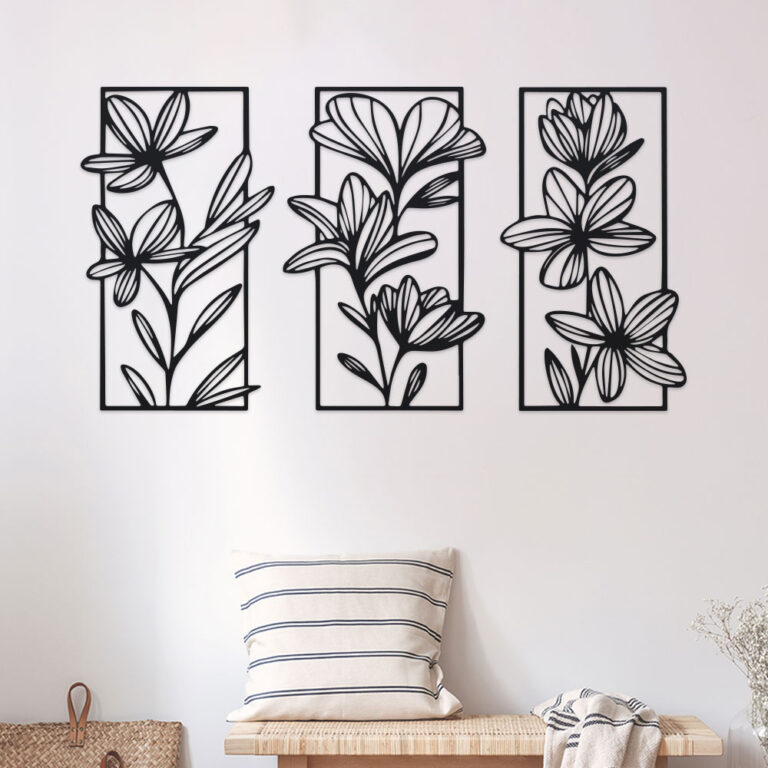 Aisha's pickFloral Wall Art for Living Room We Keep Buying
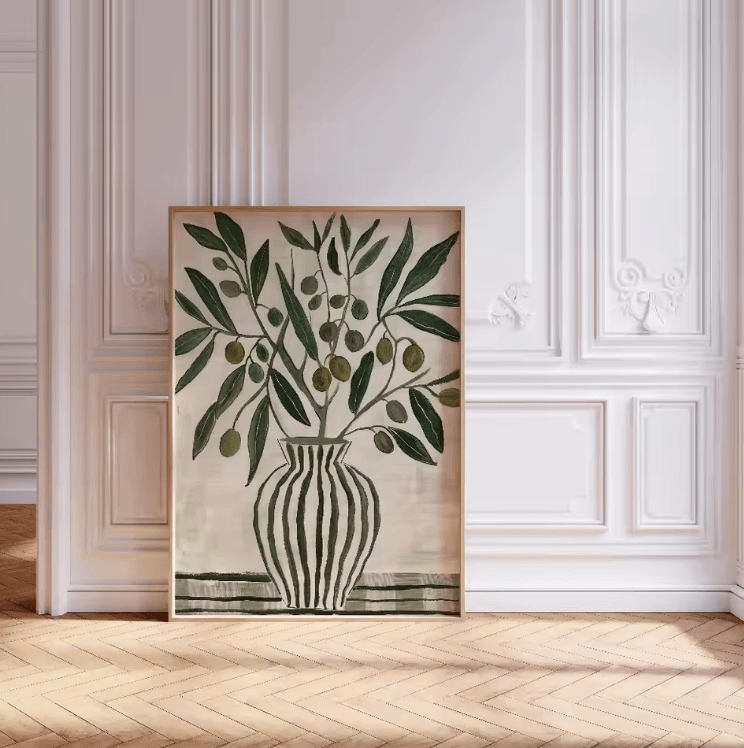
 Aisha's pickVintage Wall Art for Living Room Worth Your Money

 Aisha's pickFlower Wall Art for Living Room Pulled From Dozens of Stores