The first thing I do with any accessory, whether it's a bowl, a tray, a vase, or some small carved thing someone's grandmother would have loved, is pick it up and feel the weight of it. Light and hollow usually means it's going to look cheap under a lamp, and heavy for its size almost always means someone cared about what it was made from. That one check tells you most of what you need to know before you've even turned it over to look at the base.
Once you've got it in your hand, look at how it's finished where nobody was supposed to look. A well made piece has a clean underside, a joint you can't feel with your thumb, glaze or paint that goes all the way to the edge instead of stopping short where the mold line is. Cheap ceramics often have a seam you can catch a fingernail on. Cheap metal accessories are usually thin enough to dent if you press your thumb into them. Wood should feel sealed, not raw, unless raw is the point, and even then the grain should look deliberate rather than just unfinished. If you're starting from nothing, go for one good tray or bowl in a material that doesn't shout, something in wood, stone, or a matte ceramic, because that kind of piece sits happily on a coffee table, a console, a kitchen counter, wherever you need a spot to land keys or candles or whatever's cluttering your hands that day. It's the sort of thing that looks different at nine in the morning with flat light coming through the kitchen window than it does at seven in the evening when the lamps are on and everything gets a bit warmer and softer. A good accessory earns that range, it doesn't just look fine in one light and dull in every other.
Where they go wrong is in groups that don't share any logic, three different metals, four different eras, a glossy piece right next to a raw one with nothing to connect them. One shiny brass object sitting alone on a shelf full of matte wood looks like it wandered in from another house. They also struggle on surfaces that are already busy, a patterned tray on a patterned tablecloth, a textured vase on a textured runner. Give an accessory a plain surface and a bit of space around it and it'll do far more work than three of them crammed together ever could.
This is the kind of thing that suits a home where people actually live in the rooms, not just pass through them, somewhere a coffee table gets used for coffee and the shelf above it is allowed to change its mind every season.
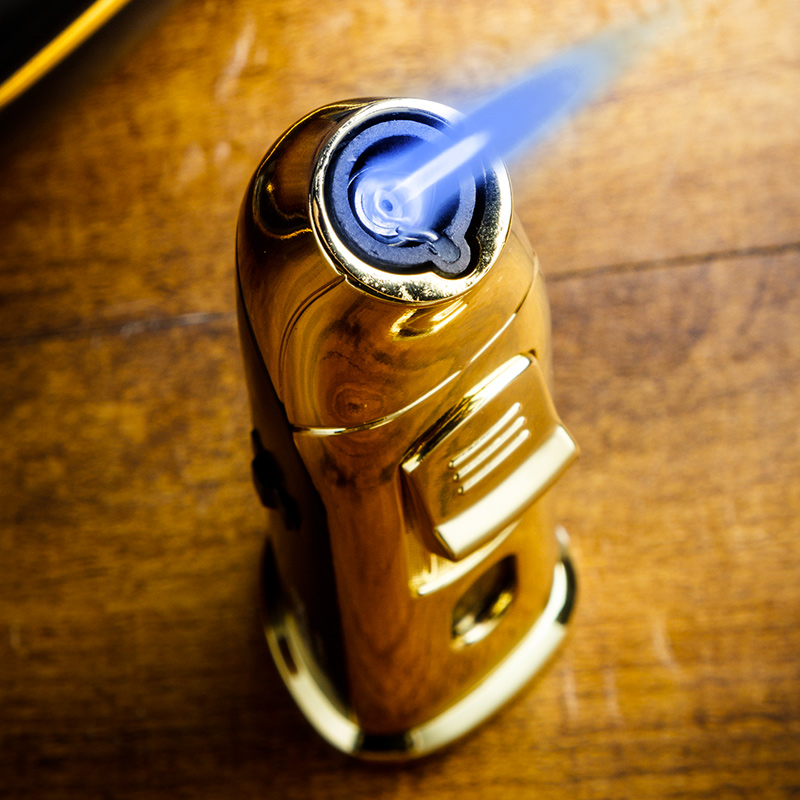 Aisha's pickCeramic Home Accessories Hunted Down So You Don’t Have To
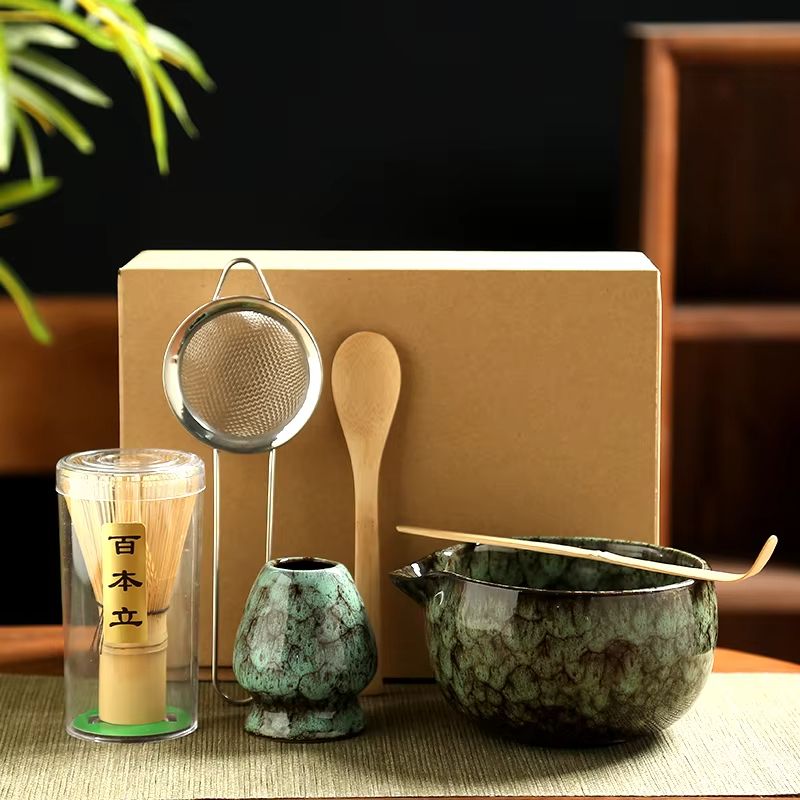
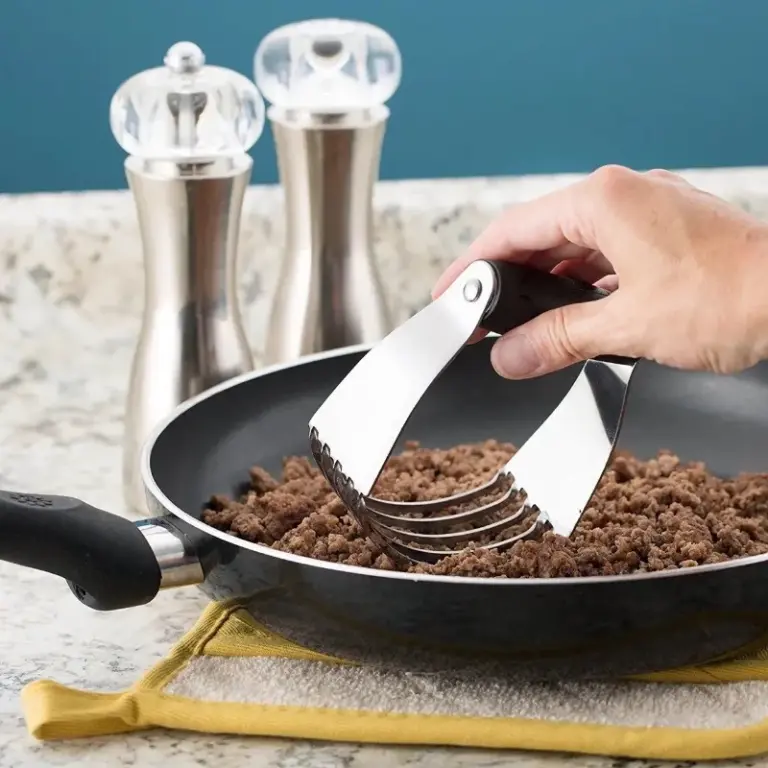 Aisha's pickLarge Home Accessories You Won’t Regret Buying
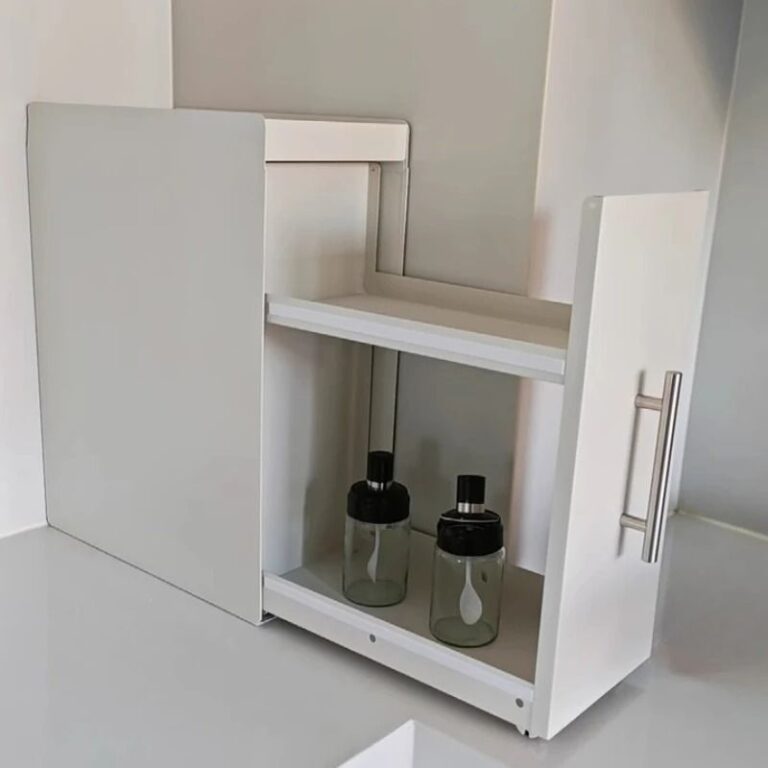 Aisha's pickStone Home Accessories for Blank Walls and Empty Shelves
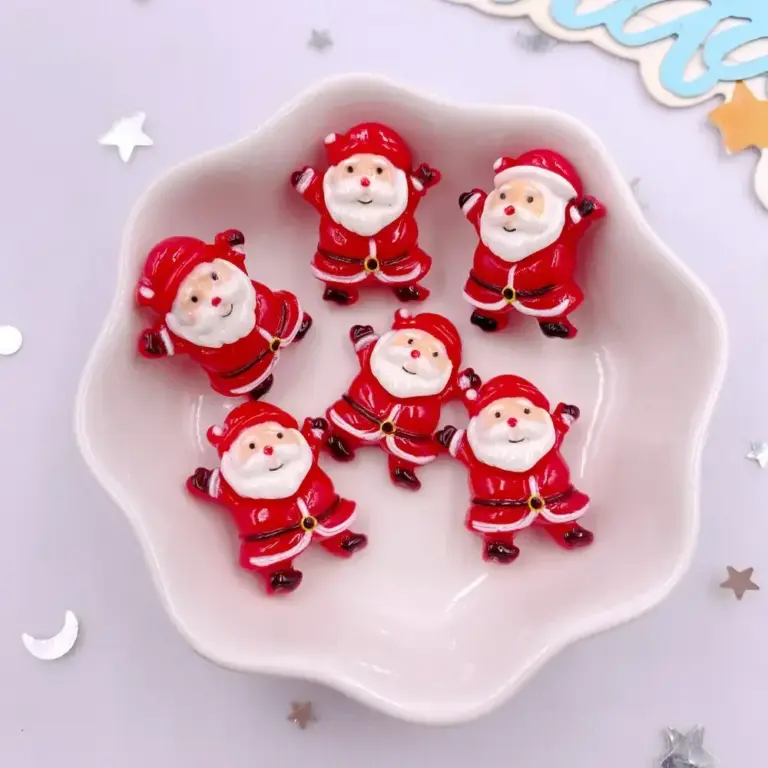
 Aisha's pickClear Home Accessories With a Story to Them
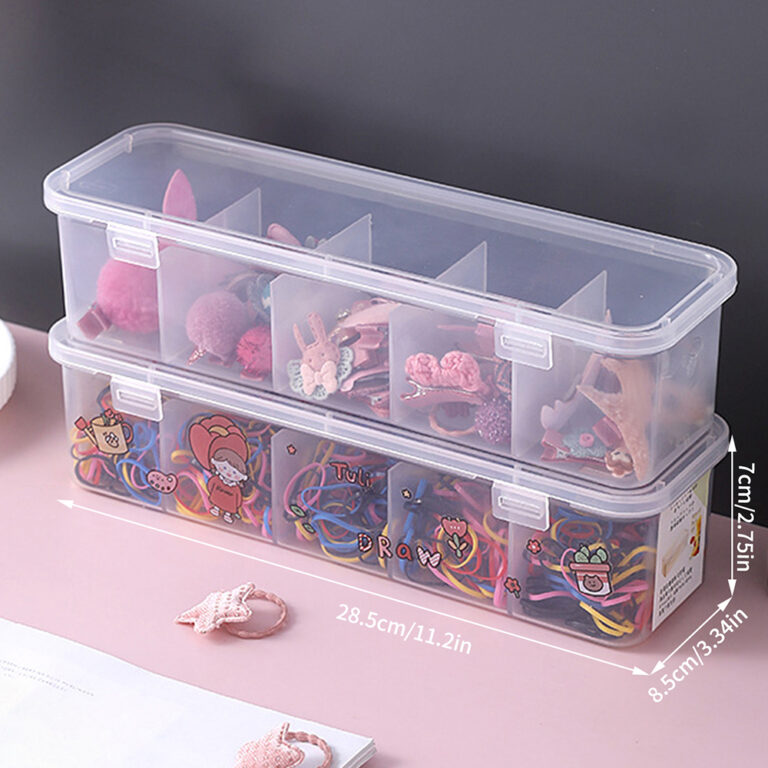
 Aisha's pickLuxury Home Accessories Picked by People Who Care Too Much
 Aisha's pickVintage Home Accessories That Give a Room Some Personality
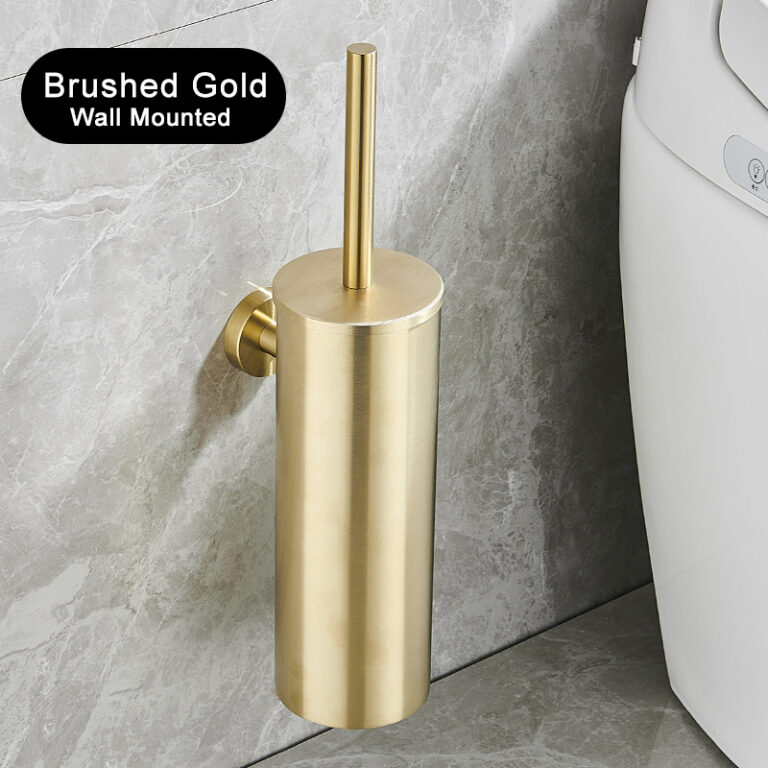 Aisha's pickContemporary Home Accessories for Filling an Awkward Gap
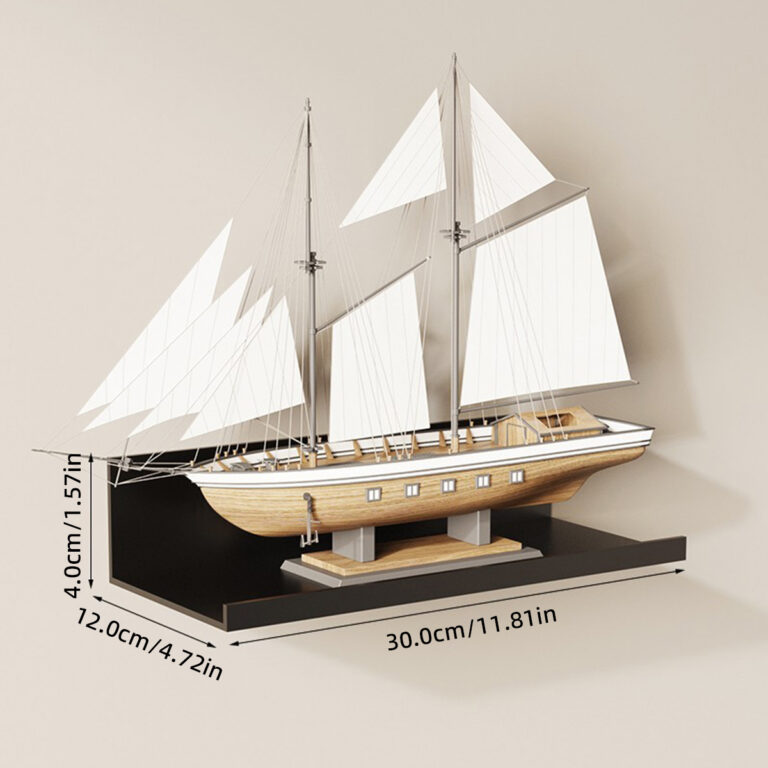
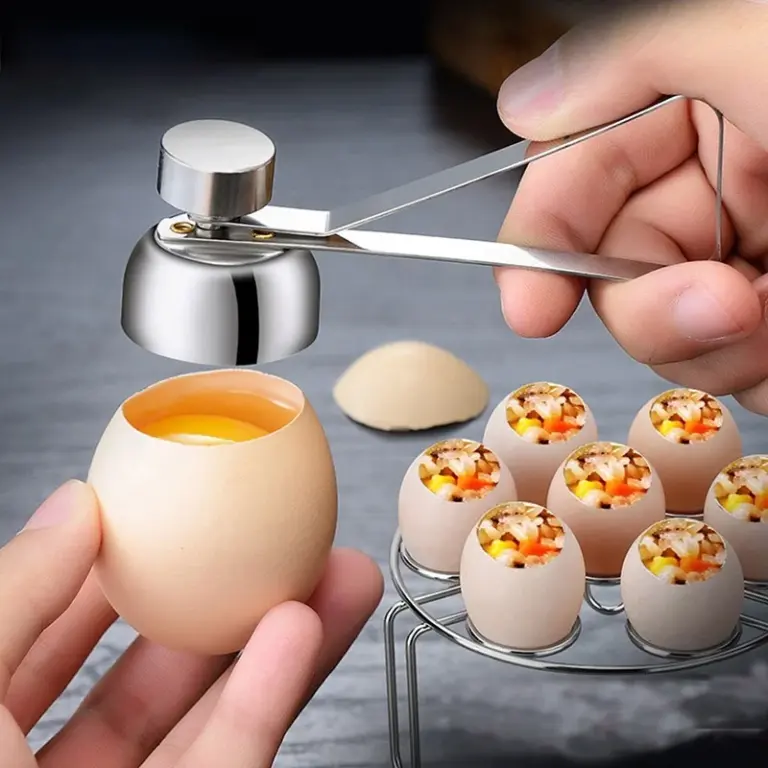 Aisha's pickSimple Medium Home Accessories Done Well
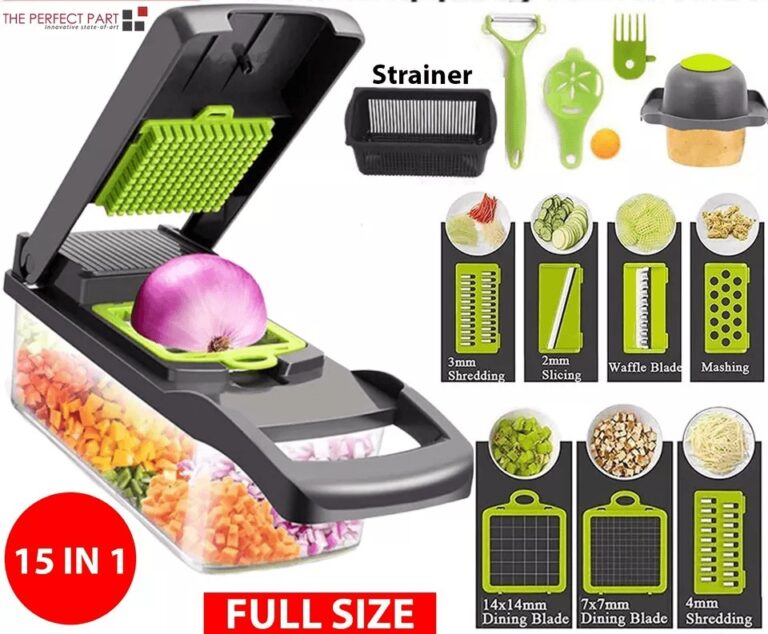
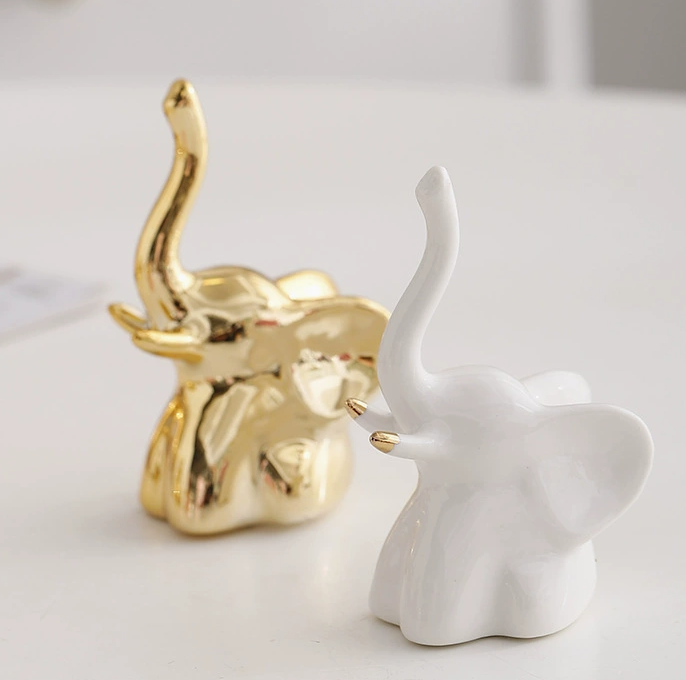 Aisha's pickWhite Home Accessories That Give a Room Some PersonalityAlso worth a lookHome AccessoriesHome accessories are the small, movable things that make a room feel finished rather than furnished: bowls, trays,…See the collections →
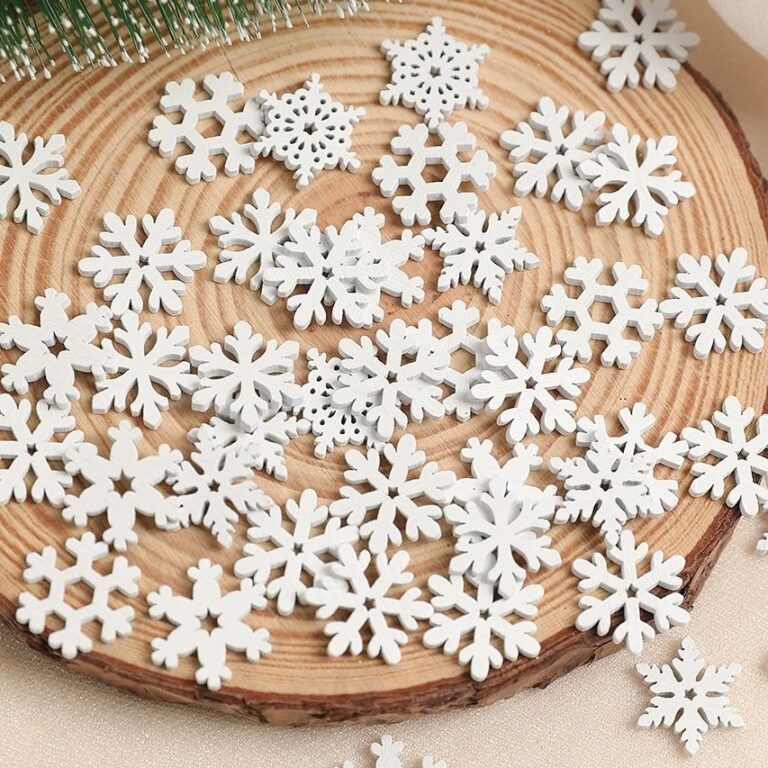
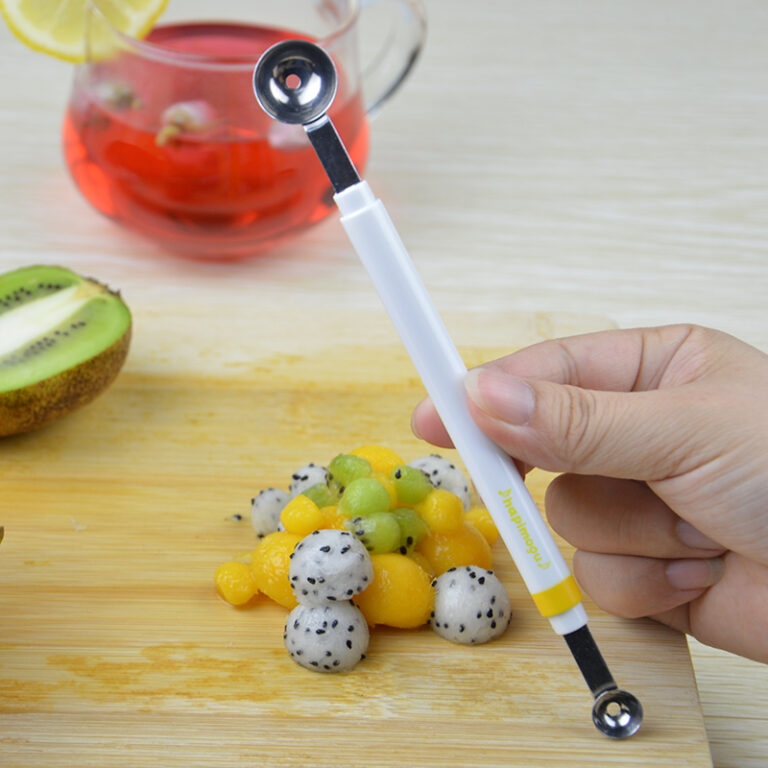 Aisha's pickCream Home Accessories That Survive Kids and Pets
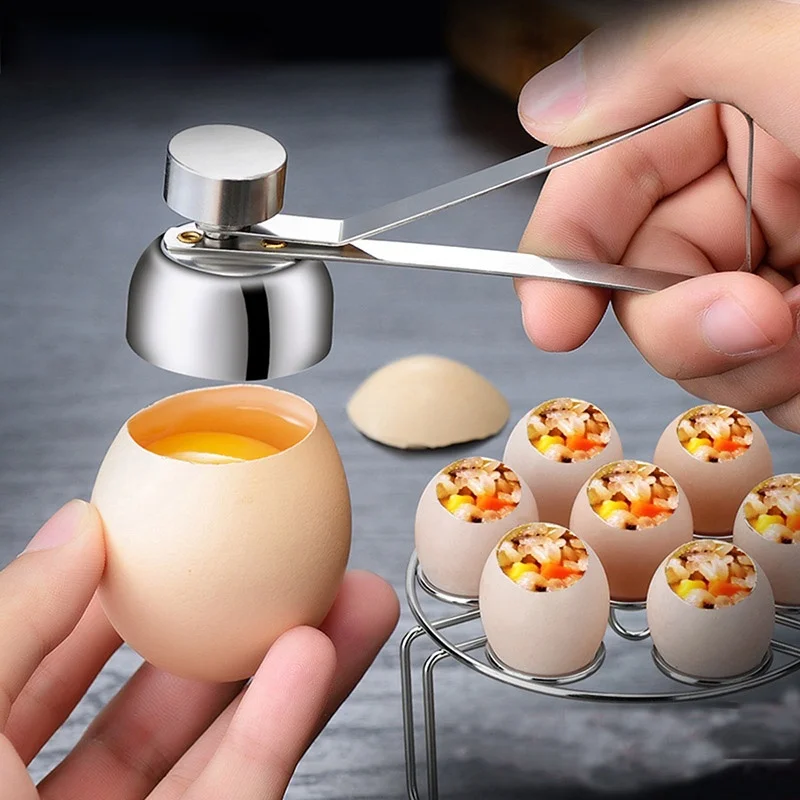 Aisha's pickMetal Home Accessories From Brands You Know and a Few You Won’t
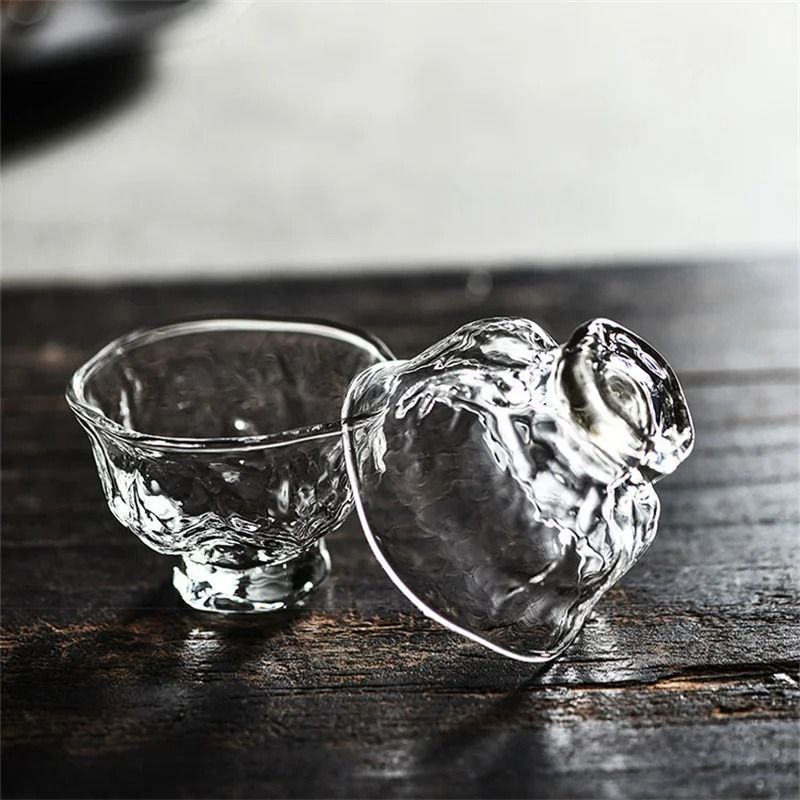
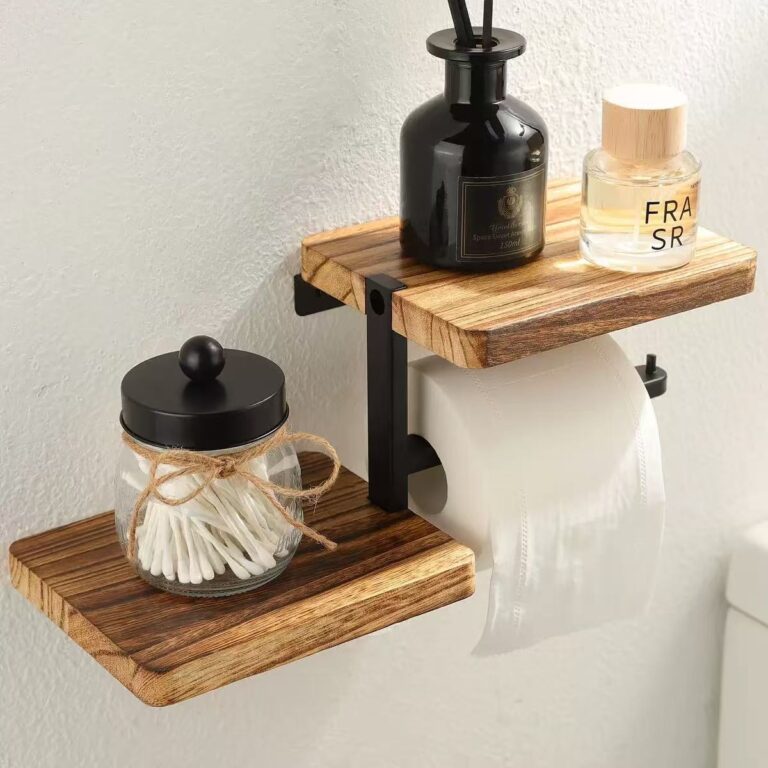 Aisha's pickWooden Home Accessories That Start Conversations
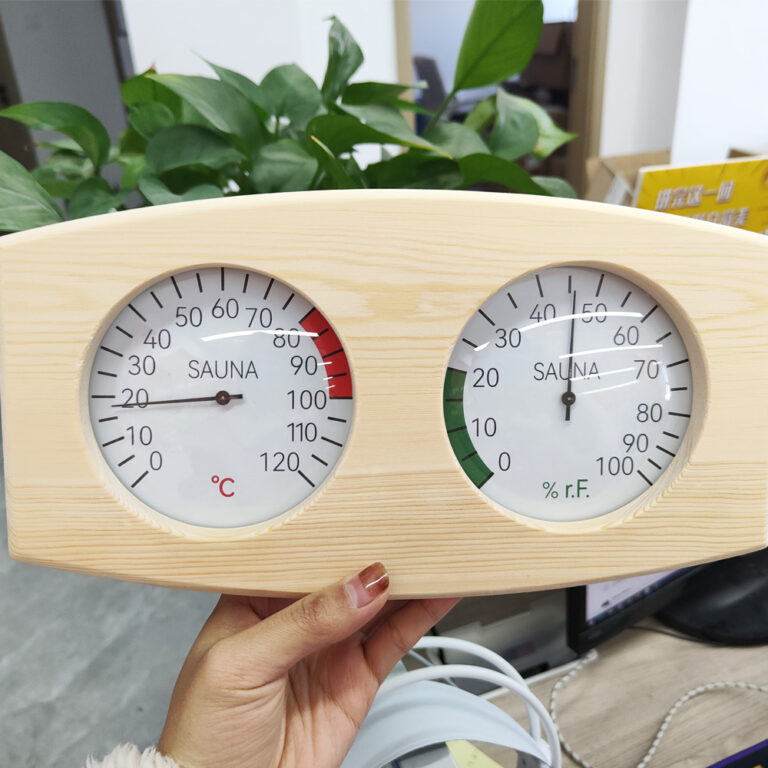
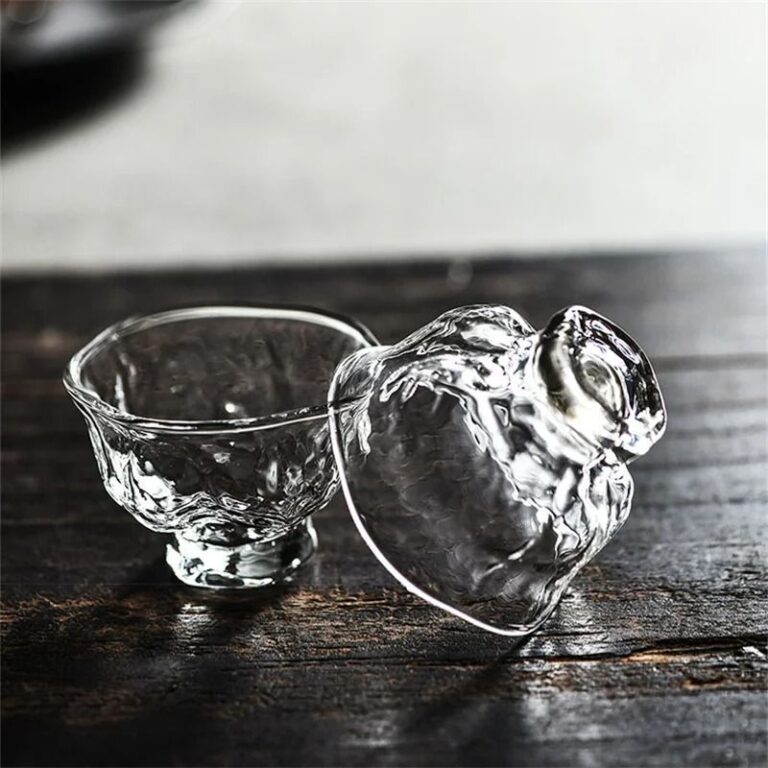 Aisha's pickCrystal Home Accessories That Feel Personal, Not Store Bought

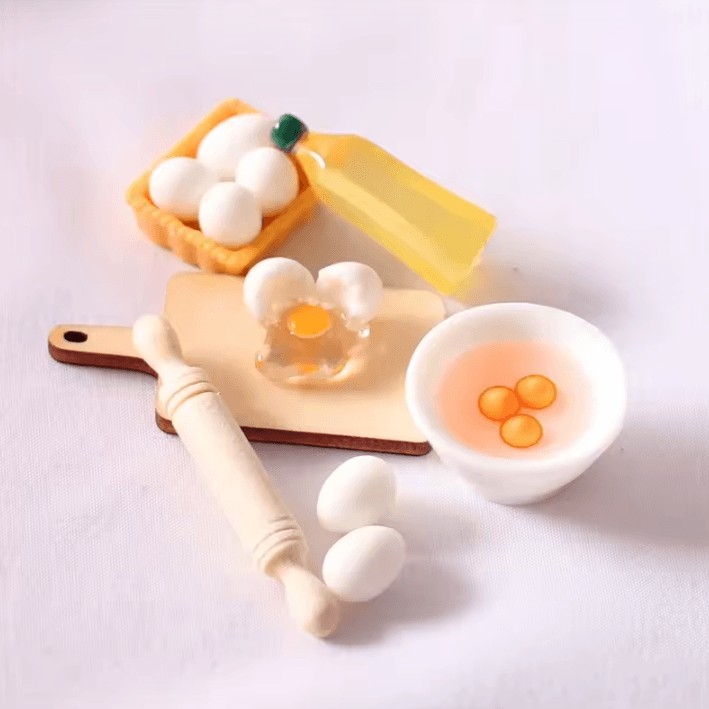 Aisha's pickMini Home Accessories That Make Great Housewarming Gifts
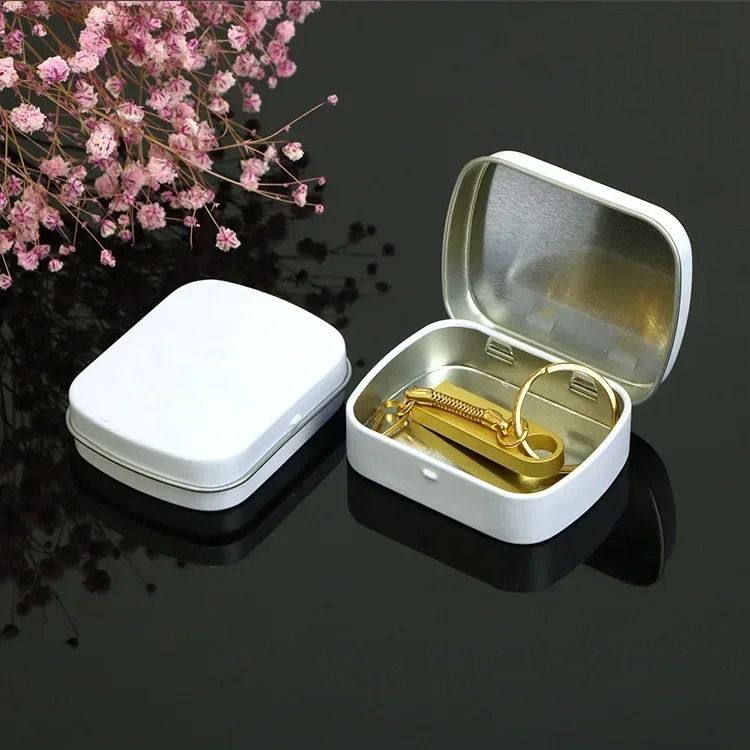
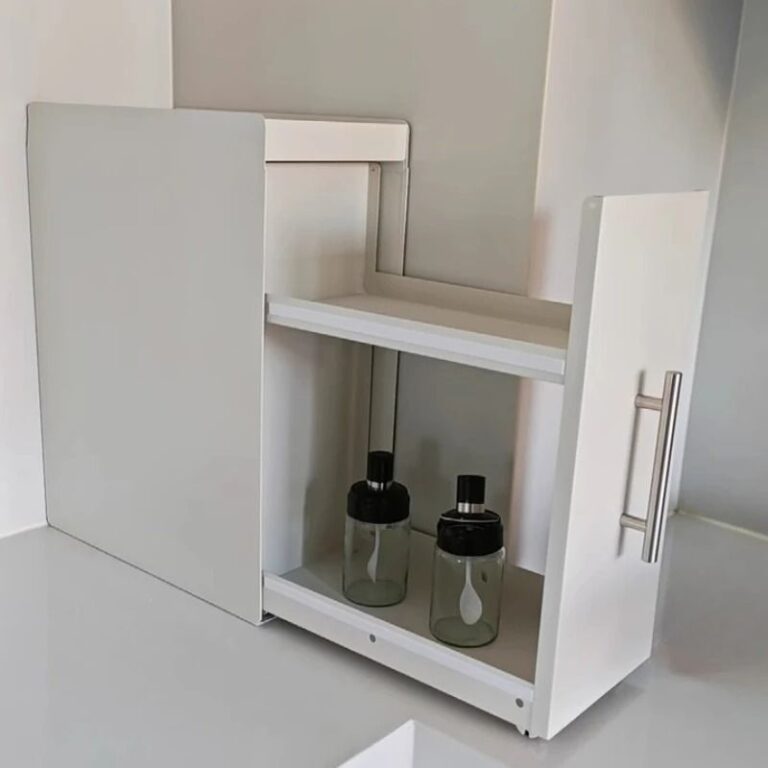 Aisha's pickGeometric Home Accessories That Make a Shelf Look Styled
 Aisha's pickModern Home Accessories That Look Like They Cost More
 Aisha's pickGlass Home Accessories With a Story to Them
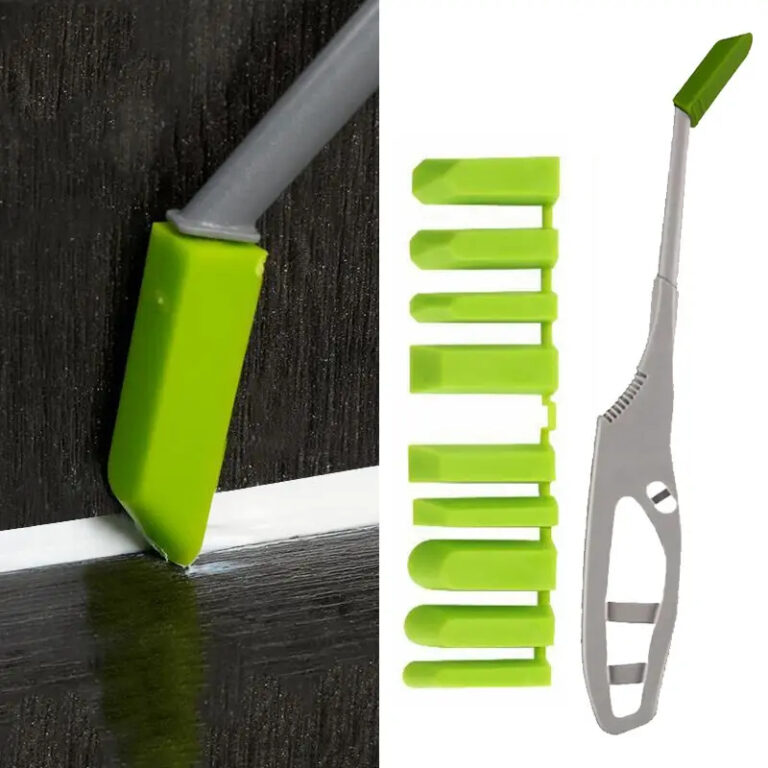
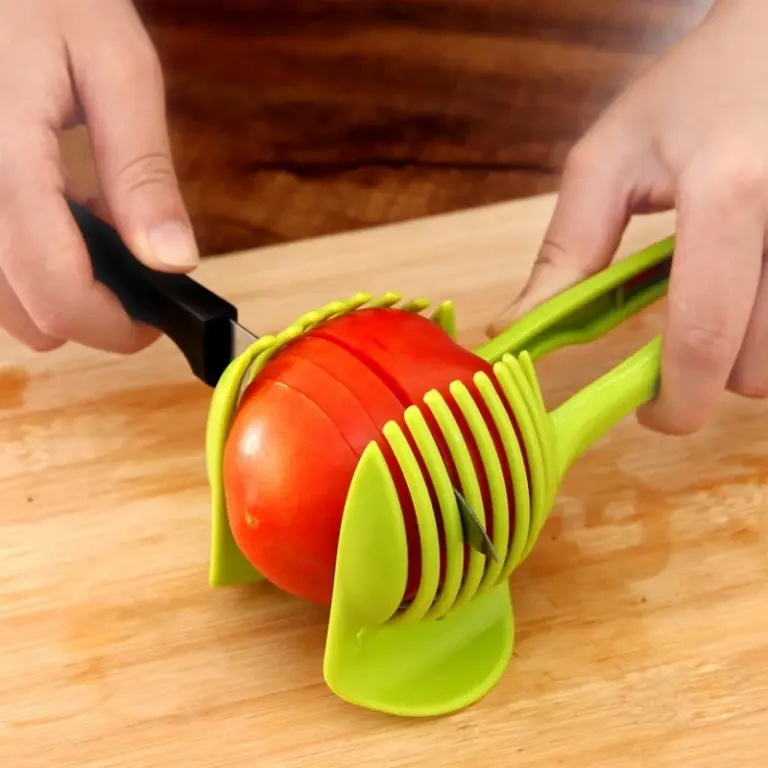 Aisha's pickOrange Home Accessories That Visitors Always Ask AboutAlso worth a lookDecorDecor is the stuff that doesn't do anything useful at all, and that's exactly the point of it.See the collections →
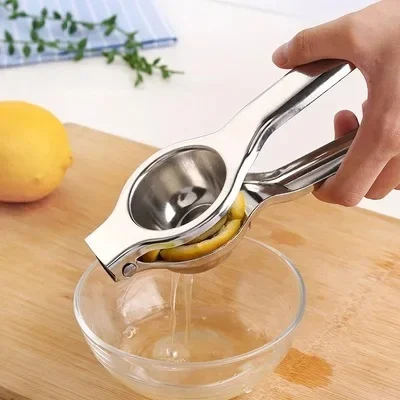
 Aisha's pickGold Home Accessories for Rooms That Feel a Bit Bare
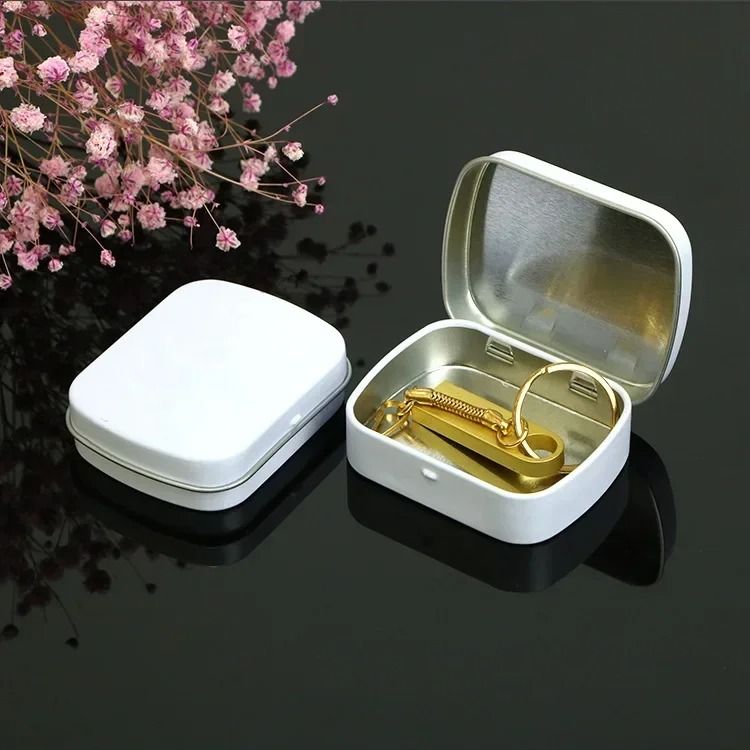
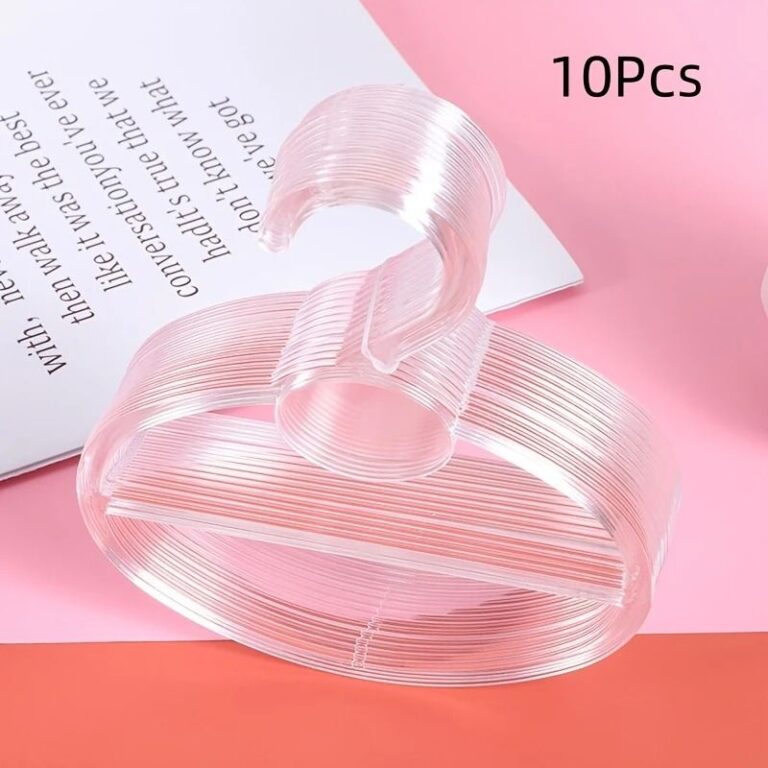 Aisha's pickOval Home Accessories That Start Conversations
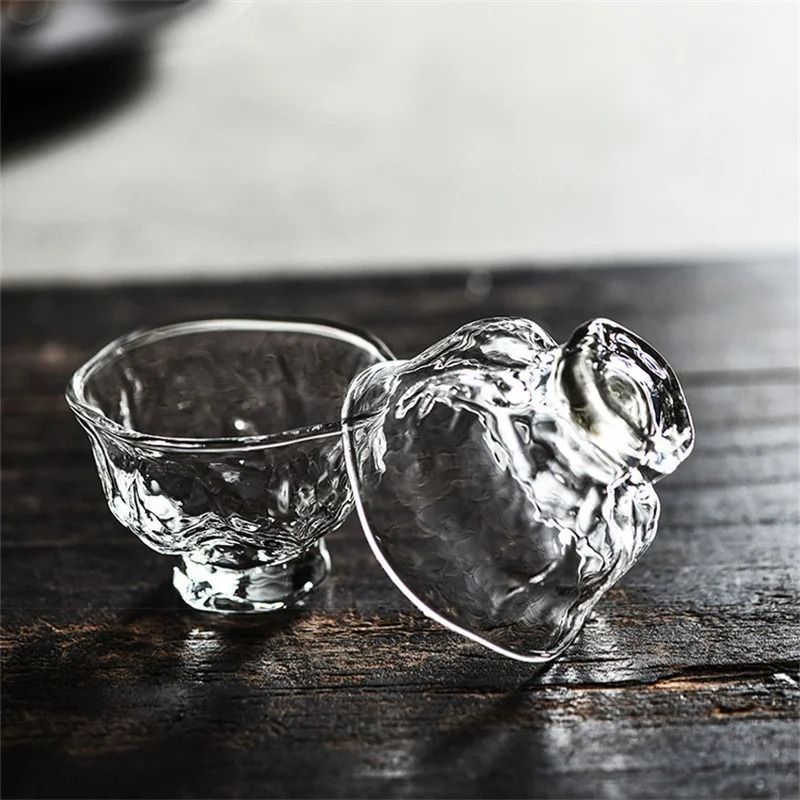 Aisha's pickGreen Home Accessories With a Story to Them
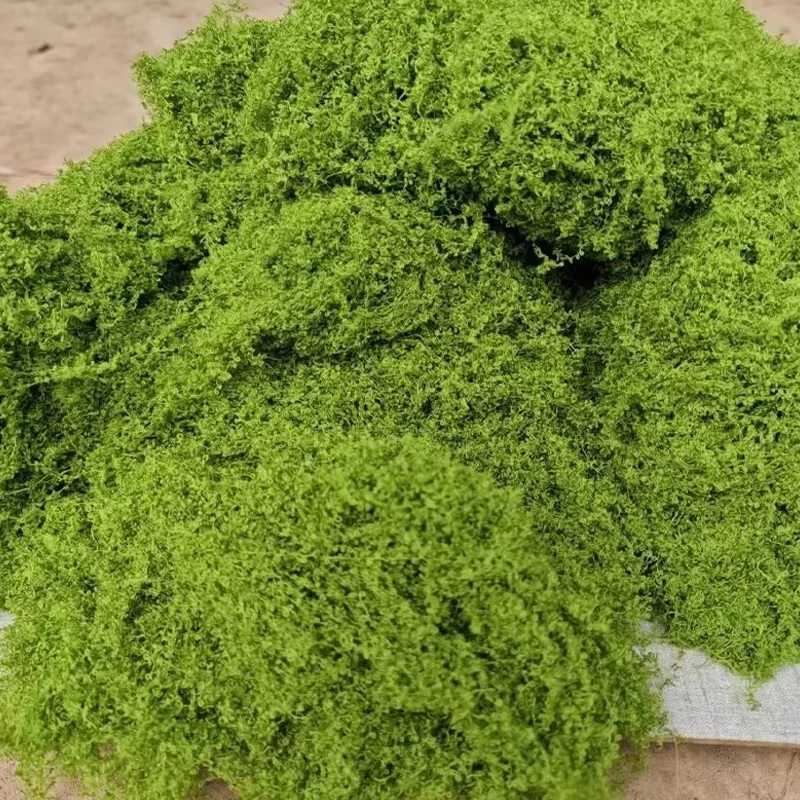
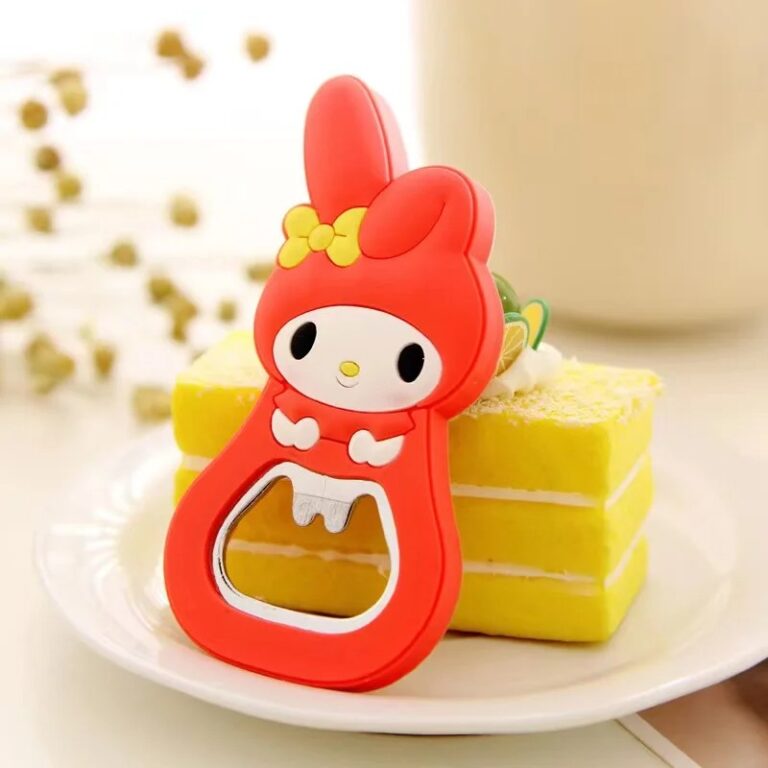 Aisha's pickPink Home Accessories for Filling an Awkward Gap
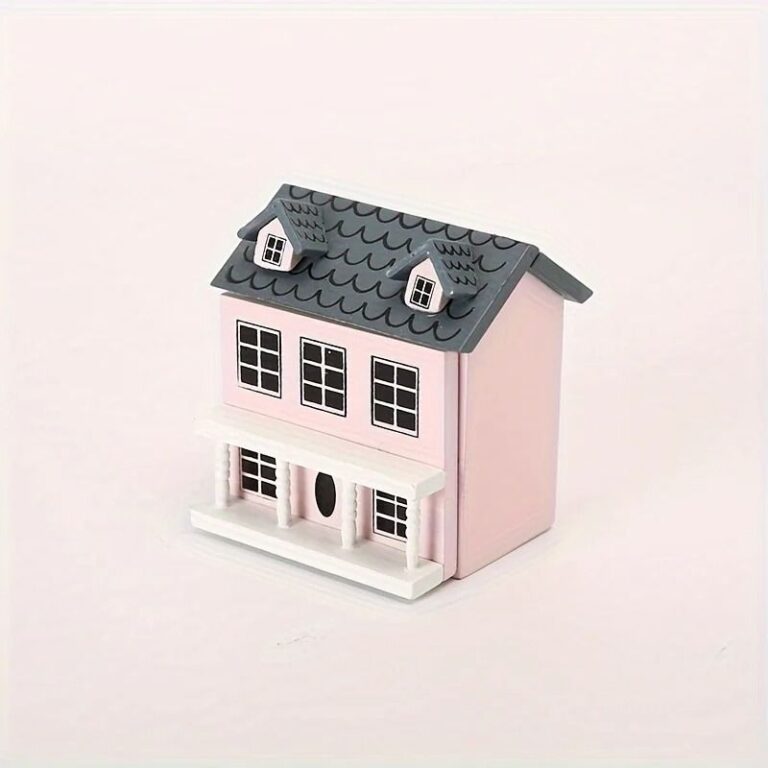
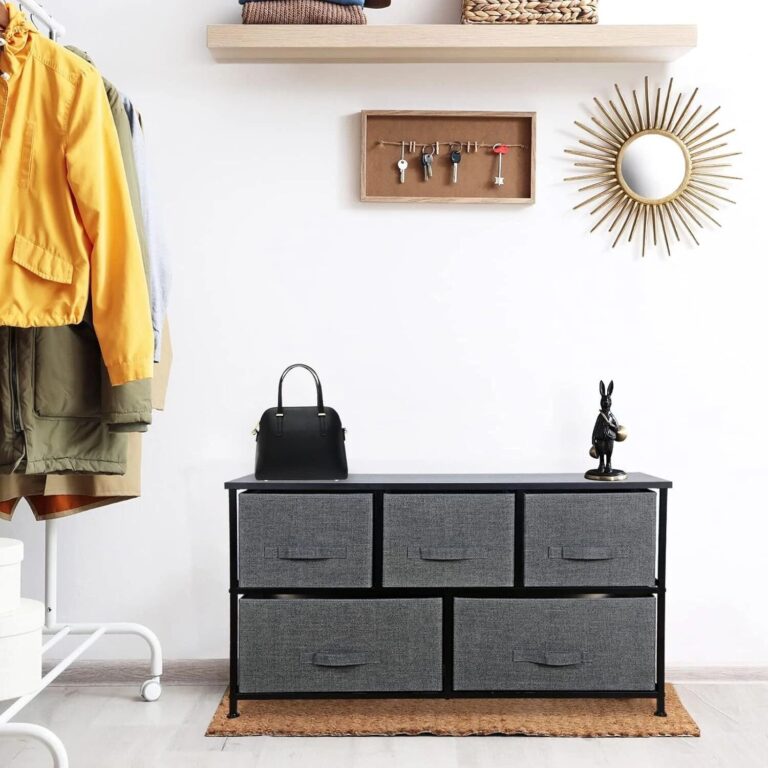 Aisha's pickGray Home Accessories That Make Small Changes Feel Big
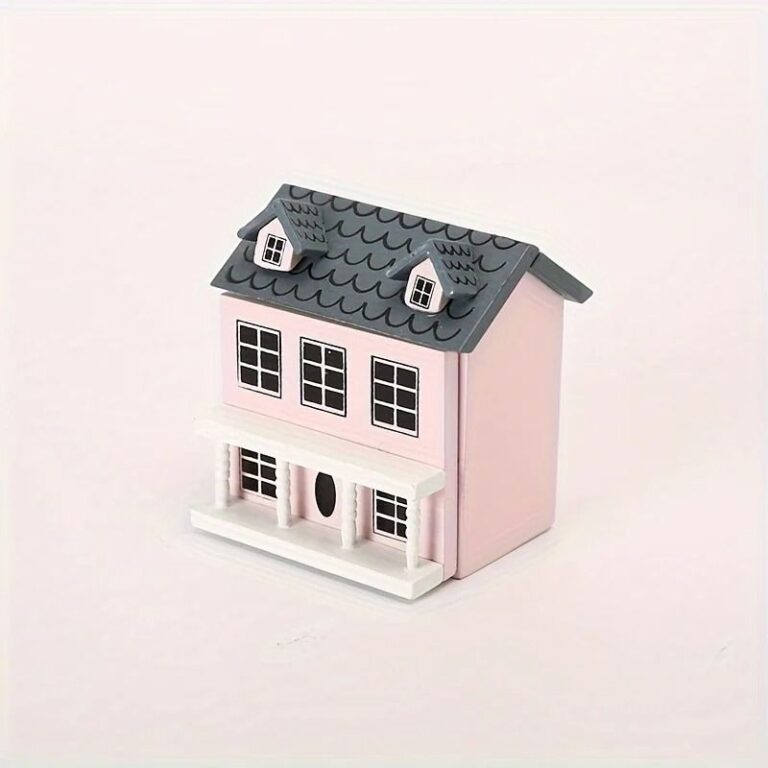
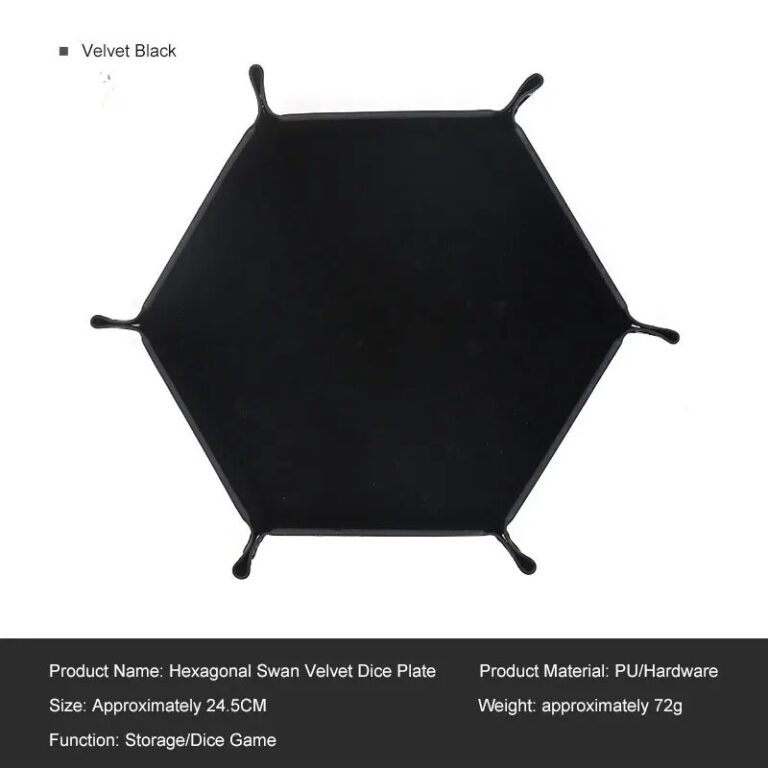 Aisha's pickPurple Home Accessories for Filling an Awkward Gap

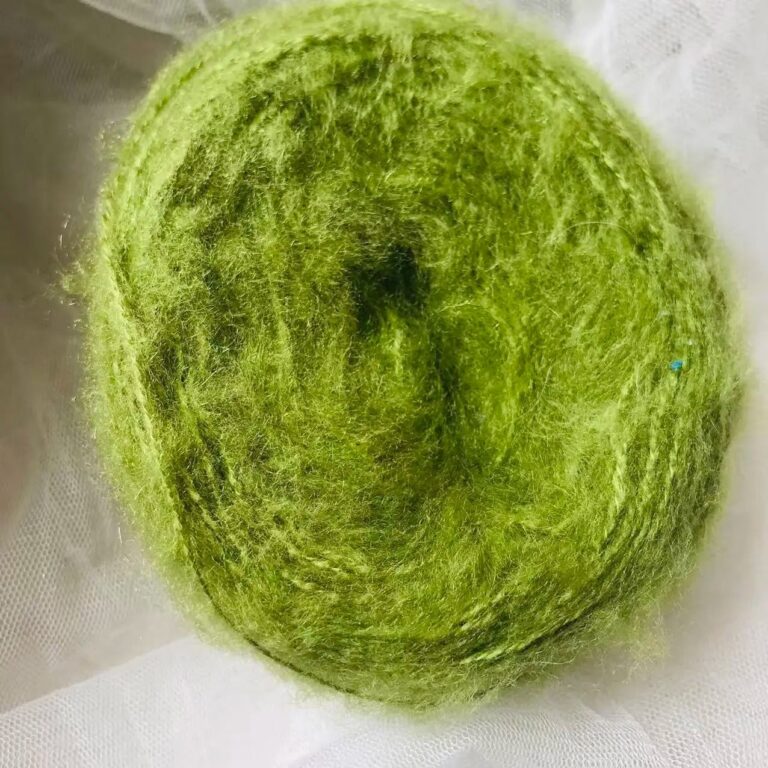 Aisha's pickHandmade Home Accessories That Look Better in Real Life
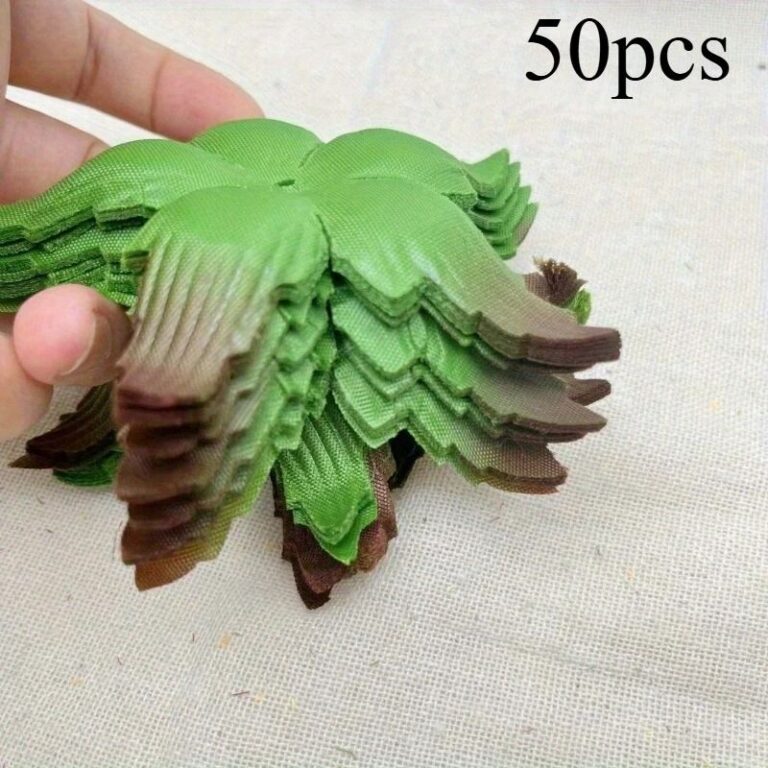
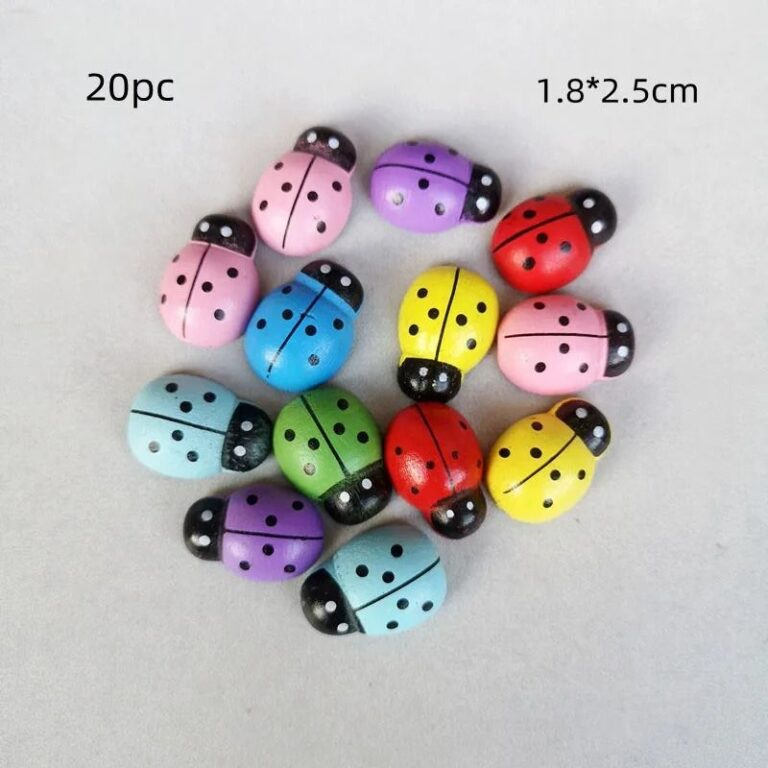 Aisha's pickRed Home Accessories That Feel Personal, Not Store Bought
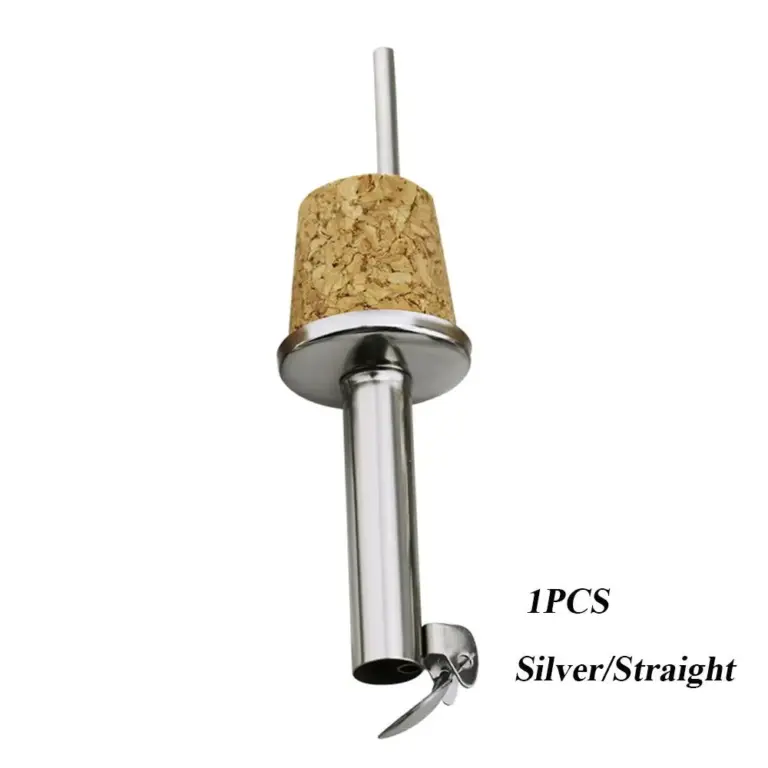
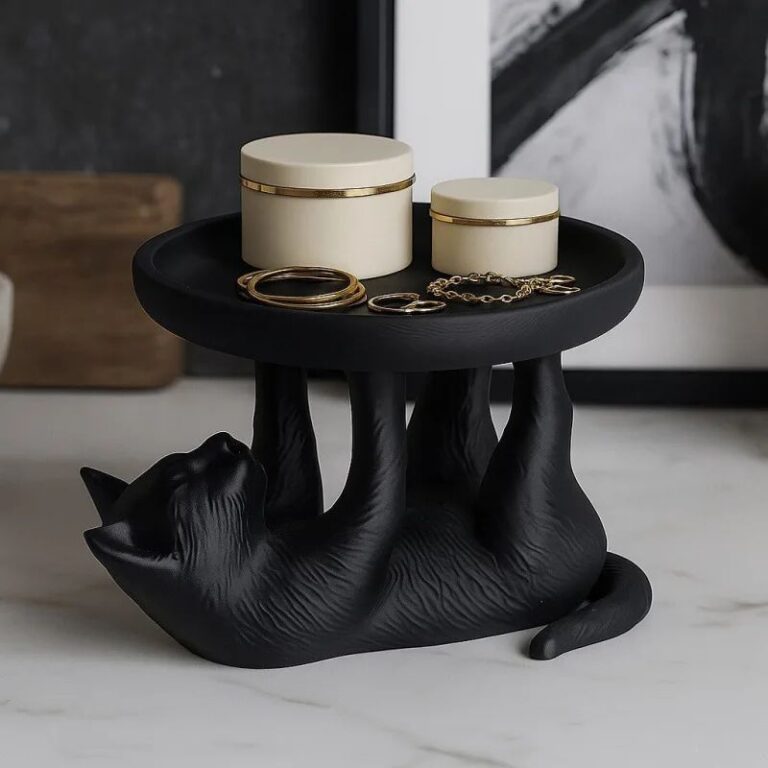 Aisha's pickHome Accessories That Look Better in Real LifeAlso worth a lookMetal DecorThe question I get most, usually from someone standing in front of a blank wall holding a tape measure, is whether metal decor reads cold.See the collections →
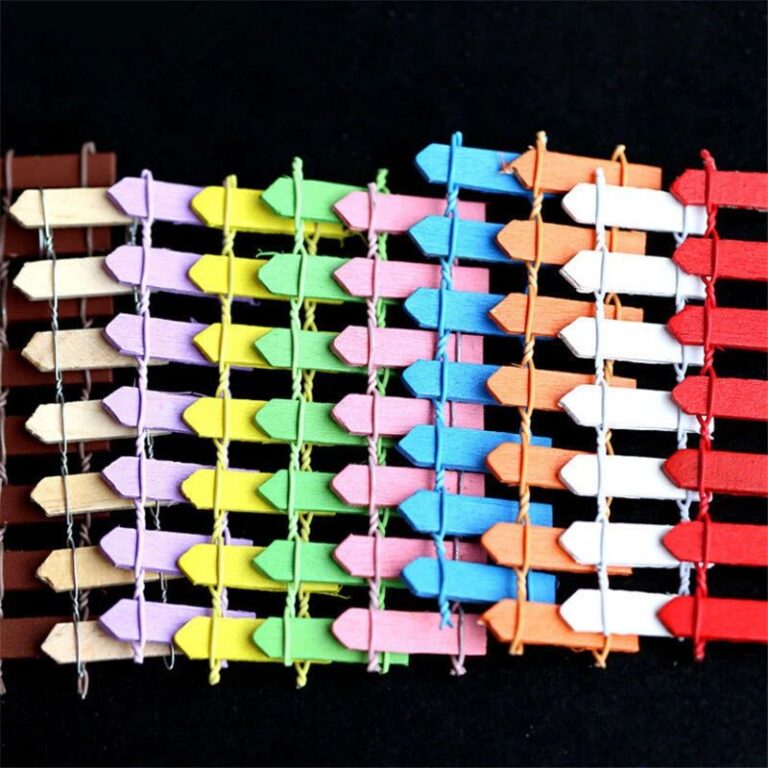
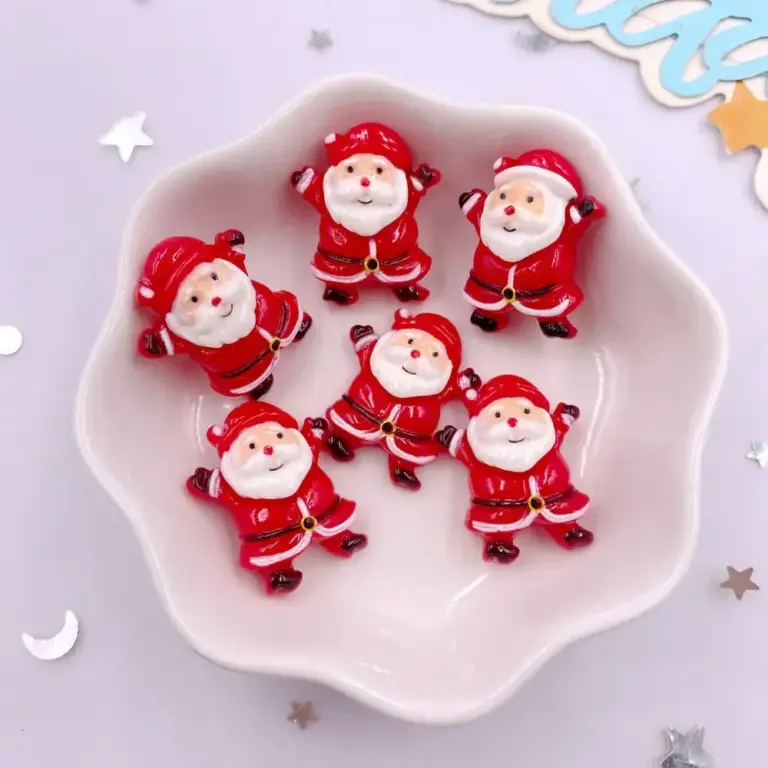 Aisha's pickResin Home Accessories That Make a Shelf Look Styled
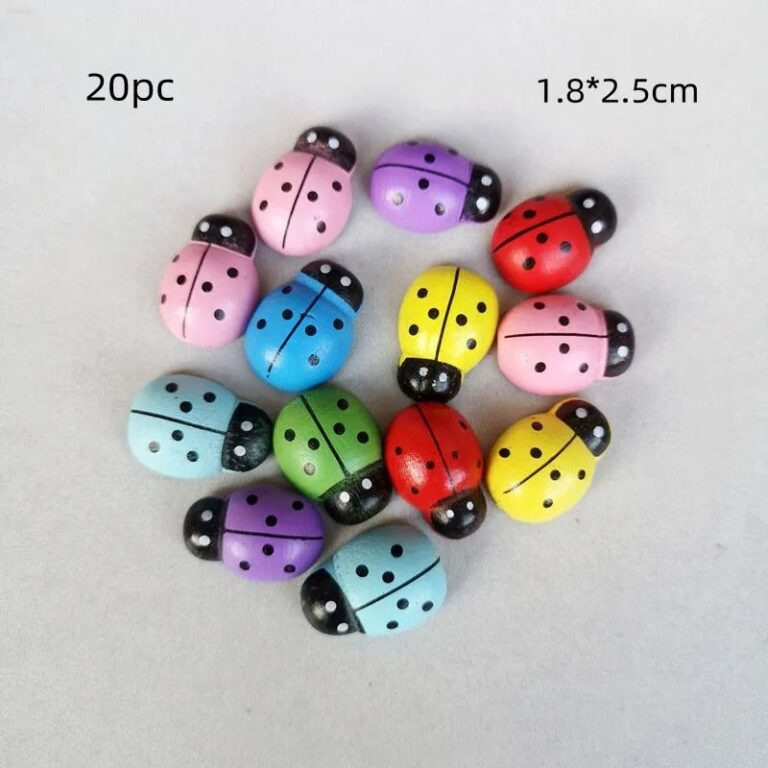
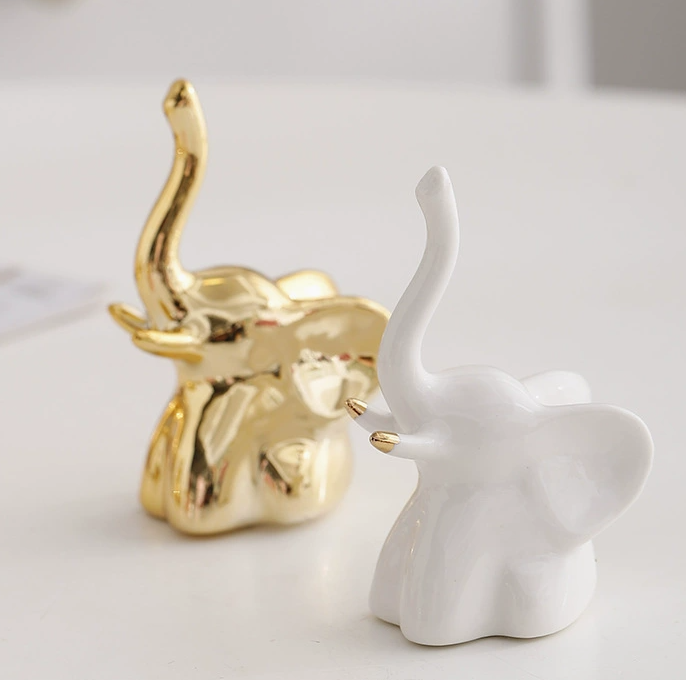 Aisha's pickHome Accessories for Bedroom That Catch the Eye Without Taking Over
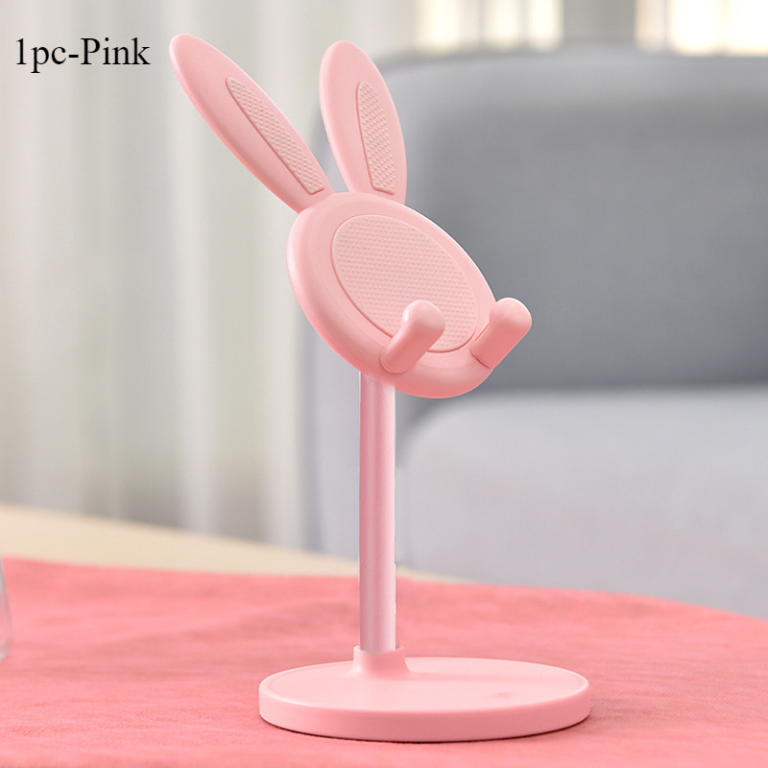
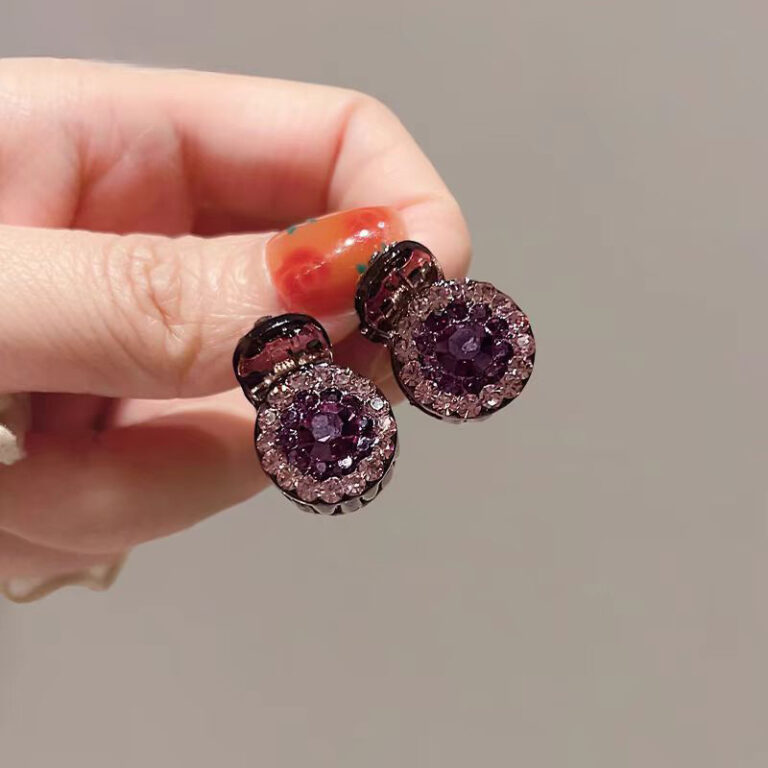 Aisha's pickRound Home Accessories Worth Knowing About
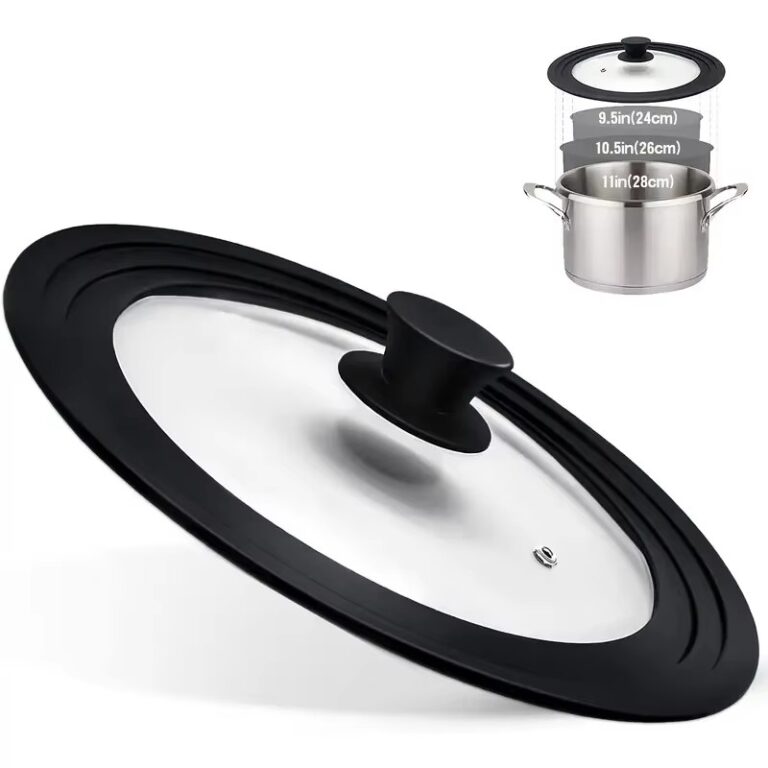
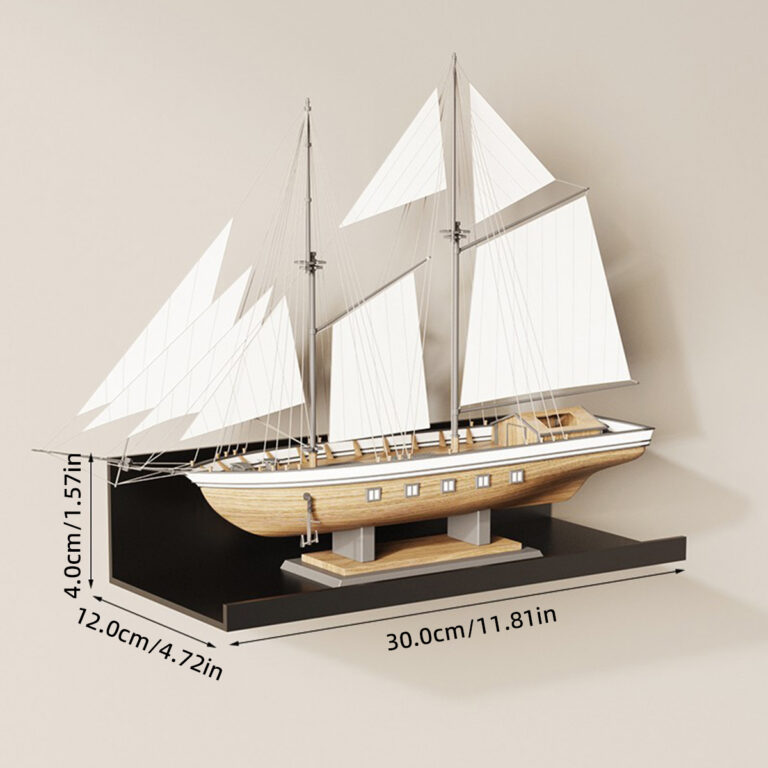 Aisha's pickBlack Home Accessories From Stores Big and Small
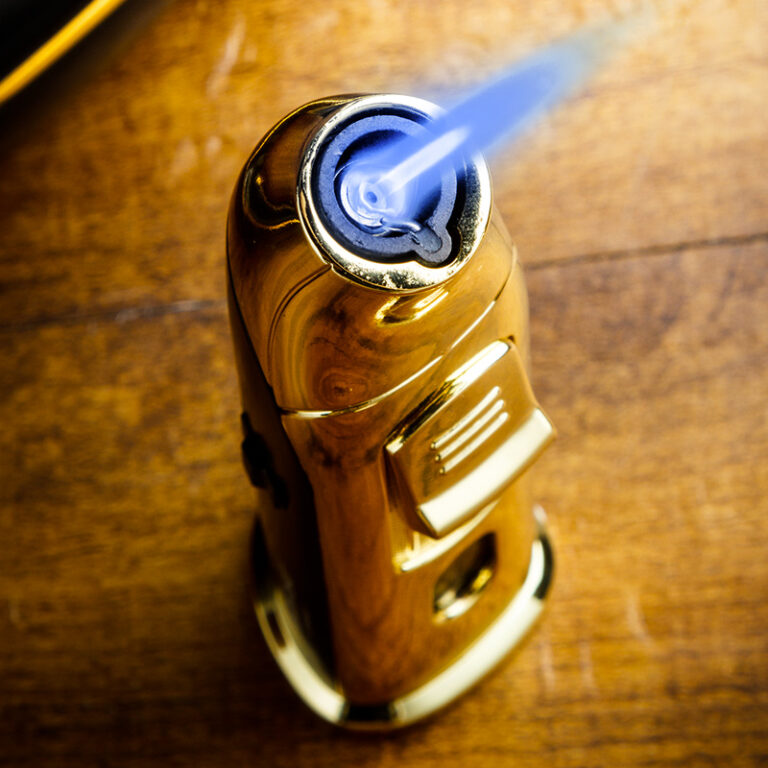
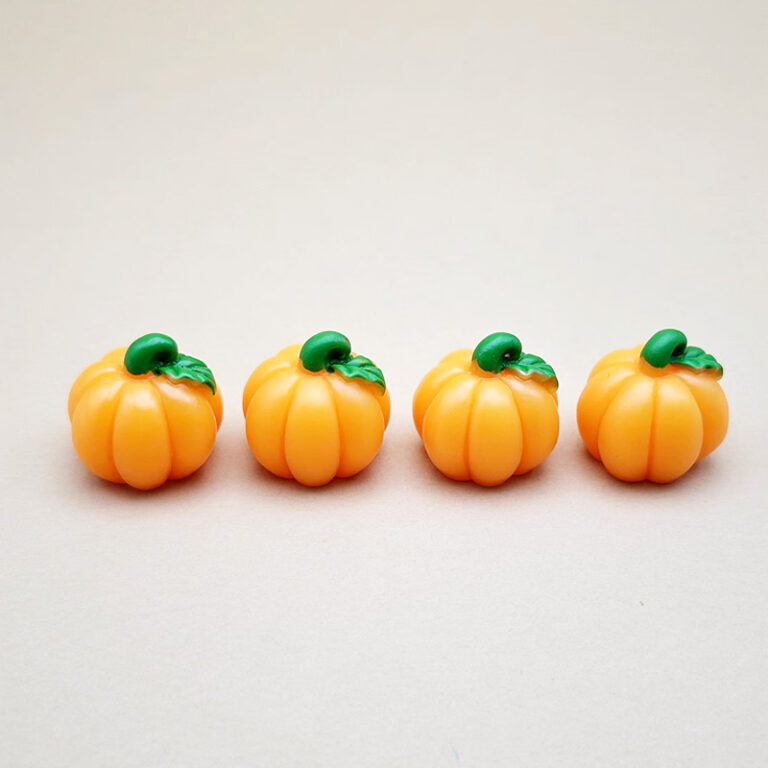 Aisha's pickHome Accessories for Living Room That Start Conversations
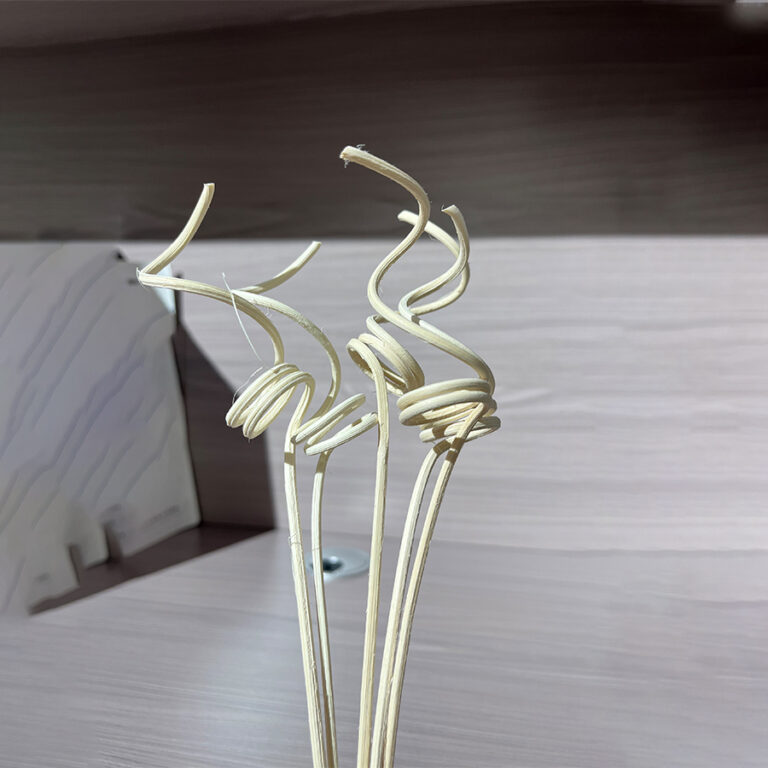
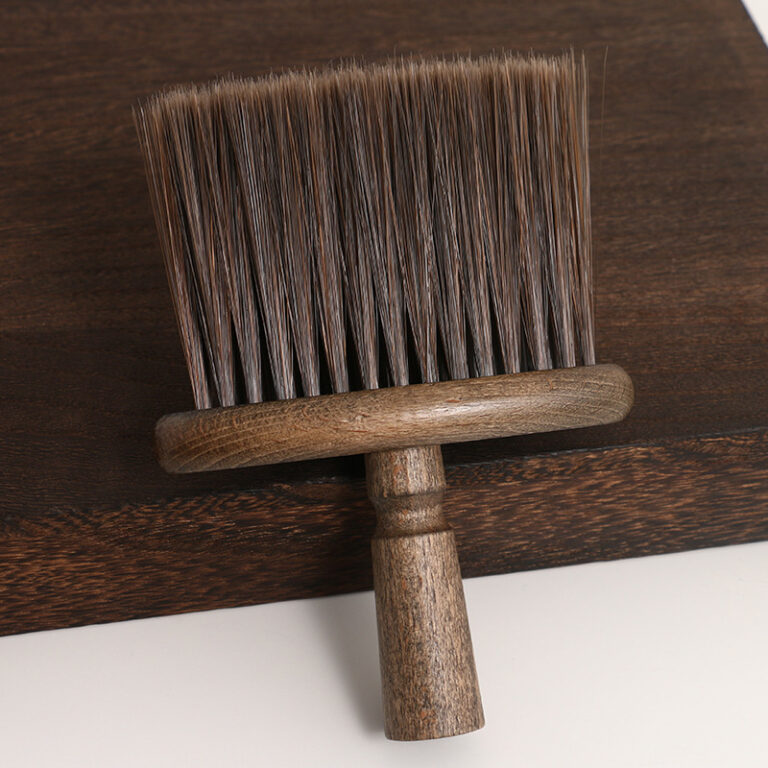 Aisha's pickRustic Home Accessories That Start Conversations
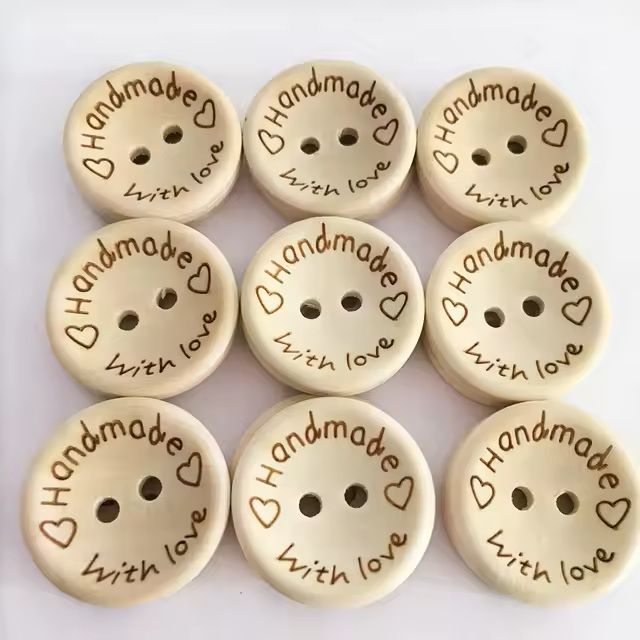
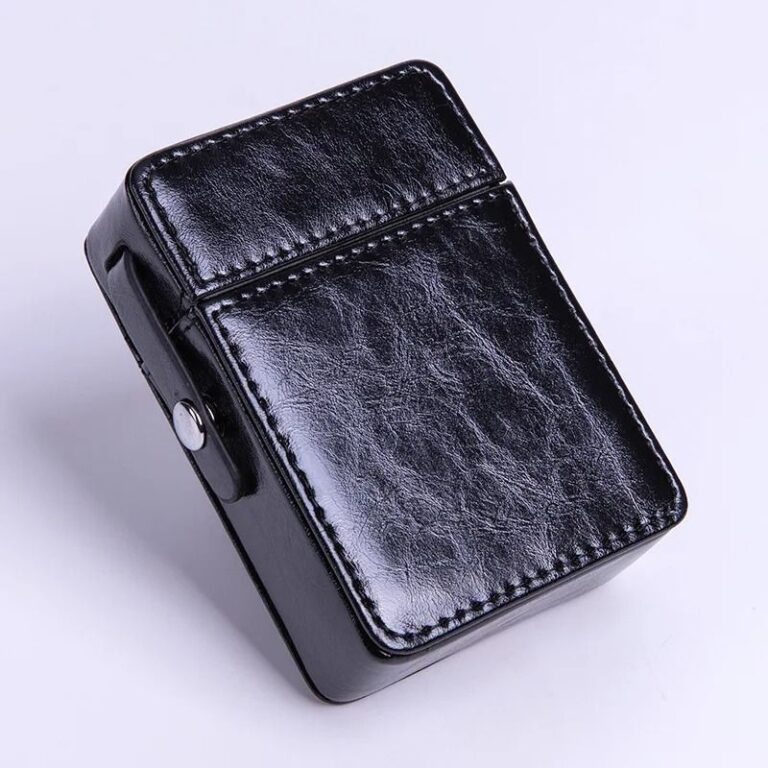 Aisha's pickBlue Home Accessories for Blank Walls and Empty Shelves
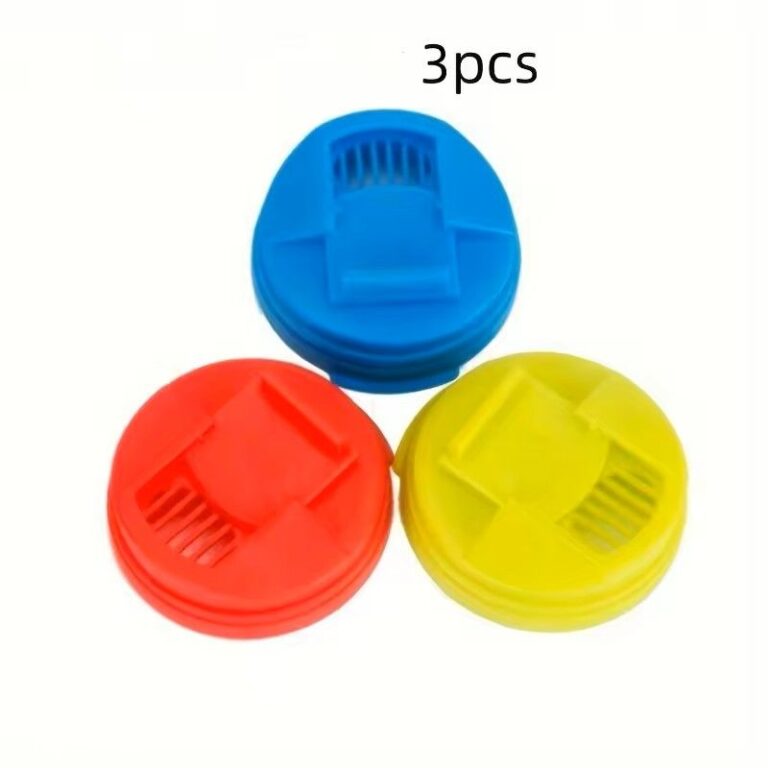
 Aisha's pickHome Accessories for Shelves You’ll Keep for Years