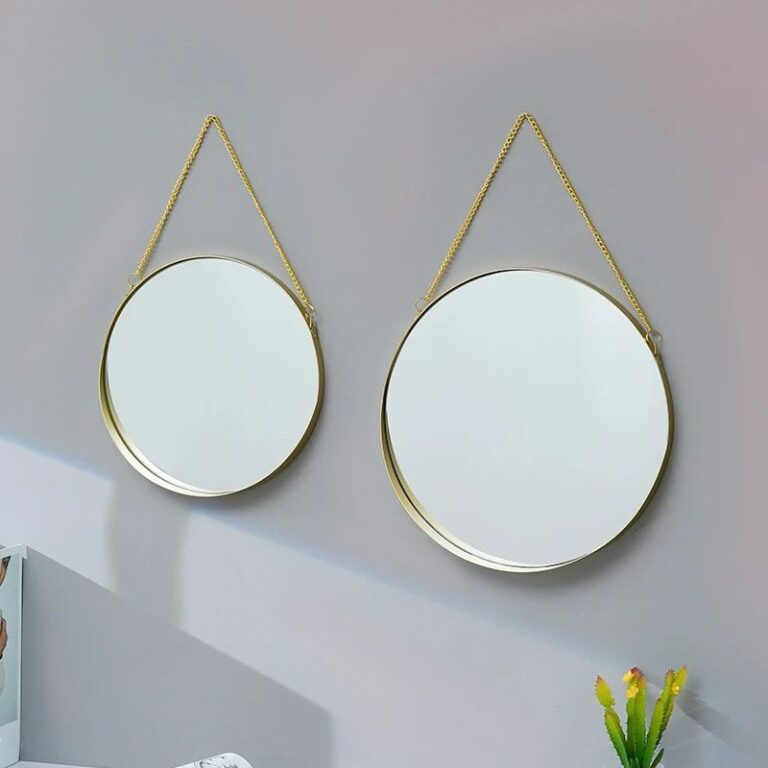
Stand in the doorway of a bedroom with a good mirror and your eye goes to the window and the light it's pulling in. Stand in one with a bad mirror, usually some thin sheet of glass in a frame that flexes if you tap it, and your eye goes straight to the mirror, because something about the reflection looks slightly off, a little warped at the edges, like you're getting ready in a fun house. You notice the difference before you notice why.
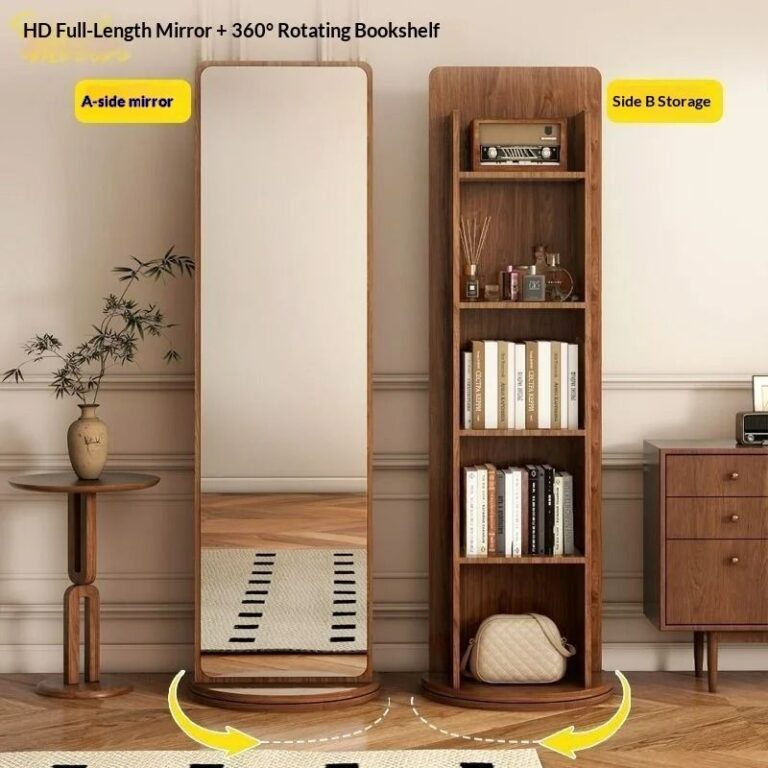
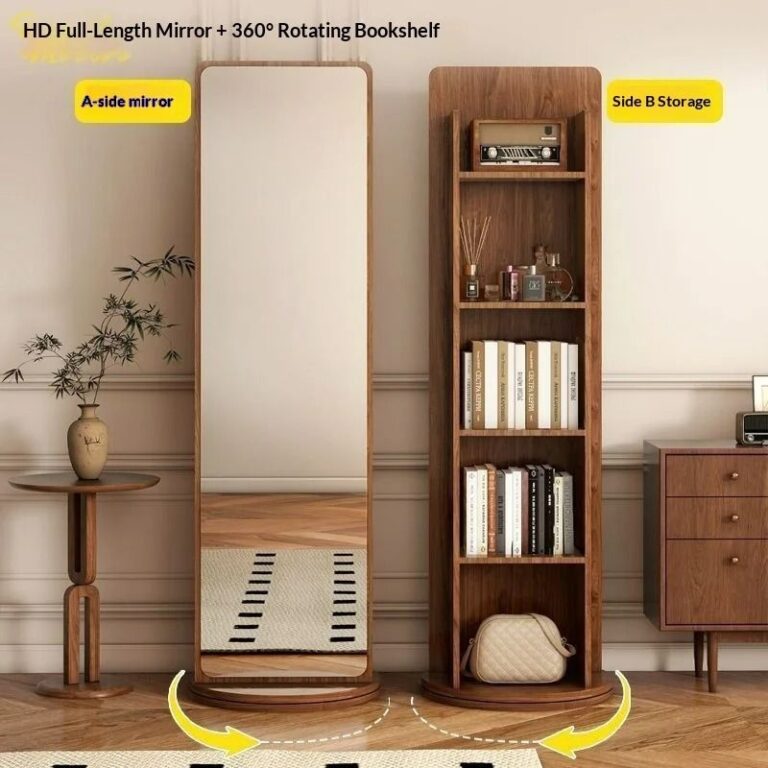
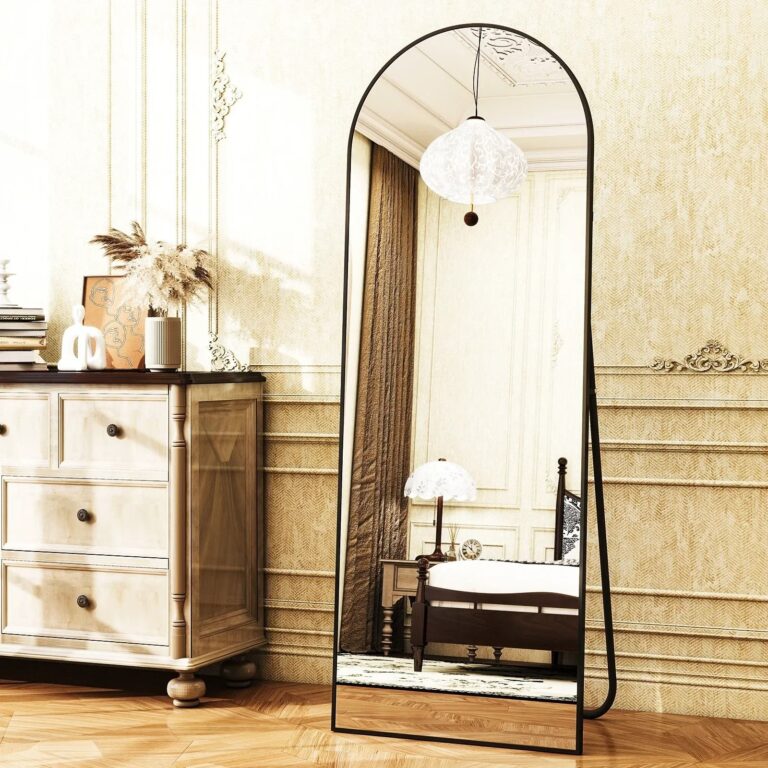
If you've got nothing on the walls yet, start with one leaning floor mirror, the kind that props against the wall at an angle instead of needing to be hung. It does the most work for the least commitment, you can move it room to room while you figure out where your furniture is actually going to live, and it gives you full length coverage that a small wall mirror over a dresser just can't. A bedroom is one of the few rooms in the house where a mirror isn't decoration first, it's a tool, so buy for the reflection quality and the size before you buy for the frame. Once you've got the big one settled, a smaller mirror near the closet or on top of a dresser earns its spot for actually getting dressed, something you can tilt or angle instead of bending your knees in front of a full length one every morning. Bedrooms that are small or oddly shaped benefit the most from this, since a tall mirror can visually push a wall back and make a cramped layout feel less like a closet with a bed in it. Older homes with low light, north facing rooms, winter mornings when the sun doesn't show up until ten, all of these get real help from a well placed mirror doubling whatever daylight you've got.
In a real room, a floor mirror wants about two feet of clear wall, more if you've got a dresser or a reading chair nearby competing for the same corner, and it reads best leaning near a window rather than directly across from the bed, unless you enjoy watching yourself sleep. Keep the frame simple if the rest of the room already has a lot going on, wood tones that match your nightstands, or a thin black or brass frame if everything else is neutral. Skip the heavily distressed or ornate frames unless the whole room is built around that look already, because on their own they tend to fight with everything near them. Go lighter on finish than you think you need, a plain frame disappears into a room that isn't finished yet and still looks right once it is.
It's one of the few things that makes a half furnished room look like somebody actually lives there already.
 Aisha's pickMirrors for Bedroom That Visitors Always Ask About
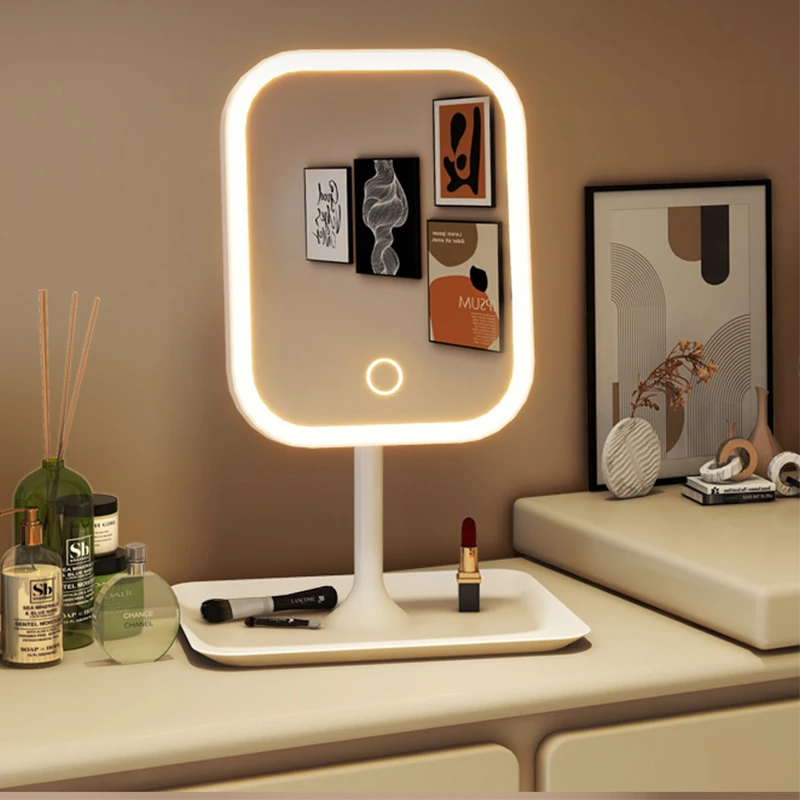
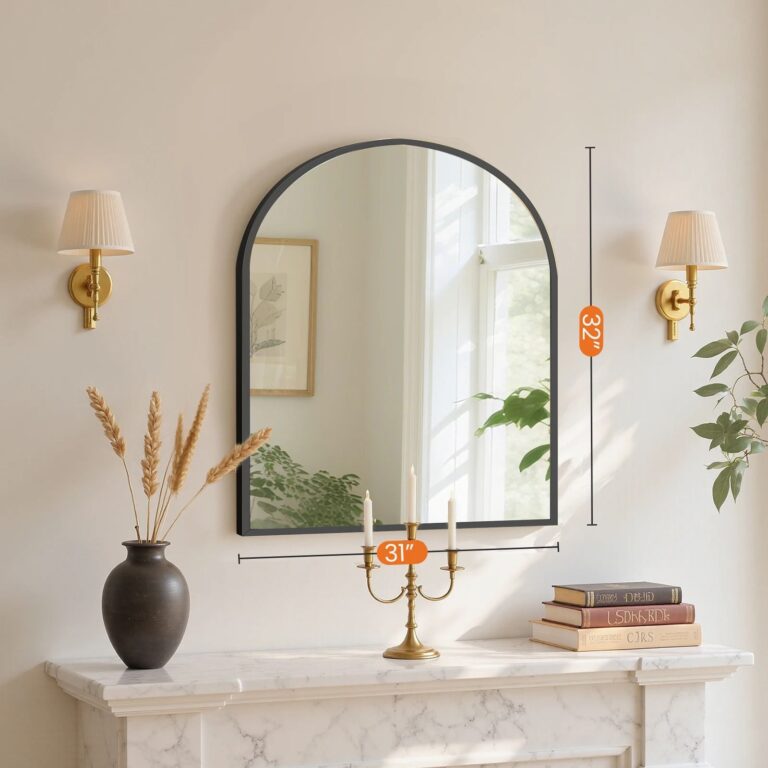 Aisha's pickSimple Arched Bedroom Mirrors Done Well
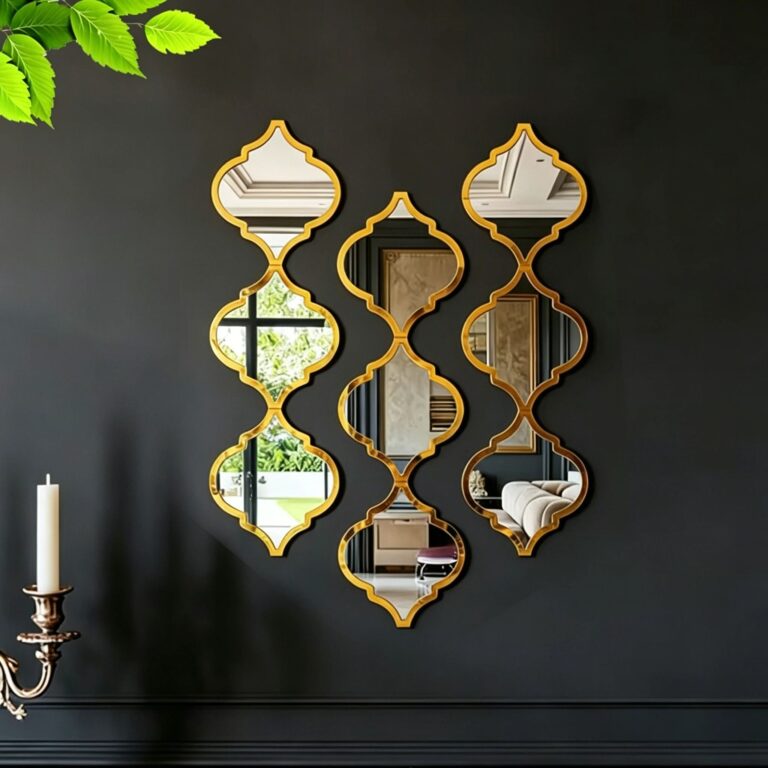
 Aisha's pickMirror Sets for Bedroom That Give a Room Some Personality
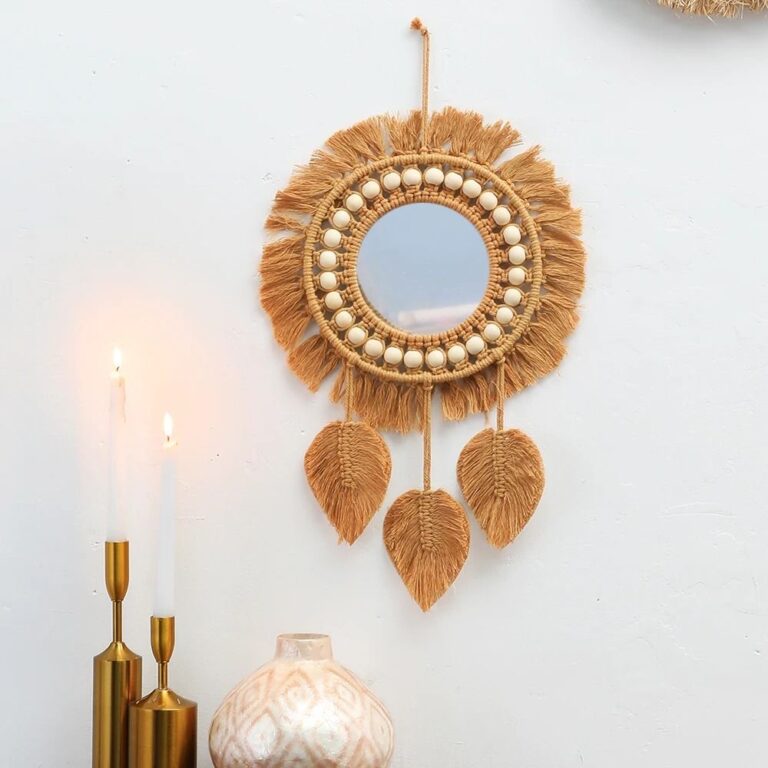 Aisha's pickBedroom Mirrors That Survive Kids and Pets
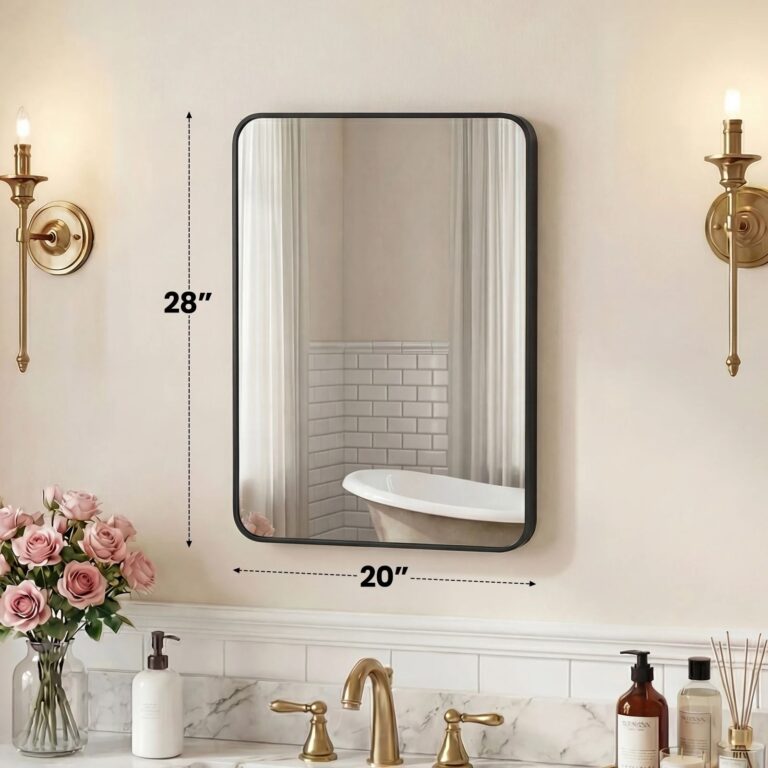
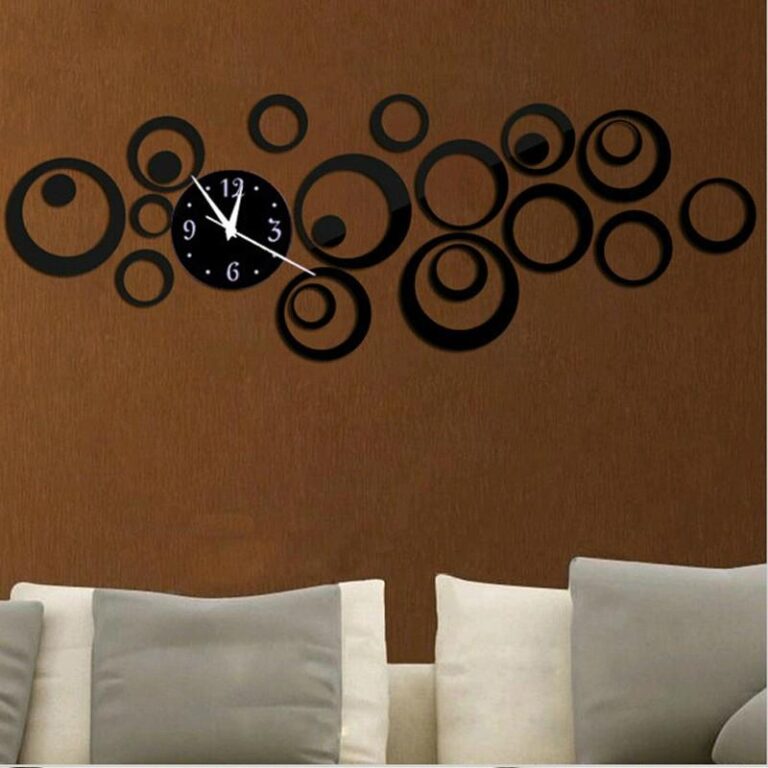 Aisha's pickModern Bedroom Mirrors You Won’t Regret Buying
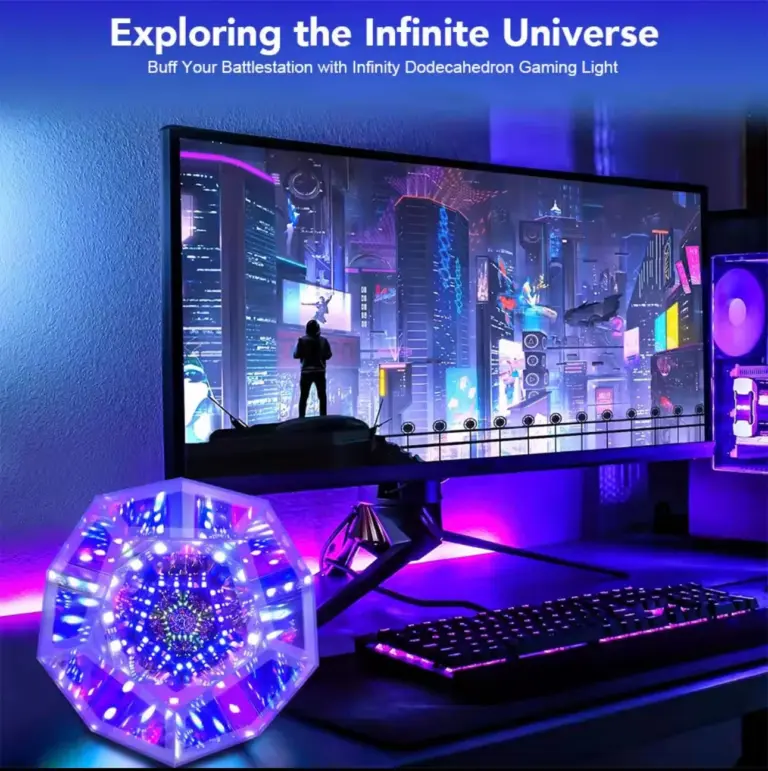
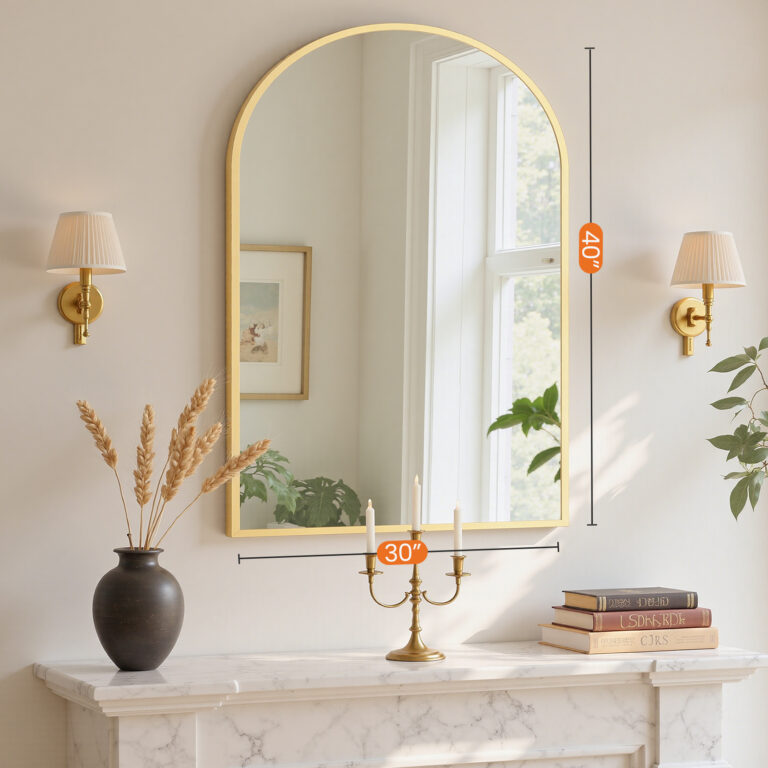 Aisha's pickBedroom Mirrors for Hallway We’d Make Room For
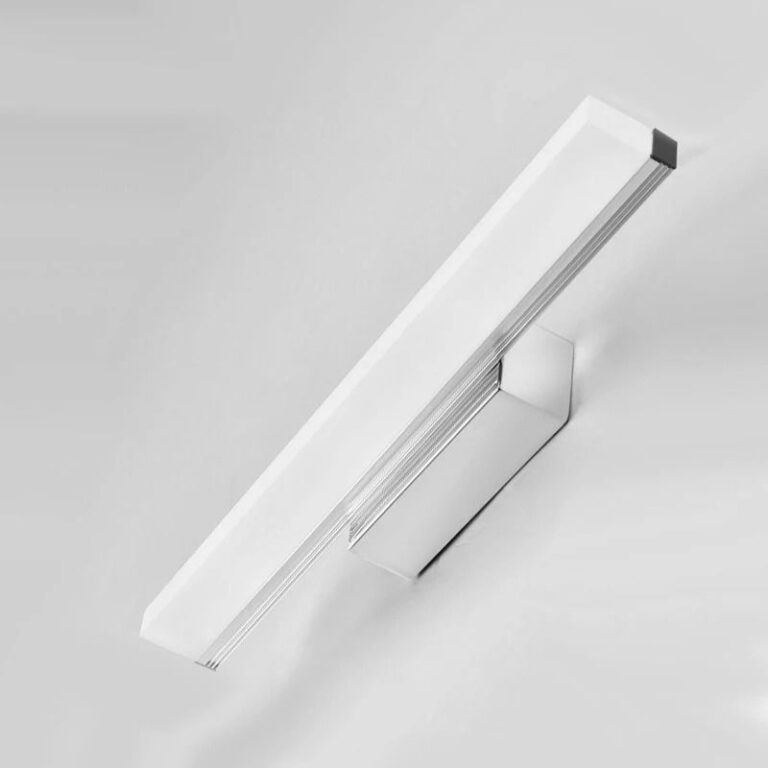
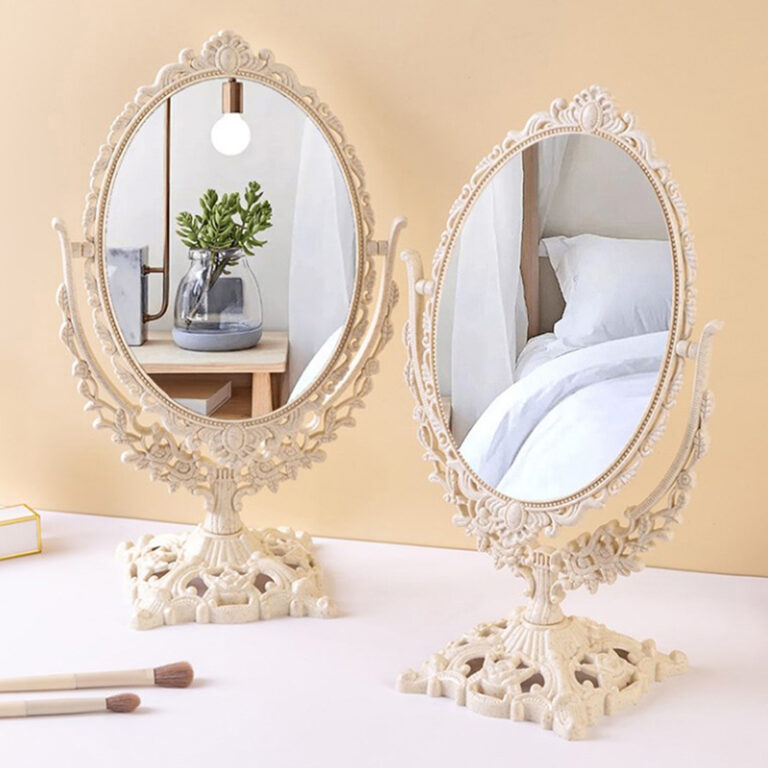 Aisha's pickOval Bedroom Mirrors for Blank Walls and Empty Shelves
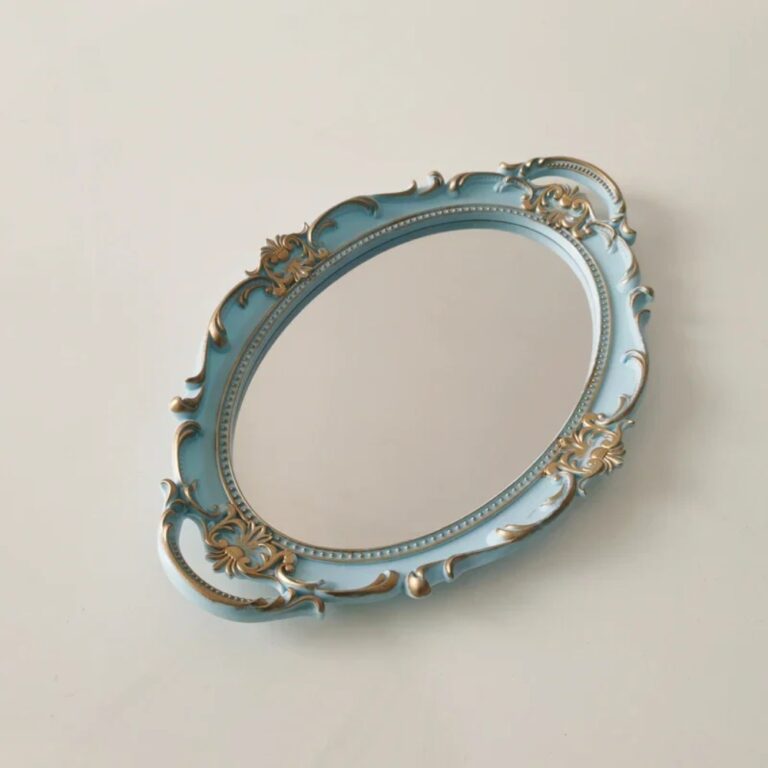
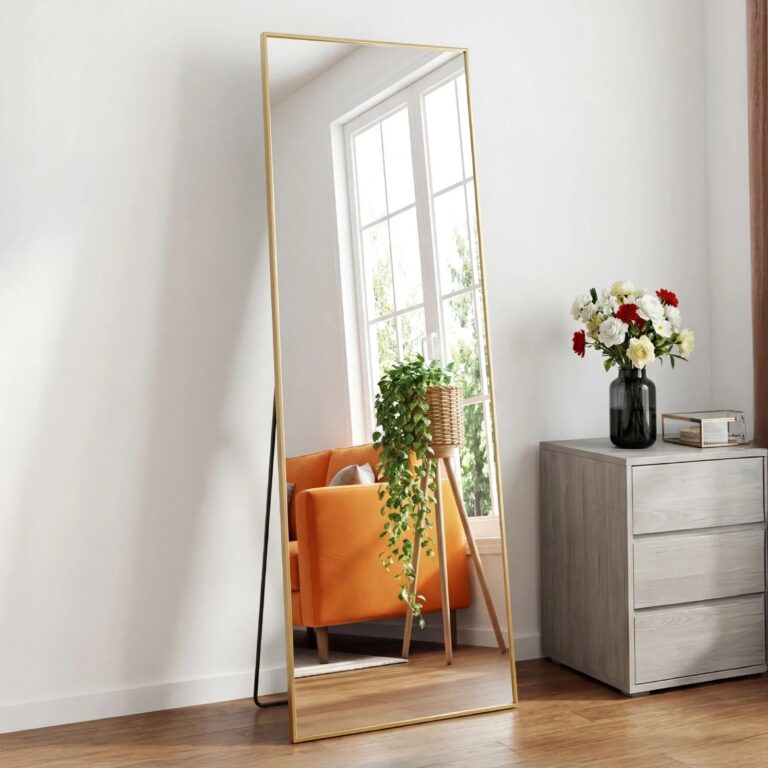 Aisha's pickThe Bedroom Mirrors for Living Room Worth Your Cash
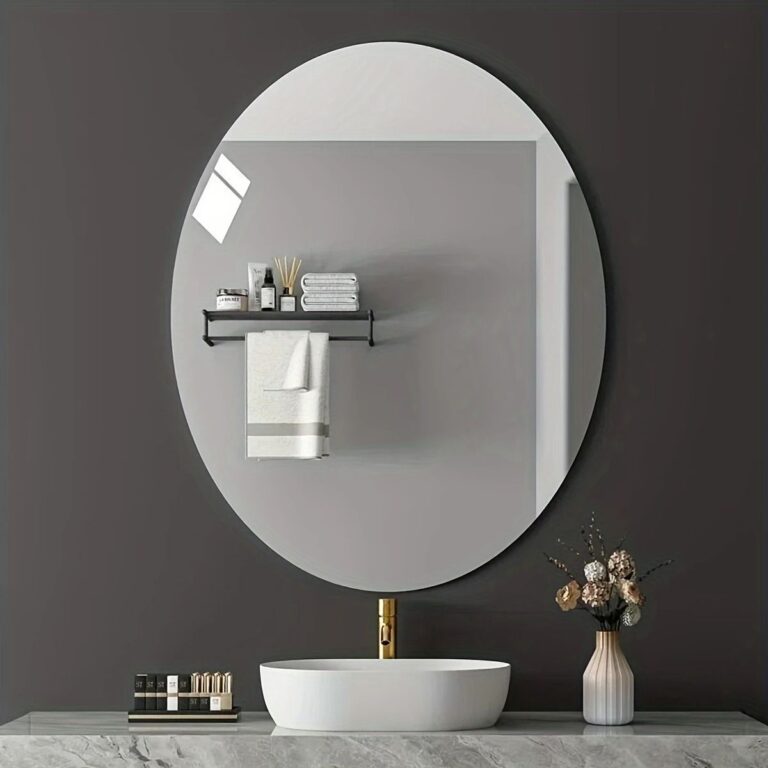
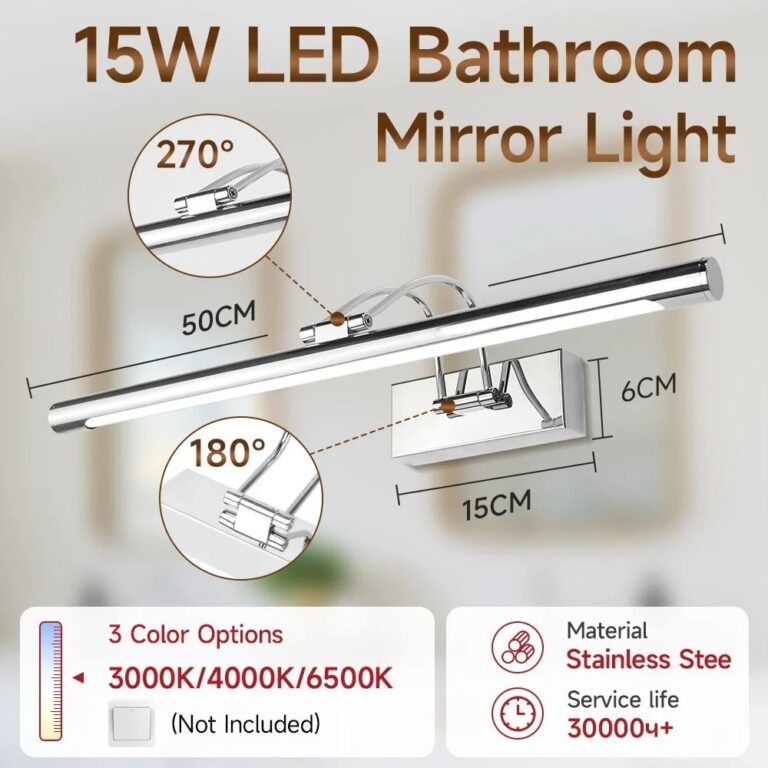
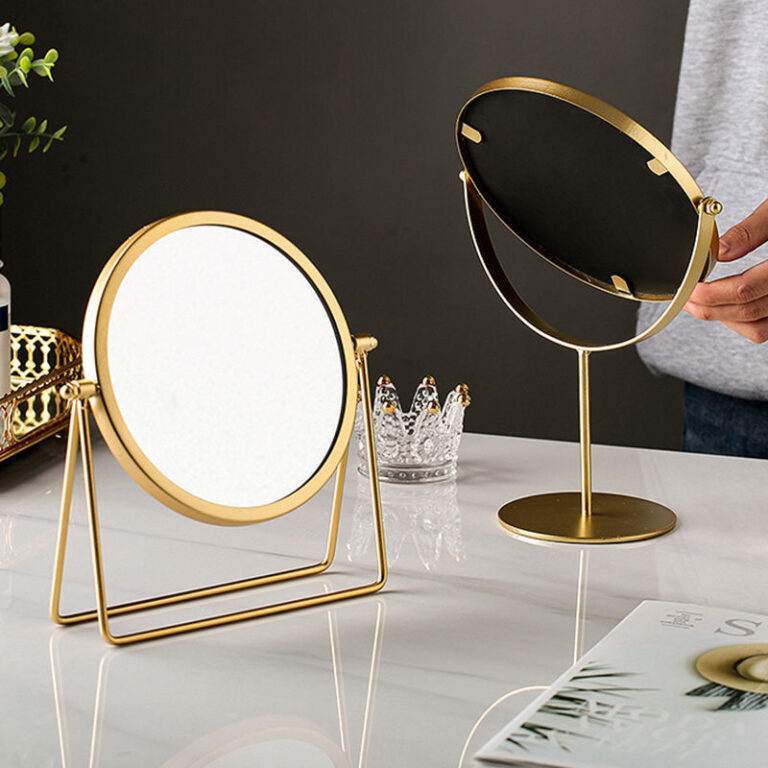 Aisha's pickRound Bedroom Mirrors That Don’t Shout About ItAlso worth a lookLED MirrorsThese work best in bathrooms that do double duty, where you're doing makeup at the sink with bad…See the collections →
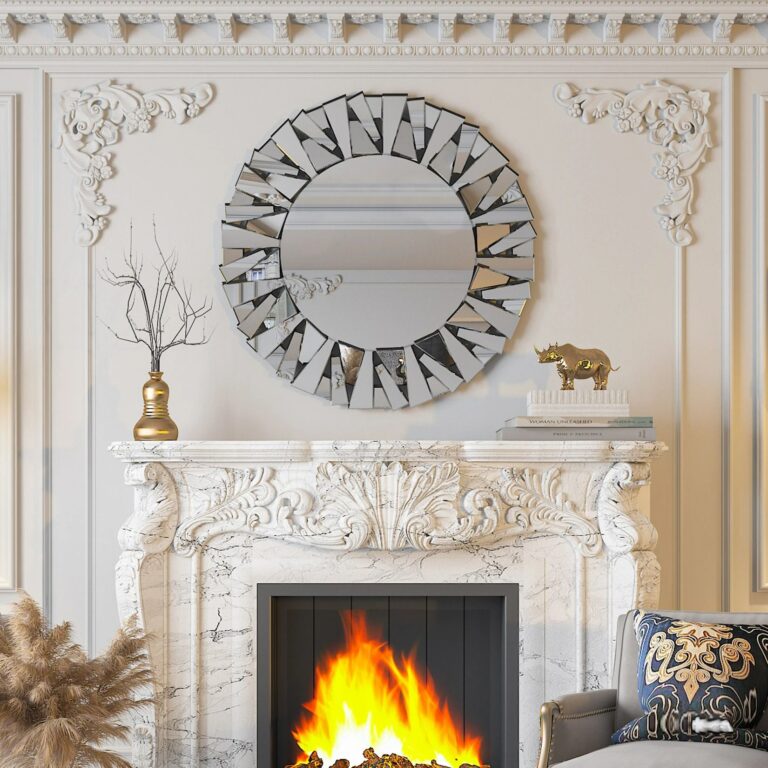
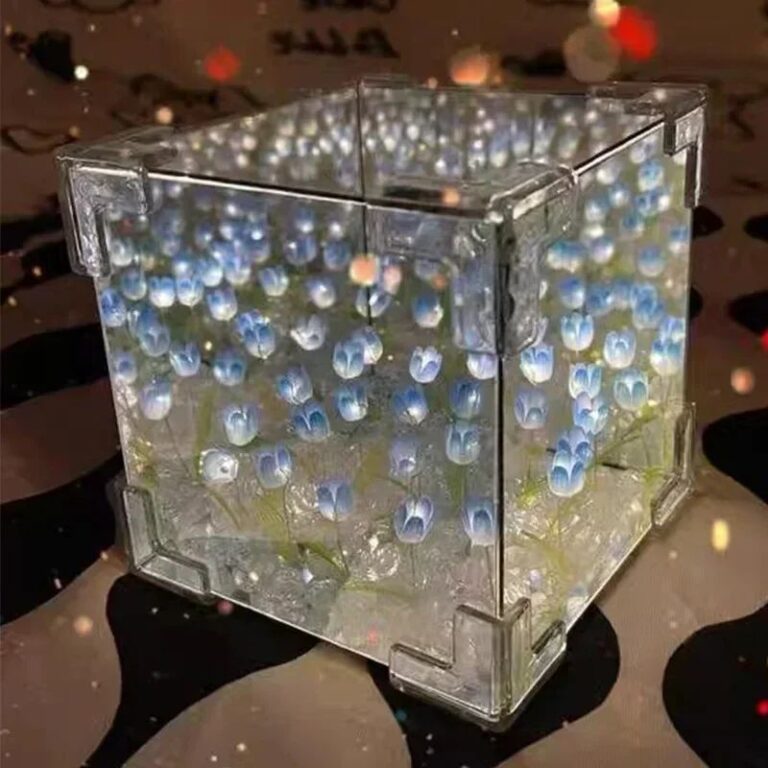 Aisha's pickBedroom Mirrors with Lights That Make Great Housewarming Gifts
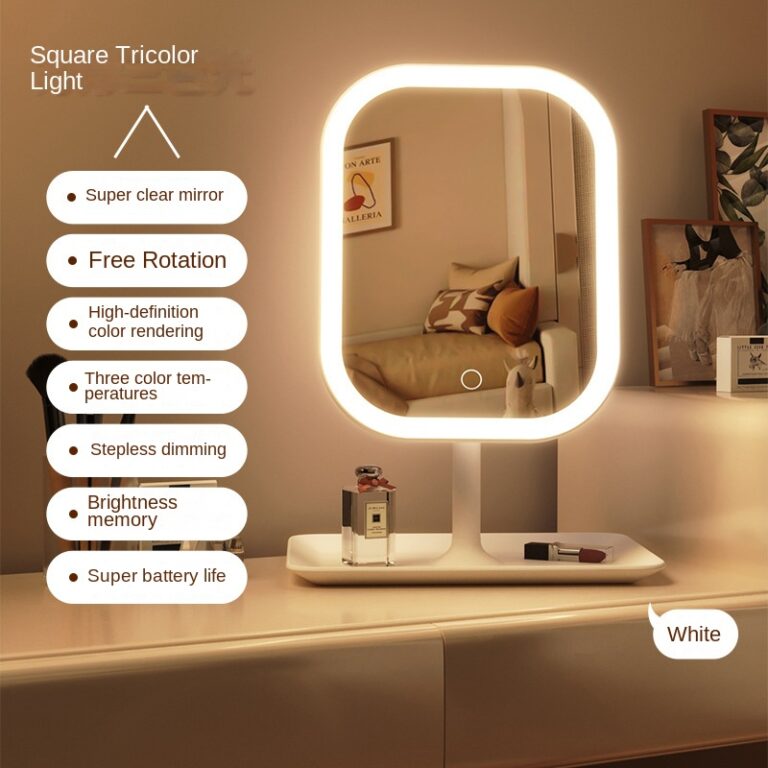
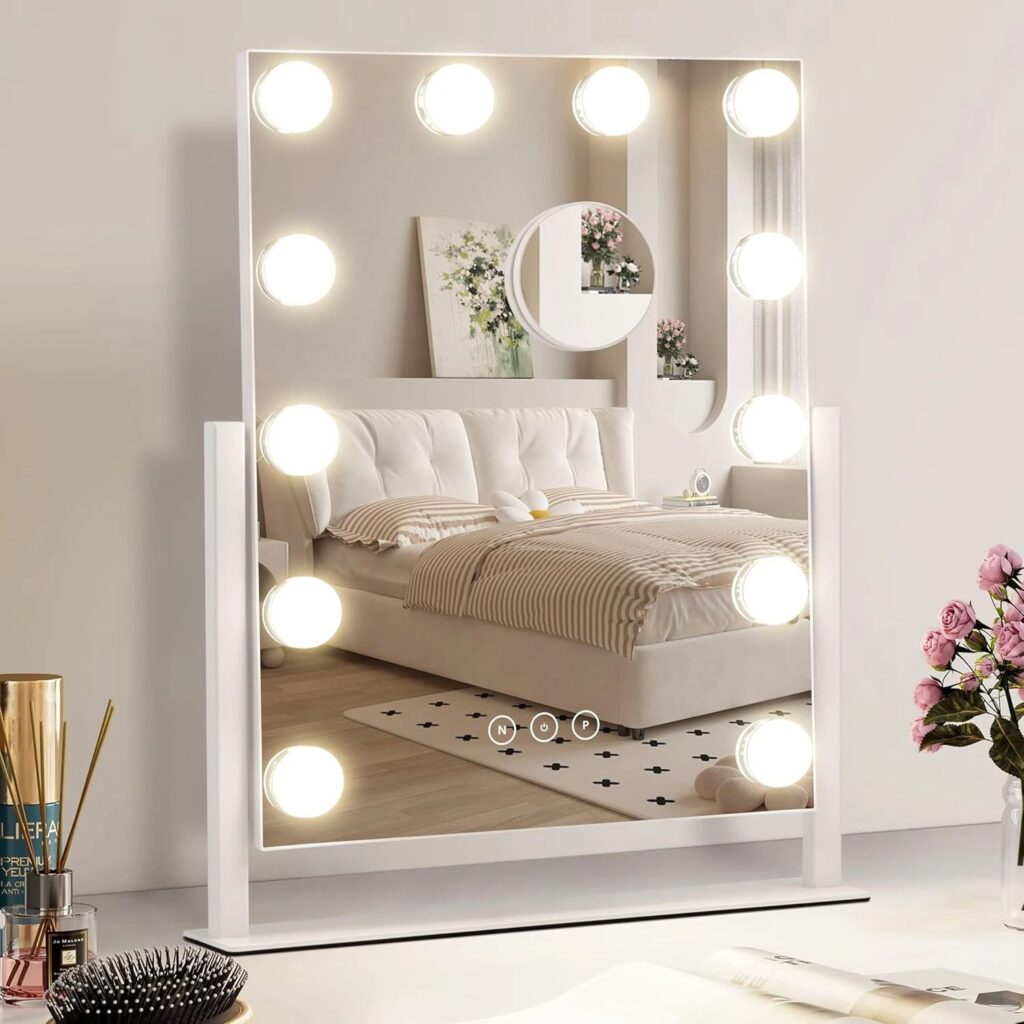 Aisha's pickTable Mirrors for Bedroom That Earn Their Keep
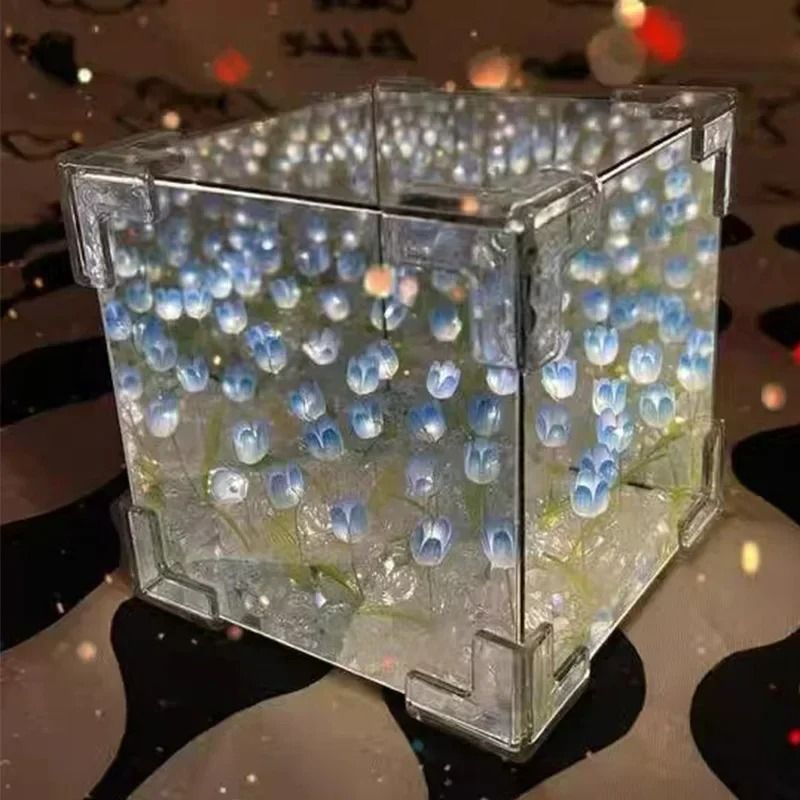
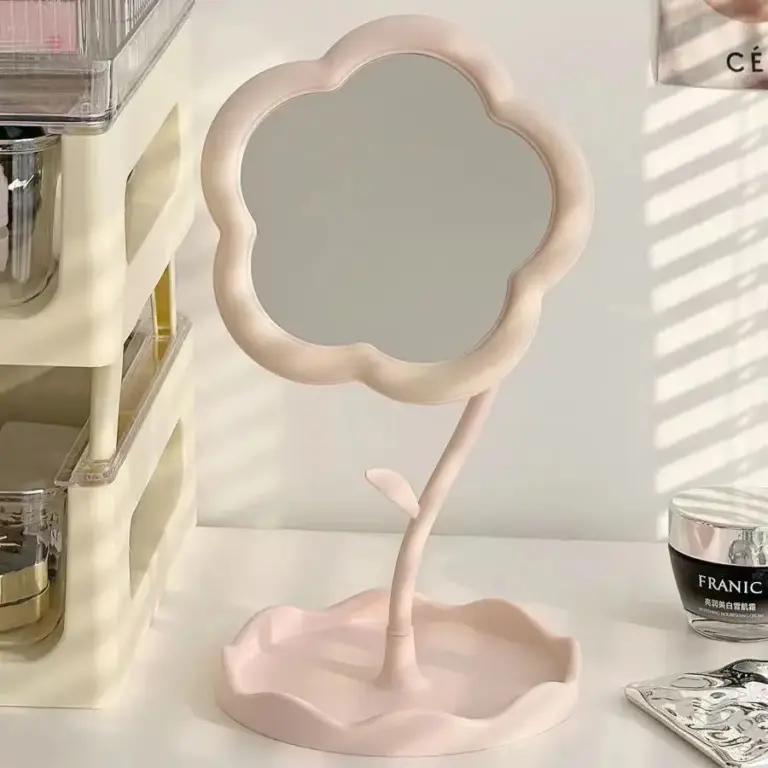 Aisha's pickBedroom Mirrors with Storage You’ll Keep for Years
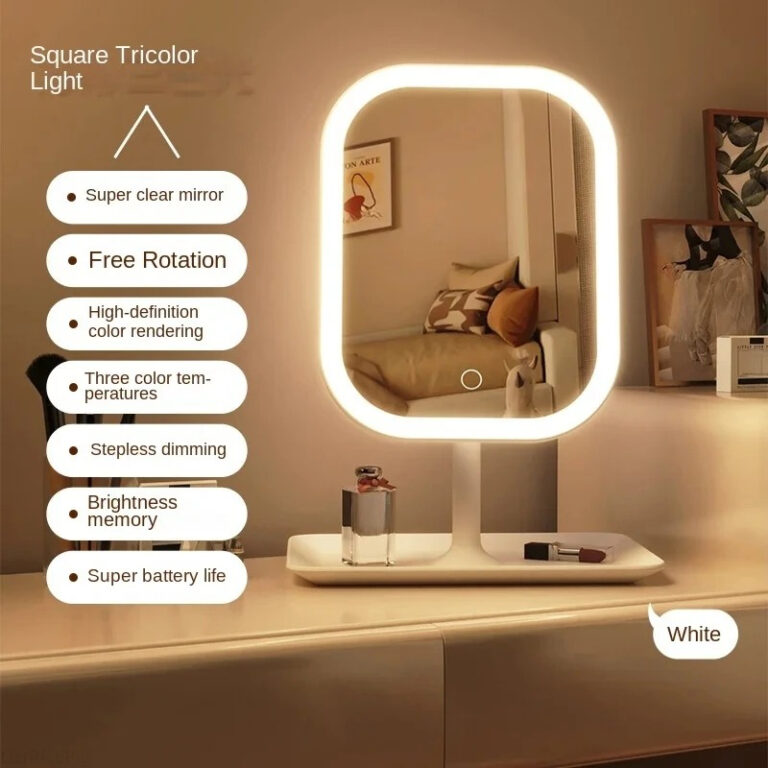
 Aisha's pickWall Mirrors for Bedroom That Look Better in Real Life
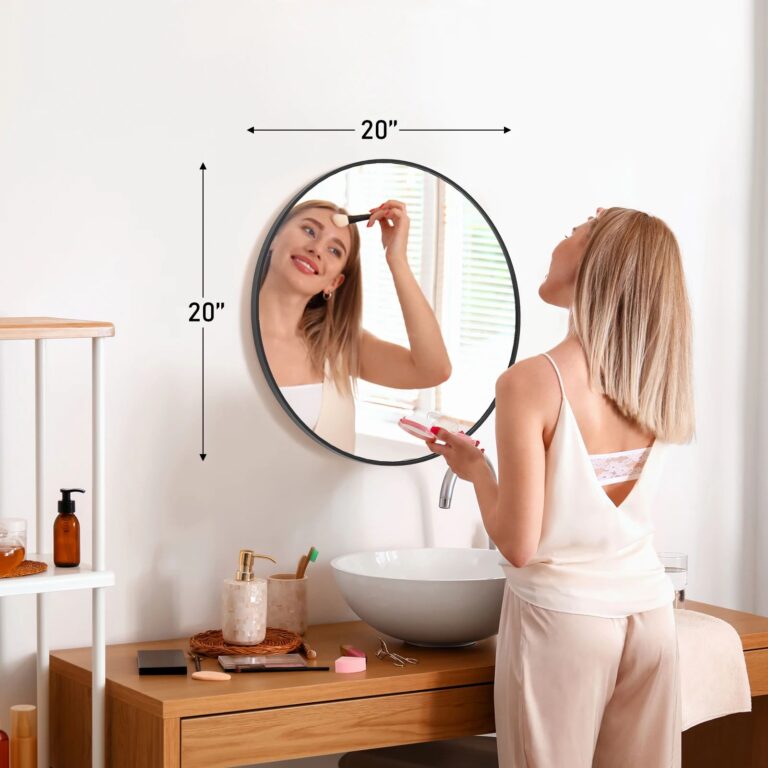
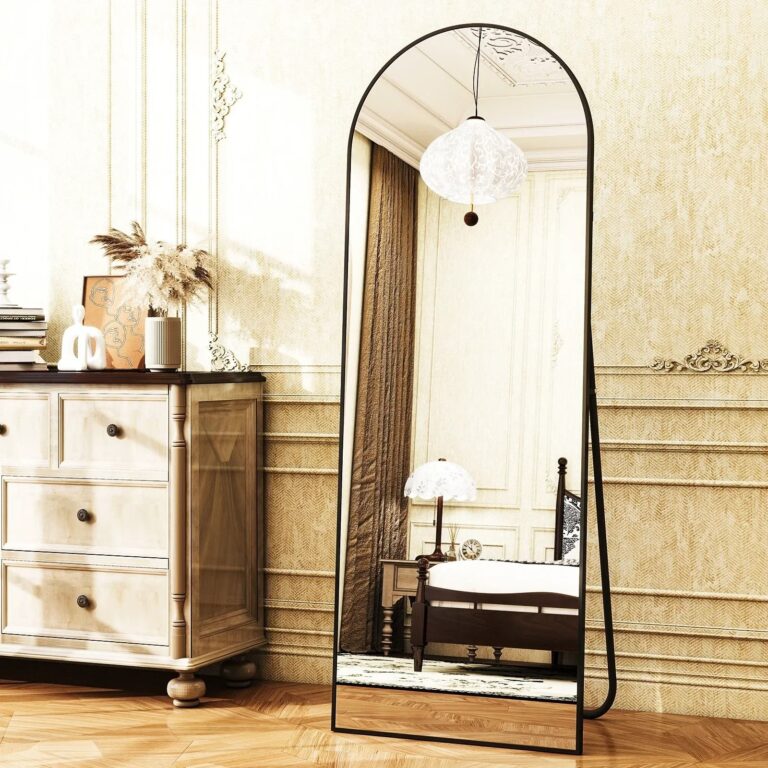 Aisha's pickBlack Bedroom Mirrors That Look Better in Real Life
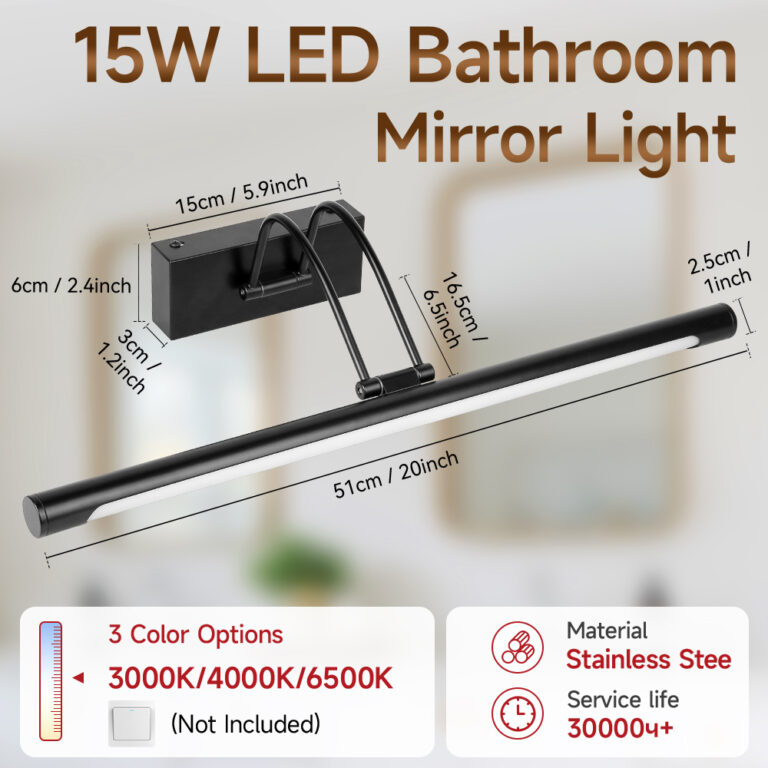
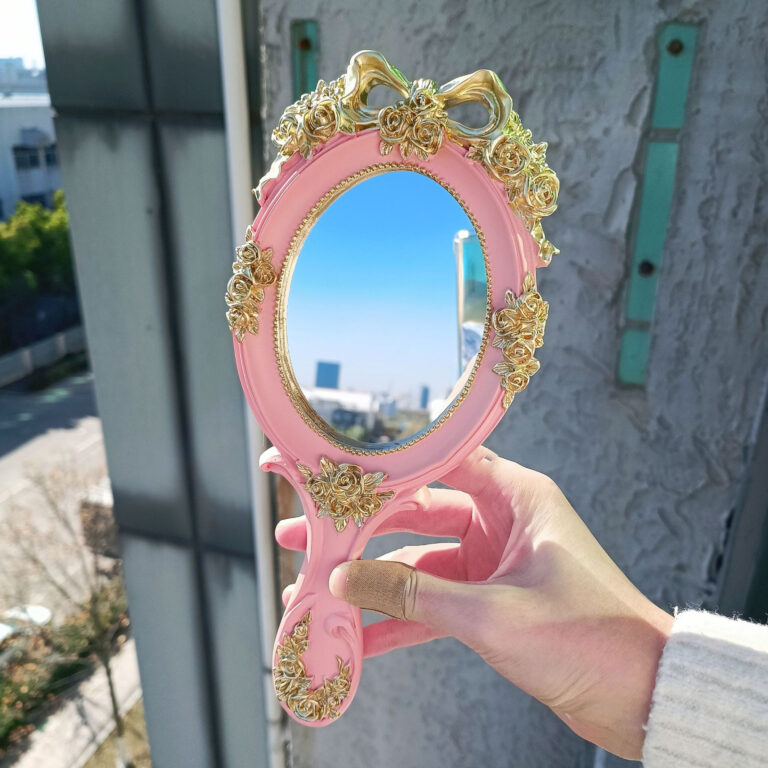 Aisha's pickWhite Bedroom Mirrors Hunted Down So You Don’t Have To
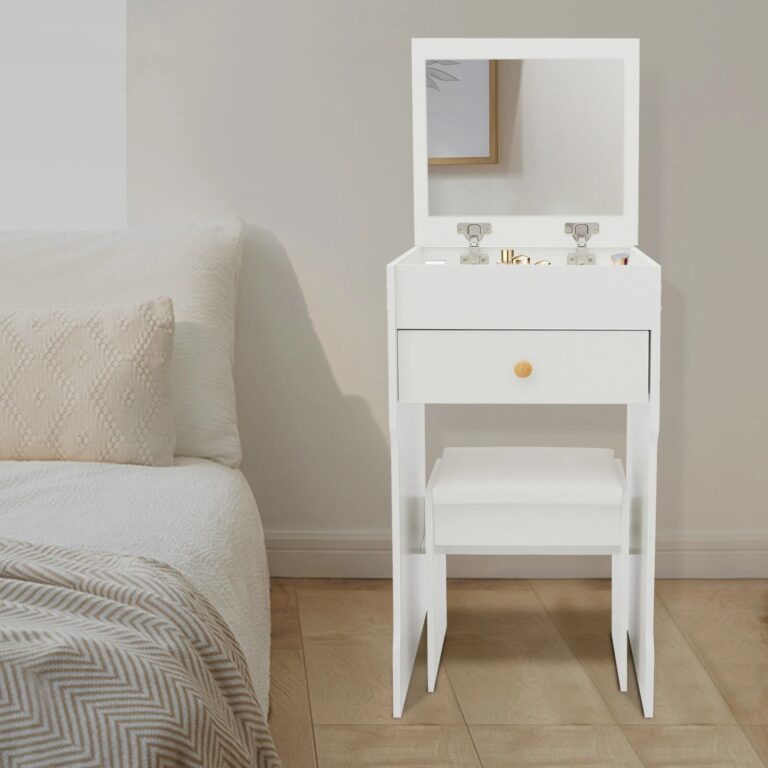
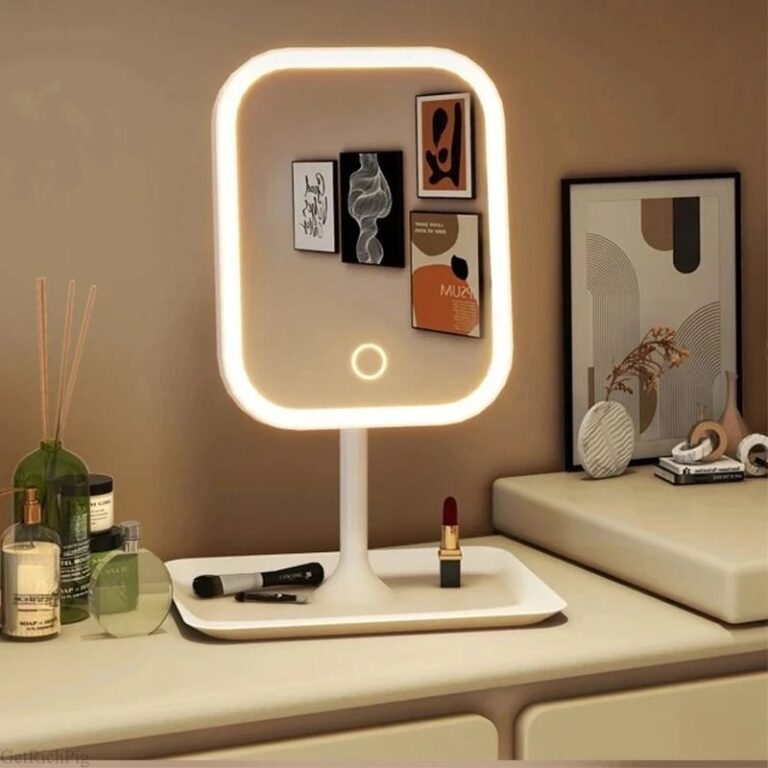 Aisha's pickContemporary Bedroom Mirrors With a Story to Them
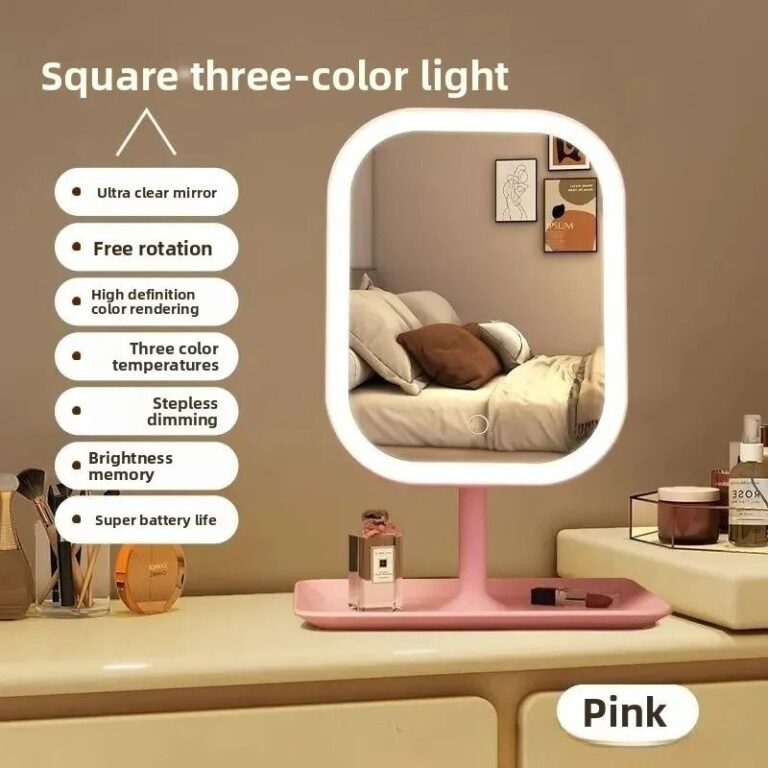
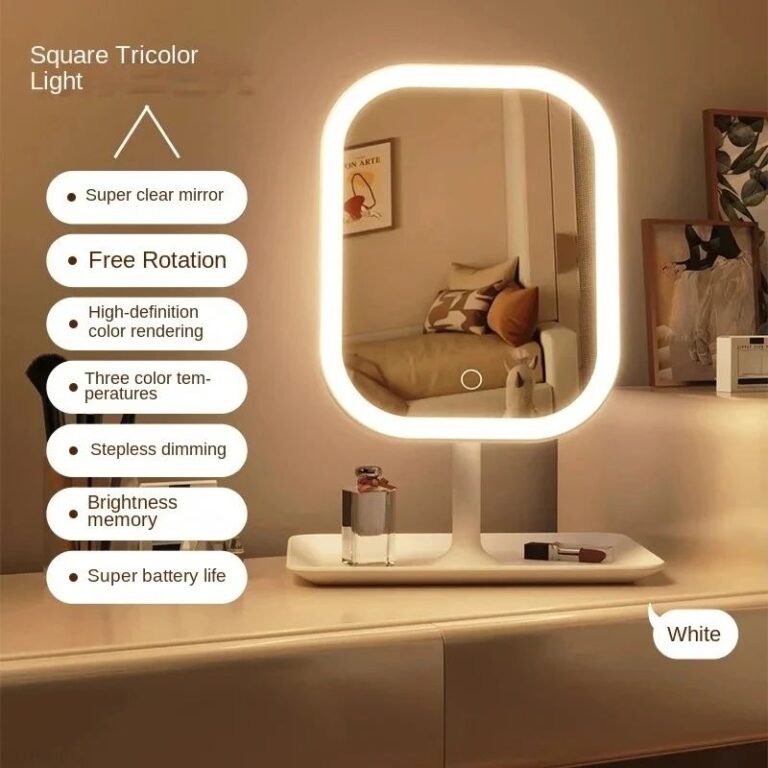 Aisha's pickDressing Mirrors for Bedroom That Give a Room Some Personality
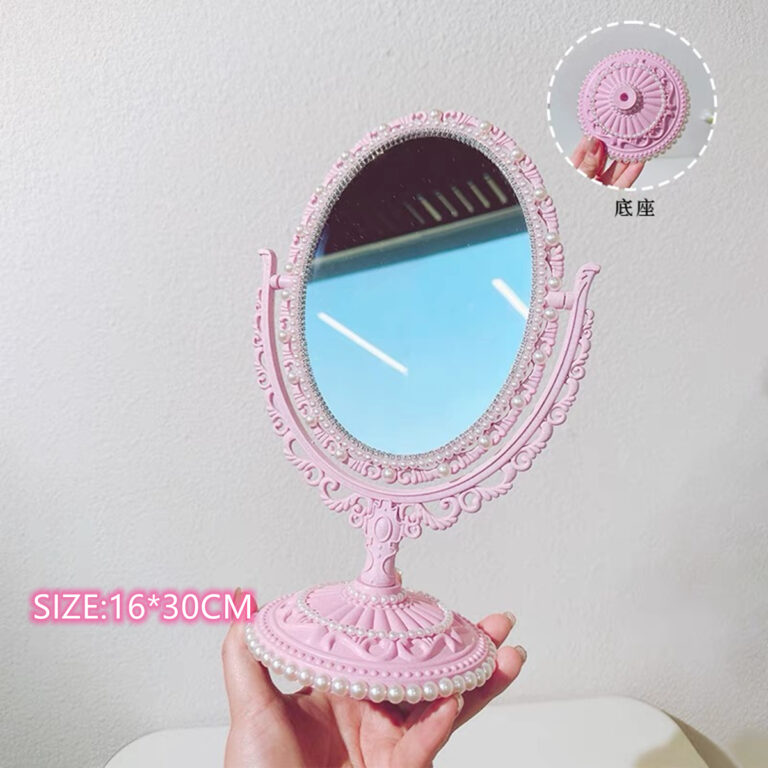
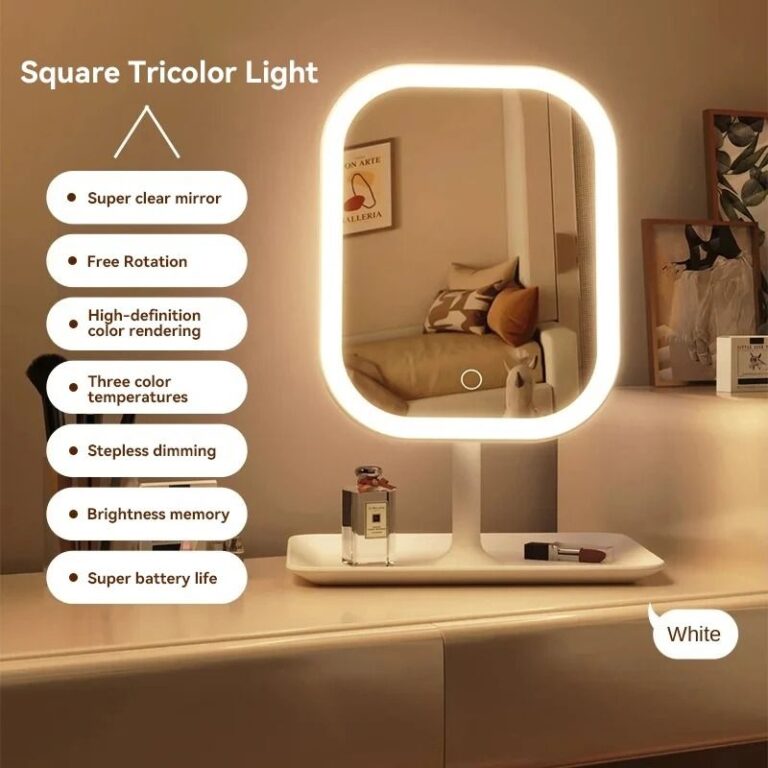 Aisha's pickGlass Bedroom Mirrors That Make Rented Places Feel Like HomeAlso worth a lookWall MirrorsI put off hanging a real mirror for years because every apartment I rented had those builder grade…See the collections →
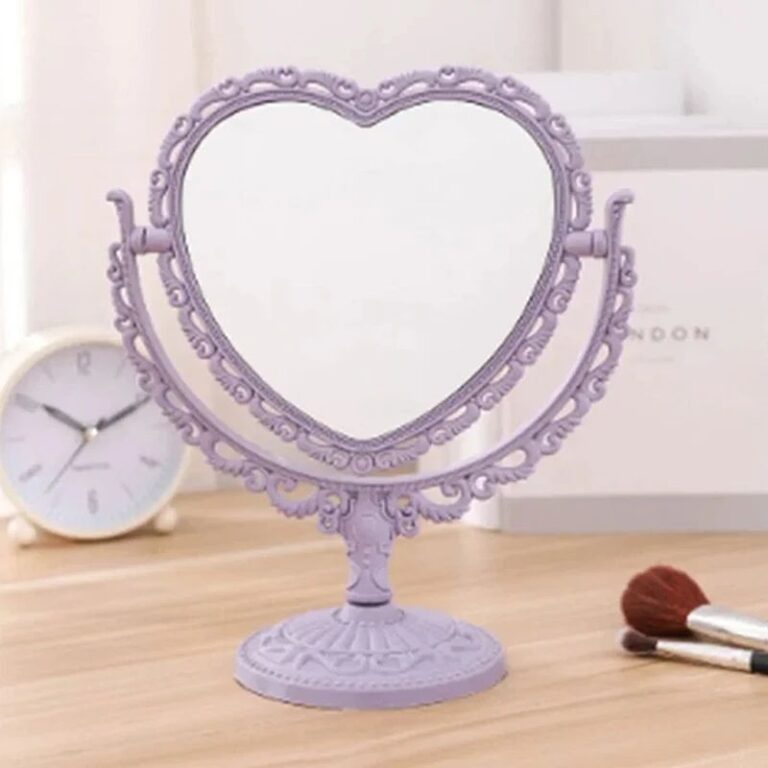
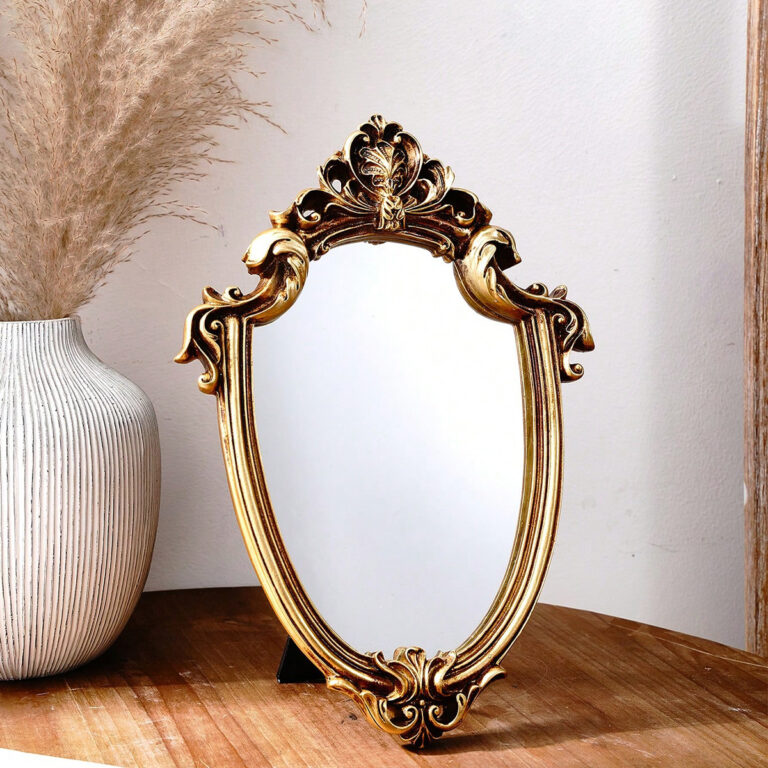 Aisha's pickGold Bedroom Mirrors That Feel Personal, Not Store Bought
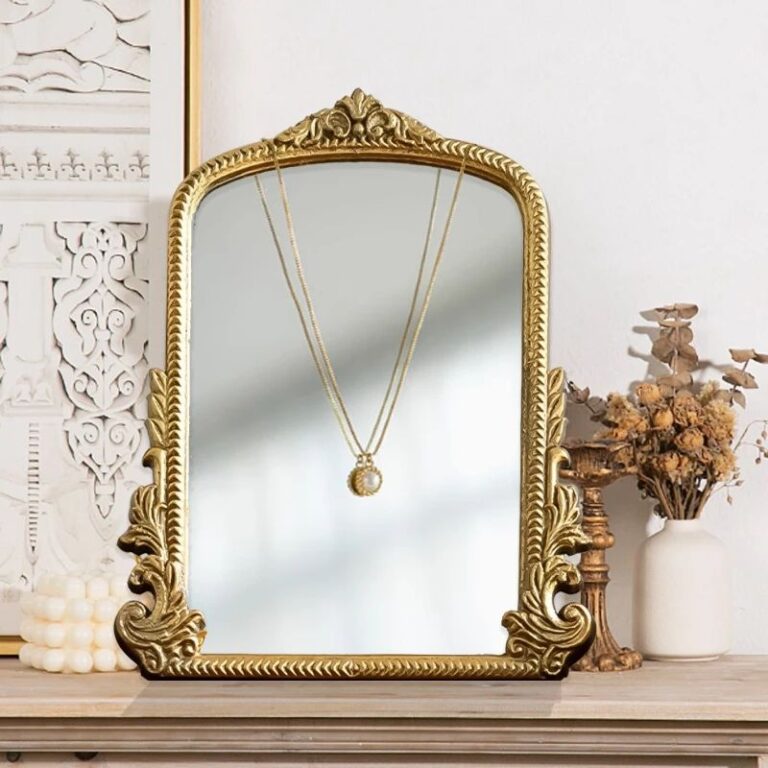
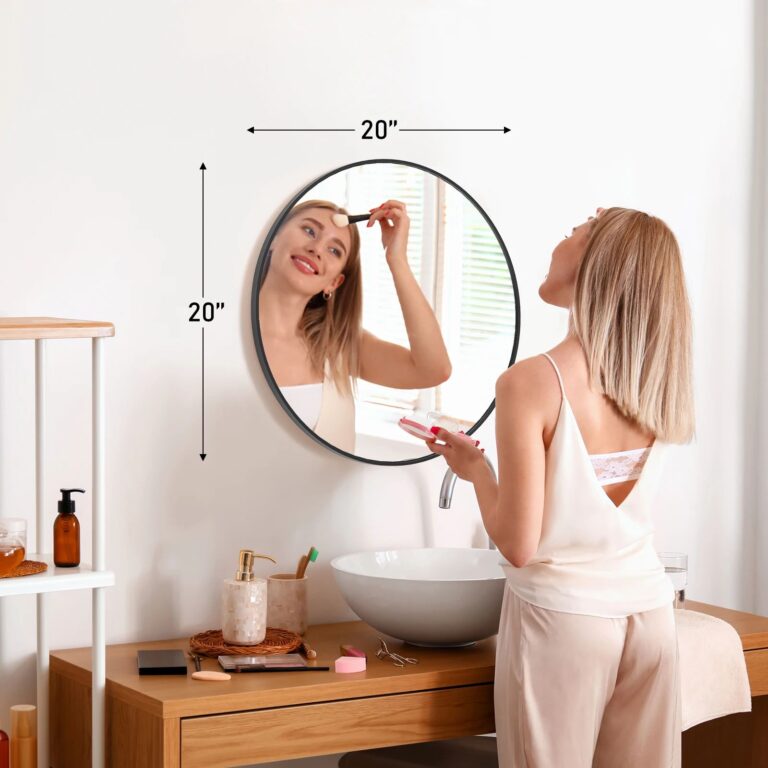 Aisha's pickLarge Bedroom Mirrors That Don’t Look Mass Produced