A gazebo is there to give you a fixed piece of shade and shelter in the yard, something with a roofline and actual corner posts, not a thing you pop up and fold down each weekend. It turns a patch of grass or pavers into a spot you'll actually sit in during the part of July when the patio umbrella just isn't cutting it anymore, and it gives you a dry place to be when a surprise storm rolls through on a cookout day.
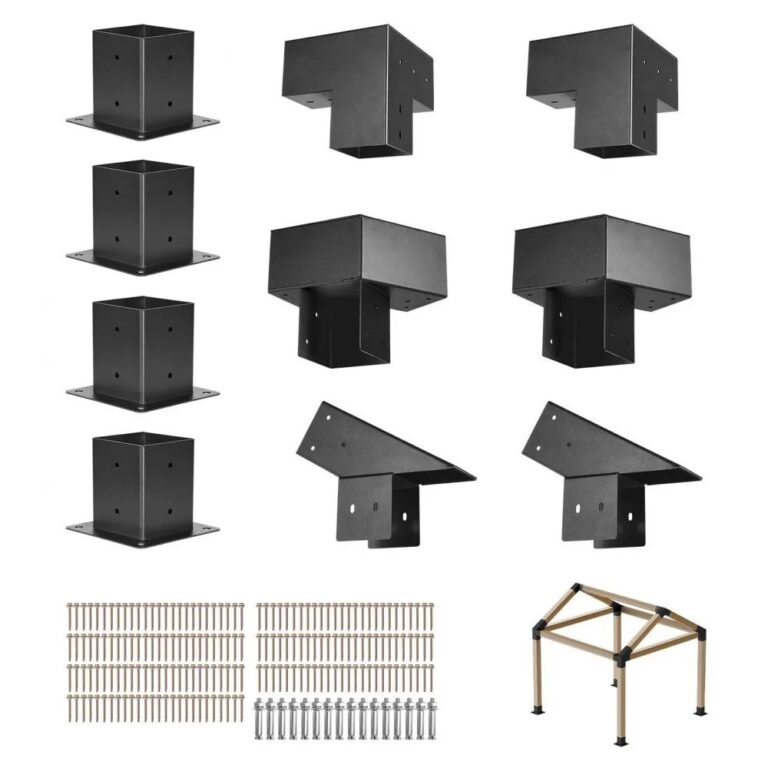
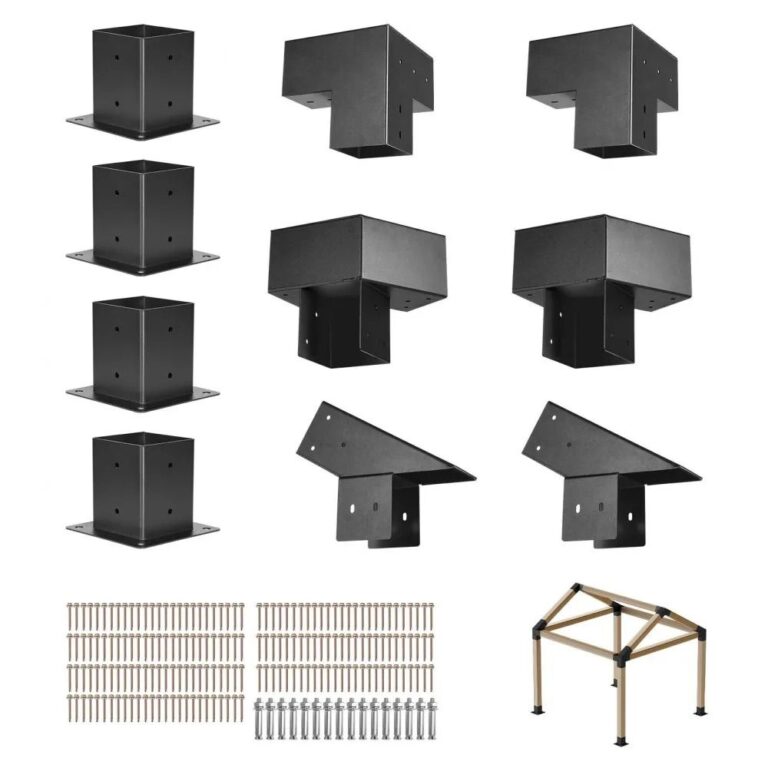
Before you buy, and definitely the day it shows up, check the frame material and the gauge of it, because a lot of these ship with posts that feel sturdy in the box photo and flex like a pool noodle once you're tightening the roof panel against wind. Press on the corner joints with your hand, the ones where the leg meets the crossbar, and see if there's any play. Count every bolt and bracket against the manual before the delivery truck is out of your driveway, because a missing bag of hardware means a two week wait on hold with customer service, and that's two weeks of a tarp roof flapping in your yard looking like a FEMA tent. Over the seasons, the fabric roof is what gives out first, usually the stitching along the seams or the color going chalky from UV, so look for a heavier canvas with reinforced seams rather than the thin polyester that looks fine in April and is shredding by August. A metal frame with a real powder coat will shrug off rain for years if you hose it down now and then and touch up any scratched paint before rust gets a foothold, while the cheap painted steel starts bubbling at the base within one wet season, which I learned the hard way with a particular model that is now, politely, in the dump. The good ones have welded or heavily bolted joints and a roof that actually tensions tight enough that it doesn't sound like a tarp snapping every time the wind picks up, the bad ones sound like a tent about to leave the yard entirely. Wood gazebos are a different animal, gorgeous when it's cedar and sealed properly, miserable upkeep when it's not, so only go there if you're willing to reseal every couple of years. And if you're in a small city yard or a rental with a tight patio, a gazebo is probably more structure than you need or are allowed to install, a large umbrella does the same shade job without the footprint or the possible lease conversation.
I'd put the first one over a deck or patio dining set, somewhere it can stay anchored all season instead of getting dragged around.
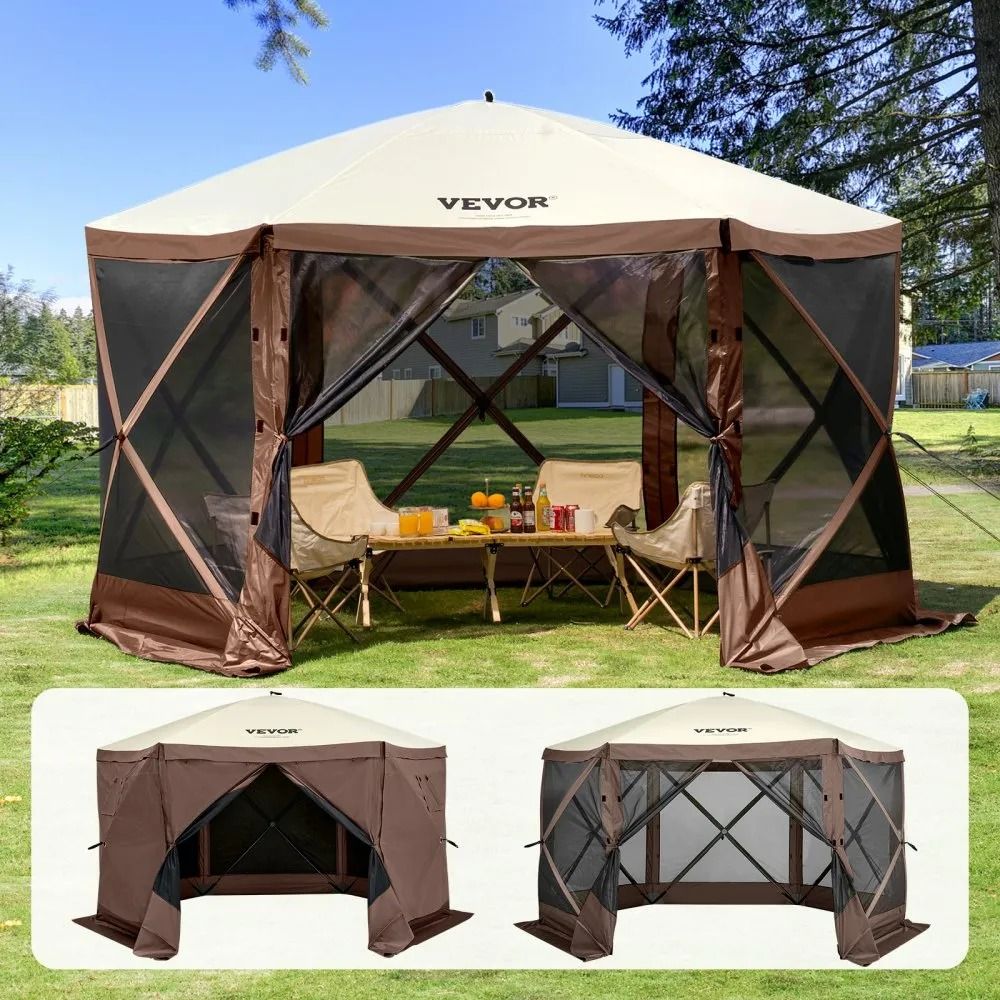 Aisha's pickGazebos for Sunny Afternoons and Chilly Nights
 Aisha's pickGazebos for Patio That Don’t Look Mass Produced
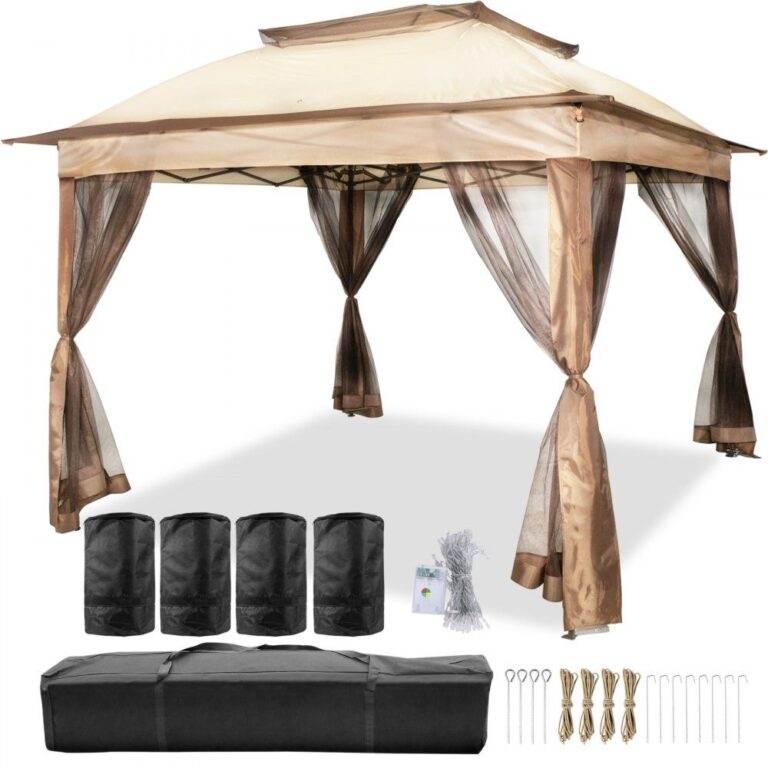
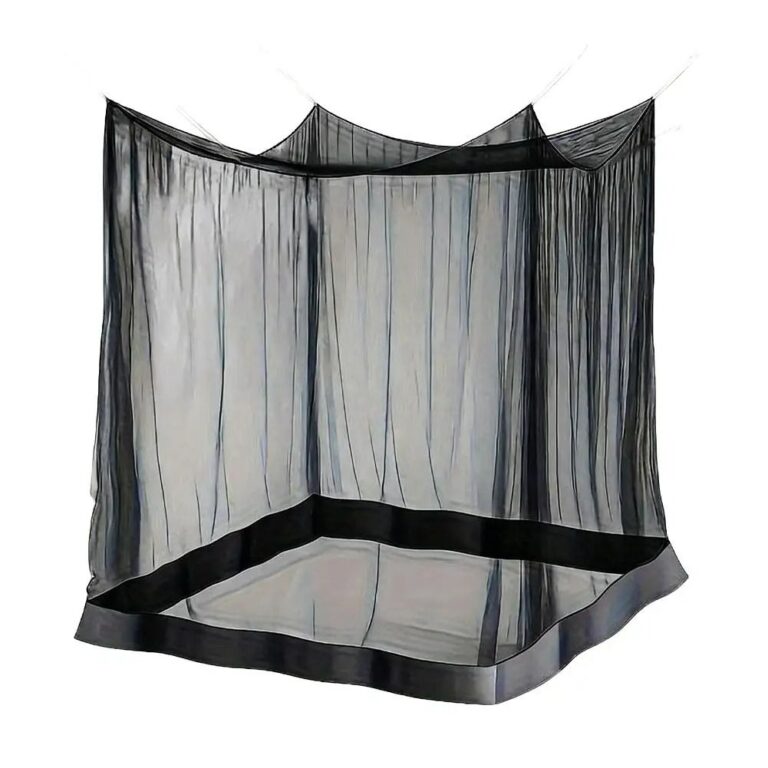
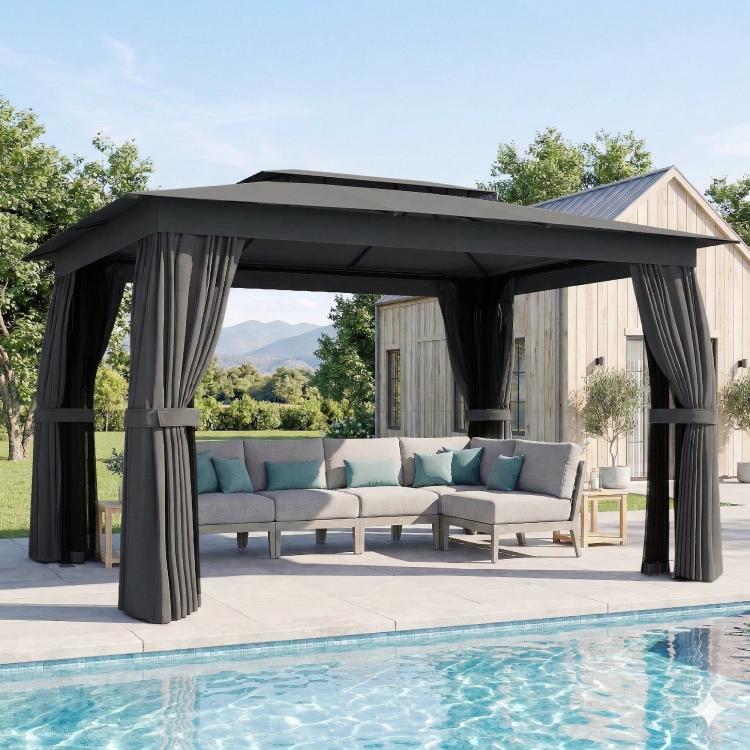 Aisha's pickGazebos with Curtains That Make a Small Yard Work Harder
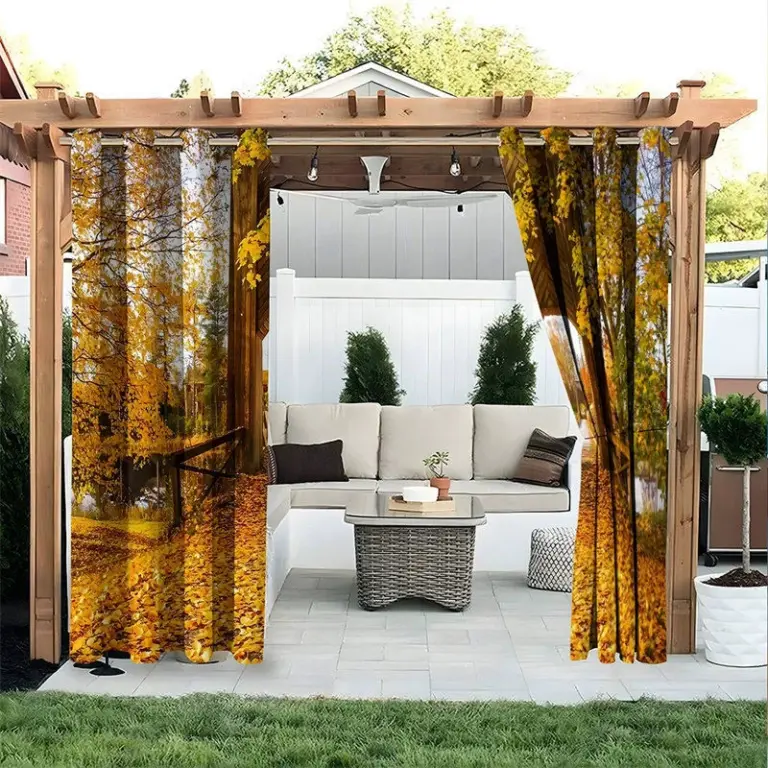
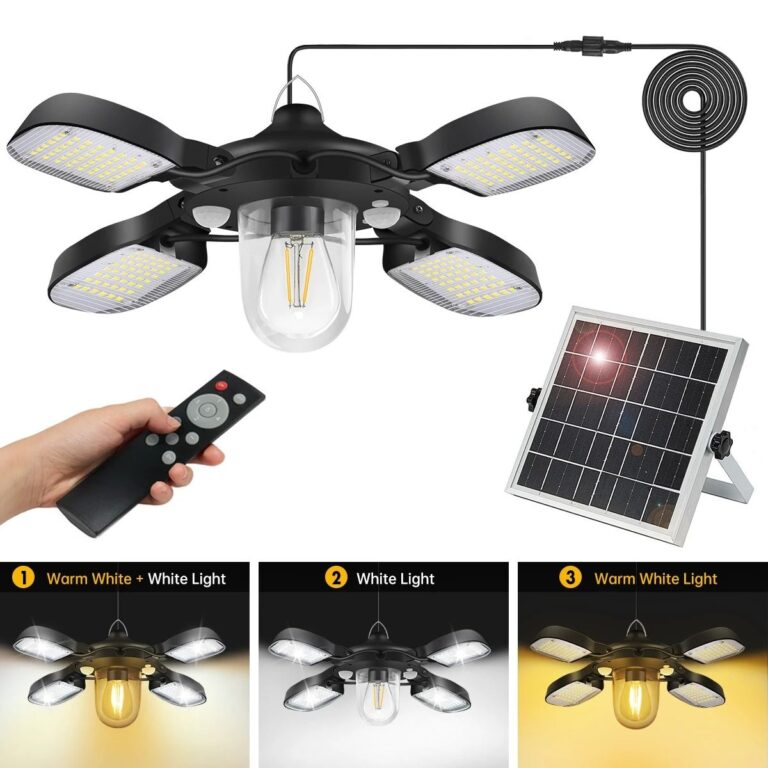
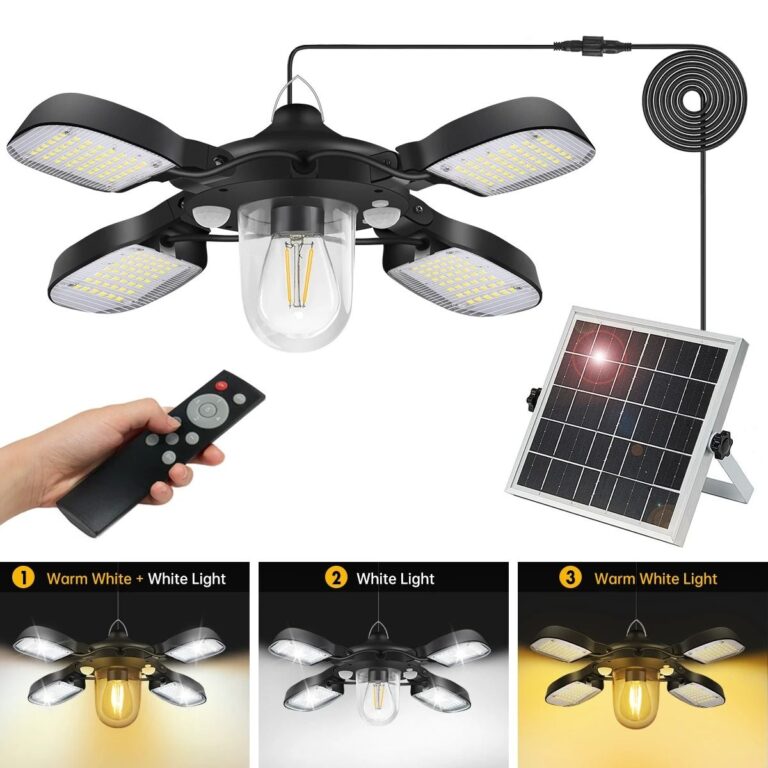
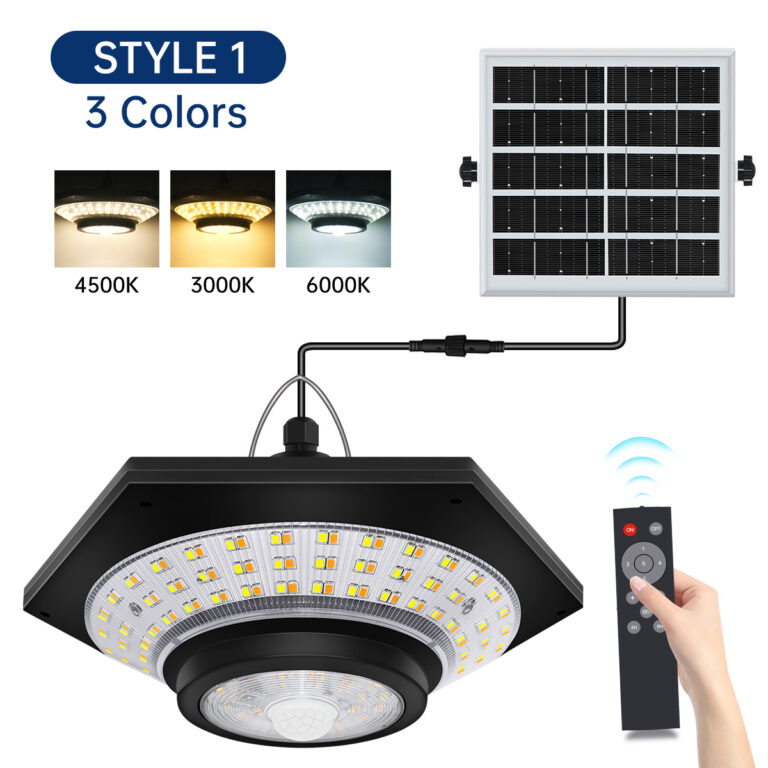
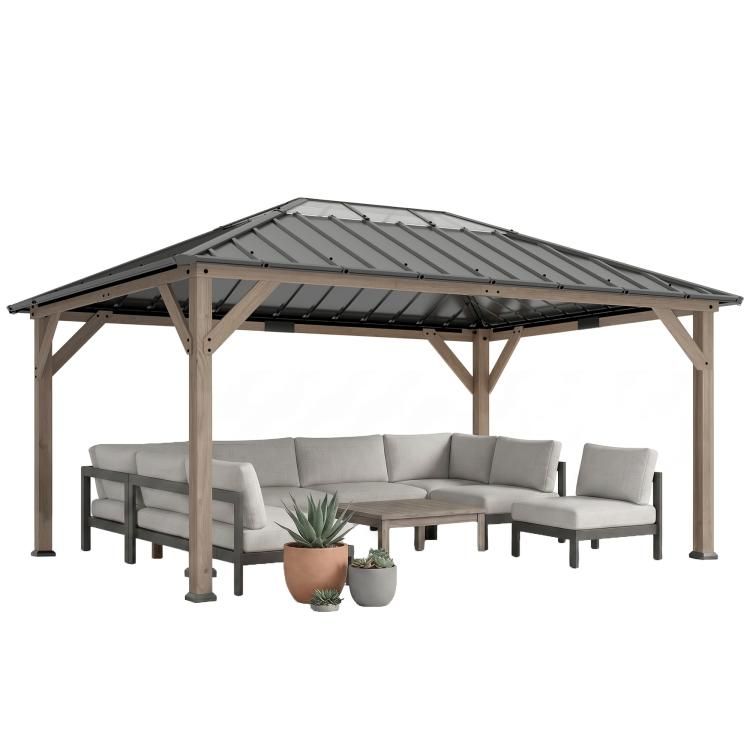 Aisha's pickGazebos with Lights That Do the Job Right
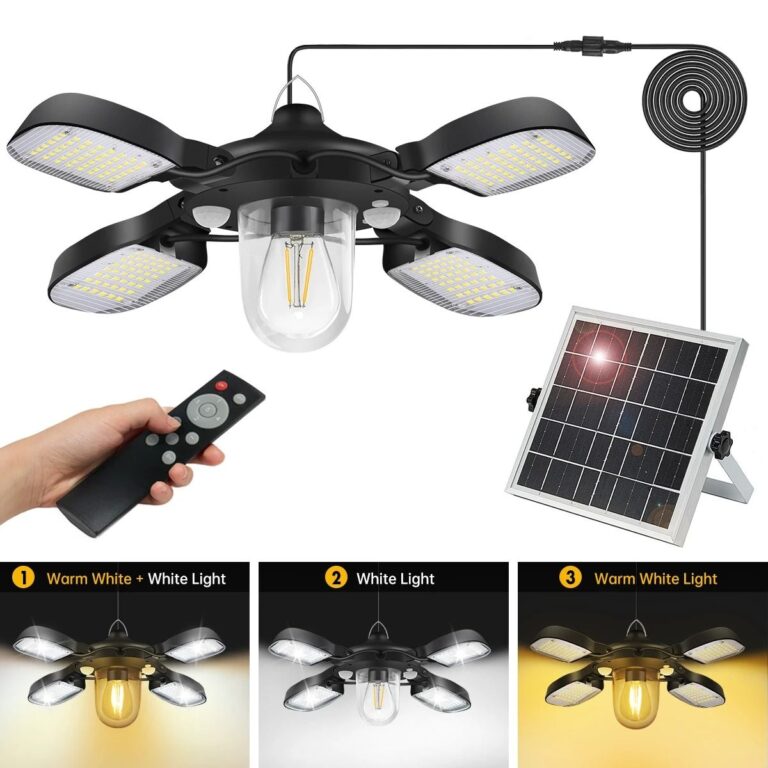
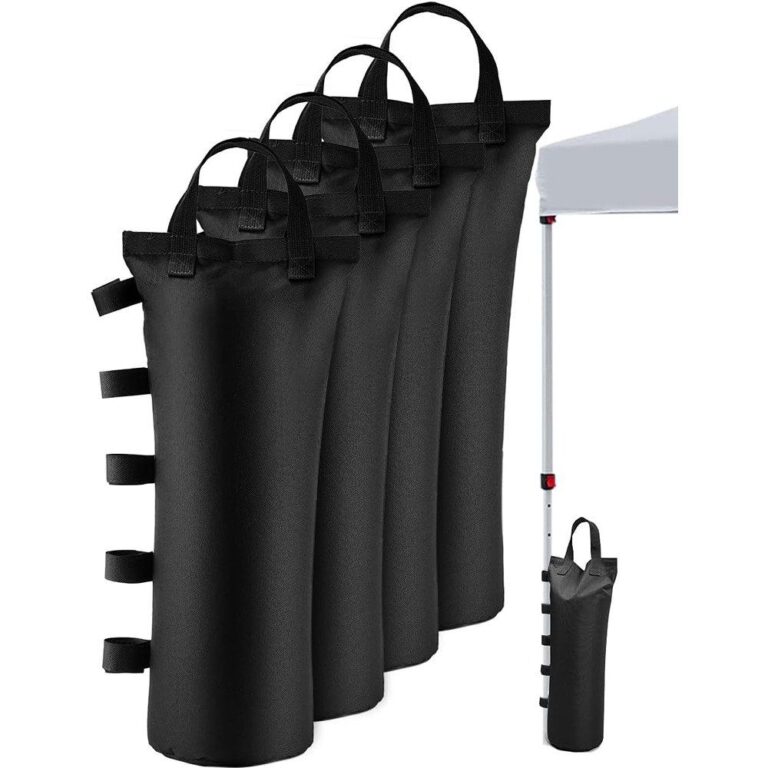 Aisha's pickHeavy Duty Gazebos for Barbecues and Lazy Weekends
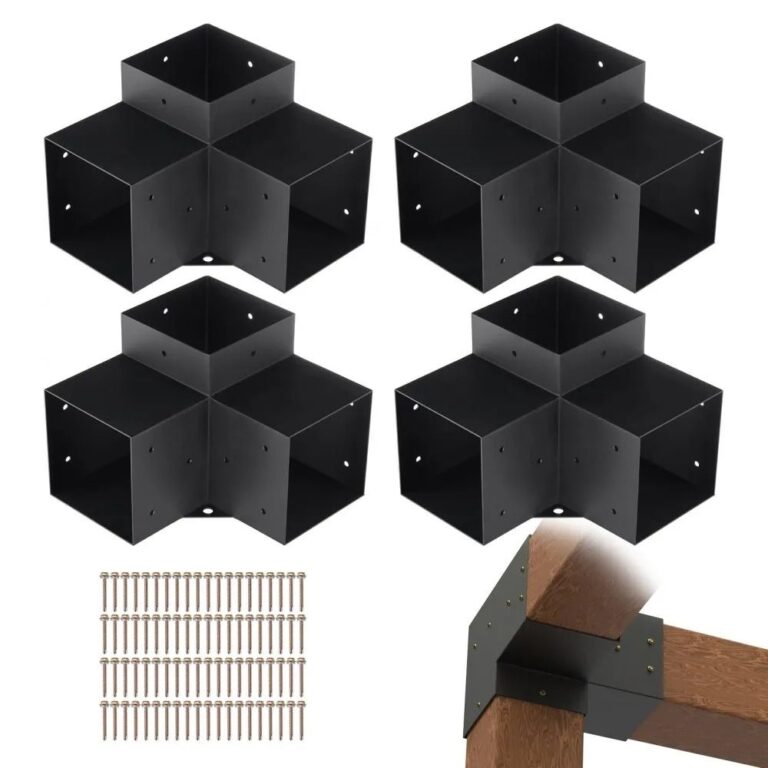
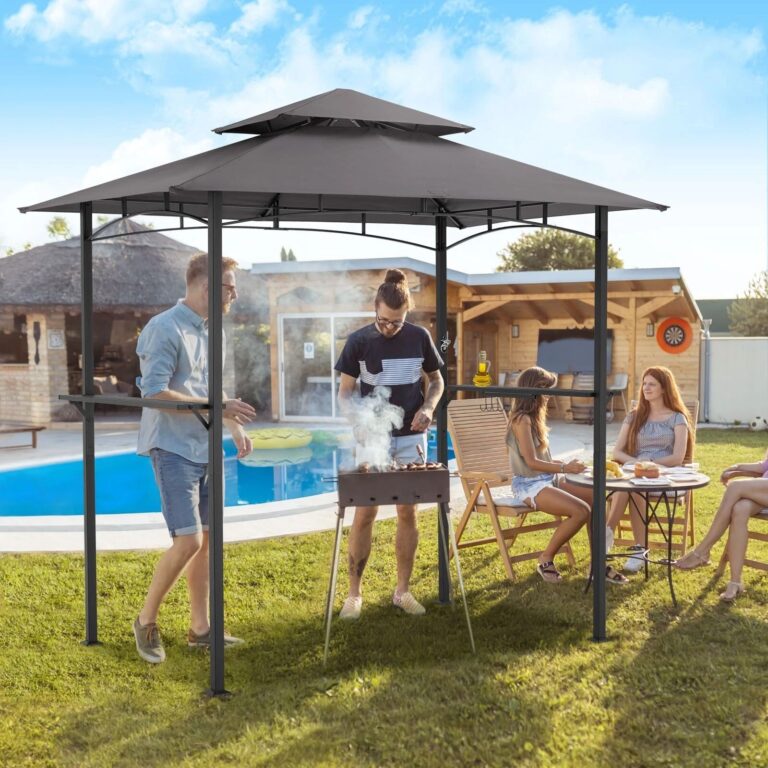 Aisha's pickLarge Gazebos That Make a Small Yard Work Harder
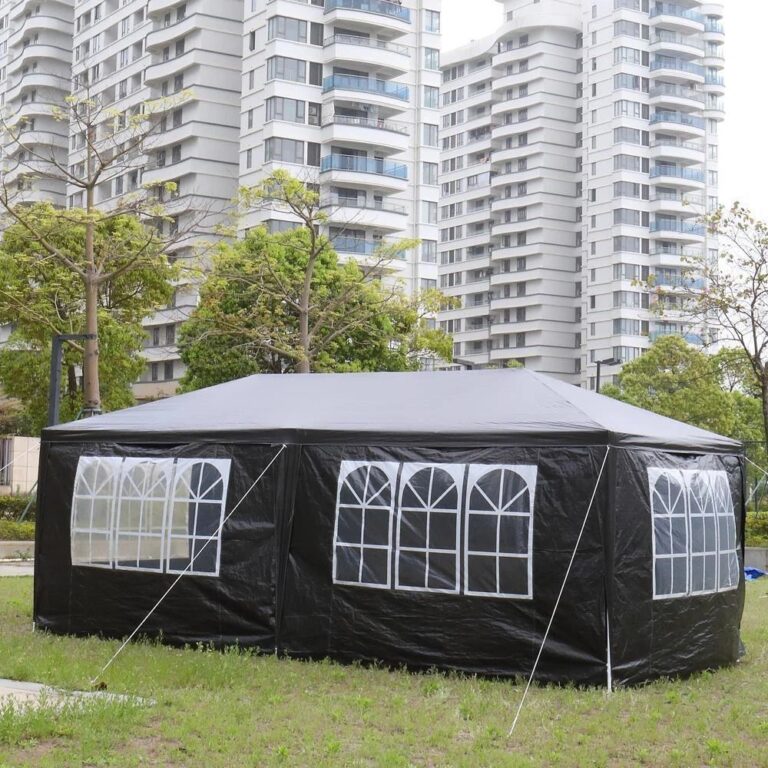
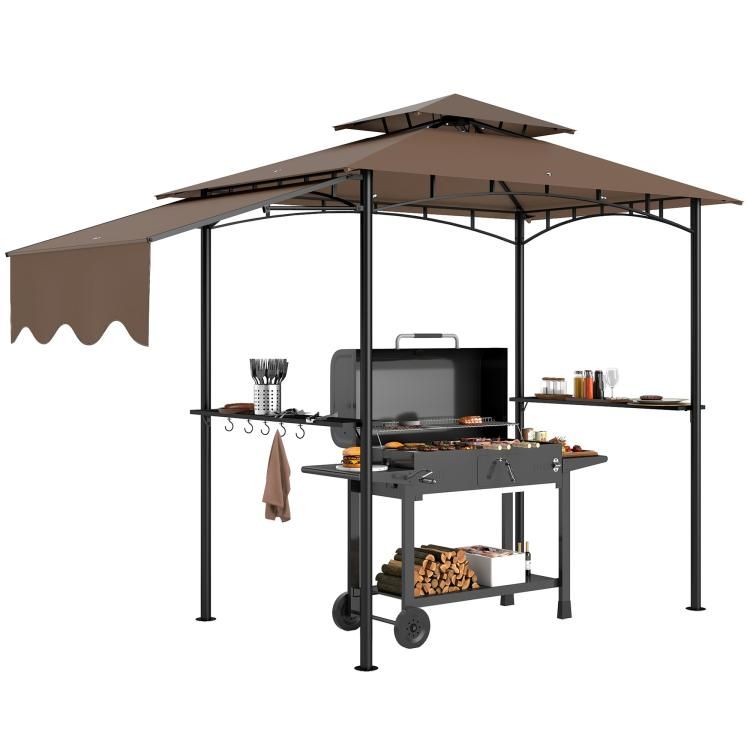 Aisha's pickMetal Gazebos That Do the Job Right
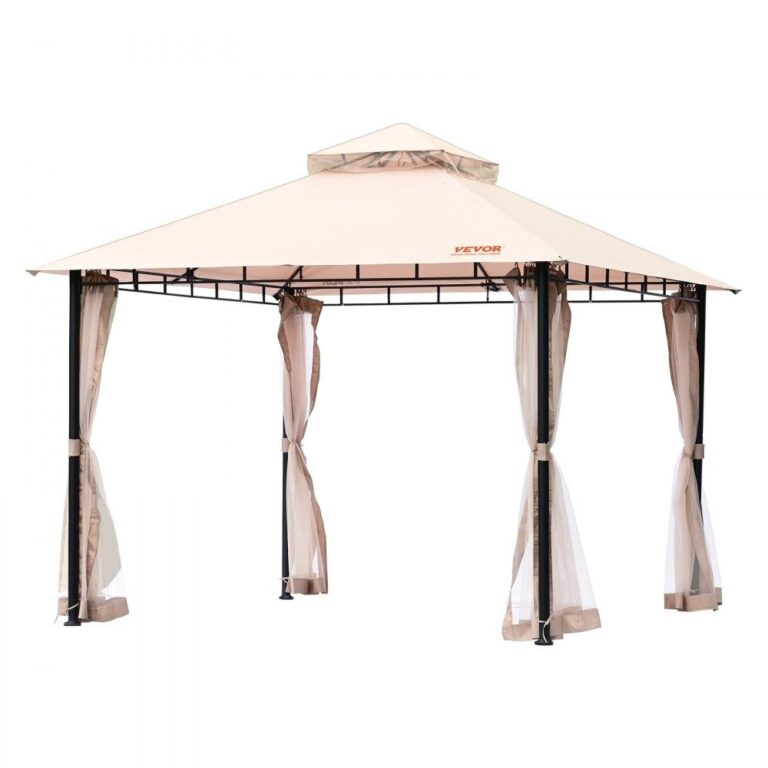
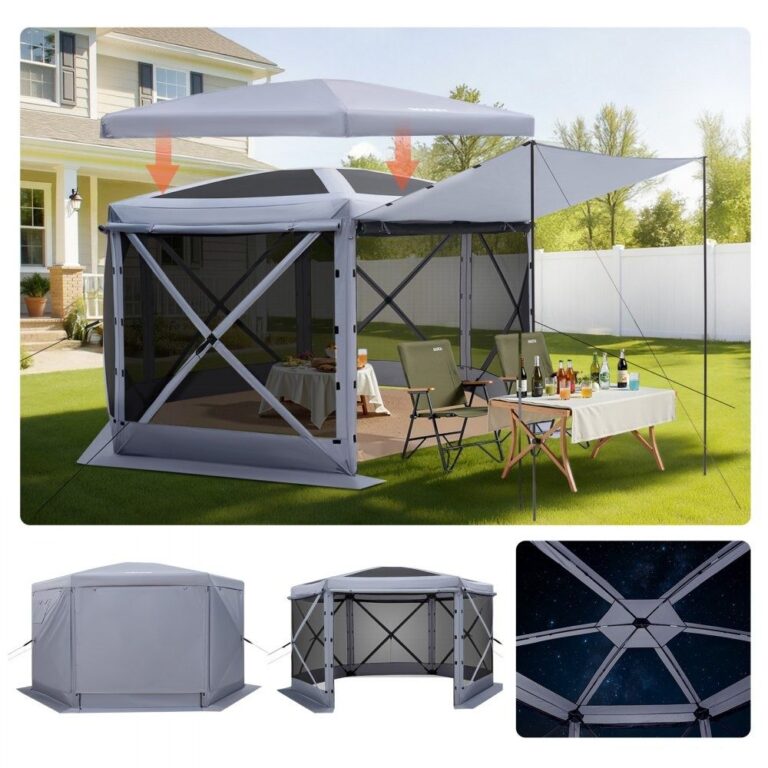 Aisha's pickPatio Gazebos You Won’t Want to Hide Away
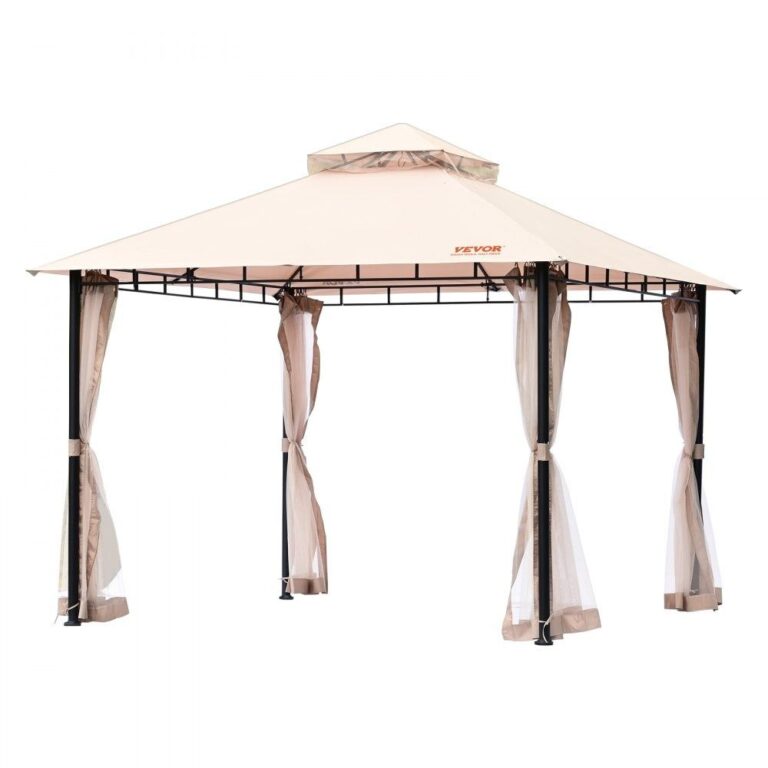
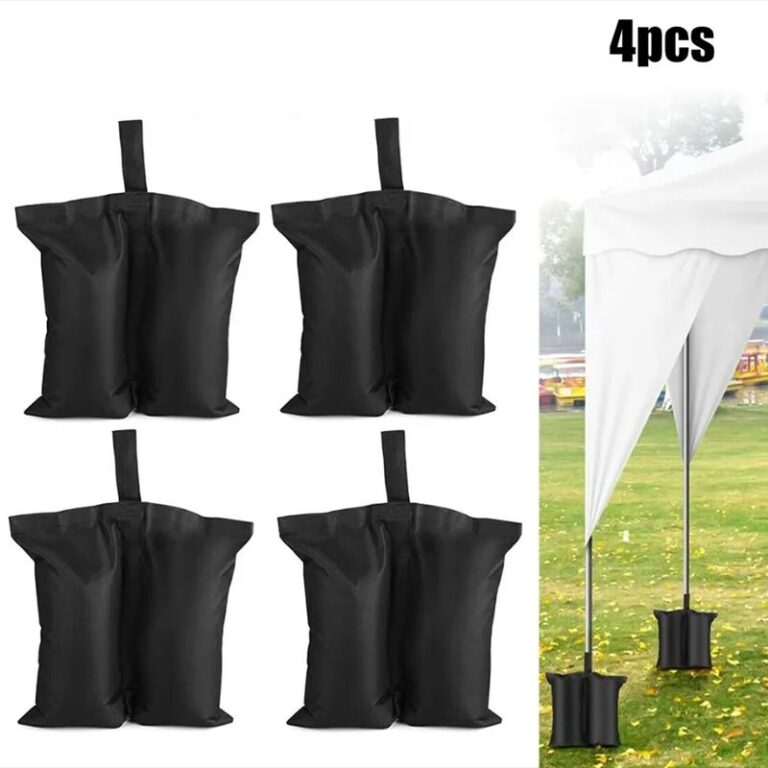 Aisha's pickWaterproof Outdoor Gazebos for Making the Most of the PatioAlso worth a lookOutdoor Patio UmbrellasA good patio umbrella tilts with one hand, locks without a fight, and throws enough shade that you…See the collections →
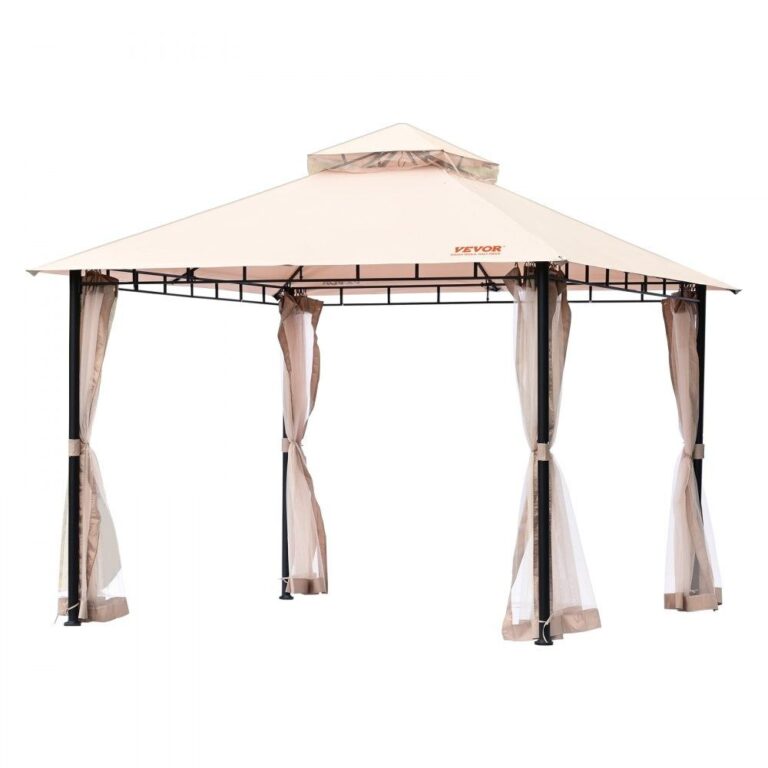
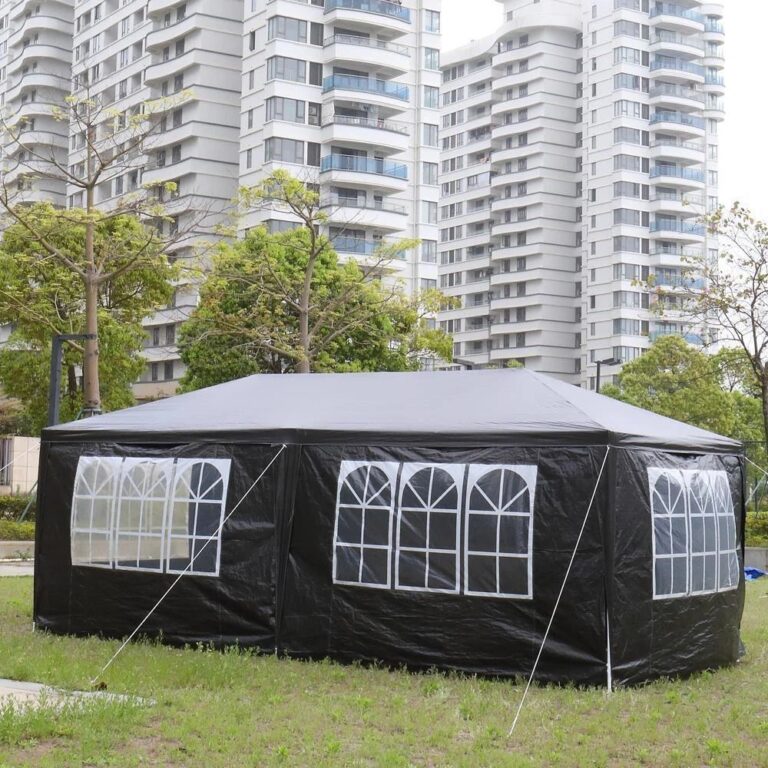 Aisha's pickWaterproof Gazebos We’d Buy Again
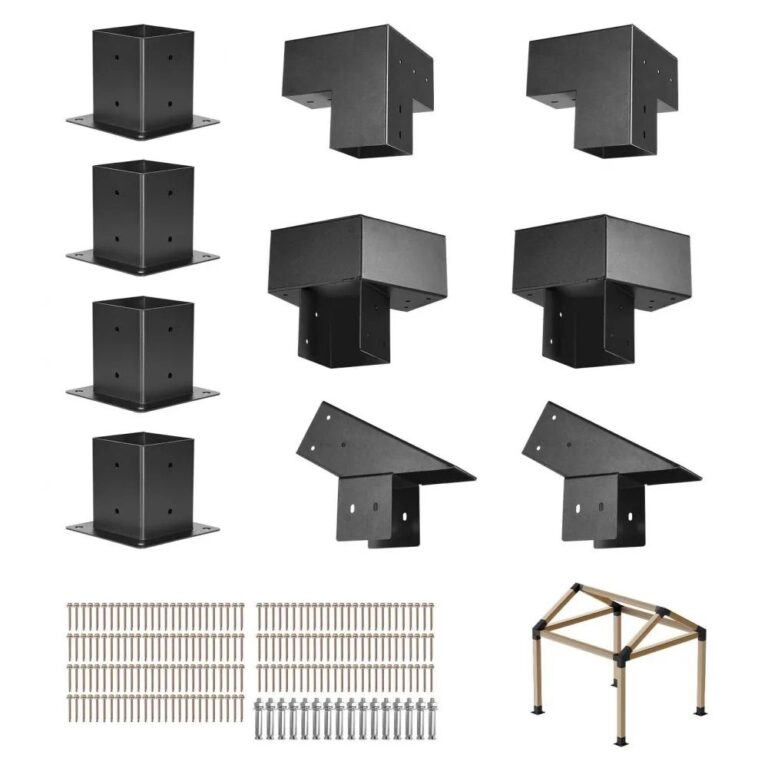 Aisha's pickBlack Gazebos You Won’t Regret Buying