Before you fall for a shape, get under the table with a flashlight. That is the whole trick with a rectangular dining table, because the shape hides a lot of sins. A long straight run looks sturdy from standing height, but the joints at each end are carrying real weight every time six people lean on their elbows at once, and a lot of tables are not built for that.
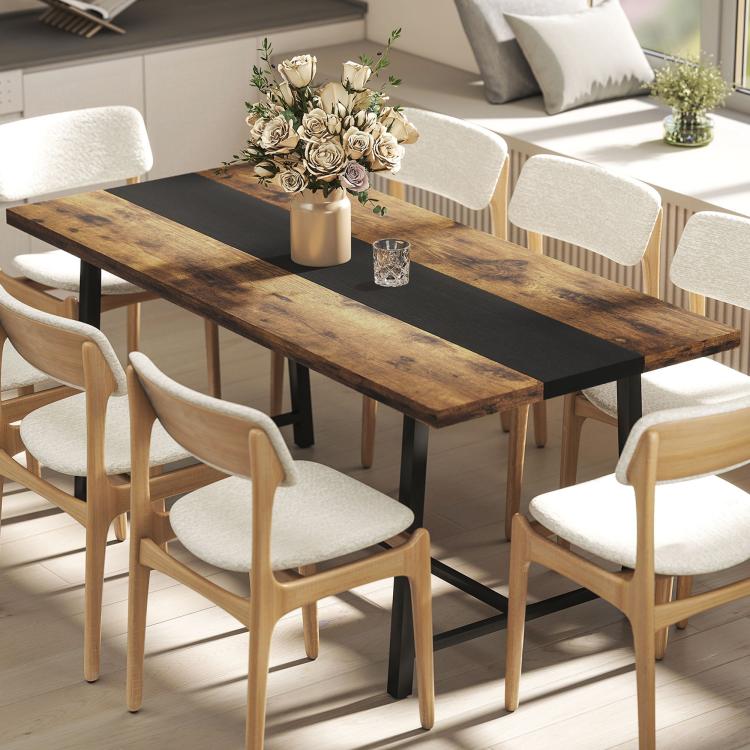
What separates a table that lasts from one that wobbles by year three comes down to how the legs meet the top. Look for an apron, that frame running under the tabletop, joined to the legs with mortise and tenon or at least solid corner blocks with real screws, not just glue and a prayer. Push on a corner with one hand. If the whole table racks sideways, the joinery is doing less than it should. A proper top is either a single slab, which is lovely but moves with the seasons and needs room to expand, or a well made plank or veneer construction with a real wood or plywood core, not particleboard, which swells if a glass sweats on it for too long. Finish matters more on a dining table than almost any other piece in the house, because it takes the daily abuse: a hand rubbed oil finish ages well and is easy to touch up with a bit of sanding, while a thick plastic feeling lacquer looks perfect on day one and shows every scratch and ring after that. On color, I have learned to stop fighting the wood. A warm oak or walnut tone hides crumbs, water marks and the general chaos of actual dinners far better than anything painted white, which looked wonderful in a magazine and looked like a crime scene after one spaghetti night in our house. If you are starting from nothing, go with a medium toned wood in a plain rectangle, no leaf, no extensions, nothing clever, because clever mechanisms are usually the first thing to fail.
For scale, measure your room before you measure the table. A rectangular table wants at least three feet of clearance on every side for chairs to pull out, which in a lot of apartments means a six footer is already pushing it, so go smaller before you go bigger. These tables suit houses with a dedicated dining space more than open plan apartments, where a round table often behaves better in a tight corner. A long one is made for a family that actually sits down together most nights, not for a household that eats standing at the counter four nights out of five.
Even the best one will never fold away or shrink itself for a studio apartment, and no amount of good joinery changes that.
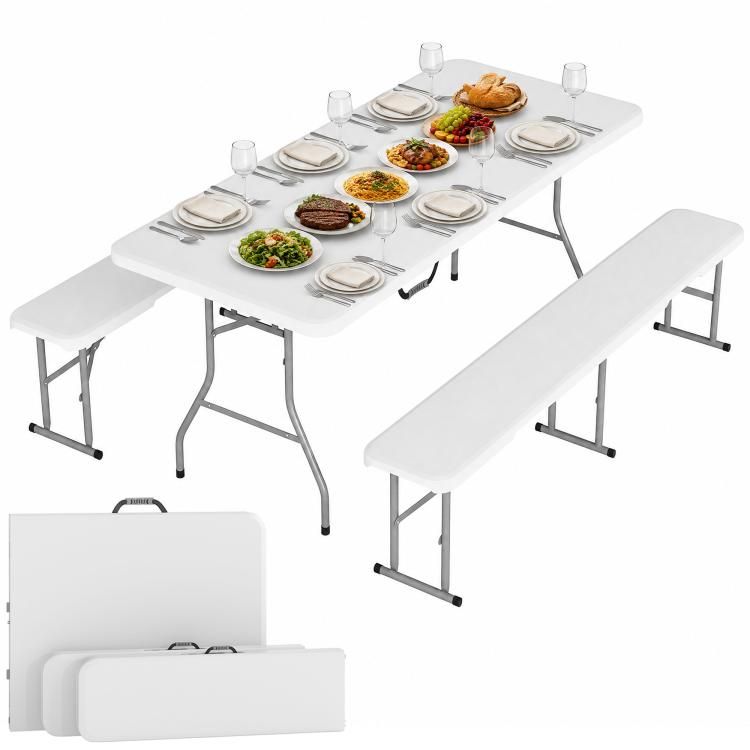 Aisha's pickRectangular Metal Dining Sets for When the Old Ones Give Up
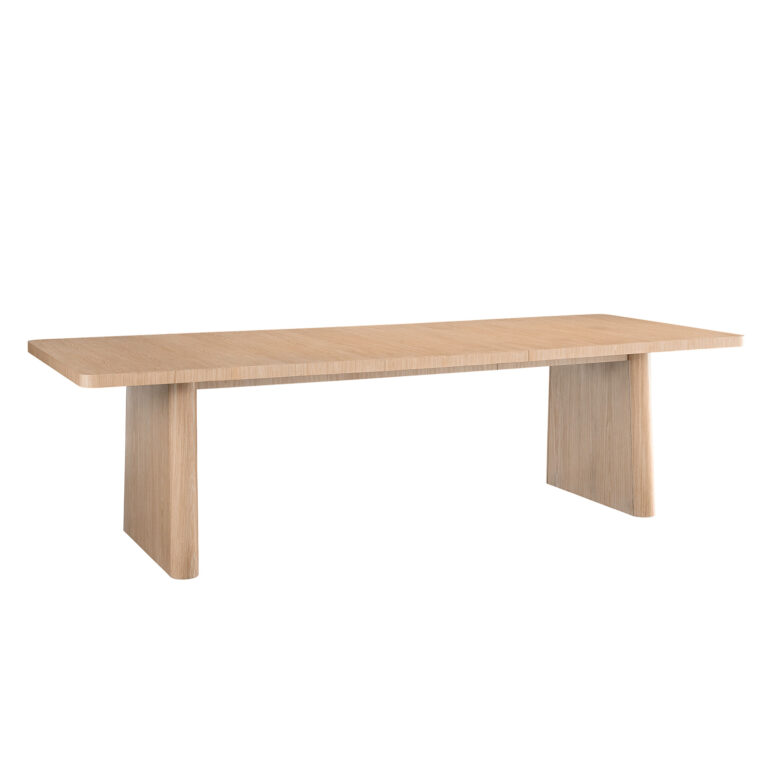 Aisha's pickRectangular Oak Dining Tables at Just the Right Height
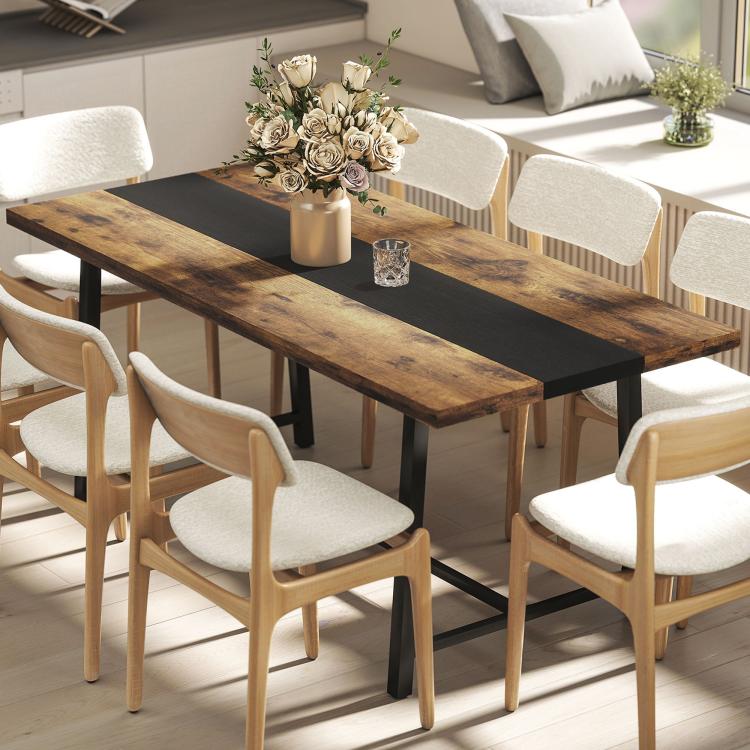 Aisha's pickDecent Rectangular Solid Wood Dining Tables Without the Hassle
 Aisha's pickSmall Rectangular Dining Sets That Anchor a Room
 Aisha's pickWhite Rectangular Dining Sets That Take a Knock
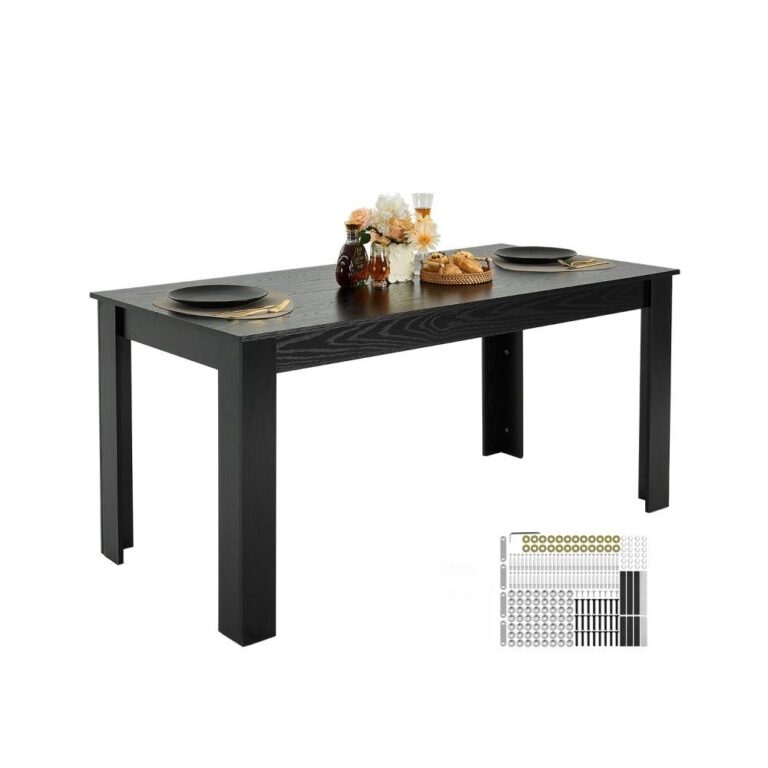 Aisha's pickBlack Rectangular Dining Tables With Some Character
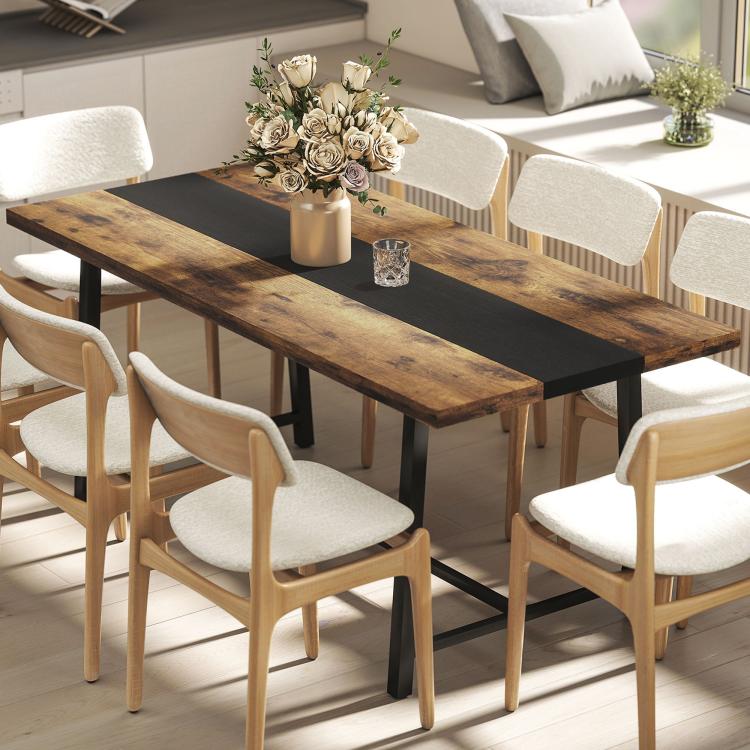
 Aisha's pickGray Rectangular Dining Sets for Long Dinners With Friends
 Aisha's pickRectangular Dining Sets That Don’t Wobble
 Aisha's pickRectangular Dining Tables That Fit Where You Need ThemAlso worth a lookRectangular TablesThe question I get most is whether a rectangular table will make a small room feel tighter than a round one would.See the collections →

 Aisha's pickRectangular Glass Dining Sets That Hide the Odd Scratch
 Aisha's pickRectangular Kitchen Dining Tables That Make Cooking a Bit Nicer