The thing nobody tells you about a modern dining table, the clean lined kind with a slab top and bare legs, is how it sounds different from an old one. No creak when you lean on it, no give in the joints after a decade of elbows. I noticed it the first week I had one in a client's kitchen, a plain oak topped table I'd argued against and lost. Knocked on it out of habit, the way you'd knock on a good old table to hear the history in it, and got nothing back but a flat, honest thud. Took me a while to decide I liked that.
Getting the size right is where most people go wrong, and I include myself here, because a showroom makes everything look smaller than it is. Measure your room, then subtract three feet all the way around for chairs to pull out and people to walk past without doing that sideways shuffle, and if the table is going into a room that also has to be a hallway or a home office on other days, go narrower rather than shorter, since a narrow table still reads as generous while a short one just looks like you ran out of room. A table that seats six should give each person two feet of width at minimum, and if you are the kind of household that ends up with eight at Thanksgiving whether you planned for them or not, buy for eight.
These tables wear differently than what I usually work with. No patina coming, not in the way an old pine farmhouse table earns its dents, because the finishes on most modern tops are built to resist exactly that, so a water ring or a hot pan mark is a genuine wound, not character, and you need a coaster habit from day one or you'll regret it by spring. Wipe with a dry or barely damp cloth, keep it out of direct sun if the top is a dark veneer, and know that the legs, usually metal or a thin wood, scuff at floor level faster than you'd expect, so check the day it arrives for scratches on the underside of the feet where it's been dragged across someone's warehouse floor.
Check the top for flatness before you sign for delivery, run your hand across it, because a warped veneer top is common and a pain to return once it's in your kitchen. And be honest about whether this style suits your house at all. If your rooms already lean toward soft edges, rugs, older furniture, a stark glass or lacquer topped table can sit in the middle of it looking like it wandered in from a different life. I'd put a set of mismatched vintage chairs around one before I'd put a matching modern set, every time.

 Aisha's pickContemporary Dining Sets That Get the Family Around the Table
 Aisha's pickContemporary Dining Tables That Don’t Need Babying
 Aisha's pickMinimalist Dining Tables for Long Dinners With Friends
 Aisha's pickModern Corner Dining Tables That Survive Kids and Pets

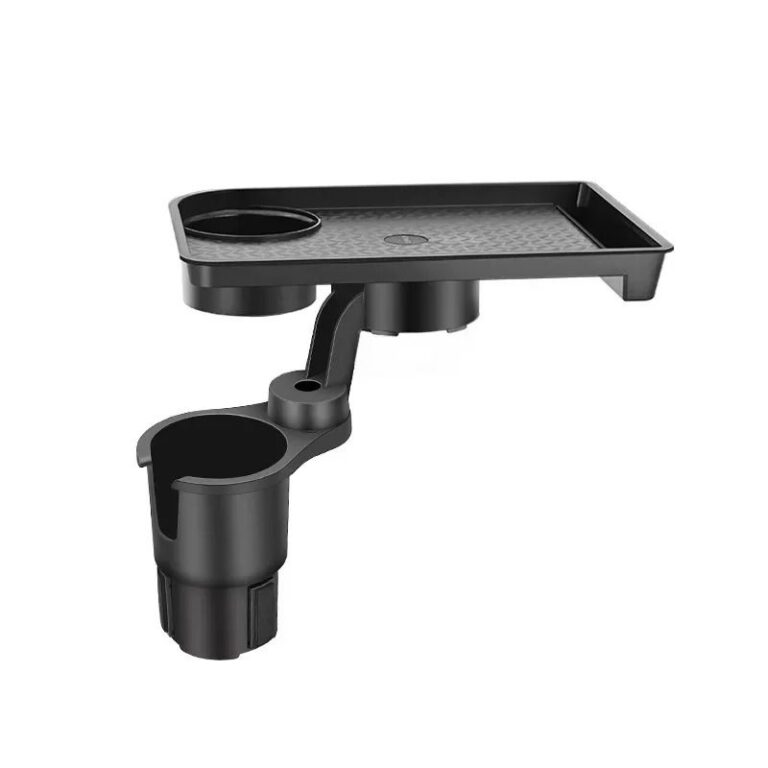 Aisha's pickModern Dining Consoles for Long Dinners With Friends
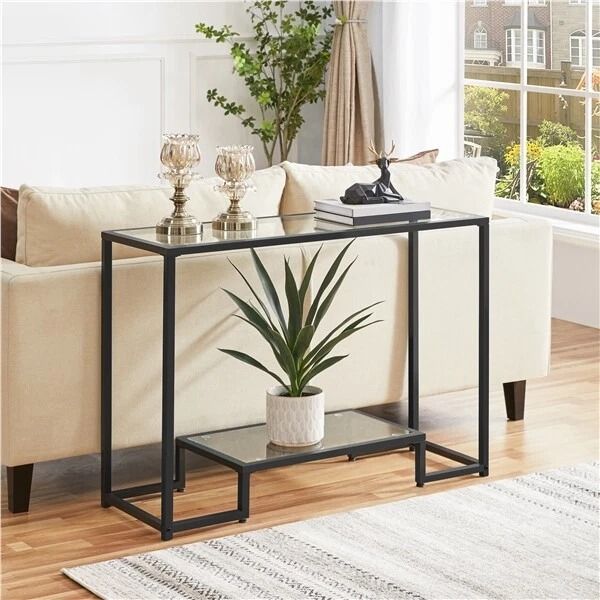
 Aisha's pickShopping for Modern Dining Tables? Start Here

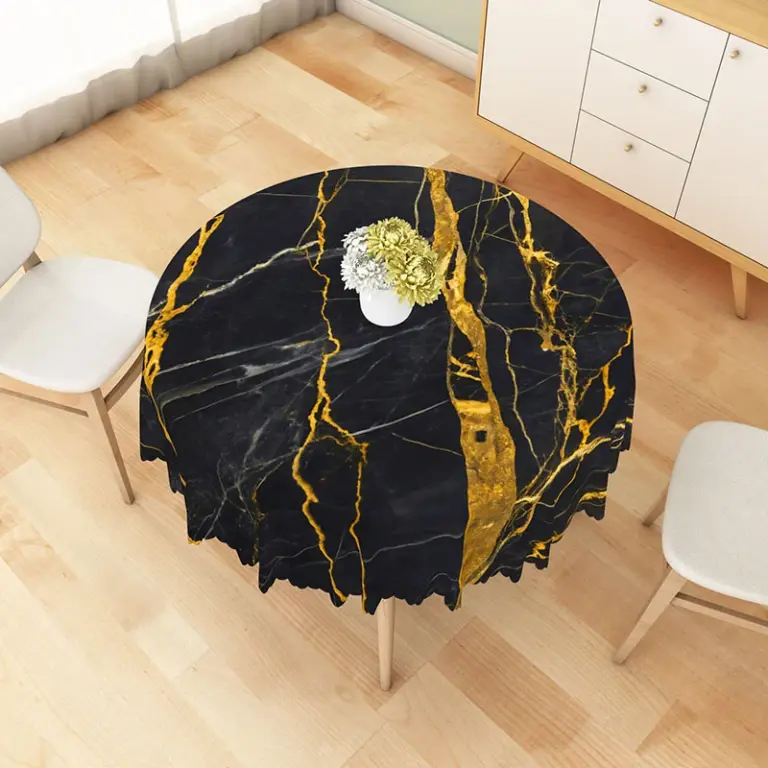 Aisha's pickModern Marble Dining Tables That Get the Family Around the Table
 Aisha's pickModern Wooden Dining Tables for Long Dinners With Friends
 Aisha's pickScandinavian Dining Tables That Don’t Shout About It