A metal table is the one that holds its shape no matter what gets put on it or dropped on it. Dining tables in metal take the nicks of forks and hot pans without flinching, coffee tables take boots on the edge and drinks set down without a coaster, and a metal set in a kitchen or a patio corner just keeps standing up straight through years of actual use. It's furniture that does a job first and looks good second, though a good one manages both.
It sits well with wood floors, leather or linen seating, plants, anything with some texture to soften the hard edge of the metal itself. A metal dining table with wood chairs around it is one of the easiest combinations in furniture, and a metal coffee table under a soft sofa reads as grounded instead of cold. Where it goes wrong is in a room that's already full of hard surfaces, tile floors, glass shelving, a leather sectional, because then you've just built a room with no give in it anywhere, and it starts to feel like a waiting room instead of somewhere you'd want to sit. It's also not the move if you want a table that absorbs sound and clutter visually, metal shows every crumb and every water ring in a way a busy wood grain hides for you.
Finish is where the cheap and the good split hardest. A thin matte black or a bronze with some variation in it ages fine, scuffs blend in and the thing still looks intentional in five years. A bright chrome or a flat painted finish with no texture shows every scratch like a scar, and once the paint chips on a corner that's it, you're staring at bare metal for the rest of the table's life. Warm metals, aged brass, bronze, blackened steel, are far more forgiving in daily use than anything shiny or stark white. For sizing, measure the space the way you would for any table, but give a metal one a little more breathing room than you think, because the visual weight reads heavier than the actual footprint once it's in a room. Leave at least three feet of clearance around a dining table for chairs to pull out, and for a coffee table, measure from the sofa so there's still 14 to 18 inches to the nearest edge. The common mistake is buying one sized for a showroom floor and finding it swallows a smaller living room whole.
I'd put this in the kitchen first, the room that takes the most daily punishment and rewards a table that doesn't care.
 Aisha's pickModern Metal Coffee Tables With Room for Everything You Put Down
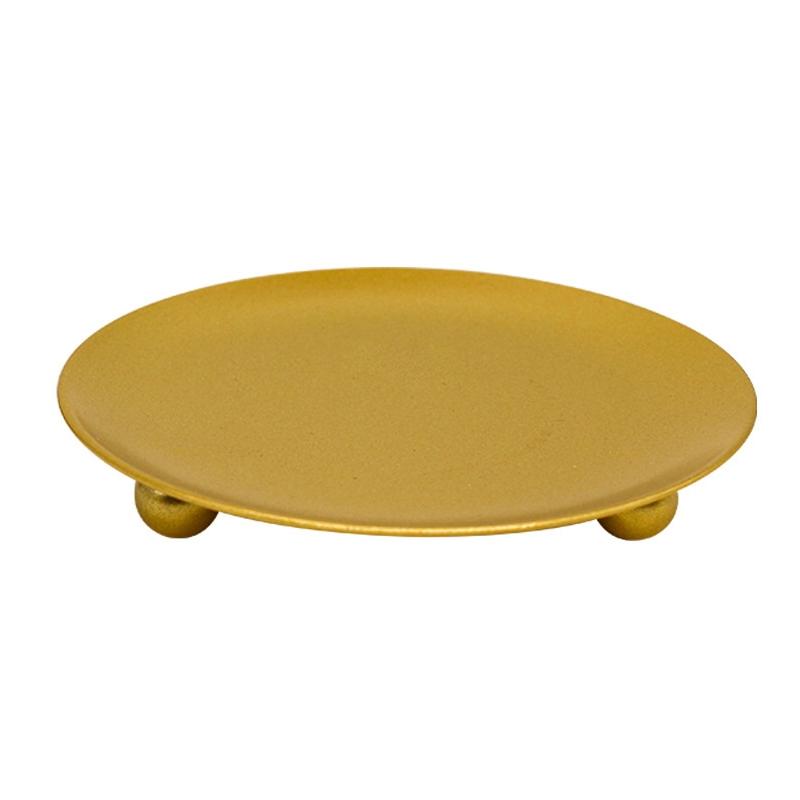
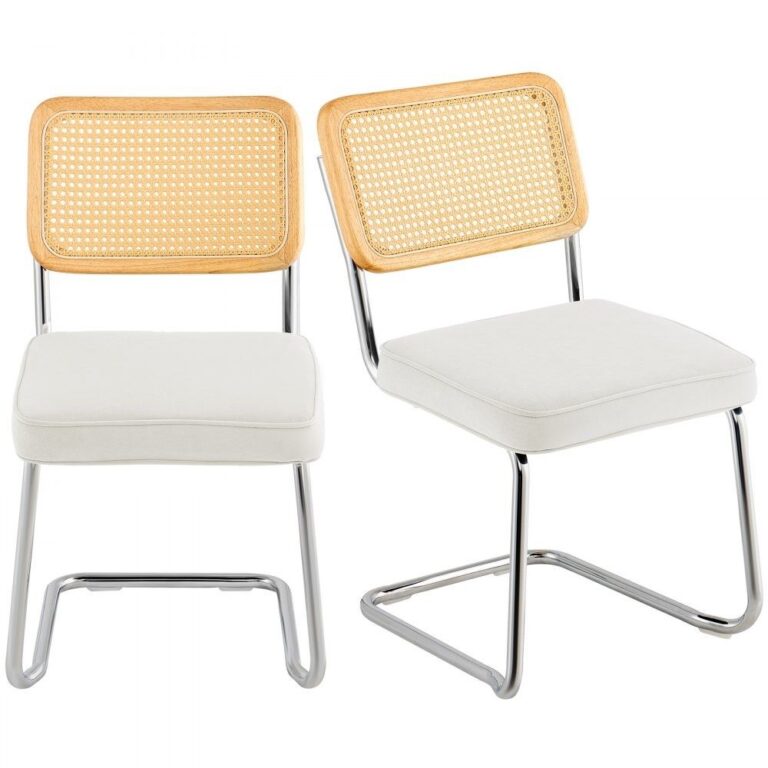 Aisha's pickMetal Corner Dining Sets for Long Dinners With Friends
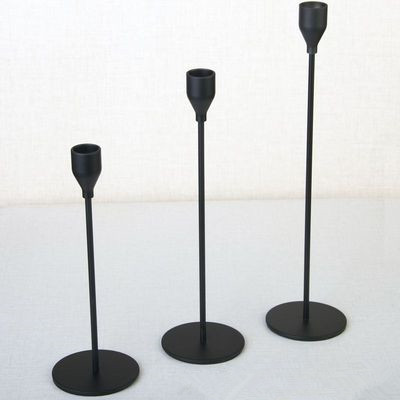 Aisha's pickBlack Metal Dining Room Sets for Long Dinners With Friends
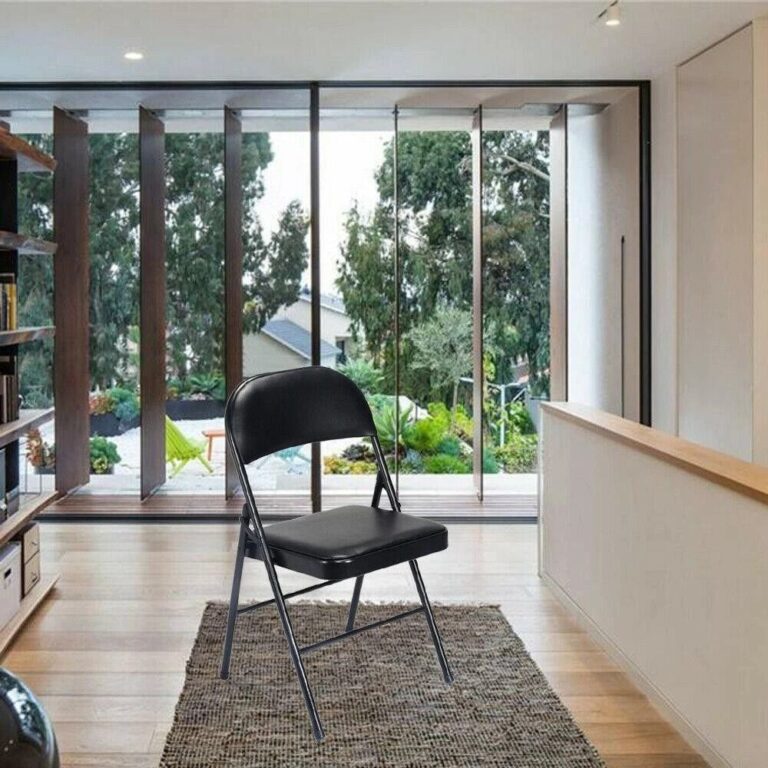
 Aisha's pickMetal Entryway Tables for Narrow Hallways

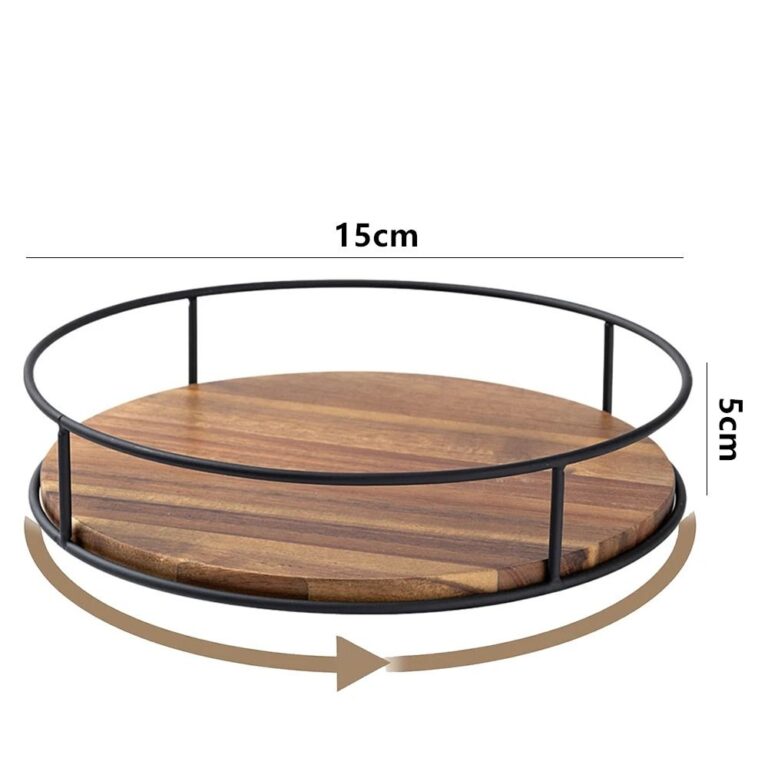 Aisha's pickRound Black Metal Coffee Tables for the Living Room
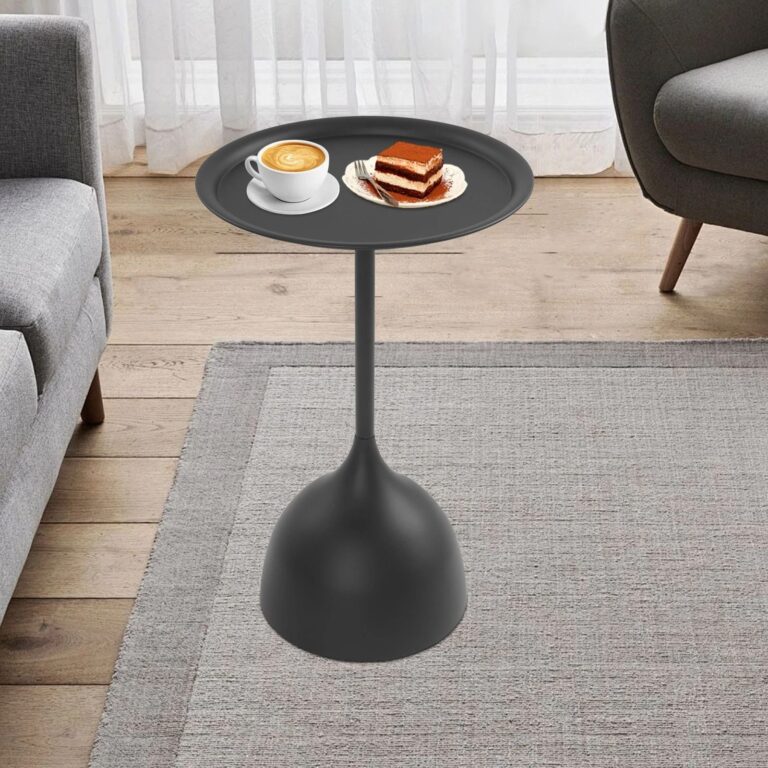
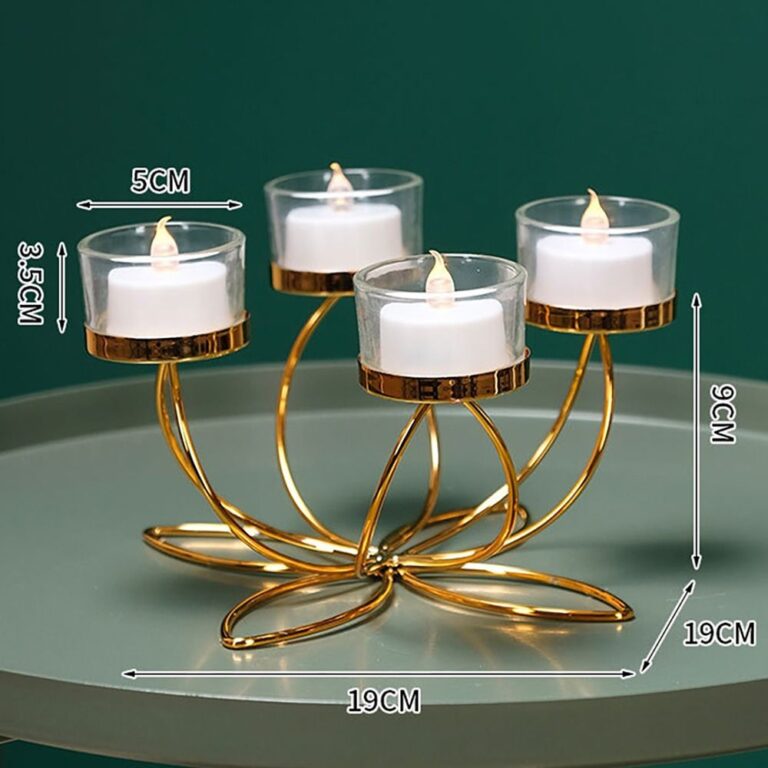 Aisha's pickMetal Corner Dining Tables Big Enough for Sunday Dinner
 Aisha's pickBlack Metal Dining Sets We’d Buy Again
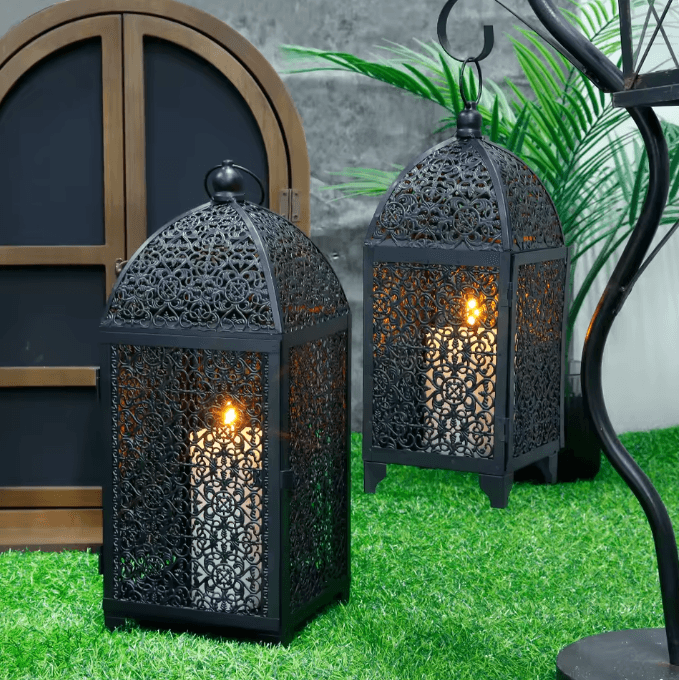
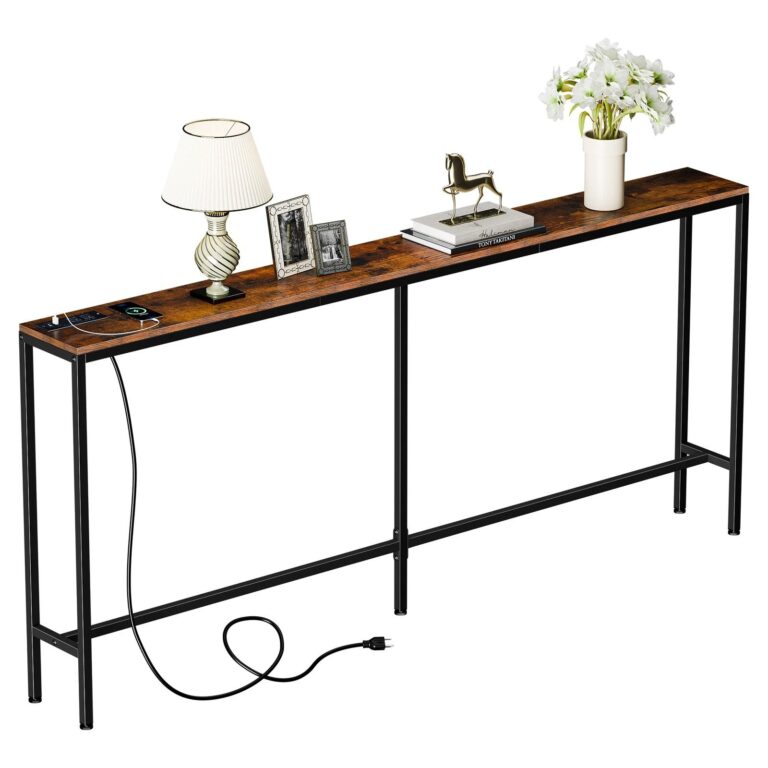 Aisha's pickMetal Hallway Tables You’ll Keep for Years
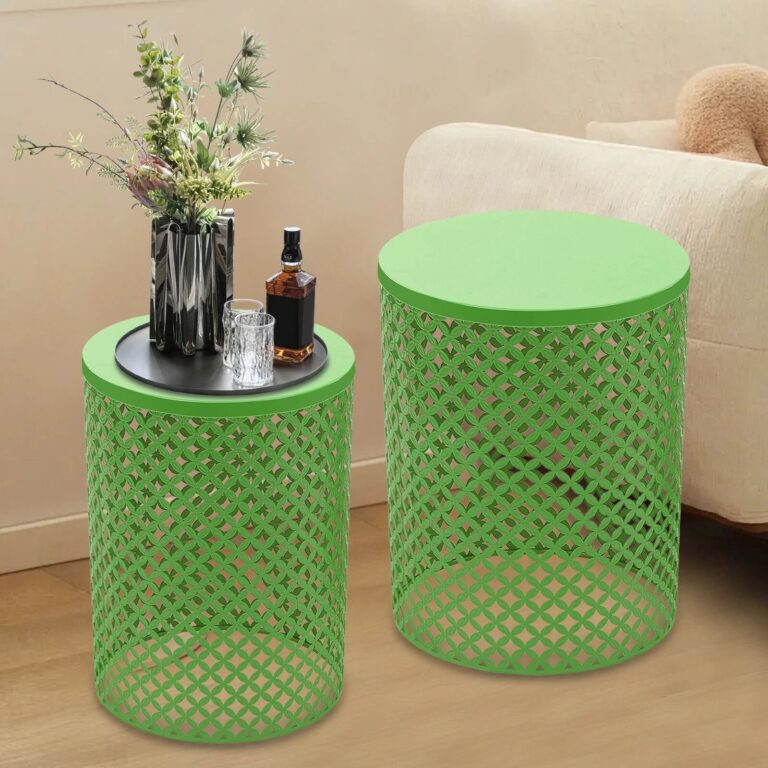
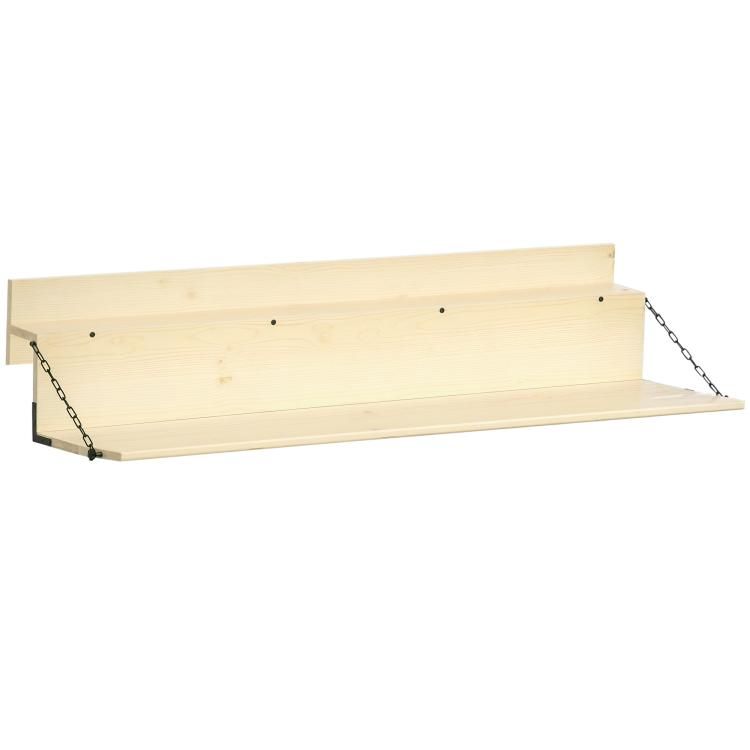 Aisha's pickRound Metal Coffee Tables That Look Good Up CloseAlso worth a lookMetal Dining TablesThe thing nobody mentions is the sound.See the collections →
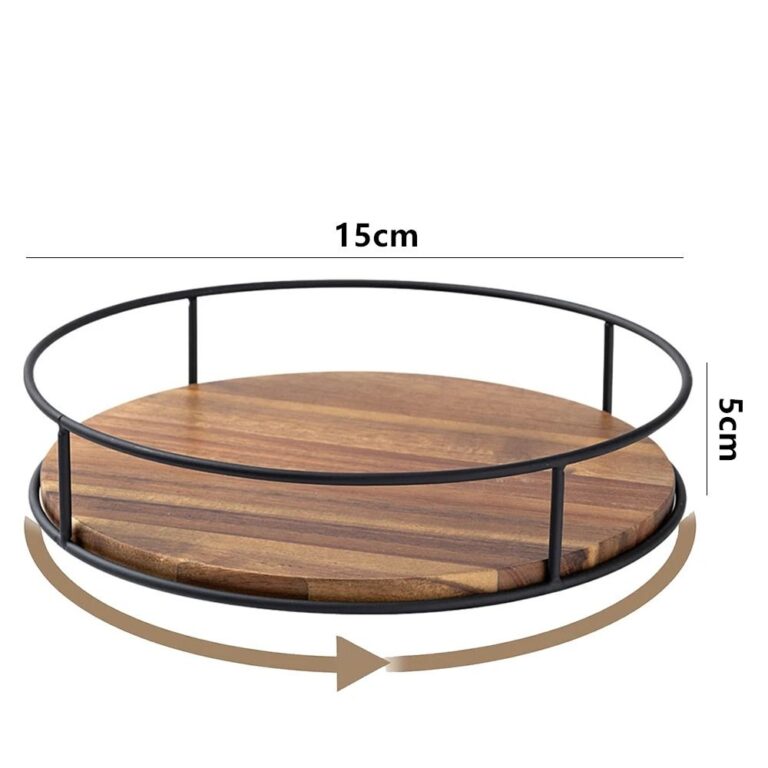
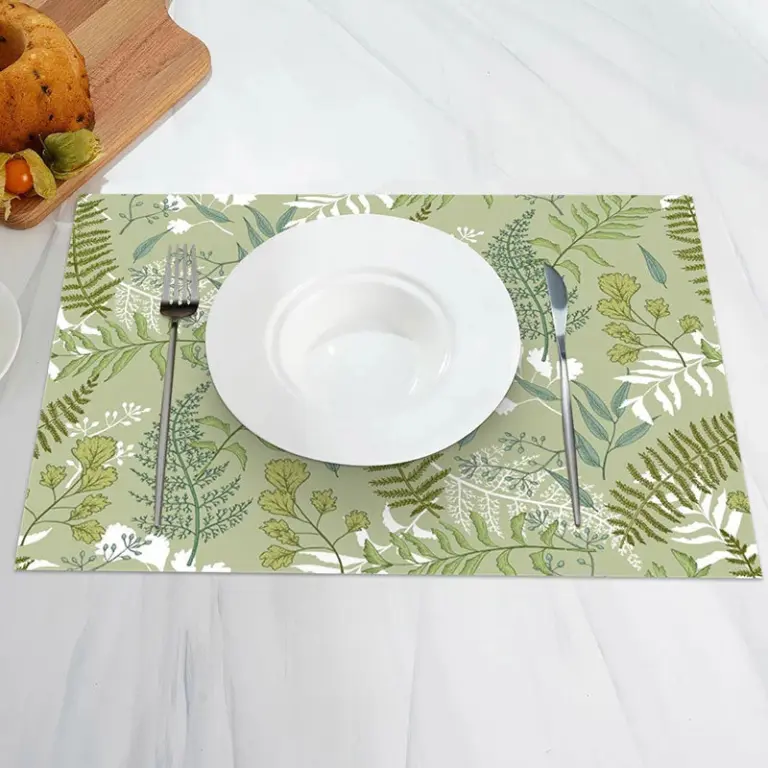 Aisha's pickMetal Dining Sets With Room for Everything You Put Down
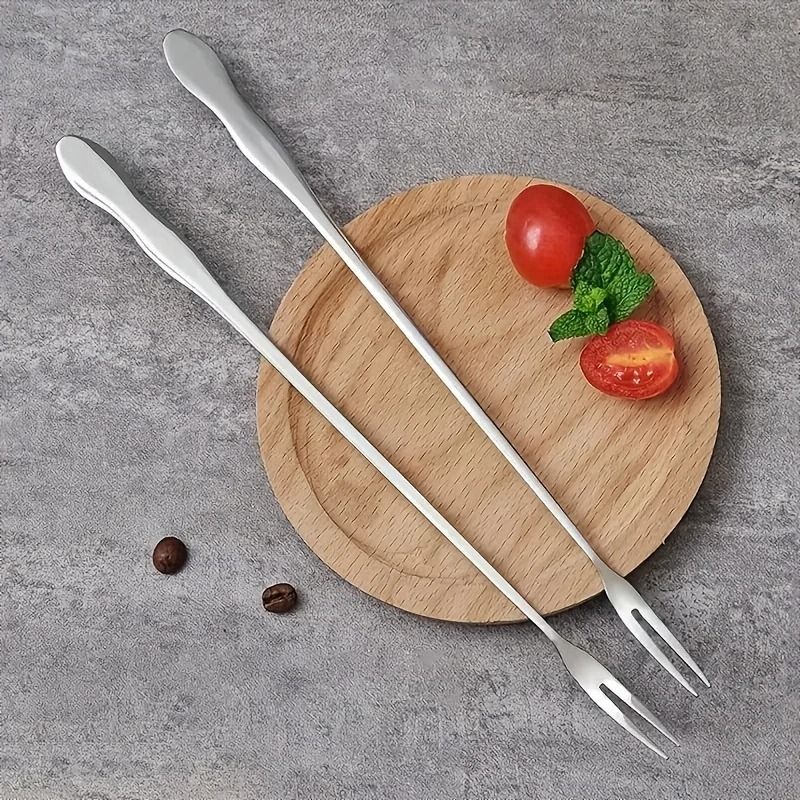
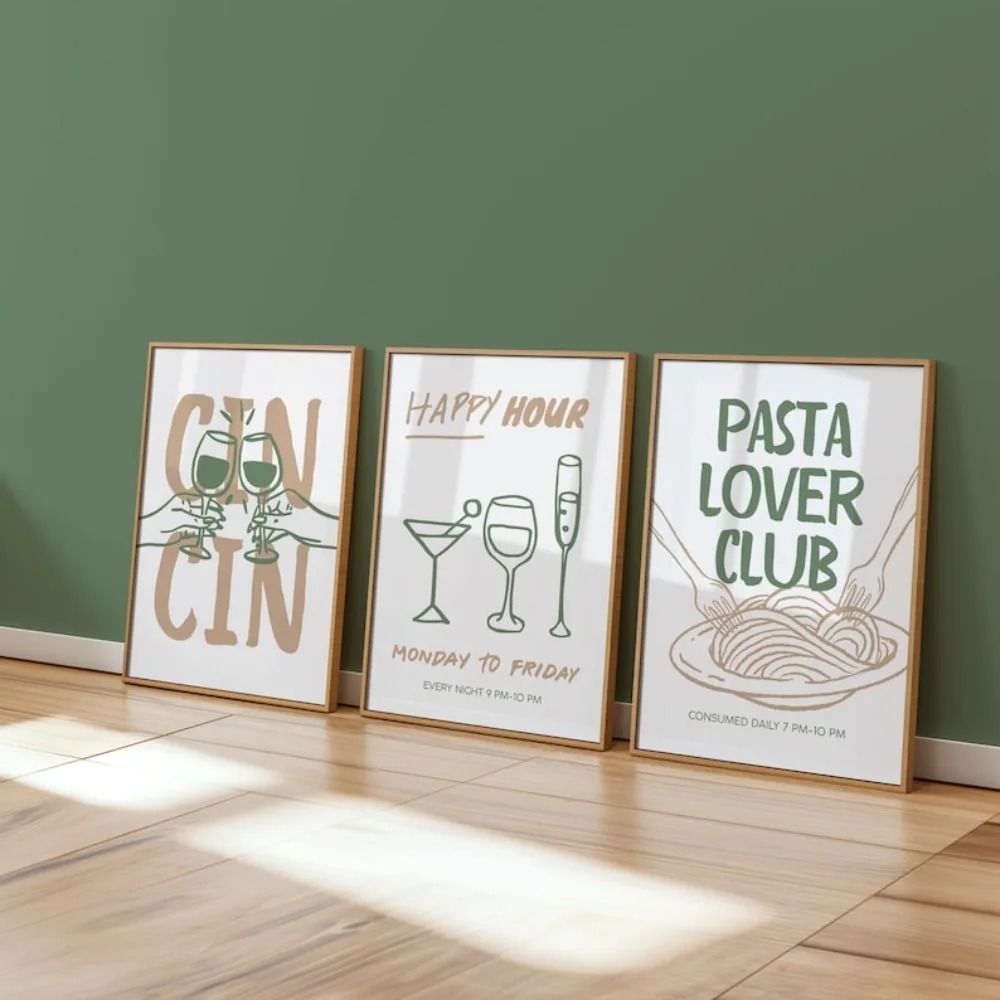 Aisha's pickContemporary Metal Dining Sets That Anchor a Room
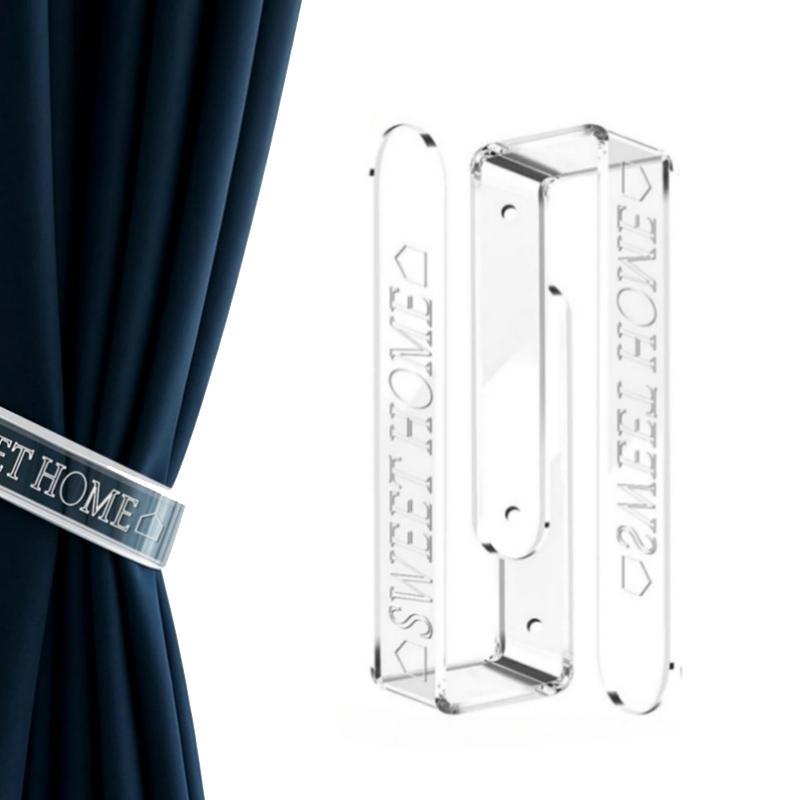
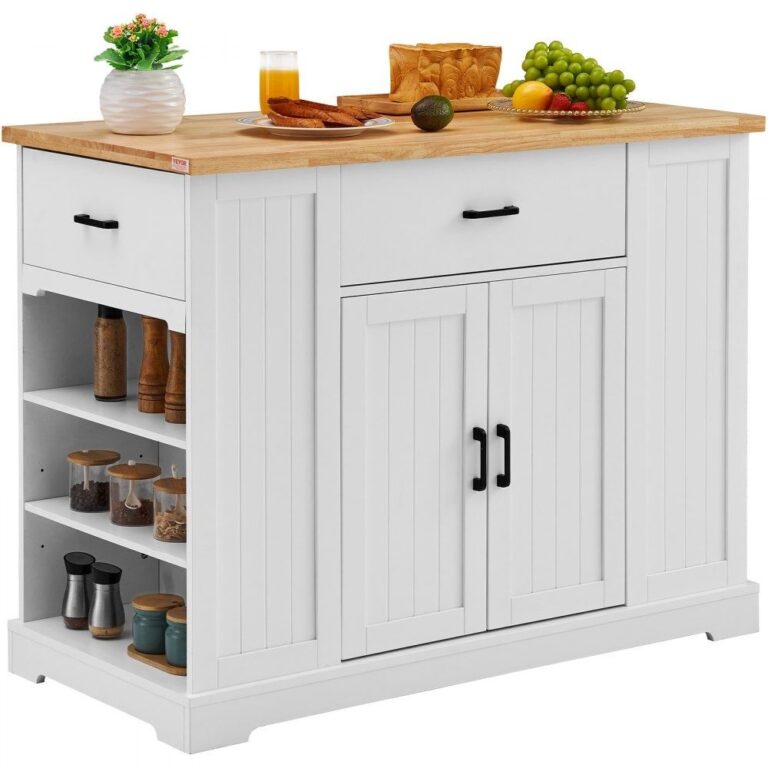
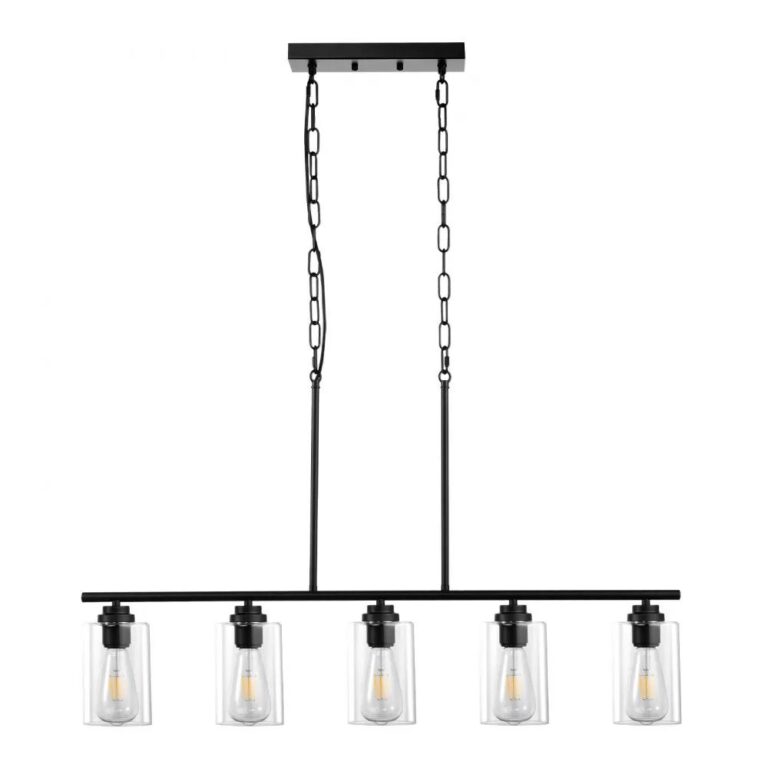 Aisha's pickMetal Kitchen Islands That Don’t Wobble
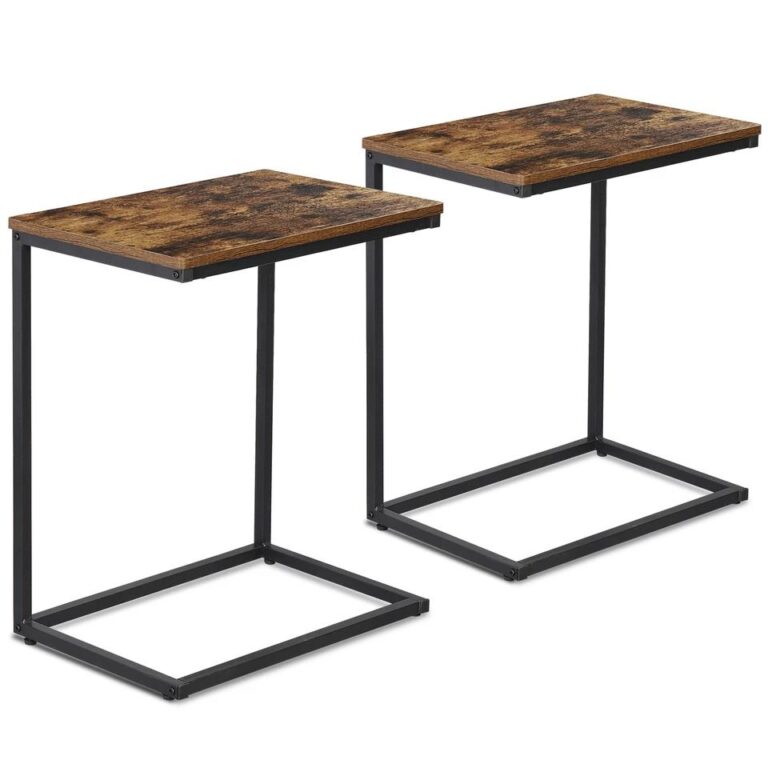 Aisha's pickSets of 2 Metal Coffee Tables Without the Silly Price Tag
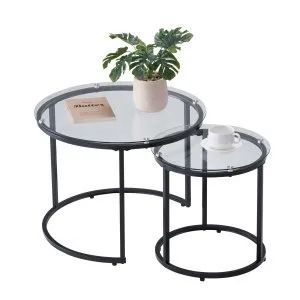
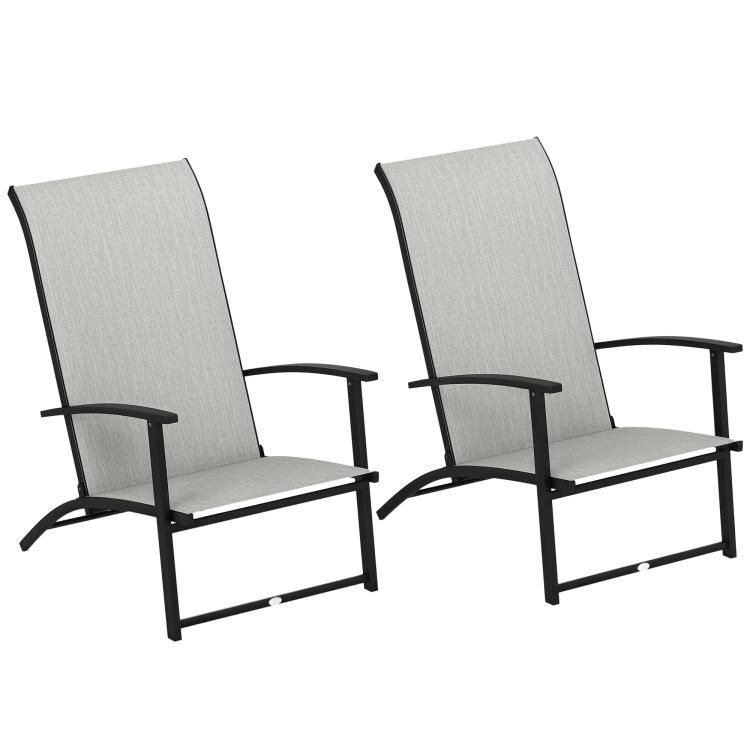 Aisha's pickMetal Dining Sets with Fabric Chairs That Earn Their Keep
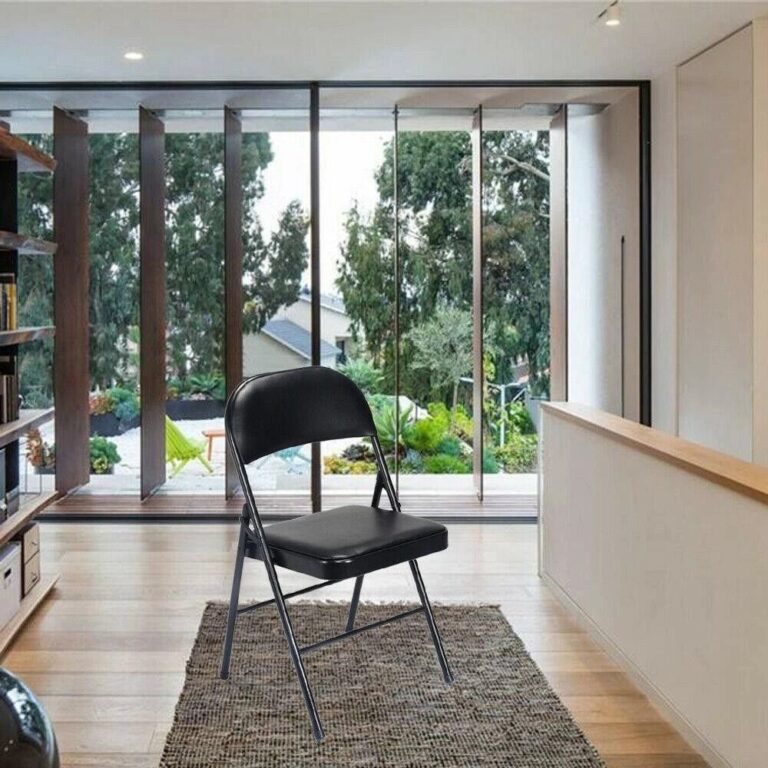
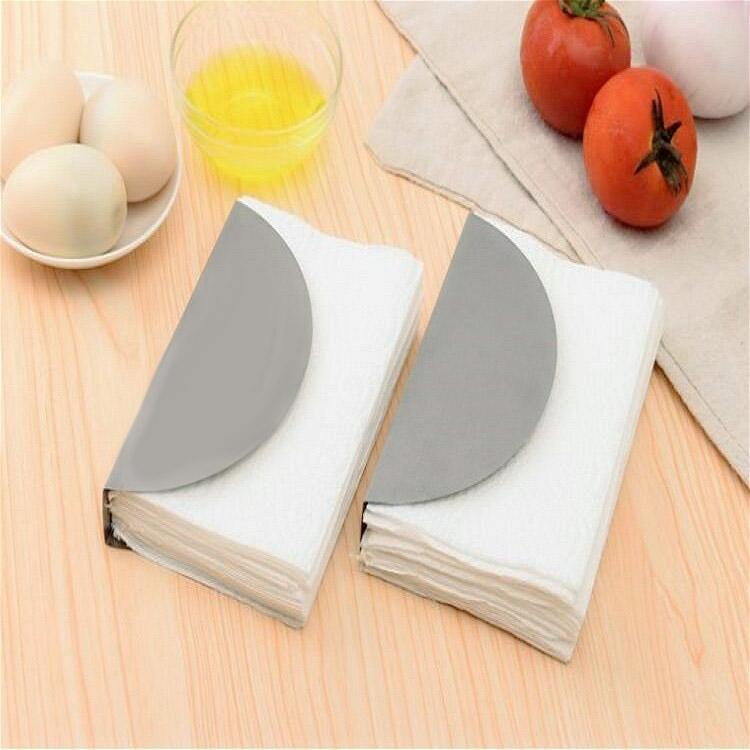 Aisha's pickMetal Coffee Table Sets We Use Every Single Day
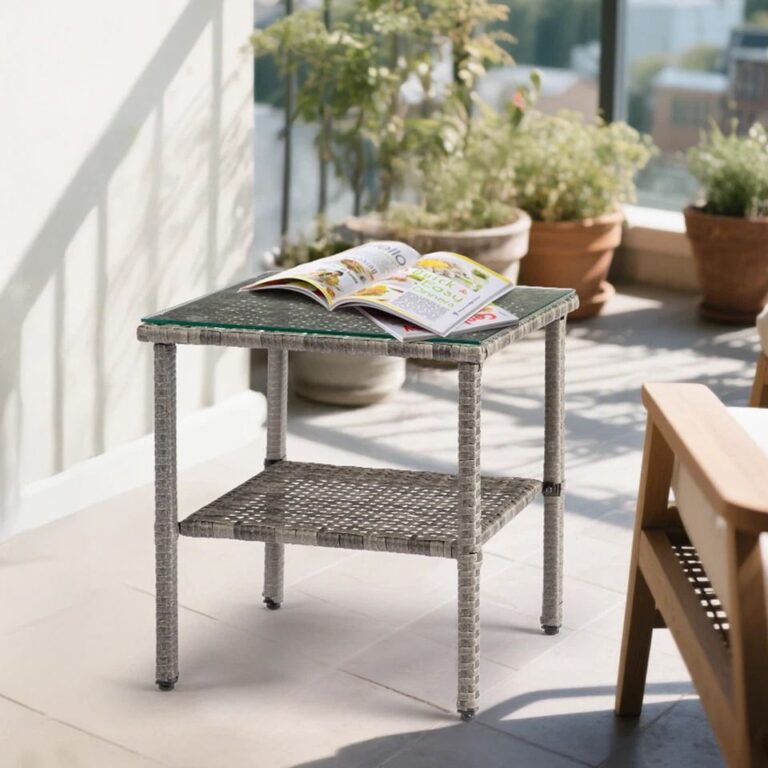
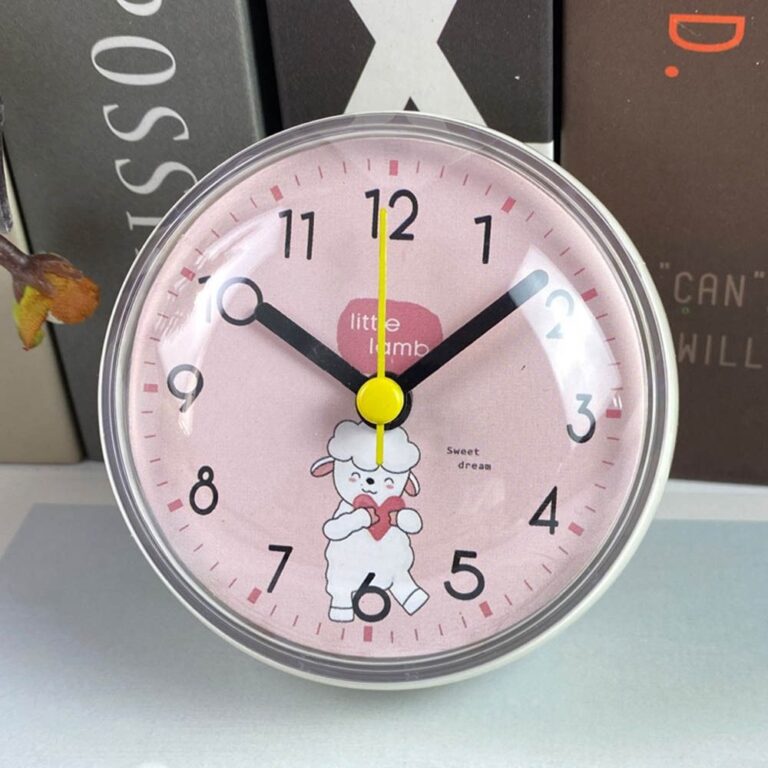 Aisha's pickMetal Kitchen Tables That Clean Up With a Wipe
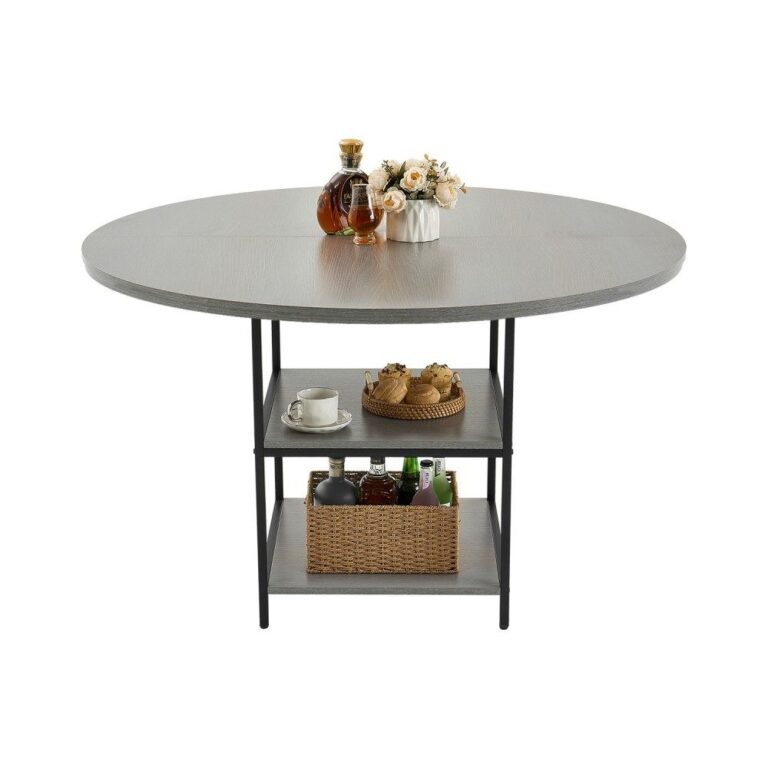
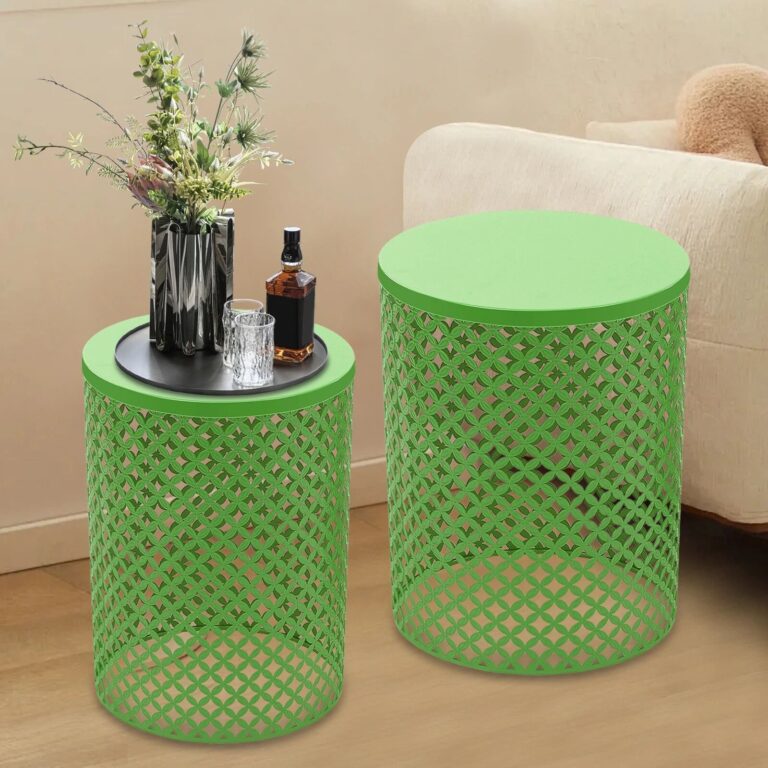 Aisha's pickSmall Metal Coffee Tables for Movie Nights and Slow Sundays
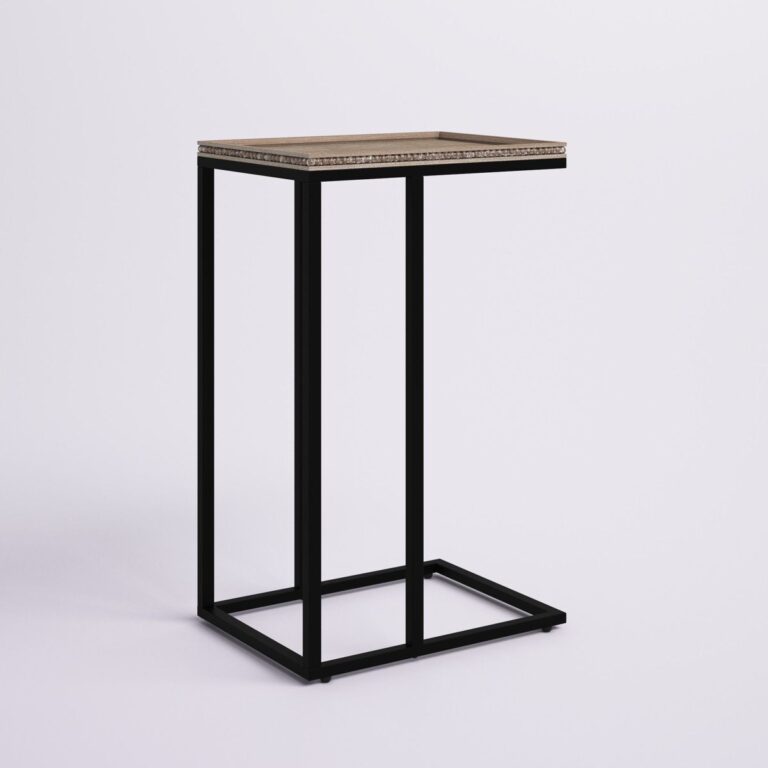
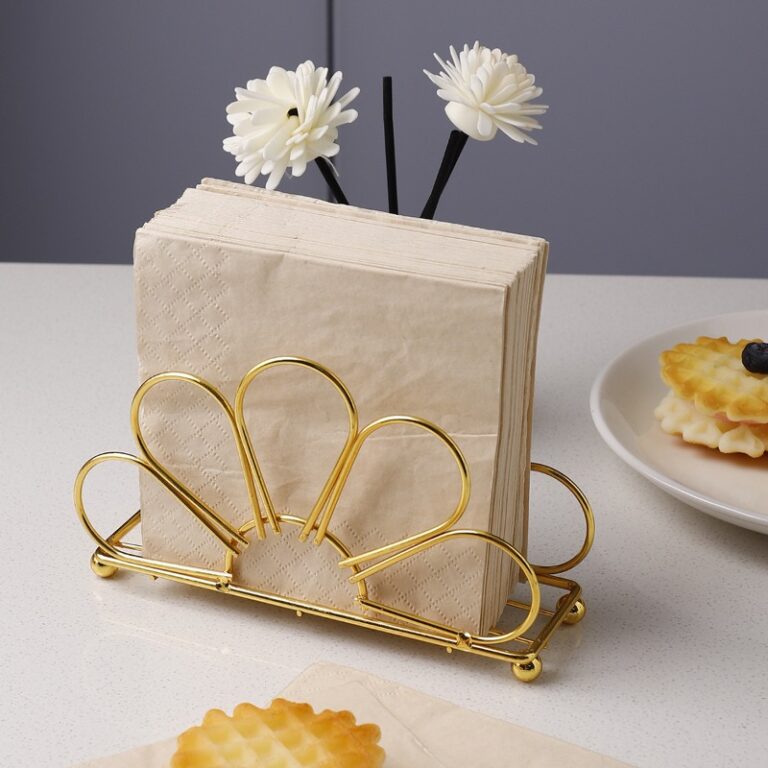 Aisha's pickMetal Dining Tables That Look Good Up CloseAlso worth a lookMetal SetsA metal set earns its keep by being the one piece of furniture you stop worrying about, and…See the collections →

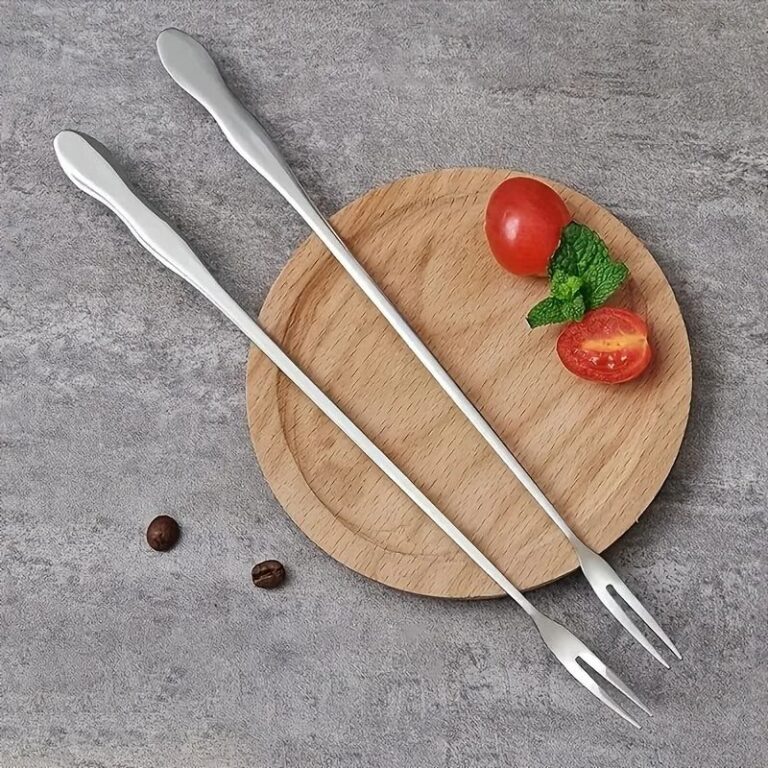 Aisha's pickMetal Dining Room Sets That Clean Up With a Wipe
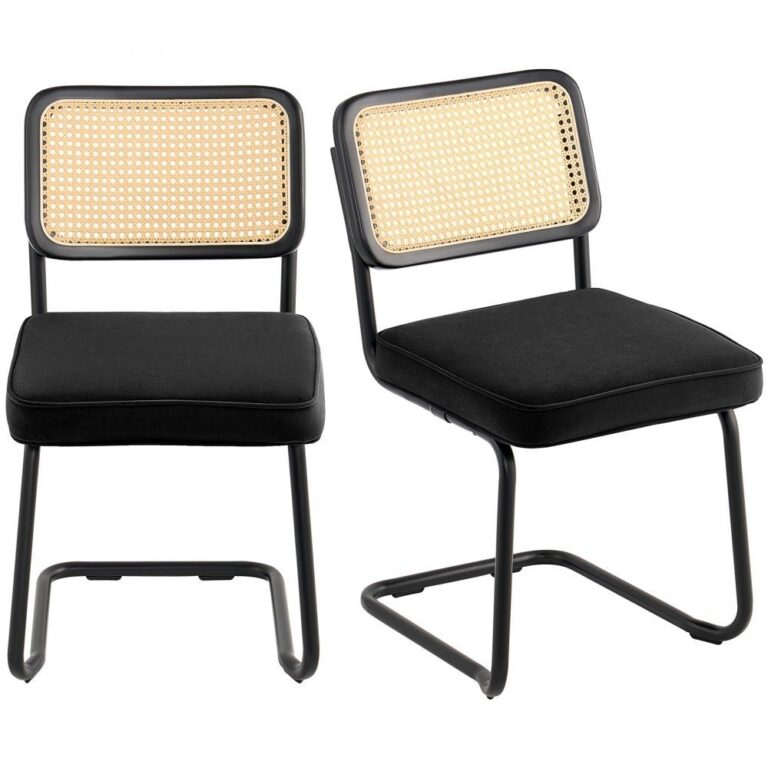
 Aisha's pickMetal Living Room Tables With a Bit More About Them
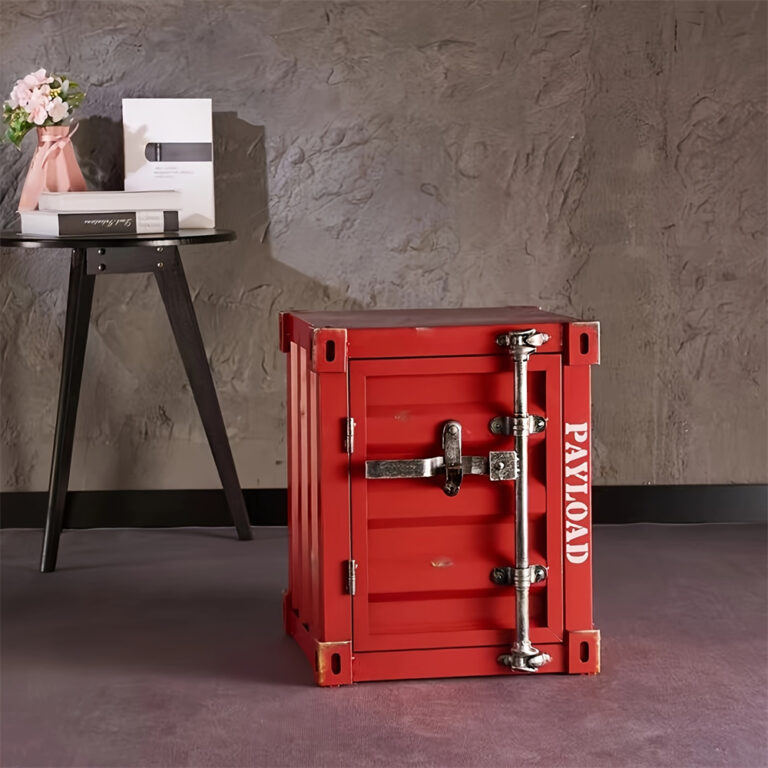
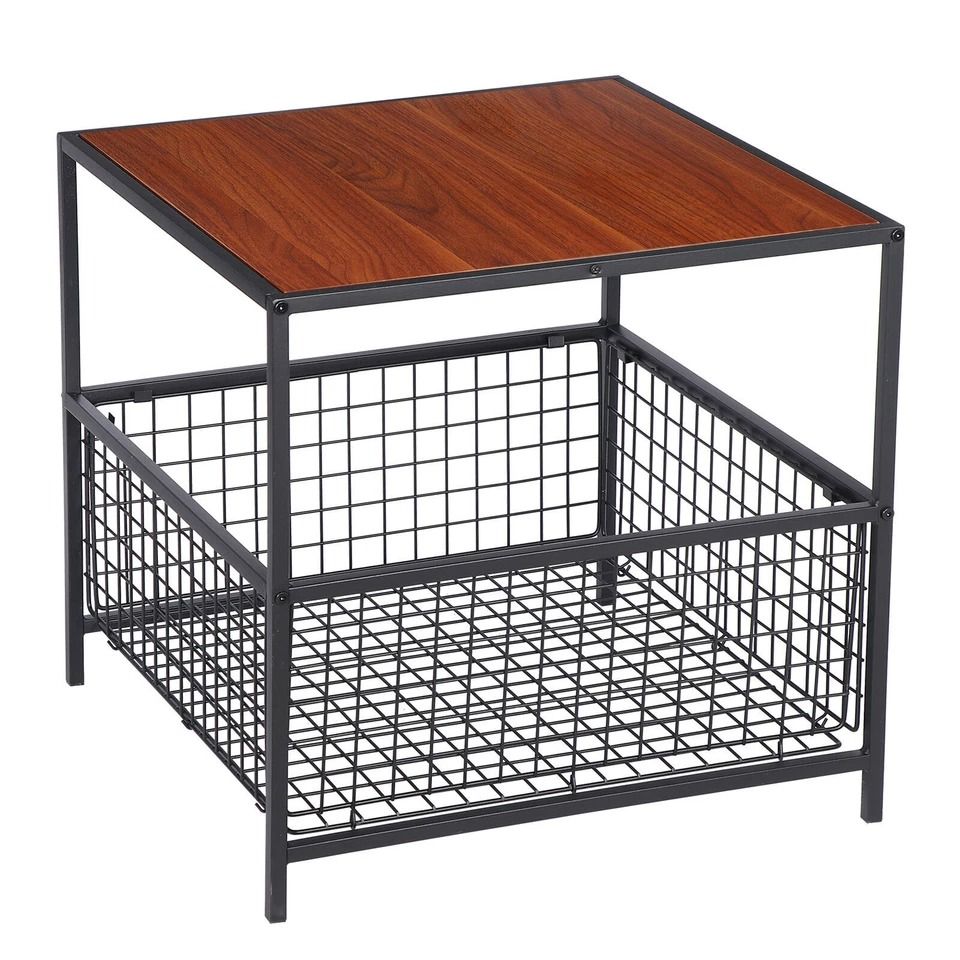 Aisha's pickSquare Metal Coffee Tables Hunted Down So You Don’t Have To
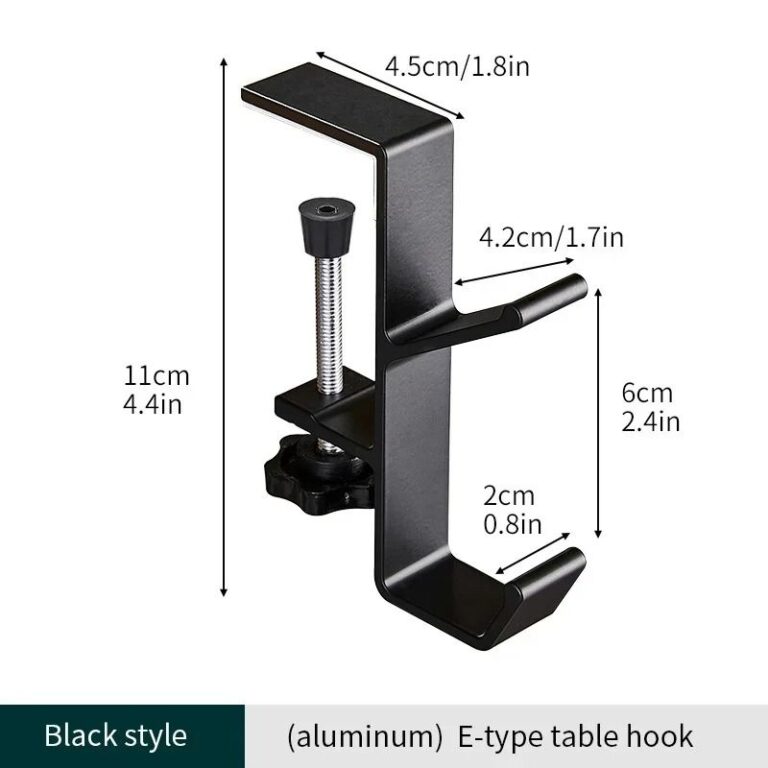 Aisha's pickMetal Dining Table and Chair Sets You’ll Sink Into at the End of the Day
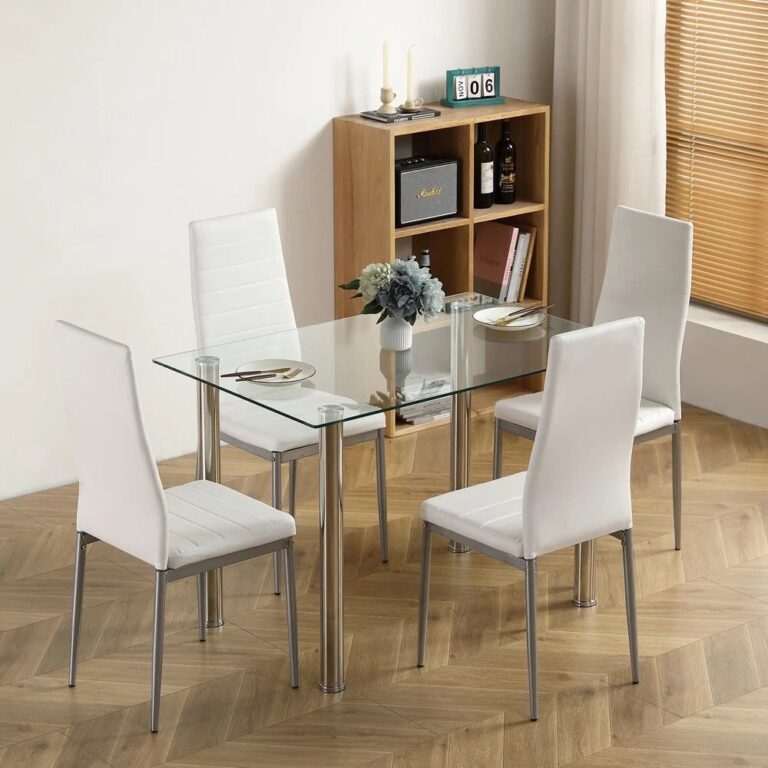
 Aisha's pickWhere to Start With Metal Dining Table Sets
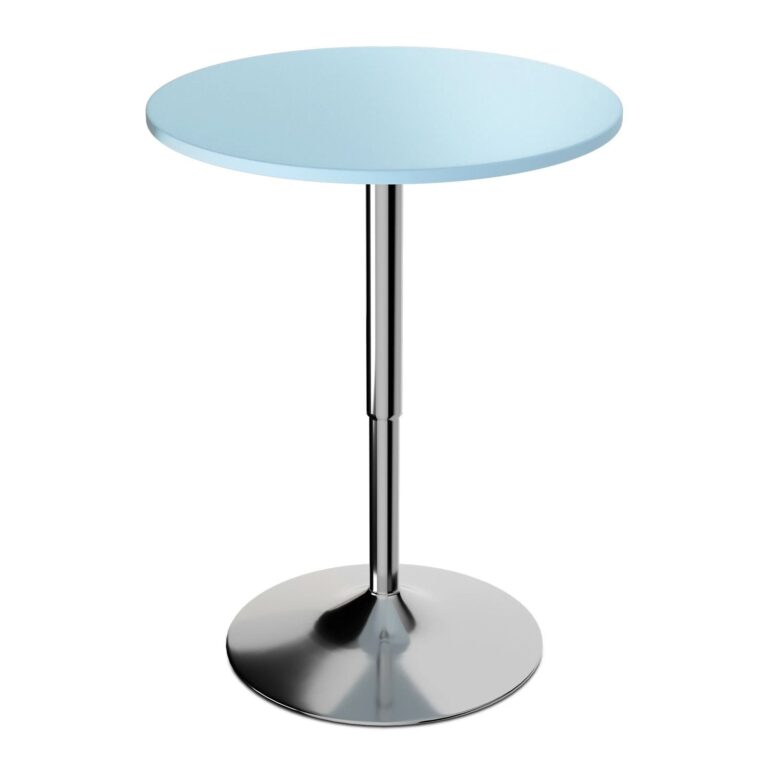
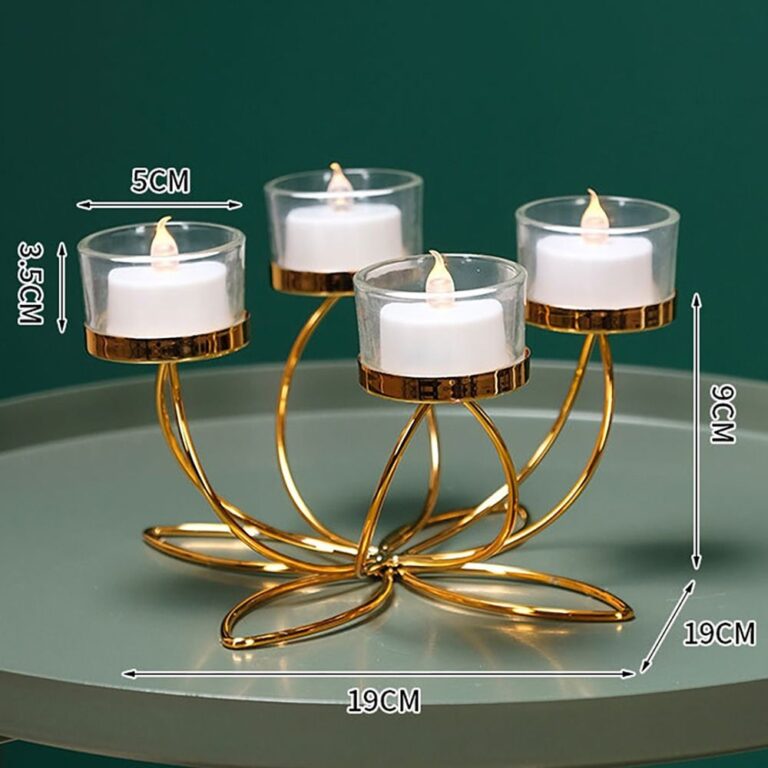 Aisha's pickMetal Make Up Tables That Hide the Odd Scratch
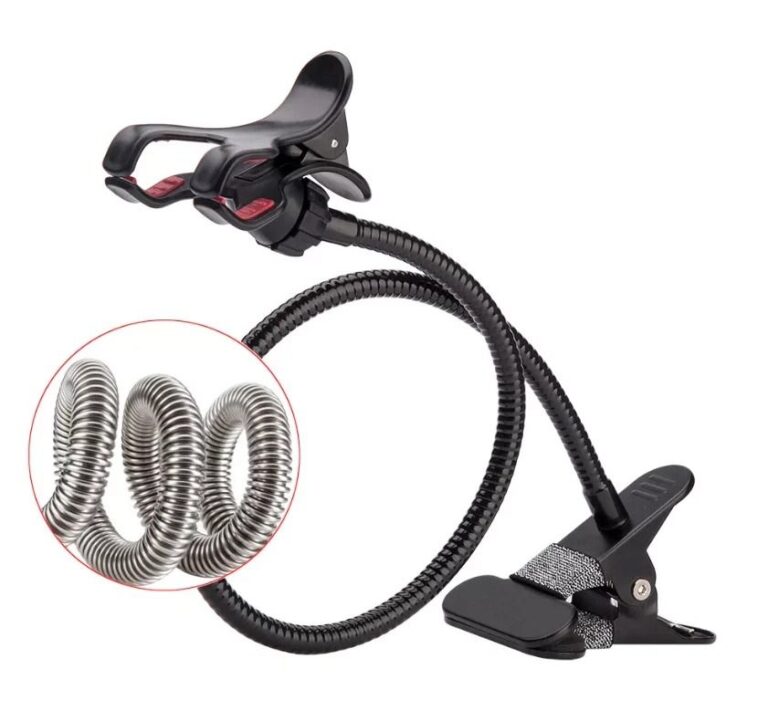
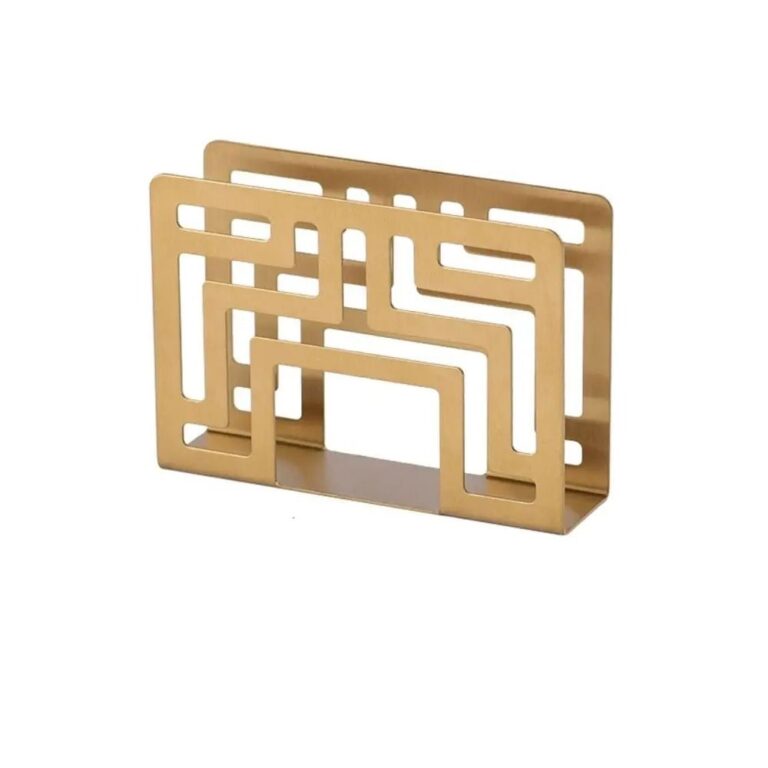 Aisha's pickStainless Steel Coffee Tables for the Living Room
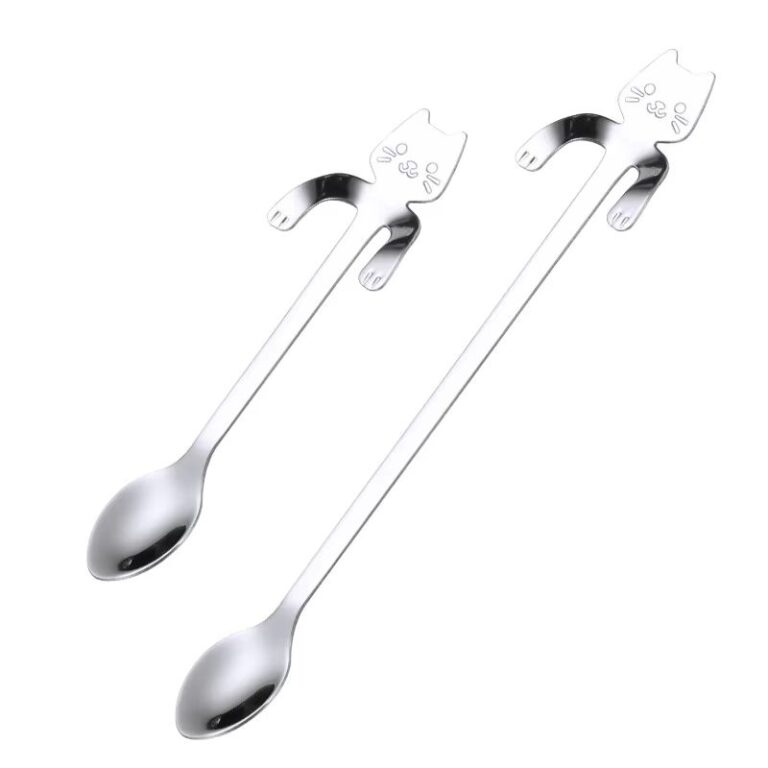
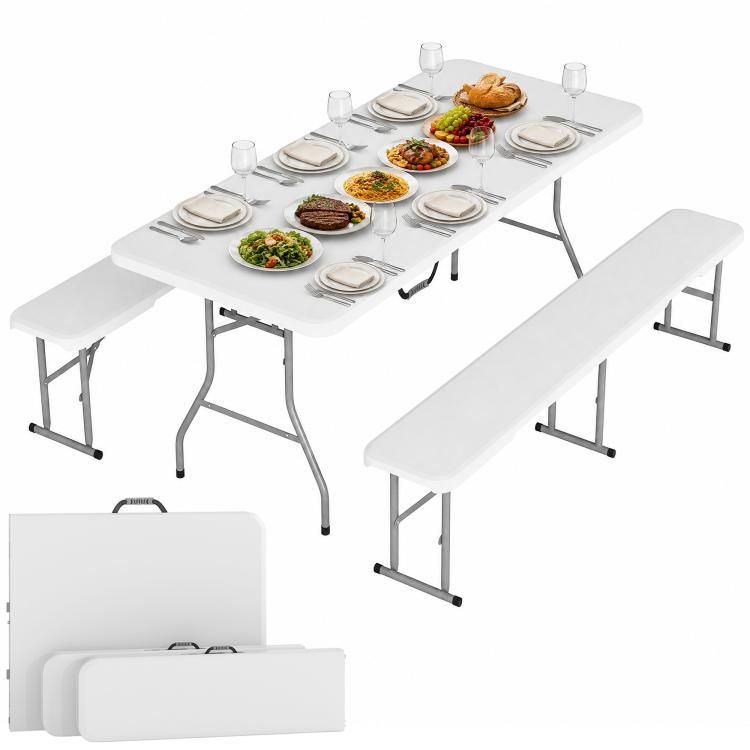 Aisha's pickMetal Dining Tables with Bench That Hide the Odd Scratch
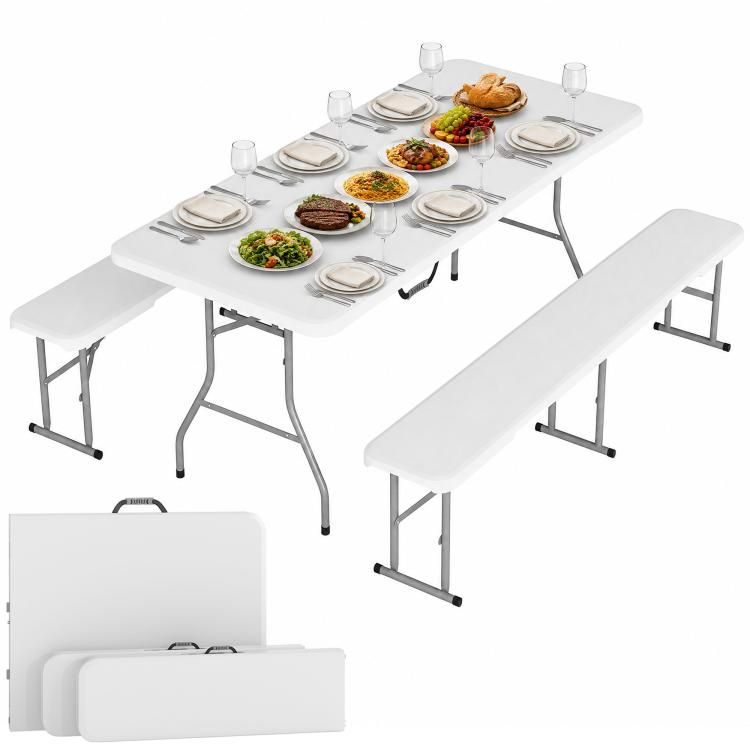
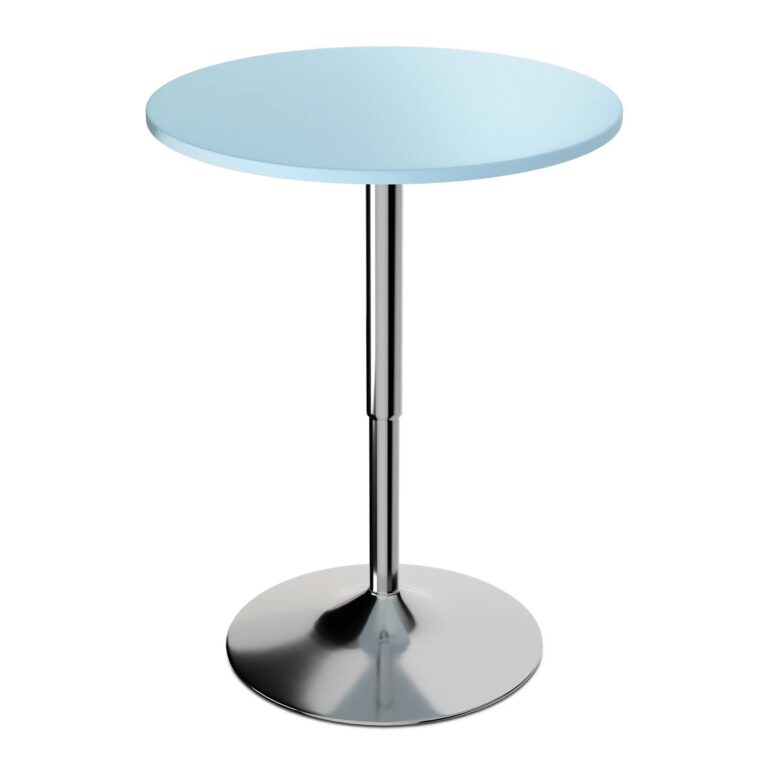 Aisha's pickMetal Kitchen Table Sets That Anchor a RoomAlso worth a lookMetal Coffee TablesThe thing nobody tells you about metal coffee tables is that the base matters more than the top.See the collections →

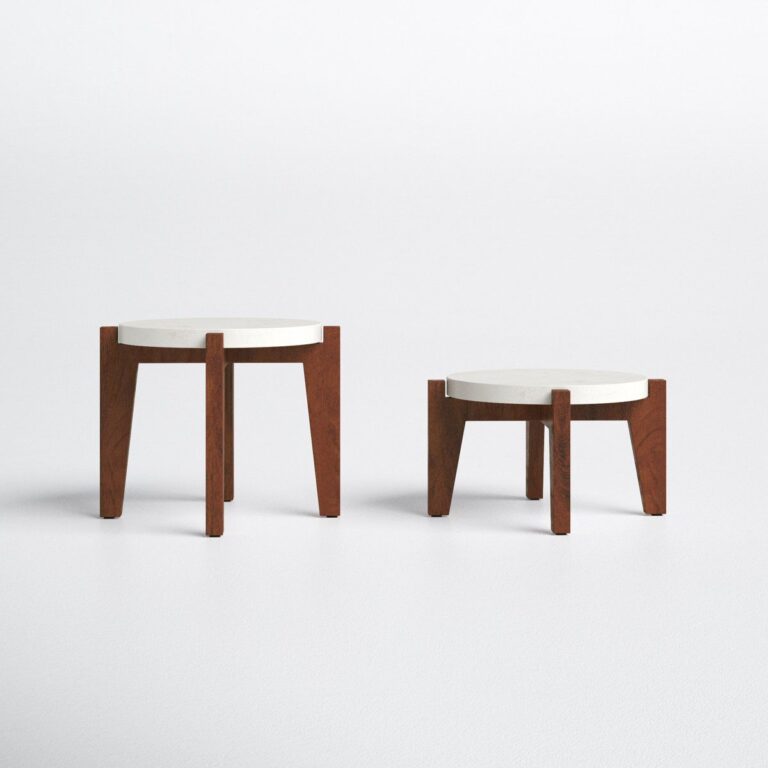 Aisha's pickMetal Nesting Tables You’ll Still Like in Five Years
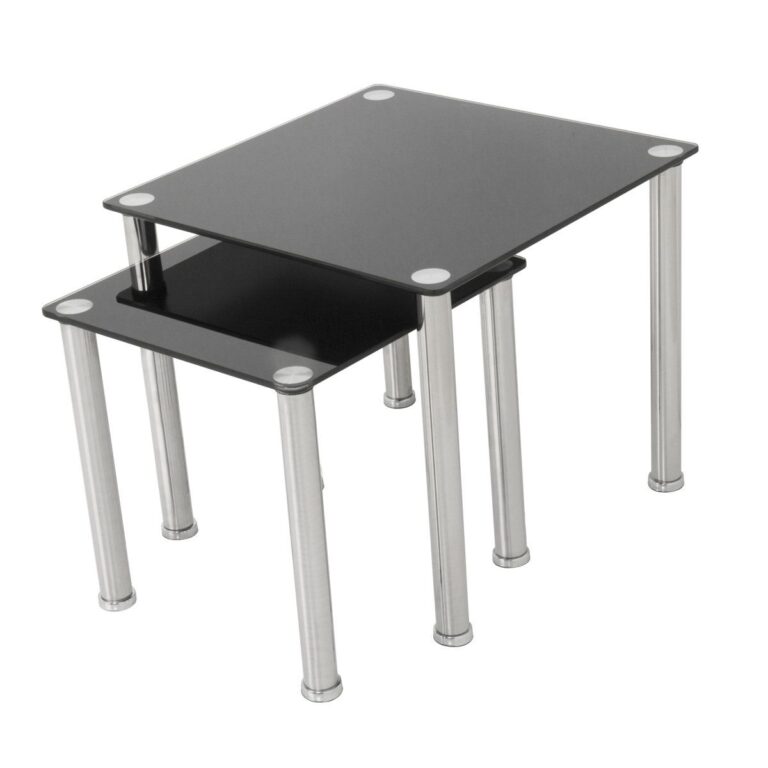
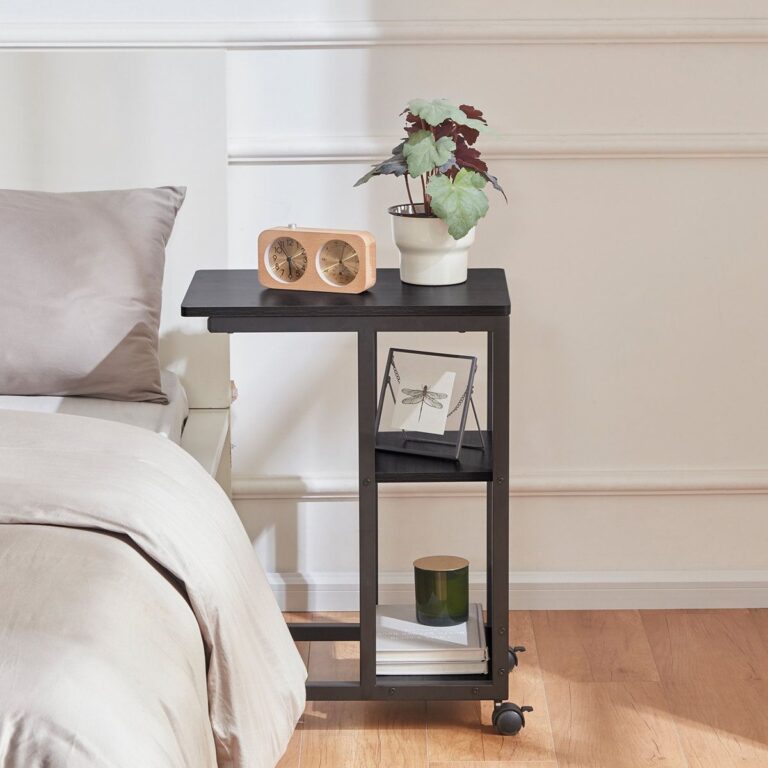 Aisha's pickSteel Coffee Tables for Movie Nights and Slow Sundays
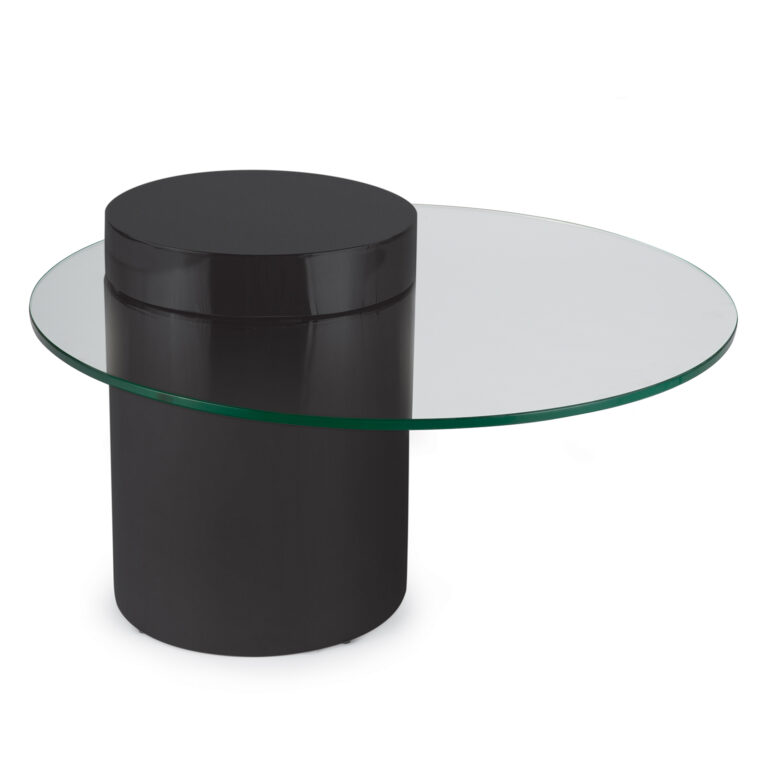
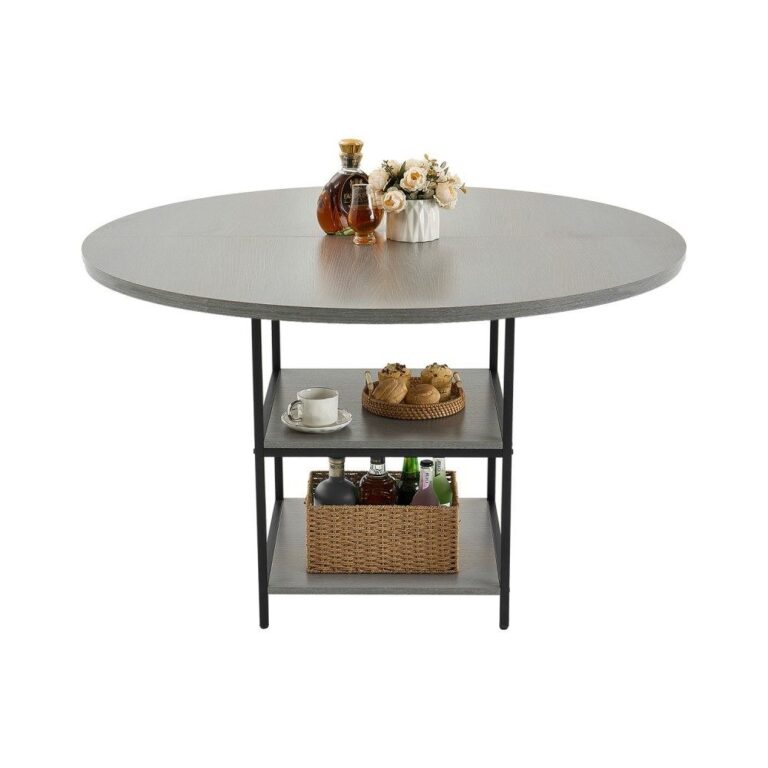 Aisha's pickMetal Kitchen Dining Tables That Make Cooking a Bit Nicer
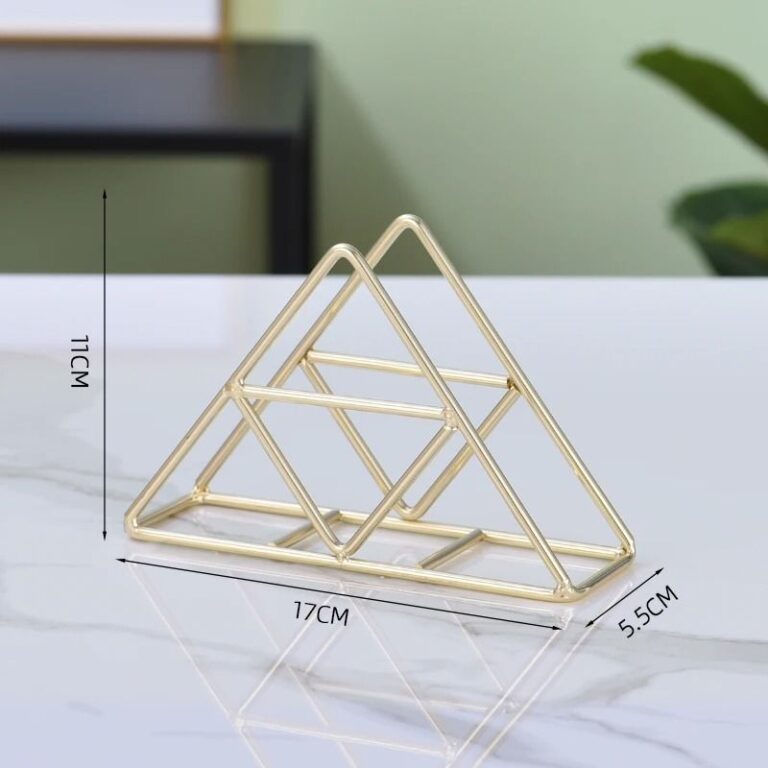
 Aisha's pickModern Black Metal Dining Sets That Get the Family Around the Table

 Aisha's pickMetal Night Tables That Visitors Always Ask About
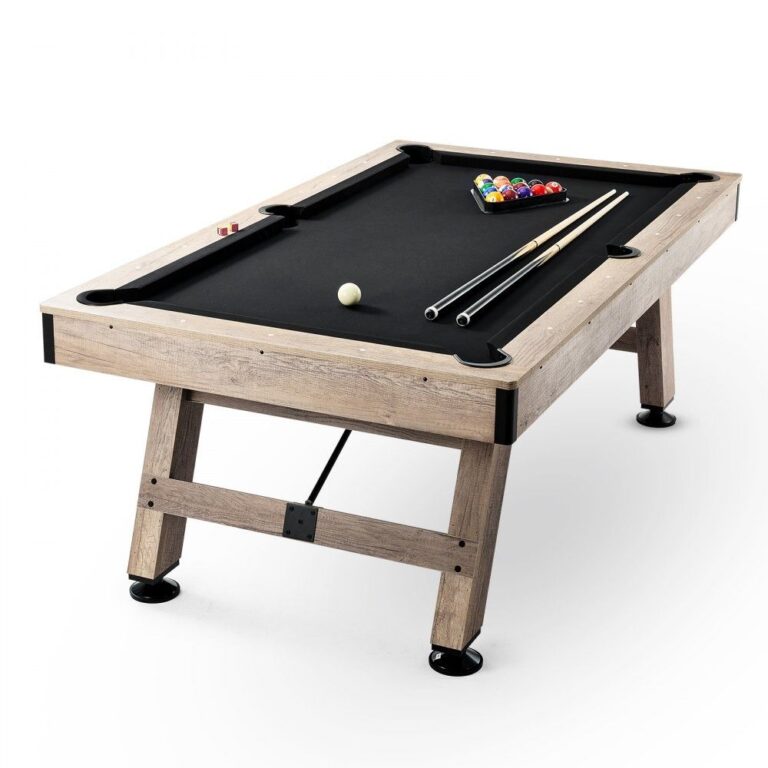
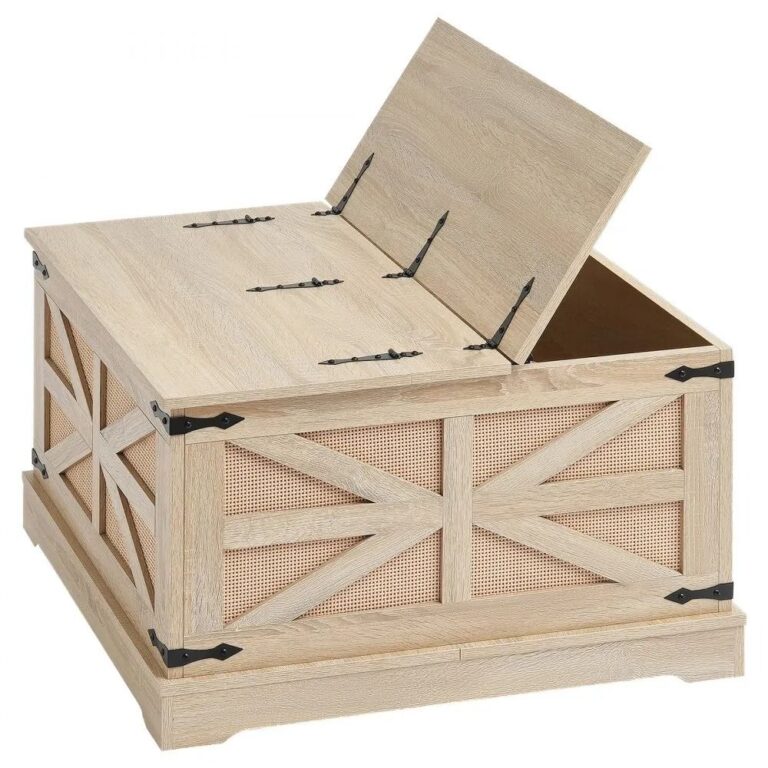 Aisha's pickBlack Metal Dining Tables for When the Old Ones Give Up
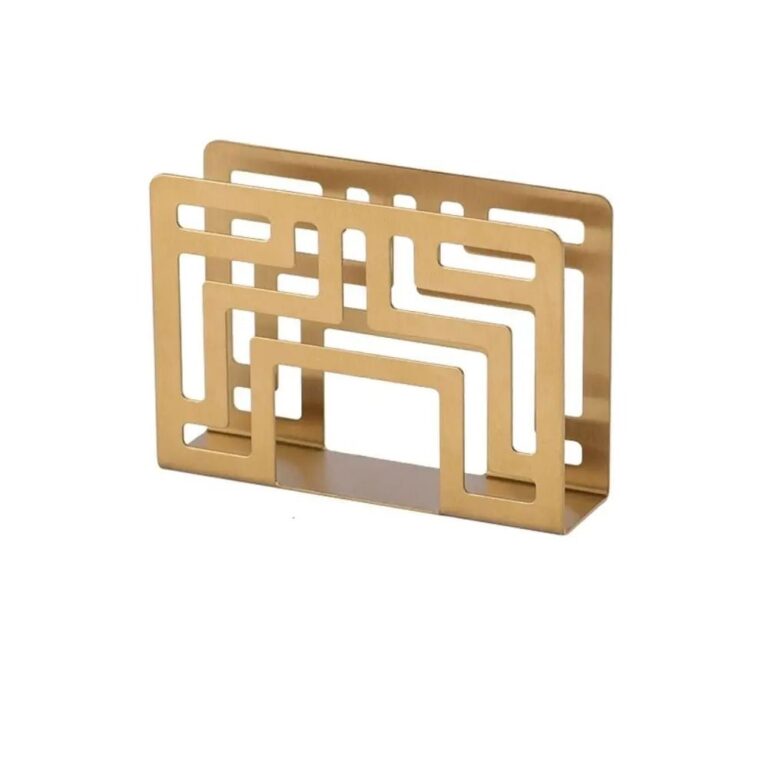
 Aisha's pickNo Fuss Modern Metal Dining Tables
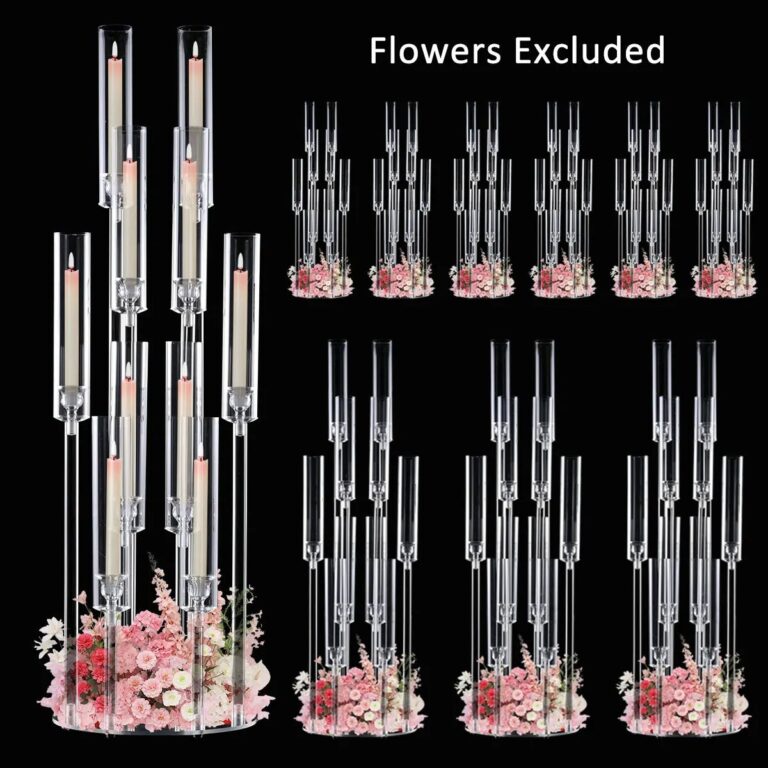
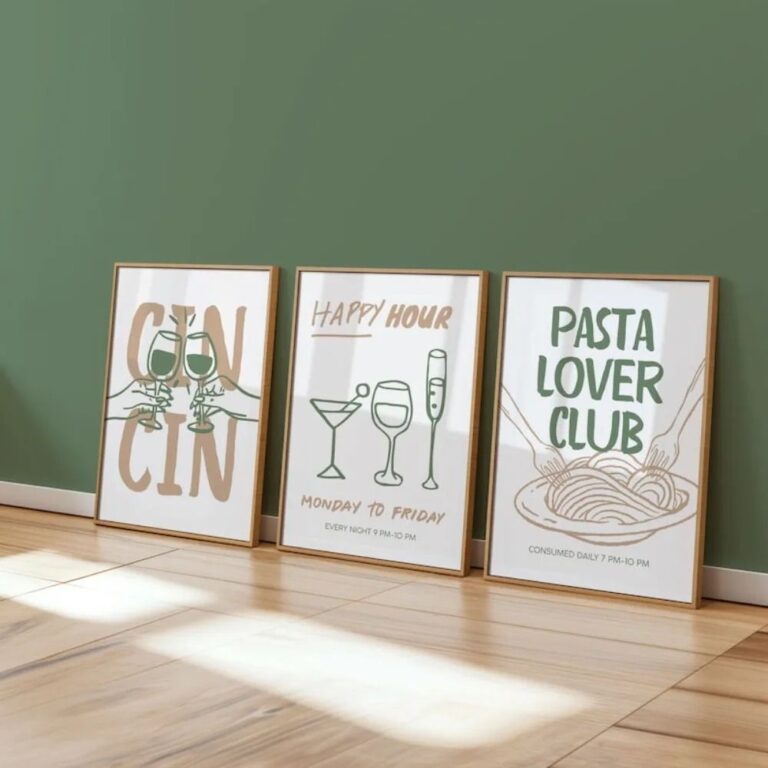 Aisha's pickOur Shortlist of Modern Metal Dining Room Sets