The moment I notice it most is a weeknight when nobody feels like sitting down properly for dinner, we just want to perch, eat, talk about the day, and get up again without the whole production of a formal table. A high dining table does that job better than a standard one ever did in our house, it sits at counter height, feels more like hanging out than eating a meal, and it has quietly become where most of our actual conversations happen.
If you're starting from nothing, go with a four seater in a square or round shape before you reach for anything long and rectangular, it fits more rooms and you can always add stools around it later. Measure the space with the stools pulled out, not pushed in, because that's the real footprint you need, and leave at least 36 inches of clearance for someone to walk past while another person is seated. The mistake I see constantly is buying for the floor plan and forgetting the ceiling, a high table in a room with low fixtures or a pendant light hung at the wrong height makes the whole setup feel cramped instead of casual. Check the counter height against your actual stools before you buy either separately, you want about 10 to 12 inches between the seat and the underside of the table, sit on something at home and measure it if you have to, I've done exactly that with a tape measure and a kitchen chair more than once. For what separates a table that lasts from one that doesn't, get down and look at the base. A well built high table has a solid frame joining the legs, not just four legs screwed straight into a thin tabletop, because that height puts more leverage on every joint than a standard table ever sees. Run your hand along the underside for a metal corner bracket or a proper apron rail, and give the whole thing a gentle rock with your palm flat on the top, if it wobbles in the store it will wobble worse once it has forty pounds of takeout containers on it at home. Solid wood or a good plywood top with a real veneer will feel cool and slightly uneven under your hand, particleboard feels dead and perfectly smooth, and it's the first thing to chip at the edges.
These work well in open plan kitchens, apartments without room for a separate dining area, and any house where people tend to eat standing up anyway between errands.
Next to it, I'd put stools with a footrest and a back, nothing spins or wobbles like the cheap ones do after a year of real use.
 Aisha's pickHigh Dining Tables That Survive Hot Mugs and Spills
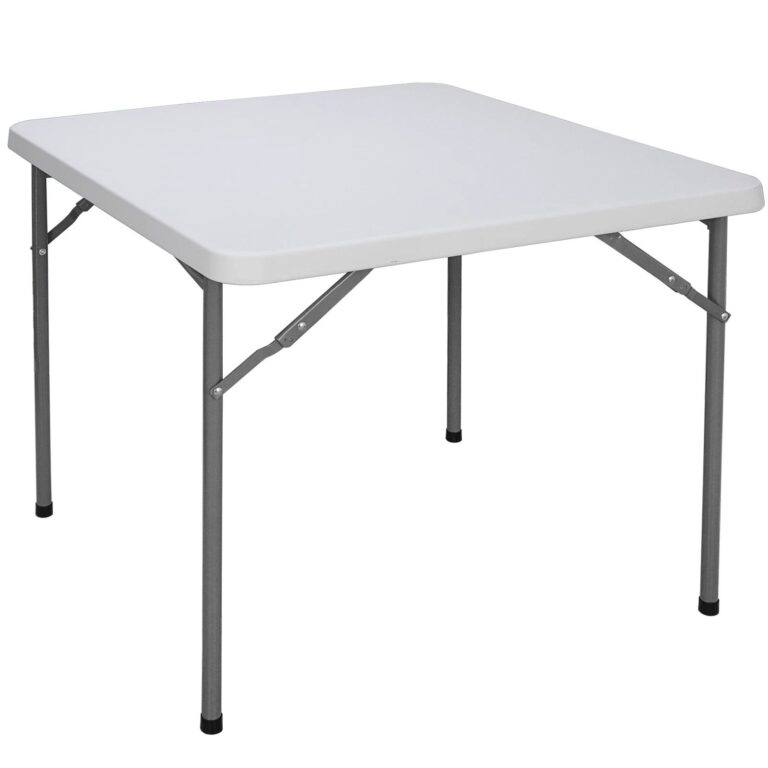 Aisha's pickHigh Dining Tables with Storage That Won’t Date in a Year
 Aisha's pickLuxury High Dining Tables for Long Dinners With Friends
 Aisha's pickModern High Dining Tables for Long Dinners With Friends

 Aisha's pickRustic High Dining Tables That Survive Hot Mugs and Spills
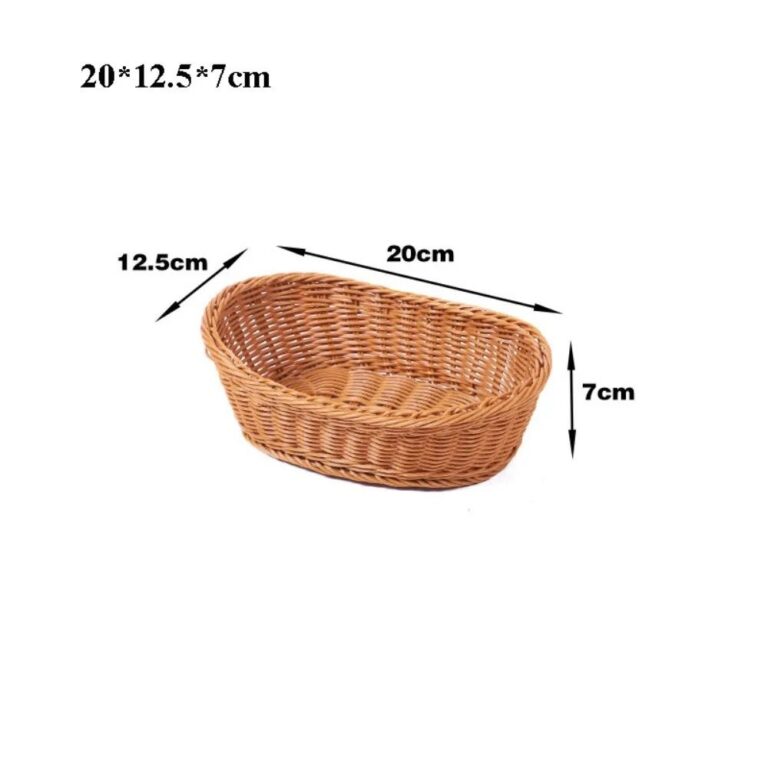
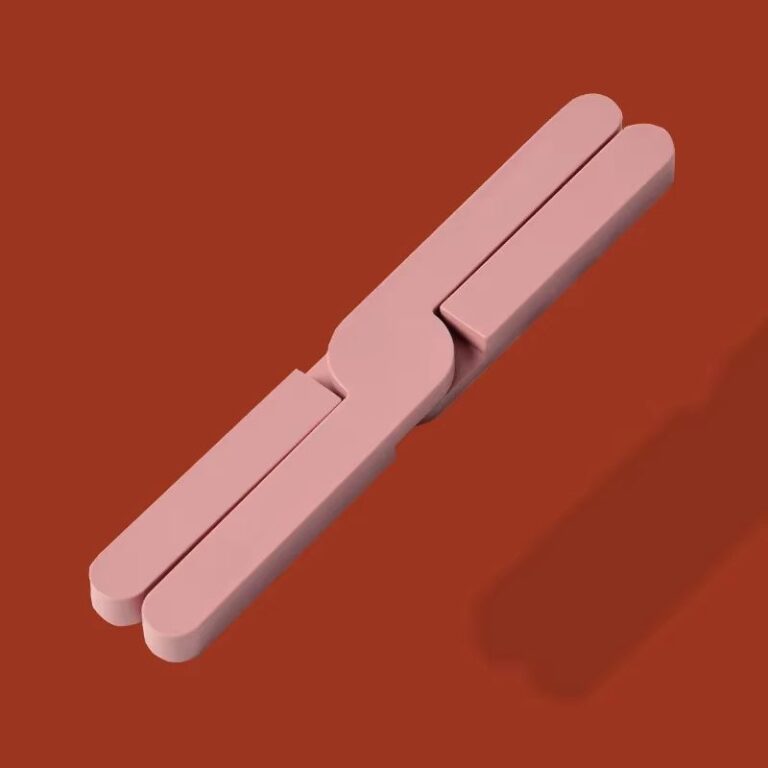 Aisha's pickSmall High Dining Tables That Get the Family Around the Table
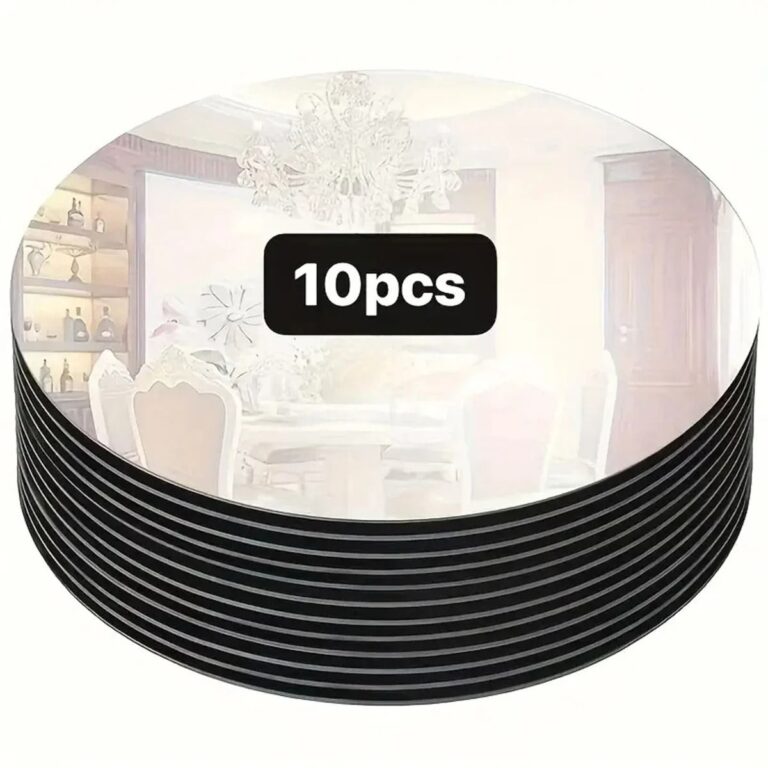
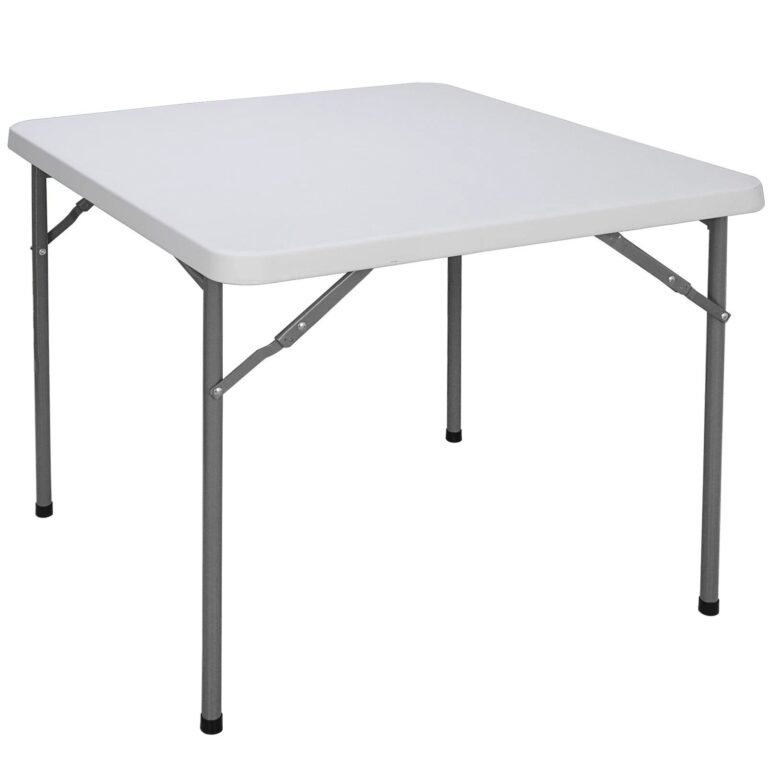 Aisha's pickSquare High Dining Tables That Get the Family Around the Table
 Aisha's pickBlack High Dining Tables That Get the Family Around the TableAlso worth a lookHigh TablesHigh tables used to mean one thing in most houses, a pub table pushed into a kitchen corner…See the collections →