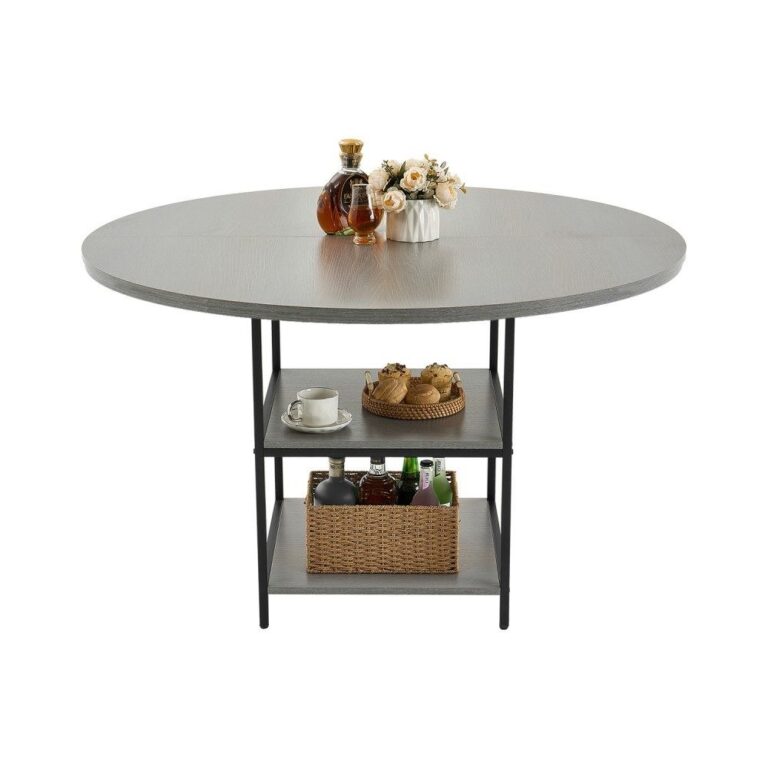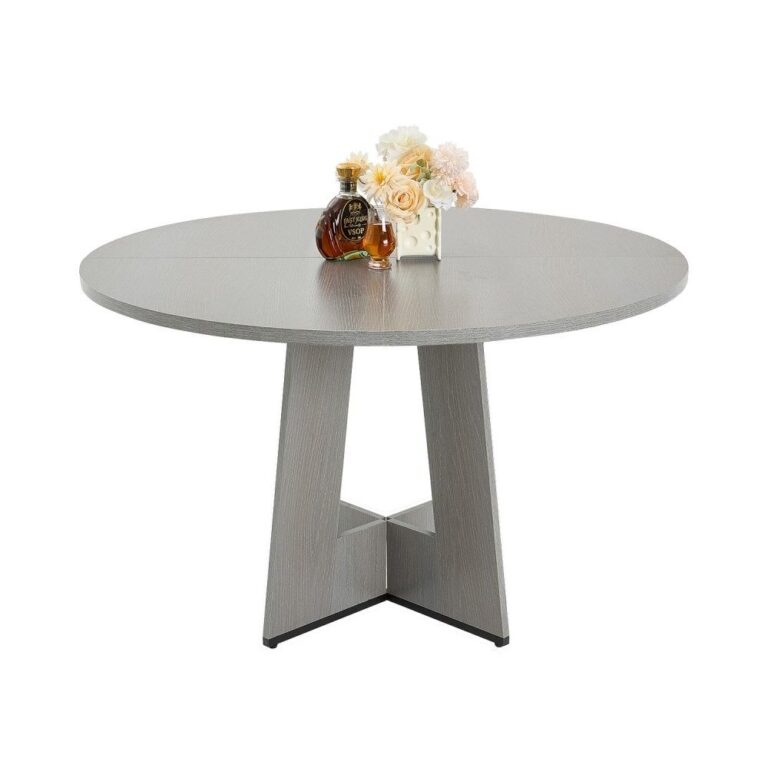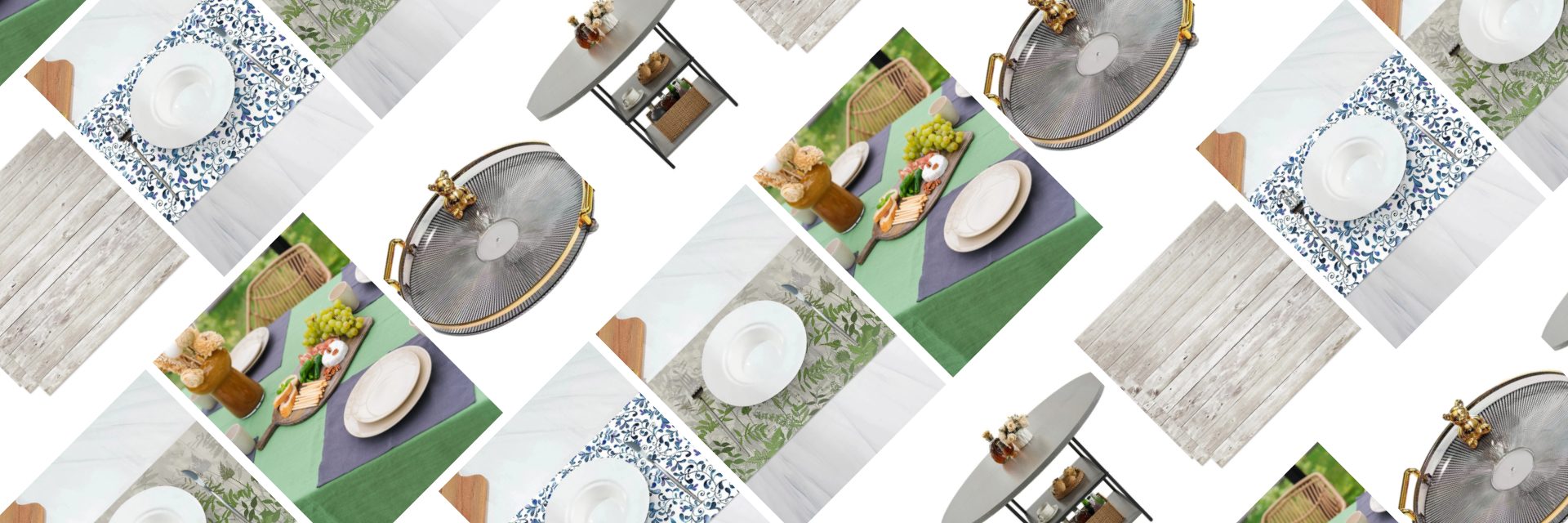
There's a particular kind of evening in late autumn, lamps on earlier than you'd like, something slow cooking, people due at seven, when a gray dining table stops being furniture and starts being the thing that holds the whole room together. It doesn't shout for attention the way a dark walnut slab does, and it doesn't show every water ring the way a pale oak one does either. It just sits there looking settled, which is exactly what you want when the weather's turned and everyone's coming inside.
Measuring for one of these is where most people trip themselves up, and I mean that literally, because the trips happen after the table's already in the room. Walk the space with painter's tape first and mark out the actual footprint, chairs pulled out and all, then add at least three feet of clearance on every side a person needs to pass through. A table that looks modest in a showroom photo can swallow a narrow dining nook whole once six chairs are tucked under it. If you're working with a rented apartment and a room that does double duty, measure twice against the doorway too, because a gray stone or concrete top is heavier than it looks and does not enjoy being carried round a tight corner.
Gray tables are forgiving with a lot of palettes, but they do argue with certain things. Put one against walls painted a flat, cool greige and the whole room goes a bit hospital corridor, with no warmth anywhere to break it up. They also sit oddly next to very shiny, high gloss black chairs, which can make the table look like an afterthought rather than the anchor. Where they genuinely struggle is in small, dim rooms with little natural light, a cool gray surface needs some brightness nearby, whether that's a window, a pale rug, or warm wood legs, or the whole table reads flat and a little sad.
What separates a good one from a disappointing one comes down to what's under your hand, not what's under good lighting. Run your palm across the surface, a proper finish won't feel chalky or leave residue. Check the joints where the top meets the legs, they should be tight with no visible gap or wobble when you lean on a corner. Solid wood with a gray wash wears better over years than a thin veneer, which tends to chip at the edges first, usually right where elbows land.
Next to it, I'd put simple wooden chairs rather than anything upholstered in pale fabric, and a warm toned rug underneath to stop the whole setup from feeling cold.