For years I thought black meant trouble, that it would show every ring, every crumb, every bit of dust the second the light hit it wrong. I bought a cheap one with a painted finish, not an actual stained or lacquered surface, and within a few months it looked like it had been through a divorce. Scratched white where the paint chipped at the edges, a permanent cloudy patch where a hot dish sat once. The fix wasn't avoiding black, it was understanding that black is a finish problem, not a color problem.
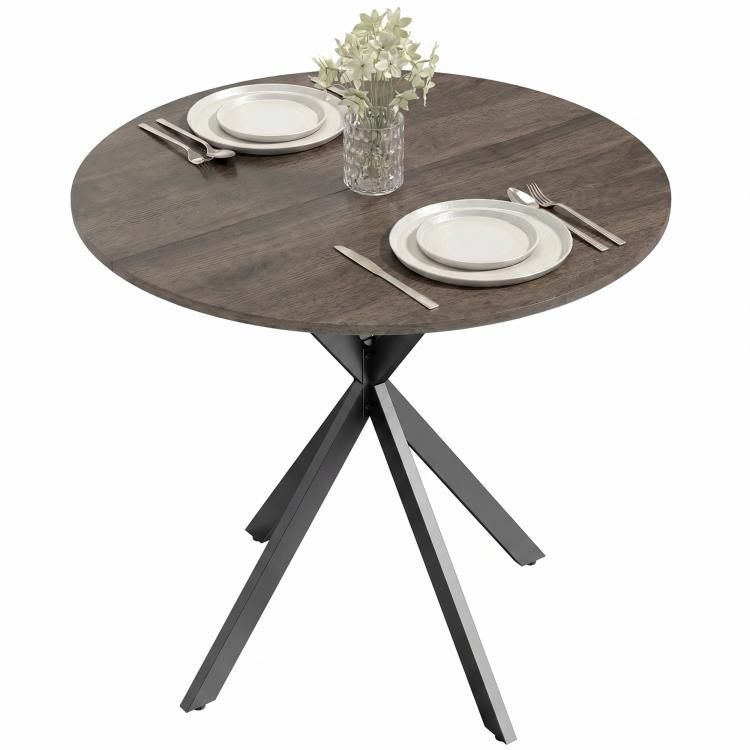
So now when I look at one, in a shop or the day it arrives, I check the surface before anything else. Run a hand across it. A good matte lacquer or a proper stain over solid wood or ply feels smooth and a little cool, with no give under your thumbnail. A cheap one has a slightly plasticky painted shell over MDF that chips if you breathe near the corner wrong, and you'll see the paler wood or base color underneath within the first year, usually right at the edge where plates get set down. Check the legs are actually attached with real hardware, not just glued dowels, and give the whole thing a shove sideways to see if it racks. As for where it earns its place, black works harder in small dining nooks and open plan kitchens than people expect, it doesn't visually compete with cabinetry or a rug the way a wood tone can, and it reads calm rather than heavy once there's a light wall or big window nearby. It suits older houses with some character already, and newer apartments that need one serious anchor piece. It's less forgiving in a small, dim room with no natural light, there it can just go flat and swallow the space, so you want a window or a decent lamp nearby if that's your situation.
Over time the good ones mellow rather than degrade, a stained wood top picks up a faint sheen from years of elbows and cloths, scratches sand out, and a yearly coat of wax or oil keeps it from looking tired. Wipe spills immediately, water rings are the real enemy, not scratches, and use coasters under anything hot even if the finish claims to handle it. Avoid anything that feels tacky to the touch in the shop, that's the paint type finish, and it will not age, it will just fail.
Next time you're looking at one, put your thumbnail to the surface before you look at the price tag.
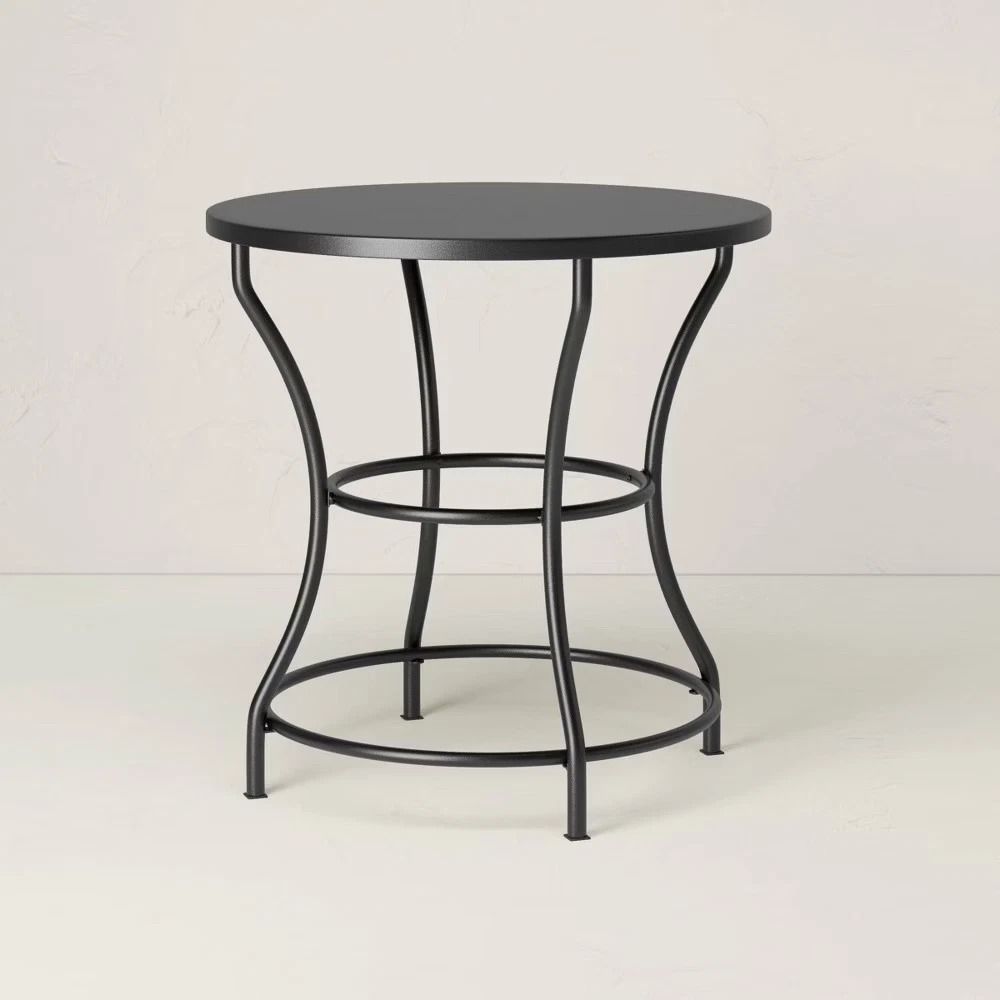 Aisha's pickBlack Dining Tables With Room for Everything You Put Down
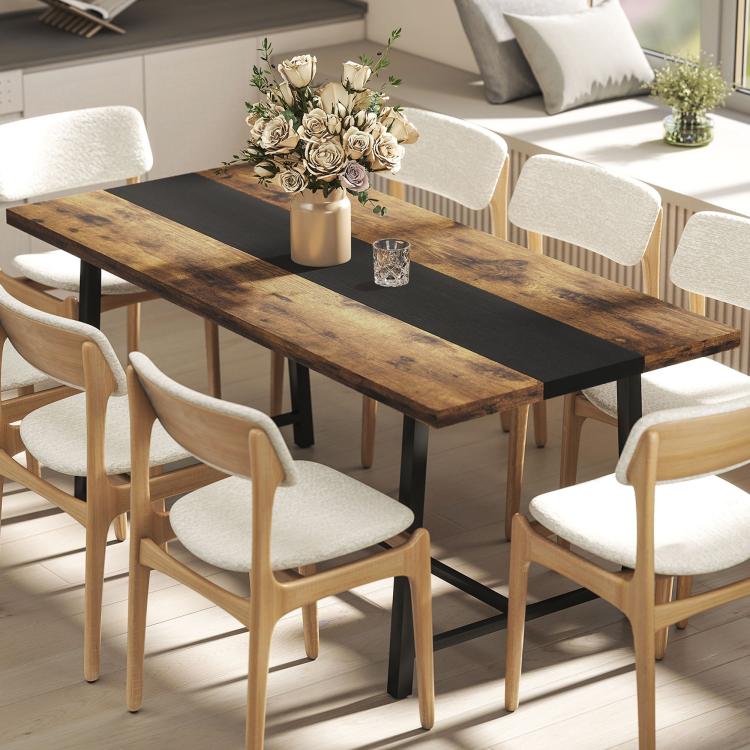
 Aisha's pickBlack High Dining Tables That Get the Family Around the Table
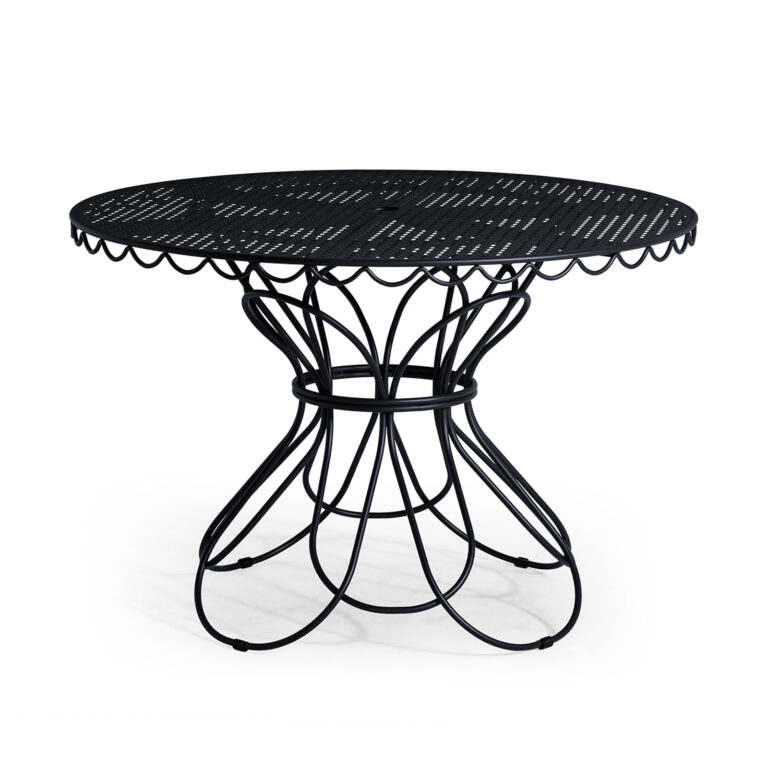
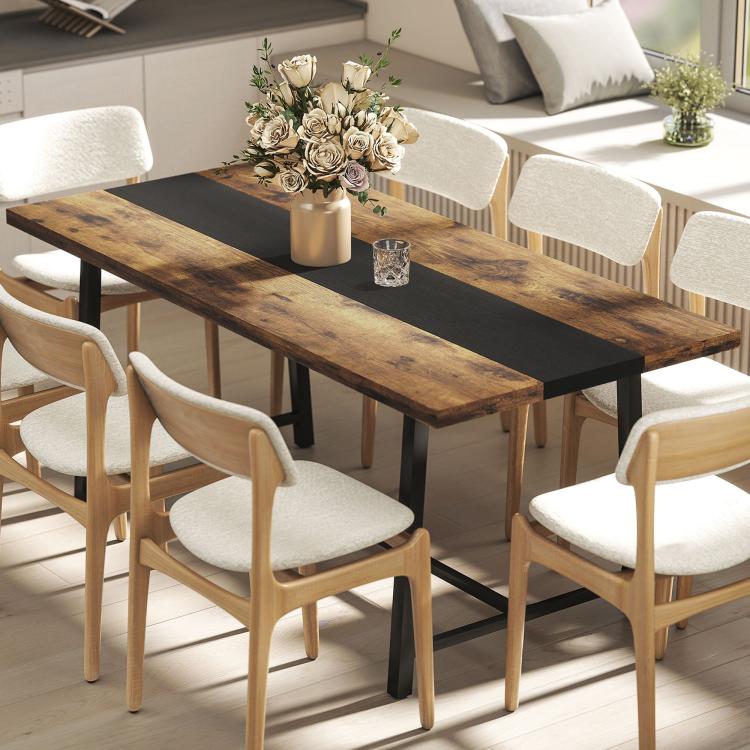 Aisha's pickBlack Kitchen Dining Tables That Make a Room Feel Finished

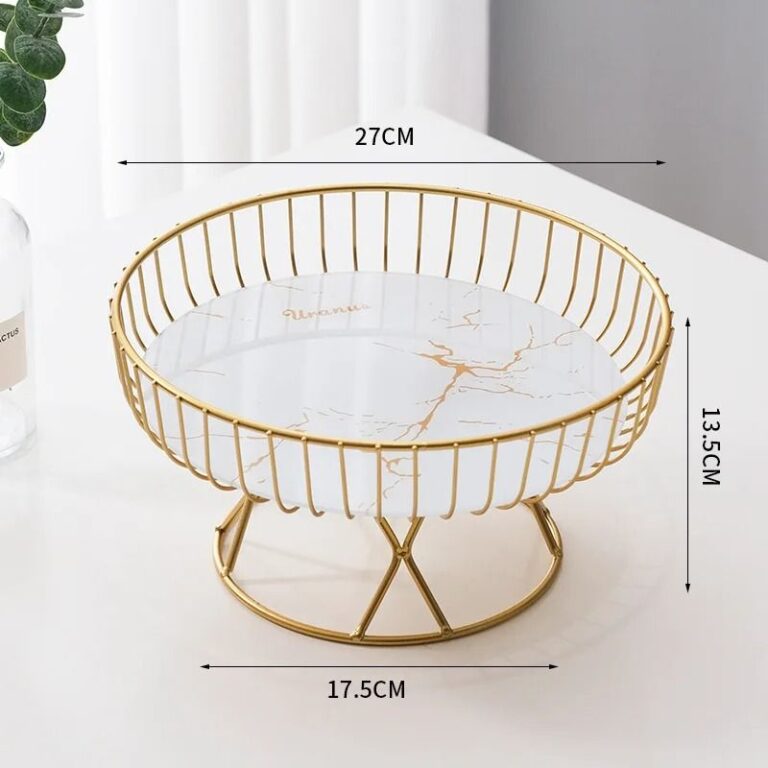 Aisha's pickBlack Marble Dining Tables Big Enough for Sunday Dinner
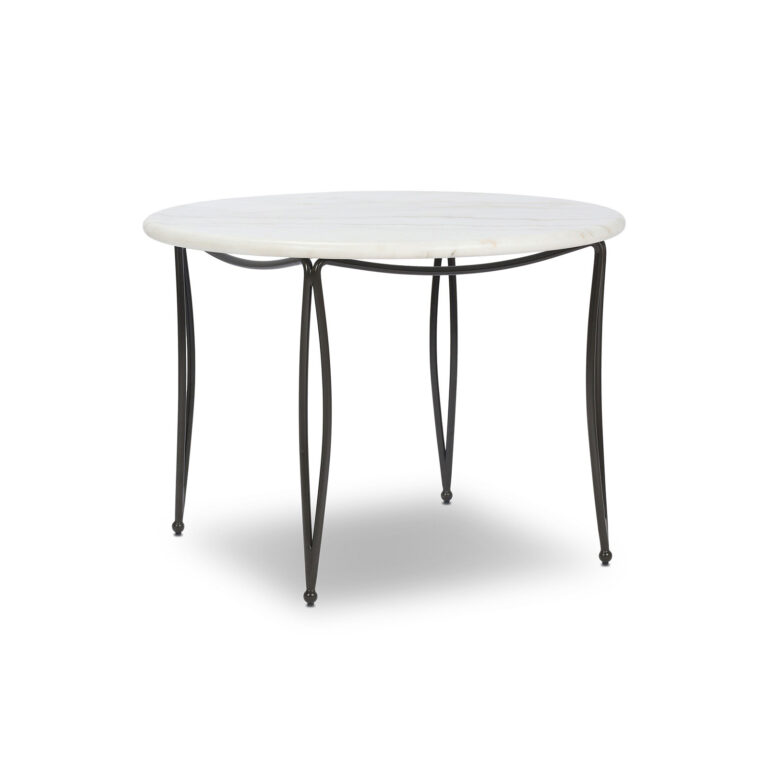
 Aisha's pickBlack Metal Dining Sets We’d Buy Again

 Aisha's pickBlack Metal Dining Tables for When the Old Ones Give Up
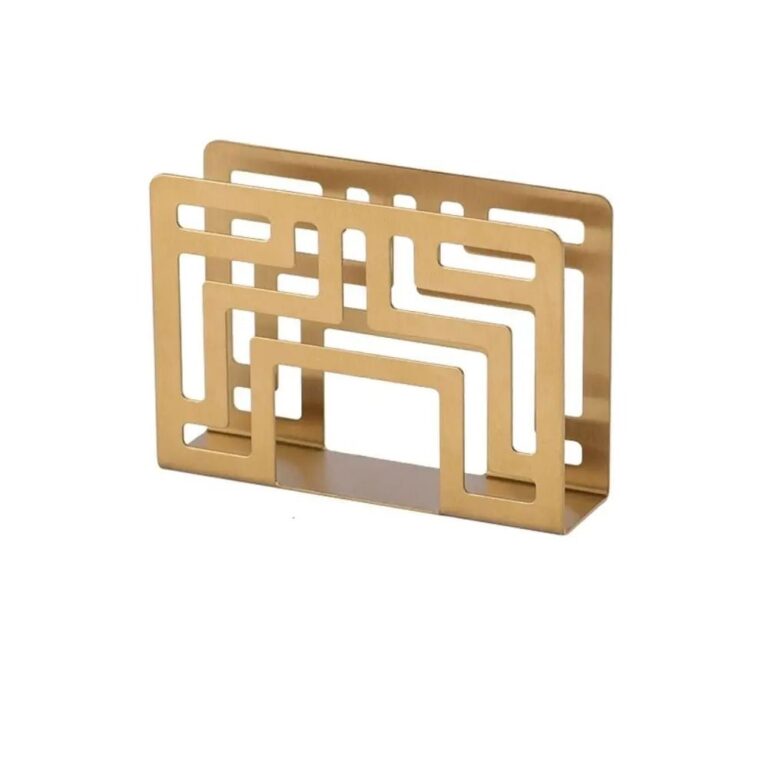
 Aisha's pickBlack Metal Kitchen Dining Tables That Make Cooking a Bit Nicer

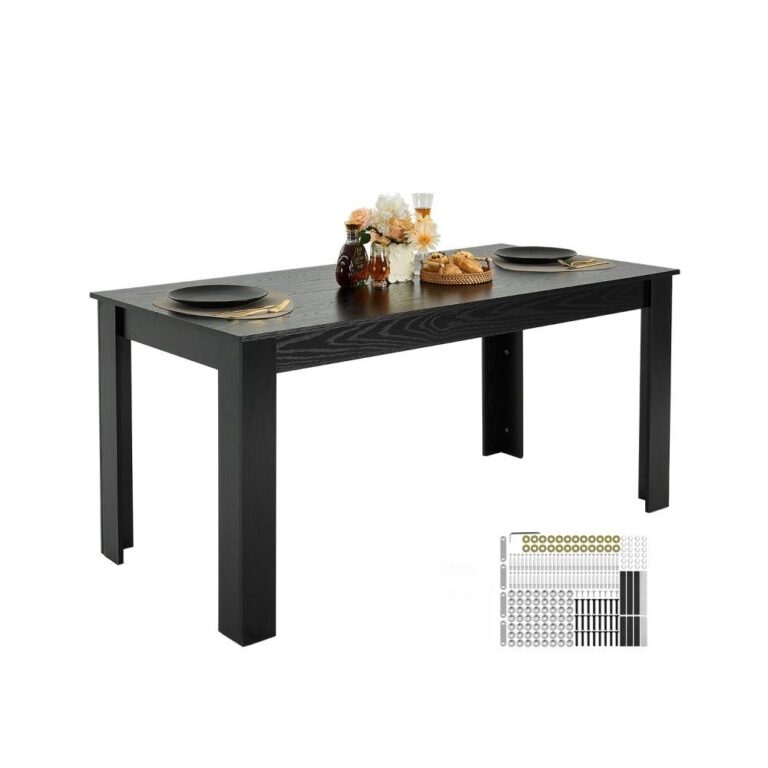 Aisha's pickBlack Rectangular Dining Tables With Some Character
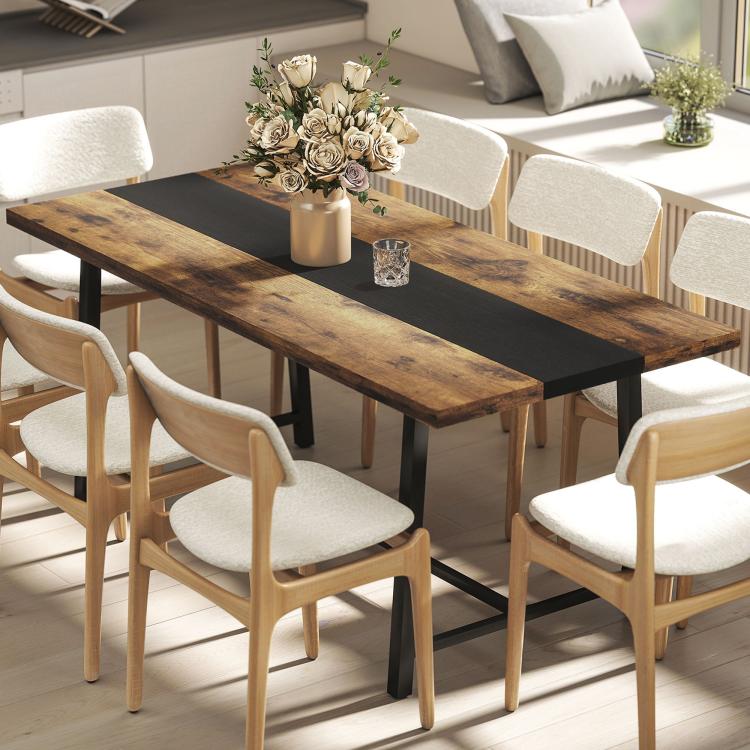
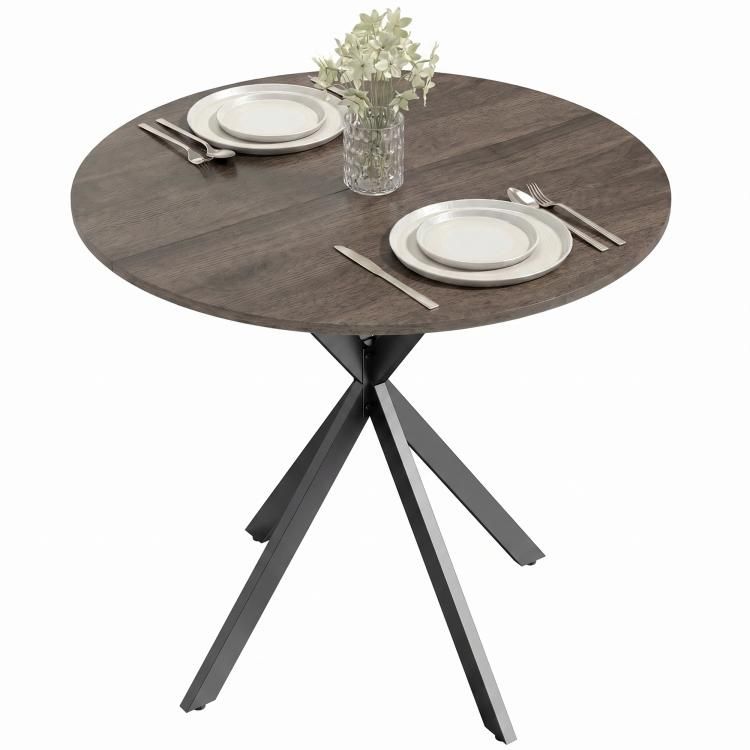 Aisha's pickBlack Round Dining Tables for Long Dinners With FriendsAlso worth a lookBlack Metal TablesThere's a particular kind of evening, late winter mostly, when the light goes early and you end up…See the collections →
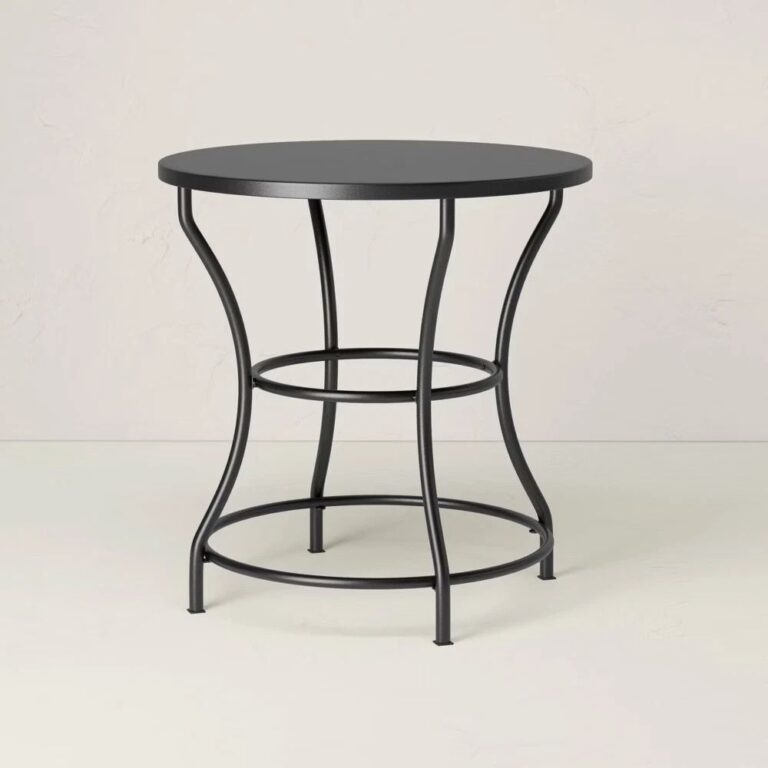
 Aisha's pickContemporary Black Metal Dining Tables We Use Every Single Day

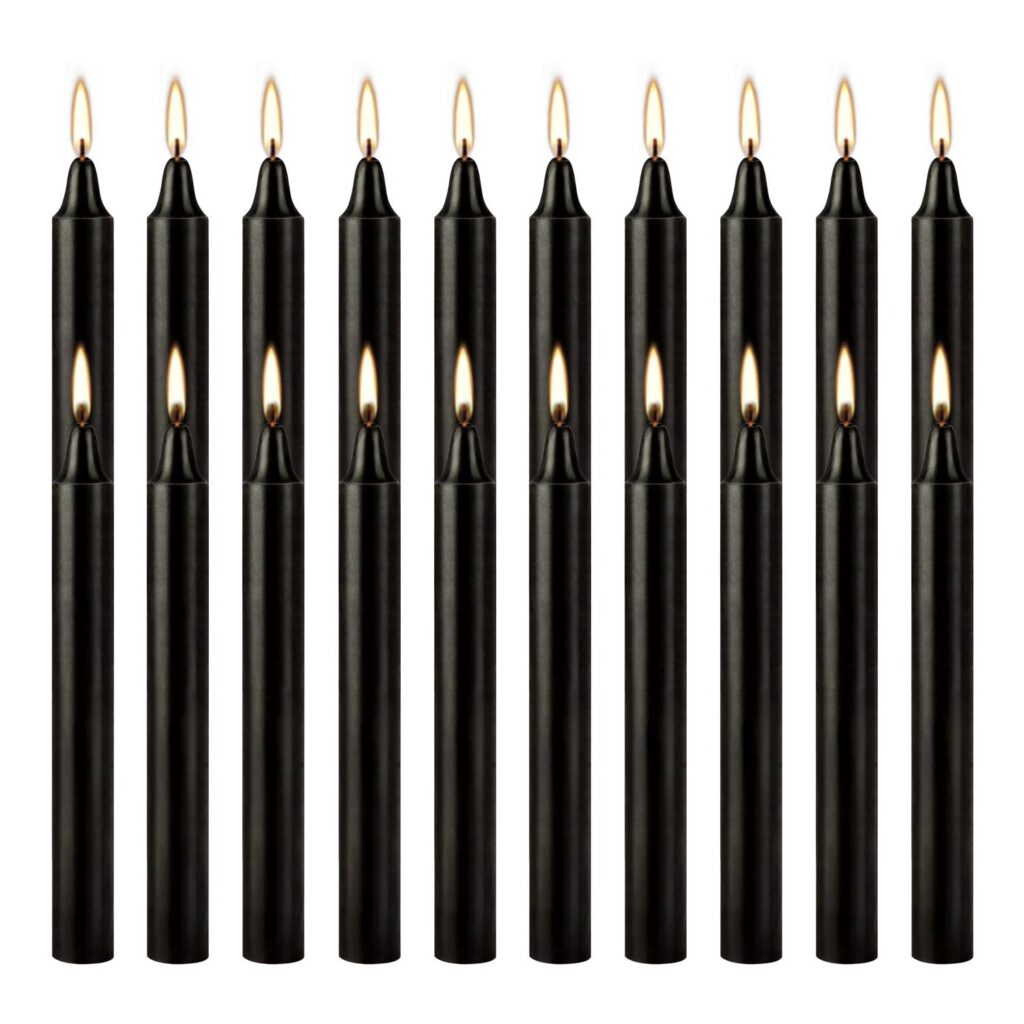 Aisha's pickLarge Black Dining Tables That Get the Family Around the Table
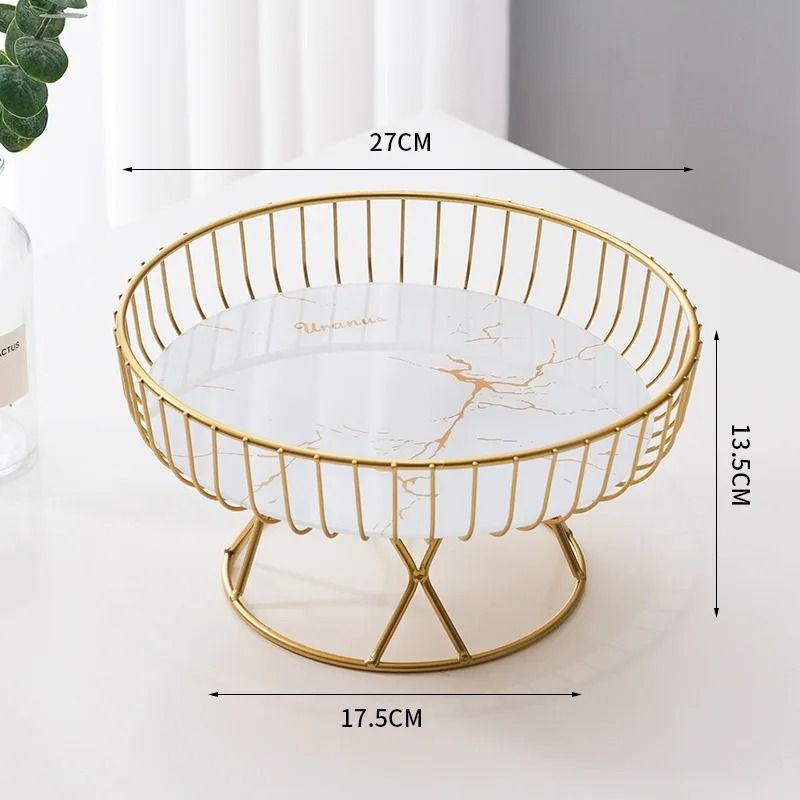
 Aisha's pickModern Black Metal Dining Sets That Get the Family Around the Table

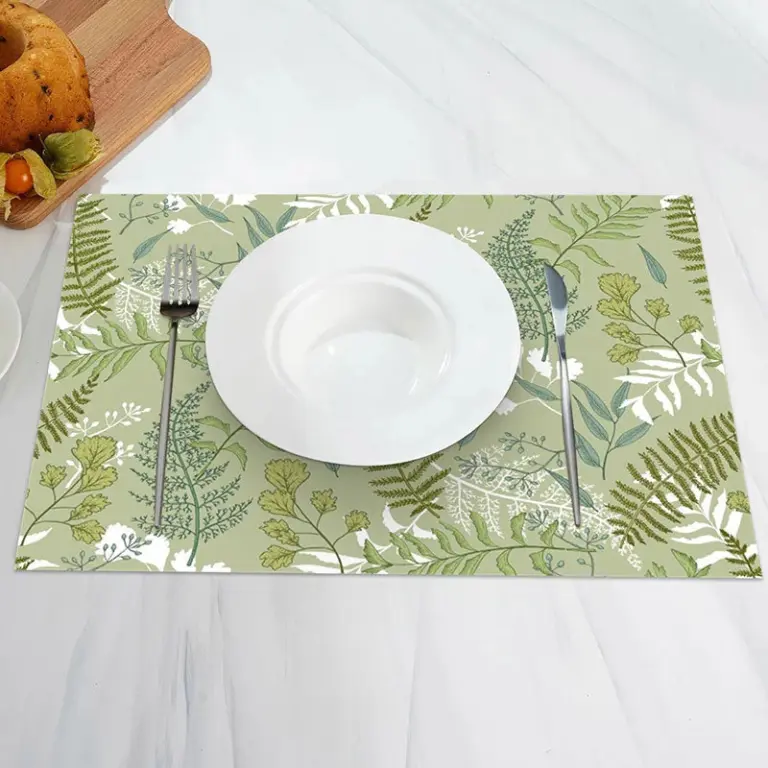 Aisha's pickModern Black Metal Dining Tables That Don’t Shout About It
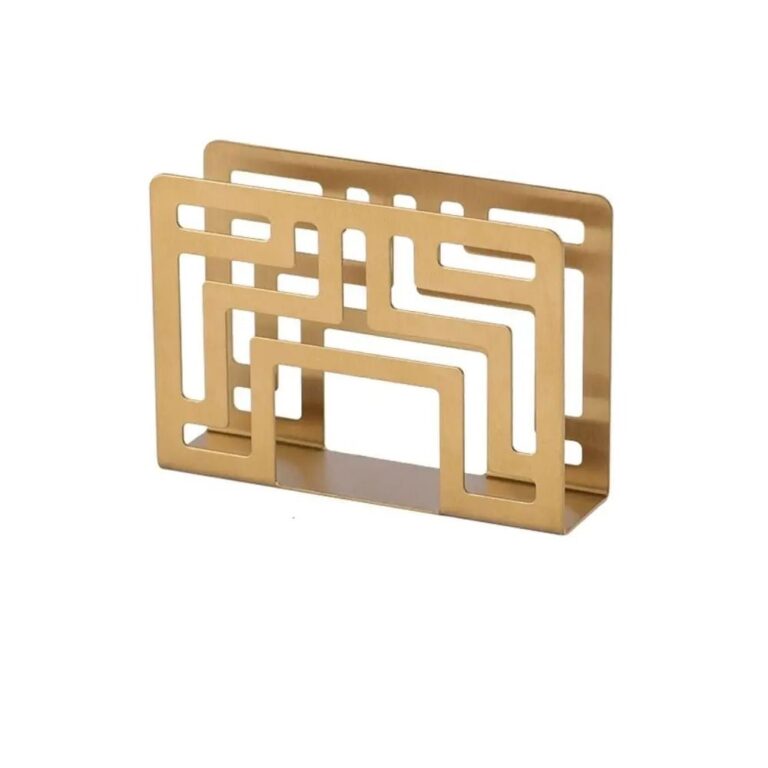
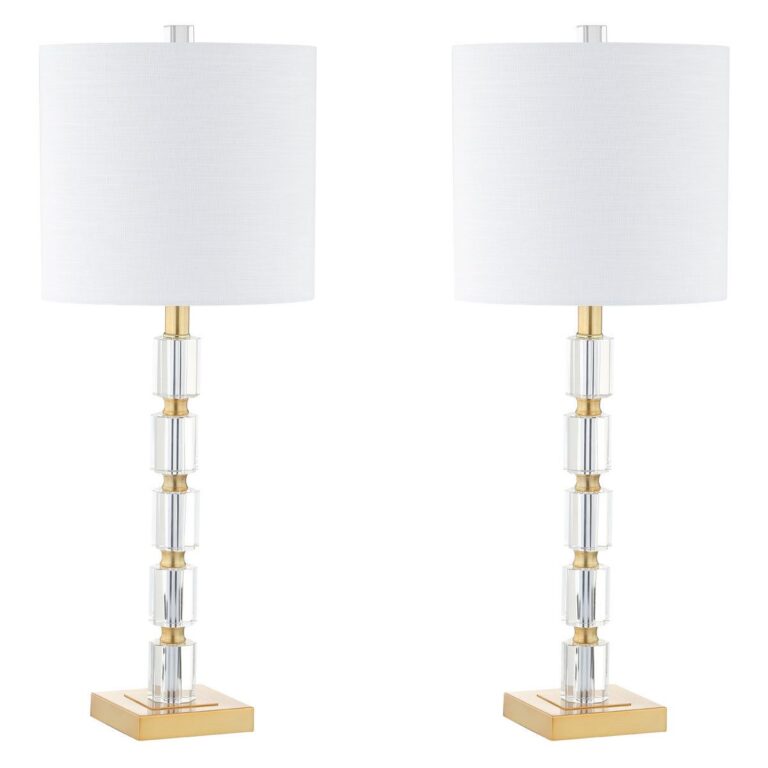 Aisha's pickBlack Corner Dining Sets for Long Dinners With Friends
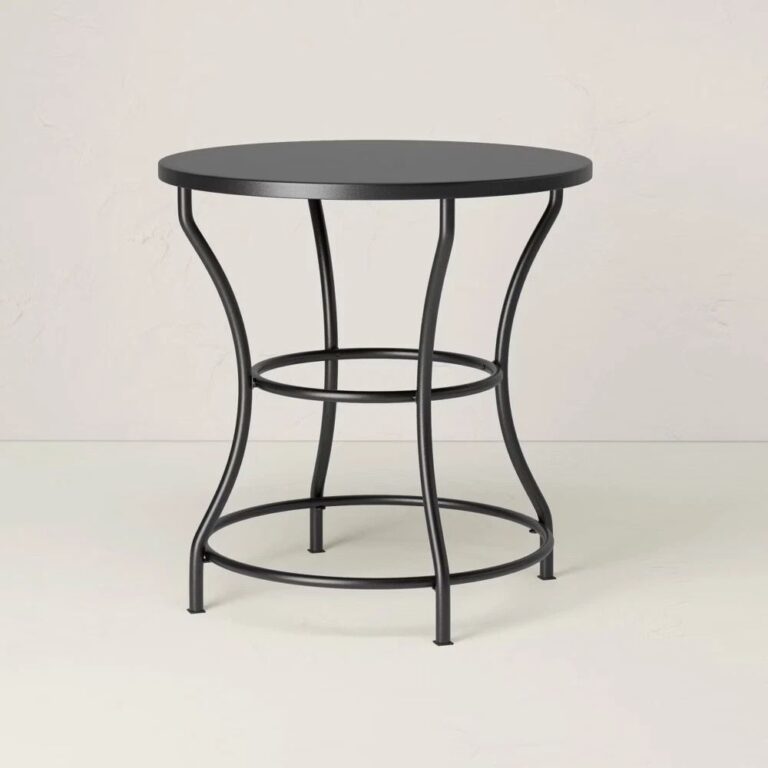 Aisha's pickRound Black Metal Dining Tables With a Bit More About Them
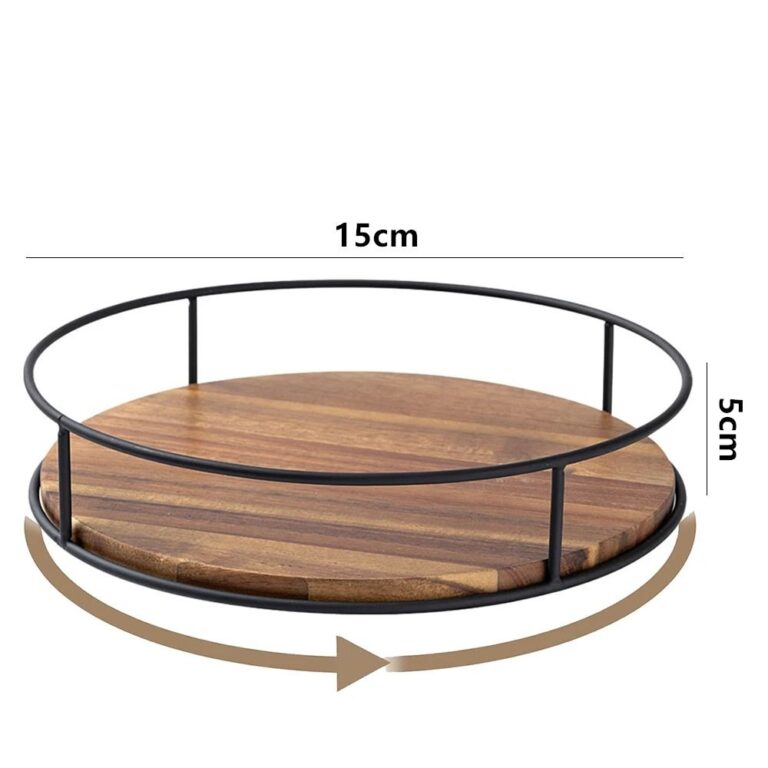
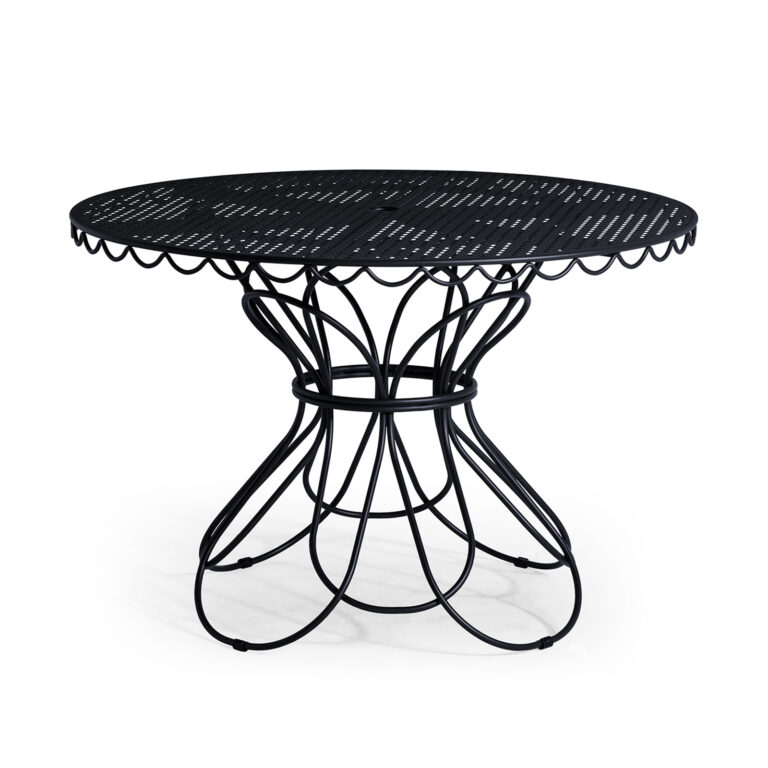 Aisha's pickBlack Corner Dining Tables Big Enough for Sunday DinnerAlso worth a lookBlack TablesMy first black table was a particleboard side table from a flat pack set, and within a year…See the collections →