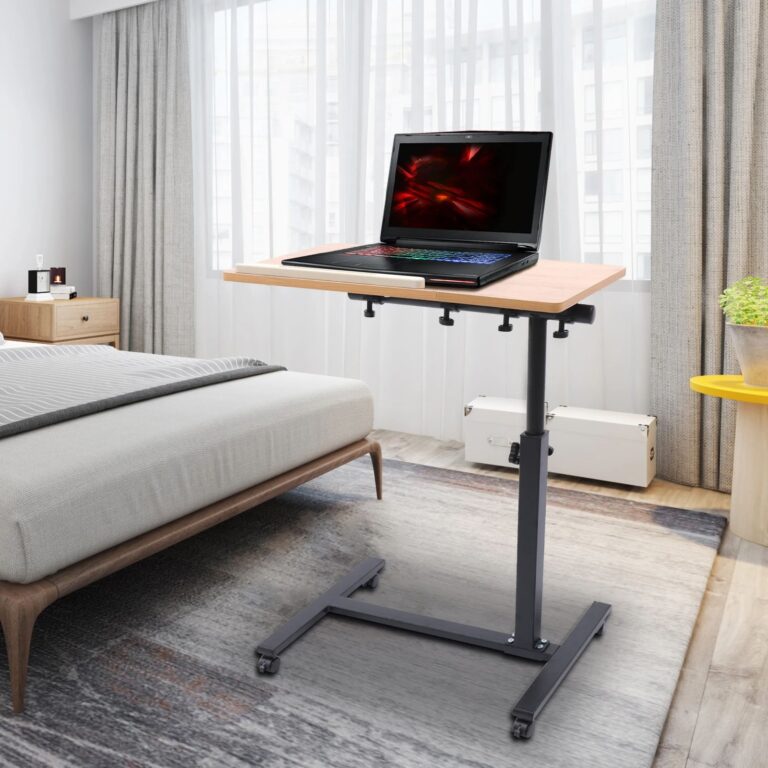
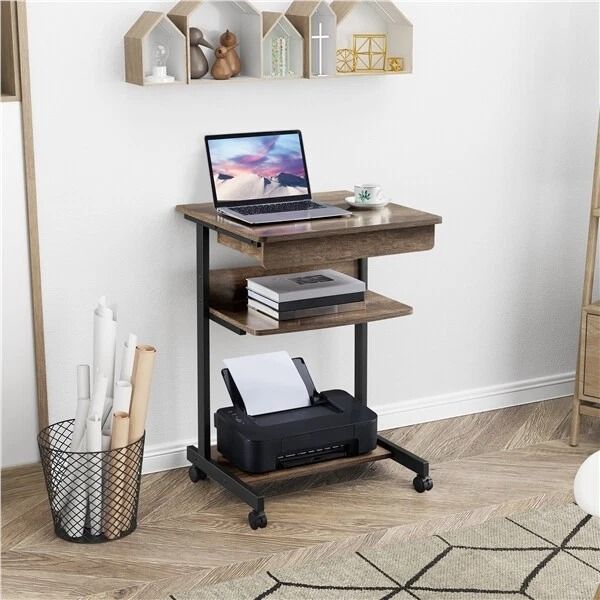
Metal desks used to mean one thing: a gray or beige box from an office liquidation sale, the kind with a drawer that stuck and a modesty panel that dented if you looked at it wrong. That version is mostly gone. What's replaced it is lighter, better finished, often paired with wood or laminate tops instead of being metal top to bottom, and it looks like something you'd actually choose rather than something that got assigned to you. That shift has been a real improvement, not a cosmetic one.
These work best in rooms that get used hard, a home office that doubles as a craft table, a kid's room, a corner of a basement or garage that's been converted into a workspace. They suit apartments too, especially rentals, because the steel frames tend to be lighter to move than solid wood and they don't scuff the way a soft wood edge does when it goes through a doorway at the wrong angle. Where they fall short is in rooms you want to feel soft or formal, a study meant for reading by lamplight, a bedroom where you want warmth more than function. The cold finish that makes them practical is the same thing that can make a room feel a little clinical if everything else in it is hard surfaces too.
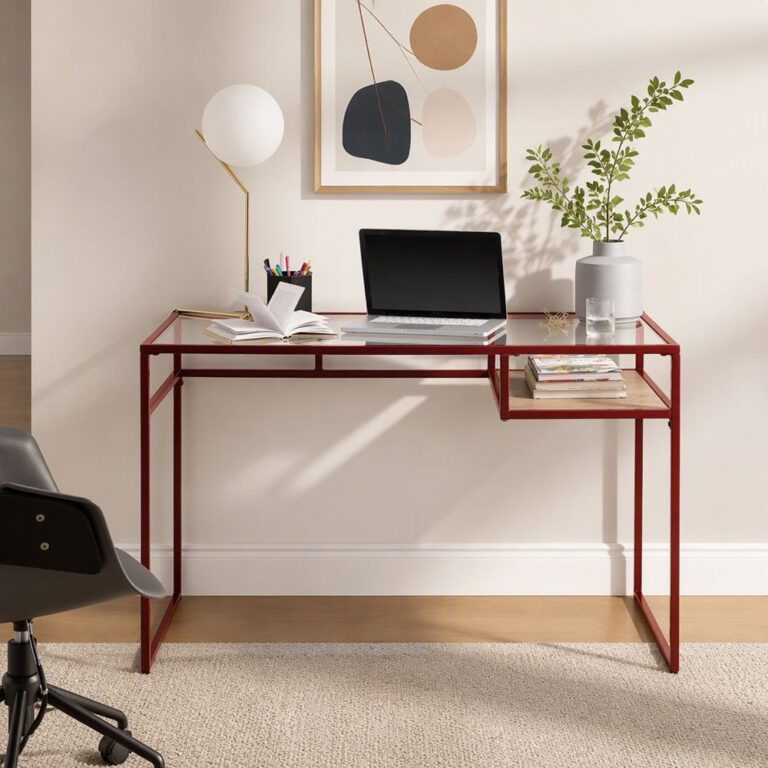
Put a warm wood chair with one, or a woven rug underneath, and the metal stops feeling institutional and starts feeling like a deliberate contrast instead of a leftover from a supply closet. A lamp with a fabric shade does the same job. The desk holds the line and lets everything else soften it.
For sizing, measure the actual wall space and leave at least 30 inches of clearance behind the chair so you're not climbing over the desk every time you get up, and check the height against your chair before you buy, since metal frames don't flex the way a slightly undersized wood desk might. The common mistake is buying one sized for the showroom floor and not for the actual corner it's going into, so it ends up jutting into a walkway. The other mistake is assuming the top will be as durable as the frame. Steel legs shrug off years of rolling chairs and dropped staplers. Laminate or veneer tops scratch and water mark the same as any other desk, so a coaster for the coffee cup still matters.
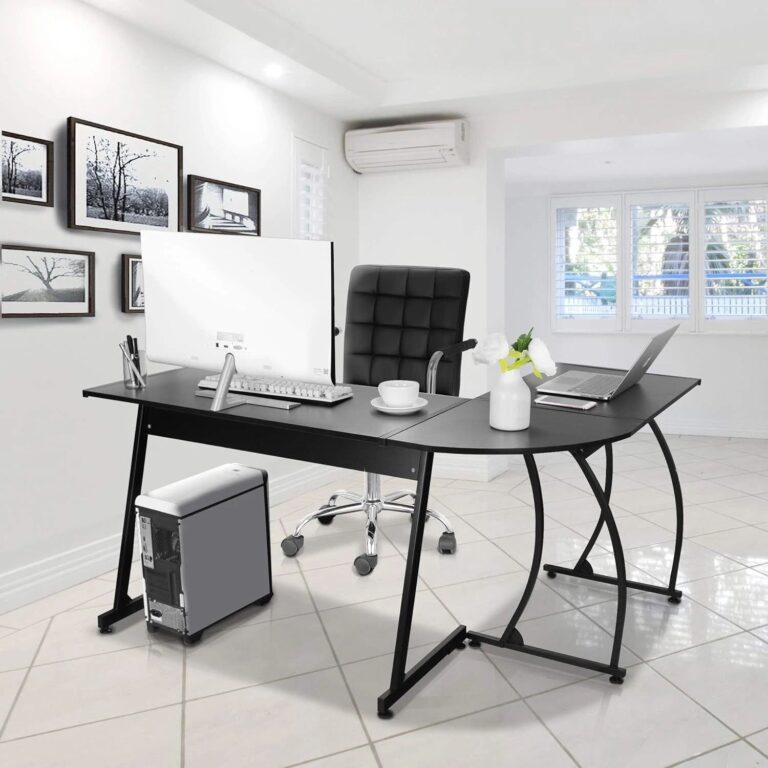
If I were starting from nothing, I'd go with a black frame. It hides scuffs, pairs with almost anything you add later, and doesn't show its age the way lighter finishes eventually do.
 Aisha's pickMetal Office Desks Without the Silly Price Tag
 Aisha's pickMetal Study Desks for Working From Home Without the Backache
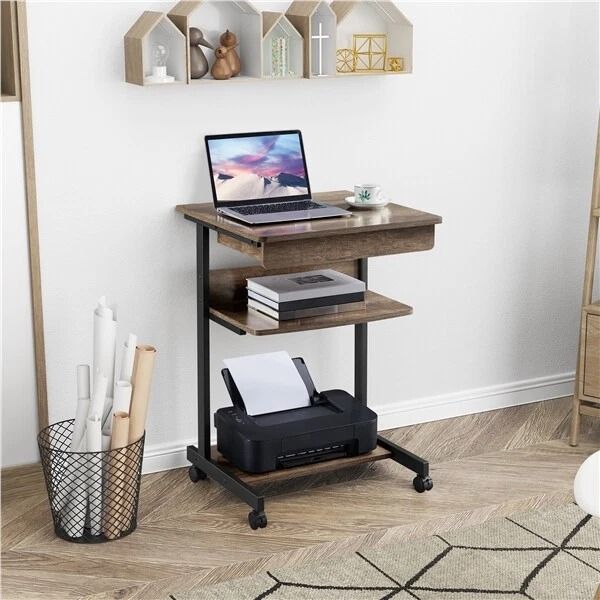
 Aisha's pickSteel Bedroom Desks That Make the Spare Room Feel Like an Office
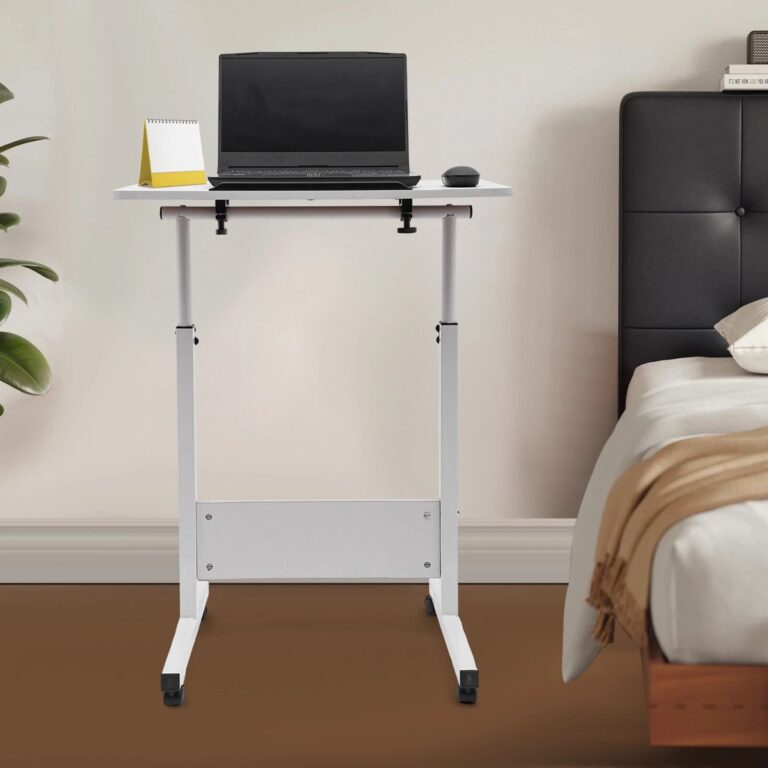 Aisha's pickSteel Computer Desks We Work Beside Every Day
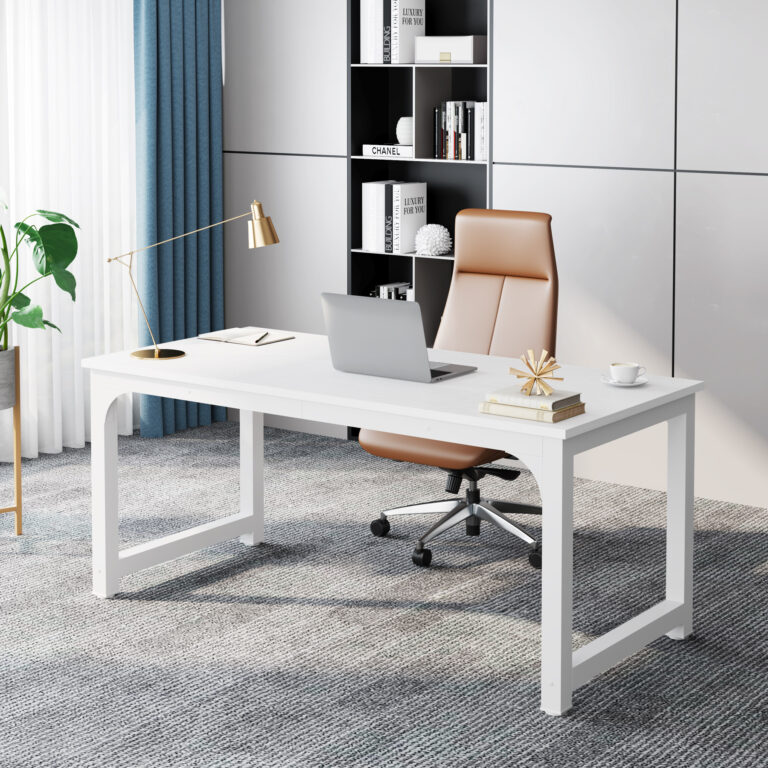
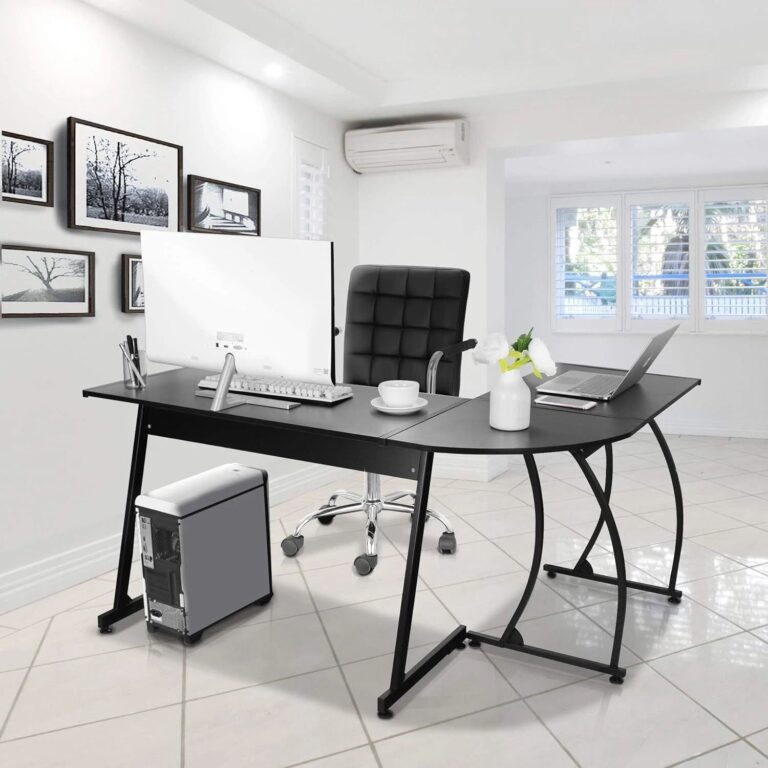 Aisha's pickSteel Corner Desks for Working From Home Without the Backache
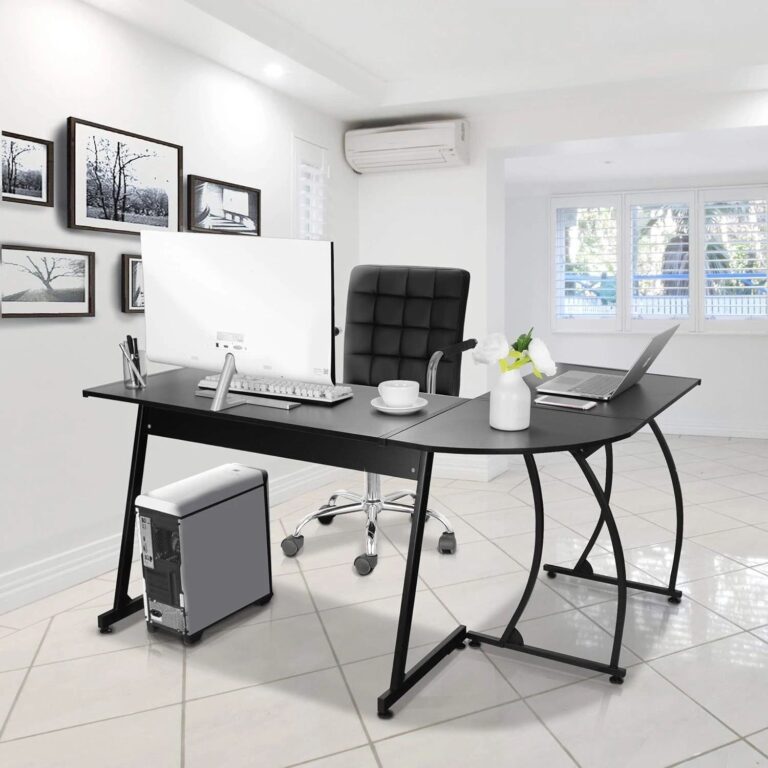
 Aisha's pickBlack Metal Desks for a Home Office That Works

 Aisha's pickSteel Desks That Don’t Need Babying
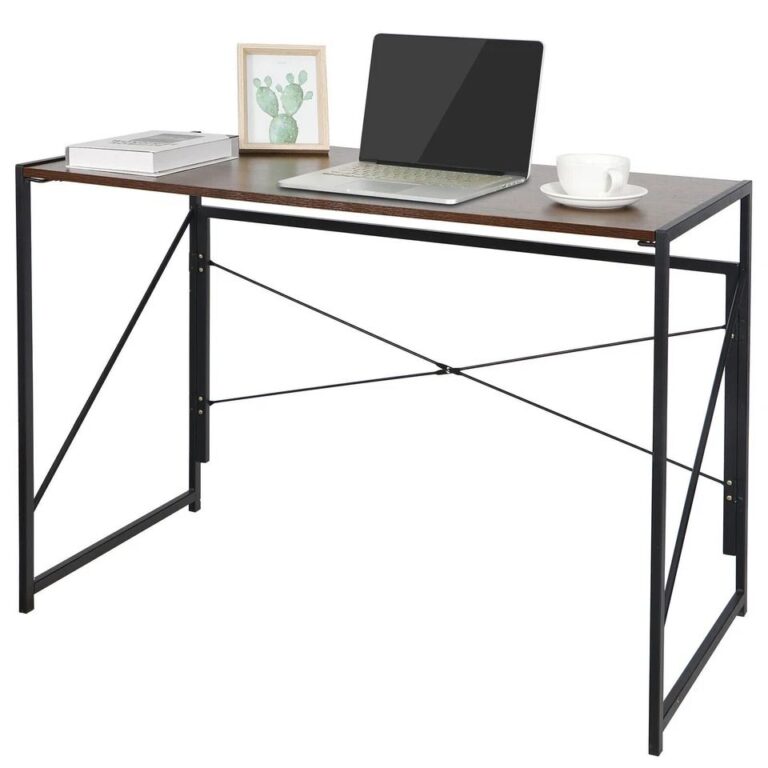 Aisha's pickBlack Metal Desk Tops That Make the Spare Room Feel Like an Office
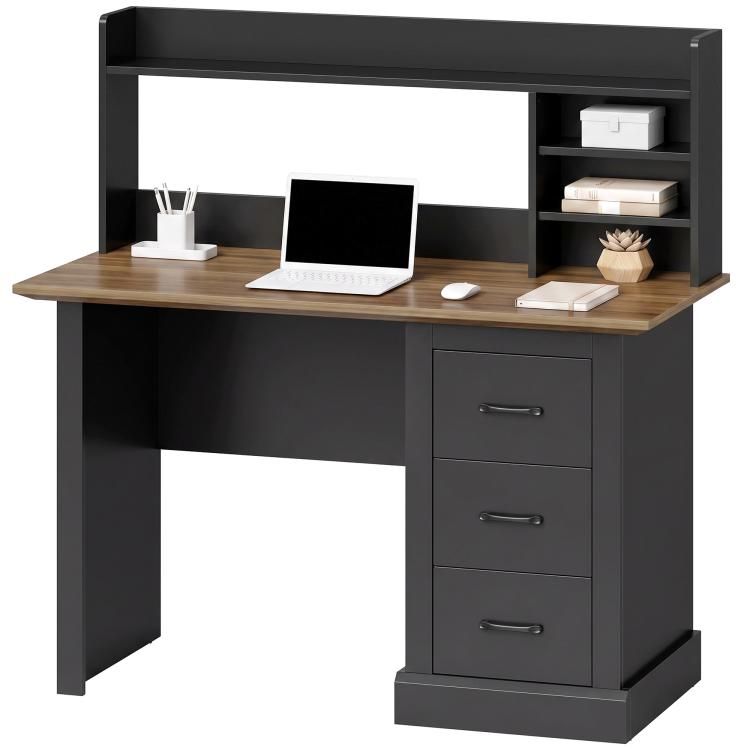
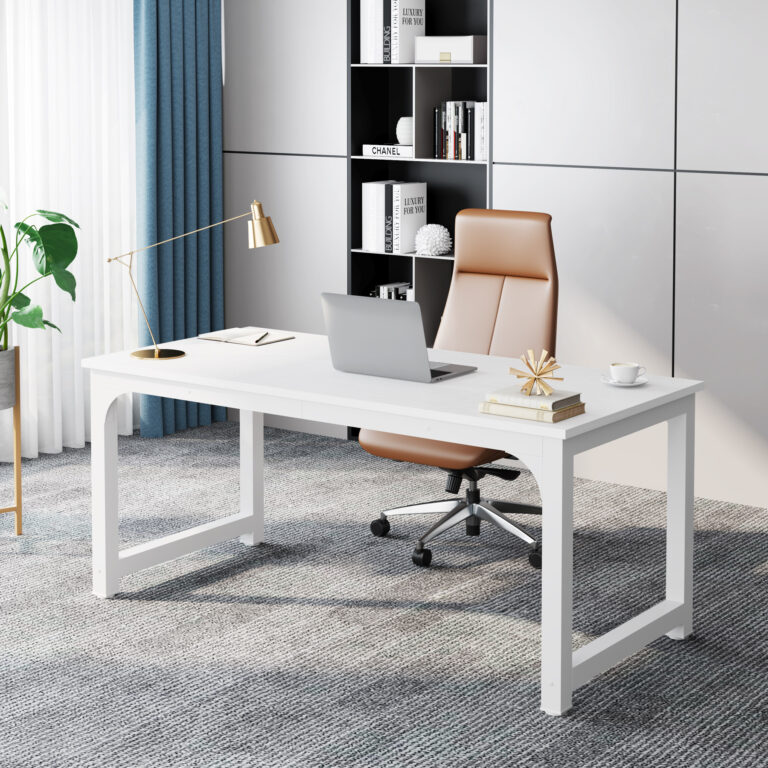 Aisha's pickSteel Desk Tops With Some CharacterAlso worth a lookOffice DesksYou can tell from the doorway which desk is which.See the collections →
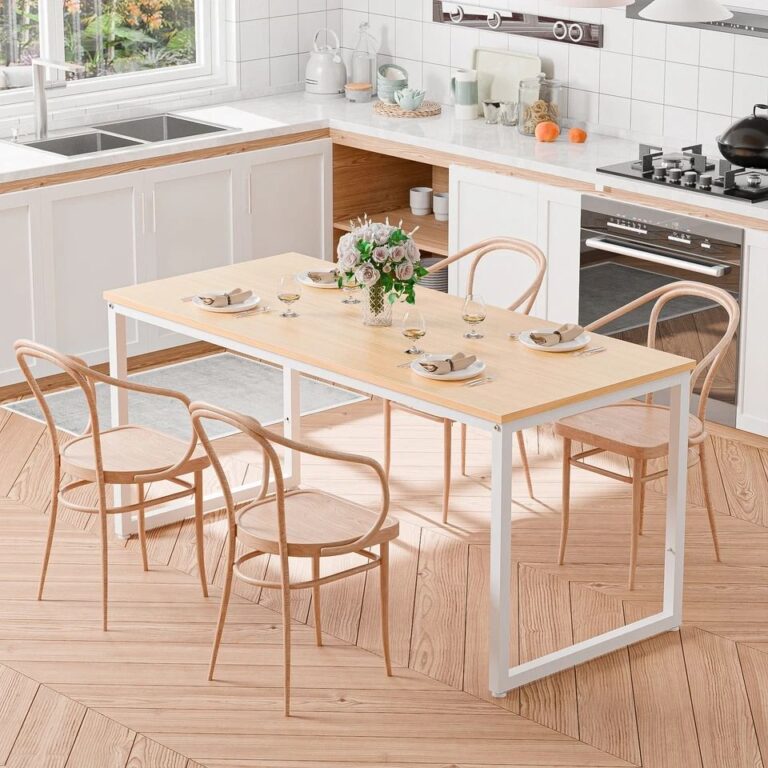
 Aisha's pickBlack Metal Office Desks That Earn Their Keep

 Aisha's pickSteel Folding Desks That Earn Their Keep

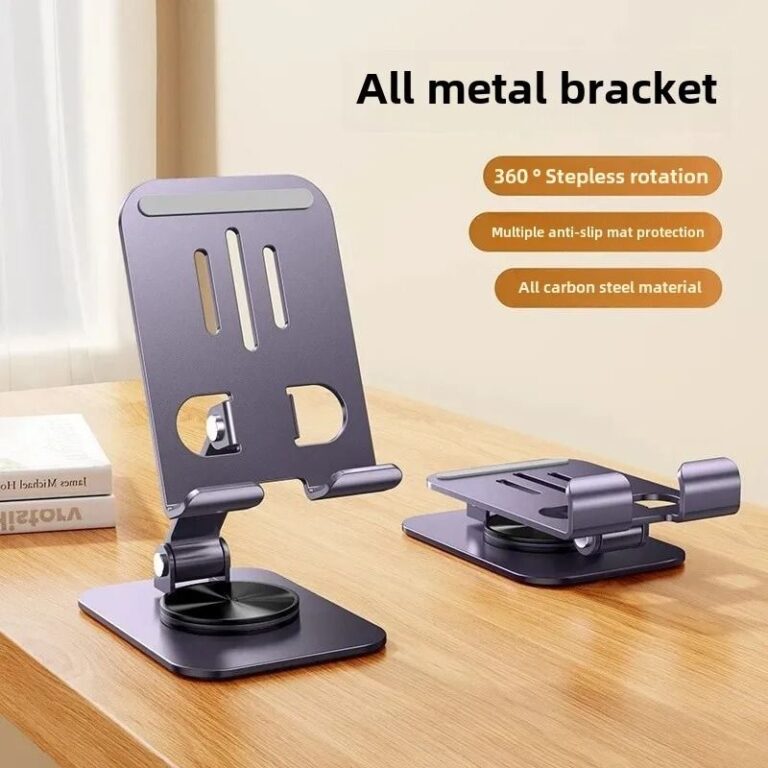 Aisha's pickMetal Bedroom Desks That Don’t Need Babying
 Aisha's pickSteel Height Adjustable Desks That Look Good Up Close
 Aisha's pickMetal Computer Desks We Work Beside Every Day
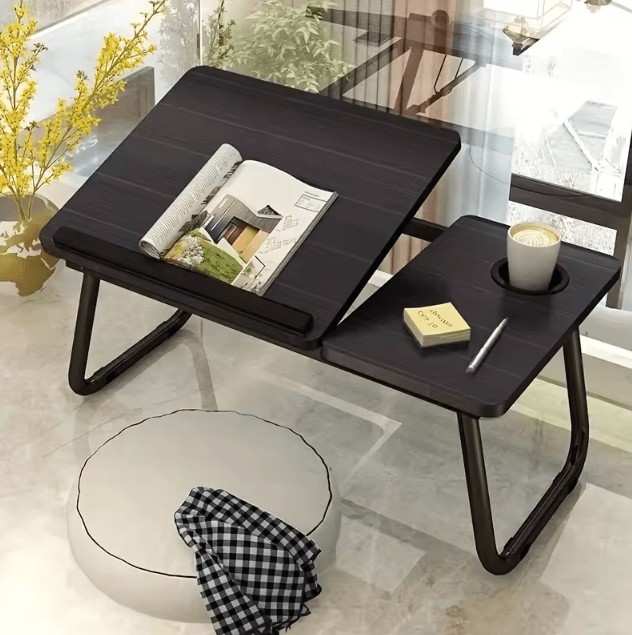
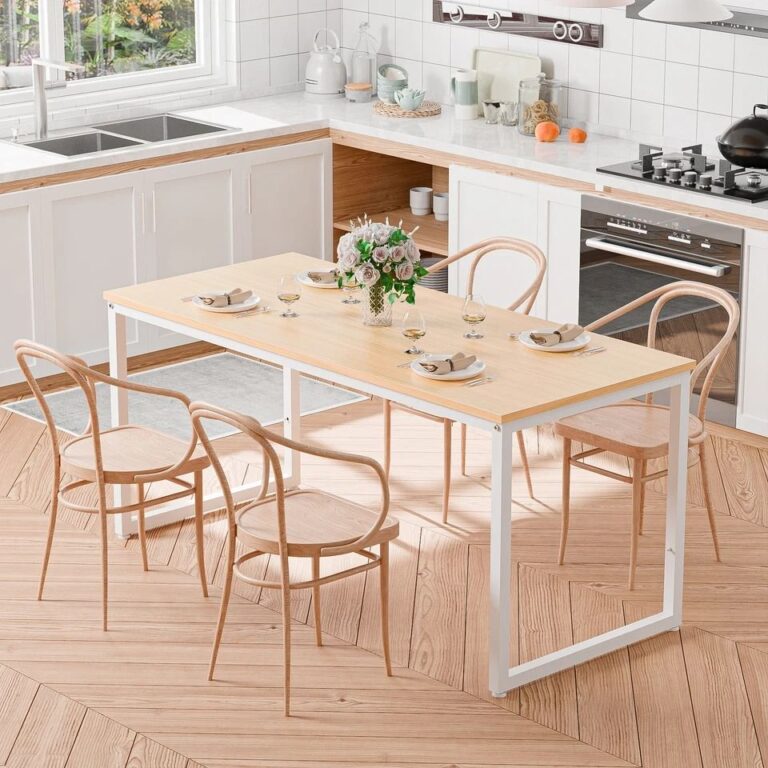 Aisha's pickSteel Home Office Desks Pulled From Dozens of Stores
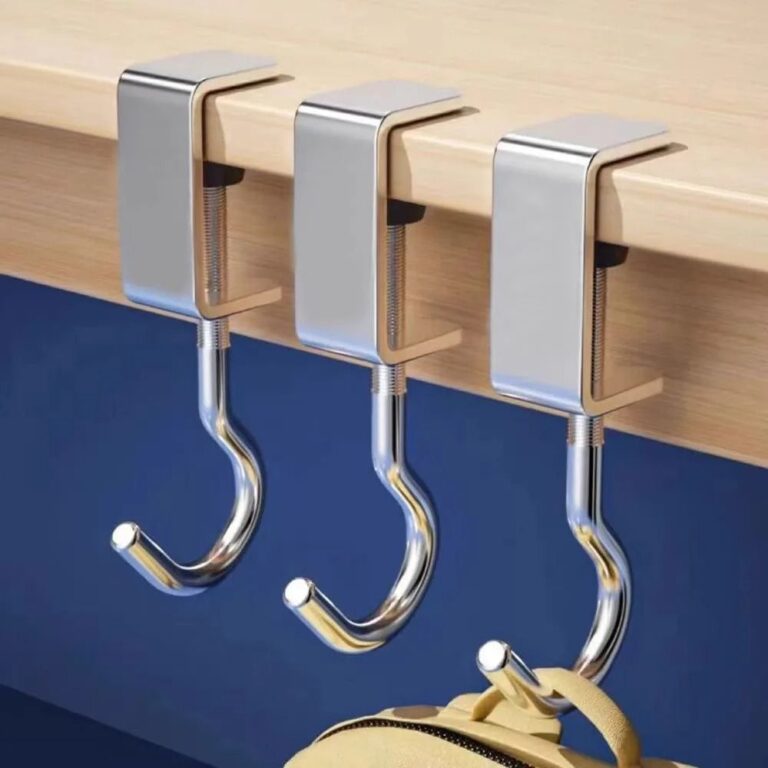
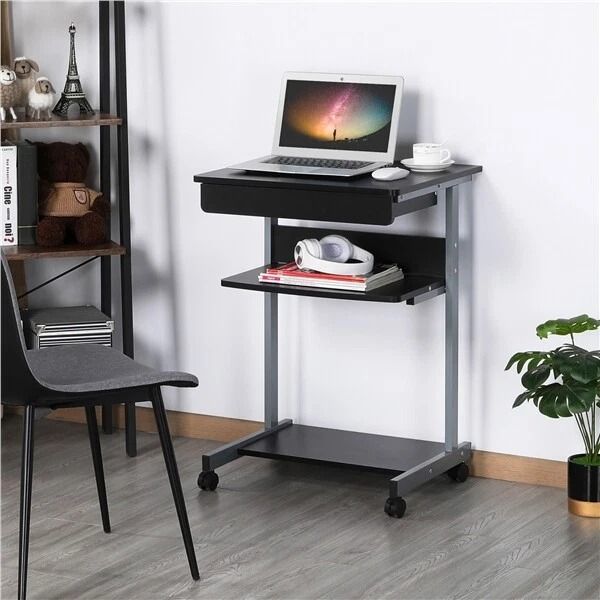 Aisha's pickMetal Corner Desks That Make the Spare Room Feel Like an Office
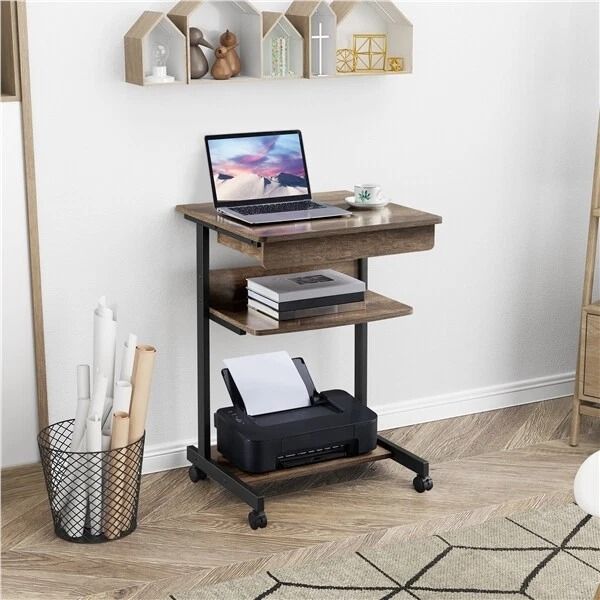
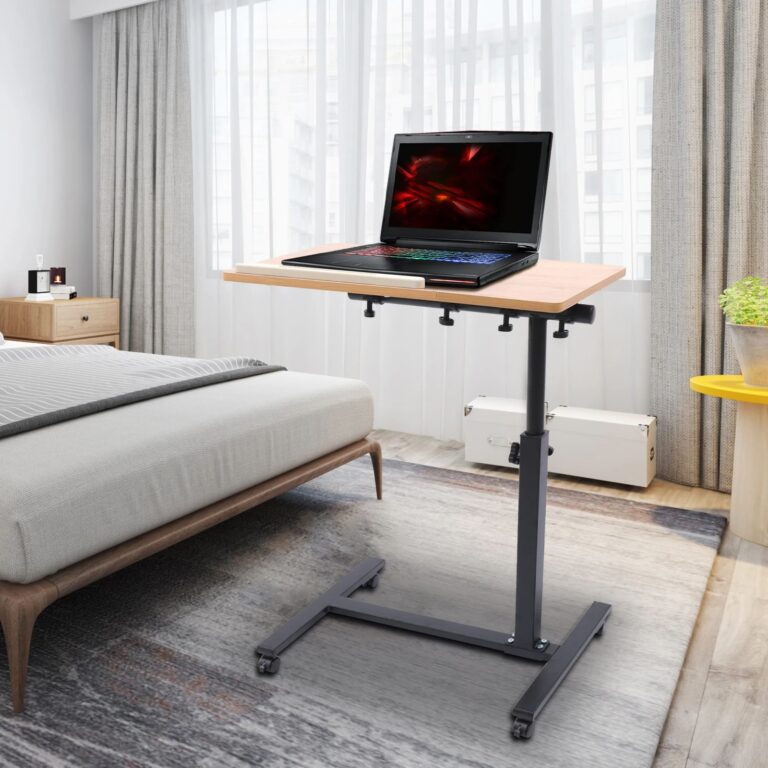 Aisha's pickSteel Laptop Desks That Get Better With Age
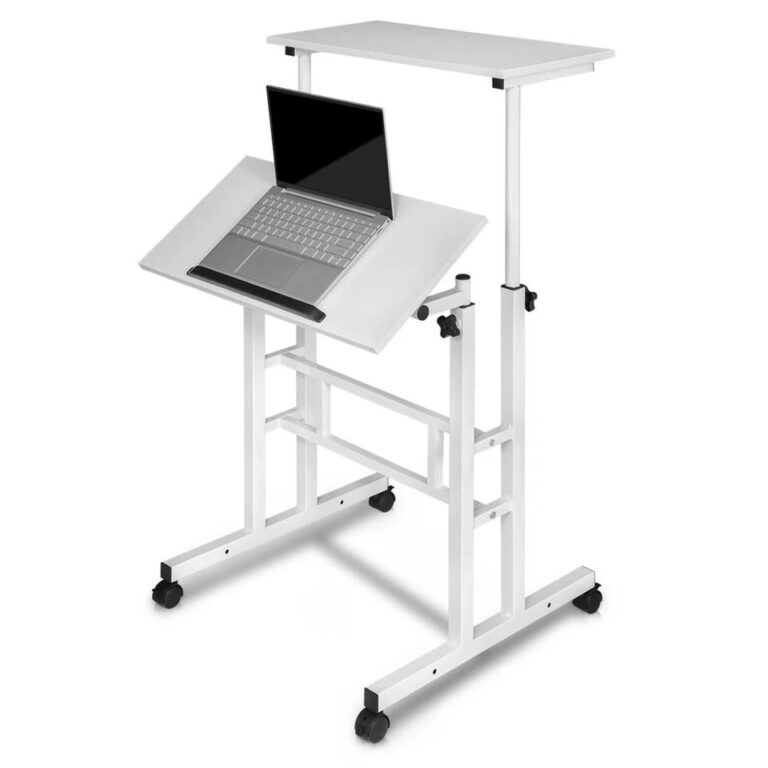
 Aisha's pickMetal Desks Worth Knowing AboutAlso worth a lookSmall DesksHow small is too small? I'd say anything under about 36 inches wide works for a laptop, a…See the collections →

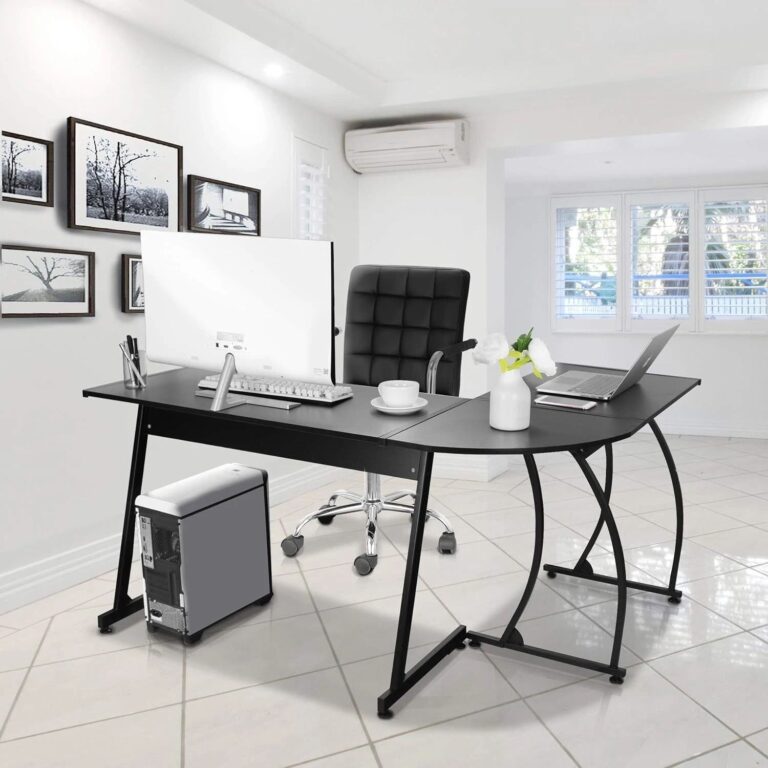 Aisha's pickOur Shortlist of Steel Office Desks
 Aisha's pickMetal Desk Tops That Make a Room Feel Finished
 Aisha's pickThe Steel Study Desks Worth Your Cash
 Aisha's pickMetal Folding Desks for Working From Home Without the Backache