A desk has a strange reputation in most houses, somewhere between furniture and punishment. People buy the cheapest one they can find because they think of it as temporary, then sit at it for six years and wonder why their back hurts and their laptop charger is always on the floor. I think that is backward. A desk you actually like sitting at for an hour is worth more thought than most people give it.
Before you commit, open every drawer in the shop and pull it all the way out, not just a polite inch. You are checking for runners that catch or rattle, because that annoyance only gets worse once the drawer has three years of pens and chargers weighing it down. Run a hand along the underside of the top too, looking for staples, rough edges, or a seam where two cheap panels were glued together and will eventually show daylight. On delivery day, check the legs sit flush on the floor without rocking, that any cable grommet actually lines up with where your power strip will go, and that the finish matches on all visible sides, not just the one facing the photo. As for placement, a desk this size does not want to live in a small bedroom corner where you will knock your knee on it every morning, and a glossy, modern finish tends to look stranded sitting next to older, warmer wood furniture rather than against open shelving or a plain wall. Over time, how it wears comes down almost entirely to what it is actually made of under that first impression. A laminate top over particleboard will survive light use fine for a couple of years, then start to lift at the edges where mugs and water bottles have lived, and once that lifting starts there is no fixing it, only hiding it with a desk mat. Solid wood or a proper veneer over a stable core ages the opposite way, picking up small marks and a bit of color change that reads as character rather than damage, provided you keep it out of direct sun and wipe spills before they sit. The difference between a desk that feels right after five years and one that feels sad after five months is almost always in the joints and the drawers, dovetails or solid mortise and tenon rather than staples and glue, metal runners rather than plastic, and a finish that was sanded properly rather than sprayed on to hide the cheap wood underneath.
Pay attention to the drawer runners when you buy, because they are the first thing to fail and the hardest thing to forgive.

 Aisha's pickSimple Compact Home Office Desks Done Well

 Aisha's pickSmall Home Office Desks That Make a Room Feel Finished
 Aisha's pickContemporary Home Office Desks We Work Beside Every Day

 Aisha's pickSmall White Home Office Desks You’ll Still Like in Five Years

 Aisha's pickHome Office Desks That Visitors Always Ask About

 Aisha's pickSpace Saving Home Office Desks We Work Beside Every Day
 Aisha's pickSimple Home Office Desks for Bedroom Done Well

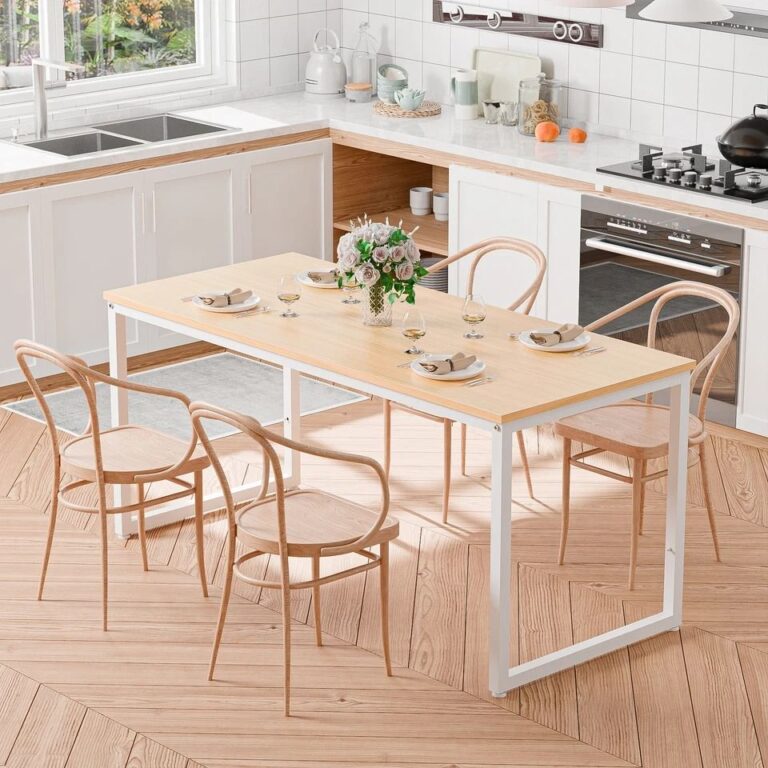 Aisha's pickSteel Home Office Desks Pulled From Dozens of Stores
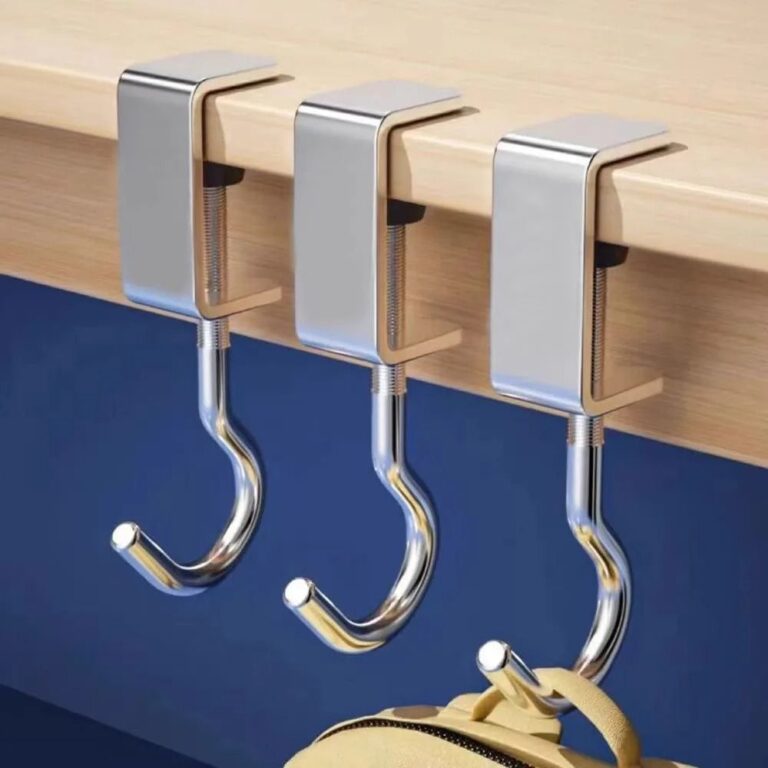
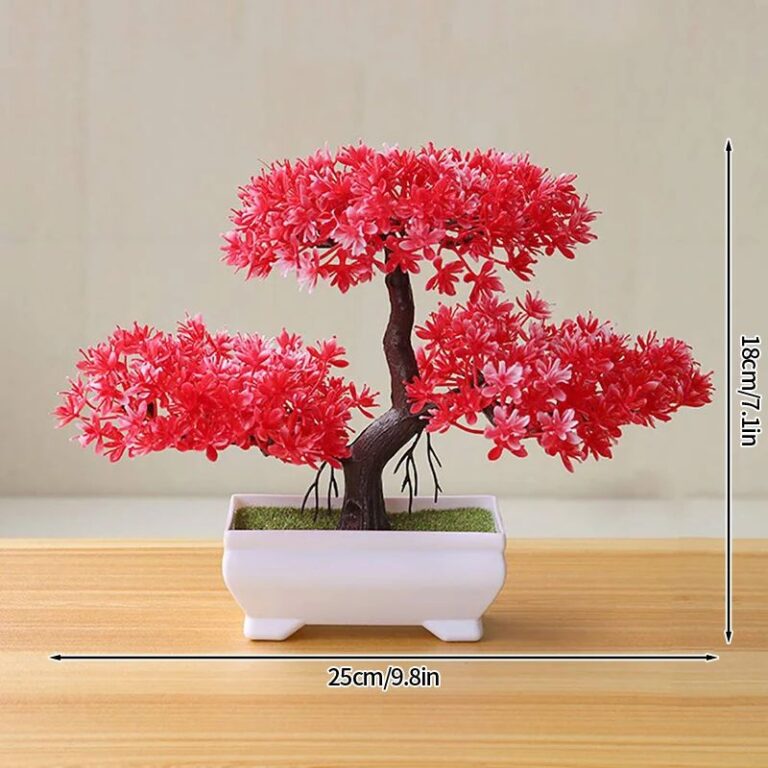 Aisha's pickHome Office Desks for Small Spaces From Brands You Know and a Few You Won’tAlso worth a lookOffice DesksYou can tell from the doorway which desk is which.See the collections →

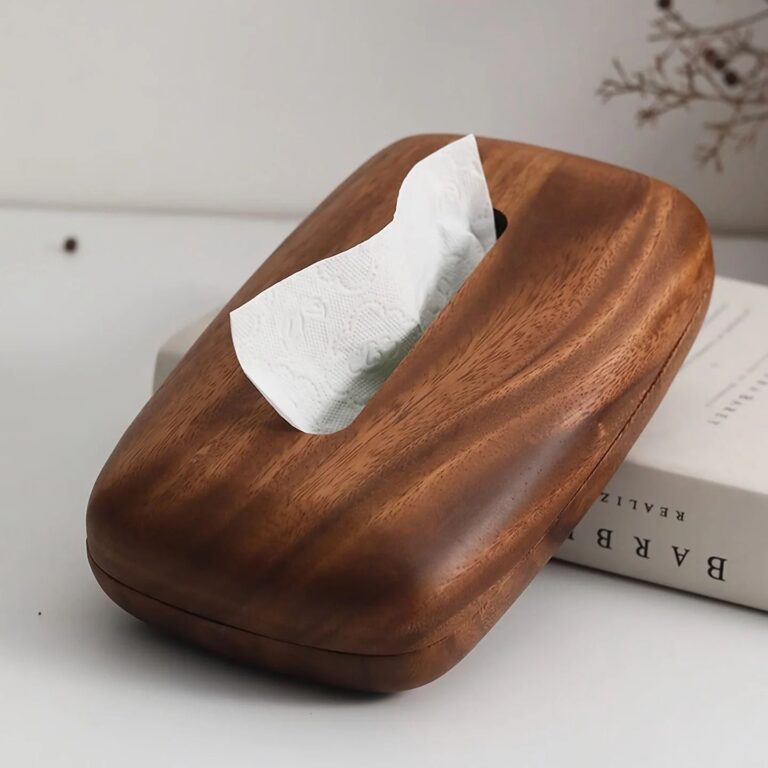 Aisha's pickWalnut Home Office Desks for Making a House Feel Like Yours
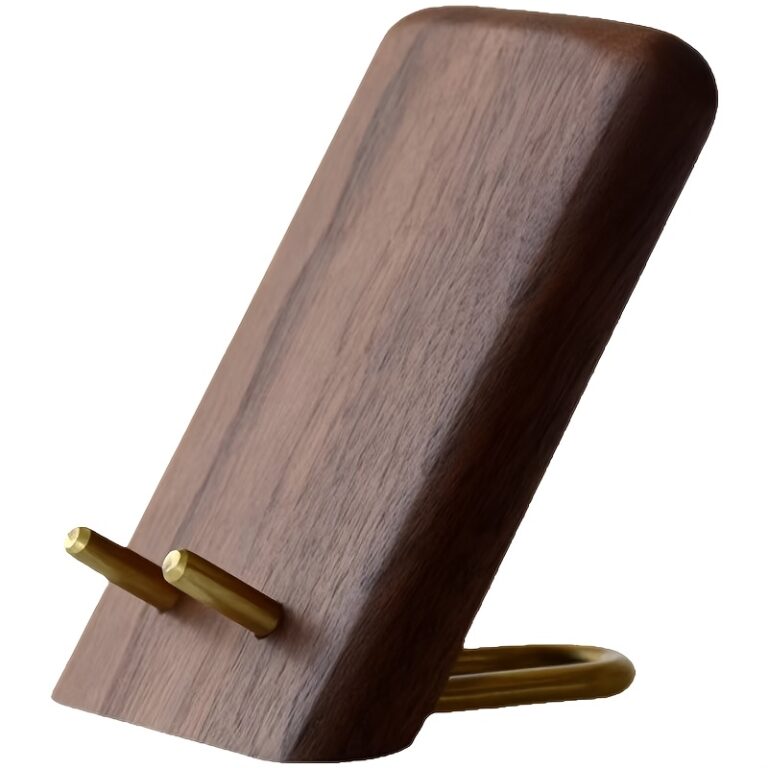
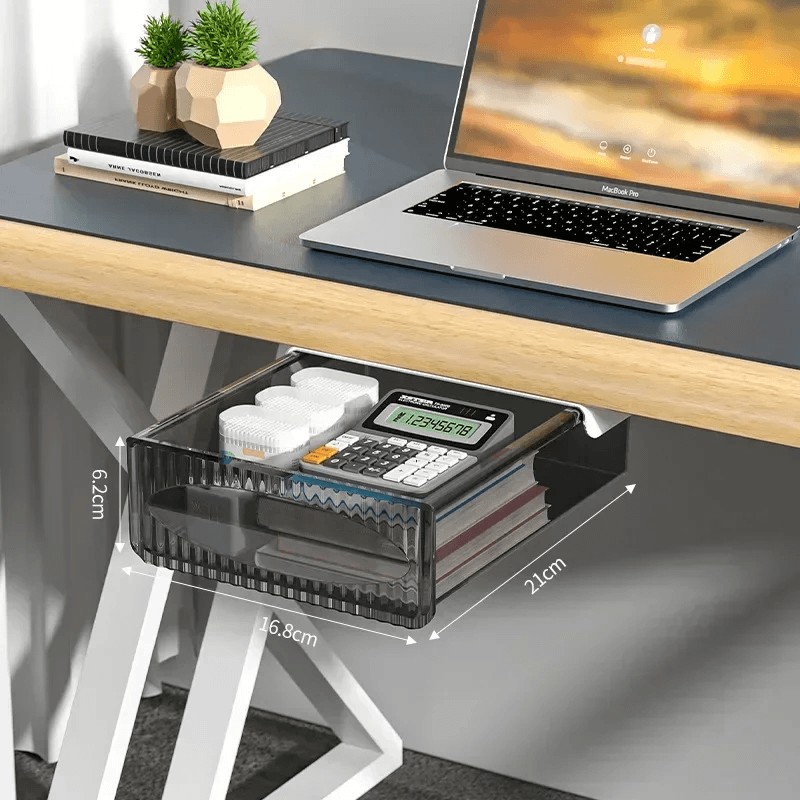 Aisha's pickThe Home Office Desks with Drawer Worth Your Cash
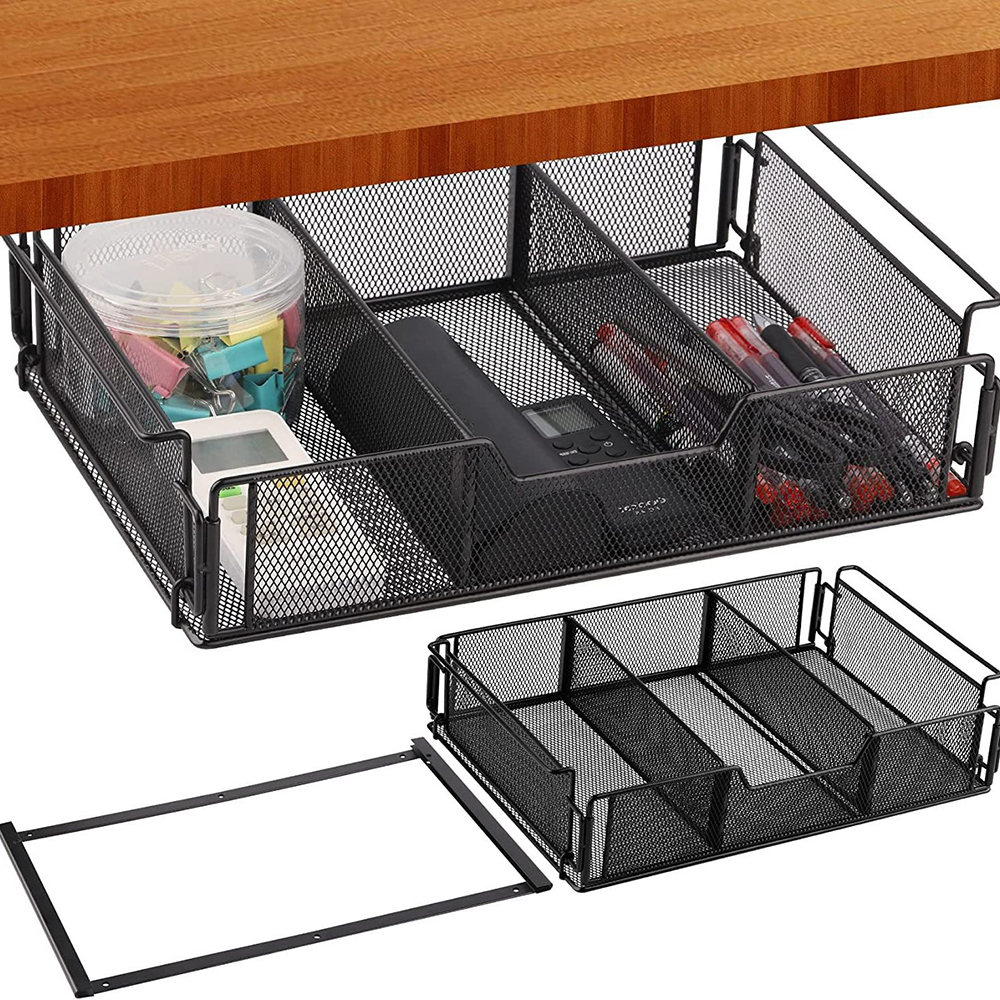
 Aisha's pickWhite Home Office Desks We Work Beside Every Day

 Aisha's pickHome Office Desks with Drawers We Keep Coming Back To

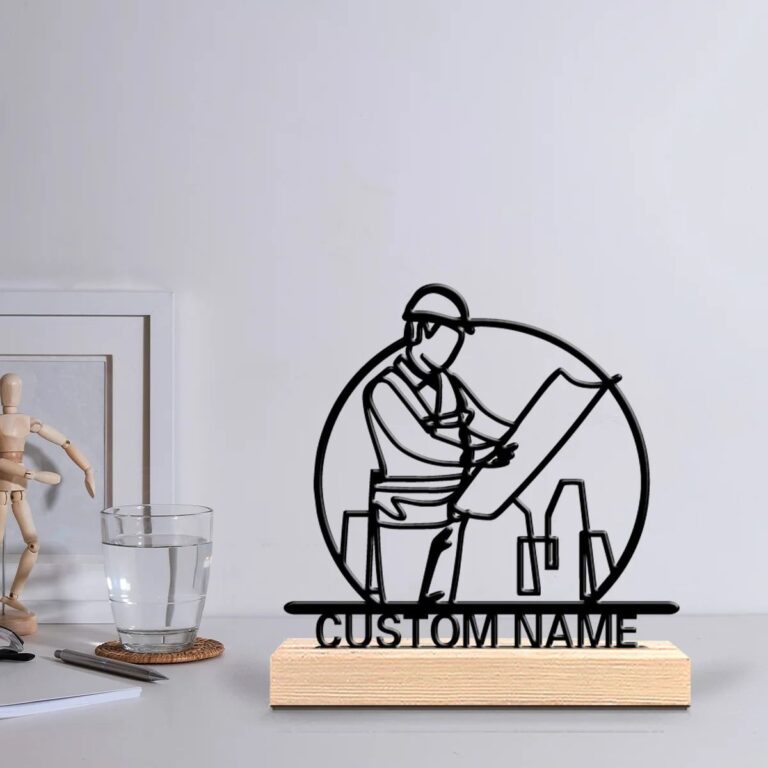 Aisha's pickShopping for Wood Home Office Desks? Start Here

 Aisha's pickHome Office Desks with Shelves That Work in Old Houses and New Ones

 Aisha's pickWooden Home Office Desks Picked From the Stores We Trust
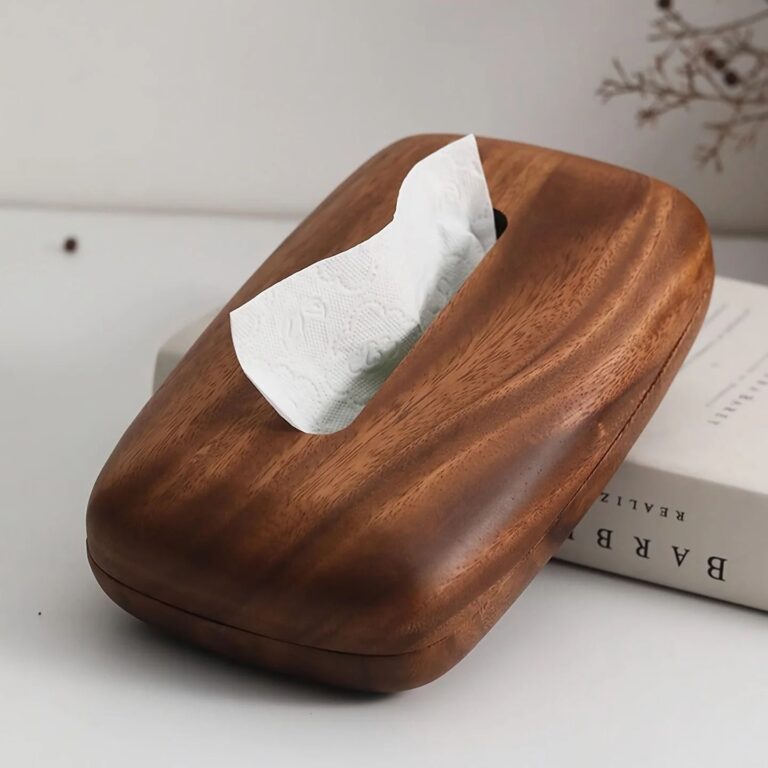
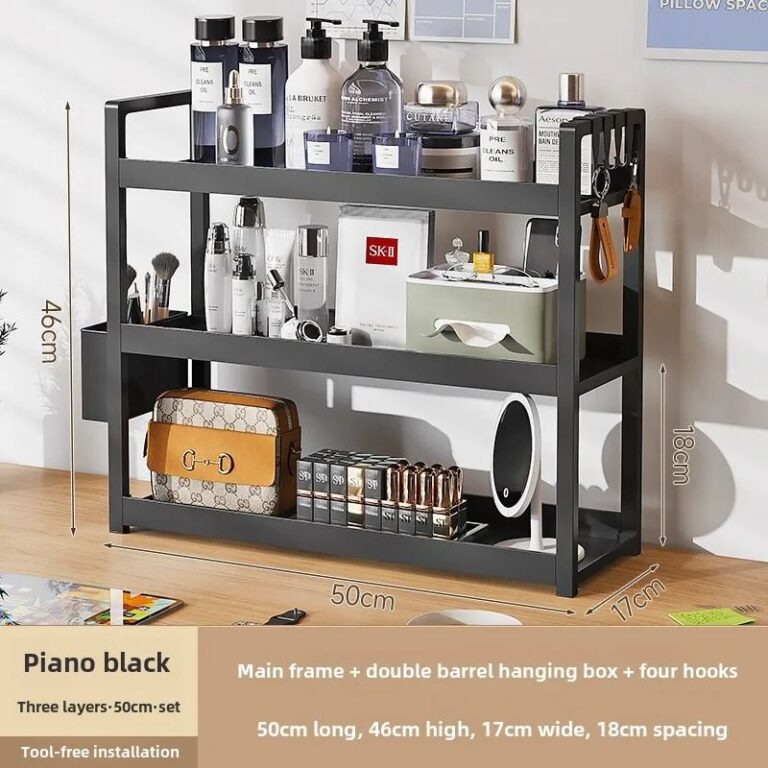 Aisha's pickHome Office Desks with Storage You’ll Still Like in Five Years
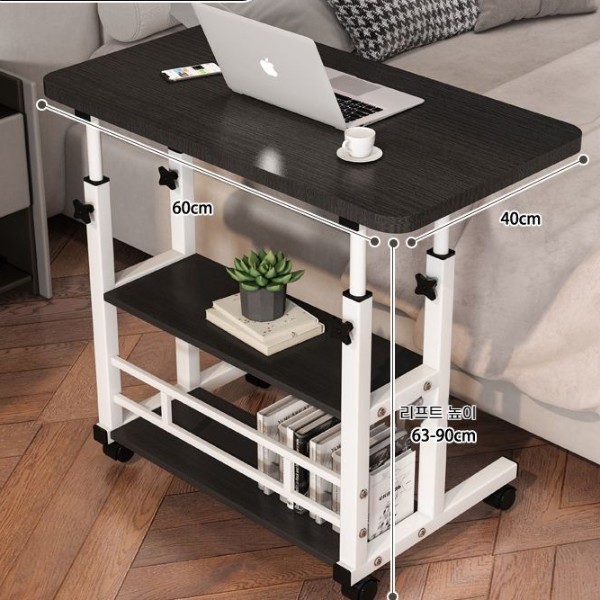
 Aisha's pickLarge Home Office Desks Without the Silly Price TagAlso worth a lookSmall DesksHow small is too small? I'd say anything under about 36 inches wide works for a laptop, a…See the collections →

 Aisha's pickLong Home Office Desks We Work Beside Every Day

 Aisha's pickMetal Home Office Desks We Work Beside Every Day
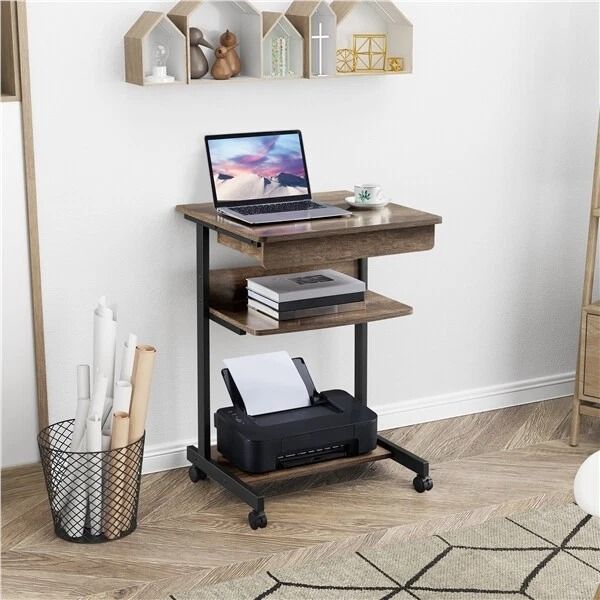
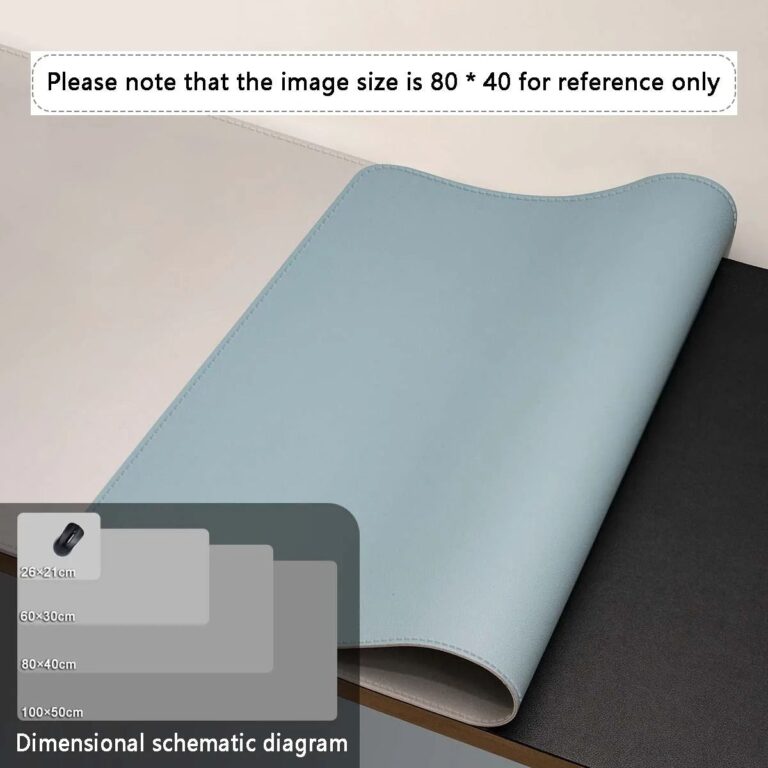 Aisha's pickOur Shortlist of Minimalist Home Office Desks

 Aisha's pickBlack Home Office Desks We Work Beside Every Day

 Aisha's pickModern Home Office Desks Pulled From Dozens of Stores

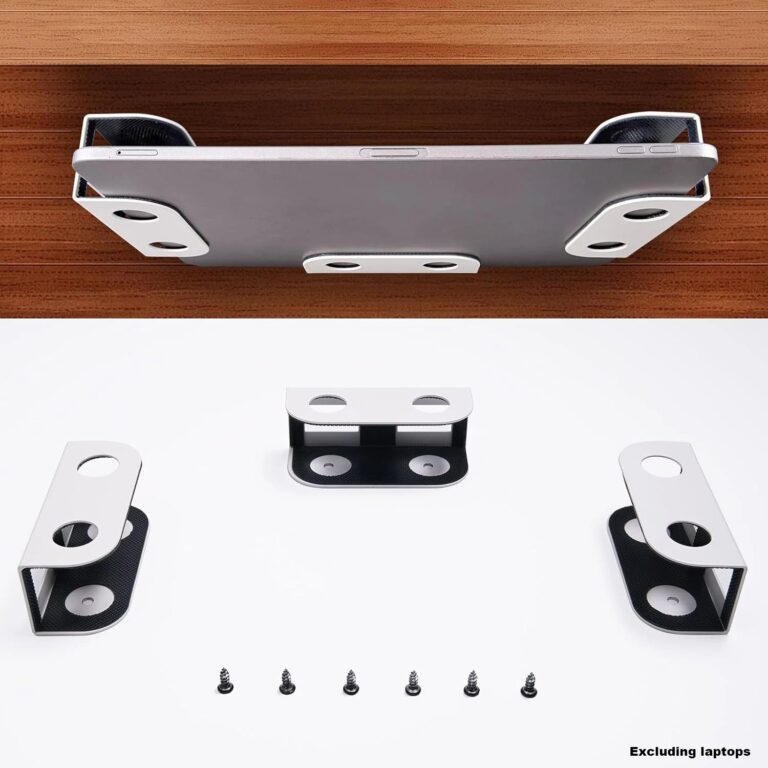 Aisha's pickBlack Home Office Desks with Storage That Hold Up to Everyday Life