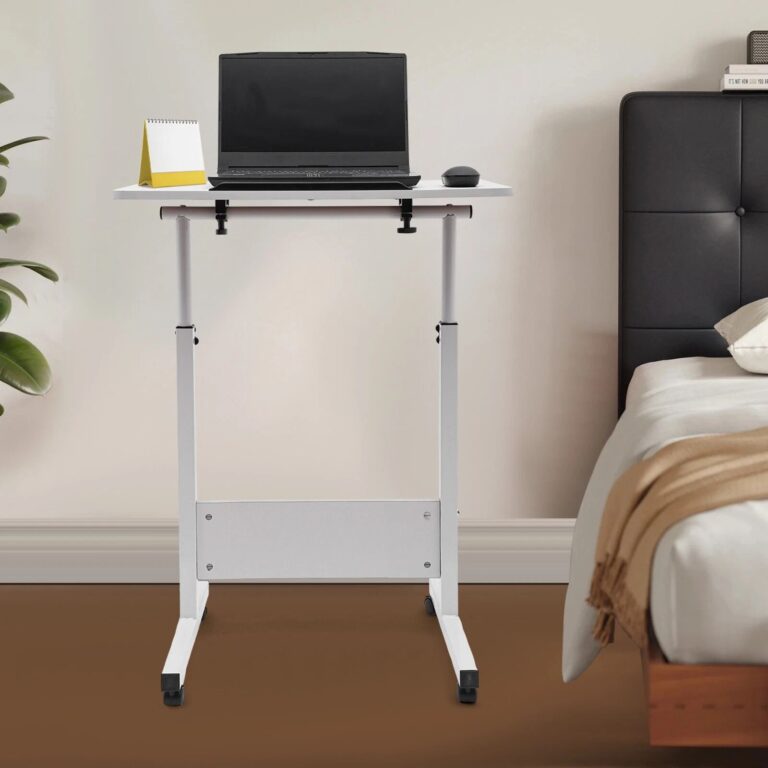
Late afternoon in winter is when I notice mine the most, that stretch between three and five when the light gets low and golden and my back starts to ache if I have been sitting too long. That's when I stand the desk up, finish the last hour on my feet, and feel noticeably less like a question mark by the time I close the laptop.
These work best in a room you are actually in for hours at a stretch, a home office, a corner of a bedroom, a spot in an open plan living room where you need the desk to behave itself. They suit a house where one person works from home most days and wants to move through sitting and standing without thinking about it. They suit a smaller apartment too, if you pick a model that does not need a huge footprint to raise and lower cleanly. Where they stop making sense is a desk used for twenty minutes a day to pay bills or sort mail, or a shared family desk where three different people need three different heights and nobody remembers to reset it. If you are tight on space and need to push a chair fully under the desk when not in use, check the clearance at the lowest setting first, some of these sit higher at the bottom of their range than a normal desk does.
Fully grown homes have power nearby already, which matters more than people expect, since most of these run on an electric motor and a cord, not a crank, and you do not want an extension cord snaking across a rug every day.
The difference between a good one and a disappointing one shows up in how it moves, not how it looks sitting still. A good motor is quiet and raises the desk in one smooth push, no grinding, no hesitation partway up. A disappointing one judders, stalls on the way up with any real weight on the surface, or takes forever to get anywhere. Look at the frame too, a steel frame with a proper crossbar is going to stay solid at full height, while a thin frame will wobble when you type standing up, which defeats the whole point. The tabletop matters less for stability but a lot for daily life, a dense engineered wood or solid wood top will not bow in the middle after a year of monitors and books.
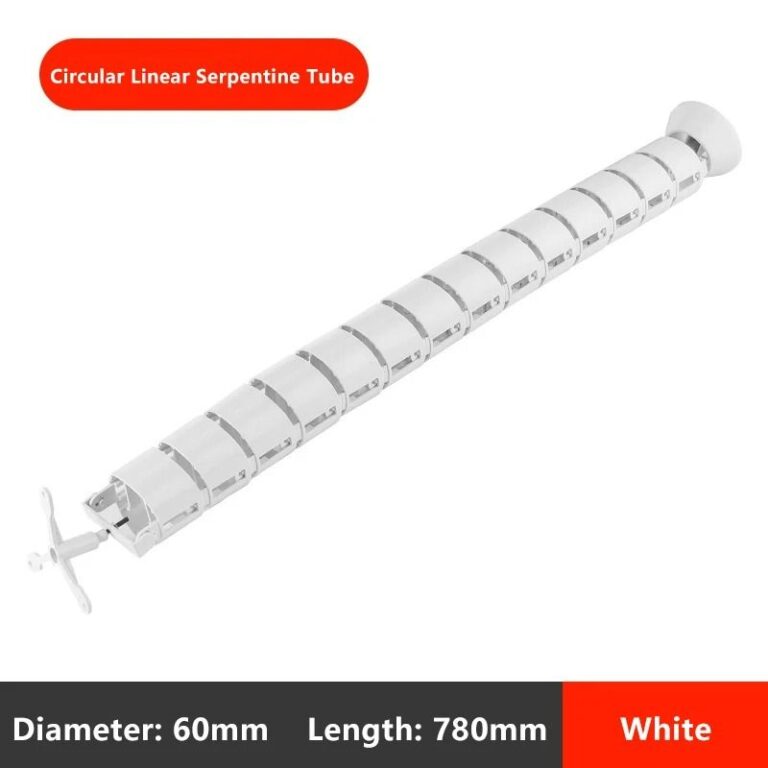
On delivery day, check the weight capacity against what you are actually putting on it, monitor arm, a couple of monitors, a laptop stand adds up fast. Run it up and down a few times before you load it with anything, and listen for noise. Check the cable management included, because a desk that moves and a cord that does not is its own small disaster waiting to happen.
Get the motion right and it quietly fixes a problem you had stopped noticing you had.
 Aisha's pickMetal Height Adjustable Desks That Make the Spare Room Feel Like an Office
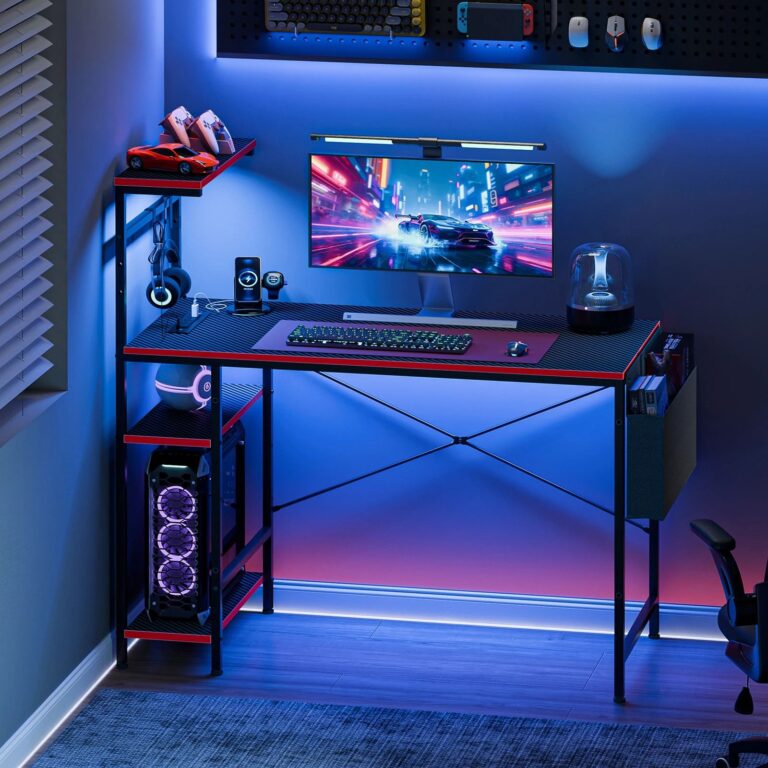 Aisha's pickModern Height Adjustable Desks for Working From Home Without the Backache
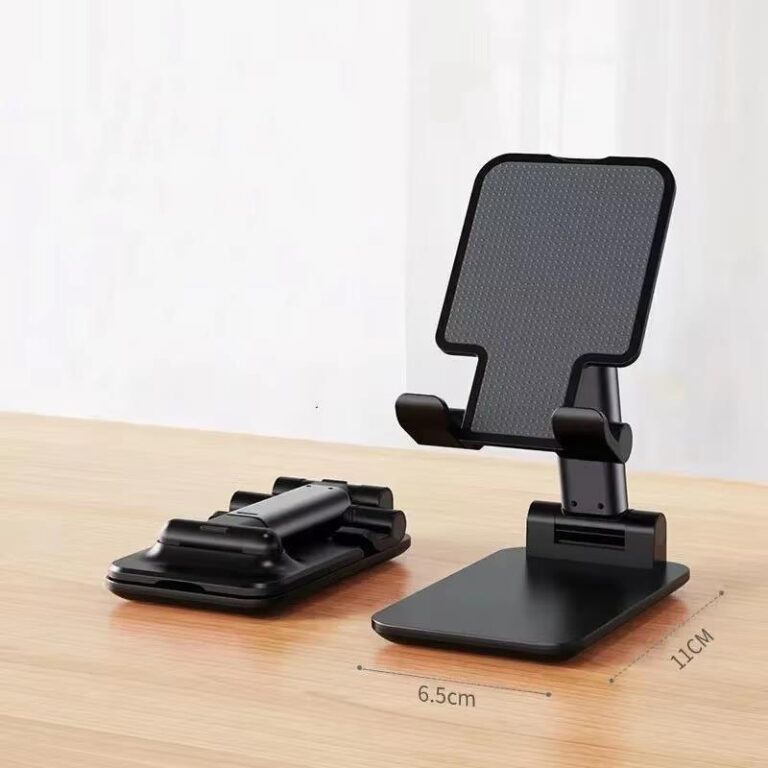
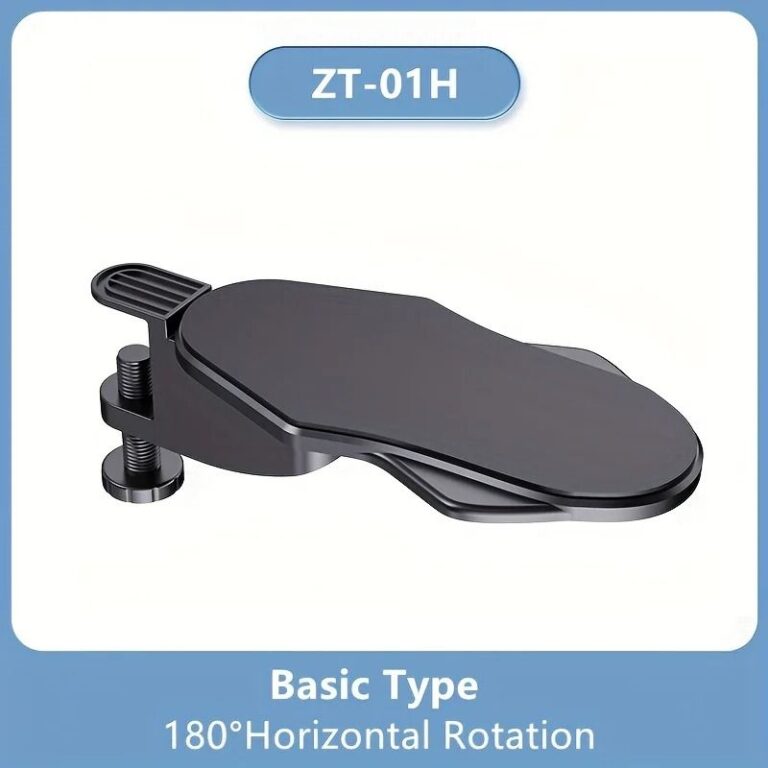 Aisha's pickNatural Height Adjustable Desks for a Home Office That Works
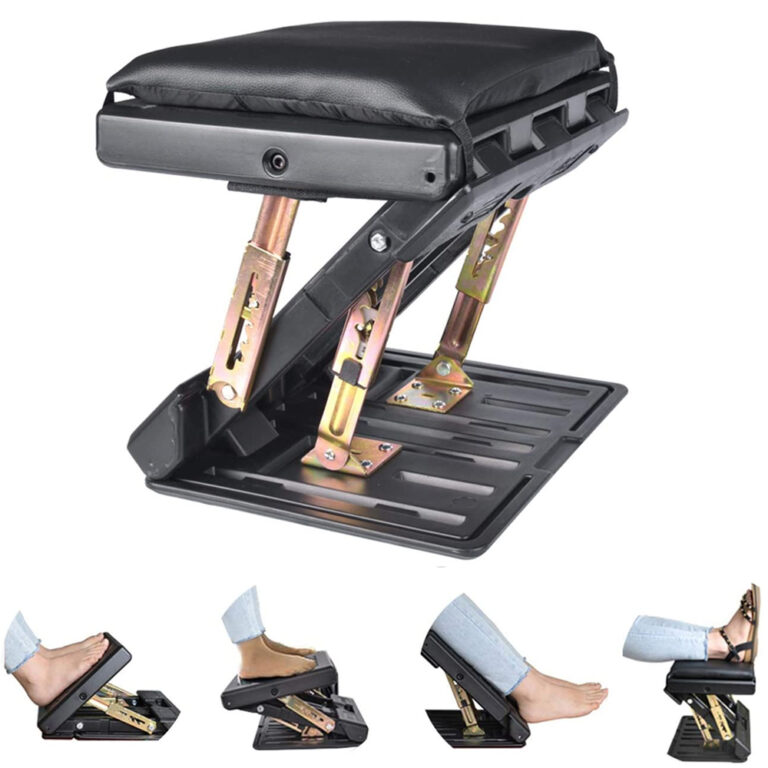
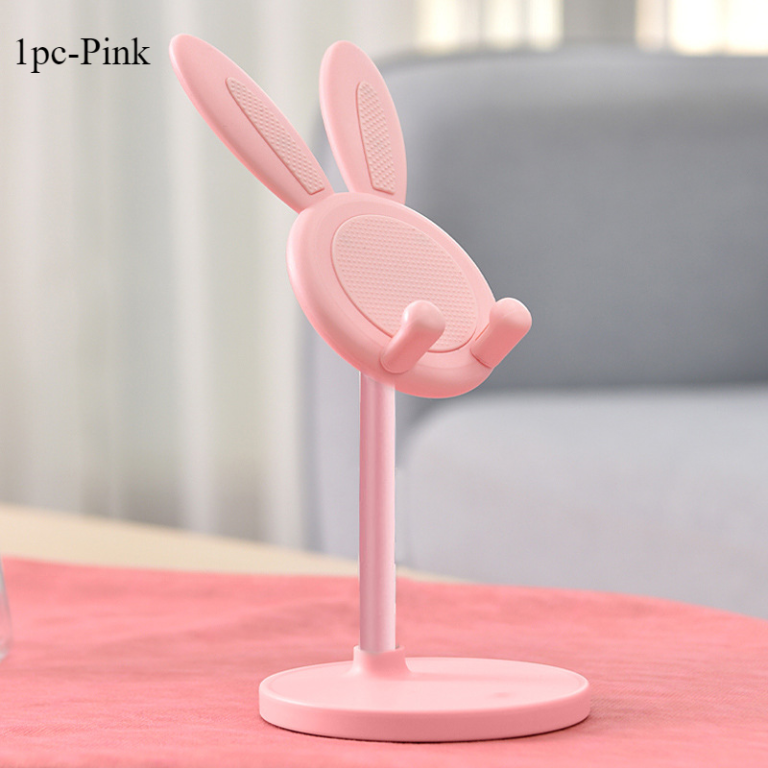 Aisha's pickShopping for Small Height Adjustable Desks? Start Here
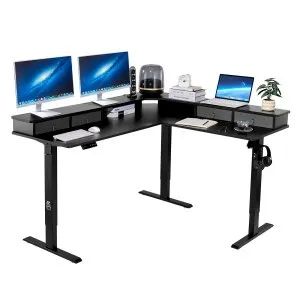
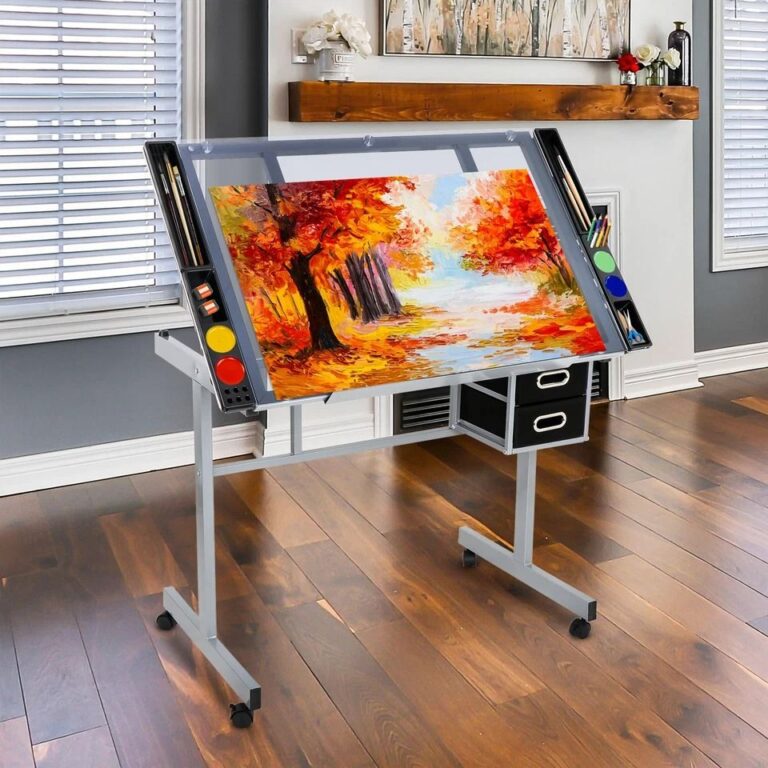 Aisha's pickSteel Height Adjustable Desks That Look Good Up Close
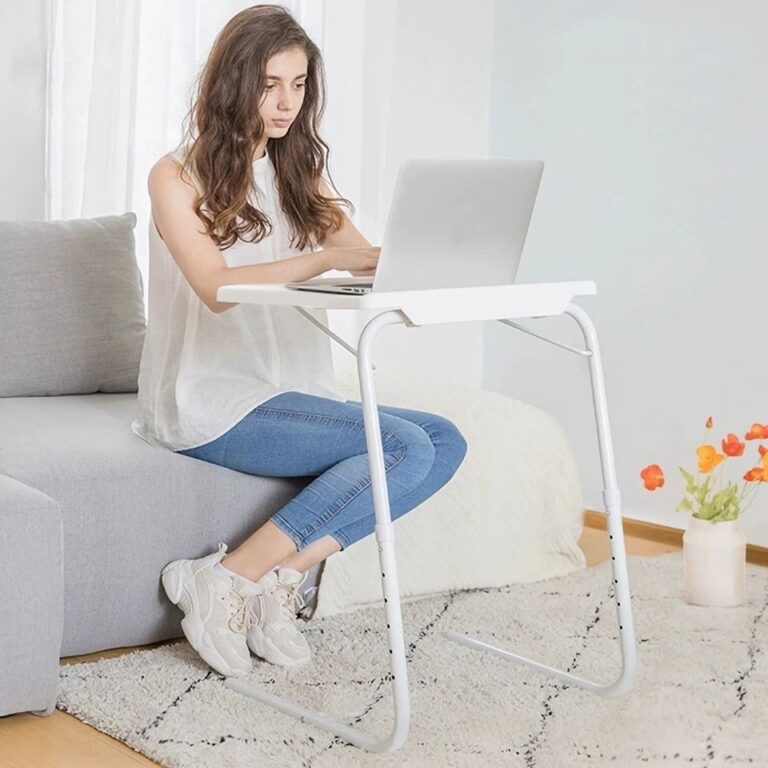
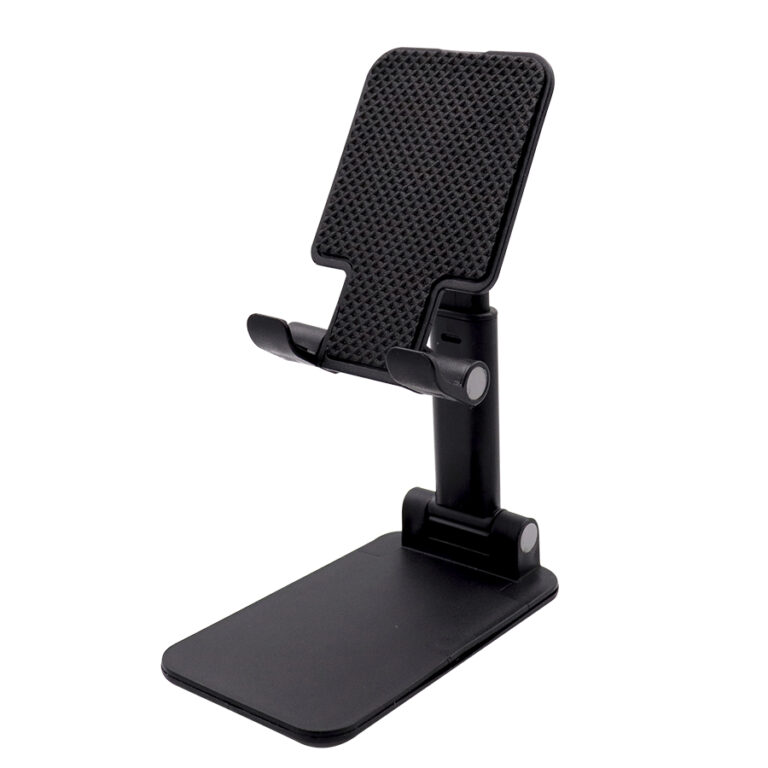 Aisha's pickWhite Height Adjustable Desks Hunted Down So You Don’t Have To
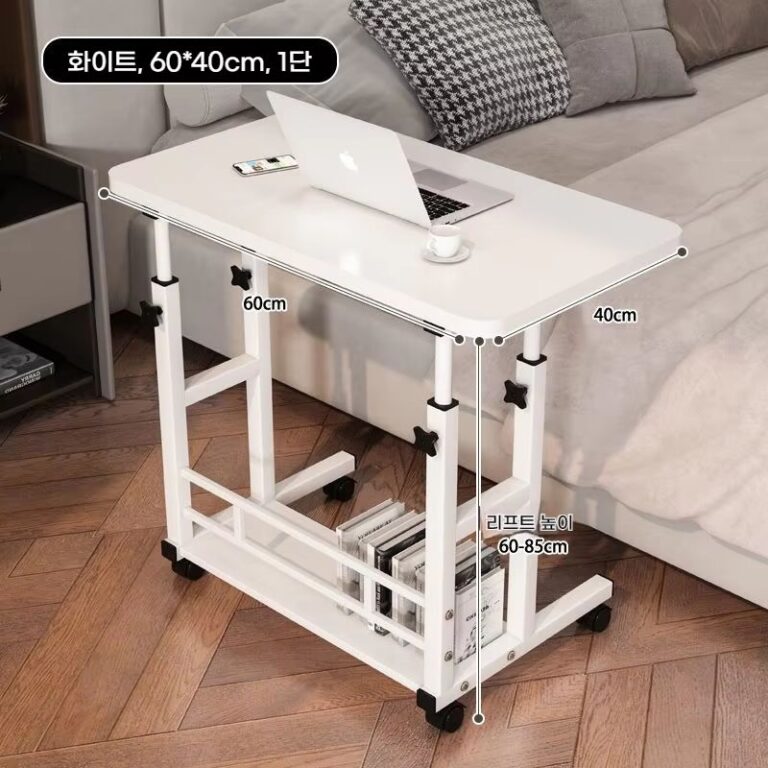
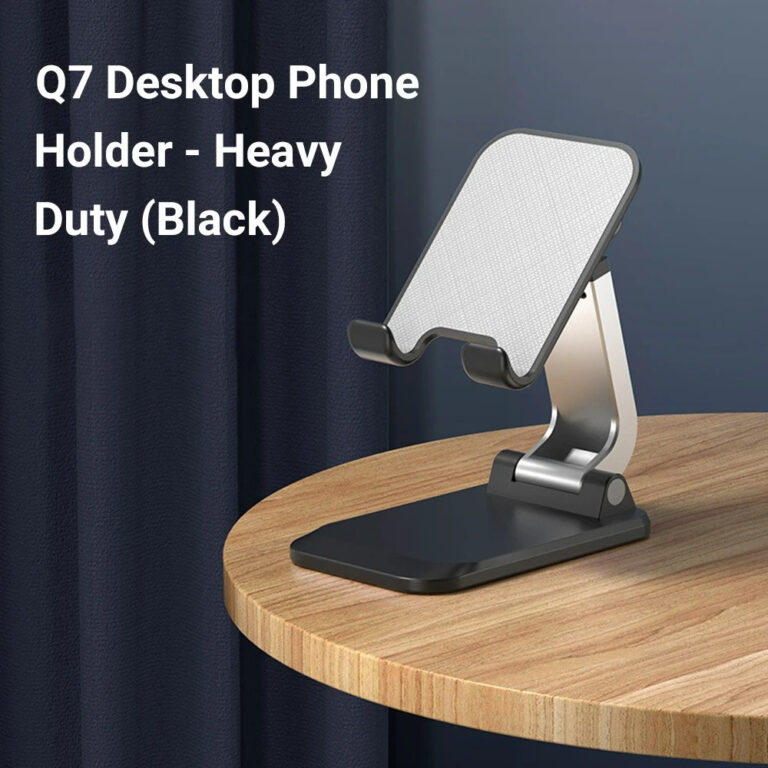 Aisha's pickWide Height Adjustable Desks We Work Beside Every Day
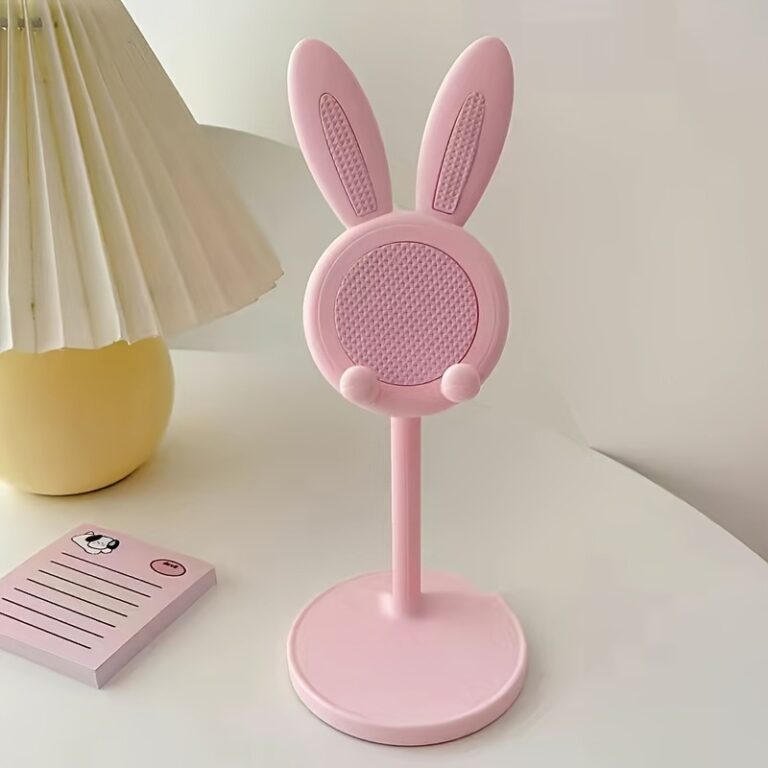
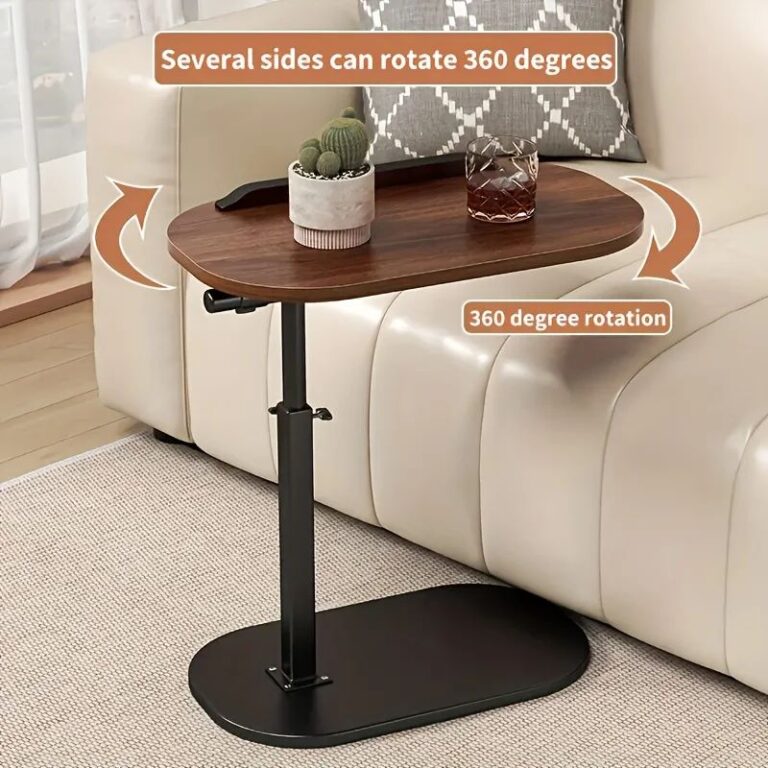 Aisha's pickWood Height Adjustable Desks Picked by People Who Care Too Much
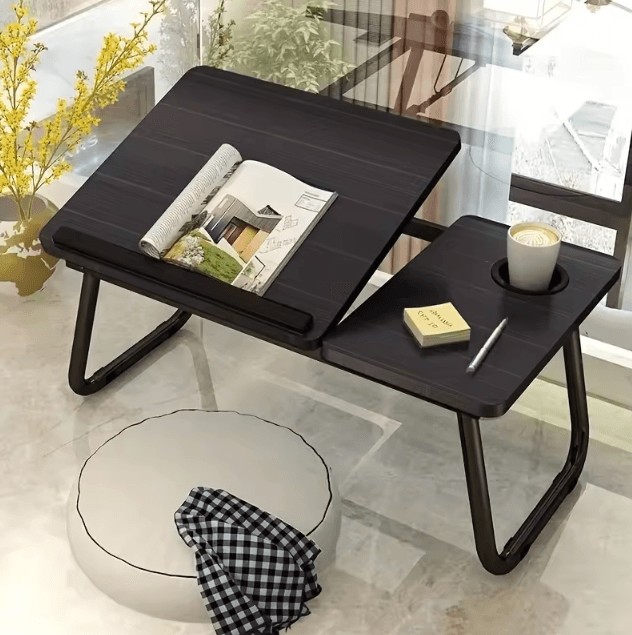
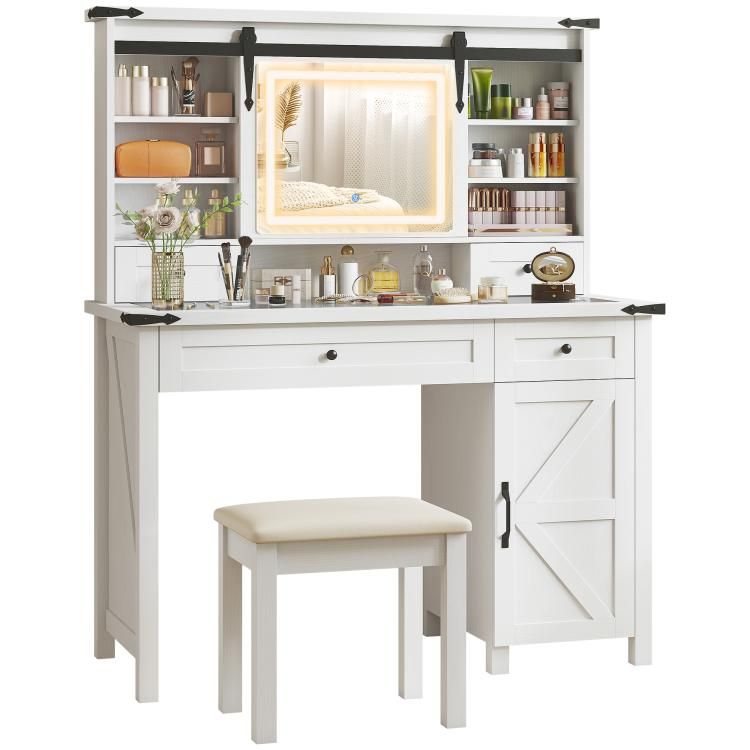 Aisha's pickDecent Black Height Adjustable Desks Without the HassleAlso worth a lookOffice DesksYou can tell from the doorway which desk is which.See the collections →
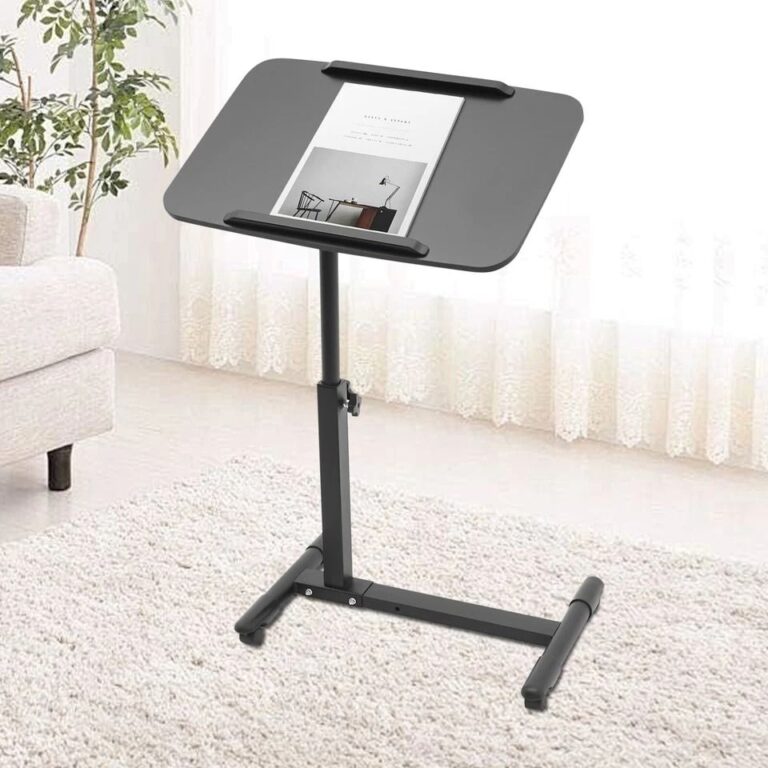
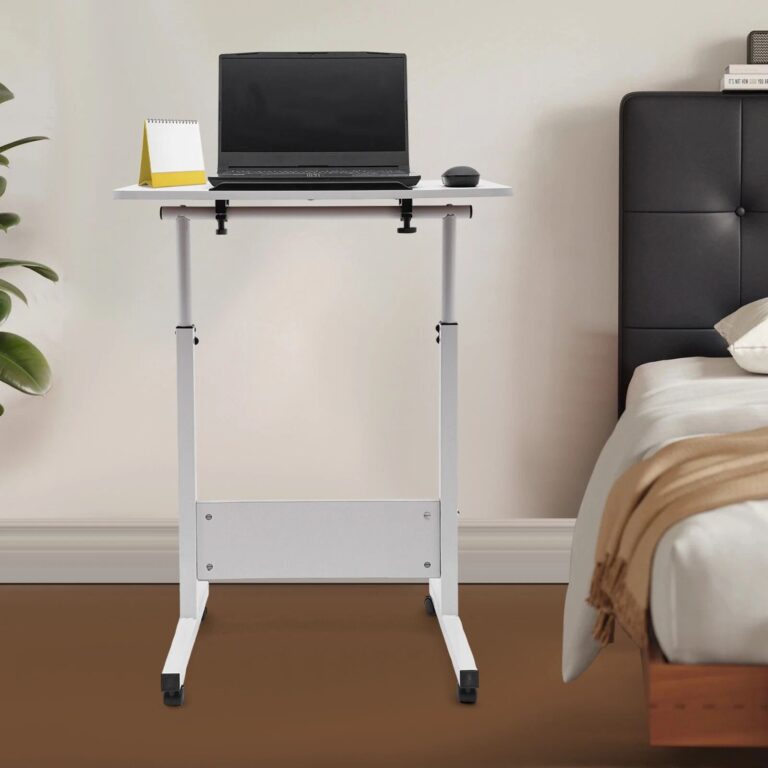 Aisha's pickCompact Height Adjustable Desks With Some Character
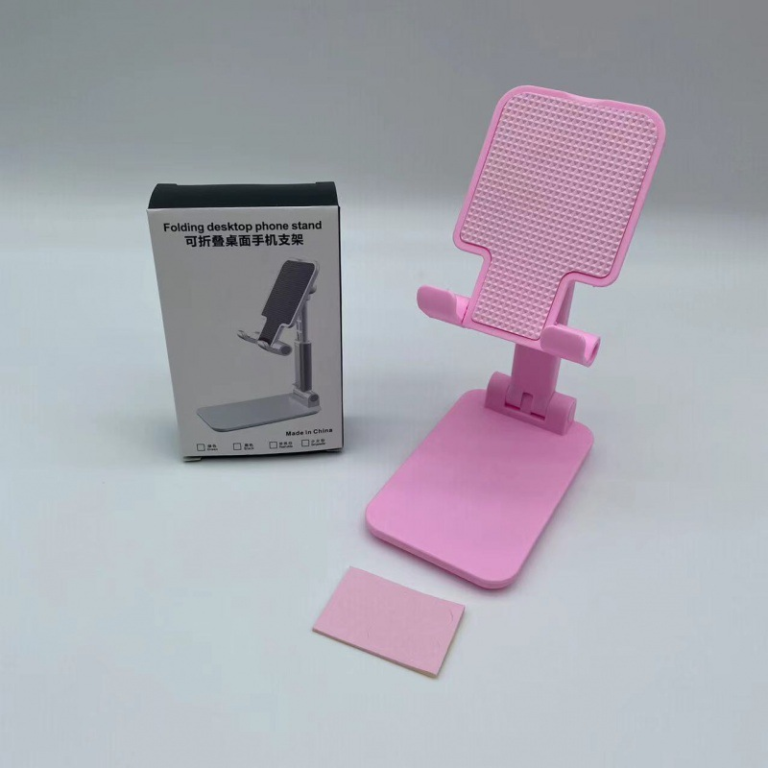
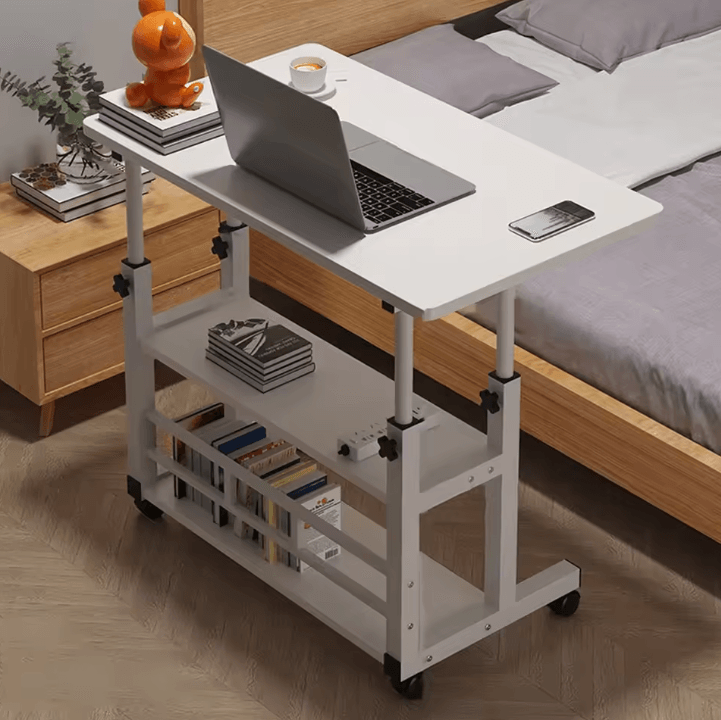 Aisha's pickHeight Adjustable Desks for a Home Office That Works

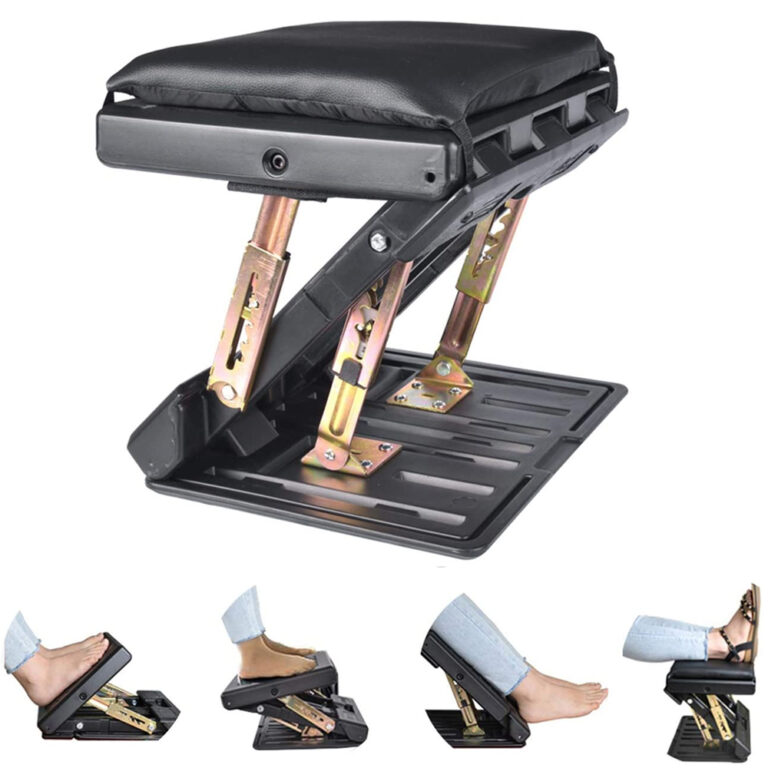 Aisha's pickHeight Adjustable Desk Tops We Work Beside Every Day