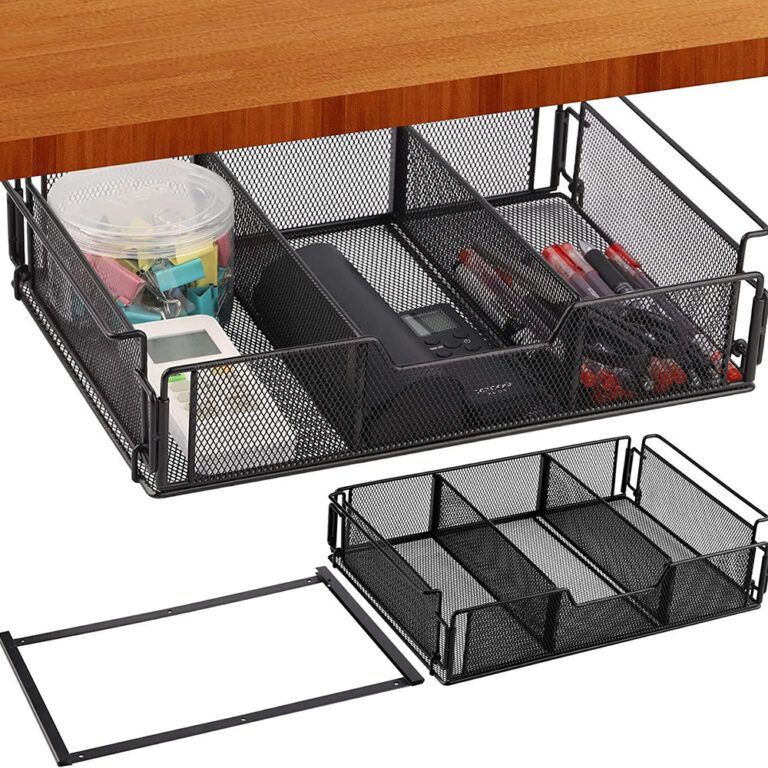
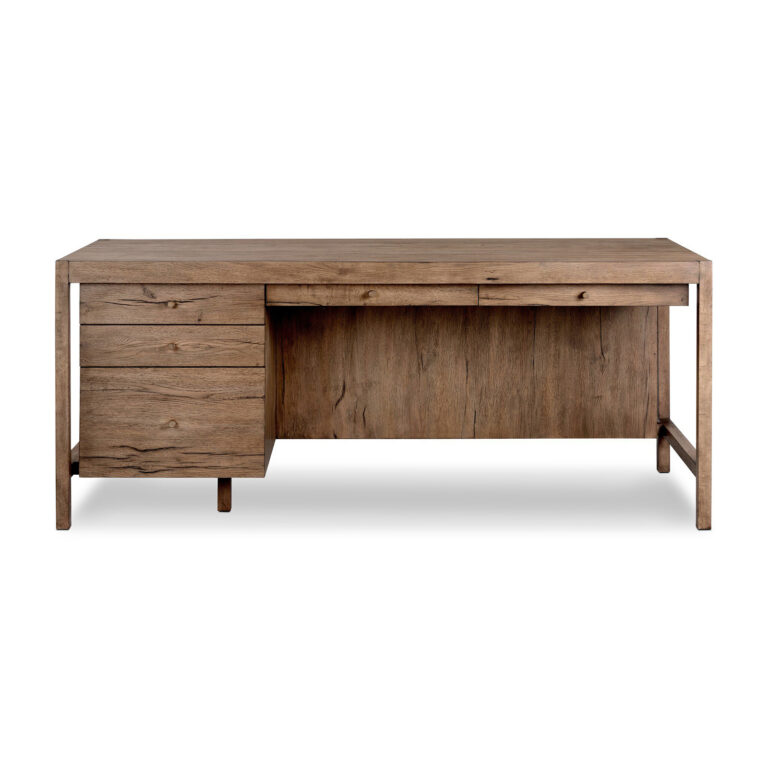
A desk without a drawer is just a shelf you sit at, and I think that's the honest difference. The drawer is where the charger cables and the stray pens and the takeout menus go so the top of the desk stays clear enough to actually work on. Without it, all that stuff ends up in a basket on the floor, and the basket always tips over eventually.
That said, a drawer is not automatically a point in a desk's favor, and it's worth being clear eyed about when it gets in the way. If you need legroom more than storage, a shallow center drawer can sit right at knee height and you'll bang into it for years without ever quite getting used to it. If the desk is going in a tight spot where you need to push a chair all the way under, check the drawer doesn't stick out past the frame, because some do. And if you're someone who works from a laptop and nothing else, you might be better off with the open surface and a tray instead, since a drawer you never open is just dead weight you paid for. The difference between a drawer that earns its spot and one that's an afterthought comes down to how it's built. Pull it open and it should glide, not judder, on real runners rather than just two wooden rails rubbing together. The bottom panel shouldn't bow under the weight of a stapler and a stack of paper. Dovetail or finger joints at the corners last decades, a few pins and glue do not. Give the whole desk a shake. If the drawer rattles or the top flexes when you lean on it, that's not a quirk, that's the thing falling apart in slow motion.
Measuring matters more here than with a plain table, because the drawer eats into usable depth. Standard desk depth runs around twenty four inches, but with a drawer underneath you want at least that, ideally more, so your knees aren't fighting the box above them. Leave two to three inches of clearance between the underside of the drawer and your thighs when seated, and measure your own chair arm height too, since a lot of drawers sit lower than people expect. Width should give you room for the desk itself plus enough wall or floor space to pull the drawer fully open without hitting a radiator or a plug socket, which I have absolutely done.
For finishes, a natural or mid toned wood hides scuffs and water rings far better than anything painted white, and it ages into something nicer rather than something tired. Matte black frames are forgiving too. Glossy white looks sharp in a listing photo and shows every fingerprint within a week of actual use.
 Aisha's pickBlack Desks with Drawers That Look Better in Real Life
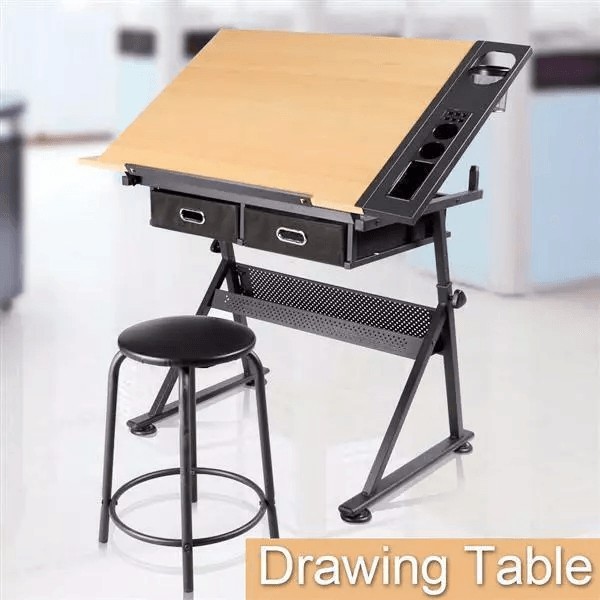 Aisha's pickStudy Desks with Drawers You’ll Keep for Years

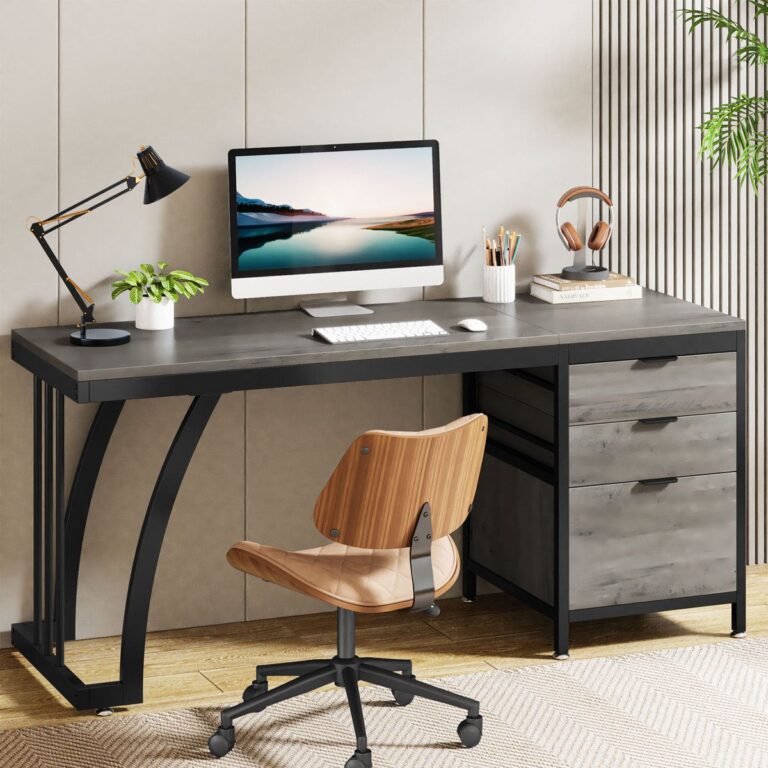 Aisha's pickComputer Desks with Drawer From Brands You Know and a Few You Won’t
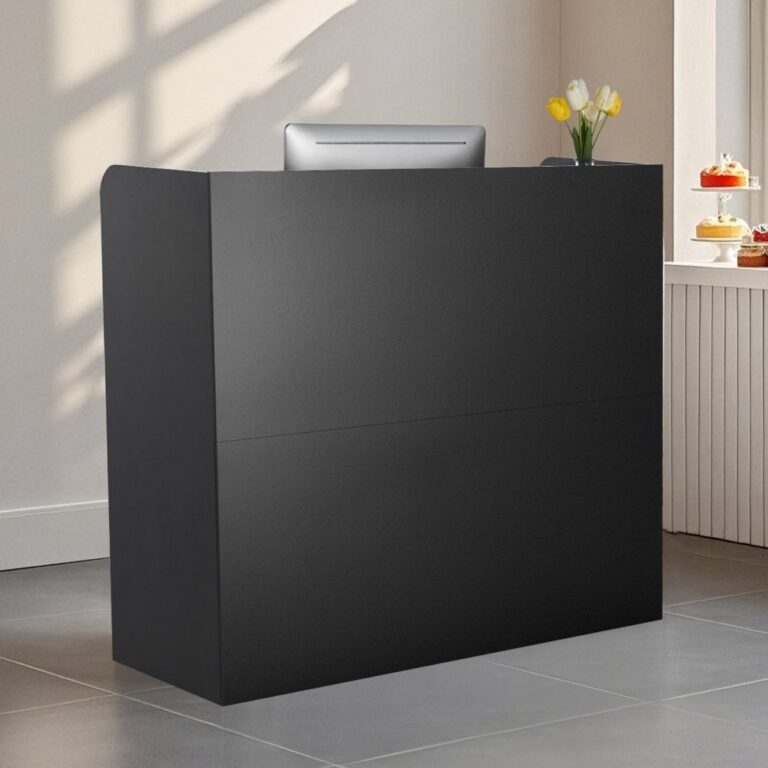
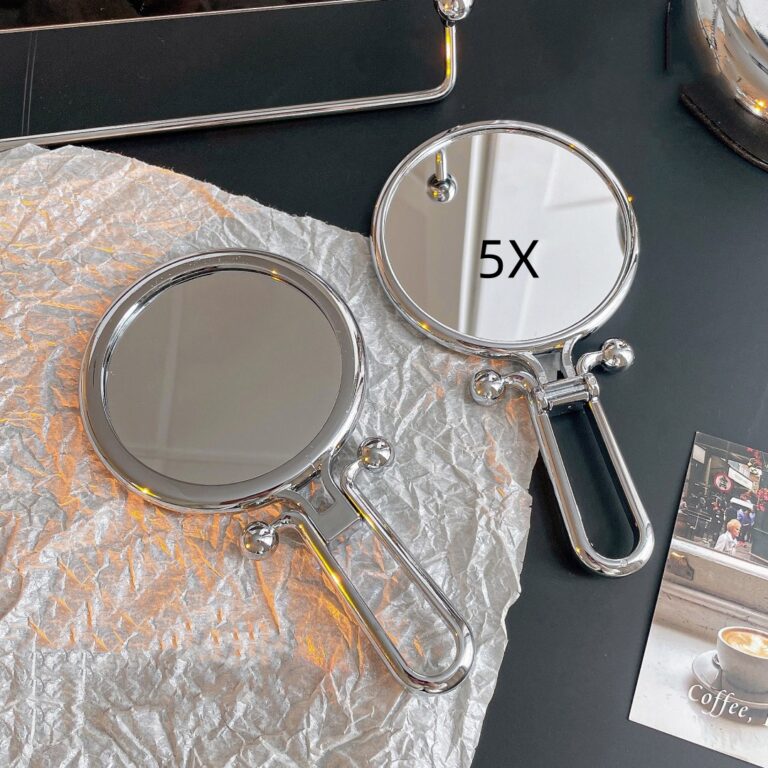 Aisha's pickVanity Desks with Drawers Without the Silly Price Tag
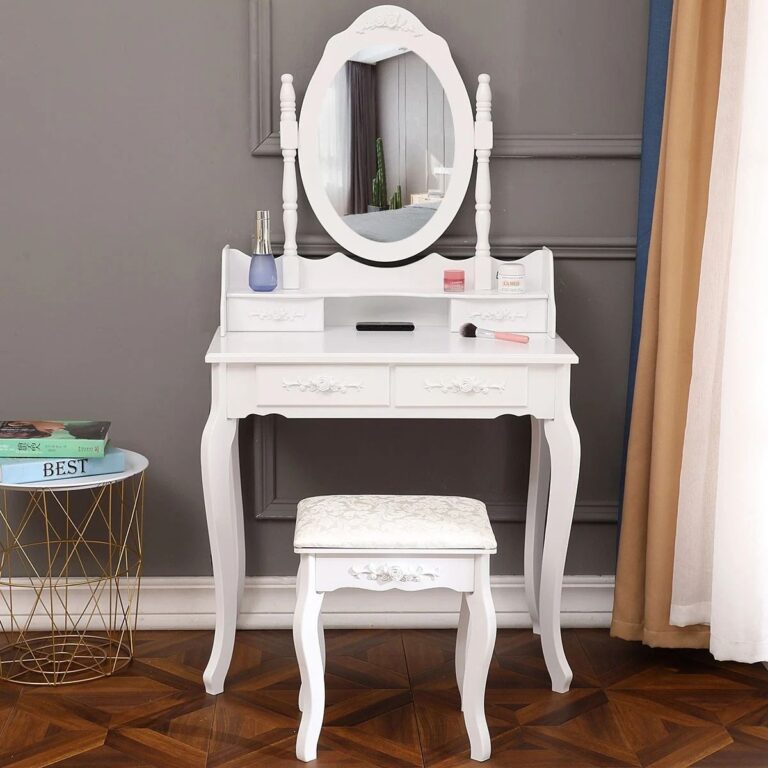
 Aisha's pickGood Computer Desks with Drawers That Don’t Cost a Fortune

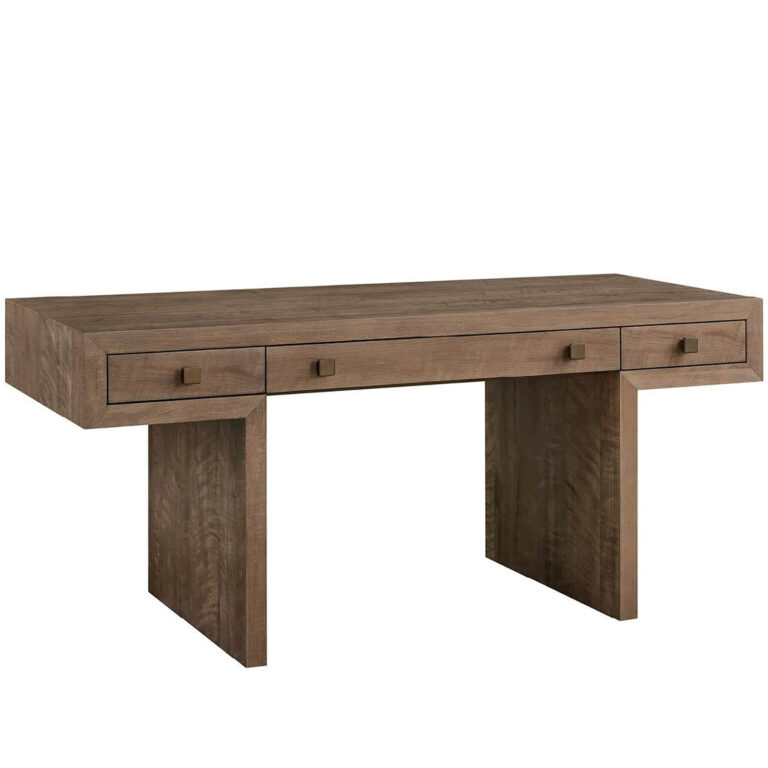 Aisha's pickDecent Walnut Desks with Drawers Without the Hassle
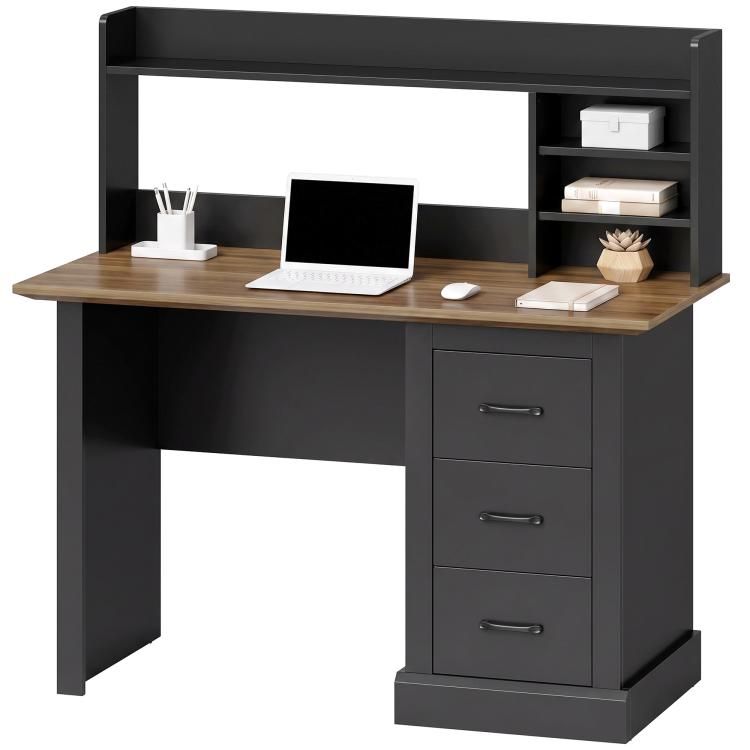
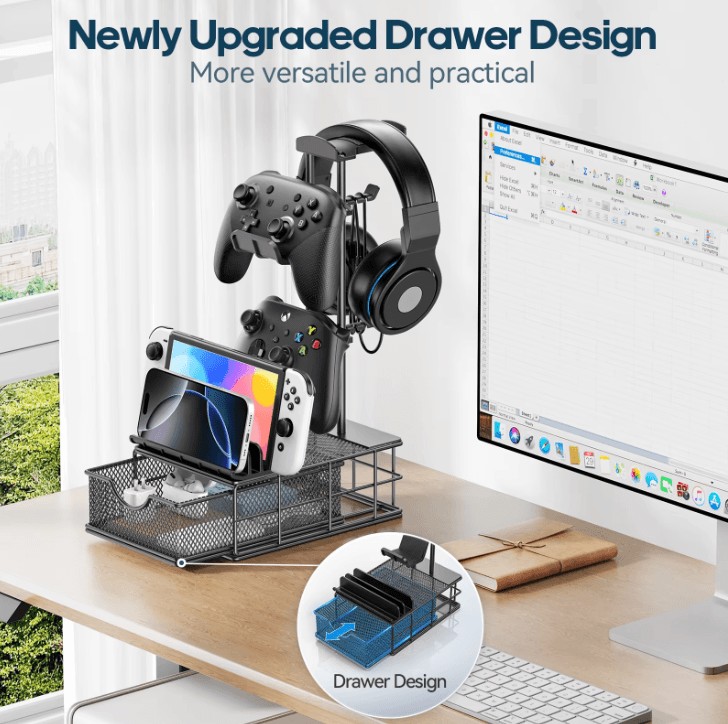 Aisha's pickConsole Desks with Drawer You Won’t Want to Hide Away
 Aisha's pickOur Shortlist of White Desks with Drawer
 Aisha's pickCorner Desks with Drawer We Work Beside Every DayAlso worth a lookOffice DesksYou can tell from the doorway which desk is which.See the collections →
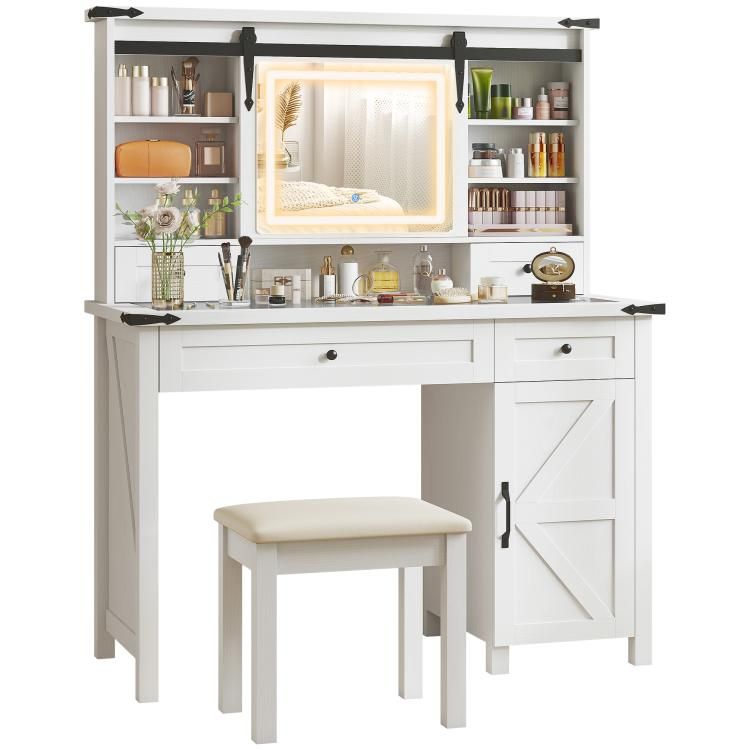 Aisha's pickWhite Desks with Drawers That Make Small Changes Feel Big
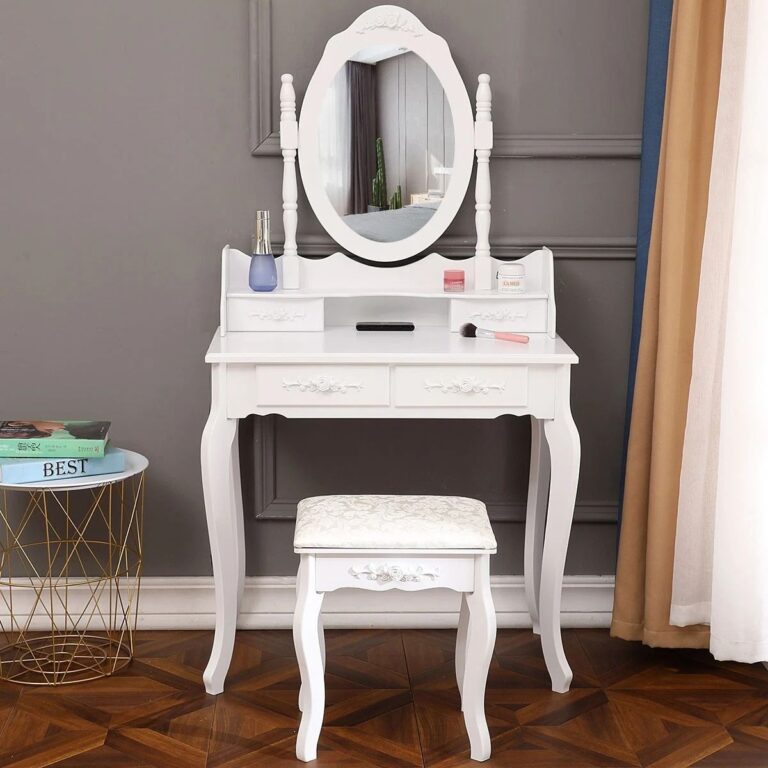
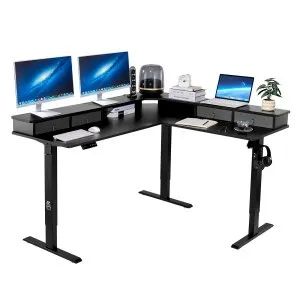 Aisha's pickShopping for Corner Desks with Drawers? Start Here
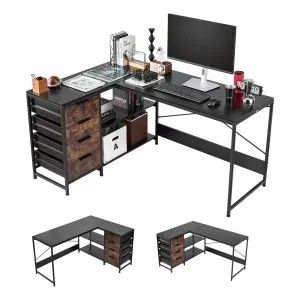
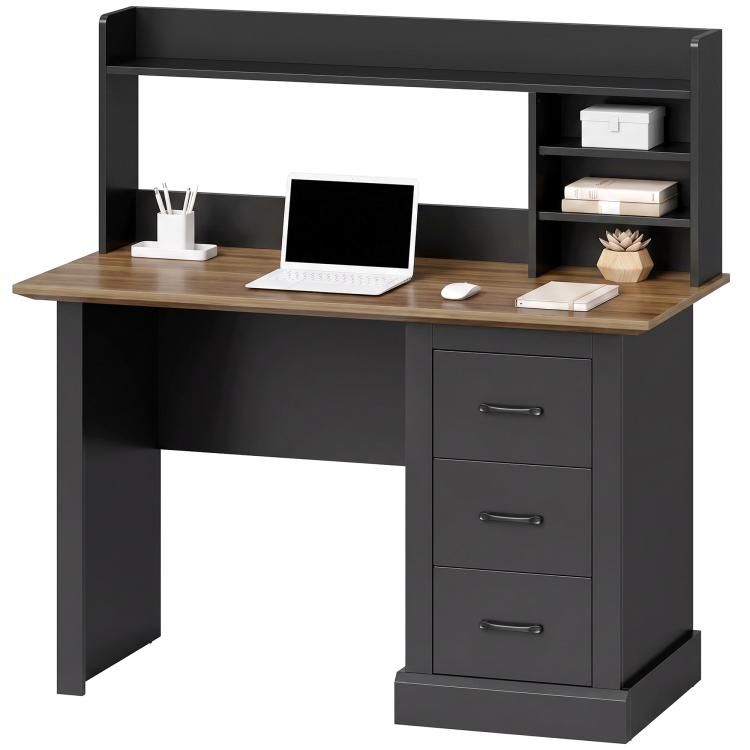 Aisha's pickShopping for Desk Tops with Drawer? Start Here
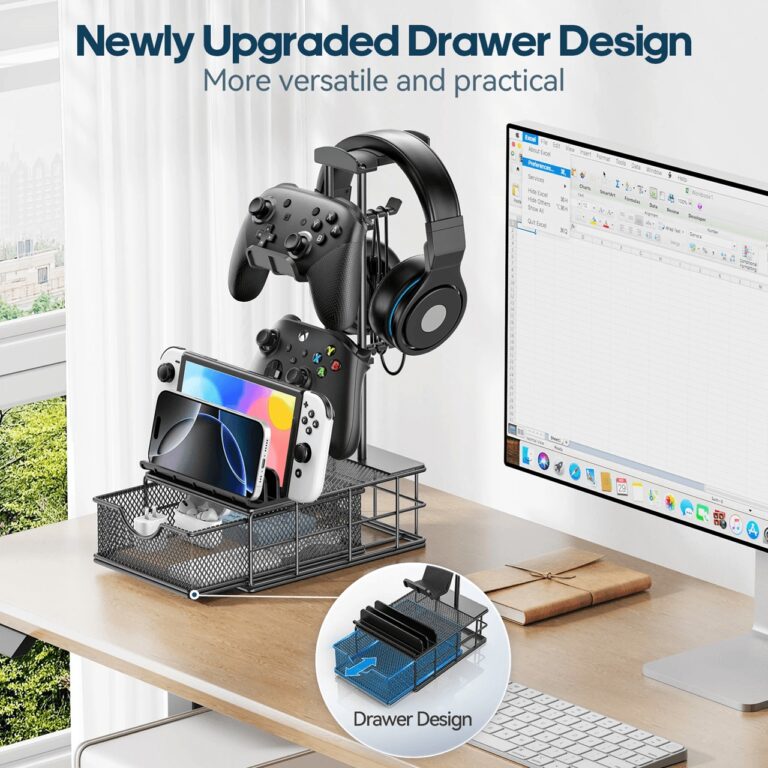
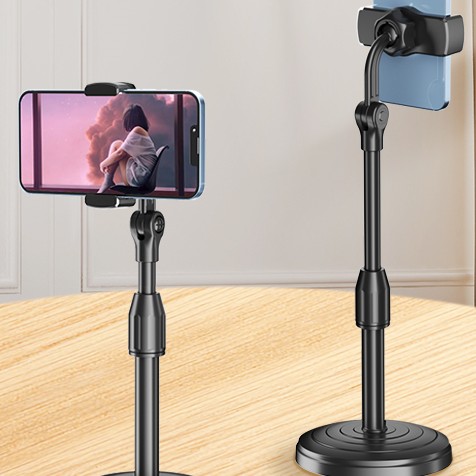 Aisha's pickDesks with Drawer You Won’t Want to Hide Away
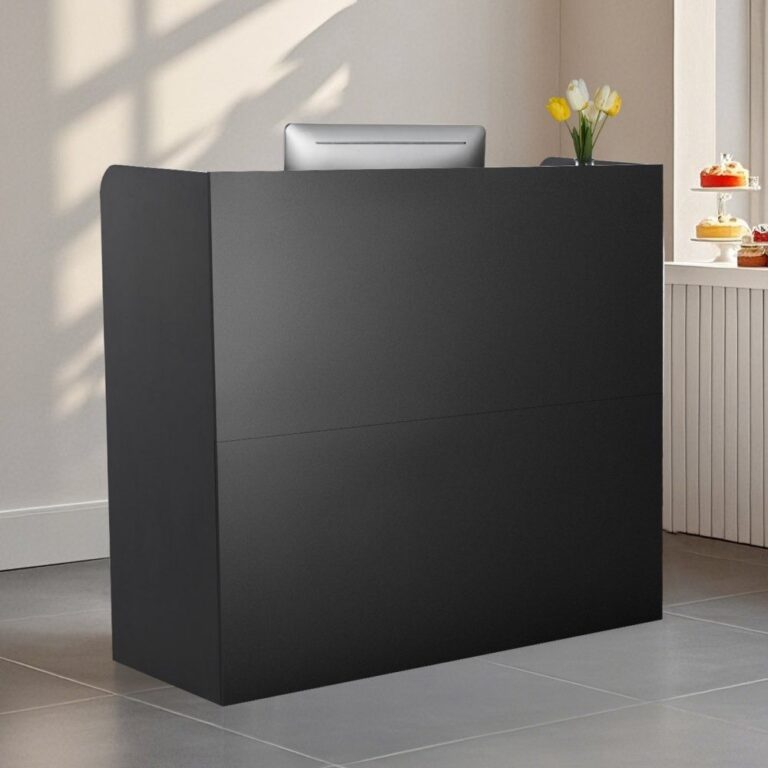
 Aisha's pickDesks with Drawers We’d Buy Again
 Aisha's pickGray Desks with Drawers That Fit Into Real Life
 Aisha's pickHeight Adjustable Desks with Drawers That Don’t Shout About It
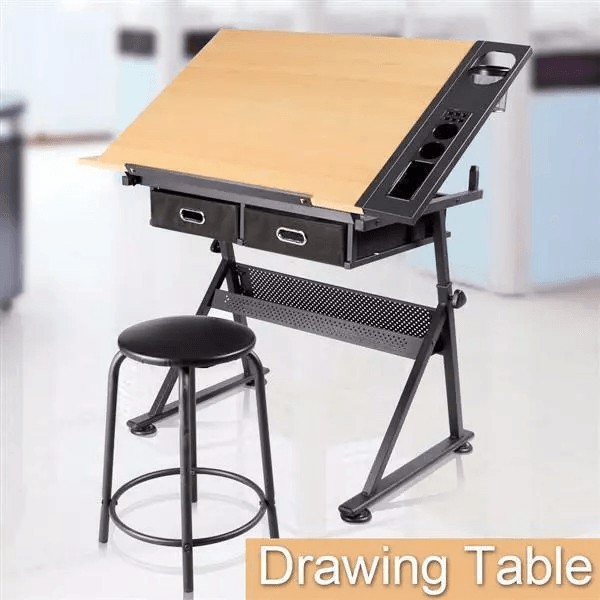
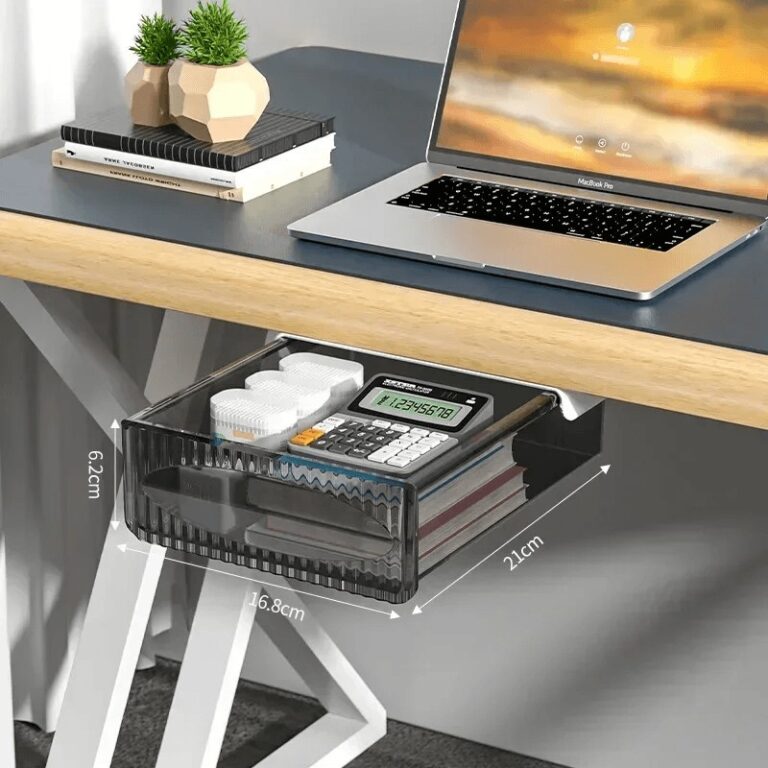 Aisha's pickThe Home Office Desks with Drawer Worth Your Cash
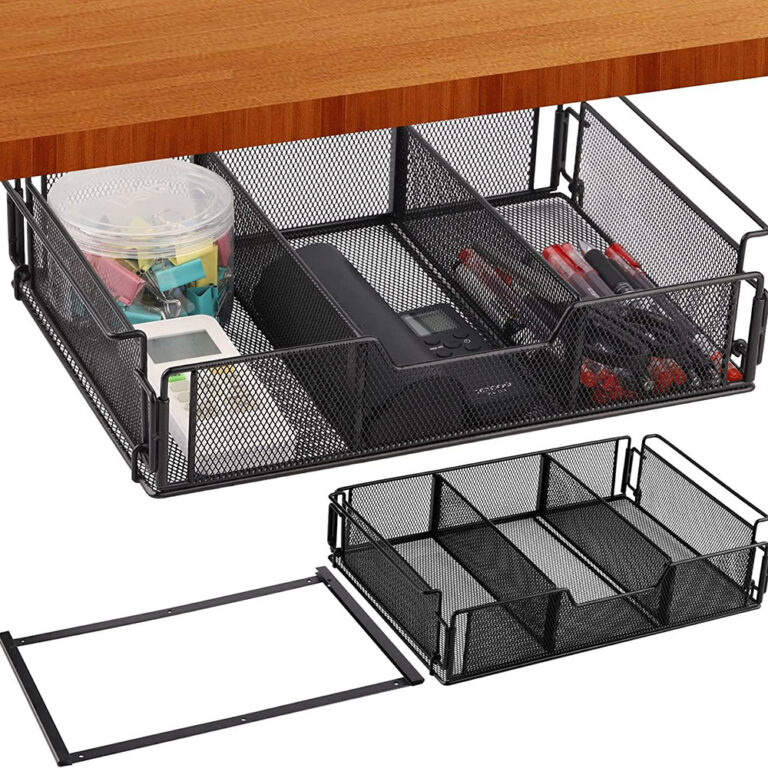
 Aisha's pickHome Office Desks with Drawers We Keep Coming Back ToAlso worth a lookSmall DesksHow small is too small? I'd say anything under about 36 inches wide works for a laptop, a…See the collections →

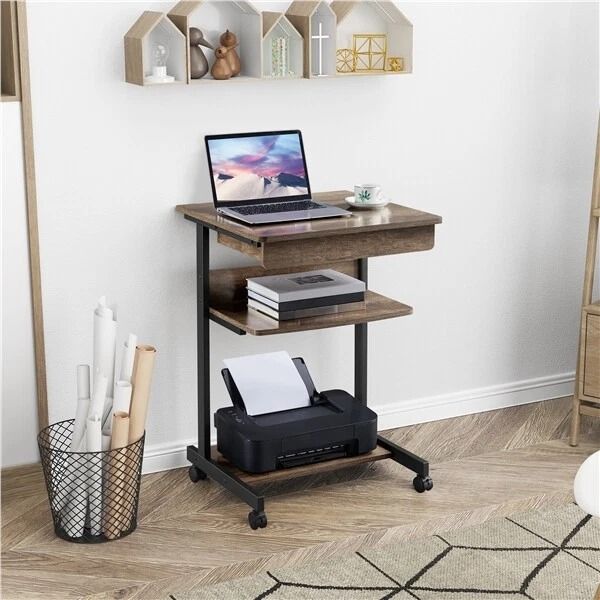 Aisha's pickShopping for Bedroom Desks with Drawer? Start Here
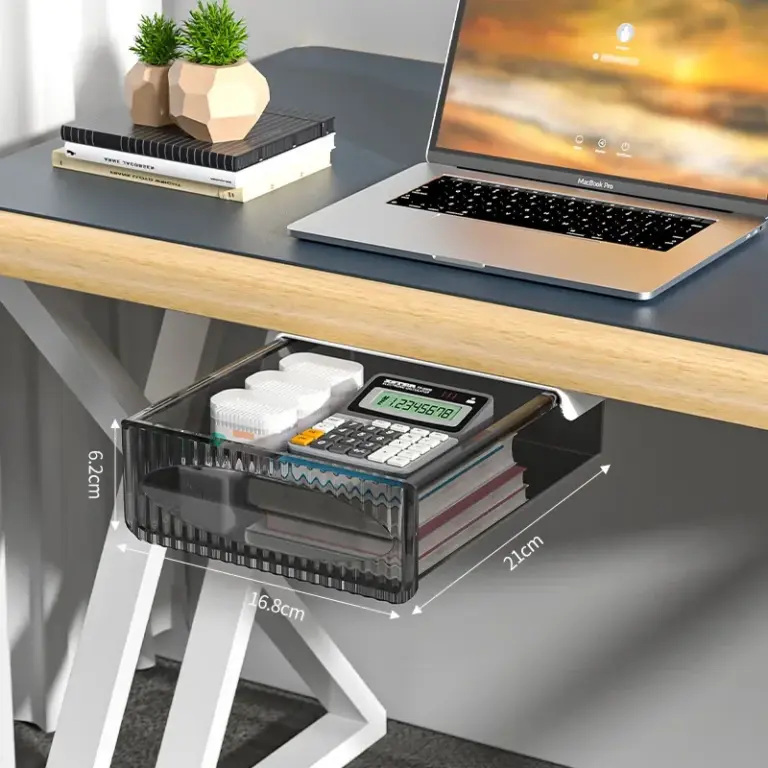
 Aisha's pickShopping for Office Desks with Drawer? Start Here
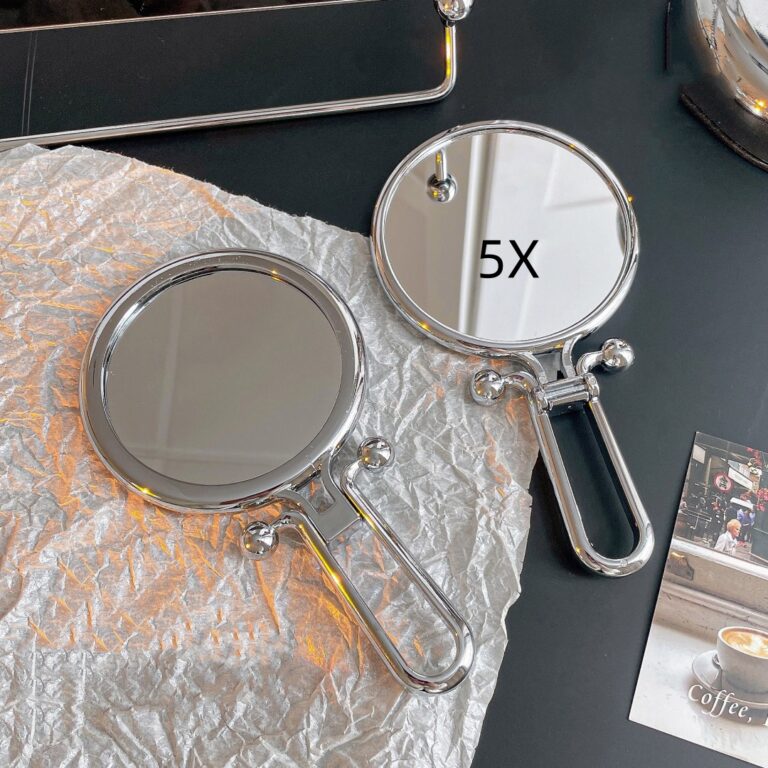 Aisha's pickBedroom Desks with Drawers That Don’t Look Mass Produced
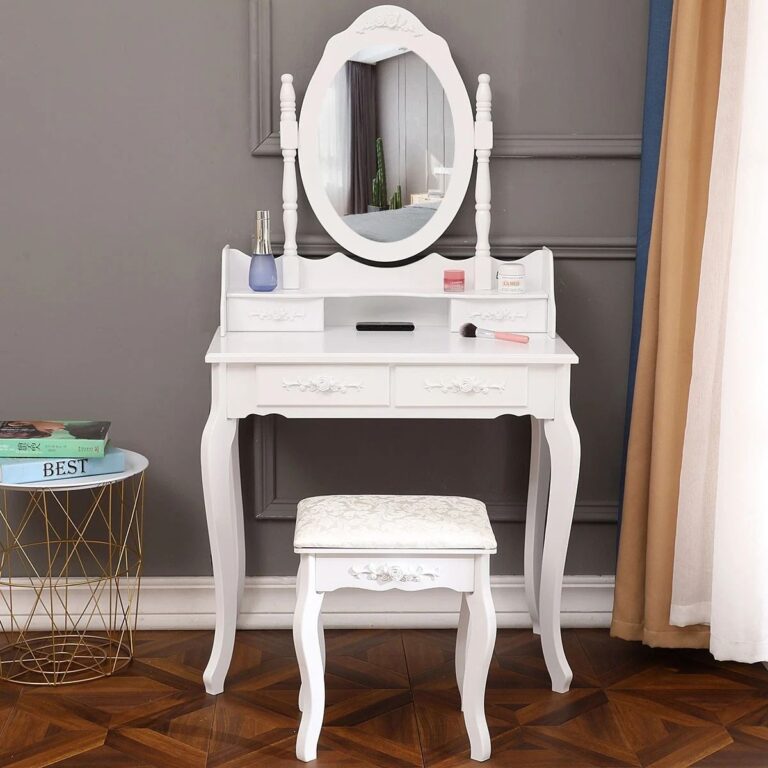
 Aisha's pickOffice Desks with Drawers You Won’t Want to Hide Away