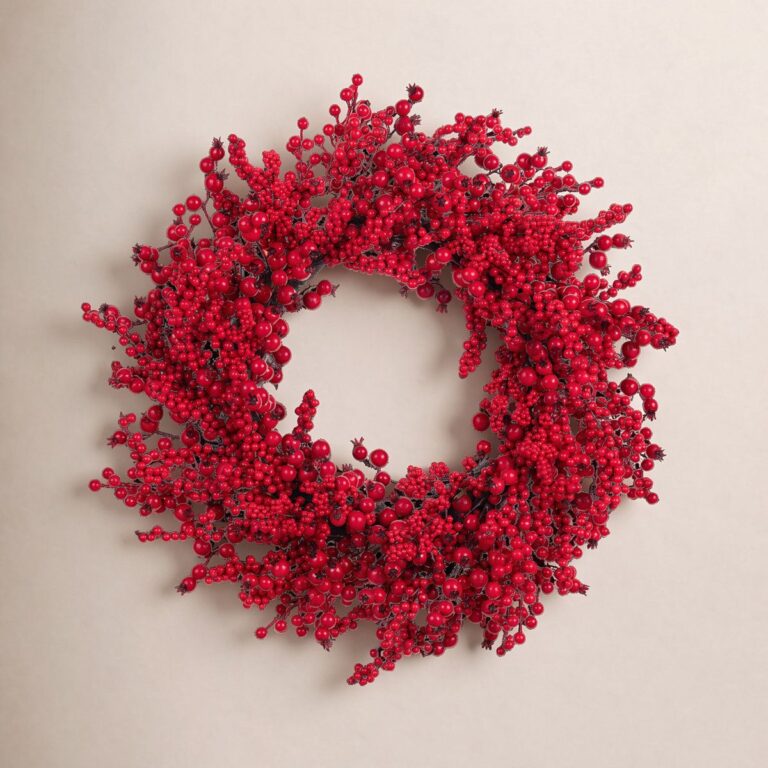
Red used to mean one thing at Christmas: a particular shiny, slightly orange red that showed up on everything from tinsel to tree skirts and made a room look like a fire engine had been sick on it. That's mostly gone now. The red you find these days splits into proper categories, a deep wine or berry tone, a matte brick red, a glossy cherry for the pieces that want to shine, and you can actually build a room around one of those instead of fighting it. Better, in my opinion, by a wide margin.
The difference between a good red ornament and a sad one is almost always in the finish and the weight. Cheap glass baubles have a thin, uneven coat that goes patchy under lamp light, and the cap is often a stapled wire loop that pulls loose by the second Christmas. Pick one up and turn it over. A better one has a smooth, consistent glaze or a proper matte velvet flock, a metal cap that's actually crimped or glued into a groove, not just jammed on, and glass with enough heft that it doesn't feel like it'll go in your palm. Fabric pieces, stockings, tree skirts, ribbon, should have finished seams and a weave that doesn't fray the first time it brushes against a sleeve.
Red sits well against the things you already own, which is its whole advantage. Dark wood furniture, green foliage obviously, brass or gold hardware, and plain white or cream walls all make red look richer rather than cartoonish. It's a color that behaves worse under cool white bulbs and genuinely glows under warm ones, so if your string lights lean blue white, that cherry red ornament is going to look dull no matter how good it is.
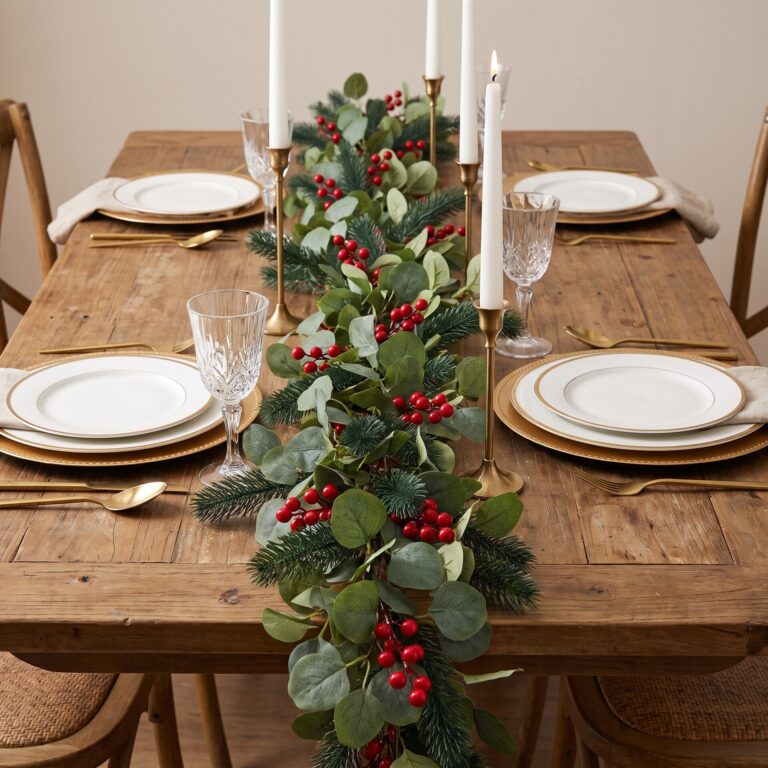
It suits almost any home honestly, apartments included, because you're not committing much wall space to it, just a tree, a mantel, a table runner. It reads best in the darker months when the room is mostly lit by lamps and candles rather than daylight, which is most of December anyway.
For scale, hold the ornament or the piece up against the space it's meant to fill before you buy a box of them. A tree skirt should sit a few inches past the widest branches, not stop short, and stockings look thin and sad hung three to a narrow mantel when two slightly bigger ones would have filled it properly. The common mistake is buying one shade of red in six different finishes and ending up with a tree that looks assembled by committee rather than chosen by one person.
It won't make a beige room feel transformed on its own, it's a color, not a renovation.

 Aisha's pickRed Christmas Decorations for Front Door That Don’t Shout About It

 Aisha's pickRed Christmas Wreaths You Won’t Regret Buying

 Aisha's pickRed Christmas Decorations for Tree Hunted Down So You Don’t Have To

 Aisha's pickRed Christmas Wreaths for Front Door Worth Knowing About
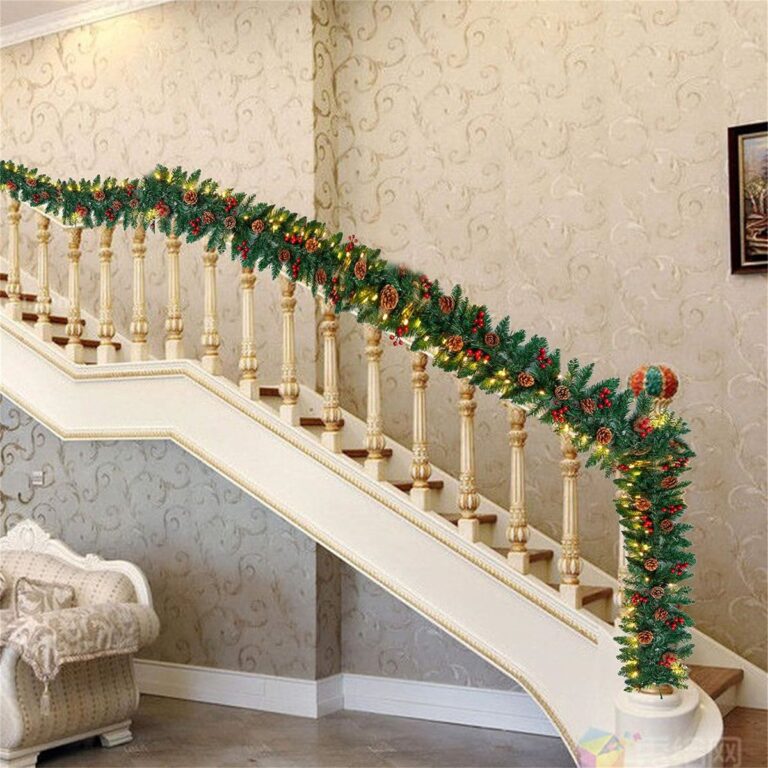 Aisha's pickRed Christmas Decorations with Lights That Earn Their Keep
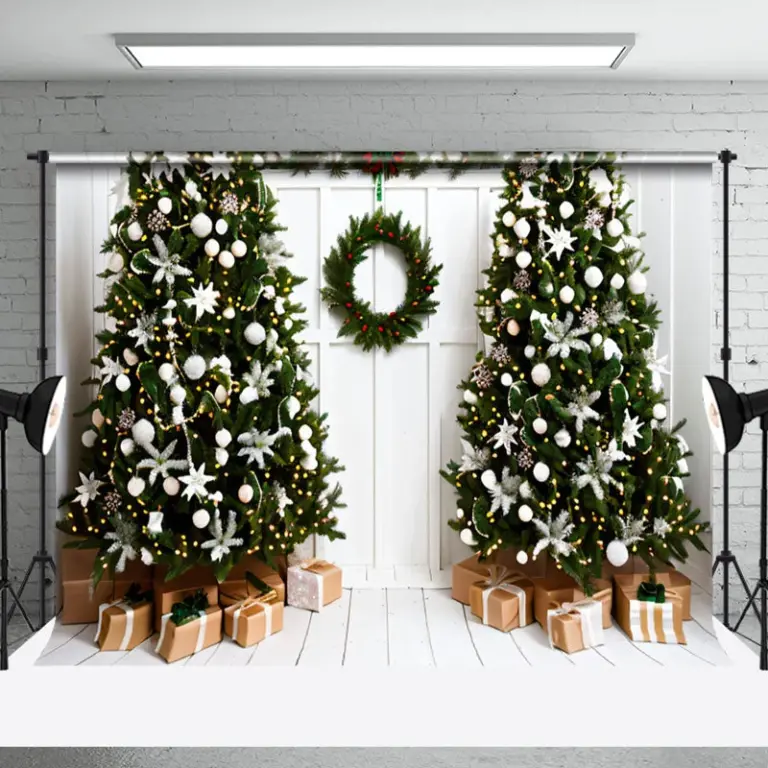 Aisha's pickRed Christmas Wreaths for Tree That Look Better in Real Life

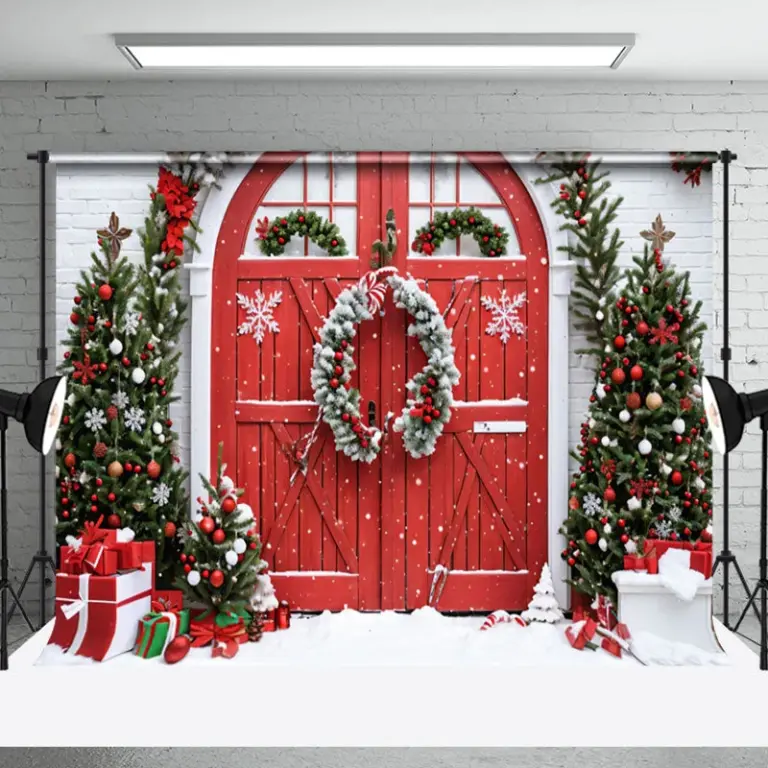 Aisha's pickRed Christmas Door Wreaths That Survive Kids and Pets
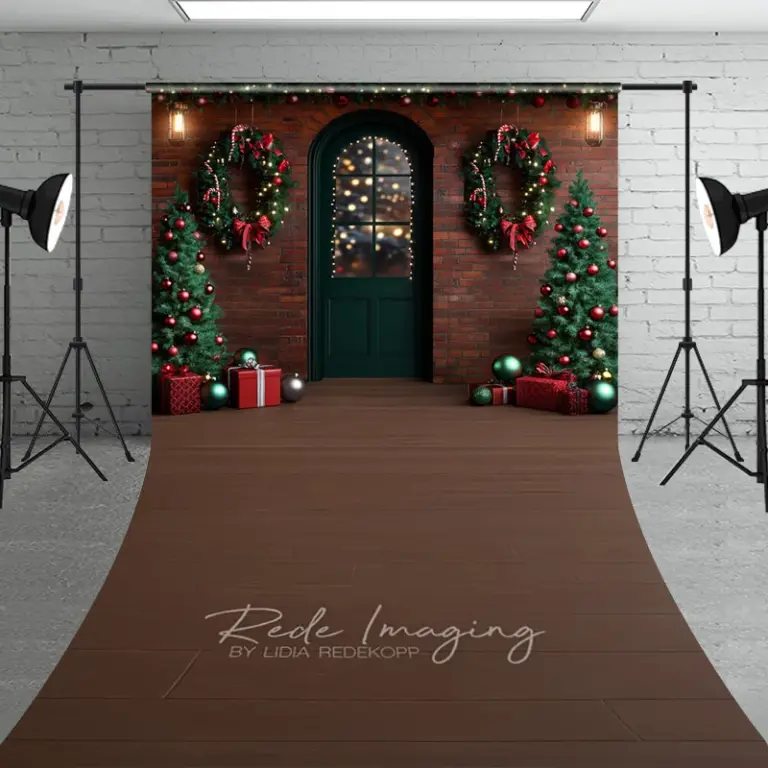
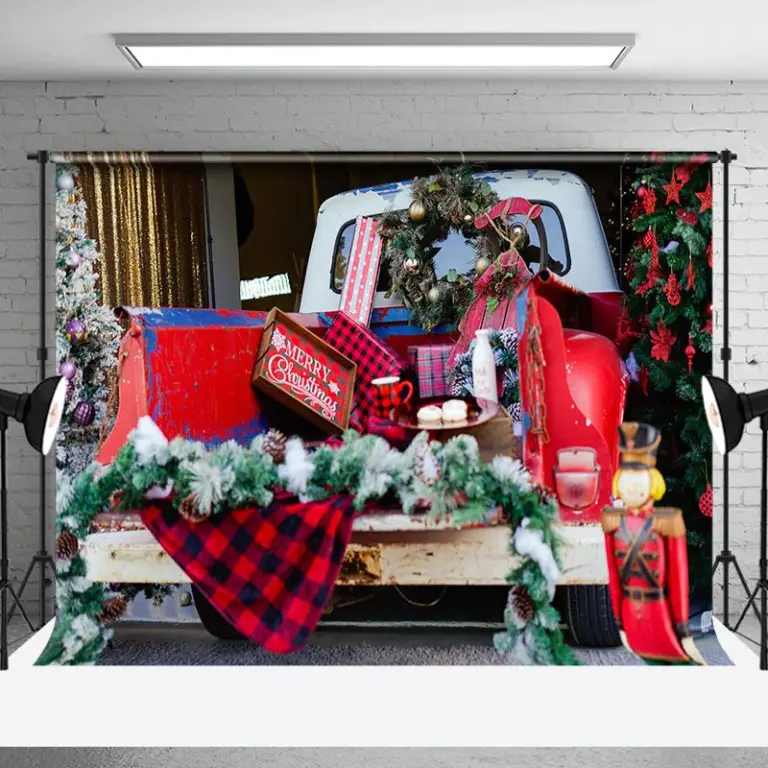 Aisha's pickRed Christmas Wreaths with Lights Without the Silly Price Tag
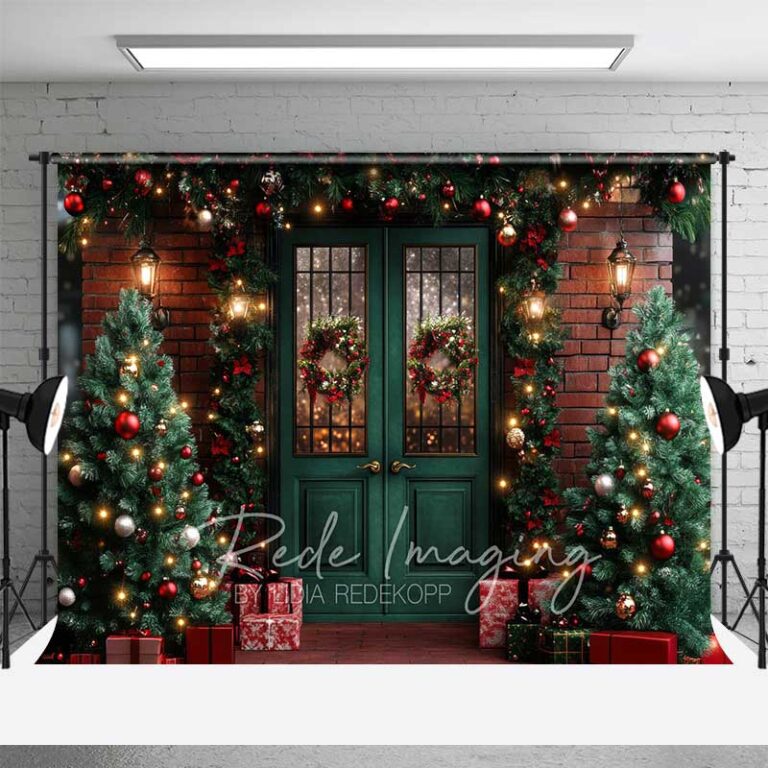
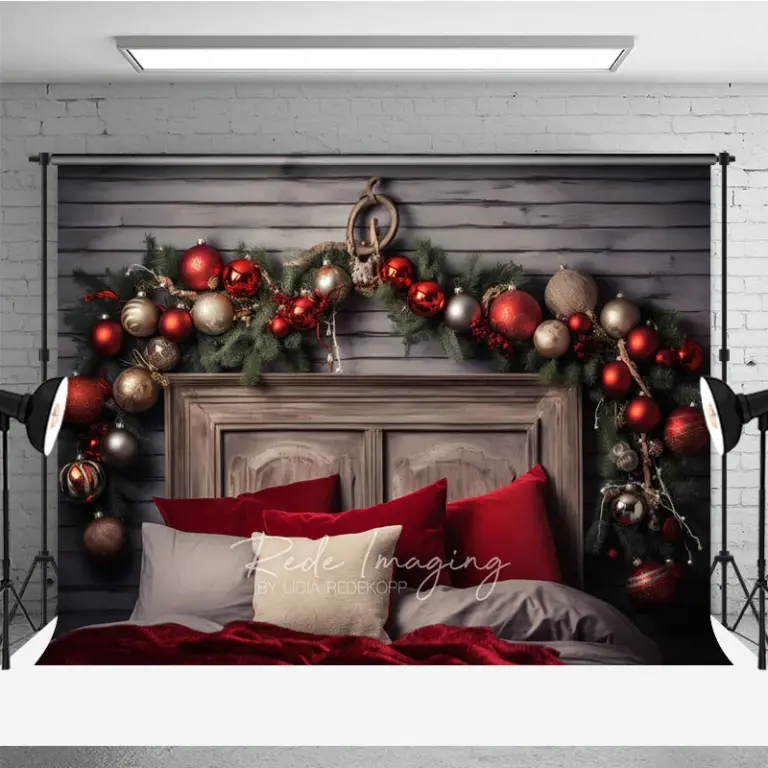 Aisha's pickRed Christmas Garlands Picked by People Who Care Too MuchAlso worth a lookChristmas OrnamentsOrnaments used to mean one box of mismatched glass balls passed down until half of them were bald…See the collections →
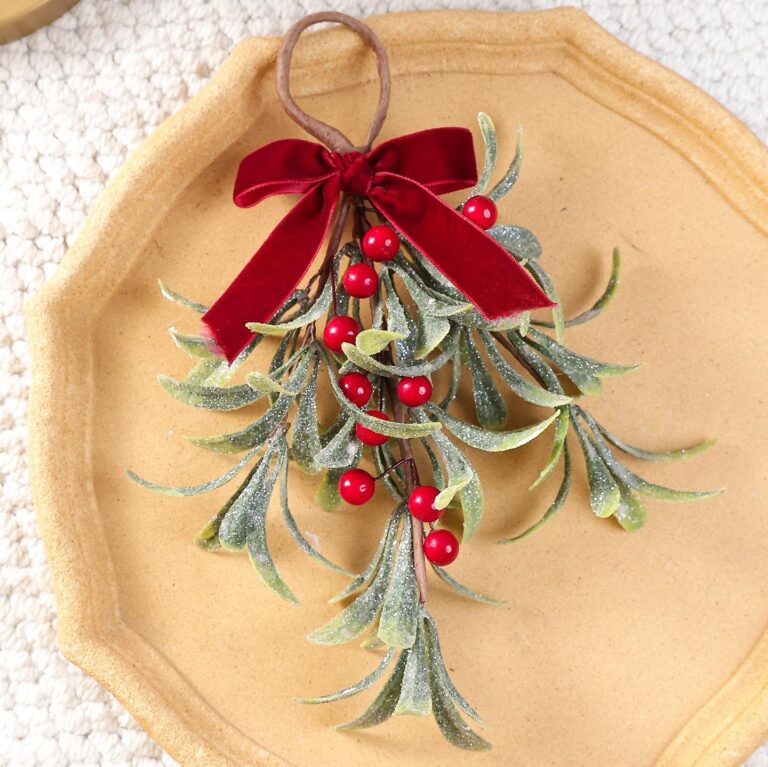 Aisha's pickRed Glitter Christmas Decorations That Survive Being Packed Away

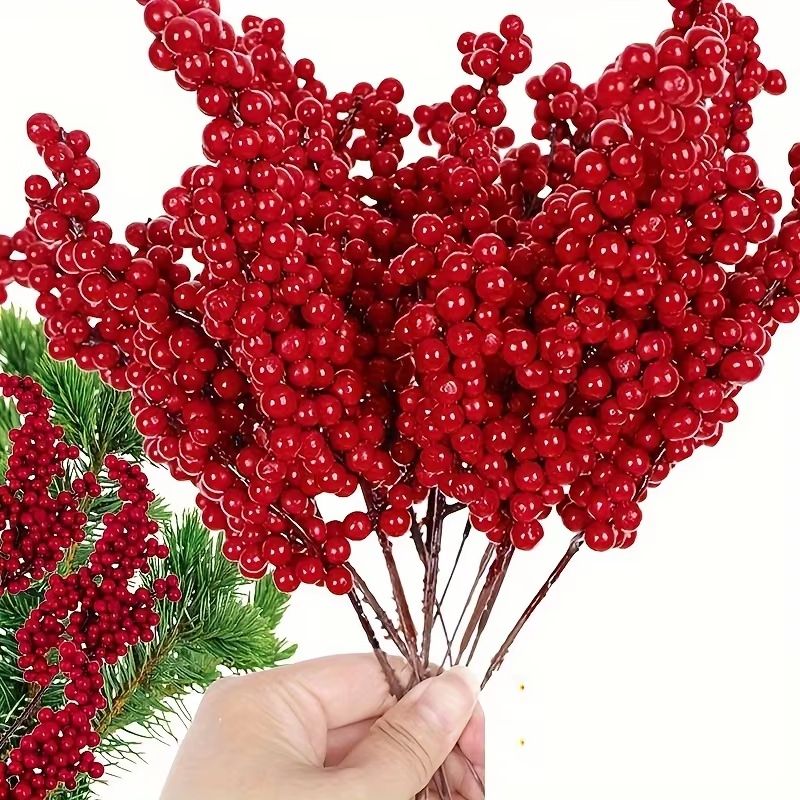 Aisha's pickRed Christmas Garlands for Tree That Make Small Changes Feel Big
 Aisha's pickRed Glitter Christmas Wreaths That Make Rented Places Feel Like Home

 Aisha's pickRed Christmas Hanging Decorations at Every Price Point
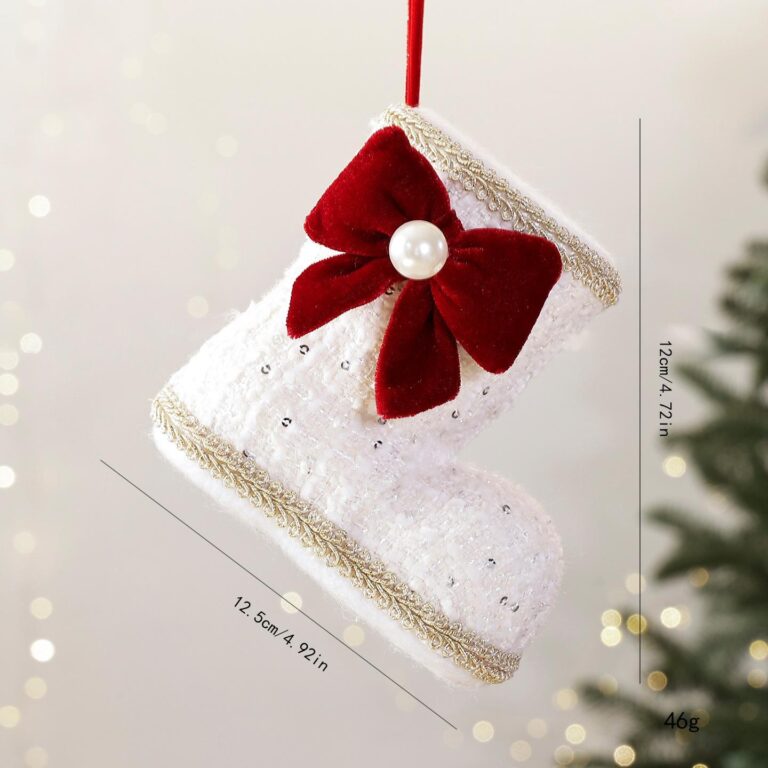 Aisha's pickRed Santa Ornaments That Make the House Feel Festive
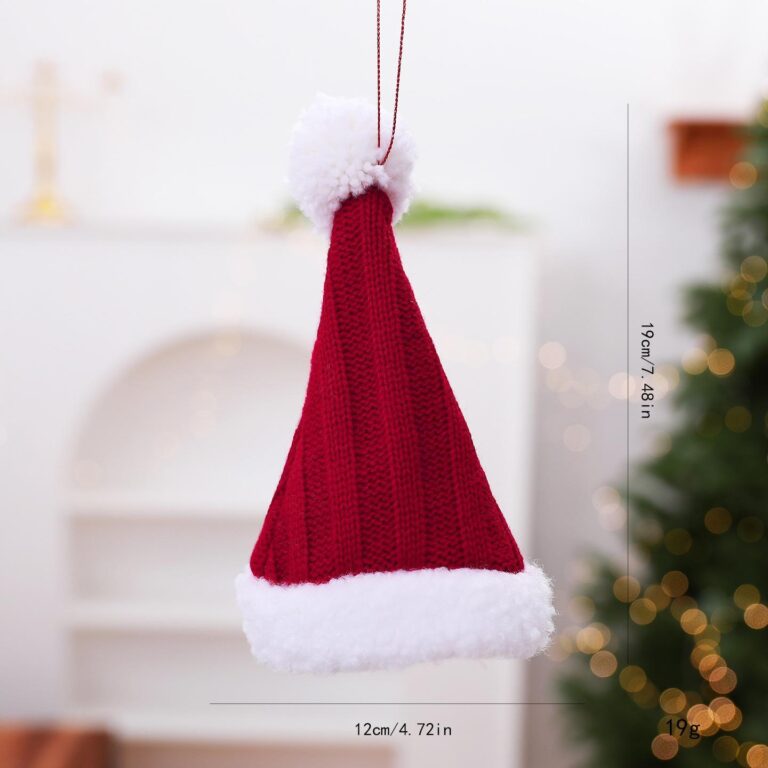
 Aisha's pickRed Christmas Light Up Decorations That Won’t Let You Down
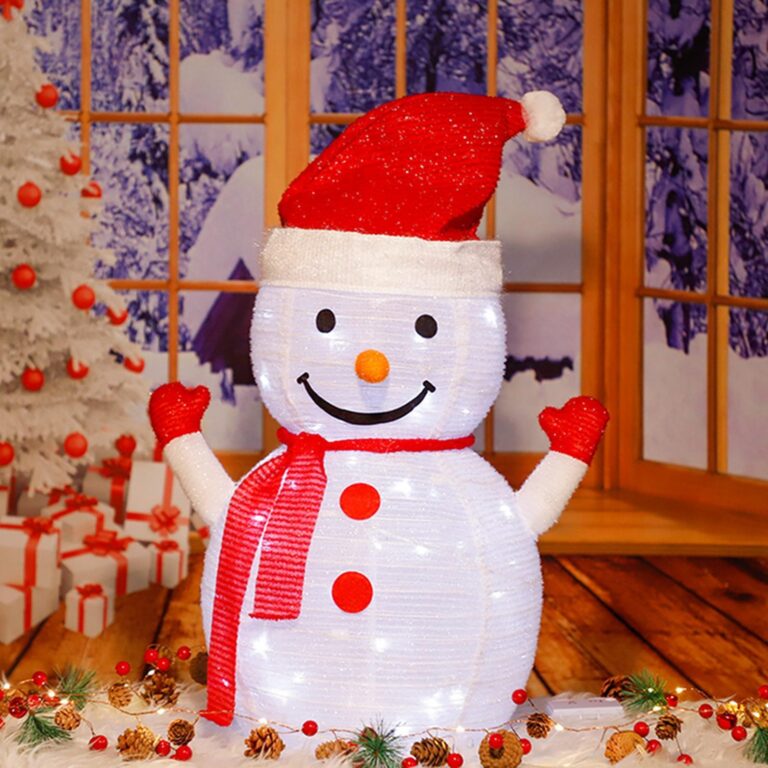
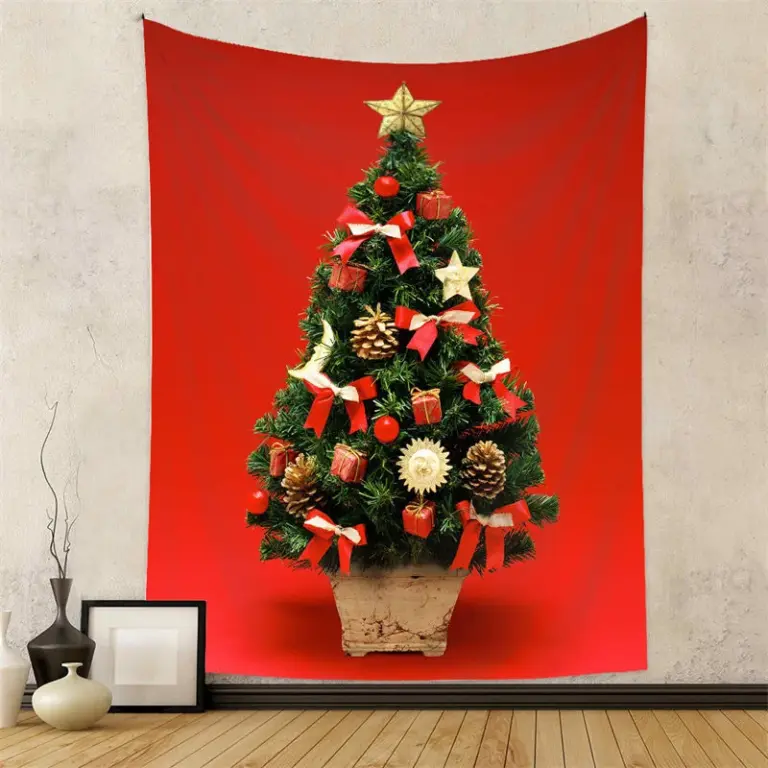 Aisha's pickSmall Red Christmas Decorations That Make the House Feel Festive
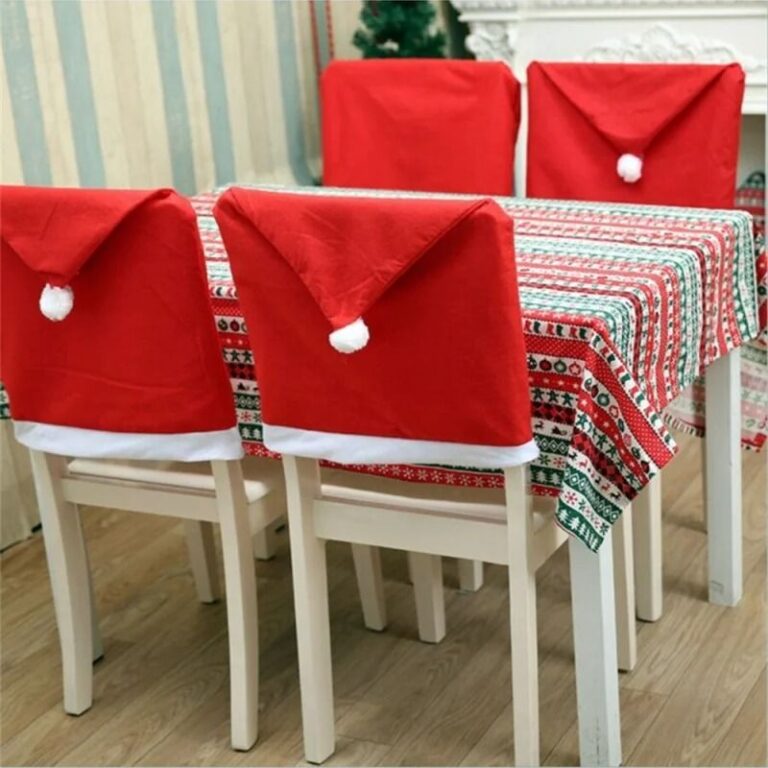
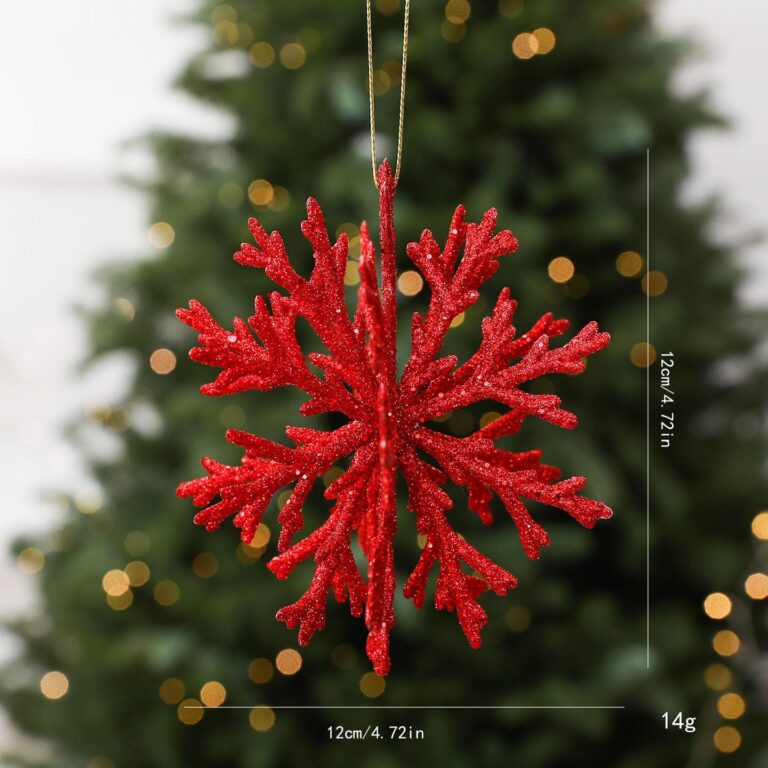 Aisha's pickRed Christmas Ornaments for Making a House Feel Like Yours

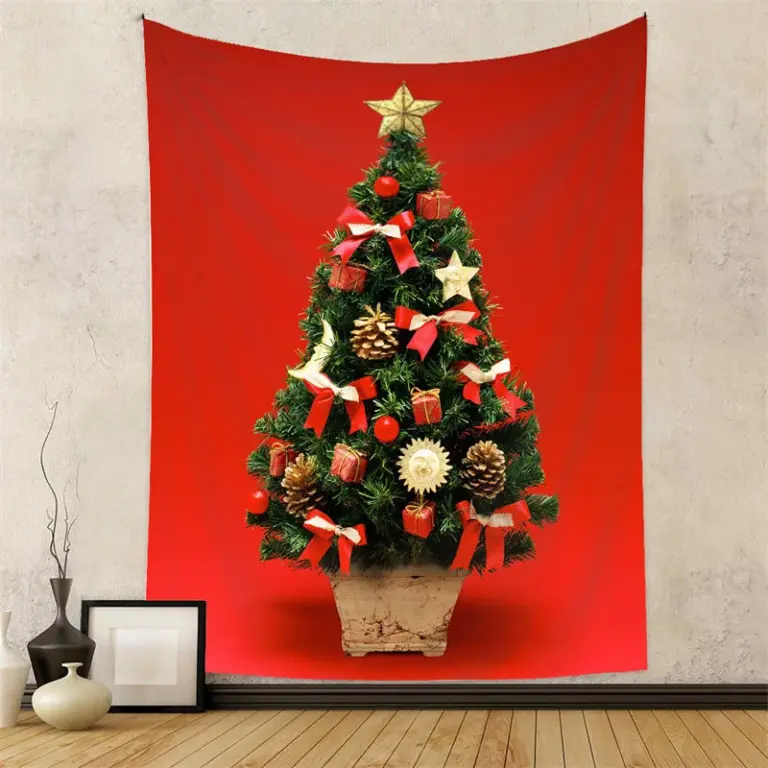 Aisha's pickLarge Red Christmas Decorations That Survive Being Packed AwayAlso worth a lookChristmas WreathsThe afternoon it gets dark by five and someone finally turns the porch light on, that's when a…See the collections →
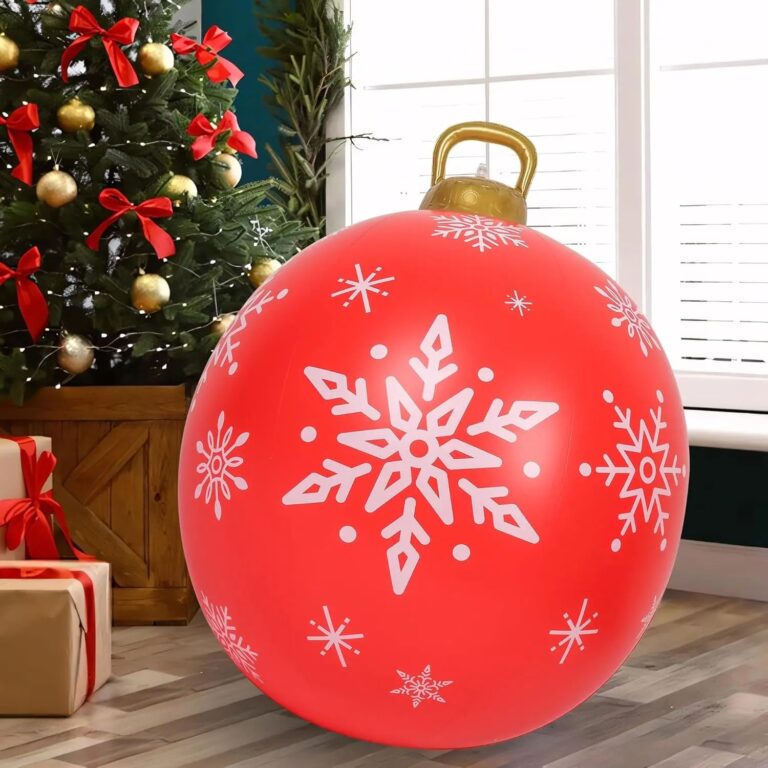
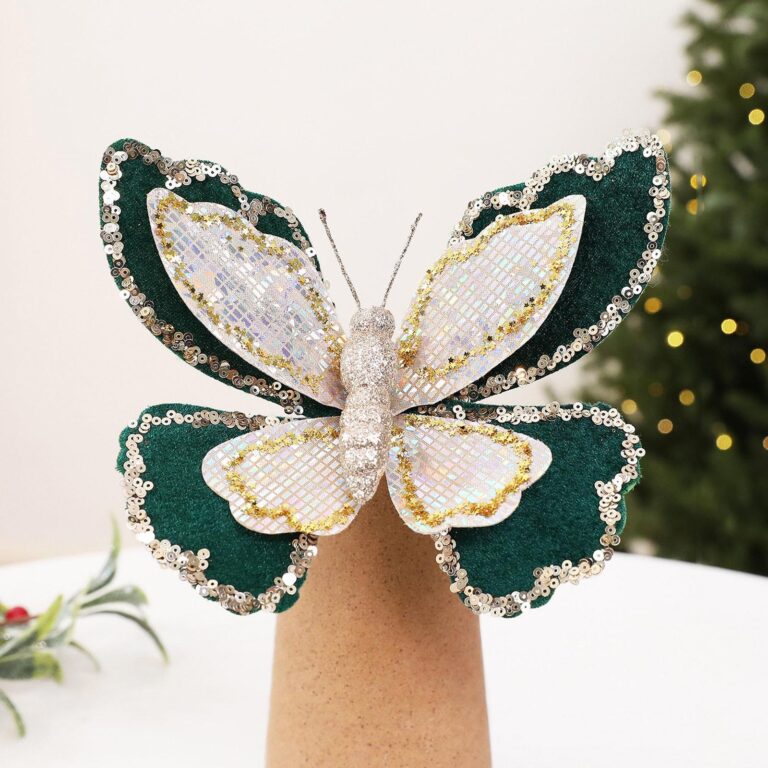 Aisha's pickRed Christmas Ornaments That Won’t Date in a Year
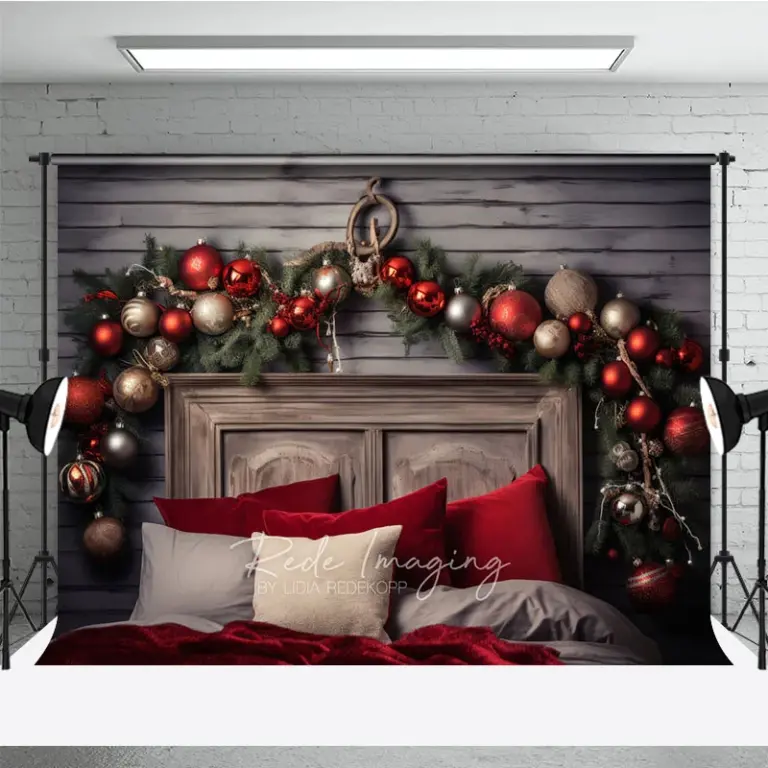
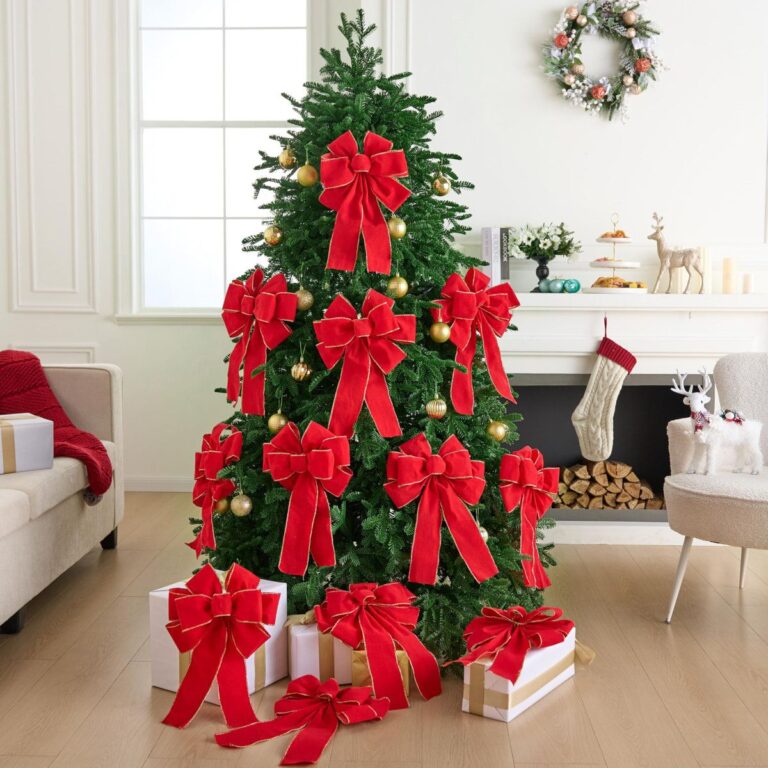 Aisha's pickLarge Red Christmas Wreaths That Come Out Every December

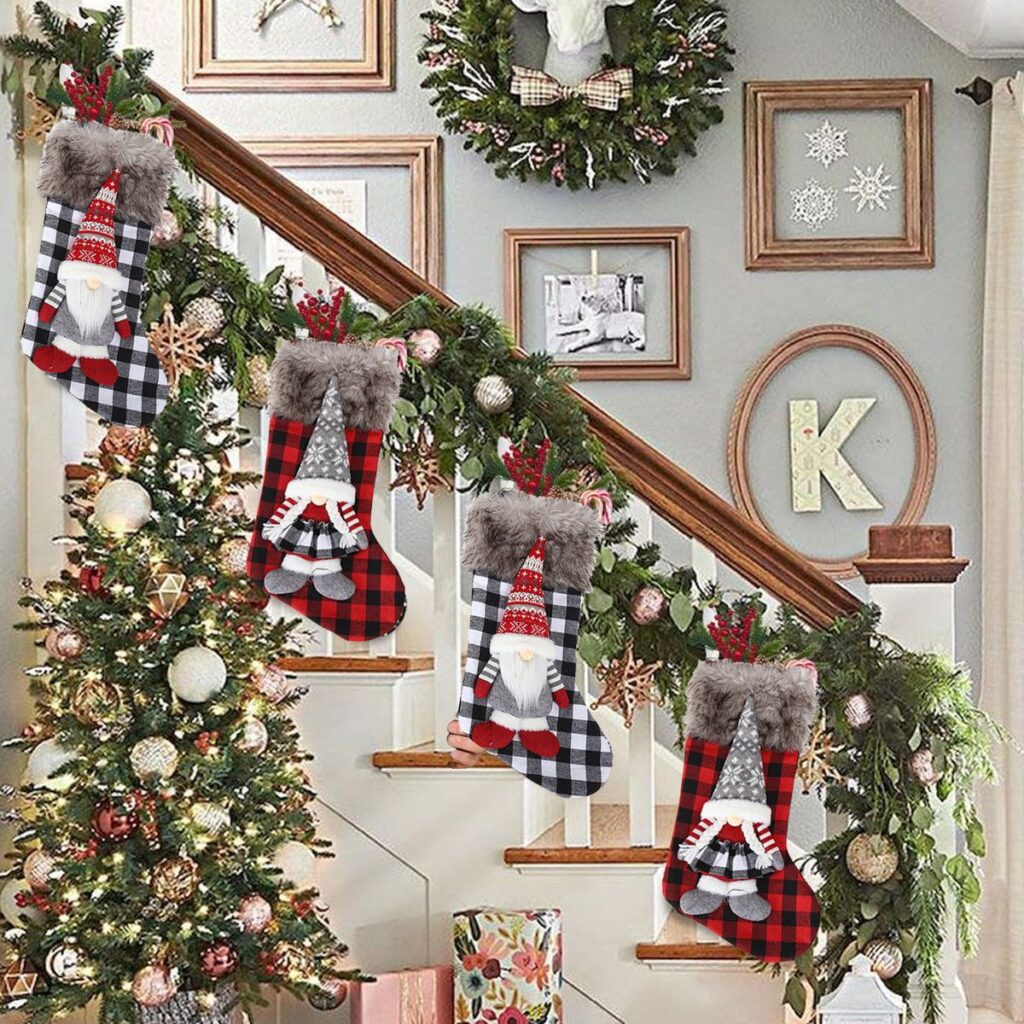 Aisha's pickRed Christmas Stockings That Don’t Need Babying
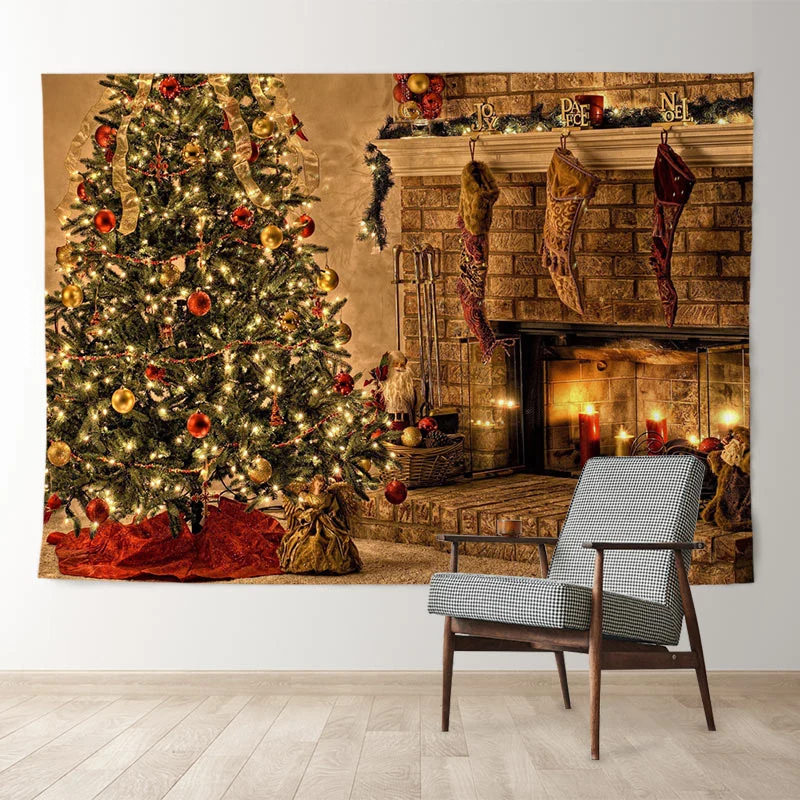
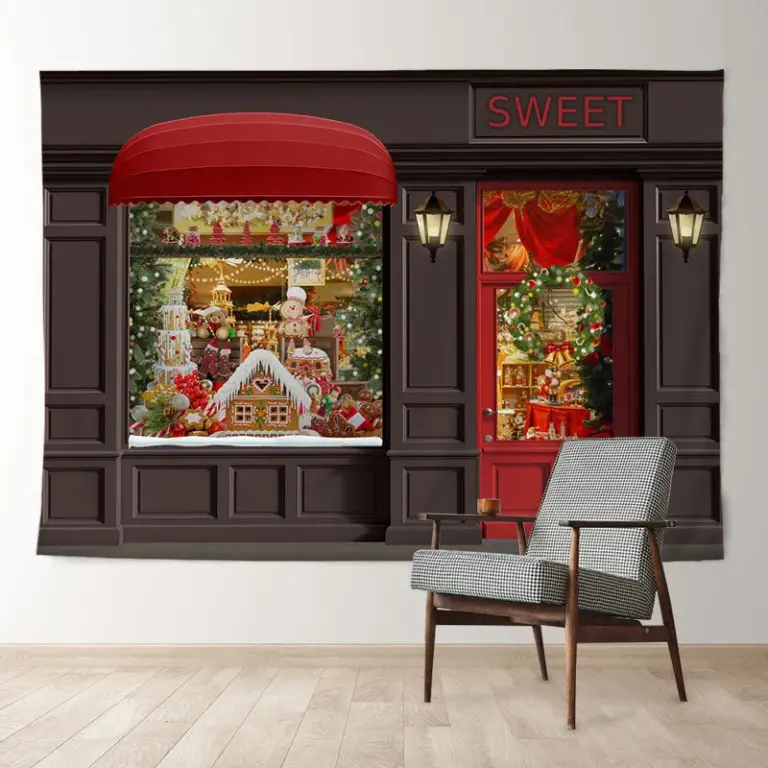 Aisha's pickRed Christmas Baubles We Dig Out Every Year
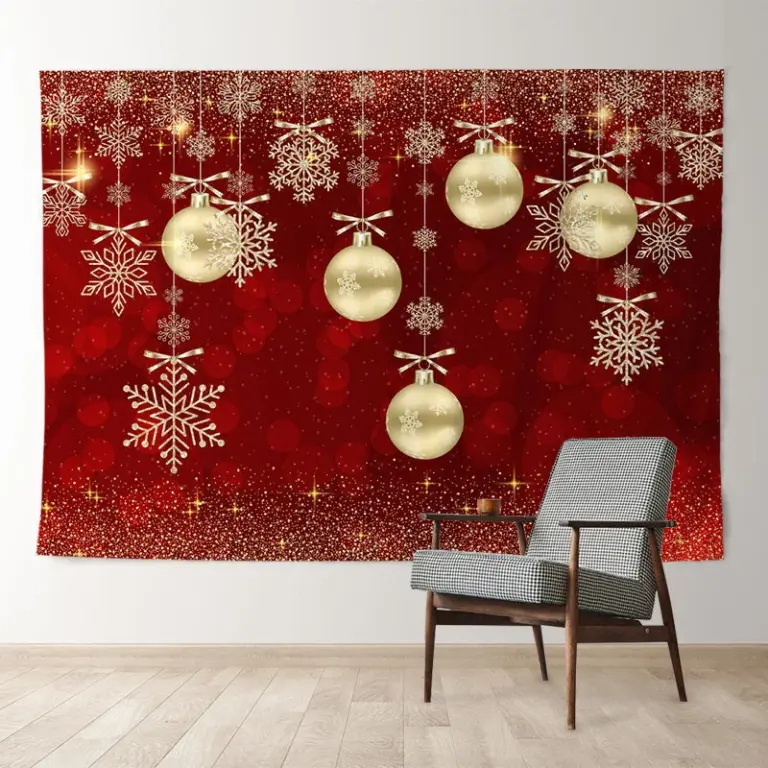
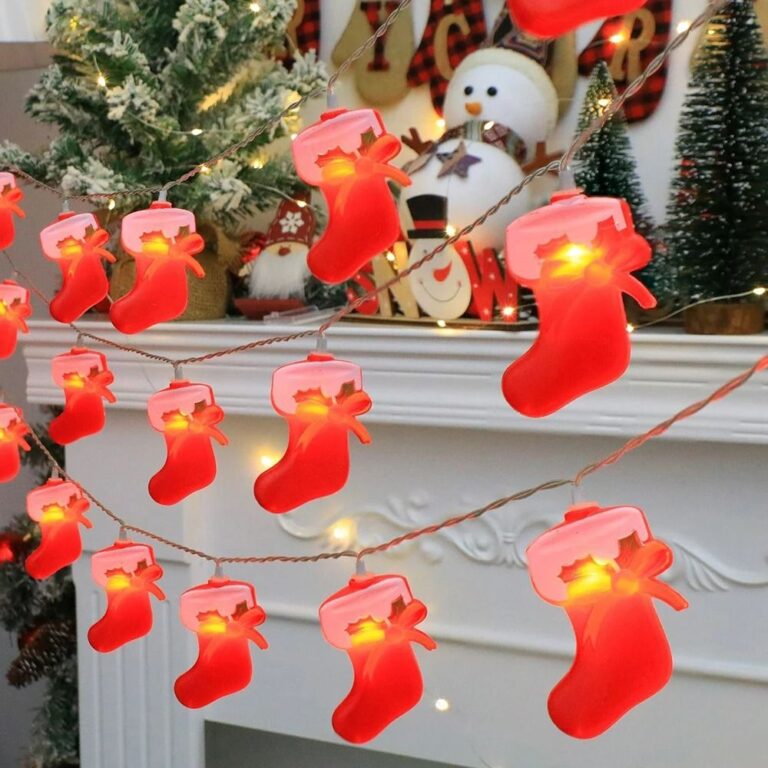 Aisha's pickSimple Red Christmas Stockings for Tree Done Well
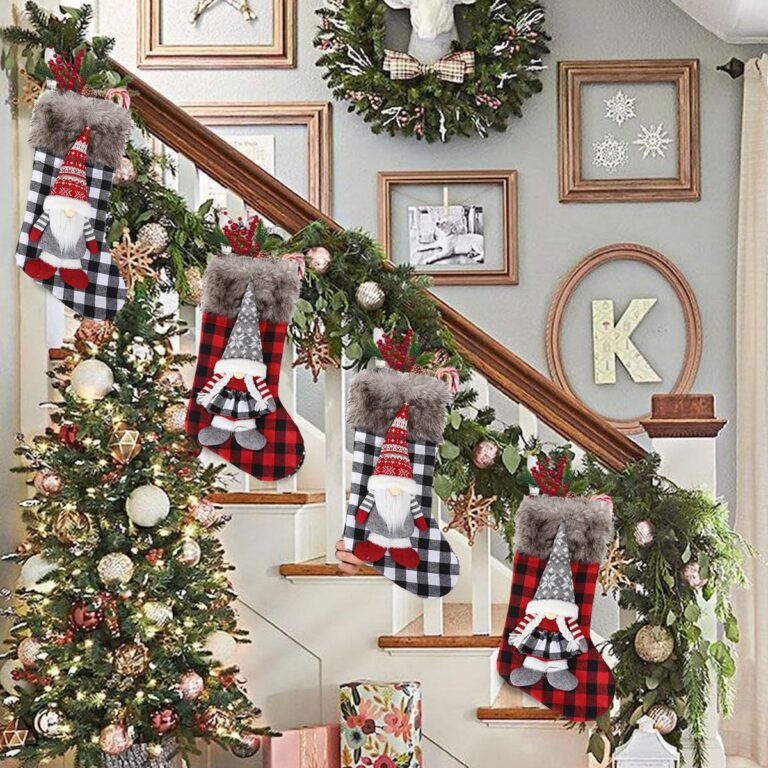
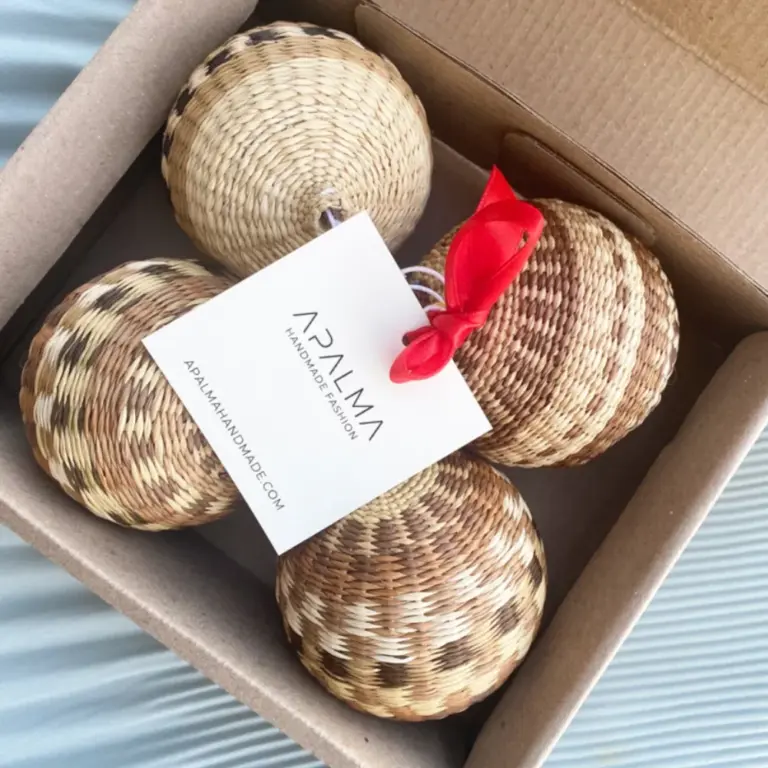 Aisha's pickRed Christmas Baubles We’d Buy Again
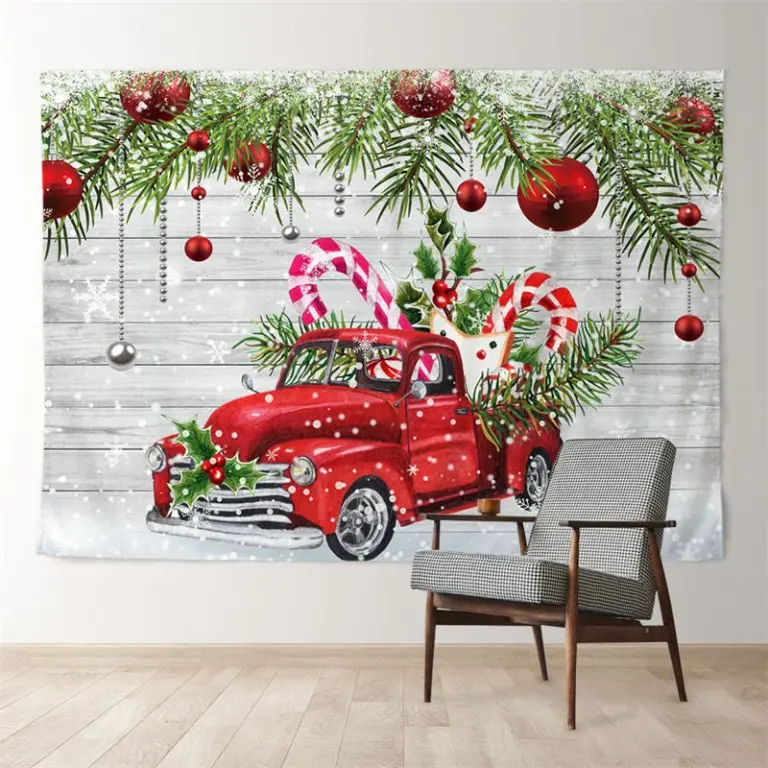
 Aisha's pickRed Christmas Table Decorations Picked From the Stores We Trust
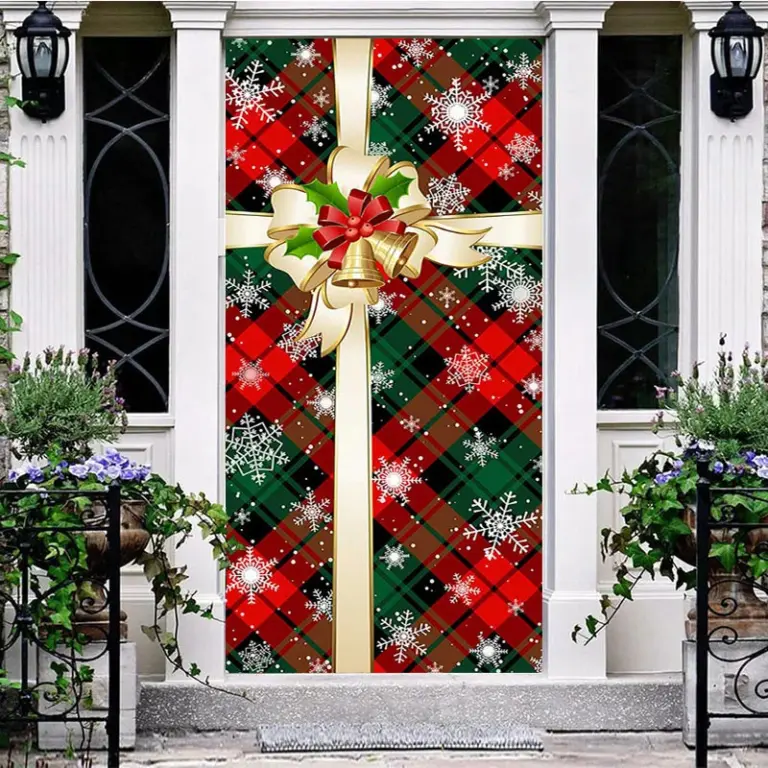
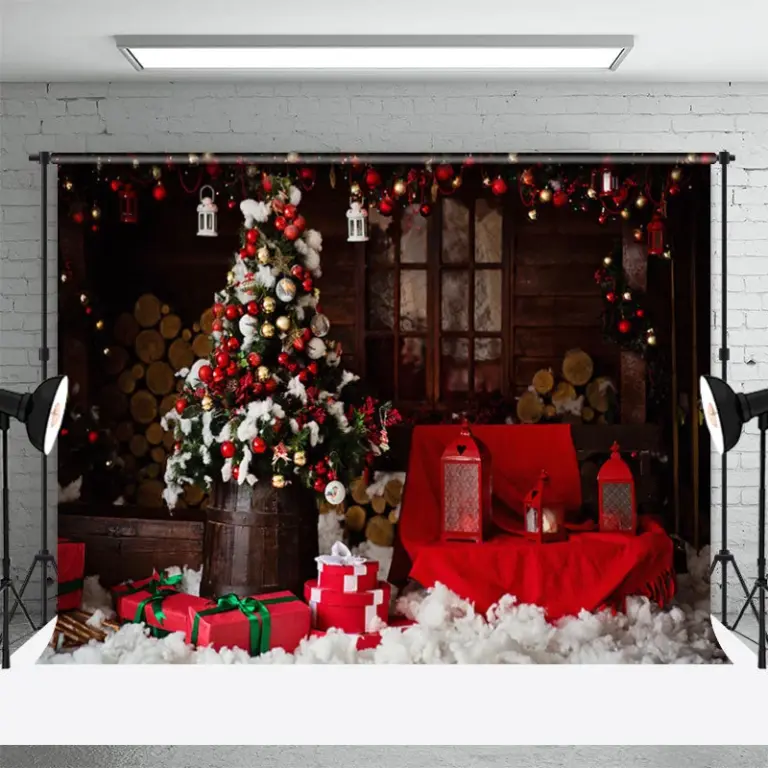 Aisha's pickRed Christmas Baubles for Tree That Come Out Every December

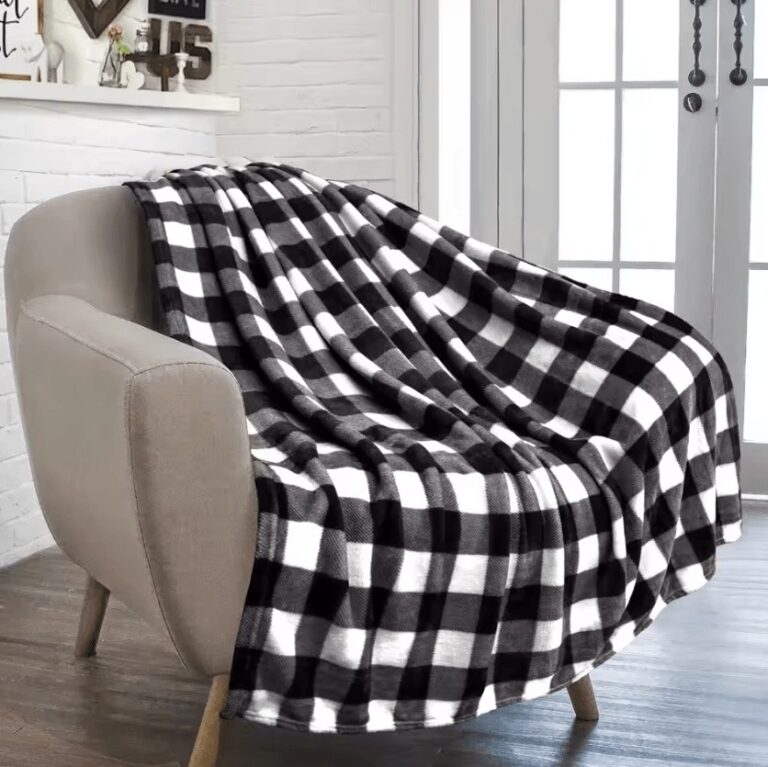 Aisha's pickRed Christmas Throws We Dig Out Every YearAlso worth a lookHanging Christmas DecorationsMy first set of hanging decorations came on a wire hook that bent out of shape the second…See the collections →
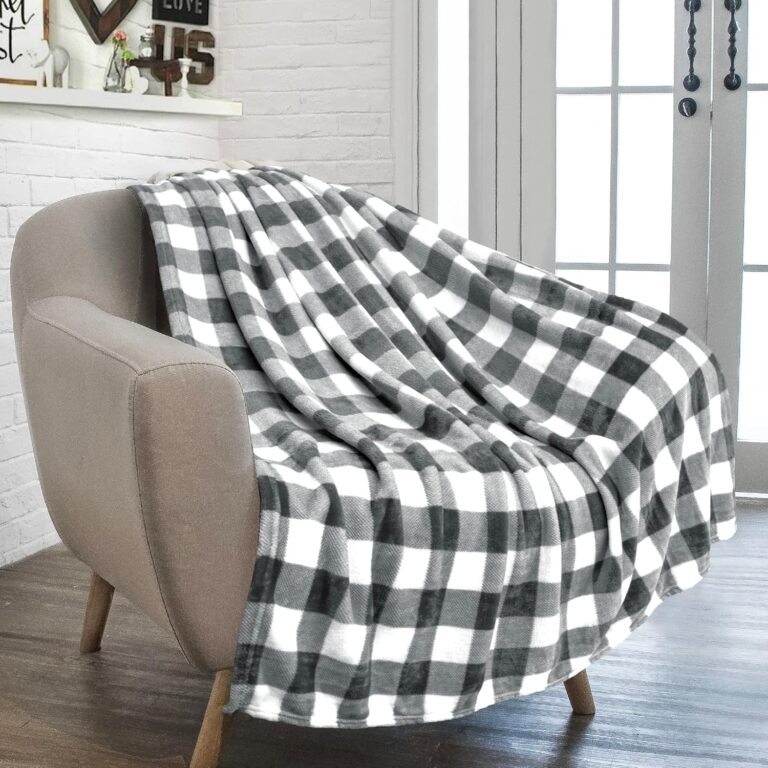
 Aisha's pickRed Christmas Decorations for the Tree, the Mantel and Beyond