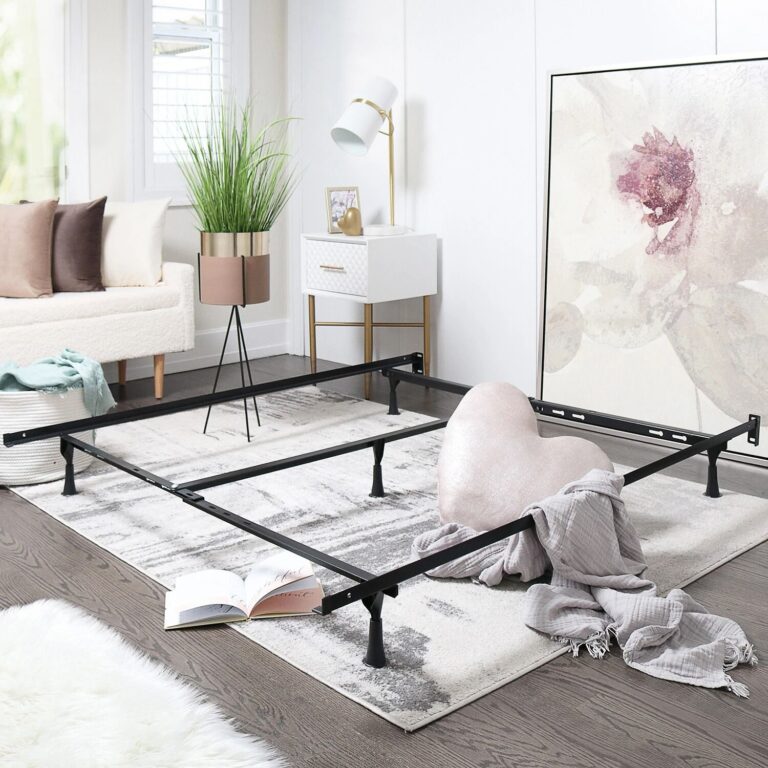
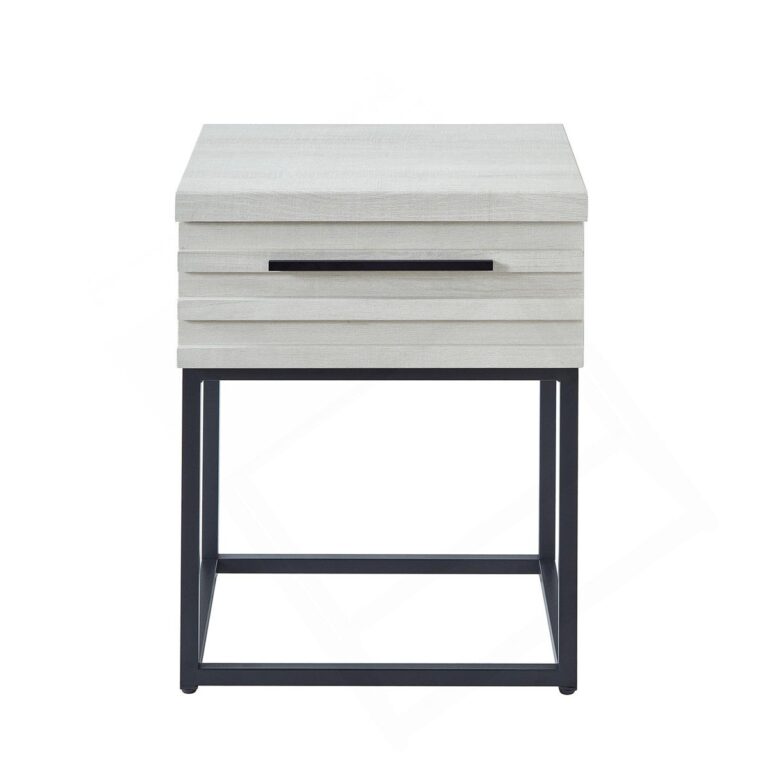
The first thing I check is what happens when I press down on one corner and let go. A good base barely moves, no creak, no sway, just a solid give and a quiet return. A bad one wobbles like it's thinking about it, and that wobble only gets worse once a mattress and a person and maybe a dog are on top of it night after night. If it feels unsteady in the shop with nothing on it, it is not going to improve once it has a job to do.
The difference between a base that lasts and one that sags by year three comes down to what you cannot always see at first glance. Solid timber slats, slightly curved rather than flat, spaced close enough that the mattress gets even support, beat a thin sheet of chipboard every time. Check how the slats sit in their holders, whether they are screwed or just resting in plastic caps that will crack within a couple of years. Legs should feel like part of the structure, not an afterthought bolted on, and any fabric covering should be stretched tight and stitched cleanly at the corners, not stapled on and already fraying at the seam. A base with drawers needs runners that glide without catching, because nothing ruins the appeal of storage faster than wrestling a drawer out every morning. Size matters more than people plan for too. A divan base with drawers can swallow a surprising amount of floor space once you add the clearance needed to open those drawers, so measure the walk space around the bed before you fall for the storage. In a smaller bedroom, a low profile base with no storage keeps the room feeling open, while a tall, heavily upholstered base in the same room will crowd the doorway and make the ceiling feel lower than it is. It also tends to fight with an ornate or heavily carved headboard, two busy things competing for attention in a room that only has room for one.
If this is the first base going under a first grown up bed, start simple. A slatted base in a plain fabric or plain wood, no drawers, no fuss, gives the mattress proper support and leaves you free to change the headboard or the whole color scheme later without starting over.
This suits a bedroom where the bed needs to work hard and stay out of the way, a rented place, a guest room, a first apartment with more ambition than square footage.

 Aisha's pickBed Bases for Lazy Mornings in Bed

 Aisha's pickBed Bases with Storage That Make Rented Places Feel Like Home
 Aisha's pickBlack Bed Bases That Make Getting Up Harder
 Aisha's pickFull Bed Bases With a Bit More About Them
 Aisha's pickMetal Bed Bases That Get Better With Age
 Aisha's pickModern Bed Bases That Fit Small Bedrooms