
My dad walked into the bathroom I was tiling last spring, looked at the sample vanity door I’d propped against the wall, and said one thing. “That’s the wrong white.” Didn’t elaborate. Just turned around and went back to drinking his coffee on my porch like he hadn’t just derailed my entire Saturday.
He was right, for what it’s worth. I’d picked a bright, cool white vanity to sit against a gray tile that had blue undertones running through it, and the two of them together looked like a dentist’s office. Not warm, not clean, just sort of clinical and sad. Took me an embarrassing amount of time standing in that bathroom with the lights on and off to figure out what he’d clocked in about four seconds walking past a doorway.
That’s the thing nobody tells you about gray tile.

It’s not one color. It’s a whole family of undertones hiding under a name that sounds neutral and boring. Some gray tile leans blue, some leans green, some’s got a warm taupe thing going on that only shows up once you put something next to it that clashes. I’ve retiled enough bathrooms at this point to know that the tile almost never tells you what it is until you introduce it to a vanity and watch what happens. Same as wood species, honestly. You don’t really know what a piece of white oak is going to do until you put a finish on it and see what the grain decides to pull out.
So this is me going through the vanity colors I’ve actually installed against gray tile, on my own jobs and on jobs for people who trusted me with their bathrooms and occasionally regretted it briefly before it worked out. Some of these are the safe answer. Some of them are the answer that scares people until they see it in person. I’ll tell you which is which, and I’ll tell you what I found when I actually got the back panels off a few of these vanities to see what was holding them together, because color’s only half the job. The other half is whether the thing survives your actual bathroom, which is a wetter, harsher environment than most furniture ever has to deal with.
[Vanity Colors For Gray Tile]
Warm White, Not Bright White
Let’s deal with my dad’s comment first, because it’s the most common mistake I see, and I made it myself. People hear “gray tile” and reach for the whitest white vanity on the floor, thinking neutral plus neutral equals safe. It doesn’t, if the undertones fight. A vanity in something like a warm alabaster or a soft ivory, not a stark bright white, sits so much better against a cool or blue gray tile because it’s not trying to compete with the tile’s temperature, it’s rounding it out.
I did this properly on a job in Wauwatosa last year, warm cream shaker vanity against a bluish gray hex tile, and the client’s first reaction was “isn’t that going to look dirty next to gray?” It doesn’t. It looks like someone thought about it instead of grabbing the first thing on the showroom floor.
Construction wise, this is where a lot of the cheaper painted vanities let you down, because white and near white finishes show every flaw in the substrate underneath. I took the door off one of these at a supplier warehouse just to look, and underneath the paint was MDF with the edges not properly sealed, which means the second any water gets near that door edge, it’s swelling and the paint’s cracking along the seam. If you’re going warm white, pay attention to whether the doors are solid wood or a properly sealed MDF, because a bathroom is the one room in the house where an unsealed edge WILL find water eventually, it’s just a matter of when.
[Warm White Vanities]
Charcoal and Near Black
Now the other end of it. If your gray tile’s already dark, or even mid tone, going darker on the vanity instead of lighter is the move nobody expects to work and then can’t stop talking about once they see it. Charcoal vanity, dark gray tile, it reads as intentional and heavy in a good way, not muddy the way I worried it might.
I built a vanity for my own downstairs bathroom in a near black walnut stain, and against a mid gray porcelain tile it looks like the room was designed around one decision instead of a bunch of separate ones. The trick is contrast somewhere else in the room, because if everything’s dark you lose the sense of where one surface ends and the next begins. I ran a strip of that same warm gray tile up as a small backsplash behind the vanity to break it up, and it did the job.
Here’s my actual concern with dark vanities, and it’s not the color, it’s the hardware and the drawer construction. Dark finishes show fingerprints and water spots harder than anything else, so if the drawer boxes aren’t running on decent soft close slides, you’re going to be slamming that door repeatedly right where the oil from your hands shows up worst. I pulled a drawer fully out on a cheap black vanity a client had already bought before calling me, and the slides were stapled into particleboard, not screwed. Staples. In a bathroom. That drawer’s got maybe two years in it before it’s sagging on one side.
[Charcoal Vanities]
Navy Blue, the One People Argue About
Navy’s the color I get the most pushback on before installation and the most compliments on after. Somebody always says it’s going to look too dark, too much like a kitchen island, not a bathroom color. Then it goes in against gray tile and suddenly everyone’s asking where I got it.
You Might Also Like

The reason it works is that gray and navy are close cousins on the color wheel, both cool, both a little serious, so they don’t fight the way a warm color would against a cool gray tile. I did a navy shaker vanity in a client’s guest bath with a light gray subway tile, and it’s genuinely the calmest bathroom I’ve ever built. Not trying to impress anyone, just quietly correct.
Where I get picky is the paint itself, not the color, the actual coating. A lot of navy vanities are using a standard cabinet paint that’s not rated for high moisture rooms, and navy shows water spotting on a satin finish worse than almost any other color because the contrast between wet and dry sheen is so visible. I’d ask specifically whether the finish is a proper conversion varnish or catalyzed finish before buying, not just “is it painted,” because that distinction is the difference between a vanity that wipes clean in five years and one that’s got a permanent tide mark around the sink cutout.
[Navy Vanities]
Natural Wood, Left Alone
I’m a joiner, so it’ll surprise nobody that I think a natural wood vanity, minimally finished, no heavy stain hiding the grain, is one of the best things you can put next to gray tile. Gray’s cold on its own. Wood warms it up without turning the room into a cabin. White oak’s my go to, it’s got enough grain movement to feel alive next to a flat tile surface, and it takes a clear or lightly tinted finish beautifully.
I did one of these for my sister in law’s renovation, quarter sawn white oak vanity, medium gray large format tile, and it’s the bathroom in that house everyone comments on, more than the kitchen even, which annoyed her contractor slightly, I think.
The thing to actually check here, and I mean physically check, not just take the listing’s word for it, is whether it’s solid wood or a wood veneer over a substrate. Both can be fine. But I flip the vanity over when I can and look at the edge banding, and if it’s a photo printed laminate trying to pass as wood grain, you’ll see it under close light, the grain repeats in a pattern too regular to be real. Real wood ages, it develops a bit of character, small color shifts near the sink from splash exposure that actually look intentional. Laminate doesn’t age, it just eventually peels at the corner nearest the faucet, and there’s no fixing that, only replacing it.
[Wood Tone Vanities]
Sage Green, the Bold Option That Isn’t Actually That Bold
Sage gets filed under “bold color choices” in every list like this, and I think that’s slightly unfair, because next to gray tile it’s honestly one of the gentler options on this whole list. It’s a muted, grayed down green to begin with, so it’s not fighting the tile for attention, it’s more like the tile’s slightly more colorful sibling.
I put a sage vanity in a small powder room with a warm gray tile and it’s become the one room in that house that photographs well no matter what the light’s doing, morning or evening. Clients who were nervous about “going green in the bathroom” ended up asking if I could match the color on a linen closet down the hall.
My only real note on sage, or any of these softer painted colors, is drawer box material again, because I keep coming back to it and I’m not going to apologize for that, it’s the part nobody photographs and the part that actually fails first. A painted MDF drawer front is fine as long as the drawer BOX itself, the part holding your actual stuff, is a proper hardwood or plywood construction with dovetailed or at minimum dowel jointed corners, not just glued butt joints stapled together. I’ve pulled apart enough of the cheap ones to know a stapled butt joint drawer box lasts about as long as it takes for someone to put a wet toothbrush cup in it repeatedly.
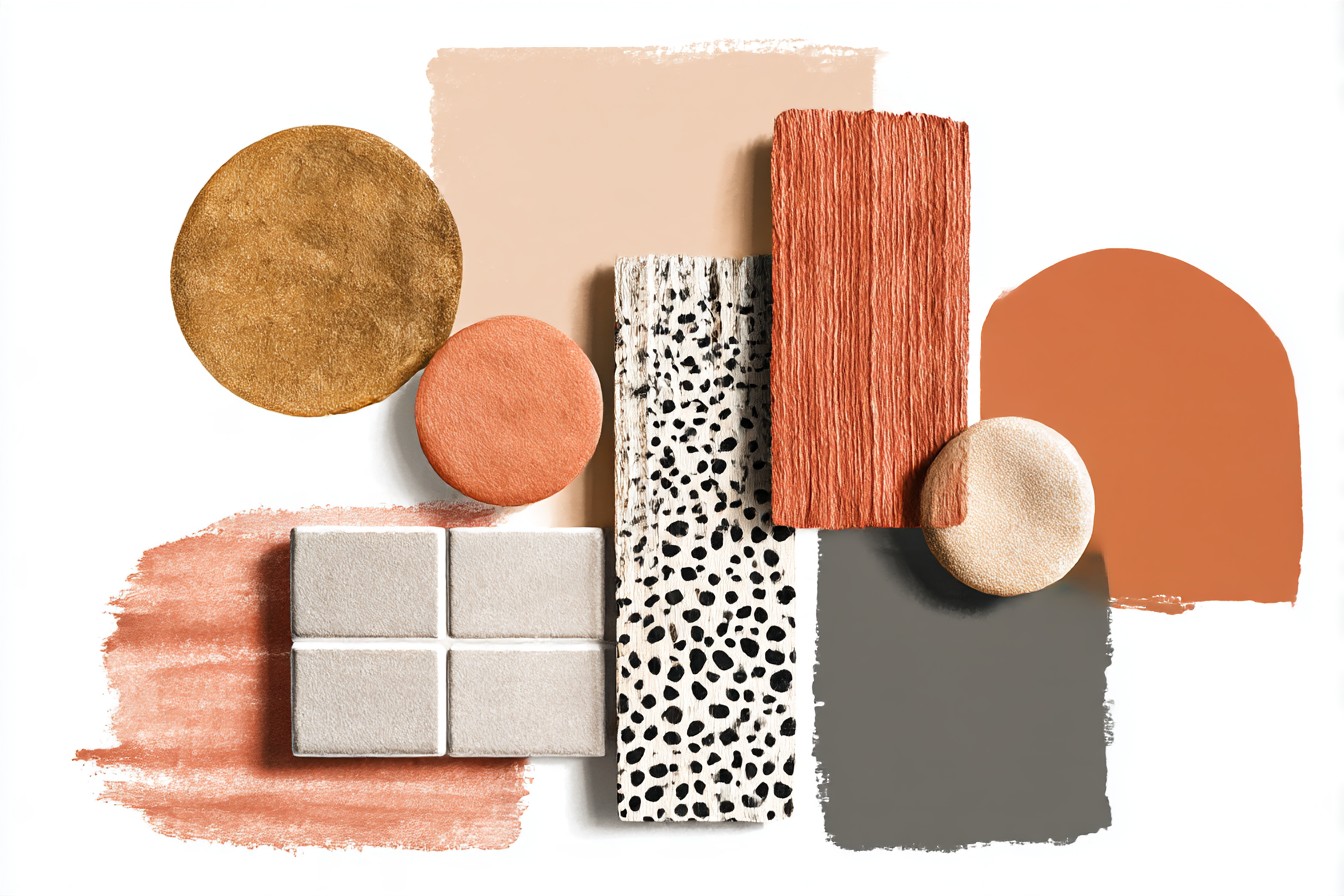
Sage looks great on day one regardless. The question is what it looks like in year four.
[Sage Green Vanities]
Final Thoughts
If you actually asked me flat out what color vanity to put against gray tile, I’d ask what your gray leans toward before I answered anything else, because that one detail decides more than the color chart does. Blue gray wants warm white or navy. Warm gray’s happy with wood or sage. Darker gray can take a charcoal vanity and look better for it, as long as you break the room up somewhere.
But color’s the easy half of this decision and it’s the half everyone spends all their time on. I’ve gone on longer about drawer slides and edge banding in this piece than I have about actual paint swatches, and I’m not sorry about that, because the color’s the thing you notice walking in and the construction’s the thing you notice three years later when a drawer front’s swelling or a hinge has gone loose in particleboard that never should have held a hinge in the first place. Pick the color that fits your tile’s actual undertone, not the one that looked good on a screen. Then turn the thing over, open every drawer, and look at what’s actually holding it together before it goes anywhere near your bathroom.


[…] in a bathroom talking to my sister about undertones. There is no single correct answer to what color vanity goes with beige tile, because beige is not one color, it’s a family of colors, some leaning pink, some leaning […]