I keep a mental tally of how many nights a year I sleep on a bare mattress, and the number is higher than I’d admit to most people. Somewhere around a dozen. Usually it’s laundry day gone sideways, the sheets are in the wash and not out of the dryer by bedtime, and I make the executive decision to just get in. My husband finds this appalling. My sister, when I told her, made a face like I’d confessed to something involving raw chicken. But here’s the thing nobody wants to say out loud: a mattress is not lava.
It won’t dissolve you. It won’t even really notice you were there, most nights, if you’re only doing it occasionally and you’re not doing anything unusual up there. The internet, though, treats this question like you’ve asked whether it’s okay to floss with a fork.
I’ve had this house, in one arrangement or another, since the early nineties, and I’ve slept on more mattresses than I can count, some mine, some rented, some belonging to in-laws whose guest rooms had clearly not been updated since the Ford administration. I’ve slept sheetless in hotels I trusted and, once, in a beach rental I did not, and lived to tell about both. What I’ve learned, mostly by trial and a fair amount of error, is that the real question isn’t “is it okay,” full stop, because the honest answer is “it depends on how often, for how long, and what kind of mattress you’ve actually got underneath you.” A brand new memory foam mattress and a twenty year old innerspring your mother in law swears by are not the same surface, and they don’t behave the same way when there’s nothing between them and a human body that sweats, sheds skin, and occasionally falls asleep with wet hair.
So I want to walk through this properly, the way I’d walk a niece through it if she called me up worried she’d ruined her new mattress by sleeping on it bare for a week while she waited for sheets to arrive. Protectors, actual sheets, toppers, the sweat question, and how often any of this really needs washing, because that last one is where most people are quietly getting it wrong regardless of what’s on the bed.
[Sleeping On A Bare Mattress]
Mattress Protectors
Let’s start here because this is the piece of the puzzle that actually matters more than the sheets do, and almost nobody thinks about it until something’s gone wrong. A mattress protector is the thing standing between you and the mattress itself, and if you’ve got a good one on, the occasional sheetless night is genuinely no big deal, because the protector is doing the job the sheet would have done anyway, just quieter and less visibly.
I didn’t own one for the first fifteen years I was buying mattresses, because nobody told me it was a normal thing to buy, and I paid for that ignorance with a mattress from 1994 that developed a shadow of a stain roughly the size and shape of Illinois before I worked out what was happening. Sweat, over years, soaks in further than you’d think, and once it’s in, it’s in, no amount of upholstery cleaner is bringing that back. The protector I have now is a simple waterproof one, not the crinkly plastic kind that sounds like you’re sleeping on a bag of chips, the newer fabric backed sort, and it goes on and stays on regardless of what happens with the sheets that week.
Here’s my actual rule, the one I’d give anyone who asked: if you’ve got a decent protector on the mattress, sleeping sheetless now and then is basically sleeping on the protector, not the mattress, and that’s a completely different conversation. Without one, you’re sleeping on the actual thing you paid for, with all its foam or springs or whatever’s in there, and every bit of moisture or oil goes straight into a surface you cannot put in the wash. I have owned exactly one mattress without a protector that made it past the ten year mark looking respectable, and that was through what I can only call luck, not planning.
[Mattress Protectors]
Fitted Sheets
I’d like to have a word with the woman who, in roughly 2001, bought a set of “luxury” fitted sheets so aggressively elasticated they practically catapulted themselves off the corners of the mattress by night three. That was a real product, sold to real people, at a real markup, and it lasted about six weeks before the elastic gave out entirely and the whole thing just sat on top of the bed like a badly fitted tablecloth. I mention this because a huge amount of the “should I even bother with sheets” conversation actually starts with people who’ve been burned by bad sheets, not people who’ve thought seriously about skipping them.
A properly fitted sheet, with decent elastic and a pocket depth that actually matches your mattress, is doing three jobs at once. It’s soaking up sweat and body oil before either reaches the mattress or the protector, it’s giving you something soft to actually be in contact with, because mattress protectors, even the good fabric ones, are not designed to feel wonderful against skin, and it’s the thing you can strip off and throw in the wash on a Sunday without touching the mattress itself at all. That last part is the whole point. The sheet is disposable in the sense that it’s washable and eventually replaceable. The mattress is not.
My actual habit, which I’ll admit isn’t textbook, is a two week rotation on the fitted sheet in cooler months and closer to weekly in the summer, because a St. Louis July does not care about your sleep schedule or your laundry preferences, it will make you sweat regardless. When I skip a sheet night, which, again, happens, it’s because the sheet’s already in the wash, not because I’ve decided sheets are optional as a philosophy. There’s a difference between an occasional gap and a lifestyle, and I think that’s where this question usually gets tangled.
[Fitted Sheets]
Mattress Toppers
Toppers are the layer everyone forgets exists until they’ve had a bad night on a mattress that’s otherwise fine, and then suddenly it’s the only thing they want to talk about. I added one to the bed in the guest room a few years back, a simple foam topper, mostly because my sister was coming to stay for a week and the guest mattress, while structurally sound, had the personality of a park bench. She never said a word about it being uncomfortable before the topper went on, and she never said a word of praise after either, which from her, again, told me everything I needed to know about how bad it had been the year before.
What a topper does for this particular question is add a layer of separation that’s a little more forgiving than a bare mattress but a little less finicky than a sheet in terms of what it can handle. Most toppers I’ve owned, foam or the quilted fiber kind, are actually washable or at least spot cleanable in a way a full memory foam mattress absolutely is not. So if you’re the sort of person who’s going sheetless more nights than not, and I’d gently suggest you examine why that’s become a pattern rather than an occasional accident, a topper with a removable, washable cover gives you a bit of insurance the bare mattress alone doesn’t.
You Might Also Like

I will say, because I promised myself I’d be honest in these pieces, that toppers are having something of a moment right now, marketed as though they’re a brand new innovation in sleep science, and I called this a nineties throwback within about four seconds of seeing one advertised, which might say more about how much I’ve seen at this point than about the actual product. My mother had something similar on her bed, an egg crate foam pad, back when Reagan was president. The technology’s better now. The basic idea is not new.
[Mattress Toppers]
Sweat, Heat, and Cooling Sheets
Nobody wants to talk plainly about how much people sweat overnight, but it’s a genuinely enormous amount, something like a pint a night for an average adult under normal conditions, more if your bedroom runs warm or you’re going through what my sister delicately calls “the transition.” That moisture has to go somewhere, and if there’s no sheet catching it, it’s going straight into the protector at best, and straight into the mattress at worst.
This is where I think the “is it okay” question actually gets interesting, because the honest answer depends enormously on climate and season, not just personal preference. A single sheetless night in a cool, dry bedroom in October is a completely different event from a sheetless night in July with the air conditioning working overtime and not quite winning. I learned this the hard way one particularly brutal summer, sheetless because of a broken dryer, waking up at 3 a.m. feeling like I’d been poached, and understanding immediately why that had been a bad plan.
I switched to a cooling sheet a few summers back, one of the moisture wicking sorts, mostly out of curiosity rather than desperation, and I’ll admit it does make a genuine difference on the worst nights, though I’m skeptical of anything promising to make you feel like you’re “sleeping on a cloud,” which is the sort of phrase that shows up on packaging and makes me want to write a strongly worded letter. What actually matters isn’t the marketing language, it’s whether the fabric breathes, and cotton, plain old percale cotton, has done that job for me better than most of the technical fabrics I’ve tried, at a fraction of the price.
[Sweat And Sheets]
Laundry Routine and Realistic Habits
Here’s where I think most of the anxiety about sleeping sheetless actually comes from, not the mattress itself, but a vague guilty sense that everyone else has a laundry schedule they’re sticking to and you don’t. I’ve asked around, informally, over the years, and the honest answer is that almost nobody washes their sheets as often as the magazines suggest. The official advice floating around is once a week. My actual, real world habit is closer to every ten days, sometimes stretching to two weeks if life gets busy, and I’ve made peace with that.
What I’ve come to believe, after enough decades of doing this my own way, is that the mattress itself can handle the occasional bare night just fine, provided there’s a protector underneath doing its job, and provided “occasional” means what it says rather than becoming the default. The mattress is not the fragile part of this equation. Your comfort is, and so, frankly, is your own sense of when something’s starting to smell a bit off, which is a test I trust more than any schedule printed in a magazine.
I’d also say, because someone should, that pillowcases need washing more often than people think, closer to twice a week if you’re using any hair product or going to bed with a damp face from washing it, and that gets ignored constantly while people worry about the sheets. Focus your worry where it actually does something. A protector on the mattress, a reasonable rotation on the sheets, and an honest relationship with your own nose will get you further than any rigid rule ever will.
[Laundry And Mattress Care]
Final Thoughts
So, is it okay to sleep on a mattress without sheets.
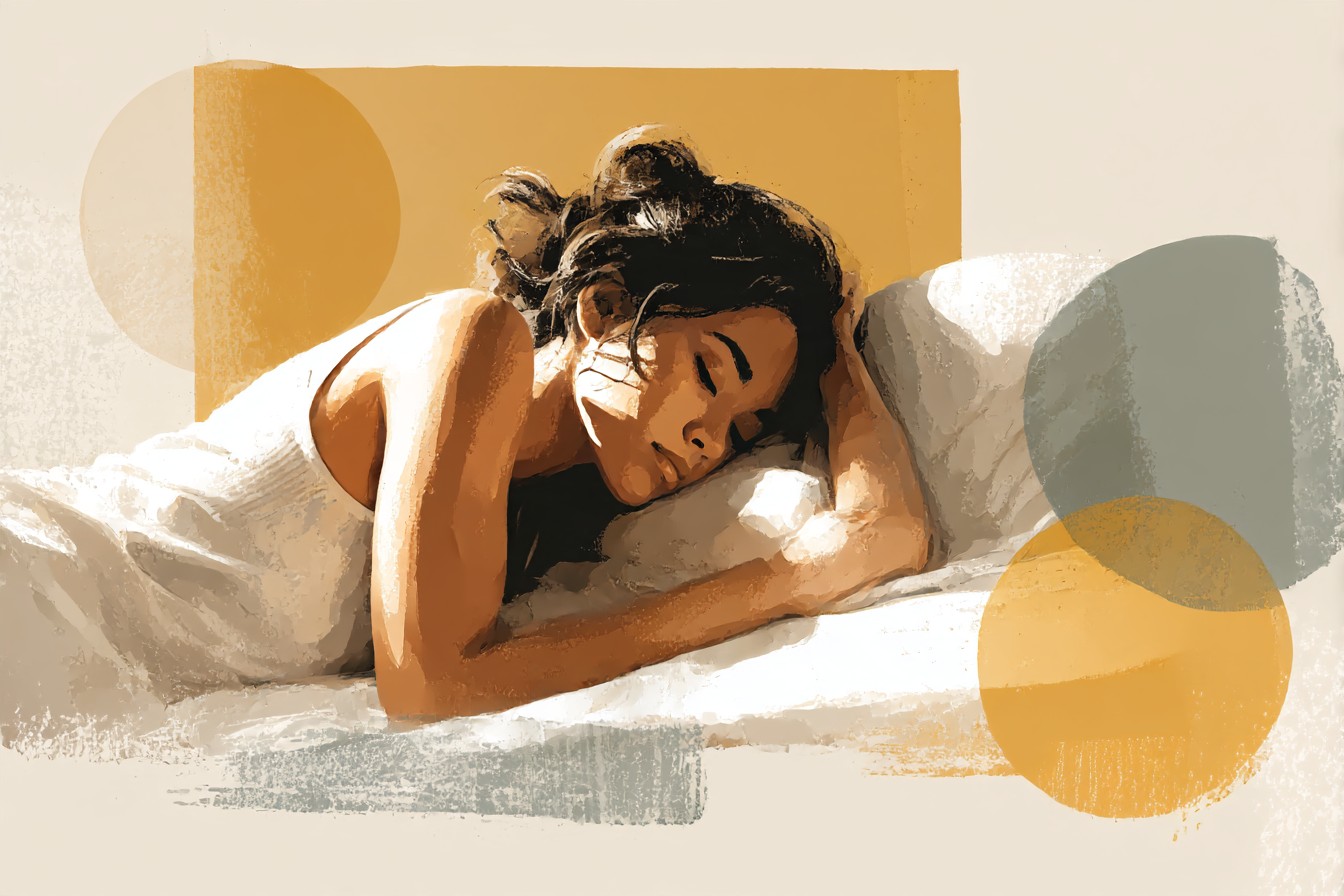
Yes, occasionally, provided there’s a protector doing the real work underneath, and provided you’re not turning an accident into a habit you’re pretending not to notice. The mattress can take a bare night now and then. What it can’t take, not gracefully anyway, is years of sweat going straight in with nothing catching it first, which is a slower and much more expensive mistake than most people realize until they’re the one shopping for a replacement earlier than they should have needed to.
I’ve made most of the errors available to me on this particular subject, the elastic sheets that gave up within weeks, the mattress that never had a protector until the damage was already sitting there, the sheetless July night that taught me more about humidity than any weather report ever did. None of it ruined anything permanently. It just cost me a bit of money and a few uncomfortable nights I didn’t need to have.
What I’d tell that niece, if she called, is this: get a decent protector and forget about it, rotate your sheets on whatever schedule actually survives contact with your real life rather than someone else’s Instagram laundry routine, and don’t lose sleep, literally, over the occasional bare mattress night. It’s not the crisis the internet wants it to be. It’s just a mattress. It’s had worse nights than yours.