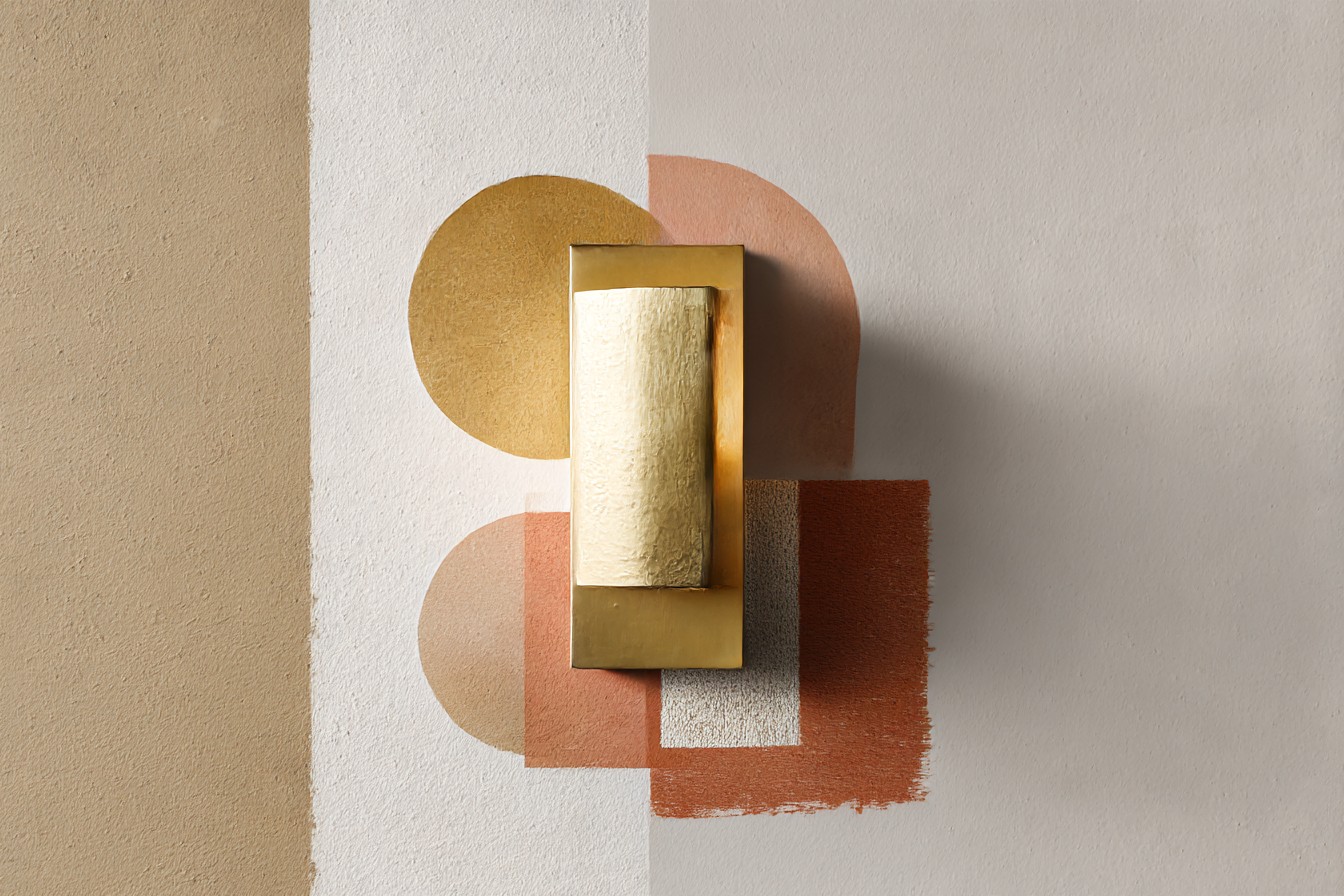
My cousin walked into my dining room, took one look at the lamp on the sideboard, and said, “Isla. Did you just wrap that lampshade in a dish towel?” It was not a dish towel. It was a scrap of vintage barkcloth I’d hemmed onto the outside of a rusted little shade I’d carried out of a yard sale in a shoebox because I didn’t trust it to survive the trunk of my car otherwise, and honestly her face did that thing where amusement and alarm are having a small argument with each other. She wasn’t entirely wrong to make that face. She’d heard, the way most people have heard, some half remembered story about a covered shade getting warm enough to scorch, and it stuck the way those stories do, vague and a little ominous, no details, just a general sense that fabric plus lamp equals bad idea.
Here’s the thing though. That fear isn’t nothing, but it’s also not the full picture, and it’s aimed at the wrong culprit about half the time.
It’s not really the fabric that’s dangerous. It’s the heat source underneath it, and specifically, it’s people doing this project with the same incandescent bulb they’ve had rattling around in that lamp since a Bush was in office, not realizing that bulb runs at a temperature the fabric was never built to sit an inch away from. I’ve been doing this kind of thing to shades I’ve hauled out of estate sales and back corners of salvage yards for about ten years now, and I’ve learned the hard way, more than once, that the honest answer to “is it safe” is “it depends entirely on what you’re screwing into the socket, and a little on what you’re wrapping around the frame.” That’s not the answer anyone wants when they type the question into a search bar at eleven at night hoping for a flat yes or no, but it’s the true one, and it’s actually not that complicated once you understand why heat is the whole conversation and fabric is just the part everyone worries about first.
So let’s actually walk through it properly, the way I’d walk a friend through a yard before they bought anything, piece by piece, because there’s a right way to do this that’s been sitting in old farmhouses for decades without incident, and there’s a way that ends with a scorch mark and a very reasonable cousin giving you a look.
[Covering a Lampshade With Fabric]
The Bulb Is the Whole Story
If I could get one thing across before anybody touches a hot glue gun, it’s this. An old fashioned incandescent bulb, the kind with the little glowing filament, runs shockingly hot, hot enough that the inside of a shade can sit well over 200 degrees Fahrenheit with one burning away inside it for an hour. That’s the number nobody tells you, and it’s the number that actually matters, because that’s the heat your fabric has to survive sitting an inch or two away from, sometimes less on a smaller shade. Compare that to an LED bulb, which barely gets warm to the touch even after it’s been on all evening, and the entire risk profile of this project changes completely. I switched every lamp I own over to LED bulbs years back, partly for the electric bill, if I’m honest, and it wasn’t until I started fabric wrapping shades regularly that I realized I’d accidentally made the whole hobby safer without meaning to.
CFLs sit somewhere in the middle, warm but nowhere near incandescent territory, and halogens are actually the worst offender of the bunch, they run hotter than old school incandescents in a lot of cases, so if you’ve got a halogen floor lamp you’re thinking of dressing up, that’s the one I’d leave bare or swap the bulb out first. The wattage printed on the bulb matters less than the type. A 40 watt incandescent and a 40 watt equivalent LED are not remotely the same heat event happening inside your shade, and that distinction is the entire safety conversation in a nutshell.
[Bulb Choice]
What’s Under the Fabric Matters Just as Much
I nearly walked past a folding table at a warehouse sale a few years back because it was stacked with what looked like a dozen identical plastic clip on shades, the kind that come three to a box at any hardware store, and then I spotted one buried underneath that was actually a real wire frame shade, the old style with a fabric or parchment original stretched over metal ribs, probably out of somebody’s front parlor from the fifties. That’s the shade you want as your base if you’re going to wrap it, something with a proper open frame that lets air move through the top and bottom, not a solid plastic shell that traps heat with nowhere to go.
A lot of the cheaper newer shades are molded plastic with no real ventilation built in, and layering fabric over the outside of one of those is asking for trouble regardless of bulb, because the heat’s got nowhere to escape and it just builds. The old wire frames, the ones I hunt for specifically, were designed with that airflow in mind from the start, gaps at the top ring and the bottom ring, room for warm air to actually rise and vent rather than pool. Check the joints too, the same as I’d check any piece of furniture before I trust it, because a wobbly frame under new fabric is just a nicer looking version of the same problem it had before.
[Lamp Shade Frames]
Fabric Choice Isn’t Just About Looks
I got attached to a bolt of vintage silk once, gorgeous pale gold thing I found folded up in a cedar chest at an estate sale, and I very nearly used it on a shade before I stopped and thought better of it, because silk and heat have a complicated relationship and I wasn’t willing to bet an afternoon’s find on it holding up over months of use. Natural fibers like cotton and linen are generally the safer, steadier choice here, they handle a little ambient warmth without much drama, and they’ve been used this exact way on farmhouse lamps for generations, which tells you something.
You Might Also Like

Synthetics are where I get more careful. Some polyesters and blends can get soft, discolor, or in worse cases actually melt if they’re sitting too close to real heat, and that’s true whether the fabric’s on the outside of the shade or you’ve lined the inside with it, which honestly I’d avoid entirely, that’s the surface closest to the bulb and the one place I don’t take chances. Test scraps under a lit bulb for an hour before committing whole cloth to a shade, that’s not paranoia, that’s just the same due diligence I’d apply to checking a maker’s mark before I believed what a price tag told me it was.
[Fabric Types]
The Glue You Use Is a Bigger Deal Than People Think
A hot glue gun feels like the obvious tool, it’s what’s sitting in most craft drawers already, but hot glue can soften right back up under sustained warmth, which sort of defeats the purpose if your seams start creeping loose six months in. Spray adhesive, the kind meant for fabric, tends to hold up better and it dries properly rigid rather than staying tacky, though it needs real ventilation and a bit of patience while it cures, which I have historically had none of and paid for it with a shade that stayed faintly sticky at the edges for a week.
Fabric glue made for this kind of project, the fusible kind especially, is what I reach for now on anything going anywhere near a working lamp, because it’s designed to sit rigid once it’s set and it doesn’t have the same reheat and resoften issue hot glue carries. Whatever you use, give it the full cure time before that lamp goes back on and gets turned on for the evening.
I learned that one on a shade I rushed for a dinner party, turned the lamp on an hour after gluing because guests were arriving, and spent the whole night side eyeing it every time I walked past.
[Adhesive Choices]
Leave the Thing Room to Breathe
The instinct with a project like this is to wrap tight and clean, no gaps, every seam pulled snug like you’re upholstering a chair, and that instinct is exactly wrong here. A shade needs its top vent and its bottom opening left clear, actual clear, not fabric folded neatly over the edges to hide a raw seam, because that airflow is doing real work carrying heat up and out rather than letting it sit trapped against fabric that’s now got nowhere to shed it. I found this out on a small shade I was so proud of, beautifully finished, not a raw edge in sight, and it ran noticeably warmer than its twin on the other side of the room that I’d left a little looser at the rim out of laziness more than design.
Give it room. A slightly imperfect seam that leaves the vents open is doing more for you than a flawless one that seals the whole shade like a drum. That’s the least glamorous piece of advice in this entire project and it’s probably the one that matters most.
[Shade Ventilation]
Final Thoughts
My cousin’s dish towel comment has stuck with me longer than it probably should have, mostly because she wasn’t wrong to ask the question, she just didn’t have the full answer yet, and neither did I the first few times I did this back when I was still using whatever bulb happened to be sitting in the lamp already. The fear around fabric on a shade isn’t irrational, it’s just aimed slightly off target. It’s the heat source that decides whether this project is a lovely little weekend win or a genuine problem, and an LED bulb, an open frame with room to vent, natural fabric, and a proper heat stable glue will get you almost all the way to safe before you’ve even hung a single stitch.
None of that takes the romance out of it for me, if anything it’s made me trust the projects more, because I know exactly why the good ones held up and exactly what went wrong on the ones that didn’t. Every shade I’ve dressed this way has a story attached, where I found the frame, what it probably sat in before it sat in my dining room, and now every one of them has a small second story too, the bulb I swapped in before I trusted it near fabric at all.
[Lampshade Fabric Projects]