
My roommate had literally just set a mug of tea directly on the arm of my brown leather sofa, no coaster, nothing, and before I could even get the words “are you SERIOUS” out she’d already gone “it’s fine, it’s leather, it’s basically indestructible,” which is the exact moment I realized most people think brown leather is a material that takes care of itself and never has an opinion about what’s near it. It does have opinions. Strong ones. The color’s forgiving, the surface is not, and the two things people ask me about constantly, cushions and coffee tables, are actually just one bigger question about whether you understand what leather is doing in a room that fabric never does.
Here’s the thing nobody tells you when they hand you the “brown goes with everything” line. Brown leather isn’t a flat color the way a brown linen sofa is a flat color. It’s got sheen that shifts depending on the light hitting it, and it develops patina, meaning the exact shade you bought two years ago is not the shade sitting in your living room now, mine’s gone noticeably lighter on the seat cushions where we actually sit versus the arms where we don’t, which sounds like a design flaw and is actually kind of the whole appeal once you stop panicking about it.

That surface variation means anything you put near it either plays with the light bouncing off the leather or gets completely washed out by it. Matte, flat fabrics tend to lose the fight. Anything with texture or a bit of its own sheen holds its ground.
What actually earns a spot on the cushions and the coffee table
Let’s do pillows first because that’s the question I get sent screenshots of more than anything else, usually someone standing in a Target aisle holding two throw pillows going “which.” Skip the beige on beige on brown thing, it’s not wrong exactly, it’s just the safest possible choice and safe on a leather sofa specifically looks a little sad, because the leather already has all this warmth and grain doing visual work and a flat neutral pillow just sits there absorbing it instead of talking back. What actually works is contrast with texture attached to it, so a rust or burnt orange pillow, a deep forest green, even a mustard if you’re brave, in something with a bit of weave to it like a boucle or a chunky knit, because that texture catches the light differently than the leather does and suddenly you’ve got a conversation instead of two things agreeing with each other in a boring way. Cream or ivory works too but only if it’s got some texture, a nubby linen rather than a smooth cotton, otherwise it just photographs as a blob next to all that shine.
You Might Also Like

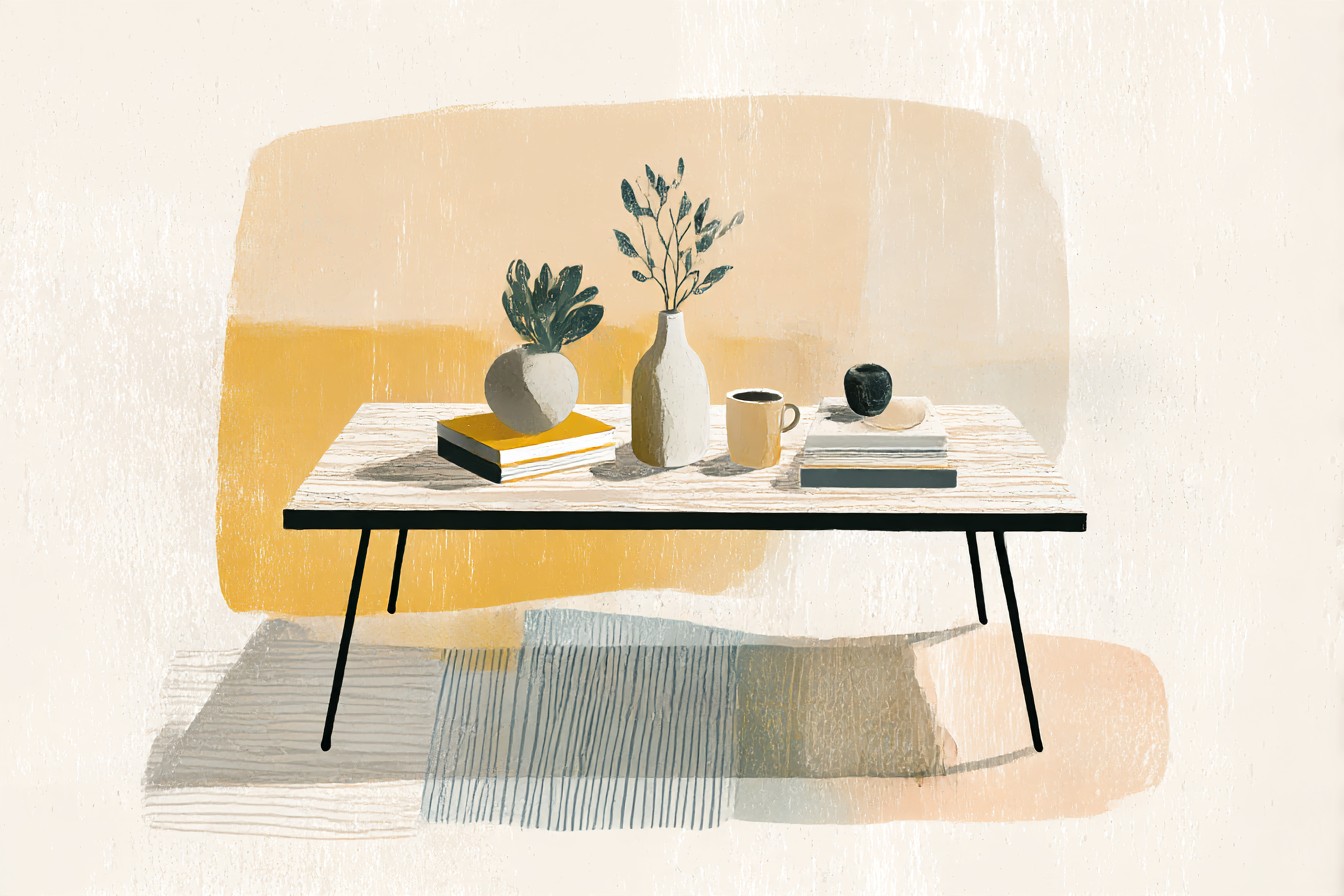
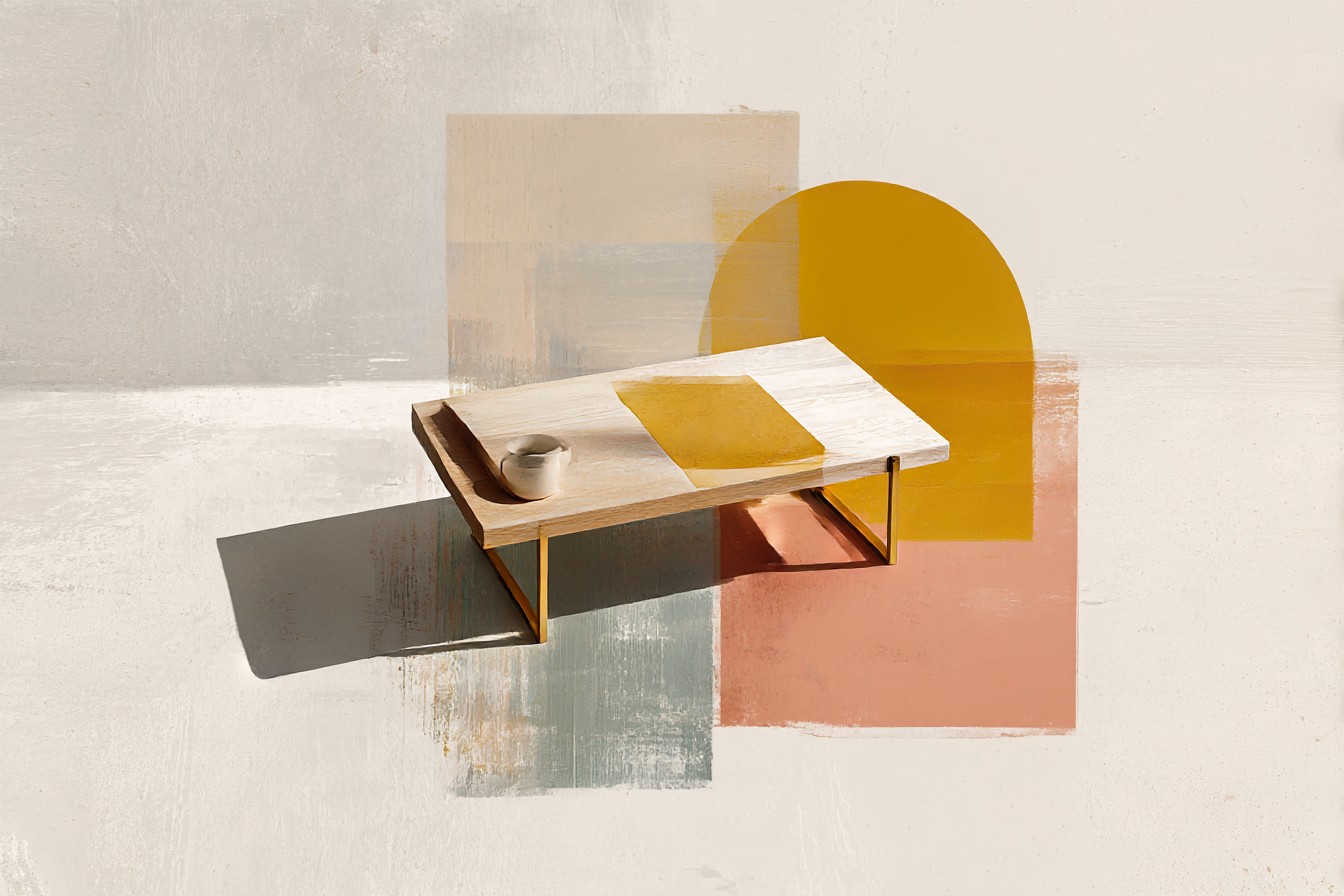
Coffee tables are where I think people genuinely overthink it, because the actual answer is way simpler than the furniture stores want you to believe. A dark wood coffee table next to brown leather can go either way, it can look intentional and rich if the tones are different enough, like a walnut against a cognac sofa, or it can look like a single depressing brown block if you match the tones too closely, which is what happened in my first apartment and it looked like a waiting room, not a living room. What I’d actually push you toward is either going lighter, a pale oak or a whitewashed wood that gives the eye somewhere to land, or going in a completely different material altogether, glass or a light stone top, because leather already brings so much visual density that the table’s whole job is to give the room a breather. Metal works too, black iron or brass legs especially, because metal catches light the same aggressive way the leather does and they end up sort of matching energy instead of matching color.
The chair next to it and the stuff that actually lives around leather day to day
The armchair question is its own argument and I will die on this hill: it does not need to match the sofa, and honestly it looks better when it doesn’t. A leather sofa in the room already establishes that this is a house with one serious, structural piece of furniture in it, so your armchair gets to be the personality hire.

A bouclé chair in cream or oatmeal next to brown leather is basically the interiors equivalent of a good haircut, it just makes everything else look more deliberate. A deep blue velvet chair does something similar but louder, and if your place skews more traditional a tweed or plaid armchair in rust or hunter green pulls the same trick pillows do, texture plus warm contrast rather than flat matching. What I’d actually avoid is another leather chair in a slightly different brown, because then you’re not contrasting anything, you’re just making the room look like it’s still waiting for the rest of the sectional to arrive.
Beyond the chair and the pillows, it’s genuinely the small stuff that decides whether the room reads expensive or reads like a dorm. Rugs need enough pattern or color to stand up to the leather rather than disappear under it, a flat jute rug basically vanishes the second the sofa’s in the room, whereas something with rust, cream, and a bit of black in the pattern holds its own. Throws matter more with leather than with fabric sofas too, because a chunky cream or camel throw draped over the arm actually breaks up all that shine in a way that looks intentional rather than like you’re hiding a stain, which, fine, sometimes I am. And the plants and lamps and whatever else is scattered around, keep at least one warm metal finish in the mix, because cool chrome next to warm brown leather is the one combination that consistently looks like an accident rather than a choice. None of this is a checklist you need to nail every point on. It’s really just one rule wearing different outfits: give the leather something with texture or warmth to bounce off, never something flat that’s just trying to match it, and the room stops looking like it’s still deciding what it wants to be.

[…] photographs badly and lives well, which might be the whole point of it. In every group photo of the room it disappears into the […]