I spent about four years telling clients dark brown was a mistake. Told them it ate light, made small rooms feel like a dentist’s waiting room from 1997, and that if they wanted a “safe neutral” they should go greige and move on with their lives. I believed this so completely I once talked a client out of a genuinely gorgeous chocolate leather sectional and into a mushroom colored linen thing that showed a wine spill within eleven days of delivery. That’s the moment it actually clicked for me, standing in her living room looking at a stain the shape of Florida, thinking about the sofa she didn’t buy that would’ve hidden it completely and I’d have never known.
Dark brown didn’t get a bad reputation because it’s actually difficult to work with. It got a bad reputation because everyone styled it like it was 2009 and paired it with orange walls and a leopard print throw, and then decided the sofa was the problem. The color itself is one of the most forgiving, practical choices you can make for a main seating piece, and it’s taken me embarrassingly long to say that in writing.
Why Dark Brown Actually Earns Its Keep
The practical case for dark brown starts with what it hides, and I don’t say that as a backhanded compliment.
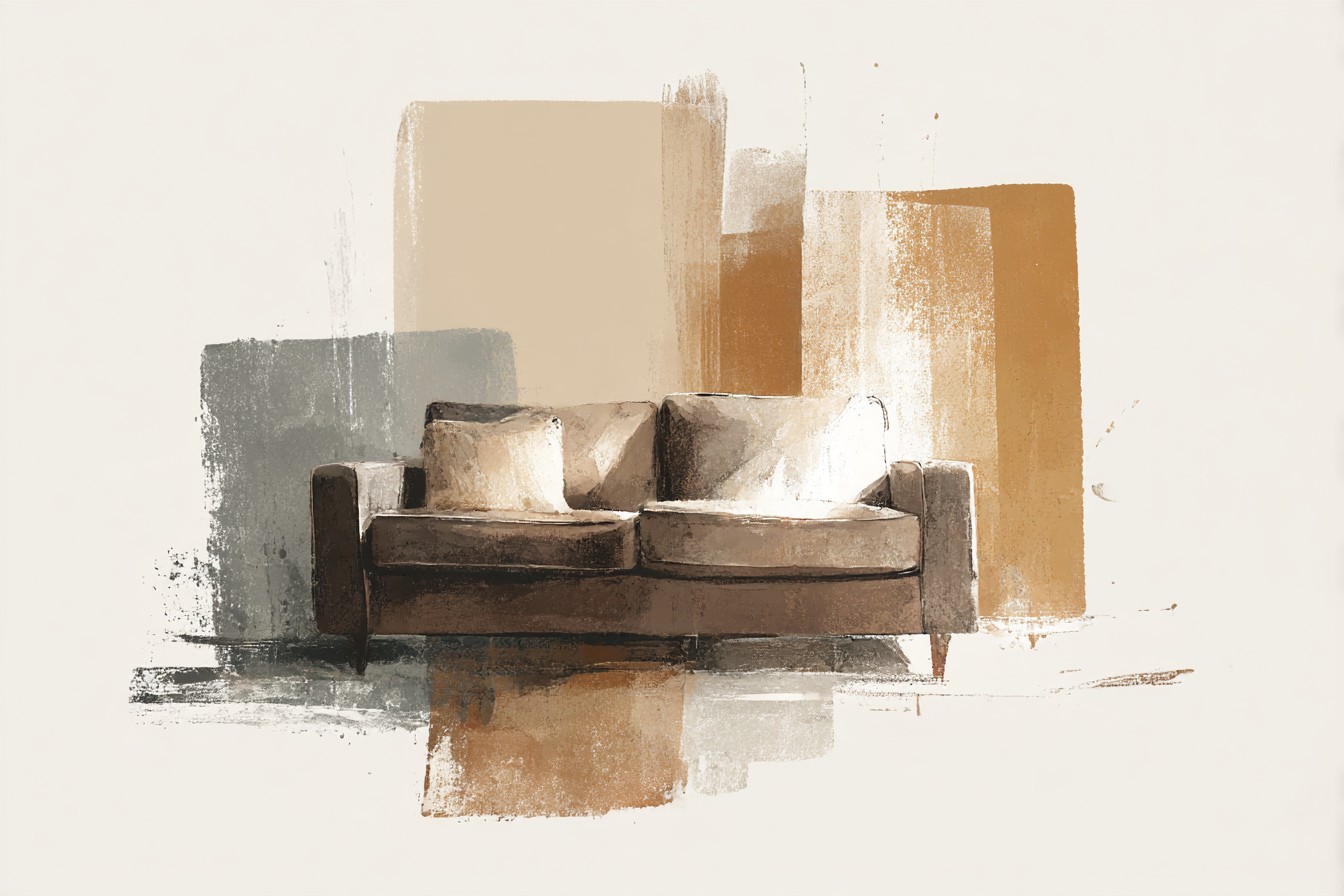
Life happens on a sofa. Dogs, toddlers, red wine, the guy who eats spaghetti standing up in your living room for reasons nobody’s ever explained to me, a dark brown sofa absorbs all of that visually in a way a pale one simply can’t. I’ve got a client whose golden retriever sheds like it’s contractually obligated to, and her dark walnut leather sofa from three years ago still photographs clean because the color does the work her vacuum can’t always keep up with.
There’s also the durability angle, which people underrate because they’re thinking about color as decoration rather than as a working part of the furniture. Dark brown, especially in leather or a tight woven fabric, tends to be sold in the more robust end of a brand’s range, because it’s marketed toward exactly the households that need it. I compared two sofas from the same manufacturer recently, one in a pale oat boucle and one in dark espresso leather, same frame, same price bracket, and the leather one had a noticeably higher denier rating on the upholstery spec sheet even though the listing photos gave you zero indication either way. That’s not an accident. Brands know who’s buying the dark one and they’re building for it.
And then there’s the thing nobody wants to admit, which is that dark brown is easier to live with long term because it doesn’t date the way trend colors do. Sage green was everywhere for a stretch and now it’s starting to read like a specific year rather than a color. Terracotta had its moment. Dark brown has been a legitimate, respected choice in furniture since forever, walnut and mahogany aren’t a trend, they’re just wood, and a sofa that echoes that doesn’t need replacing the second Pinterest moves on. I’ve styled dark brown sofas into rooms that were done five separate times over as many years and the sofa never once looked like the reason the room felt stale.
You Might Also Like

How to Stop It Looking Heavy
Here’s where I’ll admit the actual failure mode, because it’s real and it’s the reason people avoid this color in the first place. Dark brown can absolutely swallow a room if you treat it like a neutral and build everything else in the same tonal family. Brown walls, brown rug, brown coffee table, and suddenly your living room has the emotional temperature of a filing cabinet. That’s not the sofa’s fault, that’s a styling decision, and it’s fixable with about three moves that actually work rather than a vague promise to “add some texture.”
The pillow question comes up constantly, and the honest answer is that dark brown wants contrast, not more brown. Cream, warm white, and soft camel work because they lift the sofa without fighting it, but the pairing that actually changes a room is something with real color in it, rust, ochre, a deep teal, even a dusty pink if you’re feeling brave. What you’re doing is giving the eye somewhere to land that isn’t the size of the sofa itself, and one or two patterned or textured pillows against solid dark brown reads as intentional rather than accidental, whereas five matching cream pillows just looks like you were scared of commitment.
Coffee table choice matters more than people think, and this is where I get specific because vague advice here is useless.
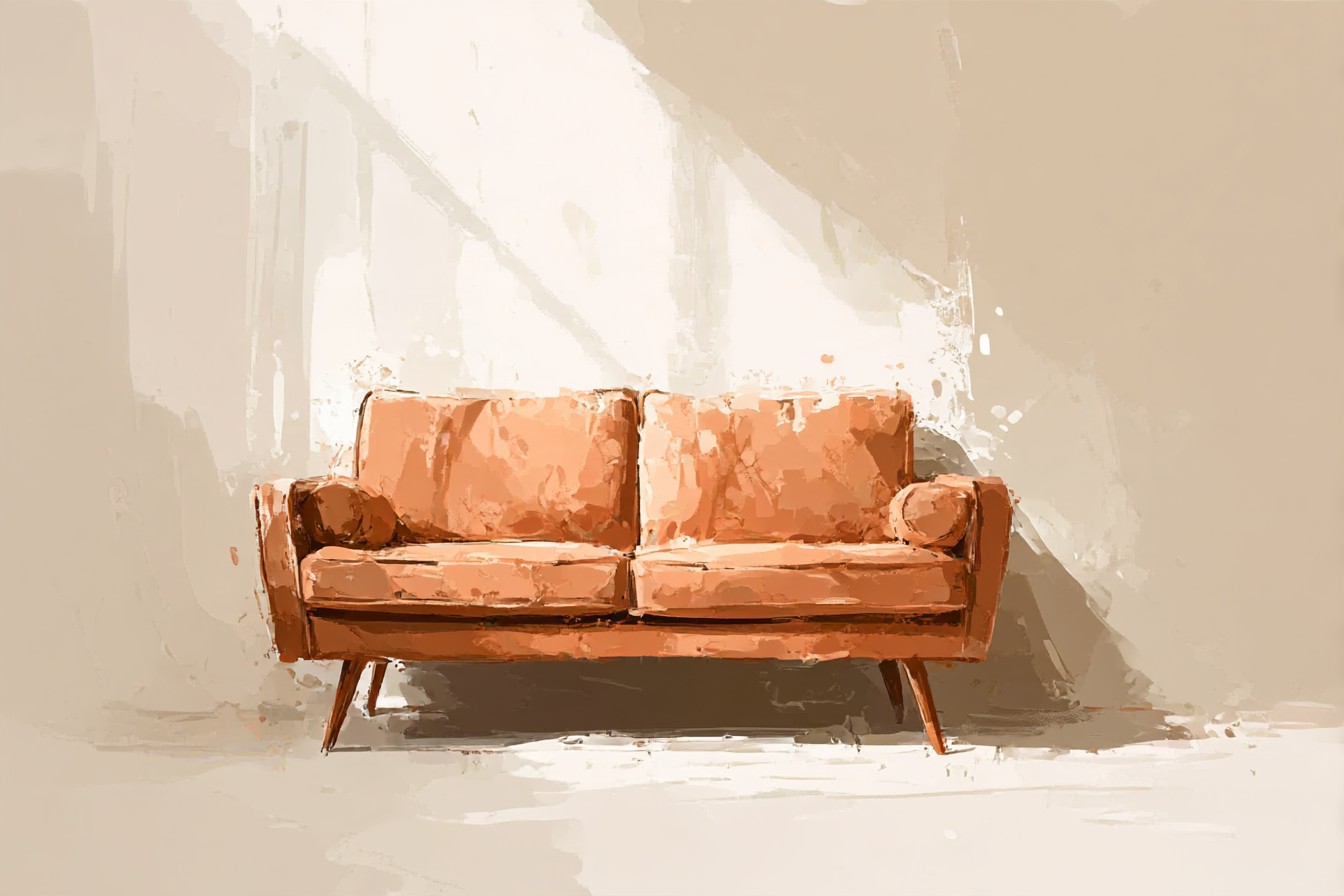
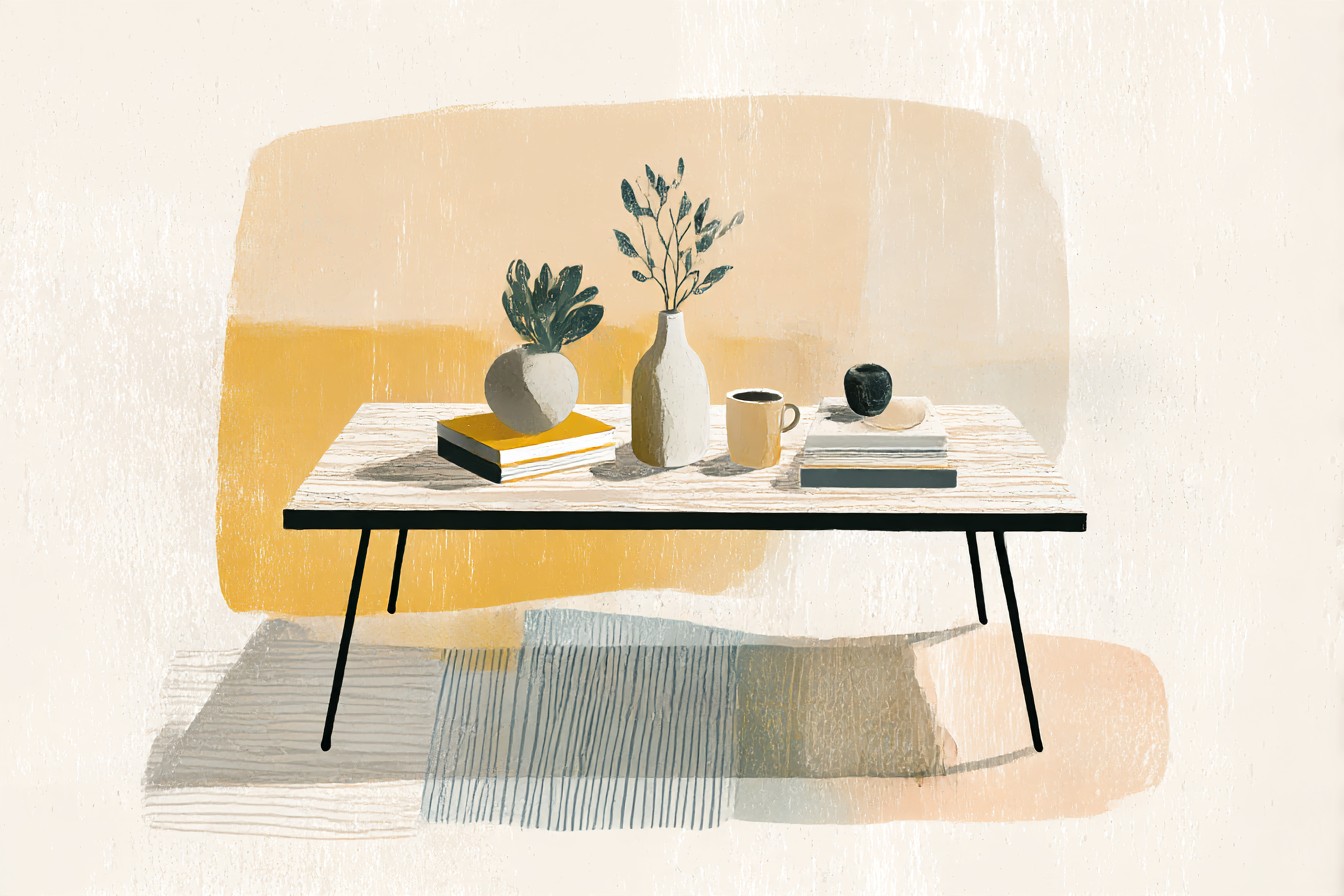
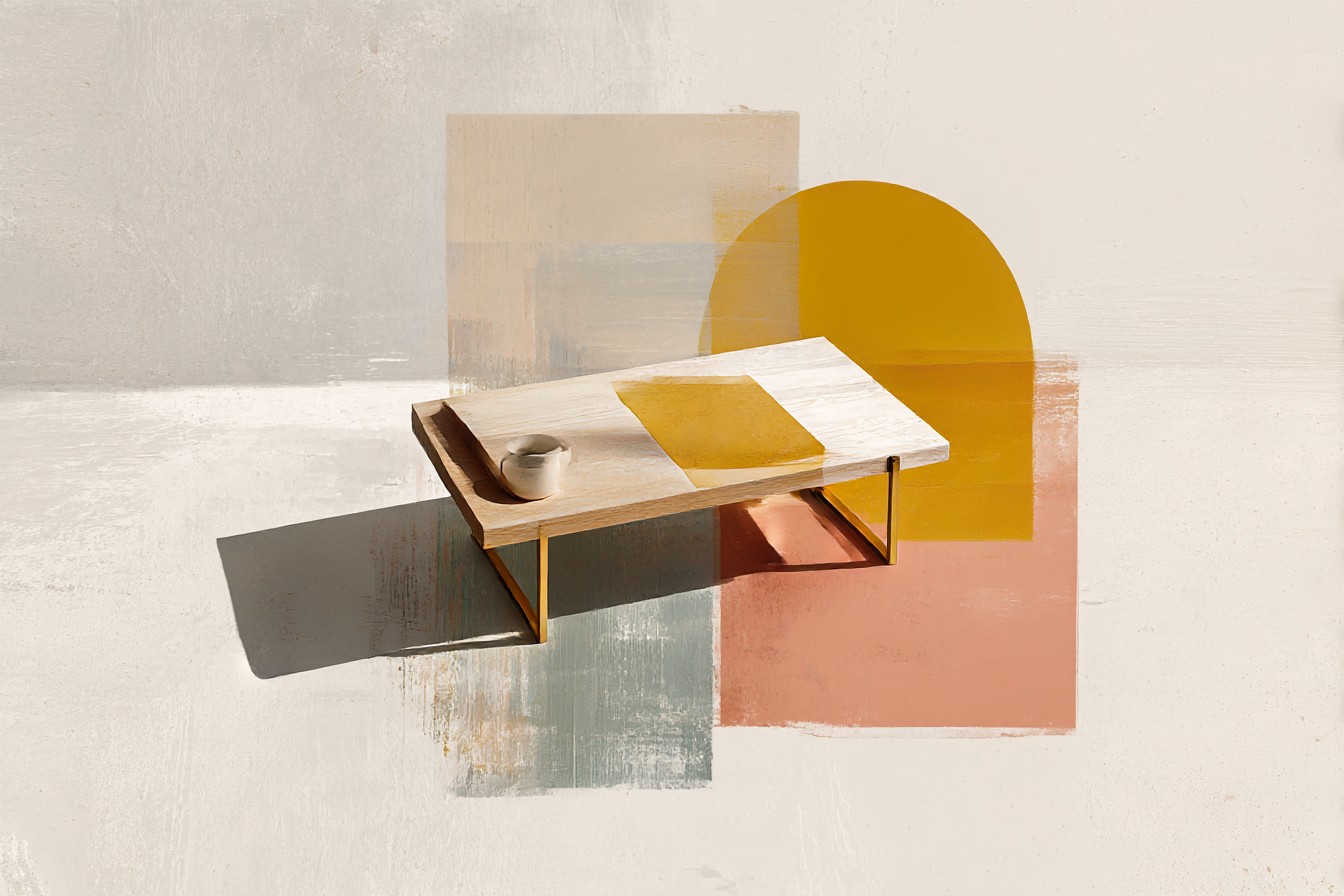
A dark brown sofa paired with a dark wood coffee table in the exact same tone just doubles down on the heaviness, it’s the filing cabinet problem again in miniature. What works is contrast in material or tone, a lighter wood like oak or ash, a glass top with a slim metal frame, or even a pale stone or plaster finish if you’re going for something more sculptural. I had a client insist on a black lacquer coffee table with her chocolate brown sofa because she’d seen it in a magazine, and it worked, but only because the black had a lacquered shine that read as a different material entirely rather than just another dark block in the room.
The other lever people forget is light itself, actual light sources, not just window placement. A dark sofa in a room with one overhead fixture and no lamps is going to read as a shadowy mass regardless of anything else you do. Add a floor lamp behind it, a table lamp on a side table, warm bulbs rather than cold white ones, and the sofa stops absorbing the room and starts anchoring it instead. Rugs help too, a lighter rug underneath breaks up the visual weight at floor level and stops the dark brown from just bleeding into dark flooring if you’ve got it.
None of this is complicated, it’s just the opposite of what most people instinctively do, which is match everything to the sofa because it feels safe. Dark brown was never the problem. Treating it like the only color allowed in the room was.