I bought my first charcoal sofa in 2011 convinced I was buying black, and I want you to sit with that for a second before you judge me too hard, because the store lighting in that particular showroom was doing something criminal to every dark fabric in the building. I got it home, stood back, and thought, fine, that’s basically black, close enough, who’s going to notice. Then I did the thing I always did back then, which was reach for actual black accessories because in my head anything dark was interchangeable with anything else dark. Jet black velvet pillows. A pair of them, ordered without a second thought, arrived looking like they’d been cut from a completely different fabric bolt than the sofa they were meant to be sitting on, because they had been, metaphorically, since charcoal and true black are not the same color family no matter how similar they look under fluorescent lighting in a warehouse on Olive Boulevard.
What I ended up with was a sofa that looked like a storm cloud with two holes punched into it, asphalt gray next to ink black, and the two together didn’t read as coordinated, they read as a mistake, which is exactly what it was. My sister came over, looked at the pillows, looked at the sofa, looked back at the pillows, and said, “did those come with it or did you add those,” which from her is about as close to a formal complaint as you’ll ever get.

I lived with that combination for almost two years before I finally understood what was actually wrong, which is that charcoal has warmth and depth that true black simply doesn’t, it’s closer to slate, closer to a rained on sidewalk, and it wants company that acknowledges that, not company that tries to out dark it.
I’ve since gone through four charcoal sofas across three different houses over the better part of thirty years, which tells you either that I love the color or that I have never once learned to leave well enough alone, and it’s probably both. What I can tell you now, with the confidence of someone who’s made every wrong pairing possible, is that charcoal is one of the most forgiving sofa colors there is once you stop treating it like a stand in for black and start treating it like its own thing. The pillows and the tables around it do a lot of the actual work.
[Charcoal Sofa Pillows and Coffee Tables]
Charcoal Is Not Black, and Treating It Like Black Is the First Mistake
I’ll say the quiet part loudly for a second, because I think this is where most people go wrong before they’ve even gotten to the fun part of picking pillows. CHARCOAL AND BLACK ARE NOT INTERCHANGEABLE, and I say that as someone who spent two years living with proof of what happens when you assume they are. Charcoal has gray in it, sometimes a hint of blue, sometimes a faint brown warmth depending on the dye lot, and that undertone shifts everything you put near it. Black has none of that ambiguity. Black is a full stop. Charcoal is more of a comma, it’s still deciding what it wants to say next, and that’s precisely why it’s such a useful sofa color if you actually work with what it is instead of what you assumed it would be.
The practical upshot is that anything you place against a charcoal sofa should either lean into that softness or contrast against it on purpose, not by accident. Pure black accessories tend to look like they wandered in from a different room, the way mine did in 2011, because black has none of charcoal’s give. I’ve found that even a black and white patterned pillow reads better on charcoal than a solid black one does, because the pattern breaks up that stark contrast into something that looks intentional rather than like two separate shopping trips that never spoke to each other.
I’d like to have a word with the woman who thought “dark goes with dark” was a design philosophy rather than a shortcut for someone who hadn’t thought it through. It took me embarrassingly long to understand that the whole appeal of charcoal is its flexibility, the fact that it can go warm or cool depending on what you put next to it, and that flexibility is wasted the second you flatten it by matching it to something with zero undertone of its own. Once I stopped trying to match charcoal and started trying to complement it, the rest of the room got a lot easier to furnish, including the coffee table, which is a conversation for its own section.
[Charcoal vs Black]
Warm Pillows: Rust, Mustard, and the Terracotta Phase I’m Not Sorry About
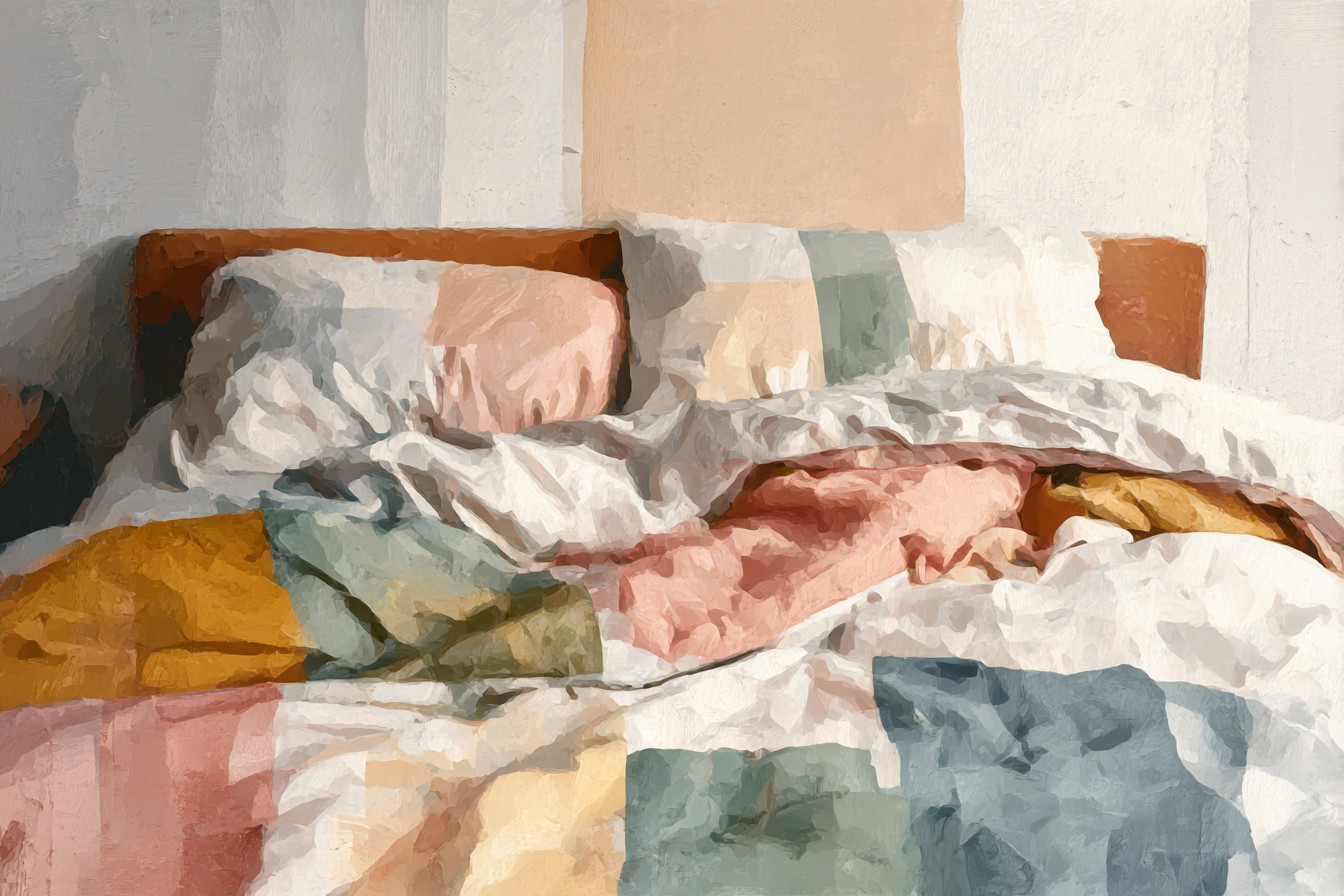
The most common question I get asked, usually by a niece or a neighbor standing in my living room looking mildly bewildered, is what color pillows actually go on a charcoal sofa, and my honest answer is almost always warm ones, because charcoal on its own can read a little somber if you let it, a little like a rainy Tuesday, and warm pillows are the fastest way to give it some personality without repainting a wall or replacing a nine hundred dollar sofa two years after you bought it.
Rust is the one I keep coming back to, decade after decade, and I mean that literally, I have owned rust colored pillows in some form since the late 1990s and they have never once looked wrong against a dark gray sofa. Mustard is close behind, though I’ll admit mustard is more of a seasonal player for me, it comes out for fall and gets quietly rotated to the guest room by February, which isn’t a criticism of mustard so much as an admission that I’m not as committed to it year round as I pretend to be. Terracotta had a real moment in my house around 2019, two pillows, then four, then I noticed I’d bought a small terracotta side table to match and had to have a conversation with myself about where exactly this was headed.
What all three of these share is that they sit on the warm side of the color wheel directly opposite charcoal’s cool gray base, and that opposition is doing real work, it’s what keeps the sofa from looking flat. A charcoal sofa with two rust pillows and nothing else going on in the room can still look finished, properly finished, not just “technically has pillows on it” finished. I tested this theory on my own sofa for the better part of a year with nothing else added, no table styling, no throw, and it held up, which for me is the actual bar for whether a pairing works or whether it’s just photographing well for a moment before it falls apart.
[Warm Pillows for Charcoal Sofas]
Cooler, Quieter Pillows: Ivory, Dove Gray, and the Case for Restraint
Not every room wants the rust and mustard treatment, and I say that as someone who’s tried to force it on rooms that clearly didn’t want it, including a sunroom that ended up looking like it was dressed for a completely different season than the rest of the house. Some charcoal sofas do better with restraint, and by restraint I mean ivory, oatmeal, a pale dove gray a shade or two lighter than the sofa itself, the kind of pairing that doesn’t announce itself the second you walk in.
You Might Also Like

This is the combination I’d point toward if the rest of the room already has a lot going on, a patterned rug, busy artwork, a spouse who’s opinionated about color in ways that don’t always align with yours. An ivory or bouclé textured pillow against charcoal reads calm without reading boring, because the texture is still doing something even when the color isn’t shouting about it. I put two cream bouclé pillows on my current sofa about three years ago mostly because I was tired of the room feeling like it needed constant justification, and it’s the lowest maintenance decision I’ve made in this house, no small compliment from someone who rearranges furniture the way other people rearrange their sock drawers.
Pale blue works here too, though I’ll admit I’m more cautious about it, a dusty, almost gray leaning blue rather than anything that tips toward navy or nautical, because navy against charcoal starts edging into a color combination that reads more like a uniform than a living room. The difference between a pillow that whispers and a pillow that just disappears is smaller than you’d think, and I’ve landed on both sides of that line more than once. What I’ve learned, slowly, is that a charcoal sofa doesn’t need loud company to look put together, it needs company with the right undertone, and quiet doesn’t have to mean forgettable.
[Cool Pillows for Charcoal Sofas]
Wood Coffee Tables: The Pairing I Keep Returning To
If you’d asked me in 1998, the year I apparently thought buying four identical occasional tables constituted a signature style, I would have told you any wood coffee table goes with any sofa, because I hadn’t yet learned that undertone rules the entire room whether you’re paying attention to it or not. A charcoal sofa with a warm honey oak table can look wonderful, but it can also look like two rooms had an argument, depending on the specific wood tone and what’s around it.
What’s worked consistently for me, across three different houses, is a walnut or a deep, slightly warm brown wood, something with enough richness to stand up to charcoal’s coolness without fighting it for attention. I’ve got a walnut coffee table now that’s outlasted two sofas already, bought back in 2009, still solid, no wobble, and every time I consider replacing it I remember that it’s already survived longer than most relationships I know, so I leave it alone. That table works with the current charcoal sofa specifically because the wood is warm enough to counterbalance the gray without competing with the rust pillows sitting a few feet away on the cushions.
Lighter woods, a pale oak or ash, can work too, but I’ve found they need the room to be doing more of the warming up elsewhere, through the pillows, through a rug, through something, because on their own next to charcoal they can start to look a little washed out, a little like they got left in the sun too long. The mistake I made for years was assuming any wood automatically warmed up a dark sofa. It doesn’t. It has to be the right wood, at the right depth, or you’re just adding a second cool tone to a room that already has one.
[Wood Coffee Tables for Charcoal Sofas]
Lighter and Cooler Tables: Marble, Glass, and the Contrast Approach
For every rule I’ve made about warming up a charcoal sofa, there’s an equal and opposite argument for doing the exact reverse, and I’ve lived with both approaches long enough to respect them equally. A pale marble top, a light travertine table, even a simple glass topped table on slim legs, can sit next to a charcoal sofa and look sharp rather than clinical, provided the rest of the room isn’t already leaning cool.
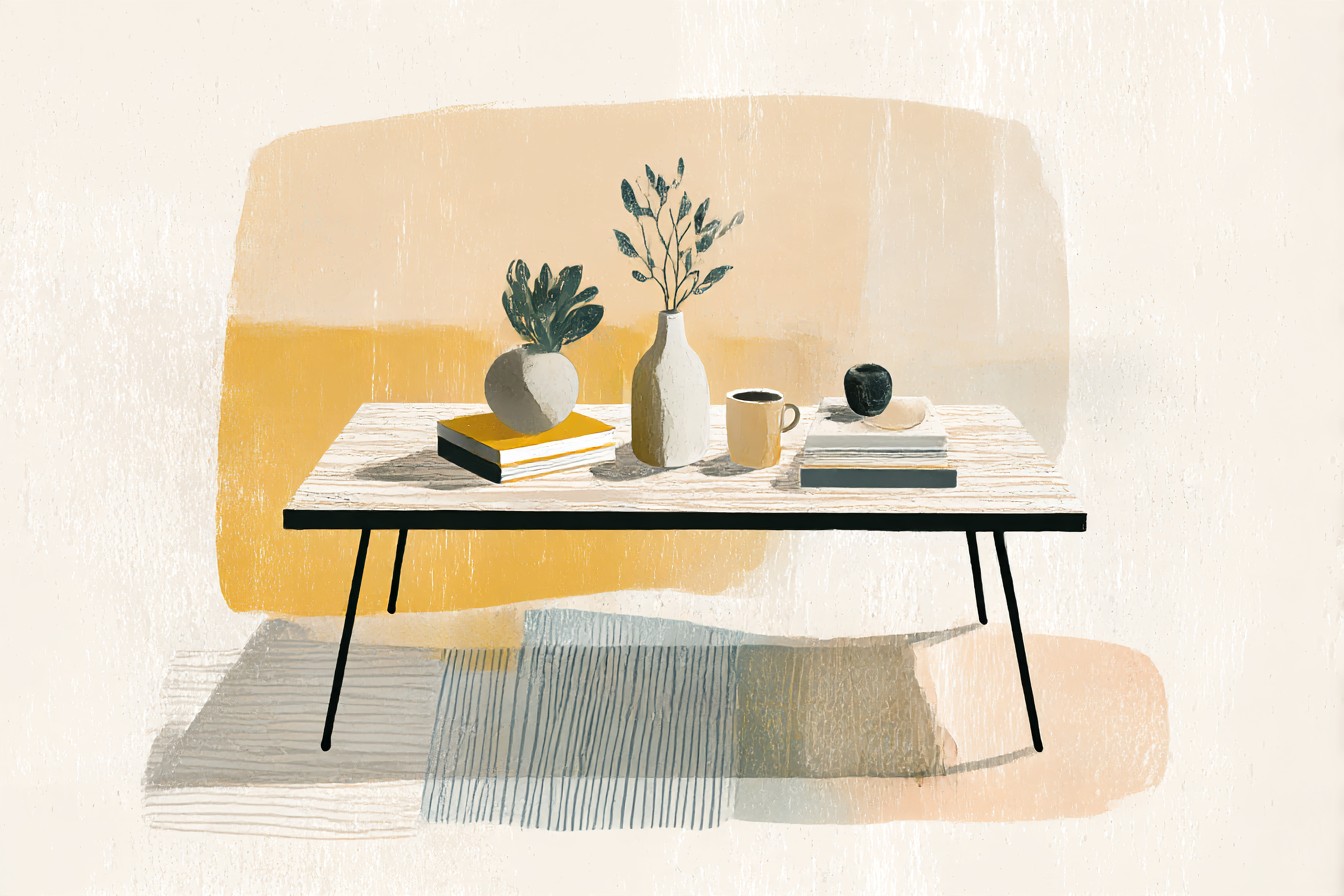
I went through a genuine glass coffee table phase in my thirties, three of them across two houses, each one convincing me for about a year that I’d finally found the right one, before a grandchild’s stray toy or my own clumsiness with a coffee mug reminded me why glass and daily life don’t always get along. What I’ve settled on now is a pale honed marble table, cool enough to sit comfortably next to charcoal without disappearing into it, warm enough in its veining that it doesn’t turn the whole seating area into an ice rink. It’s the table I’d point to if someone asked me directly what color coffee table goes with a charcoal couch and wanted a real answer instead of a shrug, because the honest answer is that lighter, cooler tables create contrast rather than blending, and contrast, done deliberately, reads as confident rather than accidental.
The trap here, and I fell into it more than once, is choosing a cool toned table AND cool toned pillows at the same time, which stacks the deck too far in one direction and leaves the whole arrangement looking a little cold, a little unlived in, the kind of room you photograph rather than sit in. Balance one cool element with at least one warm one elsewhere, and the pairing holds. Skip that step and you’ll be rearranging the whole room again within the year, which I know from experience, repeatedly.
[Light Coffee Tables for Charcoal Sofas]
Final Thoughts
Thirty years and four charcoal sofas in, the thing I keep coming back to is that this color rewards attention rather than assumption.

It’s not black, it’s not a neutral you can pair on autopilot, and the difference between a room that works and a room that looks like it happened by accident usually comes down to undertone, not taste. Warm pillows against it feel alive. Cool ones feel calm. Wood tables warm it up when you pick the right depth, lighter stone or glass tables sharpen it when the rest of the room can support the contrast. None of this is complicated once you’ve actually sat with it, which is more than I can say for how long it took me to figure it out the first time around.
I still have the walnut table from 2009. I still occasionally eye a glass one in a showroom and have to talk myself down. Old habits, even bad ones, have a way of sticking around longer than the furniture that taught you better. But I haven’t bought a black pillow for a charcoal sofa since 2011, and I don’t plan to start again.
[Charcoal Sofa Pillows and Coffee Tables]