Okay so I need to tell you about the winter I basically cooked my own mattress, because it’s relevant, and also because I still think about it more than is healthy.
I’d just moved into my third Chicago apartment in two years (renting problem, not a me problem, please), and the bedroom faced north, which meant it held cold like a grudge. My solution was a $34 electric blanket from a big box store, the kind you put under your fitted sheet, plug in, and forget about. Except I didn’t forget about it. I left it on the highest setting, every night, for about three weeks straight, because I am the kind of person who reads “high heat” as a suggestion rather than a warning.
My mattress was memory foam. A cheap-ish bed in a box situation, but still, I’d had it a year and liked it. One morning I sat down on the edge of it to put my socks on and noticed the whole surface felt different.

Softer in a bad way. Almost gummy, if that makes sense, like the foam had gone from “supportive cloud” to “structurally confused.” There was a faint chemical smell too, that new mattress smell but stale and reheated, like it was having a second, unwanted debut. I sent a photo of the indent to my apartment group chat with the caption “is this normal” and got back one reply, just the word “no,” in caps, from my roommate Deja, who does not usually engage with my bedroom drama.
Turns out memory foam and consistent heat are, chemically speaking, not friends the way you’d hope. That mattress is not doing great anymore, three years later, if you’re wondering. There’s a permanent softer patch right where the blanket’s heating wires sat.
So this piece exists because I went looking, after the fact, for whether you’re even supposed to use an electric blanket on a memory foam mattress, and the answer is more complicated than yes or no, it’s more like “it depends which part of the bed you’re heating and how hard.” Memory foam responds to body heat on purpose, that’s the whole gimmick, it softens where you’re warm so it molds to you. An electric blanket underneath it just means the whole slab is getting that treatment constantly, not just where your hip happens to be. Different tool, different problem.
[Electric Blankets and Memory Foam]
Heated Throws Versus Under Mattress Pads
First thing I had to learn, and genuinely did not know before my little foam incident, is that “electric blanket” covers two completely different products that behave nothing alike on a foam bed. There’s the kind that goes under your fitted sheet, directly against the mattress, which is what got me. And there’s the kind you throw over the top, over your regular blankets, like a heated topper for your body rather than your bed.
The under sheet kind is the one I’d actually steer away from with memory foam, full stop, especially the older wired versions rather than the newer low profile ones. It sits flush against the foam for hours, and foam doesn’t dissipate heat the way a cotton or wool mattress does, it holds it, which is sort of the opposite of what you want happening to a material that’s already heat reactive.
The over the top throw kind is a different story entirely. It’s heating you, and the layers of sheet and comforter between you and the mattress, not baking the foam itself from underneath for eight hours straight. My current setup, learned the hard way obviously, is a heated throw that lives on top of the duvet, not under the sheet, and it’s honestly been fine, no weird smells, no gummy patches, nothing my landlord would flag at move out either, which is basically my only real metric for anything at this point.
[Heated Blanket Types]
Low Voltage Options Built for Foam Specifically
Once I actually started paying attention, I realized some brands make blankets specifically marketed as safe for memory foam, and the difference is mostly voltage and how evenly the heat spreads. The cheap one I destroyed my mattress with had thick wires in a grid pattern, so you got these actual hot lines running through the blanket, concentrated heat, not ambient warmth. The low voltage ones use thinner wiring and lower wattage, spreading warmth out more evenly instead of in stripes, which matters a lot when there’s foam involved that’s going to soften wherever it gets warmest.
I tried one of these low voltage under sheet blankets on a friend’s guest bed as a sort of redemption arc test, not my own mattress, I wasn’t doing that again, and it ran noticeably cooler to the touch even on medium than my old one did on low. Took longer to warm up too, which I actually complained about at first, texted the group chat something like “this is doing NOTHING,” and then twenty minutes later it had evened out and I was fine, just impatient.
The tradeoff is real though. Lower voltage means less dramatic heat, so if you’re someone who wants to feel roasted alive within ninety seconds of getting into bed, this isn’t that. But if the whole point is not turning your mattress into a science experiment, slower and gentler is the actual win here, even if it doesn’t feel like one at 11pm when your feet are cold.
[Low Voltage Blankets]
Auto Shutoff and Timers, Which I Now Treat as Non Negotiable
My original blanket had no auto shutoff. It just ran until I unplugged it, which in practice meant it ran until I fell asleep and then kept running for another five or six hours, which is exactly the sustained heat situation that did the damage. This is the single change I’d tell anyone to make regardless of what mattress they’ve got, foam or not, but especially with foam.
You Might Also Like

Most decent electric blankets now come with either a timer that cuts power after a set number of hours, or a straight up auto shutoff after around ten hours of continuous use, sometimes less on the newer models. I set mine for two hours now, which sounds stingy but it’s genuinely enough to warm the bed before I get in and keep it cozy while I fall asleep, and then it just clicks off and stops being my problem.
There was one week where I forgot to check the timer was actually set correctly after washing the blanket and unplugging it, and it defaulted back to continuous, and I only caught it because I woke up at 3am sweating, which, lesson relearned, apparently I need to learn things twice. Sent a photo of the control unit to the group chat captioned “why am I like this” and got zero responses, which felt fair.
If you’re putting any heat source near memory foam overnight unsupervised, meaning while you’re asleep, a shutoff isn’t optional in my opinion, it’s the whole reason the good ones are safe to use at all.
[Auto Shutoff Blankets]
Wool Blend Throws for People Who Just Want Warm, Not Hot
Somewhere in this whole saga I discovered that some of my cold nights weren’t actually a “need an electric blanket” problem, they were a “my blanket situation is bad” problem, and a properly heavy wool blend throw solved more of it than I expected without any plug involved at all.
Wool holds warmth differently than synthetic fill, it’s slower to heat up but it also doesn’t trap that clammy, sweaty heat the way some polyester heated throws can. I picked up a wool blend blanket, heavy one, the kind that feels like a weighted blanket’s warmer cousin, and layered it over my regular duvet on medium cold nights instead of reaching for the electric throw at all. No mattress contact heat issue to even think about, obviously, since there’s no wiring anywhere near the foam.
It’s not a full replacement, if it’s genuinely below zero outside, wool alone isn’t cutting it and I’m back to the heated throw over the top. But for the in between nights, the ones that are just annoyingly chilly rather than actually cold, it’s been the lower effort option. My roommate borrowed it for one night during a heating outage in our building and it did not come back to my room for four days, which I’m choosing to take as a review.
[Wool Blend Throws]
Dual Zone and Adjustable Heat Blankets for Shared Beds
The last category worth mentioning is dual zone blankets, the ones with separate controls for each side of the bed, which matter more than you’d think once foam is involved because heat isn’t staying politely on one side.
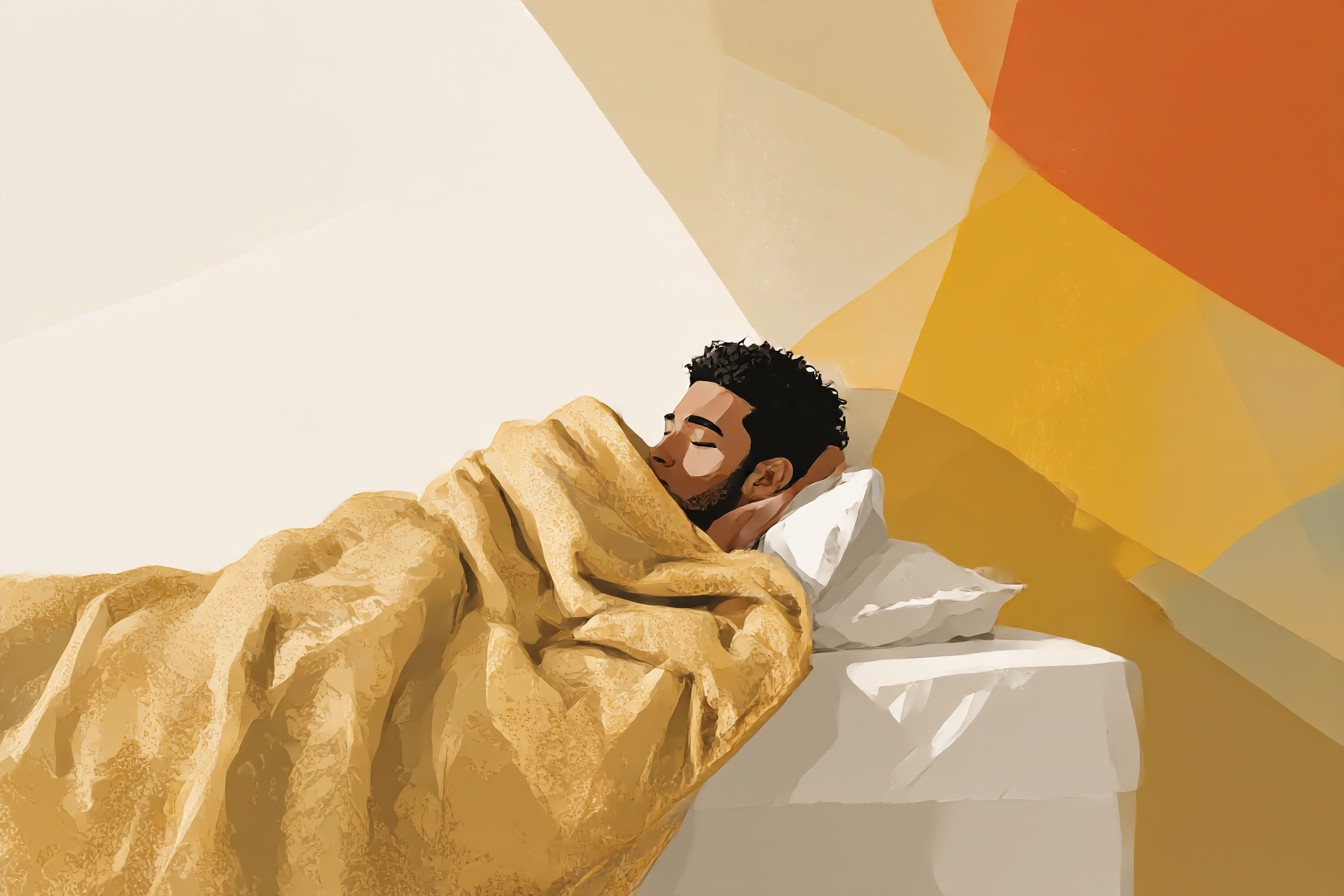
If your partner runs their side on high every night and you’re on a foam mattress, that heat can migrate through the foam more than it would through a spring mattress with more airflow underneath it.
I don’t personally have a shared bed situation right now to test this properly on, my current setup is one very determined cat who steals whatever blanket is warmest regardless of settings, but I did test a dual zone one at a friend’s place for a weekend, and the useful part wasn’t really the two zones, it was that each side had its own auto shutoff and its own lower voltage wiring, same features as the single side ones, just doubled. So really it’s less a separate category and more the same rules, just applied twice, which felt like an obvious thing to say out loud but somehow wasn’t obvious to me until I saw it.
If you’re going this route with memory foam underneath, I’d genuinely check that both sides have the lower voltage, gentler wiring, not just one, because uneven heat softening one half of a foam mattress and not the other sounds like an even weirder problem than the one I created.
[Dual Zone Blankets]
Final Thoughts
If you’d asked me two years ago whether you can use an electric blanket on a memory foam mattress, I’d have said sure, obviously, why wouldn’t you, and then shown you my ruined mattress as evidence that I did not actually know what I was talking about. The real answer is that it depends entirely on which kind you’re using and how carelessly. Under sheet blankets running high heat with no shutoff are the combination that actually causes damage. Low voltage options, auto shutoffs, throws that sit on top of your bedding rather than jammed against the foam itself, wool as a plugless backup for the milder nights, all of that is fine, some of it’s actually great.
I still keep a heated throw in rotation every winter, I just don’t trust it to run unsupervised against bare foam anymore, and honestly that one change fixed basically everything. My mattress still has its little soft patch, permanent reminder, but it hasn’t gotten worse since I changed how I heat the bed. Cold nights and foam mattresses can coexist. They just need slightly more thought than plugging something in and forgetting about it until 3am.