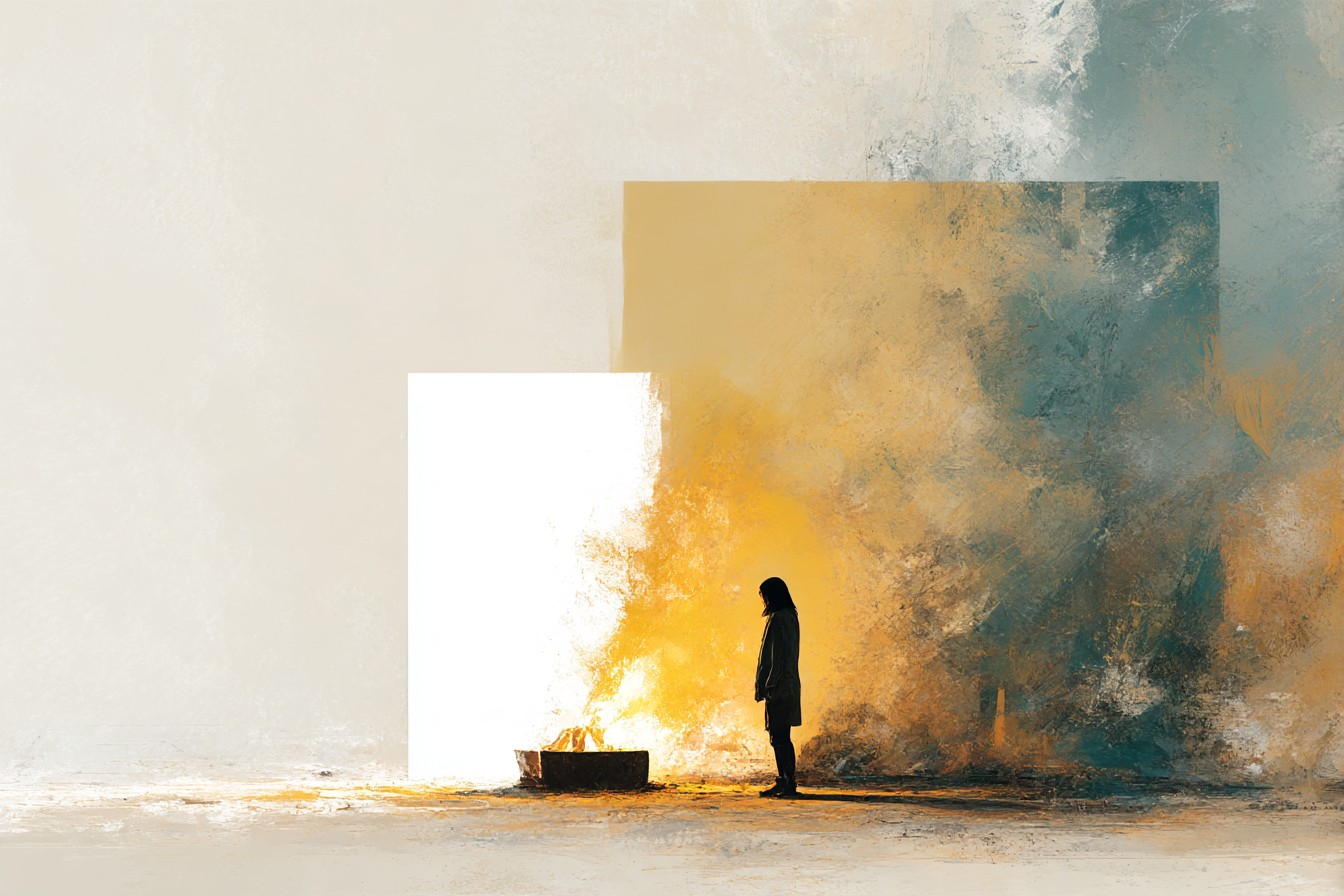
I built my first fire pit out of an old brake drum I pulled off a customer’s truck, welded three legs on it in about twenty minutes because I was pleased with myself and wanted to see it lit before dinner. No spark screen. No thought about wind direction. Just a bowl of hot metal sitting six feet from a fence I’d built the summer before, which is a detail I only appreciated the significance of about an hour later. I lit it, had a couple of beers with it going, and then my phone rang. Work thing, contractor I was doing a side job for, needed an answer on a header size before he ordered lumber in the morning.

I walked inside for what I promise you was supposed to be ninety seconds. It turned into closer to twelve minutes, because the guy wanted to talk through the whole framing plan and I’m not going to be rude and cut a client off mid sentence.
I came back out to a gust that had picked up while I wasn’t watching, a couple of embers sitting on the mulch bed right along that fence line, and one small scorched patch on a cedar picket that I still see every time I walk past it. Nothing burned down. Nobody got hurt. But I stood there with a beer in one hand and a garden hose in the other feeling like an absolute amateur, because I am, professionally, someone who’s supposed to think about how things fail before they fail. And I hadn’t thought about any of it. I’d built a decent looking fire container and completely ignored the actual physics of what happens when you leave an open flame doing its own thing with nobody watching the wind.
That’s the honest answer to “can you leave a fire pit unattended,” by the way. You can, in the sense that nothing stops you physically walking away. Whether you should is a different question entirely, and the answer is no, not even for a phone call, not even for the twelve minutes I told myself was ninety seconds. Embers don’t know how long you meant to be gone. They just do what embers do the second you’re not there to notice.
[Fire Pits]
Wood-Burning Fire Pits
Wood is the one that gets people, because it feels manageable right up until it isn’t. You watch the flame die down, decide it’s basically out, and go inside. It isn’t out. It’s a bed of coals that can sit at several hundred degrees for hours after the last flame’s gone, and a bit of wind or a dry leaf landing in the wrong spot is all it takes to get something going again. I’ve got a steel ring pit now, properly built this time, quarter inch plate rolled and welded, sitting on its own gravel pad a good ten feet from anything that’ll burn. That distance isn’t decoration, it’s the actual safety margin, and I measured it the way I’d measure a joist span, not by eyeballing it.
The other thing nobody tells you about wood pits is how much the base matters. Mine sits on compacted gravel over a steel firebox with real airflow gaps cut into the bottom, not just resting on dirt, because dirt holds heat and moisture in ways that surprise people. A pit with no proper base can scorch the ground underneath for longer than you’d think, which matters if you’re leaving it even for a short stretch, because that heat doesn’t announce itself. You can’t see it building. Wood fire pits reward patience at the end of the night far more than at the start, and the temptation to call it done early is exactly the moment that gets people.
[Wood-Burning Fire Pits]
Gas and Propane Fire Pits
Gas feels safer because you can just turn a knob and the flame stops, and that’s true, mechanically it’s a cleaner shutoff than wood ever offers. But I’ve taken enough of these apart to know the knob isn’t the whole story. The part that actually matters is the valve and the line behind it, and on the decent units that’s a proper regulated hose with a real shutoff valve, not just a push fit connector held on with a hose clamp and good intentions. I checked one for a neighbor last summer, pulled the lava rock tray off, and found the gas line routed straight across a sharp edge of the burner pan with zero grommet protecting it. That’s the kind of thing that sits fine for two years and then isn’t fine at all.
Turning the knob off stops the flame, but it doesn’t mean the unit’s cold, and it doesn’t mean you should walk off from a lit one either, because a gust can still push flame sideways toward something it shouldn’t reach while it’s running. Gas pits also tend to get left running longer than wood, precisely because they feel low maintenance, and that’s its own kind of risk, complacency dressed up as convenience. The construction quality on the valve assembly is where I’d spend money if I were buying rather than building, because that’s the part actually keeping gas contained, everything else is just the housing around it.
[Gas and Propane Fire Pits]
Spark Screens and Lids
A spark screen is the cheapest, least glamorous fix for the exact problem that got me with the brake drum. Mesh dome, sits over the top, stops embers popping out sideways when a log shifts or the wind kicks up. I didn’t have one that first summer because I thought it looked fussy on something I’d built myself, which is a genuinely dumb reason to skip a safety feature, in hindsight. The good ones have a properly welded frame, not just mesh stapled to a thin wire ring that warps the first time it gets hot, and a handle that actually stays cool enough to lift without a glove.
You Might Also Like

A lid is a different job entirely, that’s for after the fire’s mostly out, keeping rain off and, more importantly, keeping the pit contained if something’s still smoldering low down where you can’t easily see it. I’ve started using both on my own pit, screen while it’s burning, lid once I’ve called it a night, because they’re solving two different moments in the same fire’s life. Neither one replaces watching the thing while it’s lit, they just cut down how much can go wrong in the gap between you deciding you’re done and the fire actually agreeing with you. That gap is longer than most people think, and it’s exactly where an unattended pit gets you.
[Spark Screens and Lids]
Portable and Tabletop Fire Pits
These get treated like they’re basically candles because they’re small, and that’s the mistake. Size doesn’t change the physics, it just changes how casually people treat the thing. A tabletop bioethanol burner or a little bowl style propane unit still has an open flame sitting on a surface, often a surface that’s plastic or a folding table that wasn’t built with heat in mind. I looked at one a friend had, a little steel bowl on a low tripod, and the tripod legs were thin enough that a decent nudge from someone walking past would’ve tipped the whole thing. That’s not a fire risk from wind, that’s a fire risk from a kid running past or a dog with a bad sense of personal space.
Portable pits get left unattended more than any other kind, because people bring them to a backyard hangout, get absorbed in conversation, and the pit’s just sitting there on the table like it’s part of the furniture rather than an open flame. I’d treat the small ones with the same seriousness as the big steel ring, honestly more, because the margin for something to go wrong is smaller and the surface it’s sitting on usually wasn’t built to take heat for hours. Small doesn’t mean forgiving. It just means the mistake looks less dramatic right up until it isn’t.
[Portable and Tabletop Fire Pits]
Fire Pit Covers
A cover’s not a safety feature while the fire’s going, obviously, it’s for after, but it’s the part people skip that quietly matters most. Once you’ve decided you’re done for the night, ash and embers can hold real heat for far longer than feels intuitive, sometimes into the next morning if the pile’s deep enough. A cover keeps rain and debris out, sure, but the bigger issue is putting a cover on too soon, while there’s still active heat under the ash, which can scorch a cheap vinyl or fabric cover and in the wrong conditions actually reignite something under there if there’s airflow trapped in the wrong way.
I check mine by running a hand near the surface, not touching, just feeling for heat, before I ever put the cover on, same way you’d check a piece of freshly cut metal before you pick it up bare handed. If there’s any warmth at all I leave it open longer. The covers themselves are worth spending on too, proper heavy gauge vinyl with a decent hem and actual grommets rather than a thin sheet that tears the first time wind catches it, because a torn cover does nothing for the one job it has. It’s a small, boring piece of kit, but it’s the last decision you make on a fire that isn’t actually out yet, and that’s not nothing.
[Fire Pit Covers]
Final Thoughts
Here’s what I actually believe after building the wrong pit once and rebuilding it properly the second time.
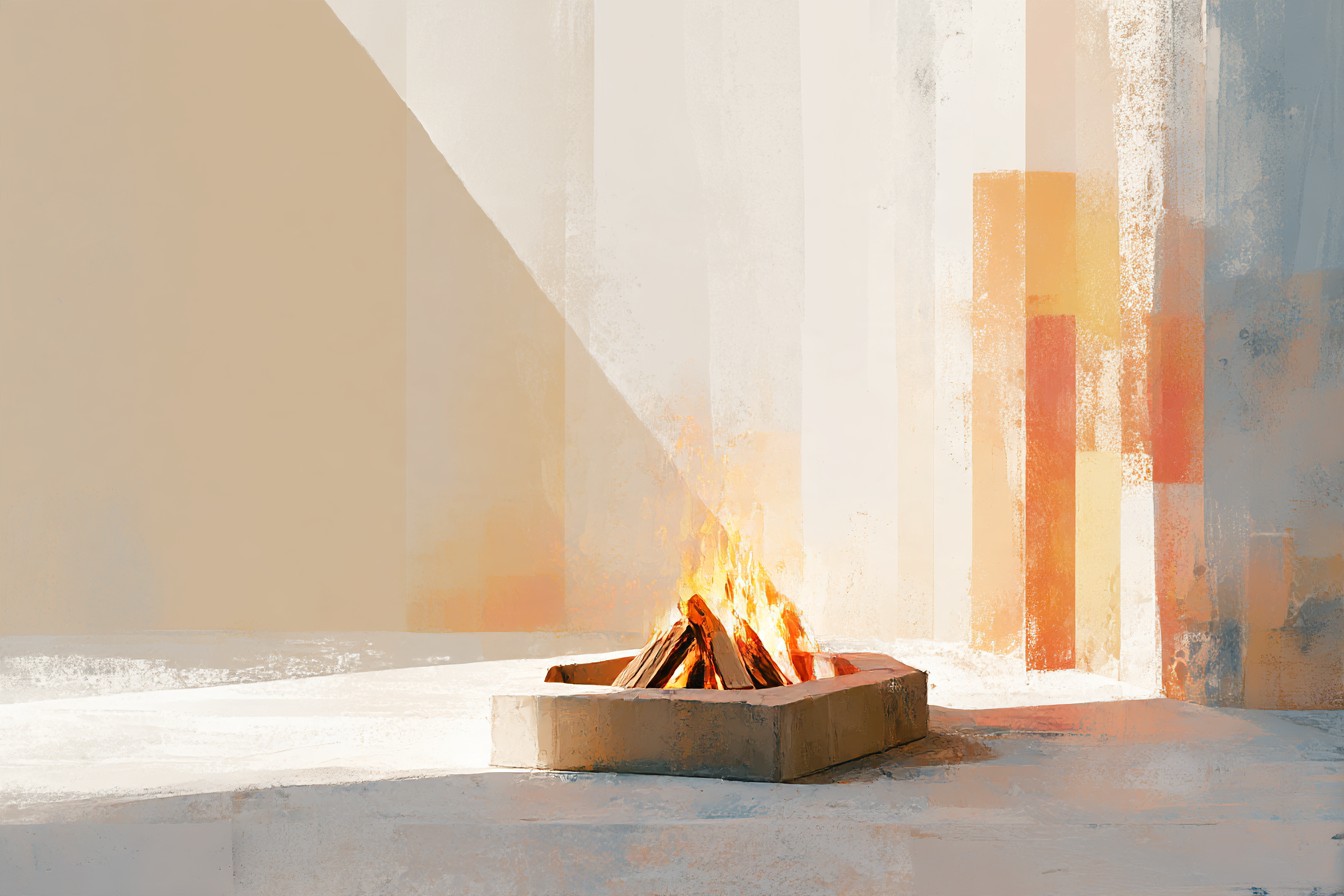
You can leave a fire pit unattended the same way you can leave a running table saw unattended, meaning nothing physically stops you, and meaning you shouldn’t, ever, not for a phone call, not for ninety seconds that somehow becomes twelve minutes. The equipment matters, the screens and covers and proper valve assemblies all matter, but none of it replaces someone actually standing there watching what the fire’s doing. My dad used to say a tool doesn’t care whether you meant to walk away for a second or an hour, it just does what it does the moment you stop paying attention, and a fire pit’s the same, just with higher stakes than a table saw most nights.
That scorched picket on my fence is still there. I never replaced it, mostly because I want to see it every time I walk past, a reminder that I know better now but I didn’t always, and the gap between those two things cost me about a foot of cedar and a genuinely uncomfortable half hour of hosing down mulch in the dark. Buy the good screen, get the properly built valve, use the cover once it’s actually cool enough. But don’t let any of that convince you the fire’s fine to leave. It isn’t. It’s just better contained while you’re not looking, which is a different thing entirely from safe.