Too much for who, exactly? Because I bought a black couch three years ago fully expecting my mother in law to say something about it at Thanksgiving, and she did, and I still don’t regret it. What I’ve actually learned since then is that black couches don’t fail because they’re black. They fail because people plunk one down in a room and change nothing else about it, then wonder why the whole space feels like a waiting room at a funeral home. It’s not too much. It’s just unforgiving of laziness in a way a beige couch never is.
What’s touching the couch matters more than what color it is
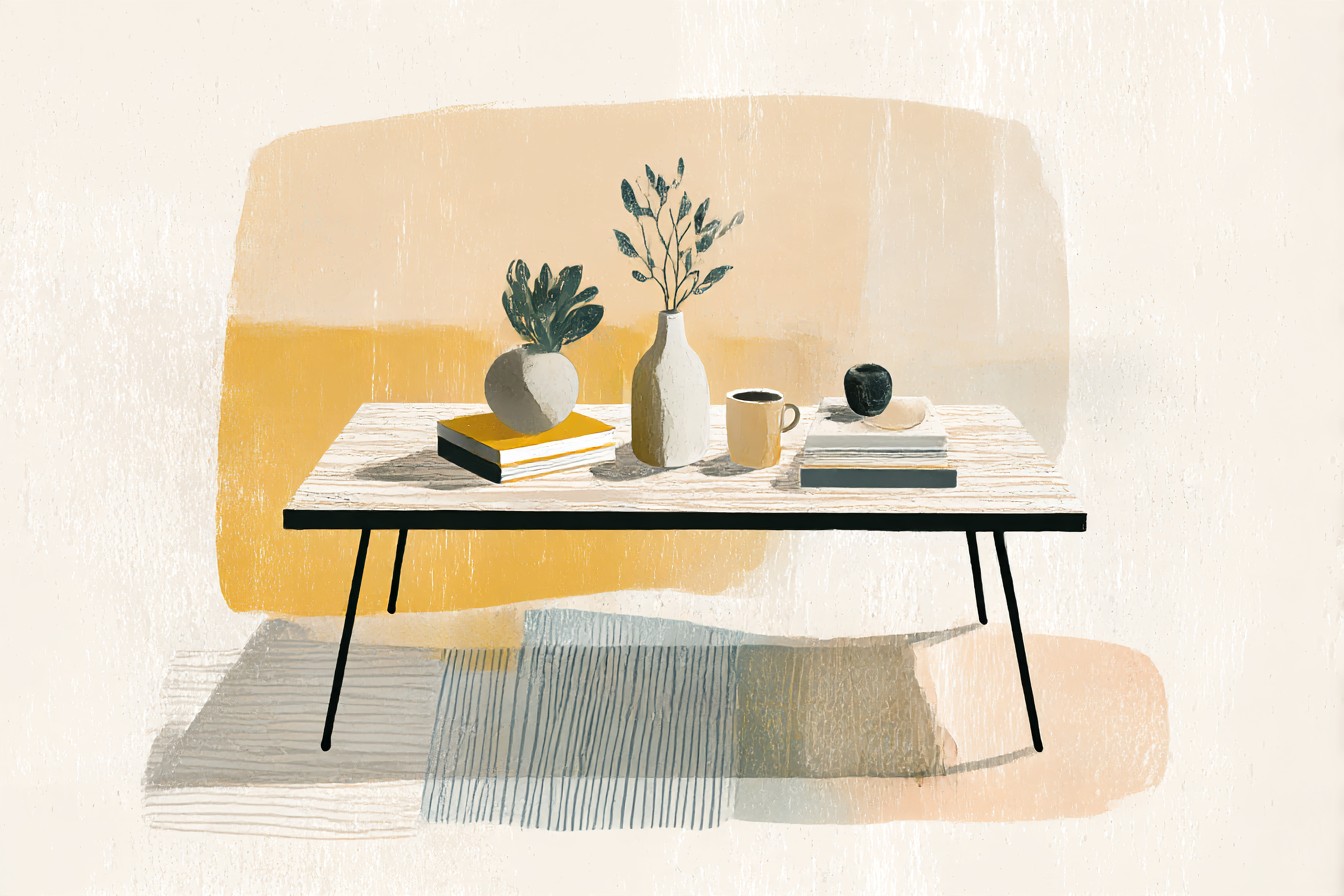
The coffee table question is the one I get asked about most, usually by someone standing in a furniture store looking vaguely panicked, and my honest answer is that a black couch wants something with actual grain or texture sitting in front of it, not another flat dark surface.

A light wood table, something with visible knots and warmth to it, does more work in that room than any accent pillow ever will, because it breaks up the mass of dark furniture at the exact height where your eye naturally lands when you walk in. I went through a phase of wanting everything to match, dark couch, dark table, dark everything, and it looked like I was decorating a room to be photographed for a heist movie. The second I swapped in a honey colored oak table, the whole room exhaled a bit, and I hadn’t touched the couch at all.
Rugs do the same job but at a bigger scale, and this is where I think people get scared off unnecessarily. You don’t need a rug that screams for attention, you need one that’s noticeably lighter than the couch, even a soft cream or a pale gray with some pattern in it, because that contrast is what stops the black couch from reading as a hole in the floor plan. My living room rug has a faint geometric print in it that I picked mostly because it hid dirt, and it’s done more to make the black couch look intentional than any styling advice I’ve ever paid attention to. The mistake is treating the rug like an afterthought, something you grab in whatever’s on sale, when it’s actually doing half the lifting in making the room feel finished instead of heavy.
And then there’s the actual test, which arrived in the form of my youngest deciding the coffee table was a launch pad about four months after we got the black sofa, missing the table entirely, and skidding face first into the front of the couch with a full sippy cup of chocolate milk. It wiped clean in about ten seconds flat, no stain, no mark, nothing, which honestly told me more about whether I’d made the right call than any amount of standing back and squinting at swatches. That’s the part nobody mentions when they’re worried a black couch is “too much.” It’s too much visually if you leave it alone in an empty room, but it is completely unbothered by the stuff that actually happens on a couch, which for me matters a lot more than whether it photographs well at 9am with nobody living in the house yet.
You Might Also Like

Pillows and walls are where you actually get to have an opinion
This is the part people overthink because they’re trying to find the one correct pillow color instead of just picking a mood and committing to it, and I think that’s backwards. If you want the room to feel calm, go cream, oatmeal, soft gray, textures like linen or bouclé that catch light instead of soaking it up, and the couch will look intentional rather than like a shadow.

If you want it to feel like a room that isn’t afraid of itself, go the other way completely, mustard, rust, a deep green, even a print with some chaos in it, because black is one of the only couch colors confident enough to sit under genuinely loud pillows without the whole thing turning into visual noise. I’ve done both in the same house at different points and I’ll be honest, I like the bold version more, but the calm version is what survives longest without me getting tired of it, which is its own kind of answer.
Walls are where I think the actual fear lives, because people assume a black couch needs a stark white wall behind it like some kind of gallery installation, and that’s the version that ends up feeling cold and a little sterile if you don’t nail everything else perfectly. What’s worked better for me is a warmer off white or even a pale greige, something with a hint of color in it so the wall and the couch aren’t fighting for the title of most dramatic thing in the room. I painted our living room a flat bright white when we first moved in because that’s what every article told me to do, and it made the black couch look like it had been dropped into an operating theater. Repainted it a soft warm white about a year later and didn’t touch a single other thing, and the room went from stark to genuinely inviting overnight, which taught me the wall color was doing more damage than the couch ever was.
The other thing nobody warns you about is that black hides everything except dust and pet hair, which show up like they’ve been personally invited, so if you’ve got a dog who considers the couch his by squatter’s rights, you’re going to be reaching for a lint roller more than you expect. That’s a real cost, not a dealbreaker, but I’d rather tell you now than have you find out after delivery day. Because once you get past the fear that a black couch is going to dominate a room, what you’re actually managing is pretty simple, keep something light nearby to touch it, and pick a mood for the soft stuff instead of chasing a rulebook. Mine’s survived two moves, a toddler, chocolate milk at speed, and a dog who’s decided it’s his, and it still looks like the best decision I made in that room, not the riskiest one.