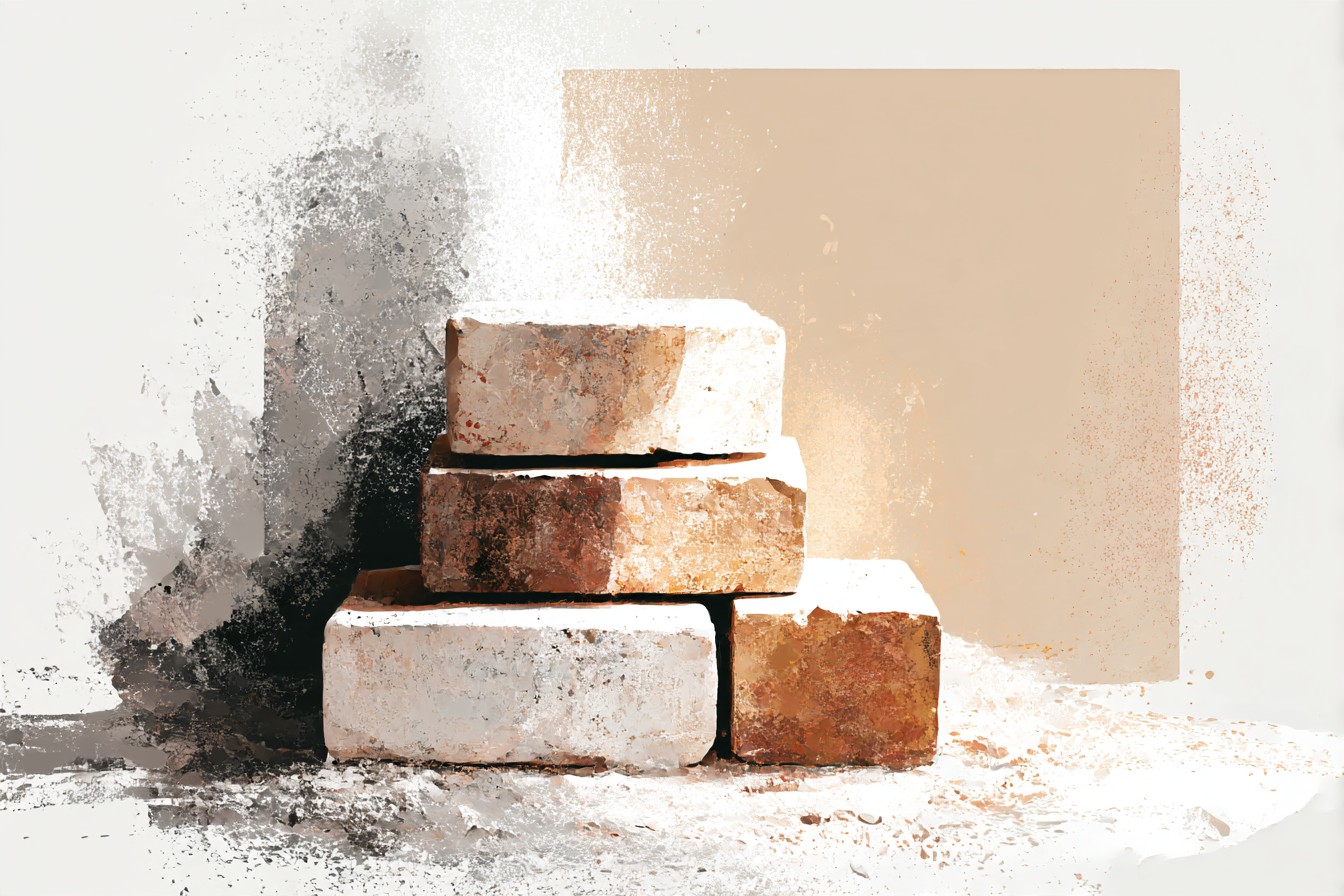
Corinne stood in my backyard last Tuesday, hands on hips, looking at the pile of brick I’d hauled home over about six weekends, and said, “Isla. Some of those look like they came out of somebody’s fireplace. Because they did.” She wasn’t wrong. Two of them still had soot ground into the frog, that little indent on top, and one had a maker’s stamp so worn I’d need a flashlight and a good angle just to guess at it. She wanted to know if I was actually going to build a fire pit out of whatever I’d scavenged, or if this was just another one of my projects that would sit half finished behind the shed until first frost, same as the porch swing situation from two summers back. Fair question.
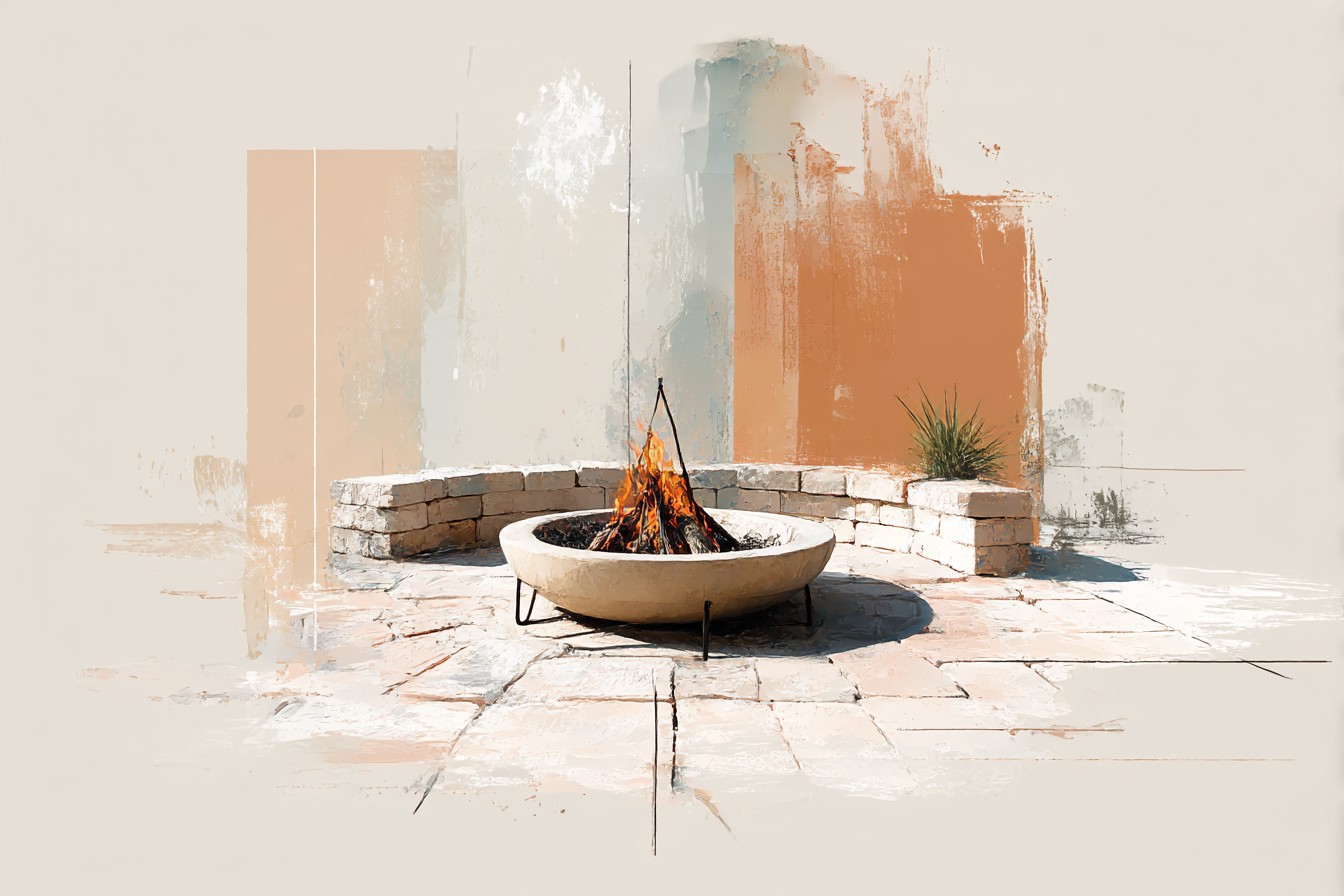
I didn’t have a fully honest answer yet.
Here’s the thing nobody tells you when you start digging through salvage yards for something to ring a fire pit with: brick is not one material. It behaves like one, looks like one, gets sold like one big undifferentiated category at the yard, but underneath that it’s a dozen different clay bodies fired at a dozen different temperatures, some of them soft enough to leave a thumbnail mark, some of them dense as a paving stone, and every single one of them has a different relationship with water. That relationship with water is the whole story here. Bricks don’t crack and pop in a fire pit because they’re old, or cheap, or ugly. They crack because they’ve spent years, sometimes a century, quietly soaking up moisture into their pores, and then somebody builds a roaring fire six inches away and that trapped water turns to steam with nowhere to go. It expands. The brick doesn’t have a say in the matter.
I’ve had this happen. Not to me directly, bless it, but close enough that I heard the pop from inside the house and came out to find a chunk of what I’d thought was a perfectly good reclaimed brick sitting four feet from where it started, and my dog Winnie refusing to go anywhere near the fire pit for the rest of the evening. So when someone asks whether you can use any old brick for a fire pit, the honest answer is you can use almost any brick to build something that looks like a fire pit. Whether it survives actually being one is a completely different question, and it’s the one worth spending real time on before you cement a single thing in place.
[Not All Bricks Survive a Fire Pit]
Common Red Building Brick
This is the brick most people mean when they say “brick” without thinking about it further, the standard reddish orange stuff you see on house exteriors and old sidewalks all through the historic squares here. It’s fired, it’s structural, it looks the part, and it is genuinely the brick I see most often stacked around a backyard fire pit that some poor soul built with total confidence and no research. The trouble is that common building brick is made to sit in a wall, exposed to weather but never to direct sustained flame, and it’s typically fired at a lower temperature than anything meant to handle real heat. It’s porous enough to breathe with the seasons, which is fine on a house, and a liability six inches from burning logs.
I picked up a pallet of these years back from a demolition site off Bull Street, gorgeous color, real patina, the guy running the job practically paid me to haul them off. Used a dozen to edge a flower bed, no issue at all. Tried a few in a test fire ring before I trusted the rest, and within an hour one had split clean in half with a crack like a gunshot. Startled Winnie half out of her fur. That was the lesson. Common brick can look completely trustworthy and still not be built for what you’re asking of it.
[Common Red Building Brick]
Reclaimed Brick from Old Chimneys and Buildings
Now this is where my heart lives, if I’m honest, and also where I’ve been burned, figuratively, more than once. There’s a particular thrill in finding a stack of century old brick behind a salvage yard, the kind with a soft worn edge and a stamp from a brickworks that hasn’t existed since before anyone’s grandmother was born. Mercer, who runs the Sunday yard out past the county line, kept a pallet of them back for me last spring without me even asking, knew I’d want first look, which after this many years feels like the actual prize of the whole hunt.
But chimney brick has usually spent decades absorbing moisture from mortar joints, rain, and whatever the flue was venting, and it’s often softer than modern brick to begin with because older kilns didn’t always hit the same consistent temperatures a factory does now. Some of it is wonderful and dense and has clearly survived a hundred winters just fine. Some of it is quietly waterlogged at a level you can’t see or tell by knocking on it. I fell in love with a stack of these once, got them home, and found soft crumbling faces on nearly a third of them that hadn’t shown at the yard at all. Reclaimed brick deserves real respect, and a proper test burn before it goes anywhere near your actual fire.
[Reclaimed Chimney Brick]
Concrete Pavers and Cinder Block
I want to be plain about this one because it’s the category that actually worries me when I see it in someone’s backyard. Concrete pavers and cinder block get used for fire pits constantly, partly because they’re cheap and partly because they’re sold right there in the same aisle as the fire pit kits at the home improvement store, which makes them feel approved somehow. They are not approved for direct sustained fire. Concrete holds moisture differently than clay brick does, and when it’s heated unevenly, particularly cinder block with its hollow cores trapping condensation, it doesn’t just crack. It can fracture violently enough to throw fragments a genuinely alarming distance.
You Might Also Like

A neighbor a few streets over built a fire pit entirely from paver stone left over from a patio job, had a lovely first fire, and on the second one a piece the size of a fist shot clean off the ring and landed in the grass a good ten feet away. Nobody hurt, thank goodness, but it ended that fire pit’s career on the spot. If you’ve got leftover pavers from another project, they’re better used as a decorative surround a foot or two back from the actual heat, not as the ring itself.
[Concrete Pavers and Cinder Block]
Fire Brick
This is the brick that actually wants the job, and it took me embarrassingly long to stop resisting it in favor of prettier salvaged finds. Fire brick, sometimes called refractory brick, is made from a different clay entirely, fired at temperatures well beyond what a regular building brick sees, and it’s dense in a way you can feel the moment you pick one up. It’s pale, almost sandy or cream colored rather than the deep red of common brick, and it’s noticeably heavier for its size. There’s nothing romantic about it sitting on a shelf at the masonry supply yard, no maker’s stamp worth photographing, no story behind where it came from.
But it’s rated for exactly this. It handles direct flame and sustained heat without the moisture problem that undoes everything else on this list, because it’s fired hot enough in manufacturing that there’s very little left to trap in the first place. I use it now as the actual inner lining of every fire pit I build, and save the reclaimed brick I love for the outer ring where it’s decorative rather than load bearing against flame. It’s the one category here I’ll recommend without a single caveat trailing behind it.
[Fire Brick]
Antique Brick with Soft, Historic Clay
Last category, and it’s a narrow one, but it’s worth its own mention because it’s where the romance and the risk sit closest together. Every so often at a yard I’ll come across brick that’s clearly a century or more old, hand molded rather than machine pressed, with those slightly irregular edges that machine brick can never quite fake. NEARLY WALKED PAST A CRATE OF THESE at an estate sale outside Pooler last fall, tucked behind a stack of identical cinder block like the seller didn’t know what he had, and when I turned one over there was a maker’s mark I hadn’t seen in years.
These are gorgeous, and they are almost never appropriate for direct fire use. The clay bodies from that era were fired at lower, less consistent temperatures than anything modern, and a hundred plus years of sitting in walls or gardens means they’ve absorbed and released moisture more times than anyone could count. They belong as edging, as pathway brick, as something you touch and think about the house it came from. Not as the ring holding back your flames.
[Antique Reclaimed Brick]
Final Thoughts
Corinne got her answer eventually, though not the tidy one she probably wanted.
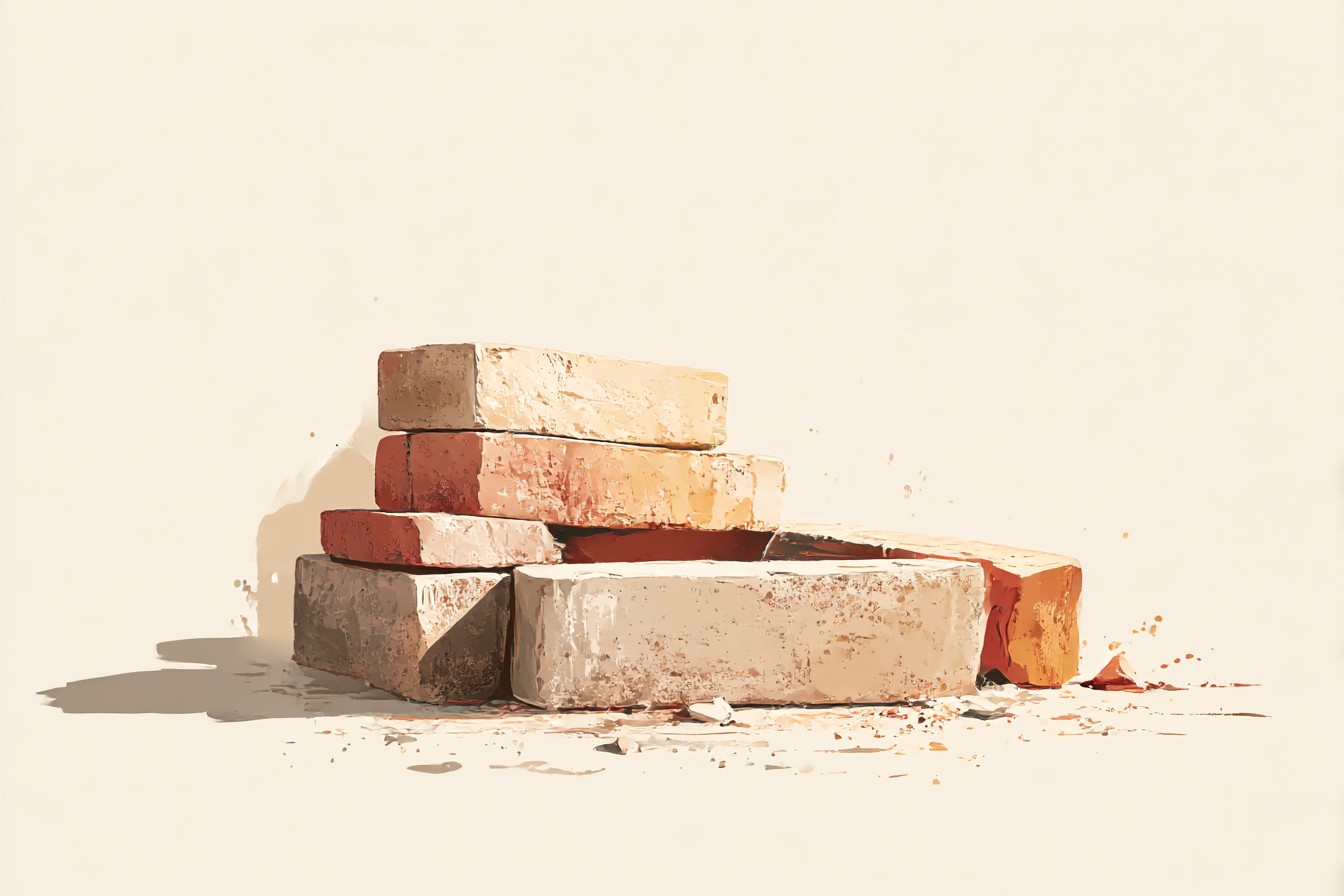
Some of that pile in my backyard became the outer decorative ring of the fire pit, the reclaimed stuff with the soot stains and the worn stamps, sitting a comfortable distance back where it gets to look beautiful without having to prove anything. The actual ring holding the fire, the part doing the real work, is plain fire brick from the masonry supply yard, no story attached, no maker’s mark, nothing I’d photograph for its own sake.
That’s really the whole answer to whether you can use any brick you find. You can use almost any brick somewhere near a fire pit. Whether it belongs in direct contact with the flame is a separate question entirely, and it comes down to how much water that particular brick has been quietly holding onto and how it was fired in the first place. Common brick and old chimney brick and pavers all have their place in a backyard. Just maybe not the place you were about to put them. Test a piece first if you’re unsure, one small fire, a bit of distance, and watch what happens before you commit the whole ring. It’s a lot cheaper than finding out the hard way, and considerably kinder to whatever dog happens to be standing nearby when it goes.