The walnut console table comes up in the office at least once a month, usually when somebody’s mid renovation and asking what to put behind the sofa that isn’t just another shelf pretending to be furniture. One of us thinks it is the single most useful piece anyone can own, the thing that catches keys, mail, sunglasses and one specific pair of scissors that lives there and nowhere else. Another thinks it’s a glorified shelf with delusions of grandeur, and that most people buy one because it looks good in a photo, then spend the next three years resenting how much floor space a “slim” table apparently still needs.
What nobody argues about is the surface, and what it does over time. Walnut takes a water ring like it’s personal. Leave a mug on it without a coaster and within a week you’ll have a ghost outline that only shows up in certain light, usually right when someone’s coming round. One of us has stopped caring entirely and calls the rings “history.” Another still gets visibly annoyed by a scratch that happened four years ago and was, by all accounts, not even that bad.
Here’s the thing though, it hides wear better than almost anything else we’ve had in the house.

Pale oak shows every scuff like a confession. Walnut just goes richer, darker in patches, the kind of uneven that reads as character rather than damage, right up until someone points out it’s actually just a burn mark from a candle nobody remembers lighting.
The other disagreement, and it’s a proper one, is about what actually goes on top.
You Might Also Like

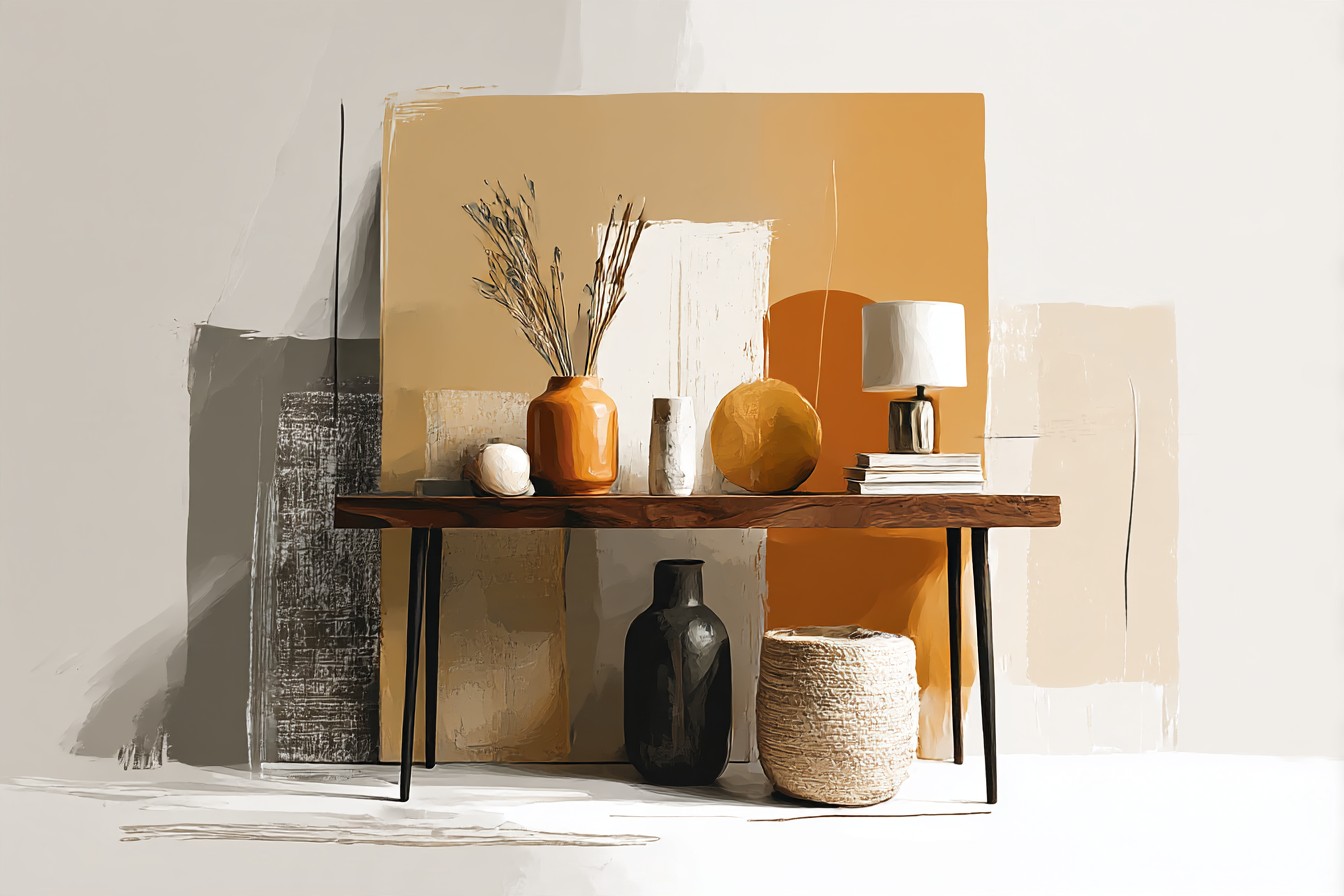
One of us keeps it almost empty, a lamp, a bowl, maybe a single plant that’s somehow survived longer than expected. Another treats it as a dumping ground the second they walk in the door, coat, post, a phone charger that’s been coiled up there since spring. Both approaches work, weirdly, which might say more about the table than either person.
It also gets asked about more than it gets bought, which is its own kind of tell. People stand in front of one for ten minutes deciding if it’s too much table for a narrow hallway, then buy it anyway and never regret the width, only the price, briefly, until it’s been holding their entire life’s clutter for two years and they’ve stopped doing the math.
Nobody on this team fully agrees on how to live with one. That’s sort of the point. It’s not a neutral object the way a flat pack shelf is neutral. It asks something of the room and of the people in it, mostly patience with rings and a willingness to admit the scratch was probably your fault. We keep talking about it because none of us has actually finished the argument, and honestly, we’re not sure we want to.