My mother in law told me last month that “back in her day” you just put a penny in the vase and the flowers lasted two weeks, no fuss, no florist packets, and honestly I laughed out loud in her kitchen because I’ve measured this, sort of accidentally, over about six years of buying myself flowers on a Tuesday because nobody else was going to, and the penny is doing nothing. Copper doesn’t leach into water in any useful concentration off a single coin sitting at the bottom of a vase. What was actually happening in her day, I’d bet money, is that the water got changed more, because there wasn’t a little sachet telling you it had already been handled. That’s the whole article really, buried in one kitchen argument. The stuff you put IN the water matters less than people think, and the stuff you DO to the water matters more than almost anyone bothers with.
What actually goes in the water (and what’s mostly theater)
Those little foil packets that come taped to a grocery store bouquet do work, I’m not going to sit here and tell you they’re a scam, they’ve got a bit of sugar to feed the flower, a bit of acid to help it drink, and a bit of something antibacterial to slow the water turning into swamp. Fine.

Use them. But I’ve run the DIY versions side by side in my own kitchen more times than is probably normal for a person who isn’t a florist, and a teaspoon of sugar with a few drops of bleach or a splash of white vinegar does close to the same job for close to nothing. The sugar feeds the stem, the bleach or vinegar keeps the bacteria down, and that’s genuinely most of what the branded packet is doing under a nicer label.
Where I’ve properly changed my mind is on the vodka thing, which sounds like a joke and isn’t. A few drops in the vase water, not a shot, drops, slows down the ethylene gas that ripening flowers give off, the stuff that makes petals drop faster once it builds up. I tried it on a bunch of ranunculus that were already looking iffy from the shop and got maybe three extra days out of them, which for a five pound bunch felt like a genuine win rather than a party trick. Aspirin I’ve tried too and I think it’s mostly folklore, I didn’t see a difference I’d swear to in court.
What I won’t do anymore is bother with the copper penny, or lemonade, or the various things people swear by that read more like superstition passed down than anything that’s actually feeding a stem or fighting bacteria. If it’s not doing one of those two jobs, sugar or antibacterial, it’s decoration for the internet, not for the flowers. And I’ll say the plain thing here because it matters more than any of the additive debate: cloudy vase water, whatever you’ve put in it, is doing more damage in one day than a “wrong” additive does in a week. The water clarity is the tell, not the ingredient list.
You Might Also Like

The habits nobody bothers with, which matter more than any of it
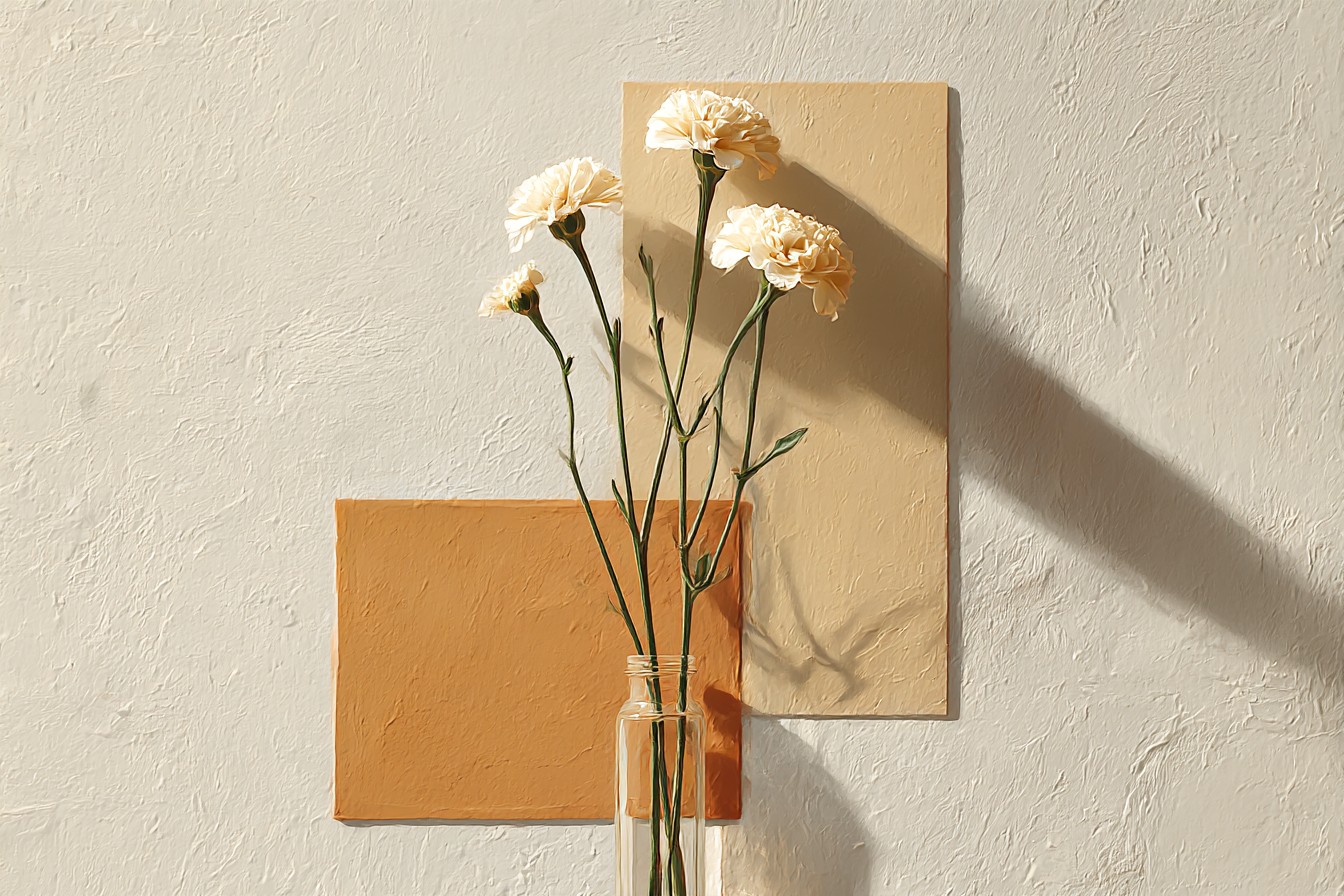
Here’s the bit that actually annoys me, because it’s boring and nobody wants boring advice, they want the trick. But the trick is: change the water. All of it, every two to three days, not topped up, dumped and refilled, because bacterial growth in that vase is the single biggest reason flowers die early, more than the additive, more than the vase, more than anything else on this list. I’ve had a five dollar bunch of grocery store carnations, no packet, no vodka, nothing, outlast a proper florist bouquet with the sachet used correctly, purely because I was disciplined about swapping the water and the other bunch sat on a windowsill getting ignored for a week.
The cut itself matters more than people admit too. Stems heal over at the bottom within a couple of hours out of water, which sounds dramatic but it’s basically a scab forming, and a scabbed stem can’t drink properly no matter what’s floating around it. Recutting at an angle, under running water if you can be bothered, every time you change the vase water, resets that and lets the stem actually take up whatever you’ve put in there for it. I used to just plonk flowers straight in without recutting because who has the time, and I noticed a genuine difference the week I started doing it properly, ranunculus again actually, they seem to sulk faster than most things I buy.
Placement is where I see the most damage done by people who did everything else right. A vase on a sunny windowsill, or directly under a heat vent, or next to a bowl of ripening bananas, is undoing whatever the vodka or the sugar or the fresh cut was meant to buy you, because heat and that ethylene gas from ripening fruit both push flowers toward dropping petals faster. I learned this one properly annoyed at myself, I’d bought a stunning bunch of peonies, put them on the kitchen counter next to the fruit bowl because it looked nice, and watched them blow open and drop within three days flat, faster than any peonies I’d ever bought.

Moved the next bunch to the hallway console, away from fruit and out of direct sun, same flowers from the same shop, got nearly double the time out of them. That’s not an additive doing that. That’s a habit, and it’s free, and it’s the bit almost nobody mentions because “move your vase” doesn’t sound like a tip, it sounds obvious. It’s obvious and almost nobody does it.
So if I’m actually being straight about ranking it, water changes and stem cuts and keeping the vase away from heat and fruit are doing the heavy lifting, somewhere around eighty percent of whatever extra time you get. The additive, whichever one you pick, is finishing work on top of habits that are already solid. Skip the habits and lean on the sachet alone and you’ll still watch things go over in four or five days. Do the boring stuff properly with plain water and no additive at all and you’ll beat that easily. My mother in law’s penny wasn’t wrong because it was a penny, it was accidentally right because changing that water probably came with it.