I was on my knees in the living room with a tape measure and a granola bar my daughter had abandoned halfway through, trying to figure out why every time someone walked from the kitchen to the couch they had to do this weird sideways shuffle like they were auditioning for a heist movie. My wife stood in the doorway watching me measure the same six feet of floor for the third time and said, “you know it’s the ottoman, right.” And I did know. I’d known for about four months. I just hadn’t wanted to admit that the big square ottoman we bought as a “flexible piece, doubles as extra seating” was actually just a coffee table’s rival, sitting there in the same eight square feet of real estate, both of them competing for a job only one of them needed to do.
This is the thing nobody tells you when you’re furnishing a living room off Pinterest boards at eleven at night. An ottoman looks completely reasonable on its own. A coffee table looks completely reasonable on its own.

Put them in the same room, in the same general zone in front of the same couch, and suddenly you’ve got two low, wide, hard edged obstacles sitting where your foot traffic actually needs to move. My son learned to walk in that living room. He also learned, at roughly the same time, that the gap between the ottoman and the coffee table was exactly wide enough to wedge a foot into and exactly narrow enough that he’d go down like a felled tree trying to get through it. Twice in one week. The second time he cried more out of principle than pain, I think, but it got my attention in a way the tape measure hadn’t.
So this piece is basically me working through the question out loud, the same way I worked through it on the living room floor that afternoon. Can you actually have both? An ottoman and a coffee table, doing their separate jobs, in the same room, without turning your living room into an obstacle course that only a toddler could love? Sometimes yes. Sometimes it’s one too many pieces of furniture pretending it’s not competing with the other one for the exact same six square feet of floor. I’ve lived both versions of this, the “we have room for everything” version and the “why does everyone walk like a crab in here” version, and I’ve got opinions now that I did not have four months ago.
[Ottoman Plus Coffee Table]
The Walking Path Is the Whole Argument
Here’s the test I use now, and it took me embarrassingly long to land on it. Forget how the room looks from the doorway with nobody in it. Walk the actual path you take most, kitchen to couch, hallway to TV, whatever it is in your house, and count how many things you have to angle around. In our old layout that was two. The ottoman, then the coffee table, then a hard left around the coffee table’s corner because the ottoman had pushed it two feet closer to the couch than it needed to be. That’s not a design problem, that’s a hazard course, and I say that as someone who has personally stubbed a toe on both pieces in the same evening while carrying two mugs of tea.
The rule that actually works, and I wish someone had just said this to me plainly instead of me discovering it by walking into furniture repeatedly, is that you want about arm’s length of clear floor between any low piece and the main path through the room. Not the width of the room. Just the bit people actually walk. If the ottoman and the coffee table are both sitting inside that arm’s length zone, one of them is in the way, full stop, doesn’t matter how nice it looks sitting there.
We ended up sliding the ottoman off to the side, more toward the armchair than the couch, and it changed the whole feel of walking through that room. Nobody shuffles anymore. My youngest tested the new gap by attempting to run full pelt through it while chasing his sister, and he made it clean through without catching an edge, which honestly felt like a bigger win than it should have.
[Walking Path]
Can One Big Ottoman Just Replace the Coffee Table Entirely
I get asked this a lot, mostly by people standing in furniture showrooms holding a tape measure looking exactly as lost as I was. And the honest answer is yes, sometimes, if you set it up right. A big ottoman with a sturdy flat top and a tray on it can absolutely do the coffee table’s job, drinks, remote, the bowl of pretzels nobody ever puts away. We actually ran our living room this way for about six weeks while we were between coffee tables, waiting on one that was on back order, and it mostly worked.
Where it fell apart for us specifically was the actual using of it as a table. A tray balanced on soft ottoman padding wobbles in a way a solid table top just doesn’t, and I learned this the hard way with a full glass of orange juice that went sideways the first time my son leaned on the tray to reach for the remote. It didn’t spill everywhere, credit to the tray having a lip, but it was close enough that I stopped trusting the setup for anything liquid after that.
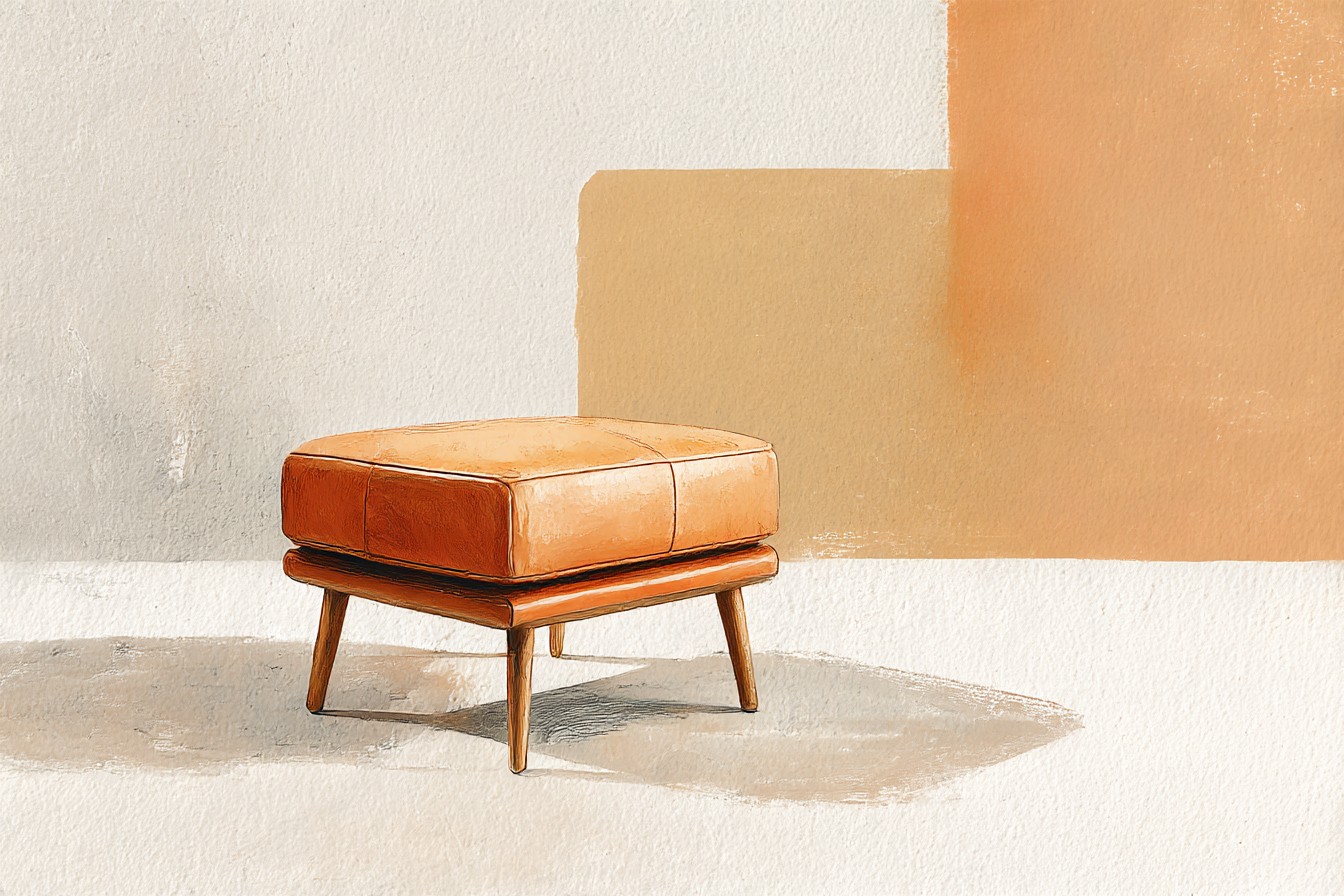
If your ottoman has a genuinely flat, firm top, not the soft pillowy kind, it can absolutely stand in for a coffee table on its own, no rival needed, no crowding, one piece doing one job well. That’s actually the cleanest solution to this whole debate if your space is tight. But if your ottoman is the soft squashy kind that’s better for propping feet up than balancing a mug, it’s not really a coffee table competitor, it’s a footrest, and pretending otherwise is how you end up with orange juice on the rug.
[One Big Ottoman]
The Sidekick Setup, Small Ottoman Next to the Real Table
The version that’s actually worked best for us long term, and the one I’d point most people toward if they’ve got even a moderately sized room, is what I’ve started calling the sidekick setup. A proper coffee table doing the actual table job, and a smaller ottoman off to one side, more footrest than furniture rival, low enough that it tucks half under the edge of the table when it’s not being used.
This only works if the ottoman is genuinely smaller than the table, not a similar size sitting next to it like two boxers waiting to shake hands. Ours is maybe two thirds the footprint of the coffee table, round where the table’s rectangular, so visually they don’t compete, they just look like they belong to different jobs. When we’re not using it for feet, it slides in against the table leg and basically disappears from the walking path entirely.
You Might Also Like

The other thing that made this work was height. Our ottoman sits a shade lower than the coffee table, closer to knee height than the table’s slightly taller stance, which sounds like a small detail but it matters more than you’d think when you’re walking past in low light and your foot’s doing the measuring instead of your eyes. A friend of mine went the other way, matching heights on purpose because she liked the symmetry, and she told me she catches her shin on one or the other constantly because her eyes can’t tell which is which in a quick glance across the room. Different heights, oddly, made both pieces easier to actually see.
[Sidekick Setup]
Height, Sightlines, and Not Blocking the TV
Nobody warns you about this part and it genuinely tripped us up for a while. Even once you’ve solved the floor space problem, there’s a second problem sitting right behind it, which is what these two pieces do to the sightline across your room. A coffee table that sits noticeably taller than your sofa arm starts blocking the view to the TV for anyone sitting low on the couch, and if your ottoman’s sitting in front of that at a similar height, you’ve basically built a wall of furniture between the couch and the screen.
The fix that worked for us was keeping both pieces a bit lower than the sofa arm rather than matching it, so when you’re sitting down, your eye line skims right over the top of both. It’s a small adjustment but it changes the whole feel of the room, everything reads as open rather than boxed in, and you stop getting that slightly claustrophobic feeling where every piece of furniture is at eye height when you’re seated.
We also learned, entirely by accident, that having two pieces at wildly different heights in the same sightline looks properly cluttered even when the floor space technically works out fine. Our first attempt had the ottoman noticeably taller than the coffee table, an odd choice in hindsight, and it made the whole area in front of the couch look like a staircase nobody asked for. Bringing them closer in height, both sitting a bit under the sofa arm, fixed it without moving either piece an inch. Sometimes the problem isn’t where things are, it’s just how tall they’re standing next to each other.
[Height and Sightlines]
The Corner and Edge Test, Because Kids Don’t Negotiate
I said I’d be honest about the toddler angle and here it is. Two low, hard edged pieces of furniture sitting close together in the middle of a room your kids are running through is basically an ambush waiting to happen, and I say that having personally iced a small bruised shin at 7am on a Tuesday. The coffee table had sharp square corners. The ottoman had sharp square corners. Between them was maybe fourteen inches, just enough gap for a running kid to think they’d fit and just narrow enough that they absolutely would not.
What actually fixed this wasn’t buying new furniture, it was widening that gap and picking the softer edged ottoman to sit closer to the main path, since a rounded ottoman corner catching a hip is a very different injury conversation than a squared coffee table corner catching one. We kept the coffee table, sharp corners and all, pushed back further from the walking route, and let the ottoman, softer and more forgiving, sit in the zone that actually gets bumped into during regular chaos.
My daughter ran the new layout through what I can only call rigorous unintentional testing over about a week, cutting corners at full speed on her way to answer the door, misjudging the gap twice, and catching the ottoman’s edge both times with absolutely no injury and only mild annoyance that it didn’t move out of her way. That’s the actual bar.
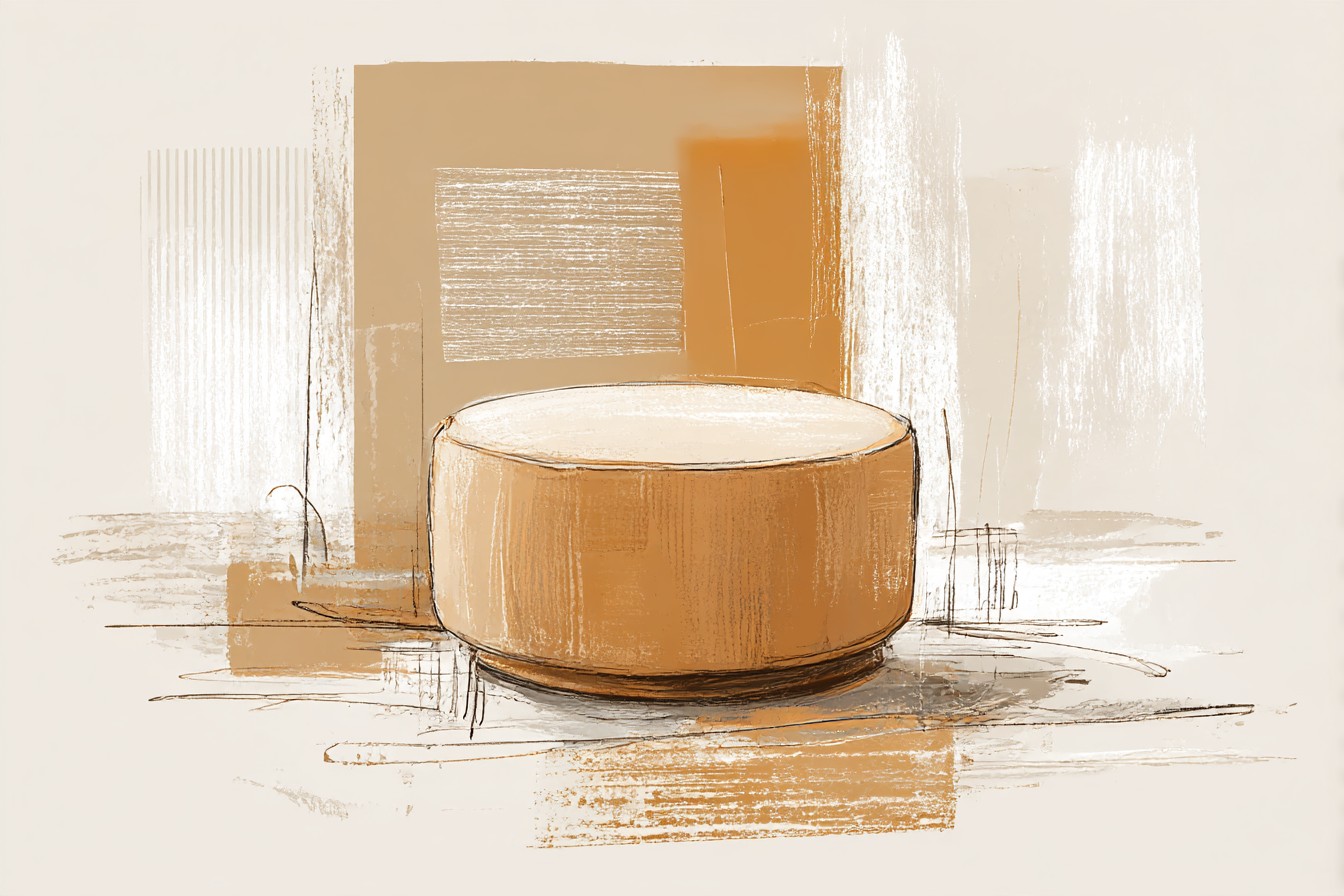
Not how it photographs. Whether it survives a kid at full speed who has zero spatial awareness and even less interest in developing any.
[Corner and Edge Test]
Final Thoughts
So can you have both. Yeah, mostly, but not by accident, and not by just plunking them both down where they look nice from the doorway. Every version of this that worked in our house came down to the same handful of decisions, keeping arm’s length of clear path, letting one piece sit lower or smaller than the other so your eye and your foot can both tell them apart, and putting the softer edges where the actual running happens.
Every version that didn’t work was the two of them sitting too close, too similar, both trying to do the same job in the same six feet of floor, and all it got us was stubbed toes, a near miss with orange juice, and a very unimpressed toddler icing his shin. The pieces themselves were never the problem. It was always the gap between them, or the lack of one.
If I’m being straight with you, I still catch myself eyeing bigger ottomans in showrooms and thinking about starting this whole experiment over. My wife has started giving me a specific look when I linger too long near them. But for now, the sidekick setup’s holding, the path’s clear, and nobody’s cried about the coffee table in three weeks, which around here counts as a resounding success.

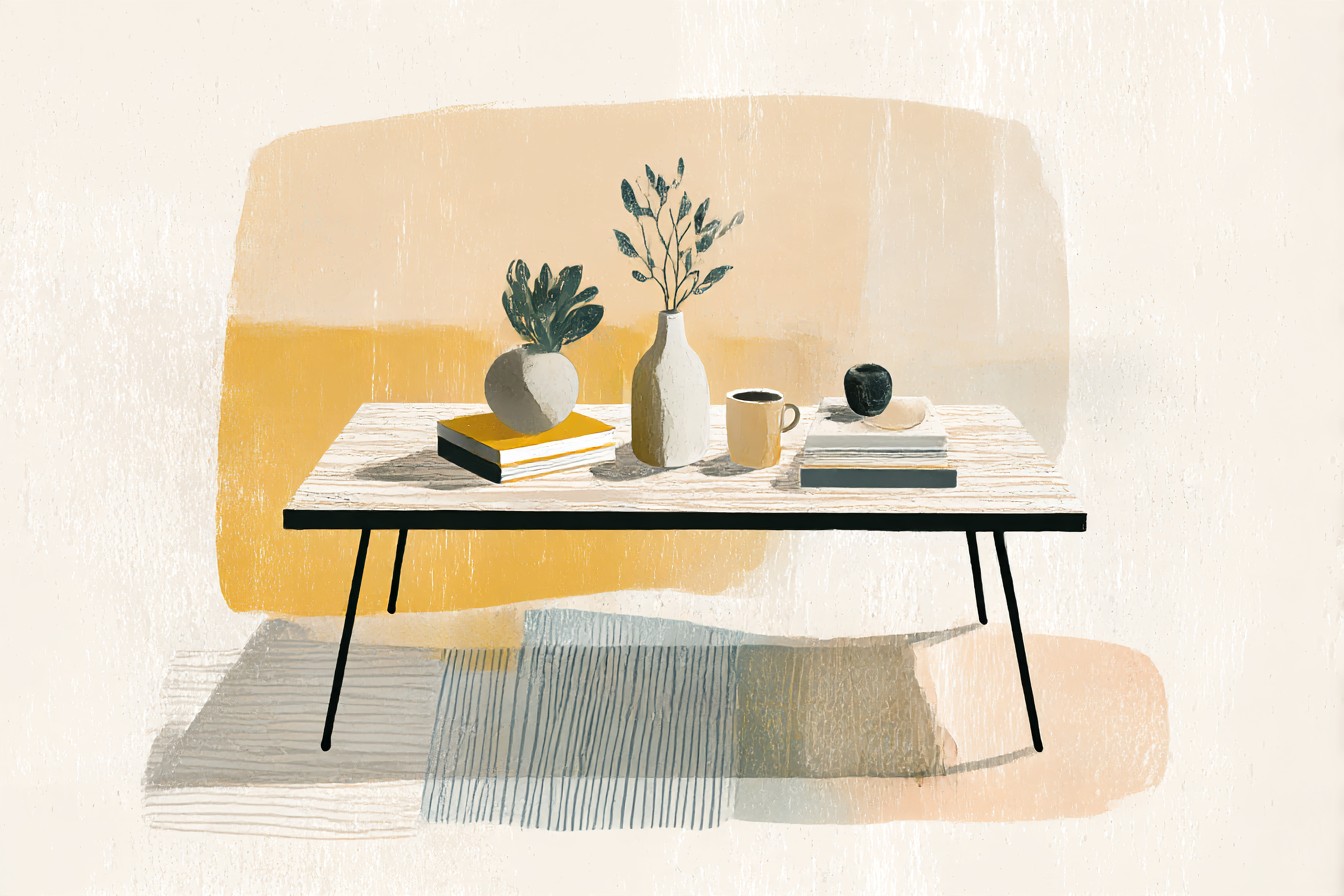
[…] which sounds like the most boring sentence I’ve ever written and somehow looks better on my coffee table than most things I’ve paid actual money […]
[…] if nothing else in the room is. You can have a completely mismatched collection of furniture, a coffee table that doesn’t match the side tables, cushions from four different decades, and the room will […]