There’s a specific moment this question stops being interesting and starts being urgent, and it’s not in the showroom. It’s the moment the delivery guys have gone, the plastic wrap is in a heap by the door, and the sofa is sitting there in the middle of your living room looking enormous and blue and slightly accusatory while you stand in front of it with your phone open to a pillow website, thumb hovering, thirty seconds from making a decision you’ll be looking at every single day for the next several years. That’s the real question. Not “does blue work,” it clearly works, you already bought it, it’s sitting there. The real question is what you do in the next half a minute so it doesn’t end up looking like a science fair display about the ocean.
I’ll tell you where most people go wrong before I tell you where to go right, because I did the wrong version myself, decades ago, in a house I’ve now furnished three separate times. I bought a navy sofa in my thirties and, convinced I’d landed on My Aesthetic, ordered pillows in three more shades of blue to match.

It looked less like a considered room and more like I’d lost a bet. I’d like to have a word with the woman who did that. She thought matching was the same thing as coordinating. It is not. They are cousins who don’t get along.
The Shade of Blue Is Doing More Work Than You Think
Here’s the thing nobody tells you when you’re standing in the store running your hand over swatches: “blue sofa” isn’t one category, it’s about four of them wearing a trench coat pretending to be one thing. A navy sofa behaves almost like a neutral, it’s dark enough and grounded enough that it’ll sit quietly under nearly anything you throw at it. A denim or slate blue is cooler and lighter and needs a bit more help to not look washed out. A teal or petrol blue is a personality all its own, it’s already loud, and it does not need backup singers who are also loud. Treating all three the same is how you end up with a room that technically has “blue” and “coordinating” in the same sentence and still looks like nothing was decided on purpose.
So when people ask what color pillows go with a blue sofa, my honest answer is that it depends less on blue and more on which blue, but I’ll give you the actual answer because “it depends” is a cop out and I know it. Navy wants warmth pushed hard against it, rust, mustard, a proper ochre, even a dusty terracotta, because navy is dark enough to absorb that heat without a fight. Lighter blues, the denim and chambray end of things, do better with cream, a warm blush, or a soft camel, something that lifts rather than deepens, because piling another cool tone onto a light cool sofa just reads as flat. Teal is the one where I’d tell you to be brave in exactly one direction, a warm coral or a rich cream, and then stop, because teal plus two other opinions in the same room is a shouting match. What I would not do, in any of the three cases, is reach for more blue pillows convinced you’re building a “tonal moment.” You’re building a sofa that’s arguing with itself.
You Might Also Like

What Sits Next to It Matters More Than What’s On It
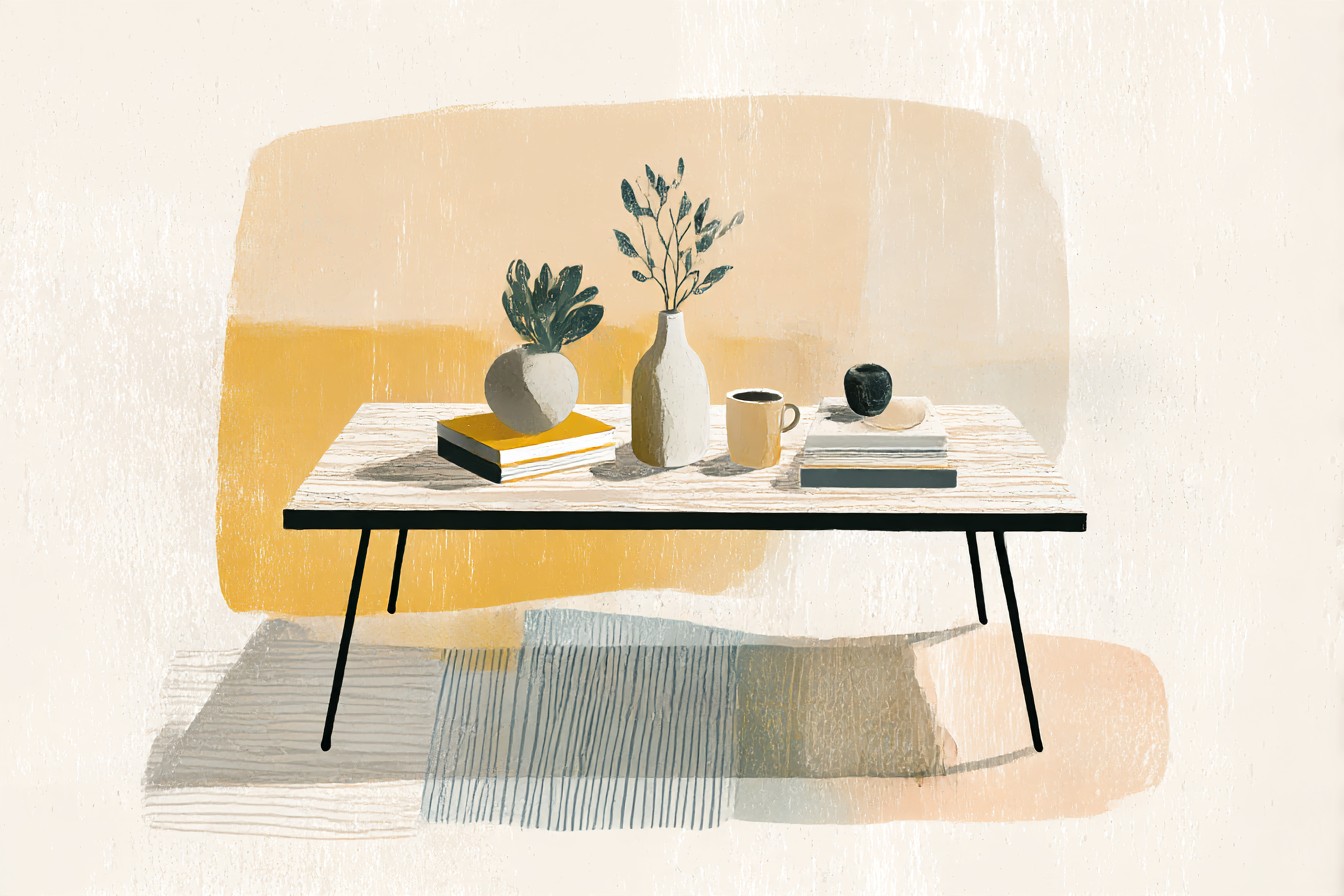
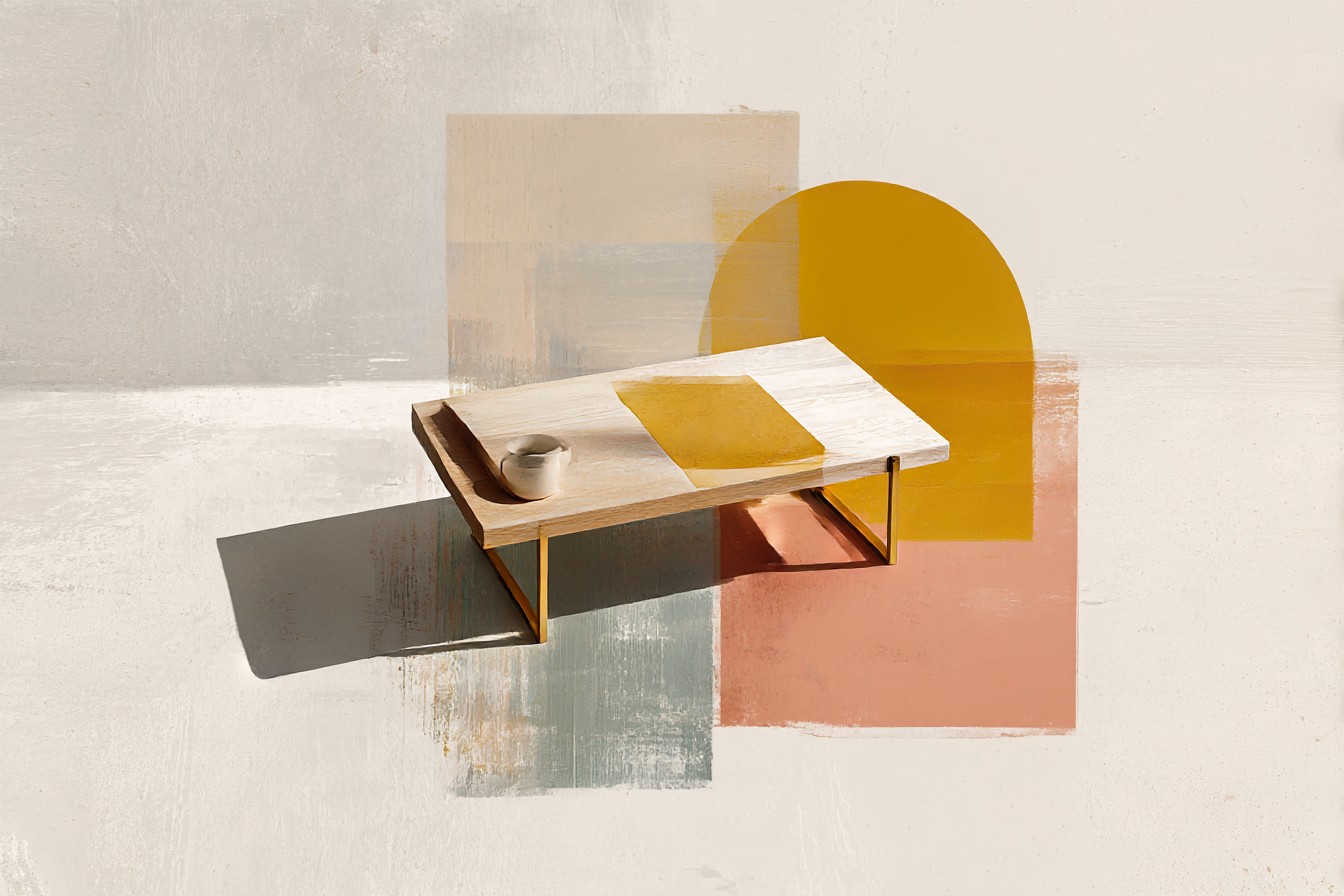
I’ll say something that might sound backward, which is that the coffee table decision matters more than the pillow decision, and I say that as someone who has bought entirely too many coffee tables trying to prove myself wrong. Blue, even a warm navy, is a cool color at its core, and a cool sofa paired with a cool table, gray glass, white lacquer, brushed silver legs, starts to feel like a room that’s been left in the fridge. What actually settles a blue sofa into a room, properly settles it, the way you stop noticing the sofa is even a color and just notice it’s a nice room, is wood.

Warm wood. Walnut, honey oak, a rattan base if you’re leaning more casual, something with grain and history to it rather than a hard, cold surface. That’s not a rule I invented, it’s just cause and effect I’ve watched play out in my own living room more than once.
Glass can absolutely still work, I’m not going to pretend otherwise, but it needs the rest of the room doing warmth duty somewhere else, a wood floor, a warm rug, brass lamp bases, something. What I’d genuinely steer you away from is stacking cool on cool on cool because each individual piece “matches” on some paint chip logic, that’s the same mistake as the all blue pillows, just wearing furniture instead of fabric. I saw a listing for a glass and chrome coffee table advertised as bringing “COASTAL SERENITY” to a room and I laughed out loud in my kitchen, because serenity is not what a room full of cold surfaces and one cold sofa produces, it produces a room you don’t want to sit in past six in the evening. My sister walked into my house once when I’d gotten this wrong, took in the whole gray on gray on blue arrangement, and said absolutely nothing, which from her is a review, and not a kind one.
So here’s where I land, plainly, because I think this question deserves a plain answer and not a shrug dressed up as nuance. Figure out which blue you actually own first, dark and neutral leaning or light and cool leaning or bold and saturated, then pick pillows that add warmth rather than more blue, and put something wooden and warm-toned under your coffee, not glass and not gray. Do those two things and the sofa stops being the thing you’re managing and starts being the thing the room is built around, which is what you wanted from the beginning.