My mom walked into my backyard in July, looked at the new coffee table, and said, “Chloe, that thing looks like it’s already been through a hurricane.” I told her that was the point. She did not find this reassuring. She thinks a table should look finished the day it arrives and stay that way forever, which is a very indoor way of thinking about furniture, and also exactly the mindset that cost me $140 and one entire summer three years ago when I bought a coffee table meant for a sunroom and put it on my patio instead.
That table had a laminate top that looked like whitewashed oak in the listing photo. It looked like a swollen paperback book by August. The legs, which I’m fairly sure were particle board wearing a metal coat, started separating at the joint after one bad storm and a lot of standing water it should never have seen. I didn’t check a single seam before I bought it, which is basically a cardinal sin for me now, and I paid for that laziness in a table that lasted four months and cost me, once you do the math on cost per month of actual use, something like thirty five dollars a month for a piece of furniture that spent half its life looking like a sad houseboat.
Here’s the thing about an outdoor coffee table that nobody tells you when you’re standing in the aisle admiring how good it looks under store lighting.
It doesn’t matter what it looks like on day one. It matters what it looks like after the fourth rainstorm, after a summer of sun bleaching one side more than the other because your patio only gets partial shade, after your neighbor’s cat decides the surface is a personal challenge. Indoor furniture is judged on first impression. Outdoor furniture is judged on year two, and most of it fails that test quietly, which is worse, because you don’t notice until the wobble starts.
So this isn’t a guide about what looks nice on a styled patio in a catalog. It’s about which materials survive Baltimore humidity, actual rain, actual sun, and the general chaos of a backyard that isn’t a photoshoot. And also, because people search for this constantly and for good reason, what you’re actually supposed to put on top of one once you’ve got it.
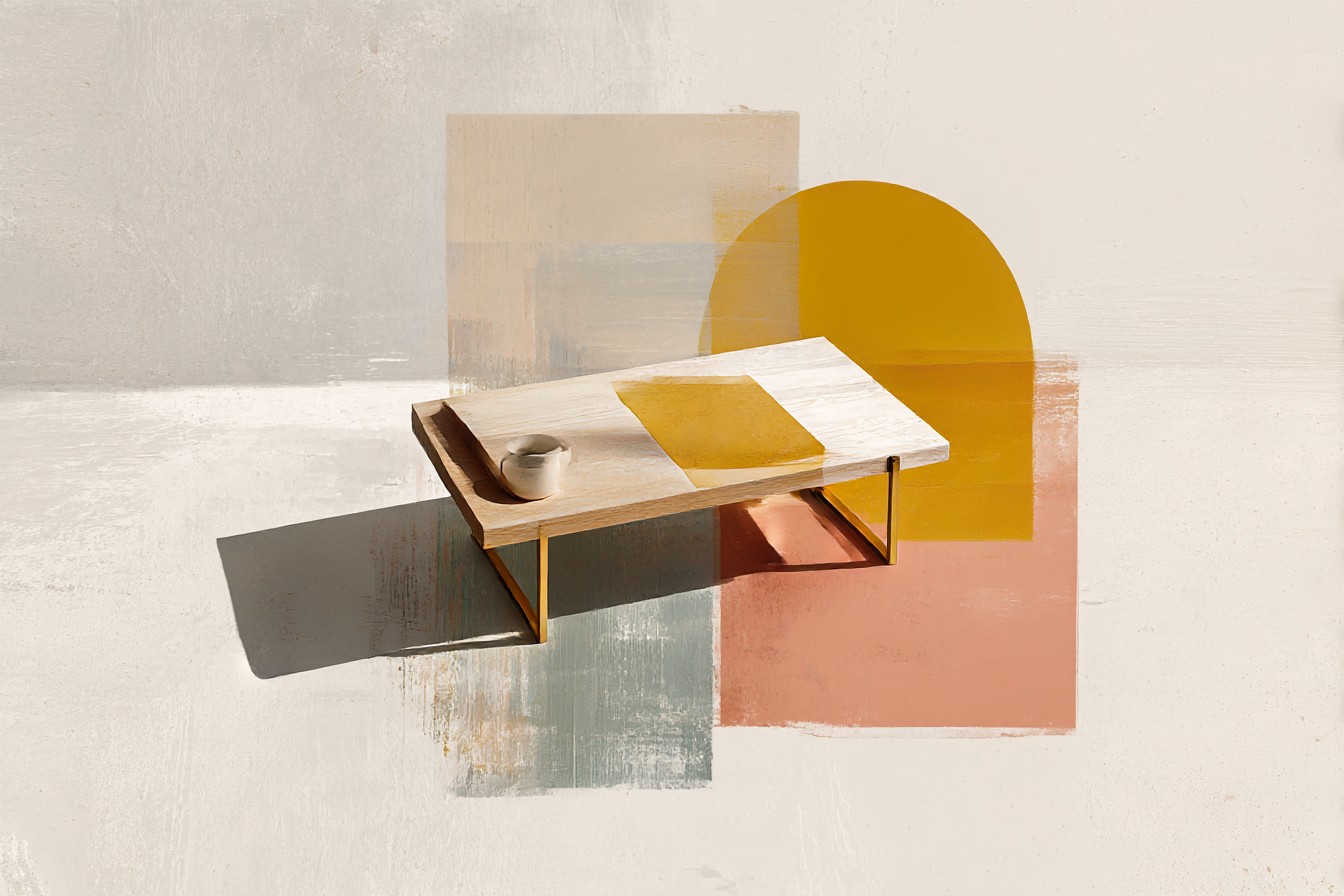
[Outdoor Coffee Table]
Teak, and the patina argument I lost for two years
I resisted teak for a long time because the upfront price felt insulting. Eighty dollars more than a comparable metal table, for wood, outside, where wood supposedly doesn’t belong. I was wrong, and I want to be specific about how wrong.
Teak has natural oils in it that make it resist rot and insects without you doing anything, which as someone allergic to maintenance schedules I find deeply appealing. Mine has sat through two Maryland winters with zero cover and it has gone from honey brown to a soft silvery gray, which I initially panicked about, texted a photo to my mom captioned “is this dying,” and she said, unhelpfully, “looks dead to me.” It is not dead. That’s called patina, and it’s the wood protecting itself, and once I understood that I stopped fighting it and actually started liking the gray more than the original color.
The math on this one actually works out fine once you stretch it over years instead of one summer. Mine was $310, it’s been out there for two years with no oiling, no covering, no drama, and if it lasts another six the way teak tends to, that’s about $44 a year, which is less than what I was paying annually on that laminate disaster before it fell apart. Cost per year beats cost upfront, every single time, and this is the table that finally taught me that lesson properly instead of me just saying it.
The one real caution: check the joints are mortise and tenon, not just screwed and glued, because the cheap teak veneer tables exist too and they will absolutely still fall apart in the rain, teak name or not. You’re not special just because the tag says teak. Prove it, and check the underside before you buy.
[Teak Outdoor Coffee Table]
Powder coated metal, and the rust I should have seen coming
My coworker Danielle, who has opinions about resale value on everything from candles to cars, told me a black metal coffee table would “hold value” for my patio. It cost $95, it looked sleek, and within one winter the underside where water pooled after every rain had these small orange freckles creeping up from the feet.
That’s the thing with metal outdoor tables nobody explains clearly enough. Powder coating is a finish, not a force field. If it chips, even a scratch the size of a fingernail, water gets under it and rust starts from the inside out, which means by the time you see it on the surface it’s already been happening for weeks. I found this out the hard way, prying at a bubble in the coating with my thumbnail like an idiot, revealing a whole colony of rust I hadn’t noticed.
The fix wasn’t throwing it out. I sanded the spot, hit it with a rust converter spray, and repainted with an outdoor enamel, total cost about eleven dollars and an annoyed Saturday afternoon. It’s held for over a year since. So metal isn’t a bad choice, genuinely, aluminum especially is fine because it doesn’t rust the way steel does, but if you’re buying steel with a powder coat, you are signing up for annual inspection duty whether you want the job or not. I do the math on this one differently than the teak: ninety five dollars, but I’ve now spent about thirty on maintenance and one afternoon of labor I’m valuing at basically nothing because I was doing it while listening to a podcast anyway. Still cheaper than replacing it. Barely.
[Metal Outdoor Coffee Table]
Concrete and stone tops, heavy enough that weather stopped being a threat
There’s a specific kind of relief that comes from owning furniture so heavy that wind, rain, and general chaos simply cannot move it. My concrete topped table, picked up secondhand from a guy clearing out a rental property staging set for sixty dollars, weighs somewhere around ninety pounds, and I know this because two of us nearly threw our backs out getting it up three porch steps.
Concrete doesn’t care about rain. It doesn’t care about sun. The only enemy it has is freeze thaw cracking if water sits and pools in a poor seal, so mine gets a light concrete sealer once a year, a five dollar can that takes maybe twenty minutes to apply, and that’s the entire maintenance routine. Compare that to the metal table saga above and you’ll understand why I’ve become smug about this purchase specifically.
You Might Also Like

The tradeoff, and I’ll be honest about it because pretending there isn’t one would be dishonest, is that it’s basically furniture you commit to. You are not moving this seasonally. You are not bringing it in for winter. Wherever it lands is where it lives, so measure twice, because I did not, and mine sits about four inches closer to my grill than I’d ideally like, permanently, forever, because nobody’s moving ninety pounds of concrete on a whim.
This is also, weirdly, one of the best surfaces for actually using the table for things, hot mugs, a candle, a cold drink sweating condensation everywhere, none of it matters because concrete doesn’t warp, doesn’t stain in any way you’d notice, and doesn’t care.
[Concrete Outdoor Coffee Table]
All weather wicker, and the cushion mistake I keep making
Resin wicker gets a bad reputation from cheap versions that go brittle and start shedding little plastic splinters within a year, and I’ve owned one of those too, but the good synthetic wicker, the kind actually rated for UV and rain rather than just labeled “outdoor” for marketing reasons, has been the most forgiving table I own in terms of actual daily use.
Mine cost $180, has a tempered glass insert on top which I was skeptical of at first, thought it’d crack in the cold, it hasn’t, two winters in. The woven resin base has survived direct rain, direct sun on a south facing patio that gets brutal by July, and a spilled entire pitcher of sangria that I was fully prepared to never get out of anything and just wiped off in about ten seconds.
Where I keep messing up, consistently, is the cushions and accessories that come near it. I bought a woven basket to sit under it for storage, cotton rope, “outdoor use” on the tag, and it molded within six weeks because cotton doesn’t actually dry fast enough outside no matter what the tag promises. Lesson relearned for the third time in my life: if it’s not synthetic fiber, it’s not actually outdoor, the tag is lying or at best being optimistic on your behalf.
The table itself, though, has been the lowest maintenance thing I own outside. No sealing, no rust checks, no patina anxiety texts to my mother. Just an occasional hose down and it looks the same as day one.
[Wicker Outdoor Coffee Table]
What actually goes on top of one, once you’ve stopped overthinking it
People ask this constantly, what do you even put on an outdoor coffee table, and I think the answer gets overcomplicated by pictures of styled patios with three matching vases nobody actually uses daily. Here’s what survives outside, realistically, without becoming a chore.
Anything ceramic with drainage holes, meaning actual planters, does fine, rain just becomes free watering.
I keep one small pot of rosemary on mine because it likes full sun and doesn’t mind getting rained on, and it means the table always has something alive on it instead of just being a flat surface waiting for a drink.
Battery powered lanterns beat anything with a cord, obviously, but also beat citronella candles in my experience, because wax gets soft and gross in heat and the smell fades faster than advertised. A solar lantern that charges during the day and turns on automatically at dusk has been the best two dollar per week decision I’ve made all year, and I say that as someon who does this math for a living apparently.
Skip anything with cardboard backing, foam board, or actual paper, that includes some coasters I bought that looked cute and disintegrated in one rain. Melamine trays are the unsung hero here, they look like ceramic, survive spills, survive sun, and mean you can bring a whole tray of drinks in and out without touching the table surface itself, which extends the life of literally every material listed above.
[Outdoor Coffee Table Decor]
Final Thoughts
If there’s a single thread through all of this, it’s that the outdoor coffee table category rewards patience with materials and punishes anyone buying on looks alone, myself very much included in that second group at one point. Teak taught me that upfront cost means nothing next to cost per year. The metal table taught me that finishes chip and water finds every gap eventually. Concrete taught me that some furniture is a permanent commitment and that’s fine, even good, if you measure first. Wicker taught me that the good synthetic stuff is genuinely low effort, and that cotton anything doesn’t belong outside no matter what the tag claims.
My ledger for the year currently has the teak and the concrete table solidly in the good column, the wicker edging in there too now that the mold incident is behind me, and that original laminate disaster sitting permanently in the bad column as a reminder every time I’m tempted to buy something because it looks good under store lighting. Buy for the weather it’s actually going to sit in, not the weather in the photo, and check the joints before you check the price tag.

[…] not sparse. That’s the table finally doing the one job it was built for. [Occasional […]