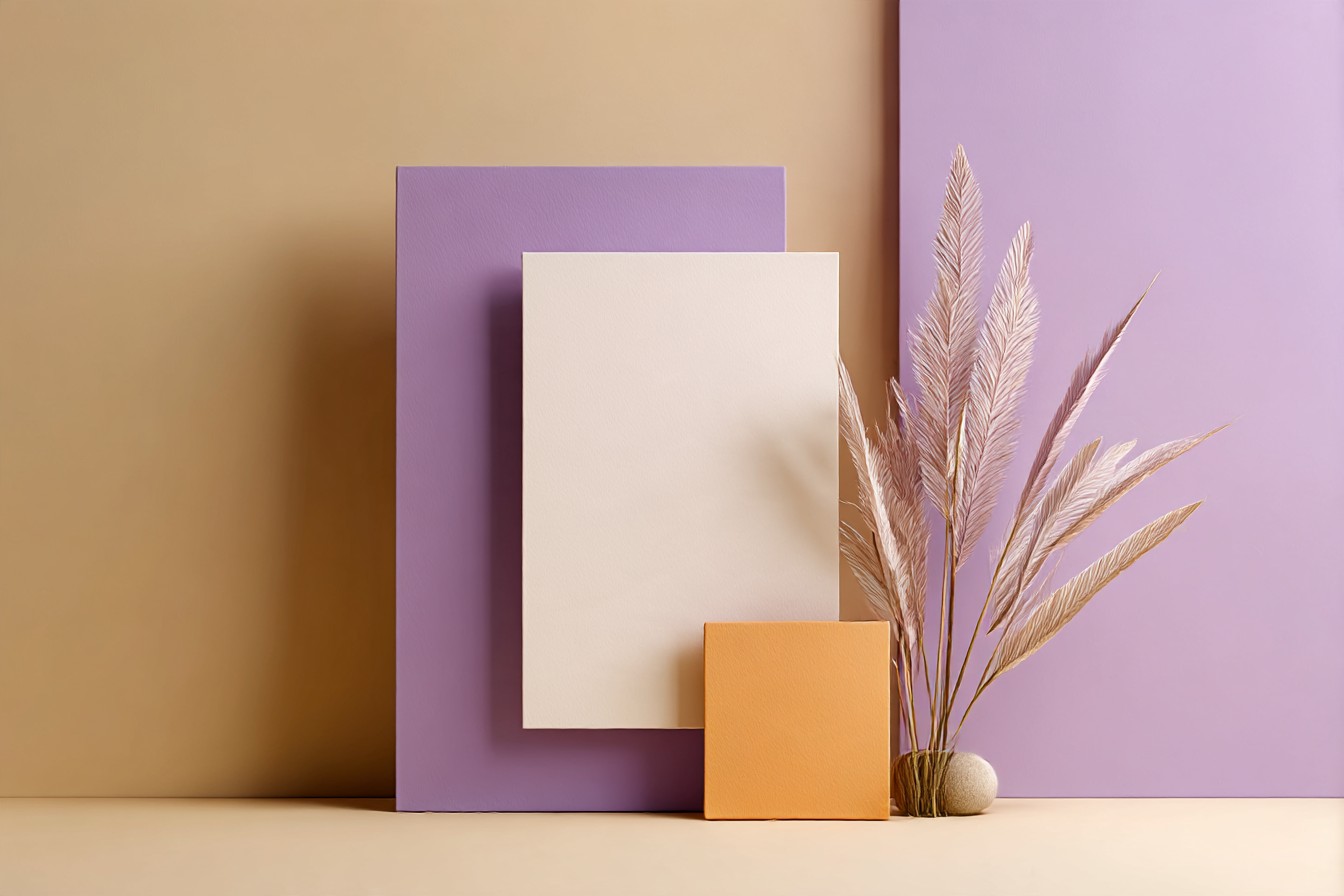
People will argue about light purple walls like they’re arguing about school districts, real heat, genuine betrayal in their voice if you say the wrong thing, and then the actual color sits there being about as dramatic as a Tuesday. I painted our old dining room a soft lilac, somewhere between “grape popsicle” and “barely there,” and got more opinions on it from visiting relatives than I’ve gotten on any parenting decision I’ve ever made. My mother in law called it brave. My brother called it a mistake he was too polite to fully commit to. The wall did not care. It just sat there being a nice, quiet color while everyone lost their minds over it, and eight months later it’s still my favorite room in that house.
Here’s the thing nobody tells you when you’re standing in the paint aisle sweating over Behr swatches named things like “Whimsy” and “Orchid Frost”: light purple is one of the easiest colors to actually live with day to day, because it barely reads as a color once it’s on four walls.

It goes gray in bad light, goes almost white in the morning, and only really commits to being purple when the sun hits it right in the evening. So the actual work of making it look good in your house isn’t about picking the perfect shade off a fan deck, it’s about the two things that sit next to it every day: what fabric touches it, and what furniture stands in front of it.
What Fabric You Put Against It Matters More Than the Paint Itself
Curtains are where people panic first, and I get it, floor to ceiling fabric feels like a bigger commitment than a wall you can just repaint on a Saturday. My honest answer is white or a warm cream curtain wins nine times out of ten, because it lets the purple stay soft instead of turning the whole room into a bruise. I made the mistake of hanging a dusty rose curtain in that dining room for about three weeks and it fought with the wall constantly, both colors trying to be the main character, and I ended up swapping them for plain linen ones that cost about a third as much and instantly calmed the whole room down. If you want a bit more nerve, a soft sage or gray blue curtain works too, it just needs to sit a shade or two darker than the wall or the room starts to feel like it’s dissolving.
Bedding is the same fight but higher stakes because you’re looking at it half asleep every morning before your brain’s fully online. White bedding with light purple walls is basically cheating, it works, it’s calm, it photographs well, done. But if you want the room to feel a bit more finished, I’d go for a warm gray or a soft charcoal duvet, something with a bit of weight to it, because pale on pale on pale starts to feel like you’re sleeping inside a bar of soap. My youngest went through a phase of “helping” make the bed every morning and the one duvet cover that survived that daily chaos looking decent was a mid gray waffle weave, it hid the toothpaste smear incident for a solid two days before I noticed, which honestly says more about the fabric than it does about my parenting.
You Might Also Like

Where I’d actually push back on the internet consensus is gold and mustard accents, which every mood board insists work with lavender walls. They can, but only in small doses, a cushion, maybe a lampshade, never a full curtain or a headboard, because too much gold next to light purple starts to look like a hotel that’s trying slightly too hard. I learned this one the expensive way with a mustard armchair that looked incredible in the store and like a mistake within a week of actual daylight in my actual house.
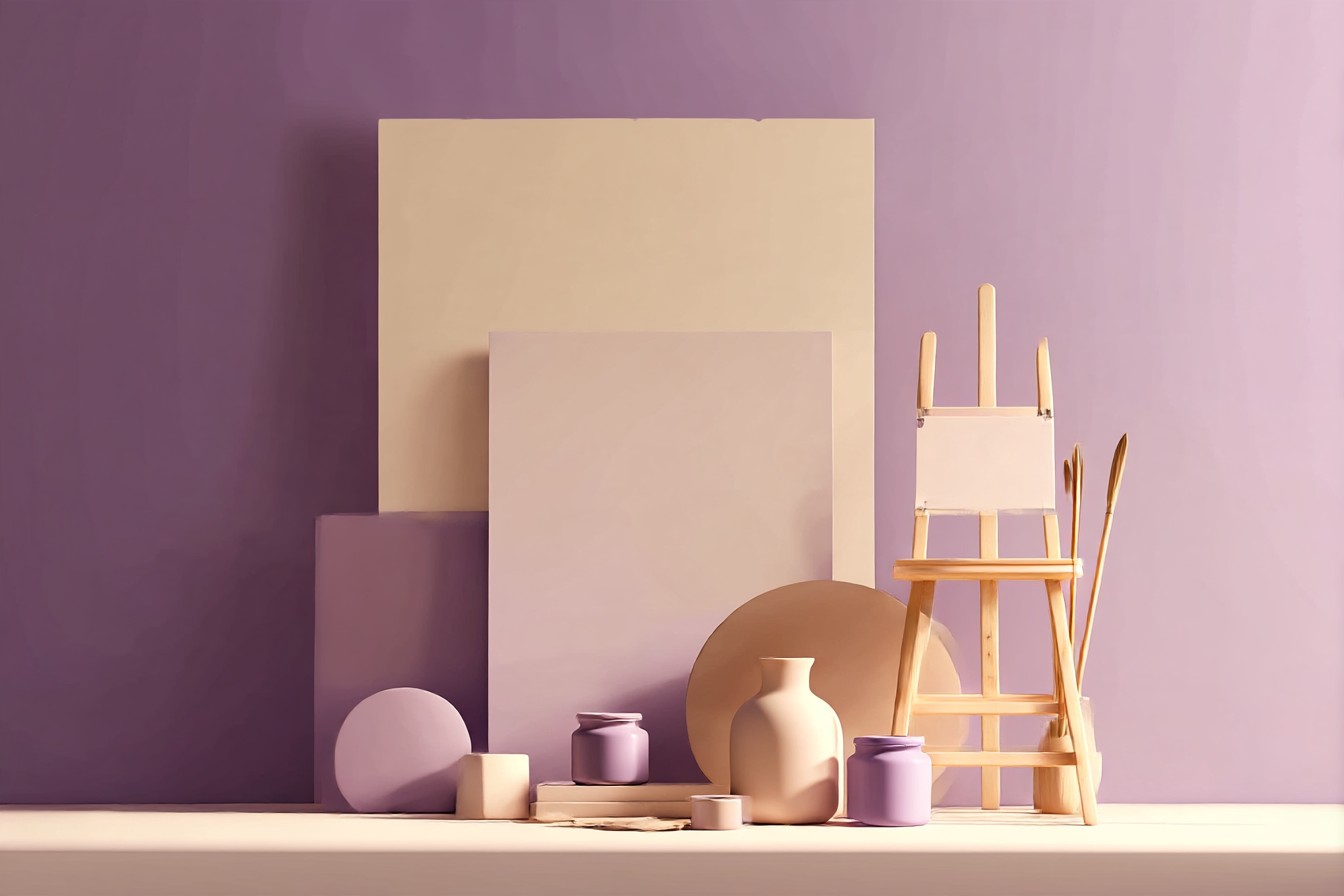
Small gold accents, plenty of white and cream, one confident darker fabric somewhere in the room, that’s the formula that’s never let me down.
Furniture and Flooring Decide Whether the Room Feels Calm or Chaotic
Furniture is where the real decision gets made, because a light purple wall with the wrong wood tone next to it looks dated fast, like it wandered out of 2011 and got lost. Warm honey oak or golden pine, the stuff that was everywhere a decade ago, tends to fight with light purple in a way that’s hard to fix without replacing the furniture entirely, it just reads muddy. What actually works, and works every single time I’ve tried it, is furniture in gray toned wood, black metal frames, or crisp white pieces, anything with a cooler undertone that lets the purple stay the softest thing in the room instead of competing with orange toned wood grain. My compromise, since I own zero pieces of gray wood furniture and no budget to fix that this year, has been leaning on black metal legs and frames wherever I can, a black framed mirror, black drawer pulls, and it’s done more work for that room than any wall color decision ever could.
Carpet is the one people skip thinking about until it’s already down and it’s too late, and I’d argue it matters just as much as the curtains. A warm beige carpet under light purple walls looks fine, technically fine, but a soft gray or a cool toned oatmeal carpet makes the whole room look considerably more expensive than it actually was, which is a magic trick I will take every single time. We’ve got a mid gray carpet tile situation in that room now after the original beige rug met a full sippy cup of grape juice and never recovered, and it’s genuinely the better choice anyway, hides everything, complements the wall instead of just tolerating it. If you’re set on a warmer floor, wood is safer than warm carpet, a mid toned gray brown floor sits under light purple without any of the fighting a beige rug tends to bring.
The wall was never the hard part. It’s every decision after the wall that decides whether the room looks pulled together or like you painted first and panicked second, and once you get the fabric and the furniture undertones sorted, light purple stops being the loud, brave, controversial choice everyone treats it as and just becomes a nice, calm color that happens to be on your walls.