My bed almost didn’t fit in the door. Like literally fit inside the doorway. We had to tilt it up on its side, take off the headboard, and awkwardly shimmy the mattress past my stupid hallway closet.
My friend Sarah was helping me move boxes and as we finally finished wrestling furniture into place, panting and dripping with sweat, we both silently questioned my life decisions. All joked aside though, tiny bedrooms are the ultimate test of creative interior design. When you lack square footage, you can’t just eyeball a layout and dump furniture wherever it feels nice.
Each individual piece has to justify its existence. I learned this the hard way when I initially decorated my bedroom after moving in.
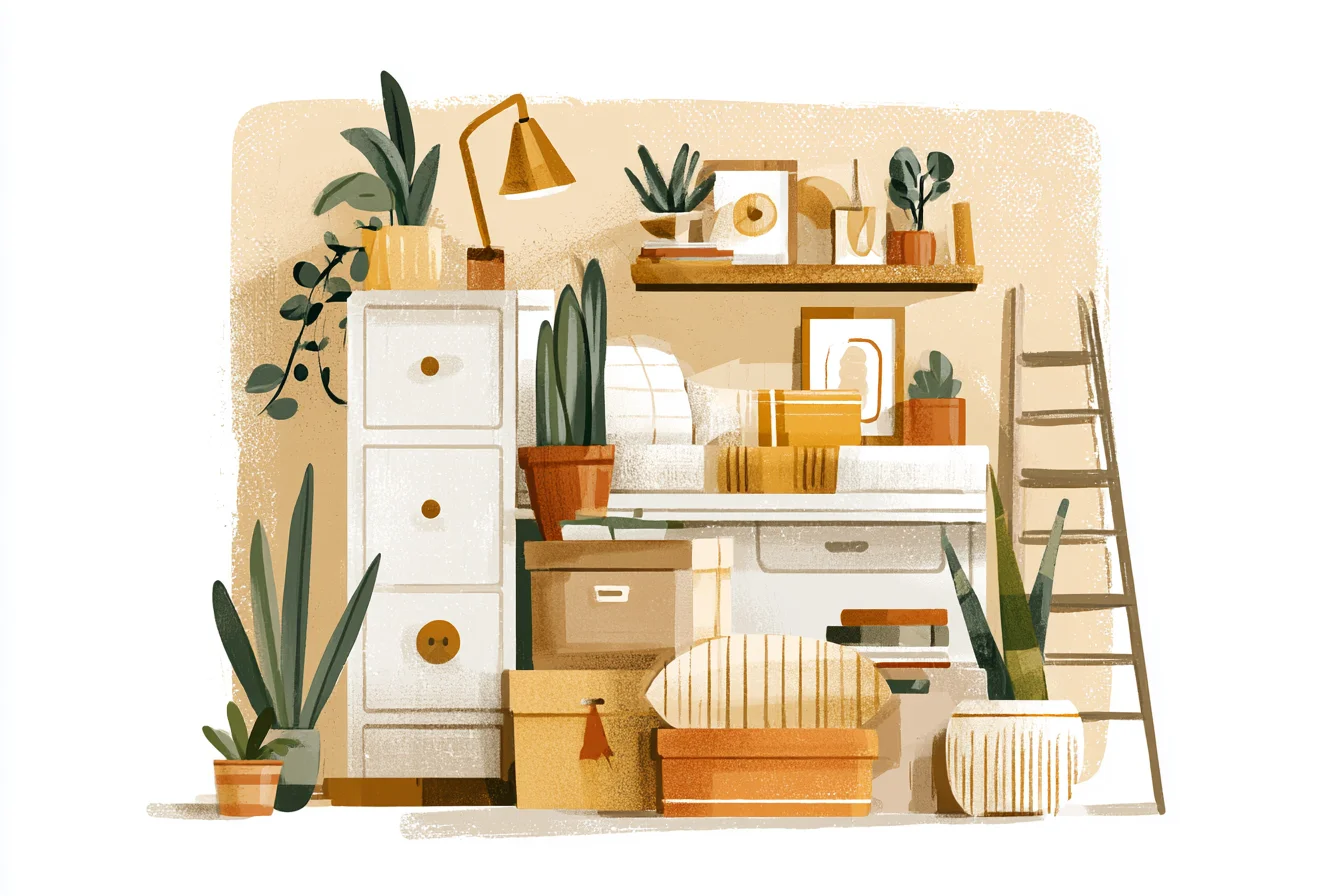
It was my Pinterest dream board bedroom come to life…but with drastic consequences.
Attempting to make my studio-bedroom look like the magazine editor’s kitchen-tableau gave me a bedroom you couldn’t walk into without climbing over the bed to close the closet door. My first few pieces mocked me daily. That gorgeous upholstered bench I got for the foot of the bed wasn’t just silly expensive for the space, I kicked the ever-loving crap out of it the first week I had it (stubbed my toe at least ten times).
It also became a glorified pile of laundry. Bench gone. That bench, however did teach me one very valuable lesson about small bedroom essentials — if something doesn’t serve at least two purposes in a tiny bedroom, you don’t need it.
I’ve since eradicated anything from my room that can’t pull double duty (or triple if I’m being honest). Replace the bench with a storage ottoman that opens up to reveal winter blankets and seasonal clothing. Similar footprint but triple the purpose.
Nightstands were another headache. Regular bedside tables were too bulky and made an already tight footpath by my bed nearly impassable. Floating shelves were my first attempt but they looked awkward and empty just hanging there.
Then I discovered these skinny console tables that are only about 8″ deep! They slide right next to my bed with plenty of room to walk by and one even tucks partially underneath the bed at the foot. One has a drawer which I use to stash charging cords and sunglasses, the other keeps my water bottle and has a shelf underneath for books.
Ohhhh books. Speaking of… another thing I used to do before becoming 102% utilized was keeping piles of books on the floor. Books had no home, so the floor it was.
Until I discovered shelves that don’t take up any floor space whatsoever! Affixed several floating shelves above the bed (against every Millennial’s interior design rule about earthquakes — hear me out, they’re mounted into studs people) and suddenly I had book display space that didn’t actually take up any more room. Plus baskets!
Floating shelves are great for baskets too. Baskets hide clutter like magic. Theses ones from Target are favorites.
Lighting was another awkward bedroom dilemma. Table lamps took up too much of my nightstand and served zero purpose other than providing light. Table lamps were banished.
Instead, I installed swing-arm wall sconces on either side of the bed that give me amazing lighting for reading and fold right up against the wall when not in use. Total cost? About £80 for both sconces and electrician bill included.
Totally worth every penny for the extra function. Moving onto my walk-in wardrobe. The built-in was literally useless.
Only one thin hanging rod and zero shelves. I gutted the whole thing and installed a closet organization system with double hanging rods, pull out drawers, and shelf dividers. Basically doubled my hanging capacity without changing the size of the wardrobe itself.
You Might Also Like
Pull out drawers? Life changing. Seriously.
You can SEE what you own and dig through shallow drawers versus the black hole that is a stacked clothing wardrobe. Under-bed storage had to be done correctly. Off-brand storage containers from Target were NOT going to make the cut.
I needed sturdy containers that rolled easily and actually looked okay half exposed when you peek under the bed. Enter these little cuties. Super low profile containers with wheels that store off-season clothing, extra blankets, and those random things that end up littering your room somehow.
The bed elevates up slightly on risers (you hardly notice it but it does create enough clearance) to accommodate storage boxes. Color scheme had to be strategic, too. I painted the walls a buttery soft gray that makes me feel cozy and womb-like versus wide open.
I toyed with white because, sure, painting everything white makes a small space feel more expansive. But hello finger smudges everywhere when you’re dealing with tight quarters! You touch your walls way more in a small bedroom than a large one.
Gray hides EVERYTHING. Mirrors are an obvious way to make a small space feel larger, but my first attempt was almost comical. Large mirror hung on the wall opposite my window reflected EVERYTHING (including the bed).
That actually made my bedroom feel more cramped because now I was seeing everything twice. Swapped out the mirror placement to the wall perpendicular from my window instead which still reflects light around the room without any mini-me’esque funhouse effects. Curtains were also a strategic move because my window is basically right next to my bed.
Long curtains would’ve puddled oddly right against my mattress. Which is why I went the roman shade route instead. They provide privacy, block light when needed, and don’t take up any additional floor space like curtains would have.
Bonus points because they don’t compete with my bedding either. And finally, my biggest decorating DON’T… trying to cram too many decor pieces into a small bedroom. Ohhhh how I struggled with this initially.
Pillows, throws, plants, art — every single one of those things magnifies when you put them in a teeny bedroom. Less is more! I went WAY overboard my first few months and learned the hard way that choosing less, but better items actually made my small bedroom feel more curated and put together.
Less, but better artwork. Less, but better throw pillows. One statement plant instead of five sad ones on your dresser.
Ultimately, my sister was visiting and slept in my bedroom for a weekend to test out the new layout.
She told me she felt like she had room to spare, had places to put her belongings, and actually enjoyed sleeping in there. Not feeling like you’re crawling overHomeEasy editors independently research, test, and recommend the best products.
If you buy from one of our links, we may earn a commission. Lately it’s felt like every design decision I make is correct until my sister visits and points out all the reasons why it’s wrong. So, when she complimented my small bedroom for being functional and well thought out, I honestly started crying.
Happy crying. Well lived-for tears. She is my ultimate design skeptic, and if she approved of my small bedroom, it was time approved.
Designing a small bedroom isn’t about trying to make your room look and feel bigger (although that can be a happy bonus). It’s about making sure every single item justifies its place in your bedroom. Items should have a purpose before beauty.
Once you nail down your rooms function, the beauty will naturally fall into place.