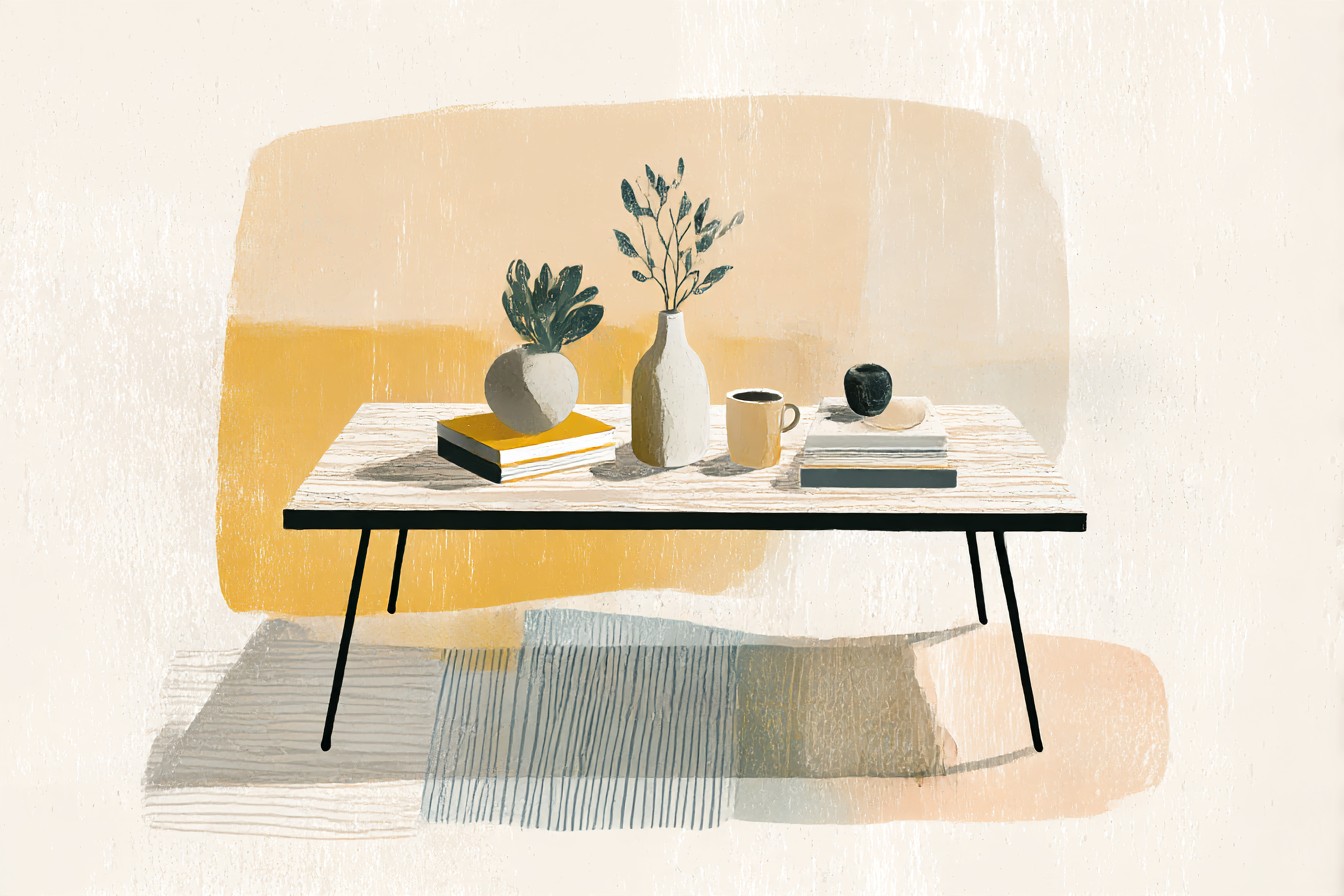
There’s a faction here that thinks industrial means one thing and one thing only, black steel legs, a top that looks like it survived a warehouse fire, nothing softer than concrete allowed within six feet of it. The other faction, and this is the argument that never fully dies, thinks that’s a stage set, not a dining table, and that the whole point is warmth underneath the toughness, wood that still looks like a tree had opinions before someone flattened it. We bought one that split the difference. It has not stopped the argument. It has just moved it from “should we buy this” to “was this the right one,” which frankly is worse.
What nobody argues about is the top. It takes damage like it’s being paid to.
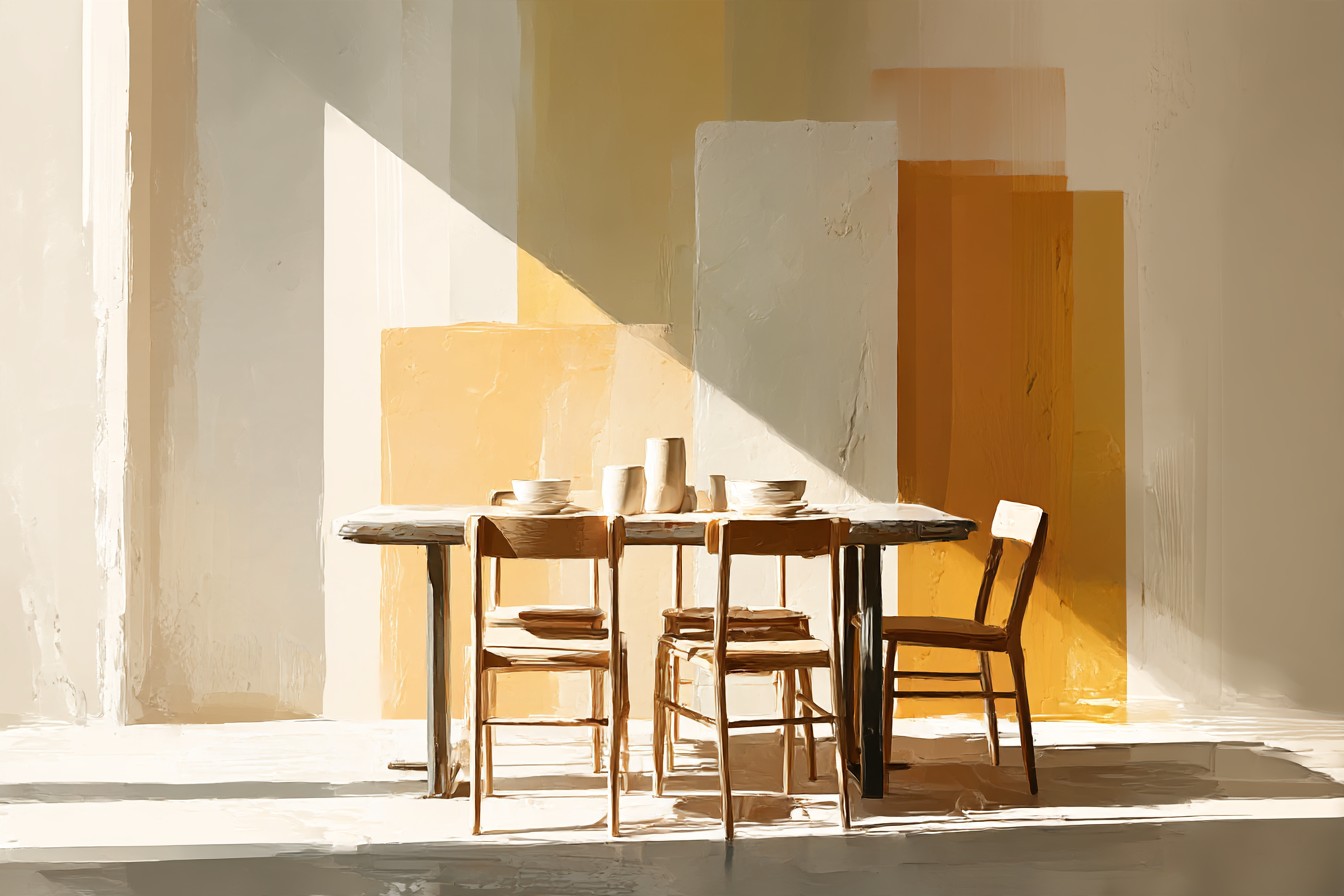
Somebody’s mug left a ring on it in the first month that never came out and at this point we’ve started pointing it out to guests like it’s a birthmark with a story attached. There’s a scratch near one end from a serving dish dragged across it during a dinner that got, let’s say, competitive, and a dent on the other side nobody has ever claimed responsibility for, three years running. This is the whole appeal, honestly. A precious top means a table you’re managing. This one you just live on. Wine goes down without the sharp intake of breath. Kids do homework on it in pen.

You Might Also Like

It hides its wear the way a good pair of boots hides five years of weather, which is to say it doesn’t hide it at all, it just wears it like it earned it.
The metal frame is the quiet part of the marriage, no drama, holds its shape, doesn’t wobble when someone leans on it during an argument about, ironically, the table itself. Nobody talks about it because it never gives anyone a reason to.
Where it splits us again is the finish. Half the table’s fans want it darker, moodier, more warehouse, less farmhouse. The other half thinks it’s already toeing the line toward looking like it’s trying too hard, like it read one design blog and panicked. We’ve genuinely gone back and forth on repainting the base and then talked ourselves out of it every single time, because changing it feels like admitting the disagreement was ever winnable.
It is, despite all that, an easy yes. Not because we agree on what it should look like, we don’t, not fully, probably never will, but because six years in nobody has once suggested getting rid of it. That’s the actual verdict. The scratches stayed, the ring stayed, the argument about the finish stayed too, unresolved and comfortable, like the third leg of the table nobody built but everyone leans on anyway.