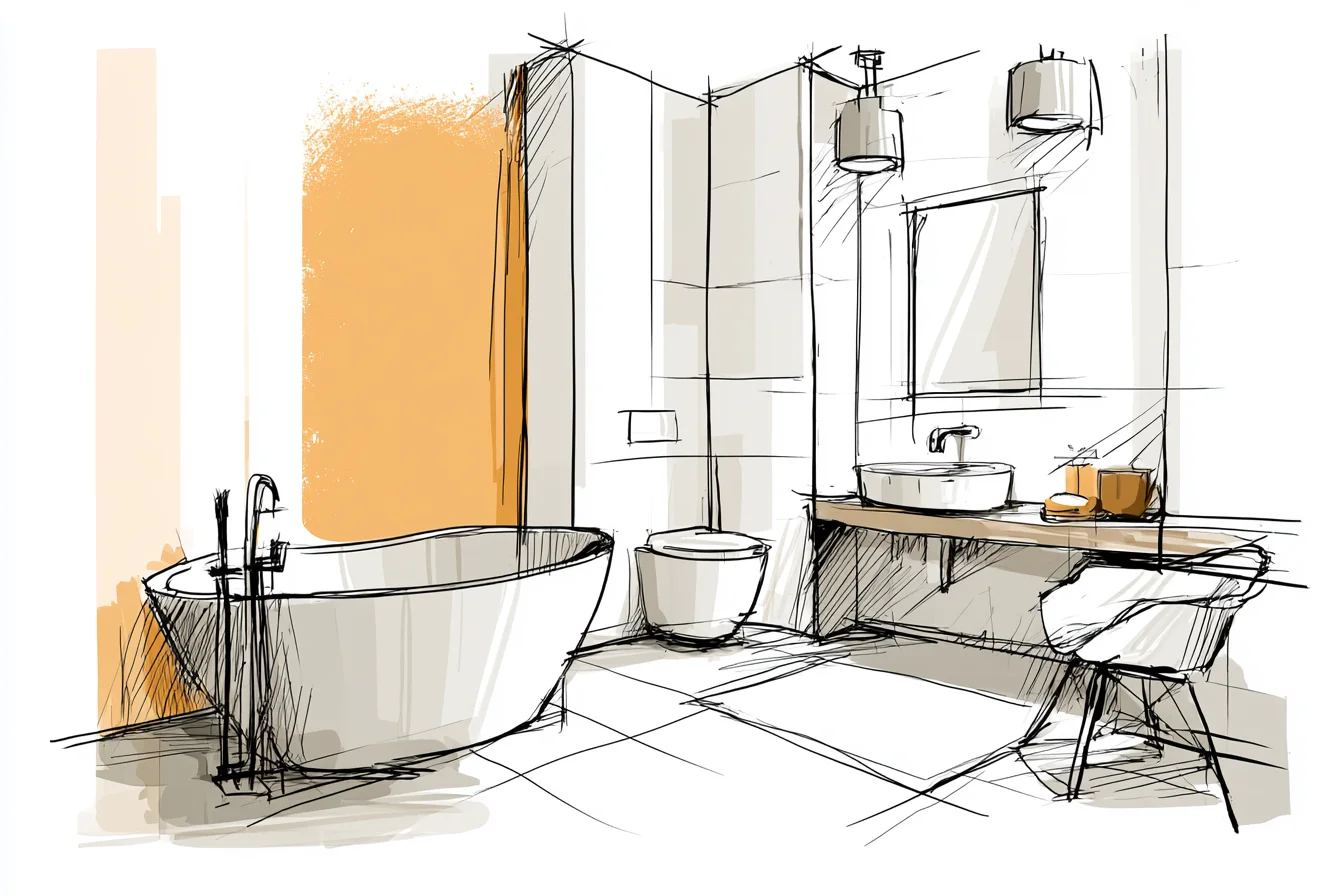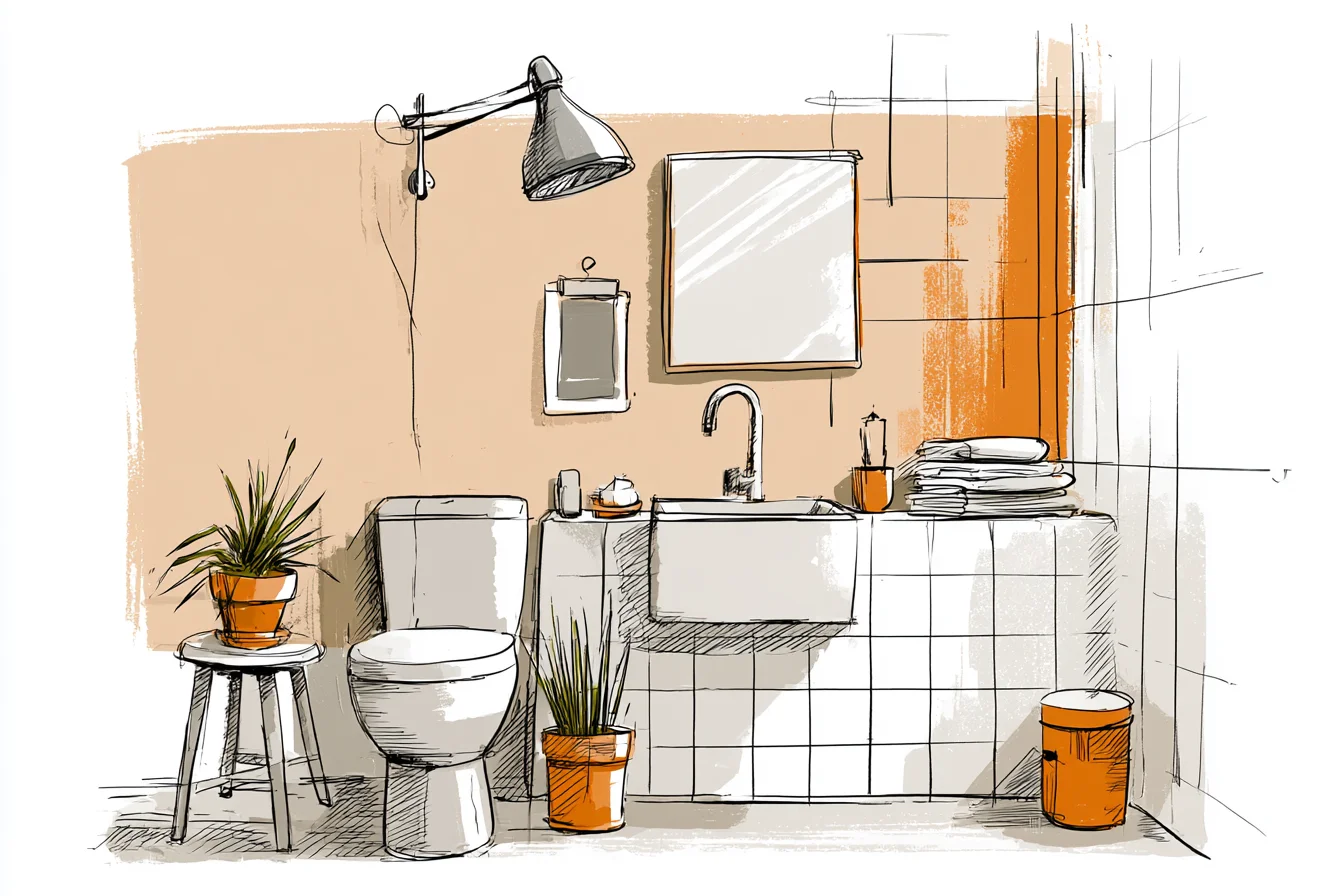
Picture yourself washing your hands in a restaurant bathroom. Did you imagine yourself gleefully splashing around? No — you’re thinking about the bathroom tiles because restaurant bathrooms often have great tiles.
That happened to me last year at an upscale Mediterranean restaurant. The tiles on the walls of the restroom were handmade zellige that glittered like gems, and instead of drying my hands and heading for the exit, I stared raptly at the wall, willing myself not to appear obvious about taking design inspiration from a public bathroom. Then it occurred to me: restaurant bathrooms are designed by professionals who know their restroom has to wow diners without forgetting that it will be vandalised daily by anyone who eats at the restaurant and sanitized hourly by employees who earn minimum wage.
Restaurant designers have to choose tile and materials that can withstand this kind of punishment but still elevate your facilities experience beyond your expectations. Sure, these spaces have to look great on Instagram, but they also have to live through years of wear and tear.
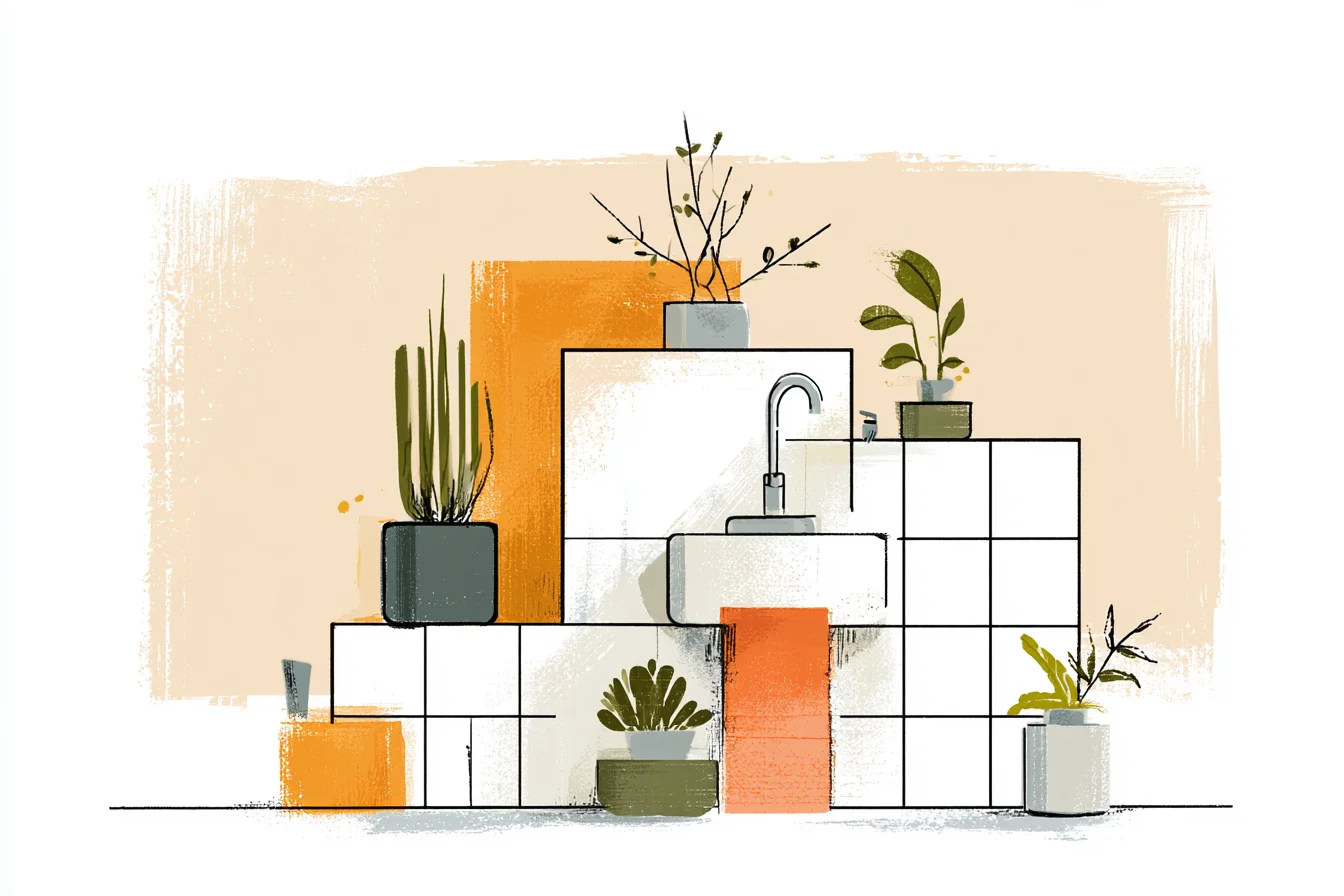
No problem for Instagram!
So why shouldn’t I steal from these pros to upgrade my own boring bathroom? When I first spotted those zellige tiles on the restaurant walls (followed by fancy subway tiles in the bathroom at the Thai place, hardwood flooring in the bathrooms of trendy coffee shops, and so on), I realised that restaurants aren’t afraid of pattern. Most of us rely on subway tiles, simple square tile, or solid bath fixtures to liven up our bathrooms, but restaurants go big on backsplashes and bold designs, knowing they’ll wow diners.
That Mediterranean restaurant had a geometric pattern on the bathroom floors that created an optical illusion so that the floor tiles made the small restroom space look longer than it was. I wasn’t sure I could commit to such a strong pattern in my own bathroom. Subway tiles had been enough of a departure from our builder-basic kitchen and bath throughout the rest of the house.
But since I already lived with boring beige bath tile for three years before I did anything about it, I took a chance. Fortunately, the local tile warehouse stocked very similar hex tiles in an affordable resin (these aren’t handmade mosaic tiles, after all). The installation taught me that this strong of a pattern requires precision.
If your walls aren’t perfectly square, geometrically patterned tiles will highlight that issue instead of hiding it. My tiler took an extra day tiling that bathroom to ensure all of my cuts were perfect (he also spent that extra day complaining about his old Victorian house and how “character” don’t let him do his job). It was worth the cost and headache to see myself starting every day in a bathroom that looks like I hired a designer instead of boring myself to death with beige tile every morning.
Another trick restaurants have taught me: don’t cheap out on your tile material. Yes, you could purchase the cheapest possible ceramic tiles from the big box hardware store. But if you’re going to tile your bathroom like a restaurant, you need to pick tile and materials that are built to last.
One of my first-ever DIY projects was redoing the guest bathroom tiles when I moved into my first flat. I decided I wanted ‘natural stone’ look tiles instead of cheap-as-chips ceramic, so I went with a marble-look tile that was cheaper than the porcelain tiles. It was also highly porous, which I didn’t discover until I accidentally knocked over a bottle of nail polish remover.
The acetone ate through the sealer and coloured the tiles a gorgeous shade of pink that cannot be scrubbed out. Don’t be cheap! Good restaurant bathrooms invest in porcelain tiles that mimic natural stone but aren’t absorptive.
That means no stains, and easier cleaning. Restaurant bathrooms also tend to use larger-format tiles with less grout lines, which makes the space easier to clean and appear more high-end. I switched to large-format porcelain tiles that look like real Carrara marble.
They’re almost impossible to photograph accurately (they look way more glamorous in real life than in pictures), they only require soap and water to keep clean, and since I installed them 2.5 years ago, they haven’t collected a single stain despite my daily shower dance party. One more thing restaurants always seem to get right? They think beyond ‘install tile on the floor and maybe a stripe on the wall behind the sink.’ Restaurants have tiled entire accent walls in the bathroom before me.
You Might Also Like
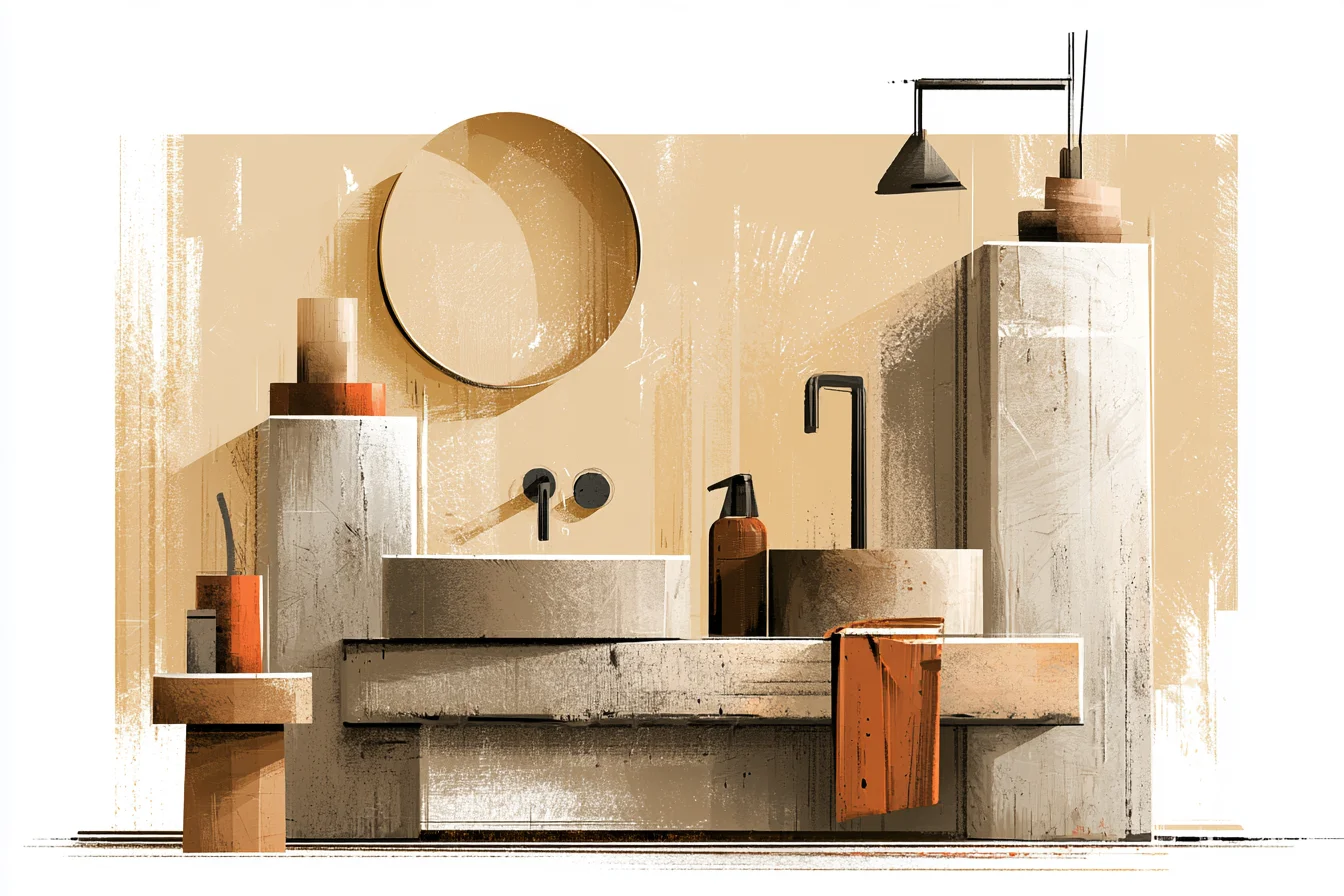
They’ve tiled entire niches to make them a feature. Others continue the tile from the floor up the wall for several feet. It adds drama to your bathroom without being overwhelming.
Following their lead, I continued my shower tiles across the entire back wall of my guest bathroom from floor to ceiling. It was overkill, but it looks intentional instead of cheap, and since that wall takes the brunt of the splashing (people always claim to be careful in your guest bathroom but don’t! ), I don’t have to worry about painted drywall getting ruined. All of the water lands on tile instead, which means I can easily wipe down the wall rather than needing to touch up paint every few months.
Restaurant bathroom also taught me that you can use bolder colours than most home décor magazines will admit. Light greys, creams, and whites are safe options for bath tile and fixtures, but have you ever seen a restaurant bathroom that uses light colours on everything? Of course not!
They’re using deep blues, greens, and yes, even black. There’s a sushi restaurant near me whose entire bathroom is tiled in charcoal with brass fixtures. It’s like bathing in luxury.
When I first considered dark tiles for my own home, I assumed they would make the space feel closed-in and highlight every smear of soap. Trust me, they don’t! I installed dark grey subway tiles in my main bathroom and they hide water marks better than ivory tiles ever did.
They also help the space feel cosy, not closed in. Like with any dark tile, you have to balance out the darkness with other bright elements (white fixtures, light towel colours, a large mirror) and use plenty of flattering lighting. Nobody wants to feel like they’re in a cave showering unless you’ve got tiny LED lights embedded in the ceiling tiles.
Ah, lighting! While I was entranced by tile choices in these commercial bathrooms, I couldn’t help but notice that restaurant bathrooms usually have multiple light sources. We’re not all washing our hands under the harsh, bright light of a commercial bathroom fixture.
At home, most of us have one central light fixture that bounces horrible light off of our face while we shave in the mornings. Popular bathrooms utilises several fixtures — wall-mounted lights on either side of the mirror are common. They might add pendant lights above the sink as well.
I installed two wall-mounted light fixtures on either side of my bathroom mirror, and my skin thanks me every morning.
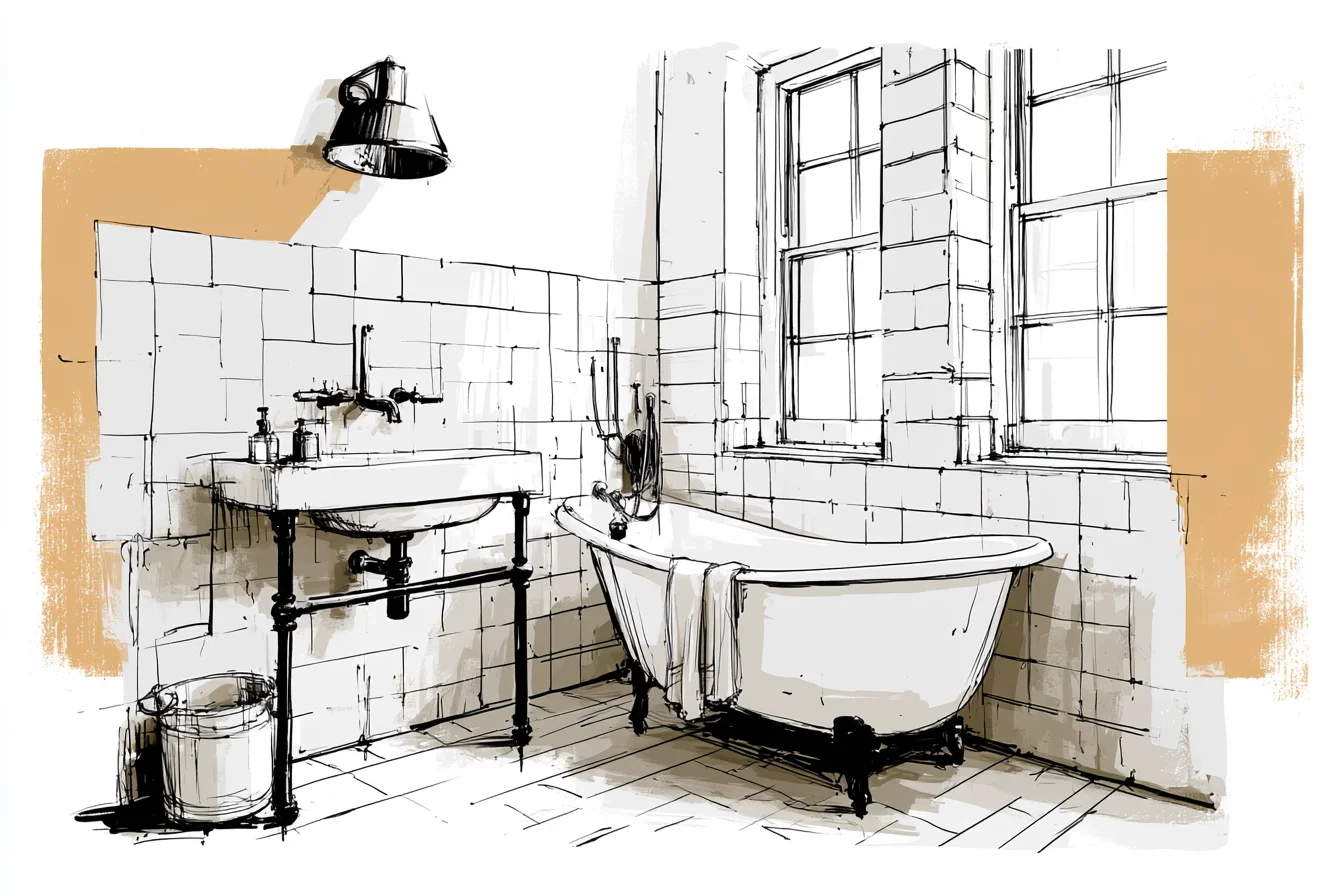
I don’t get ugly shadows under my eyes when I’m putting on makeup anymore, I can see everything I need to do around the house when I wake up in the mornings, and the whole space feels fancy enough to be in a hotel instead of our home. Finally, another page from the restaurant bathroom playbook?
Don’t leave yourself countertops or open shelving that requires clutter control. Public restrooms can’t have cluttered countertops, so they build storage into the space instead. That means wide medicine cabinets built into the wall, hidden shelves and compartments, and niche built into walls.
I built a large niche into my shower using leftover tiles from the main bathroom. Now, all of my shampoo bottles have a home and aren’t piled on the edges of my bathtub. The built-in look appears custom and expensive, too.
It was slightly more work for my contractor (“Why do you want something that takes more work for the same price?” he hated it until he saw it finished), but it was worth it to have a little feature that no one else will think to add to their shower. Bathrooms have also taught me that tile can be used for more than the walls and floors. I’ve seen gorgeous large-format tiles used as vanity tops, restaurant bathrooms that continue the backsplash all the way to the ceiling, and even framed their mirrors with tile.
Using tile in unexpected places creates a cohesive feel to your bathroom that look intentional instead of designed by someone who really likes tiles and searched ‘tile bathroom ideas’ on Pinterest.