Eight feet by ten feet. Eighty square feet total. With calculator still poised over my notebook, I took in the numbers.
My bedroom was smaller than most people’s walk-in closets. Clearly, the real estate agent who’d described the space as “cosy” and “efficient” was hanging with the same hen-and-chicks types I usually kept miles away from. Standing there, all 5’4” of me in that empty rectangle, I felt stupid.
How was I going to fit furniture into this thing without it becoming a claustrophobic nightmare? Bed.
Dresser.
Room to walk around, hopefully. Where the heck would I put a chair? I realized my first mistake came right when I bought the place: Purchasing furniture online before I knew the exact measurements of the rooms.
I had scribbled notes in my possession, sure, but dimensions on paper were different from dimensions in real life. That queen-size bed I ordered delivered to my door made the already-small bedroom feel even smaller. The guys who dropped it off stared in disbelief (jokingly, bless their hearts) and one even offered that his toolshed was more spacious.
Reality sunk in. It was queen-bedbye-noba. Lesson 1: Downsizing Your Furniture Isn’t Always Enough Live and learn.
Besides dealing with an unnecessarily painful return process, I discovered that smaller spaces don’t just scale down furniture size. You have to completely rethink how furniture can work. So, a full-size bed it was.
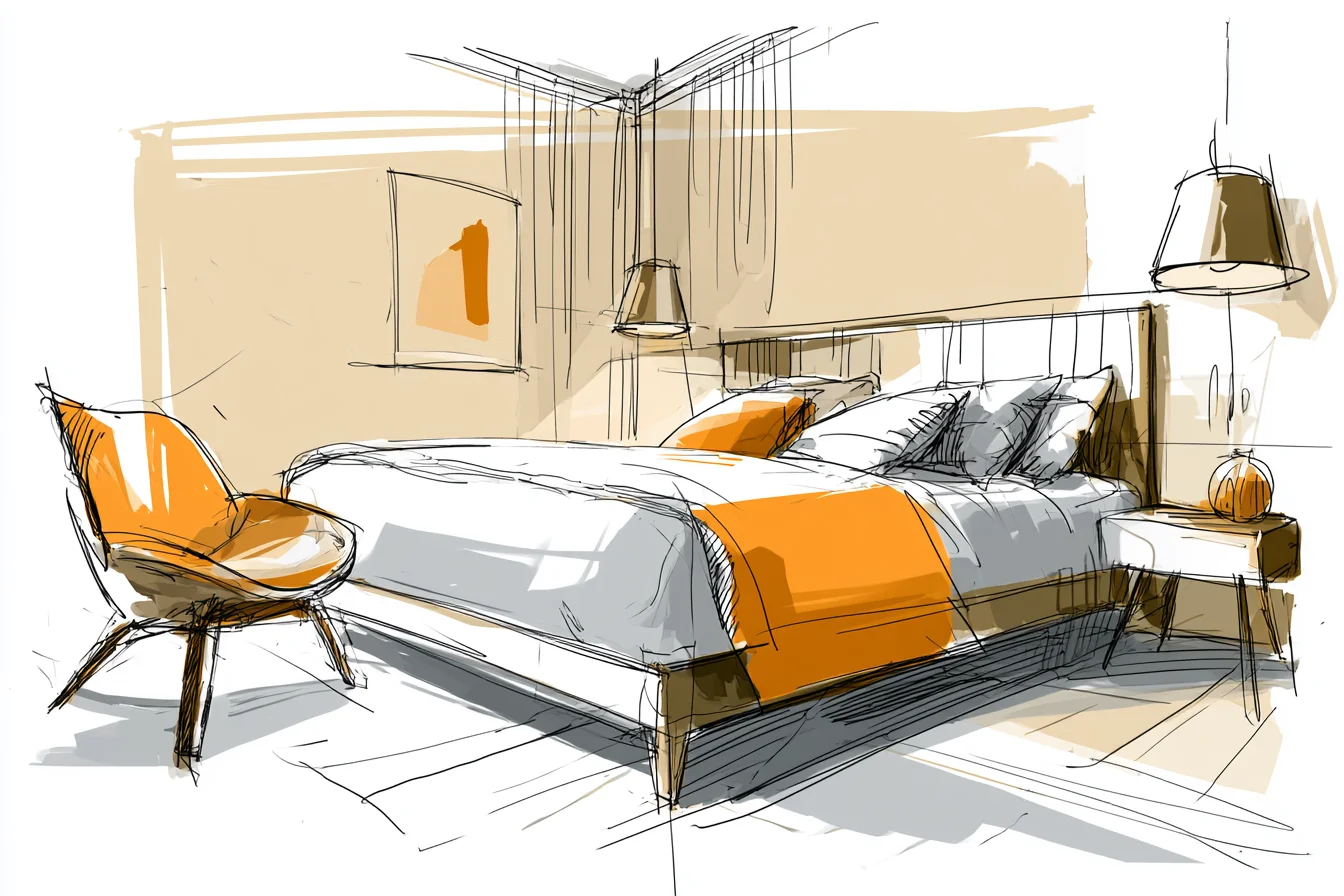
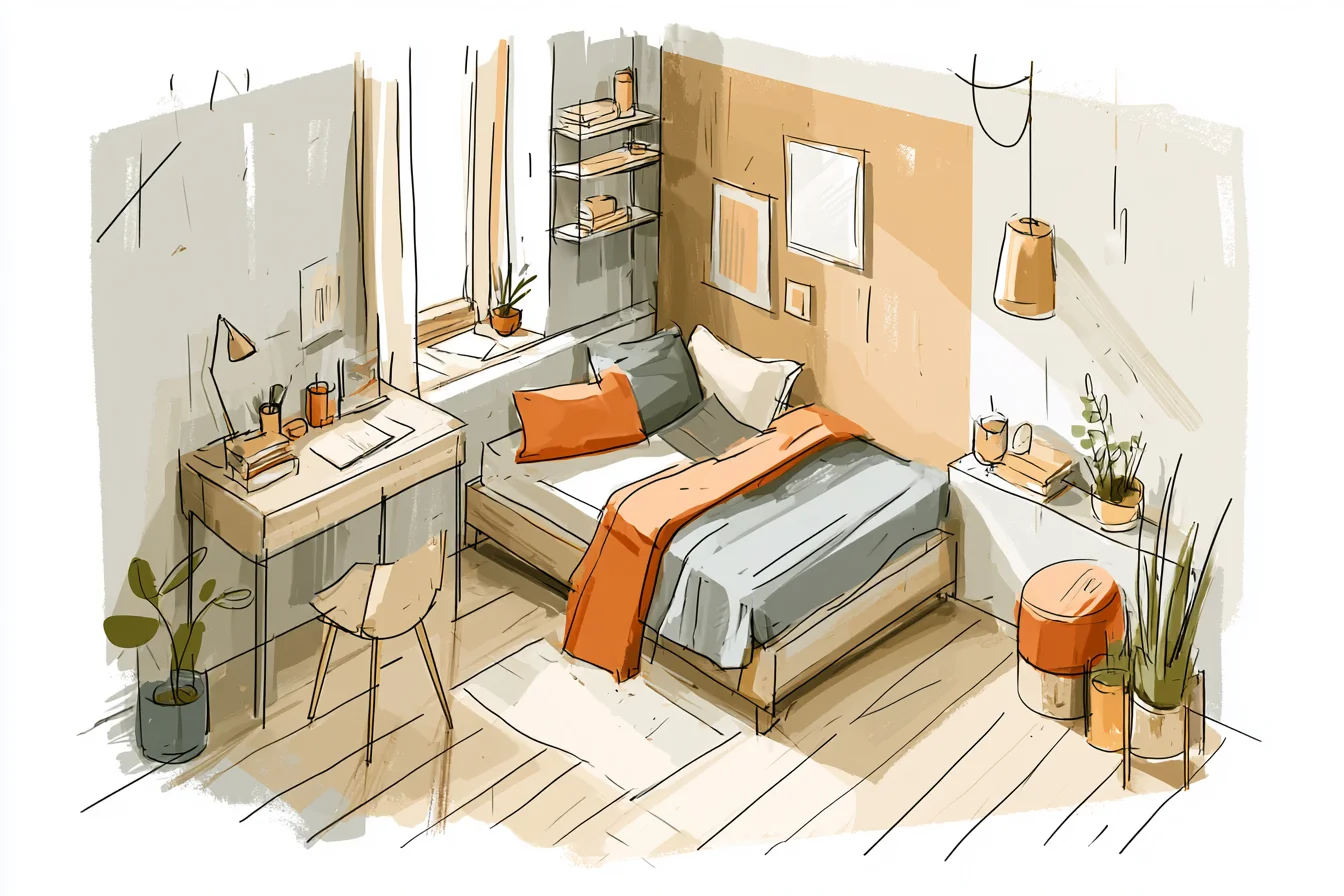
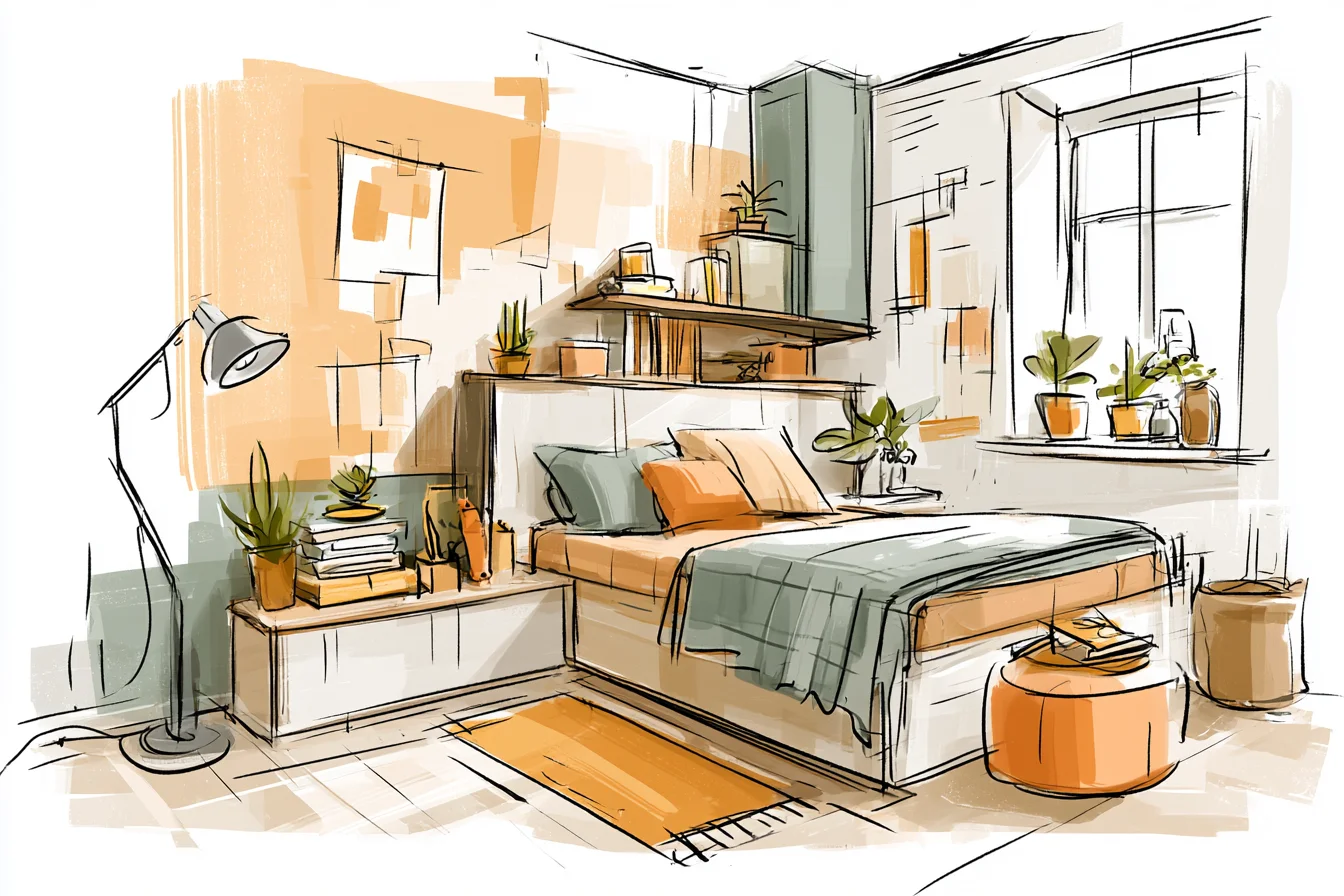
Only this time, I shoved it into the corner, not centered like every magazine ever claims you should. Angle it so two walls are holding it up instead of one, giving you more floor space while creating distinct areas in your bedroom. The lack of a “headboard wall” also allowed me to use the wall itself as a headboard and skip that purchase altogether.
Savings and space: checked and double-checked. Creative couch alternatives for small spaces. Next up: the dresser.
Standard dressers are deep. Like, way too deep for a tiny bedroom. Most start at eighteen inches, with some pushing 20″ or more.
But who needs all that fancy leg space when you have stuff to store? No, I opted for a simple console table style dresser. Just twelve inches deep.
It was shallow enough that I could fit sets of stackable drawer organizers inside of it. Broken “traditional”? Sure.
But it worked wonders for disguising the visual bulk of bulky furniture. Storage space is key in any bedroom. And in tiny spaces, that concept takes on a whole new level of important.
Every inch matters. Under-bed storage became my best friend. Plastic bins that roll easily (dragging heavy storage boxes across carpet gets old FAST) slid perfectly onto my bed frame.
Floating shelves weren’t just for decoration either. Spanning two walls and reaching almost to the ceiling, these babies provided storage for books, out-of-season clothes, and everything else that needed a home but didn’t fit inside my dresser drawers. Speaking of closets….
Half the battle with closets in a small bedroom is how cramped they feel. Ours was no wider than four feet, and so shallow I couldn’t hang clothes without angling the hangers forward. The solution?
Taking out the rod and installing a double rod system, with shorter clothes on top and longer items on the bottom. Shelf dividers created distinct sections for folded clothes, preventing them from toppling over when you grabbed something from the middle. Oh, and that over-the-door shoe organizer I hung?
It’s not just for shoes. Phone chargers, hair accessories, kitchen gadgets, you name it. Found a home there.
If you can change the lighting in your bedroom, DO IT. My overhead fixture casted everything in an unpleasant, yellowish tint and made the room feel even smaller. Replacing it wasn’t an option on my budget, but I found plenty of alternative lighting I could plug in.
String lights around the perimeter (I know, I hate that line as much as you do but hear me out. Mine were warm white bulbs with an actual dimmer attached). Table lamp on my dresser/console.
You Might Also Like
Clip-on reading light for the bed. These things made a huge difference in the overall feel of my bedroom. Speaking of feeling….Mirrors are magical.
Or at least that’sthe hype I’ve heard for years and years. Skeptical, I hung one above my dresser across from my bedroom window. And you guys?
It works. Mirrors don’t actually make a room bigger, but they fool your brain into thinking it has more space. Since installing mine, my room feels less claustrophobic.
Colors make a difference, too. When I first moved in, I wanted to paint everything white to give the illusion of more space. Problem was, bright white clashed with the wood floors and highlighted how tiny the bedroom actually was.
I ended up going with a soft sage green color (shoutout to that first cruel little flat for introducing me to paint chips). Light enough to give the illusion of space, but soft enough that it drew the walls outward. Bonus: it didn’t show every fingerprint and scrape like pure white would have.
Truthfully, the toughest part about furnishing a small bedroom was accepting that not everything would fit. No reading chair for me (boo). Full-length mirror would have to wait until I found a wall-mounted one (more on that in a minute).
And nightstands were out unless I wanted to crawl into bed from the ceiling. Each furnishing had to be a delicate balance of desire and physics. “How’d you fit so much stuff in here?” became a common question amongst friends who visited. The truth wasn’t any one sneaky hack.
It was dozens of small choices that added up. Keeping surfaces clutter-free. Investing in furniture with legs instead of bulky pieces that looked like they were going to sink into the floor.
Hanging curtains high. Using vertical space whenever possible. Making sure every single thing had a “home” to prevent clutter from building up.
The crazy part? I loved my little bedroom. Sure, it took some getting used to.
But once I had everything situated and the layout flowed, it didn’t feel like a cramped box I tried to curl up in every night. It felt cozy. Intimate, rather than closed in.
There’s something oddly satisfying about efficient spaces. Having everything you need within arm’s reach, not having wasted space, and refusing to own stuff you don’t absolutely love. Would I signed up for an eighty-square-foot bedroom again?
Honestly, probably not. But if I did have that choice, I wouldn’t trade my humble abode for anything. Living in a small space taught me the importance of intentional living.
Choosing furniture and décor with purpose. Making sure everything you bring into your home knows its place. The secret to making a small bedroom work for you?
Don’t fight it. Make your bedroom work for you. Humans are animals of habit, and we easily fell into a routine of making our bedroom function for our day-to-day life.
Not for some fanciful ideal of “what a bedroom should look like” that we see on Pinterest. Once I embraced the small square footage and stopped looking for ways to “cheat” my room into feeling larger, everything fell into place. Literally.
I recently moved into a larger bedroom and found myself kind of missing my tiny space. The organized efficiency.
How every single thing had its spot.
Having to tidy up took five minutes because you couldn’t leave junk laying around with nowhere to hide. Small spaces breed creativity. And creativity can lead to better, more functional solutions than you know what to do with.
That console/dresser combo I scrounged up? Still with me, living in tip-top fashion. Bed in the corner?
Done that. Recommend it to anyone trying to maximize square footage. Those little changes I thought were compromises when I was living there?
They became my favorite quirks. Lesson learned.