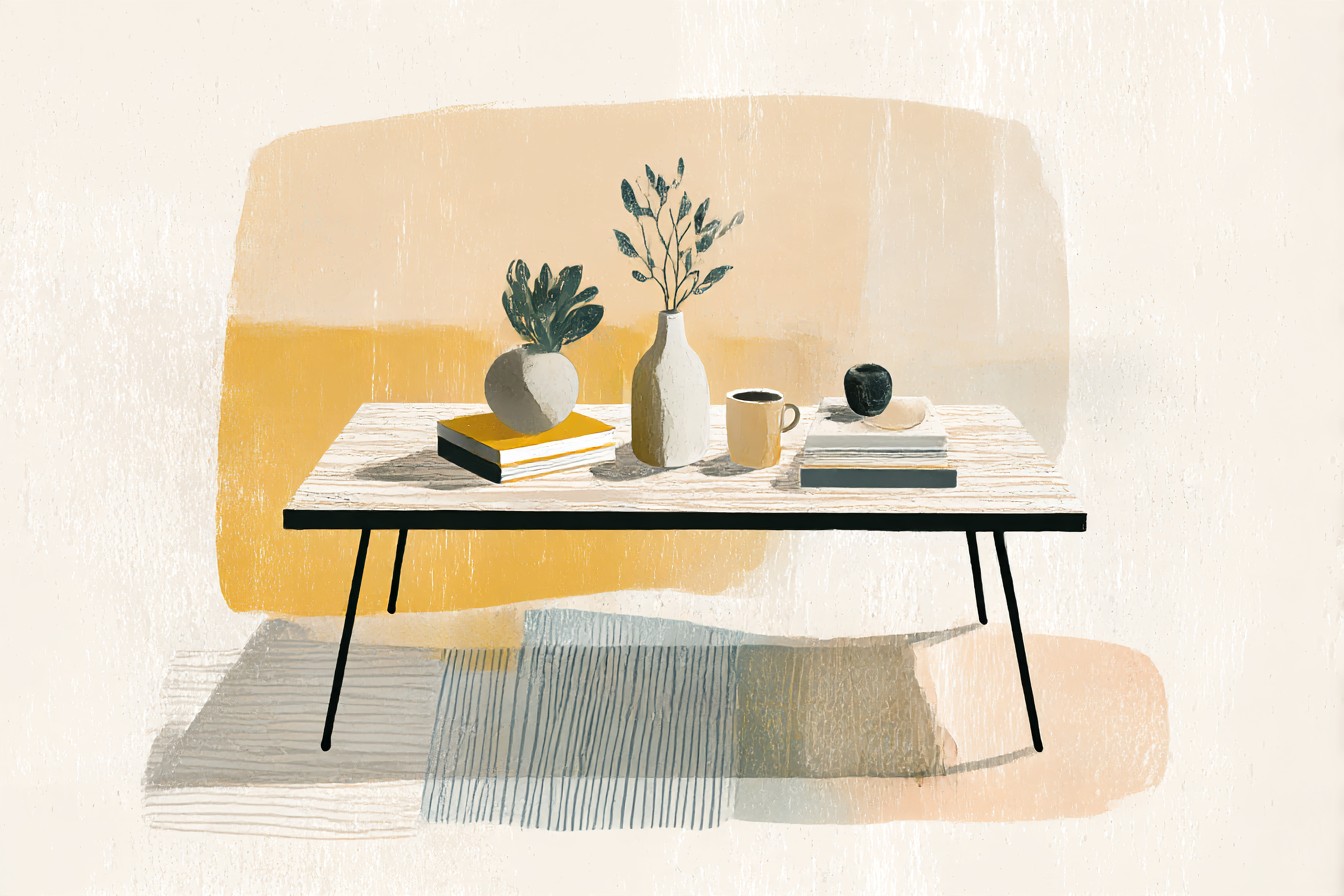
The argument that finally cracked this one open wasn’t about the bookcase at all. It was about what kind of person owns things. Half the group treats a bookcase as a display of a life properly lived, spines facing out, colour blocked, the good candle on top. The other half treats it as a filing system for the stuff that would otherwise live on the floor, and honestly can’t understand why anyone would photograph a shelf. That’s the real fault line here. The bookcase just happens to be standing in it.
Because here’s what actually happens after three months, regardless of which camp you’re in.
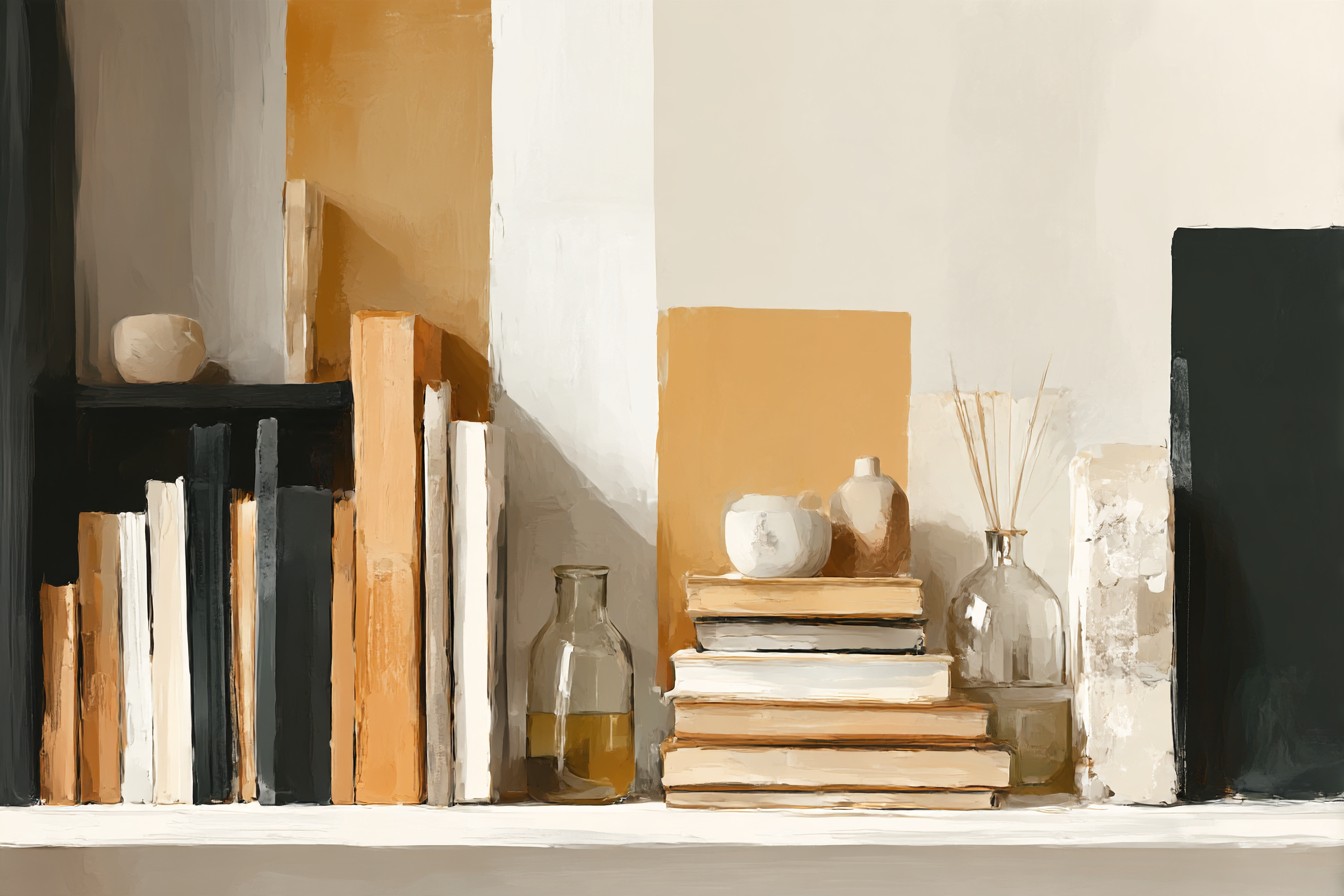
The books make up maybe forty percent of what’s on there. The rest is a phone charger nobody claims, a candle burned down to the label, one single AirPod, a card from a birthday eleven months ago that someone “meant to put somewhere,” and, on at least one shelf in every household we’ve heard from, a plant that was thriving in the shop and is now technically compost with ambitions.
We’ll say this for the black finish, since somebody has to defend it: it hides all of that. Dust, fingerprints, the faint grey ring where a mug sat too long, none of it announces itself the way it would on white or oak. One of us calls this “structurally forgiving.” Another calls it “letting yourself off the hook,” which, fair, but the hook was never that interesting to begin with.
The overrated camp has a real point though, and we’re not going to pretend they don’t. A black bookcase in a small room can eat the light and just sit there looking like a hole in the wall, especially if you’ve gone cheap on it and the finish is more matte plastic than actual paint.
You Might Also Like

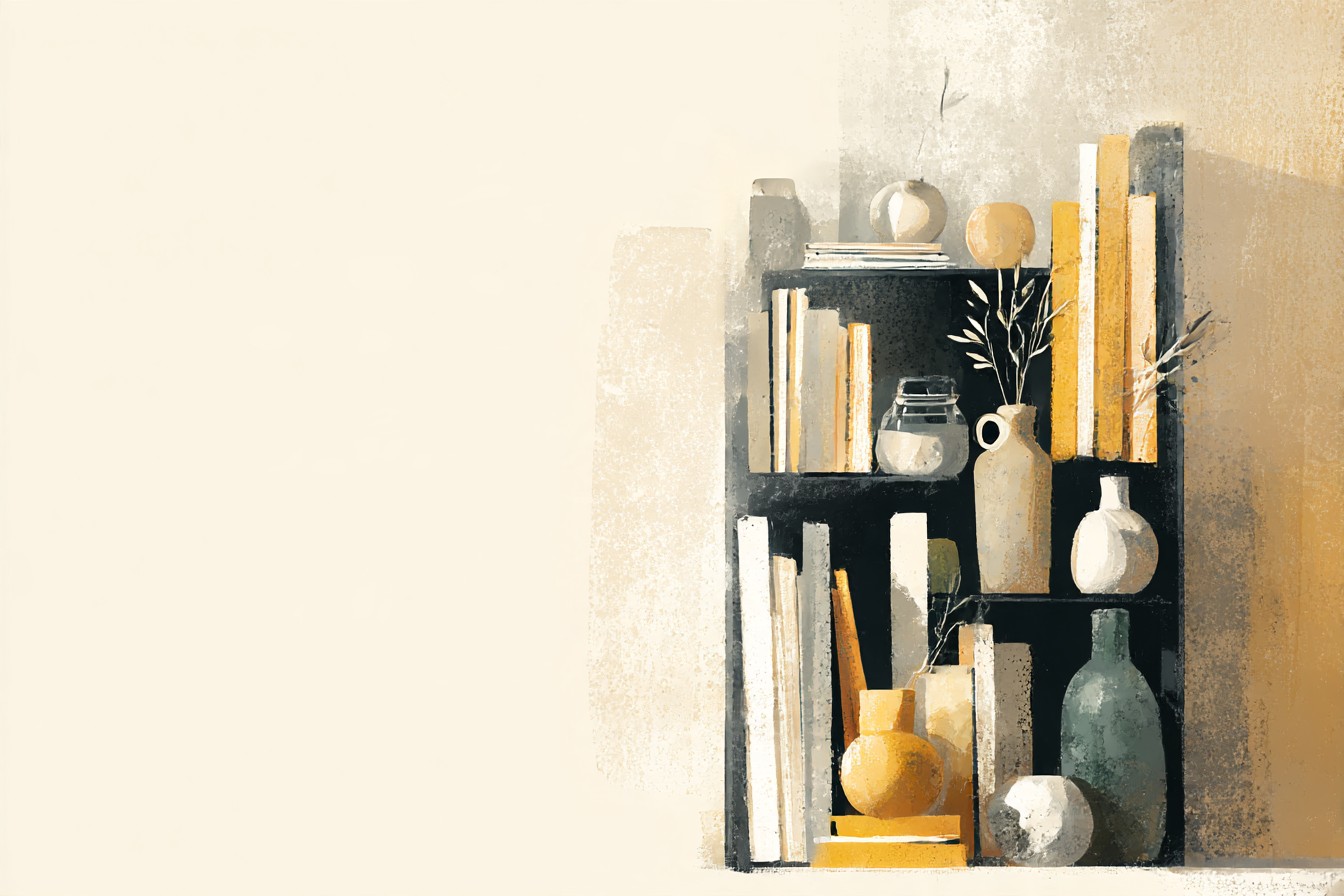
Buy it for a room with a window, not a room with a vibe. That’s the whole tip, and it’s the only construction note you’re getting from us today.
The lifestyle argument keeps resurfacing, though, every single time someone reorganizes. The display half wants the bottom two shelves for oversized art books nobody reads and the top for “objects.” The filing half wants the bottom for the printer and the top for anything they can reach without a step stool. Nobody has ever fully won this argument in any household we know of. What tends to happen instead is a truce shelf, usually the middle one, where both instincts collapse into each other: three novels, a printer, a candle, and someone’s passport, because apparently that’s just where the passport lives now.
Three years in, across several of our actual bookcases, the verdict has less to do with the piece and more to do with who you already were before you bought it. It doesn’t make you tidy. It doesn’t make you a reader. It just gives whatever you already are somewhere black and rectangular to happen in.